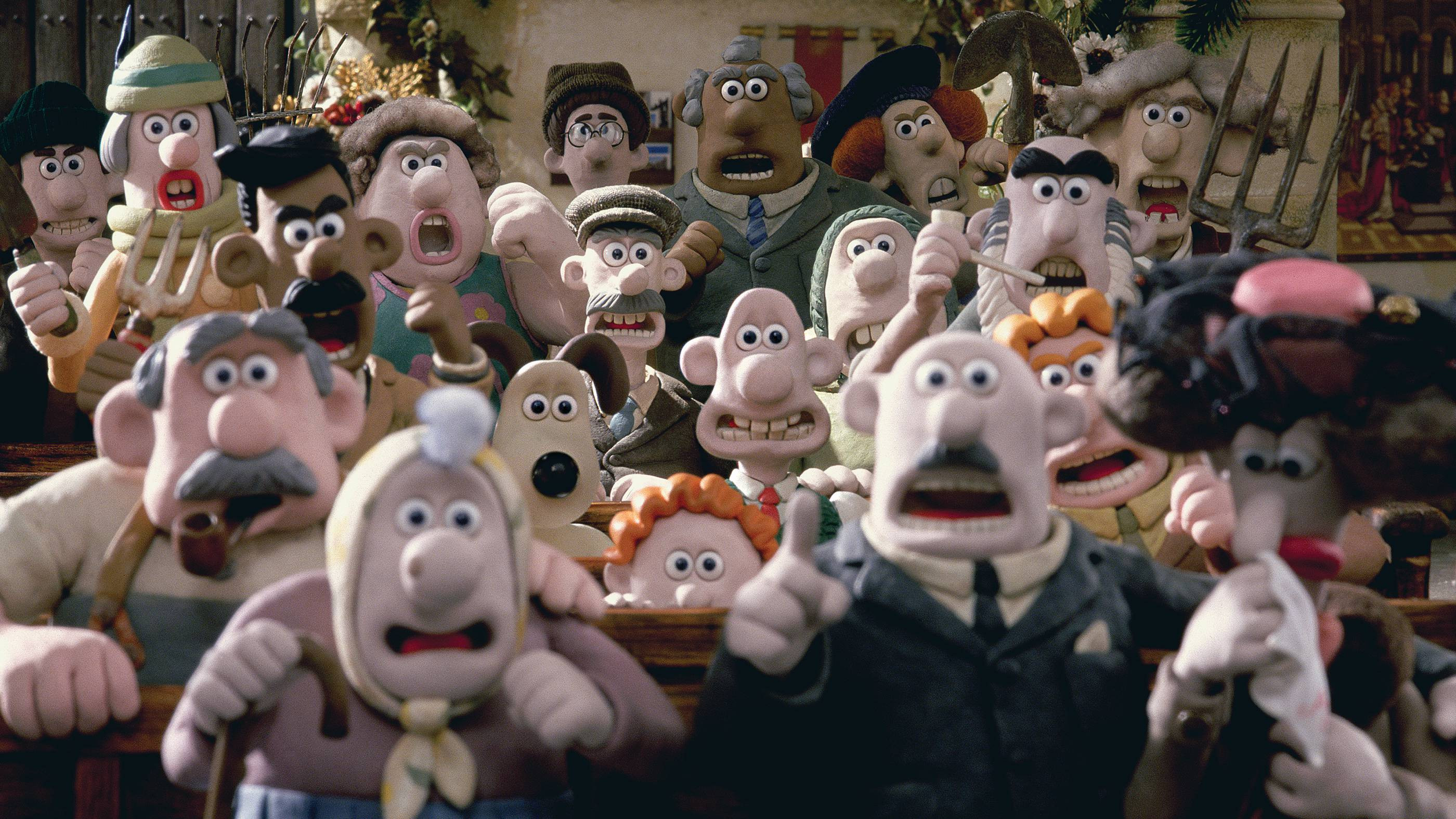
Nick Park and Steve Box’s monster comedy is funny, affectionate and precise about its smallest gestures. The plot stretches to fill a feature, but Gromit’s silent exasperation would justify considerably more of our time.
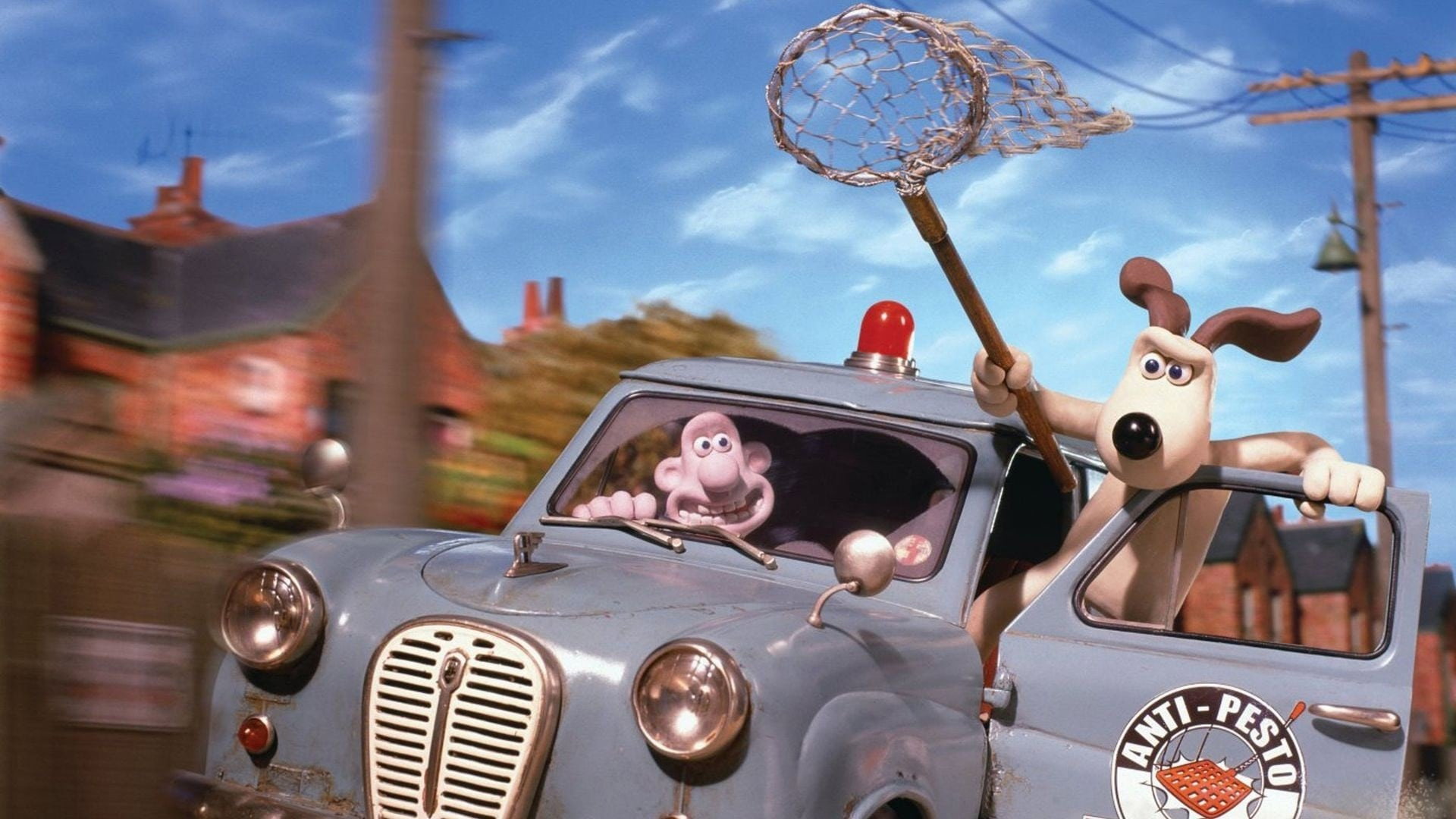
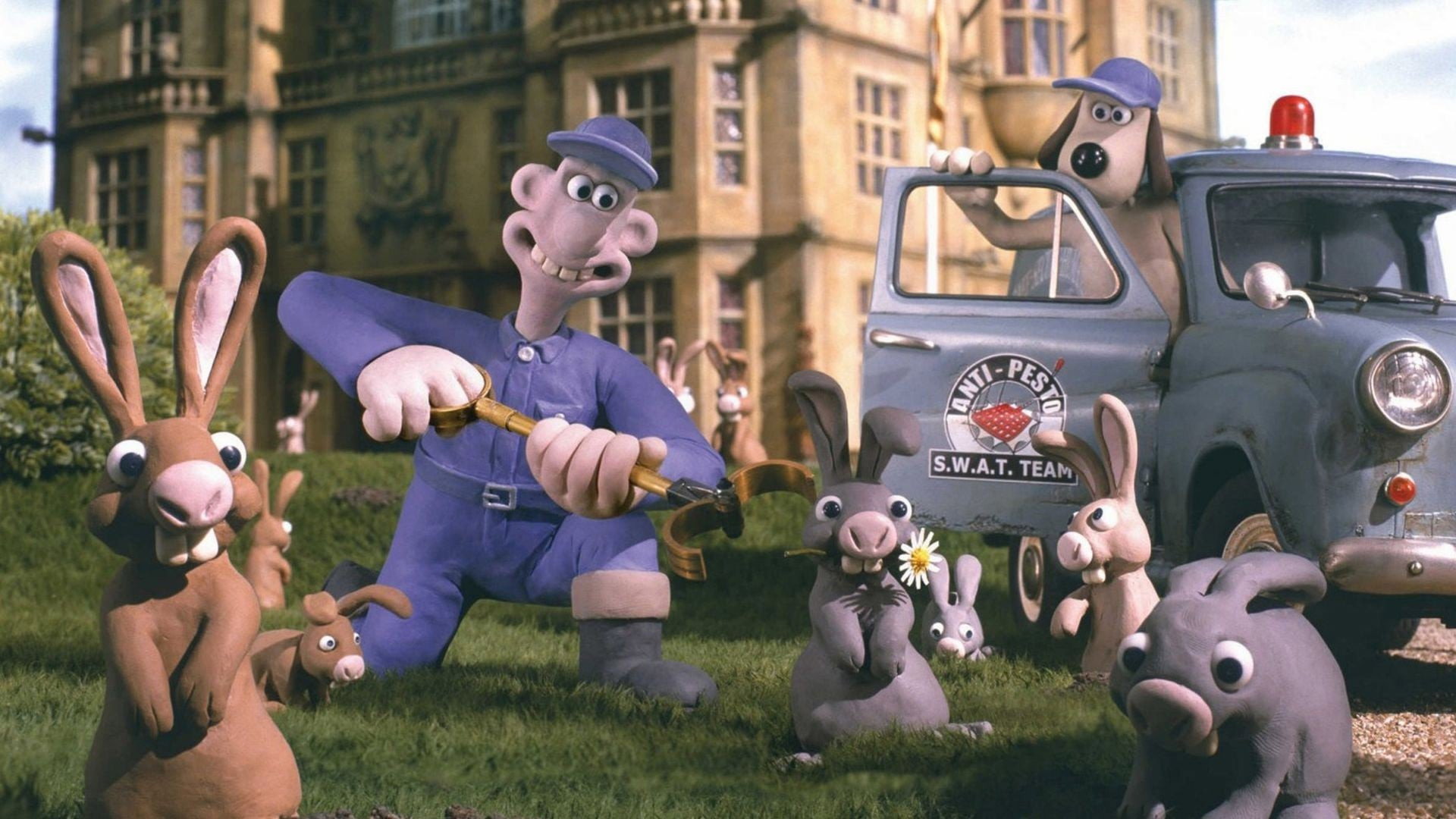
Nick Park and Steve Box have made a funny, generous monster comedy that keeps its affection for ordinary life intact. Wallace & Gromit: The Curse of the Were-Rabbit gives its inventor and his dog a mutant rabbit to contend with, but their unequal partnership remains the main attraction. It understands how much comedy there is in asking Gromit to tolerate one more of Wallace’s ideas. The story is thin enough to notice, particularly when the action gets busy, yet at 85 minutes the film leaves plenty of room for small, precisely judged jokes.
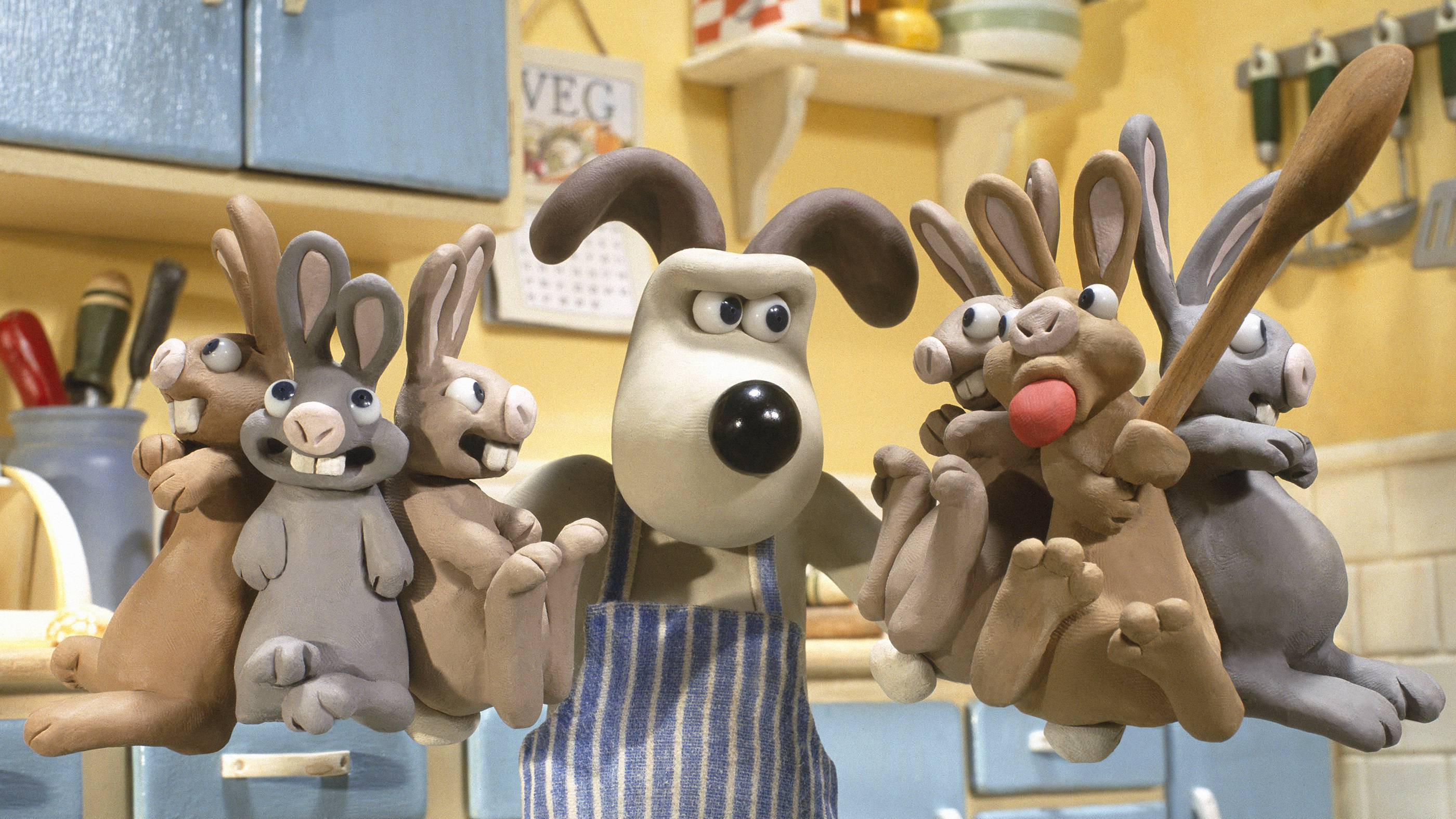
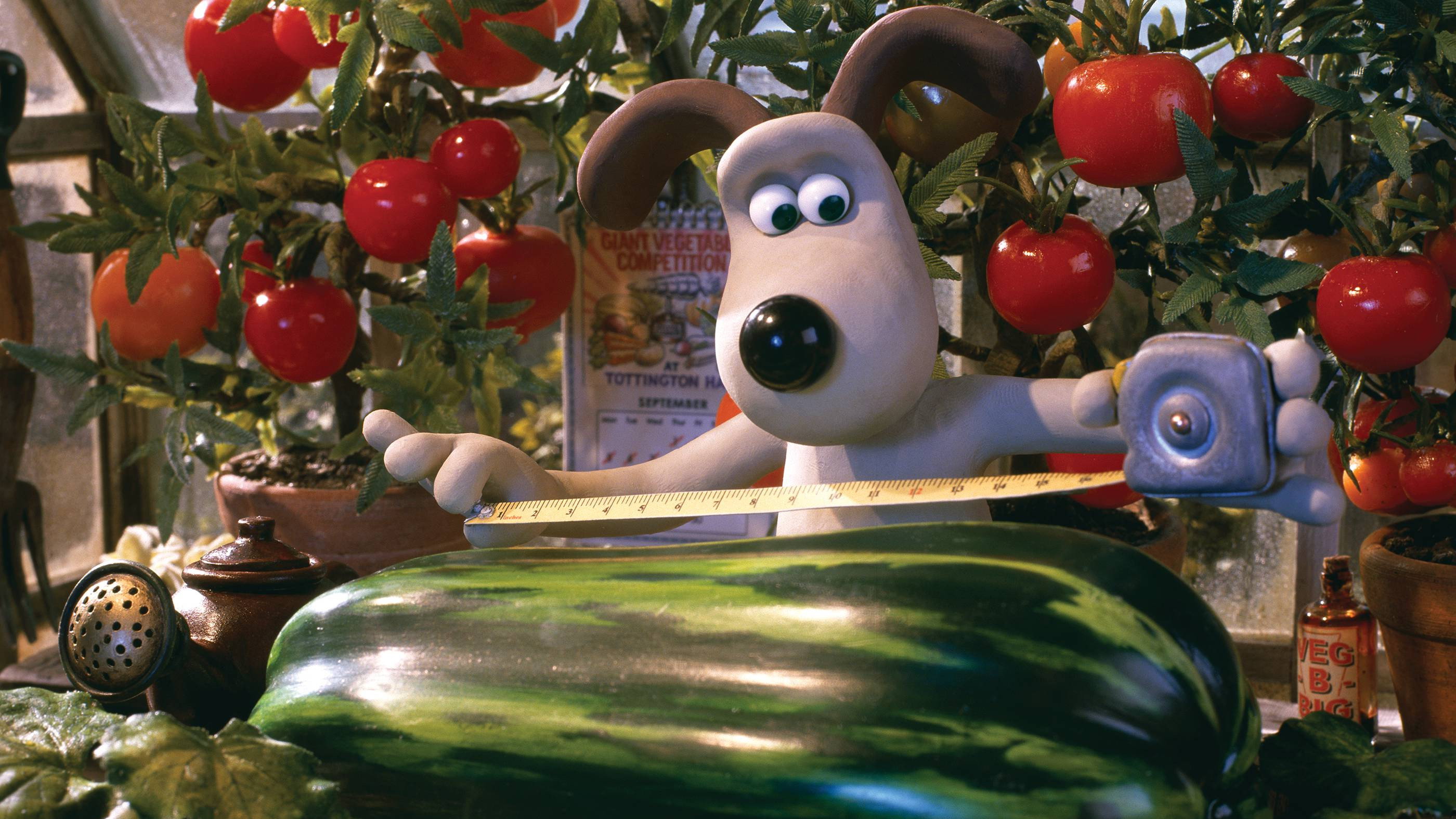
Peter Sallis gives Wallace a voice we can enjoy even when his judgement is plainly unreliable. There is no need to make him knowing or fashionable; his enthusiasm is enough. Gromit’s silence lets the animators show what it costs to remain loyal to such a man. We laughed hardest at the minute changes in his forehead, which make his patience look as though it requires considerable effort. The dog never needs a line explaining how he feels.
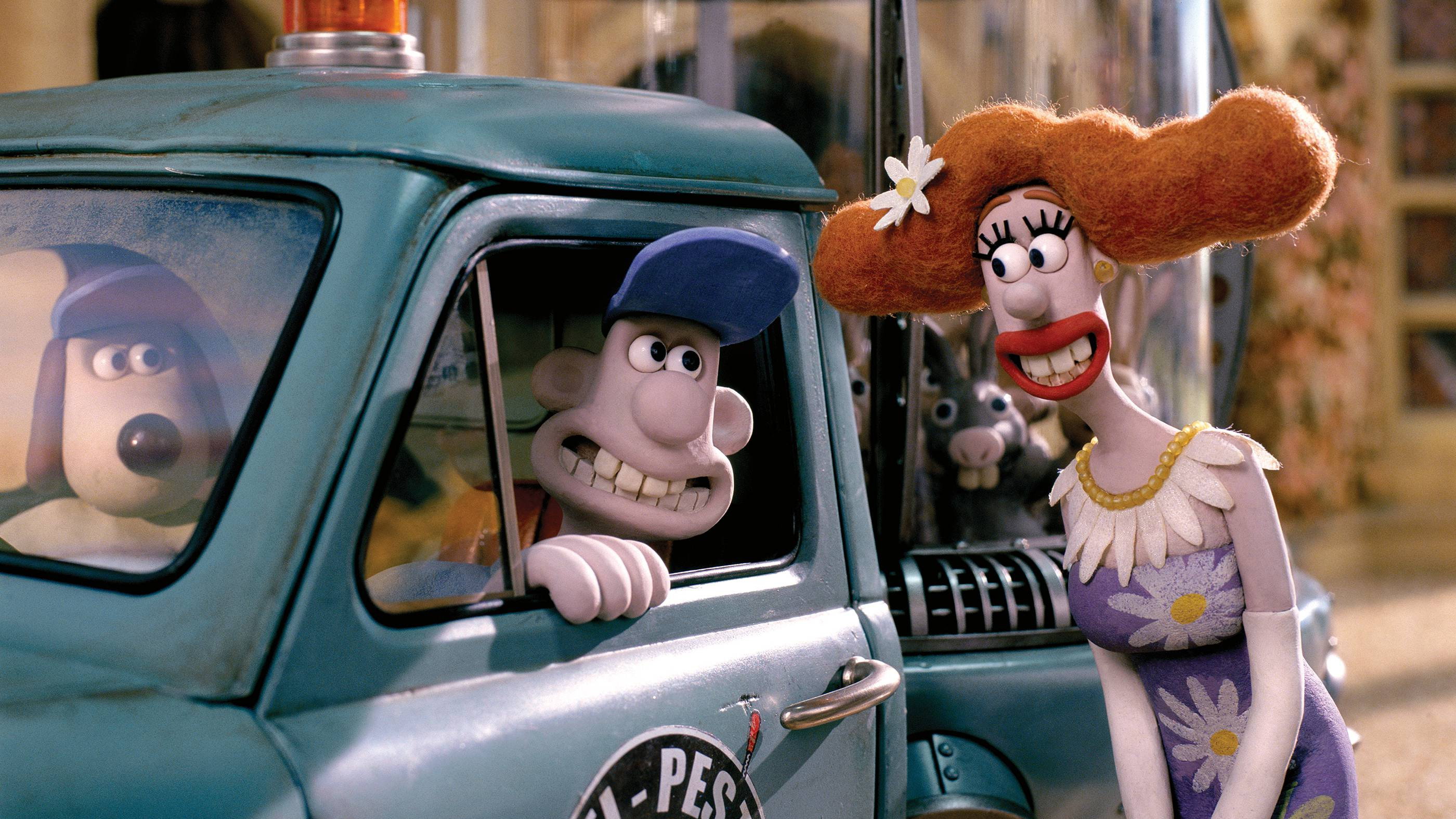
Ralph Fiennes, as Victor Quartermaine, and Helena Bonham Carter, as Lady Campanula Tottington, fit the larger-than-life humour without making the voices the main event. Their performances are broad enough to suit the figures on screen and controlled enough to keep the jokes clear. The screenplay, by Park, Box, Bob Baker and Mark Burton, works hardest in the sight gags. Even when a pun is rather obvious, there is usually something in the picture worth watching.
Phil Lewis’s production design makes the everyday surroundings inviting enough that we would happily spend longer there before another chase begins. The pleasure of this stop-motion world lies in being able to look closely, and cinematographers Tristan Oliver and Dave Alex Riddett give the characters that attention. Gromit’s face remains worth studying even when we already understand the joke. We do not need to count the labour behind an animated film to admire it. Here, the small physical adjustments produce expressions that would be hard to improve by adding more movement.
Julian Nott’s music suits the mock-horror, helping the monster business feel playful rather than punishing. Editors Gregory Perler, David McCormick and Angharad Owen keep the chases readable and the succession of jokes brisk. That pace is useful, because the plot cannot always supply an equally strong reason to care about the next complication. In the busier stretches, we began waiting for the next quiet exchange between Wallace and Gromit.
The move from short adventures to a feature sometimes feels like an excuse to keep everyone running a little longer. Park and Box largely get away with it because they preserve the ordinary domestic humour between the two leads. The horror references are enjoyable, though recognising them matters much less than understanding these two. The film’s sympathy for animals gives the monster comedy some feeling, and keeps the creature from becoming merely something to be chased.
We recommend it warmly, with a small allowance for that stretched plot. Give the quieter moments as much attention as the monster business; they are where the characters become worth spending time with. Anyone sharing a home with an enthusiastic inventor should feel particularly well understood.