Film review

Chicken Run

2000 · Directed by Peter Lord, Nick Park · 1h 24m · MPA G

In a sentenceWe came to laugh at chickens organising a prison break and ended up fretting about their chances

AnimationComedyFamily

On a Yorkshire farm, a group of chickens tries to escape the coop. Ginger, voiced by Julia Sawalha, is at the centre of their efforts, while Mel Gibson voices Rocky. Their attempt to get out takes the shape of a prisoner-of-war escape story, with the farm standing in for a camp. Imelda Staunton voices Bunty, Jane Horrocks is Babs and Lynn Ferguson is Mac. Miranda Richardson and Tony Haygarth provide the voices of Mrs Tweedy and Mr Tweedy in this stop-motion family comedy directed by Peter Lord and Nick Park.

Plays from YouTube when you press play; nothing loads from them until then.

Fi1m review

Peter Lord and Nick Park turn a chicken coop into a prison camp and make us care about the inmates. The escape-film jokes occasionally stretch thin, but the expressive animation and voices earn our warm recommendation.

Peter Lord and Nick Park treat a chicken’s wish to leave the farm with exactly the seriousness an escape film demands. That seriousness makes Chicken Run funny, and gives us a reason to care beyond finding the chickens amusing. We recommend it warmly, with a small reservation about how far the prison-camp routine can stretch. The stop-motion animation gives each inmate enough personality to keep the idea alive when the script gets comfortable. At 84 minutes, it still has a few stretches that could move faster.

Karey Kirkpatrick’s screenplay borrows the structure of a prisoner-of-war escape film, with a Yorkshire chicken coop serving as the camp. The debt to The Great Escape is clear, but recognising it is not a condition of entry. Ginger has enough determination to make the situation intelligible without a working knowledge of war films. Lord and Park allow these birds their own concerns, rather than making every exchange a nudge towards another film. Much of the humour comes from how seriously the chickens approach getting out.

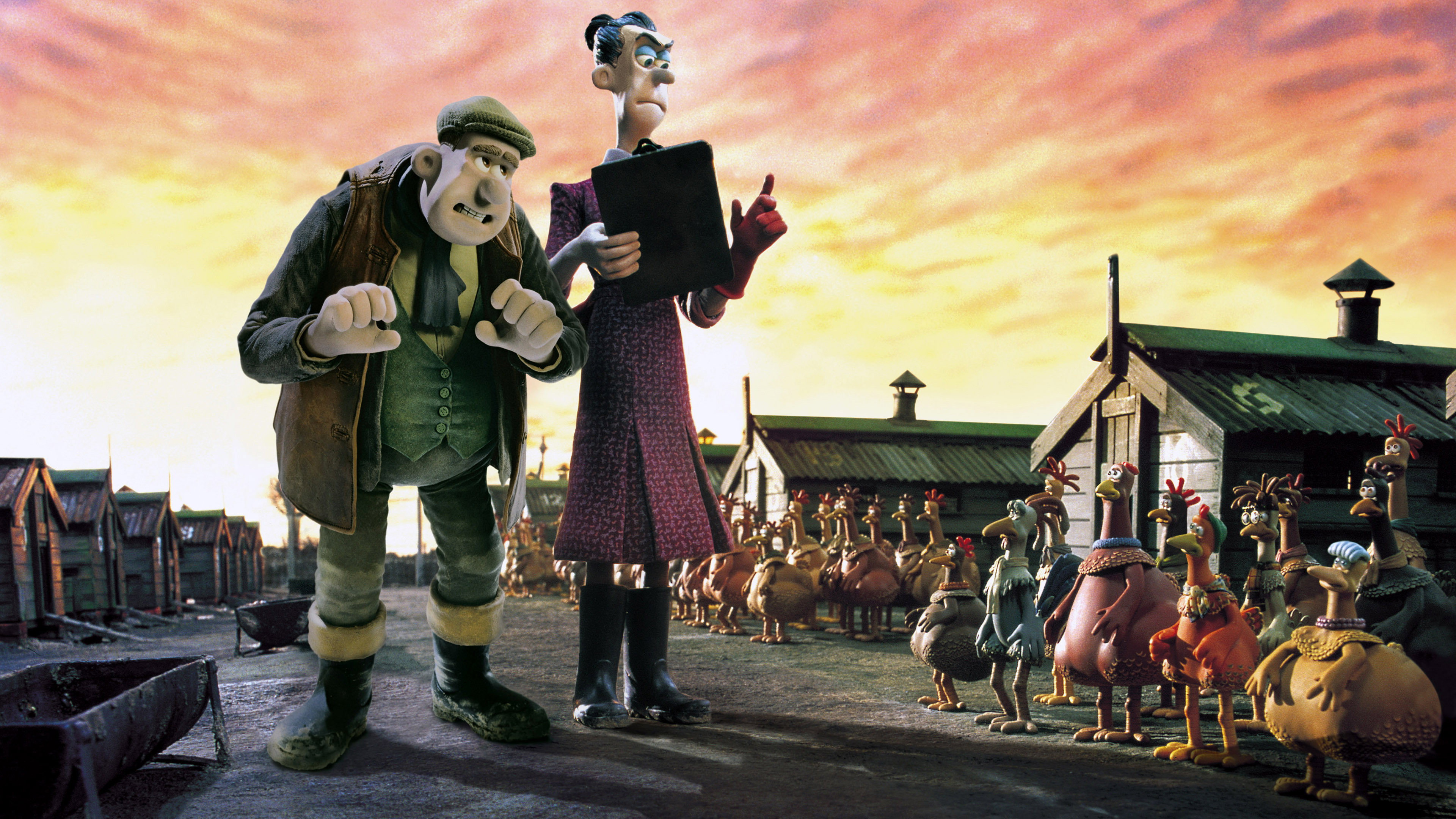
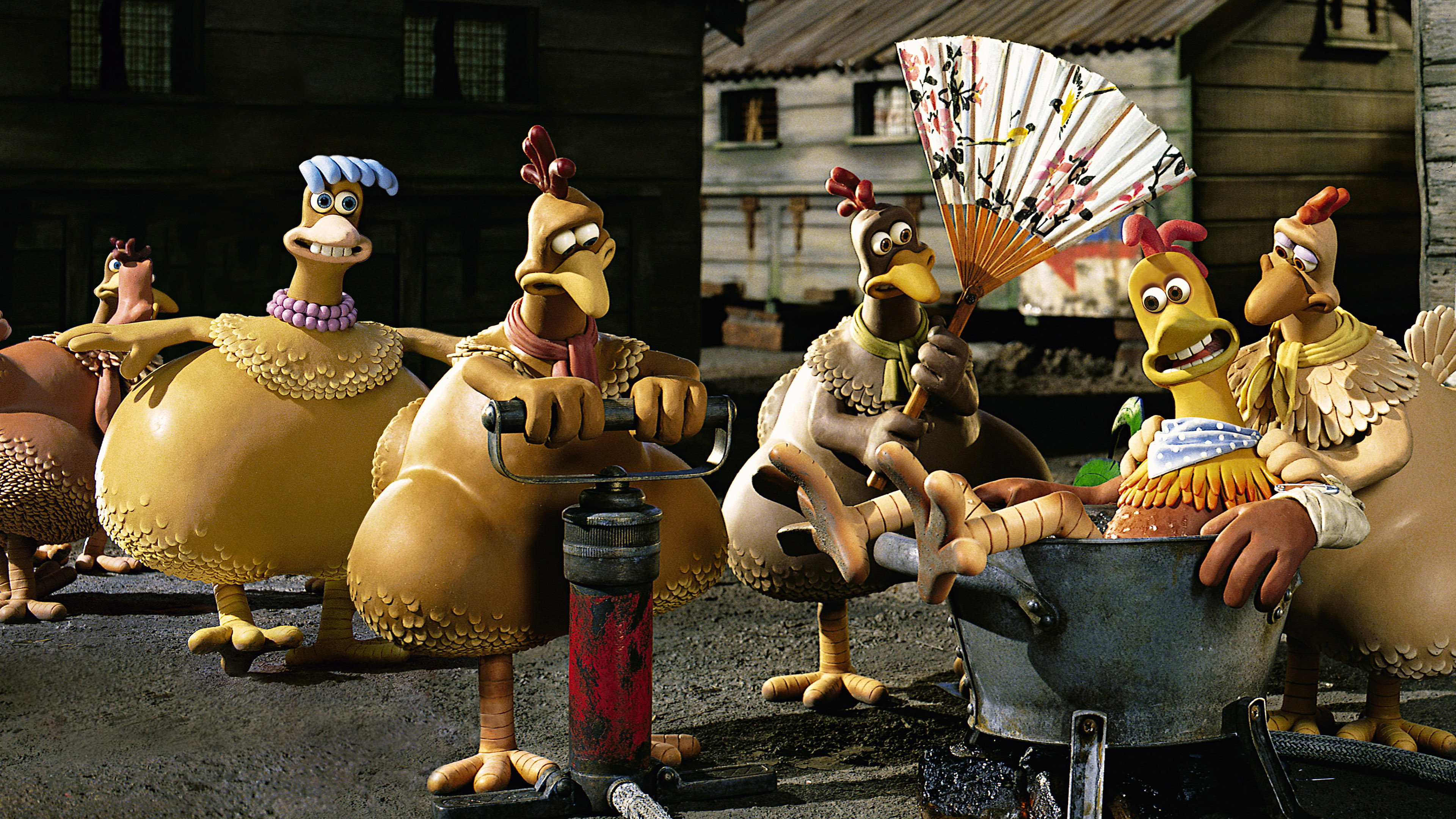
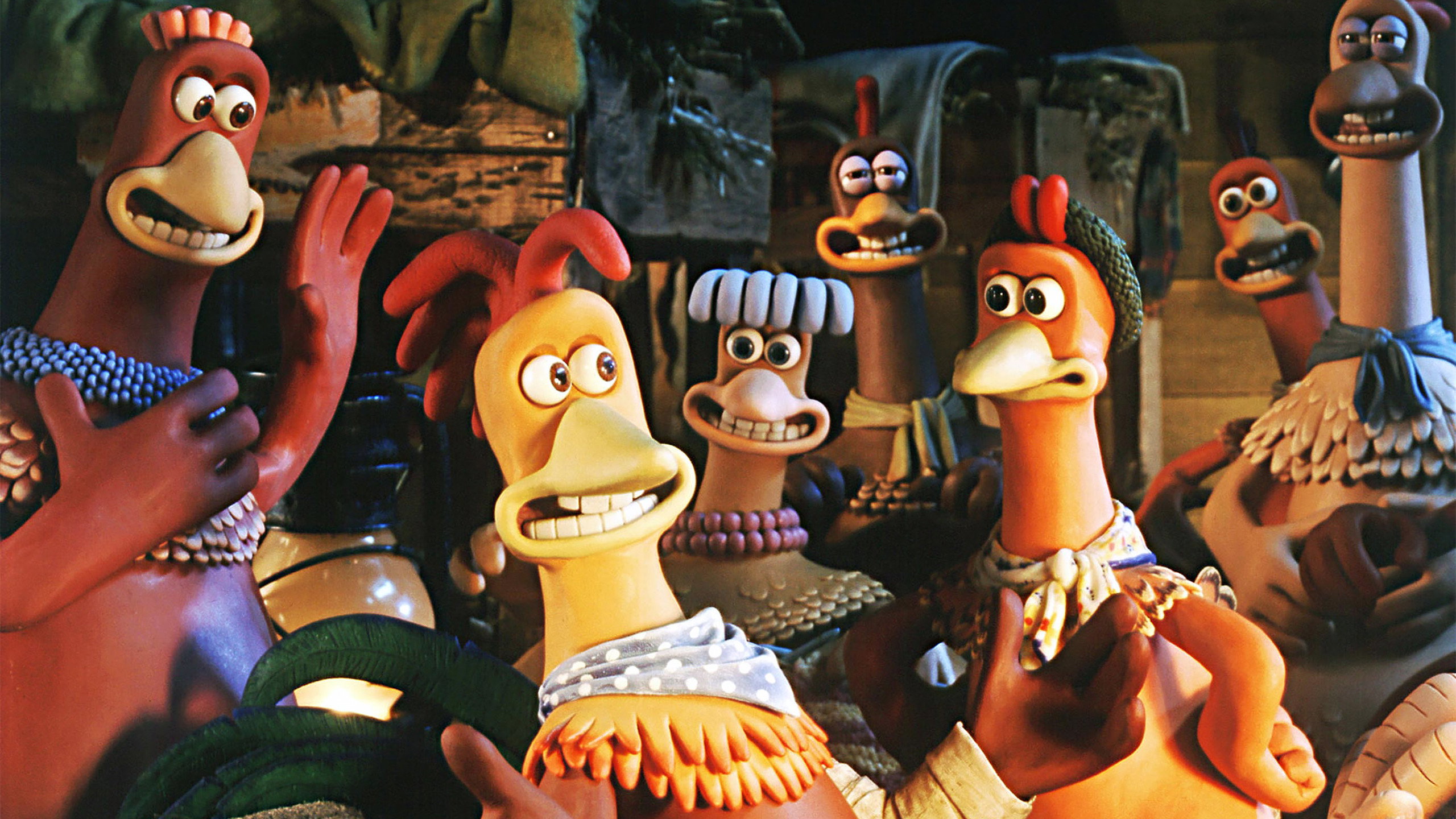
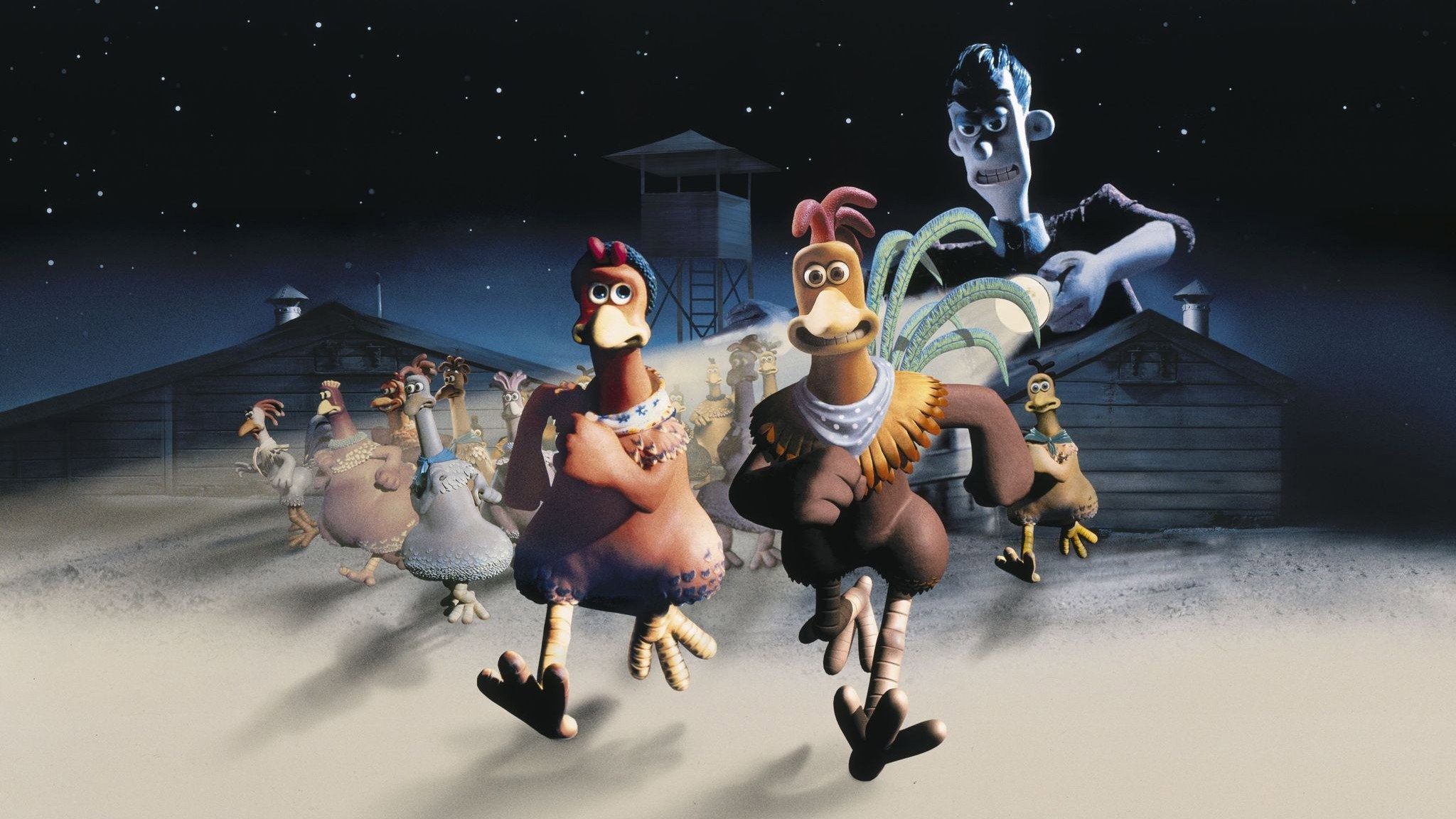
Phil Lewis’s production design makes the coop convincing as a place of confinement, which gives the escape plans something solid to work against. Cinematographers Tristan Oliver, Dave Alex Riddett and Frank Passingham make the models look substantial enough for us to worry about their safety. The chickens look capable of being hurt, however comical their shapes. More importantly, the faces remain readable: a small change around the eyes can carry a thought without another line of dialogue. The care taken over those expressions matters as much as the larger set pieces.

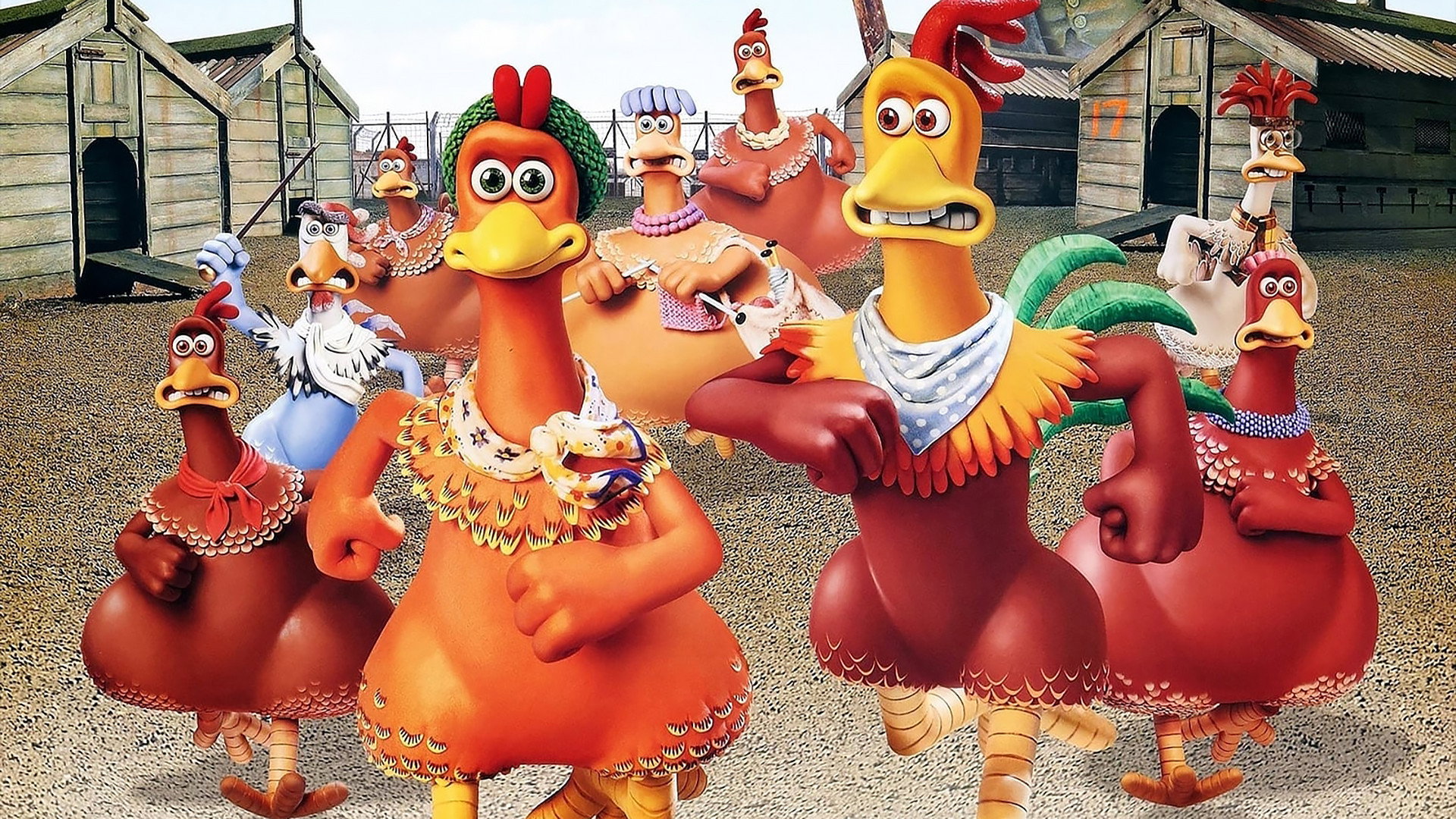
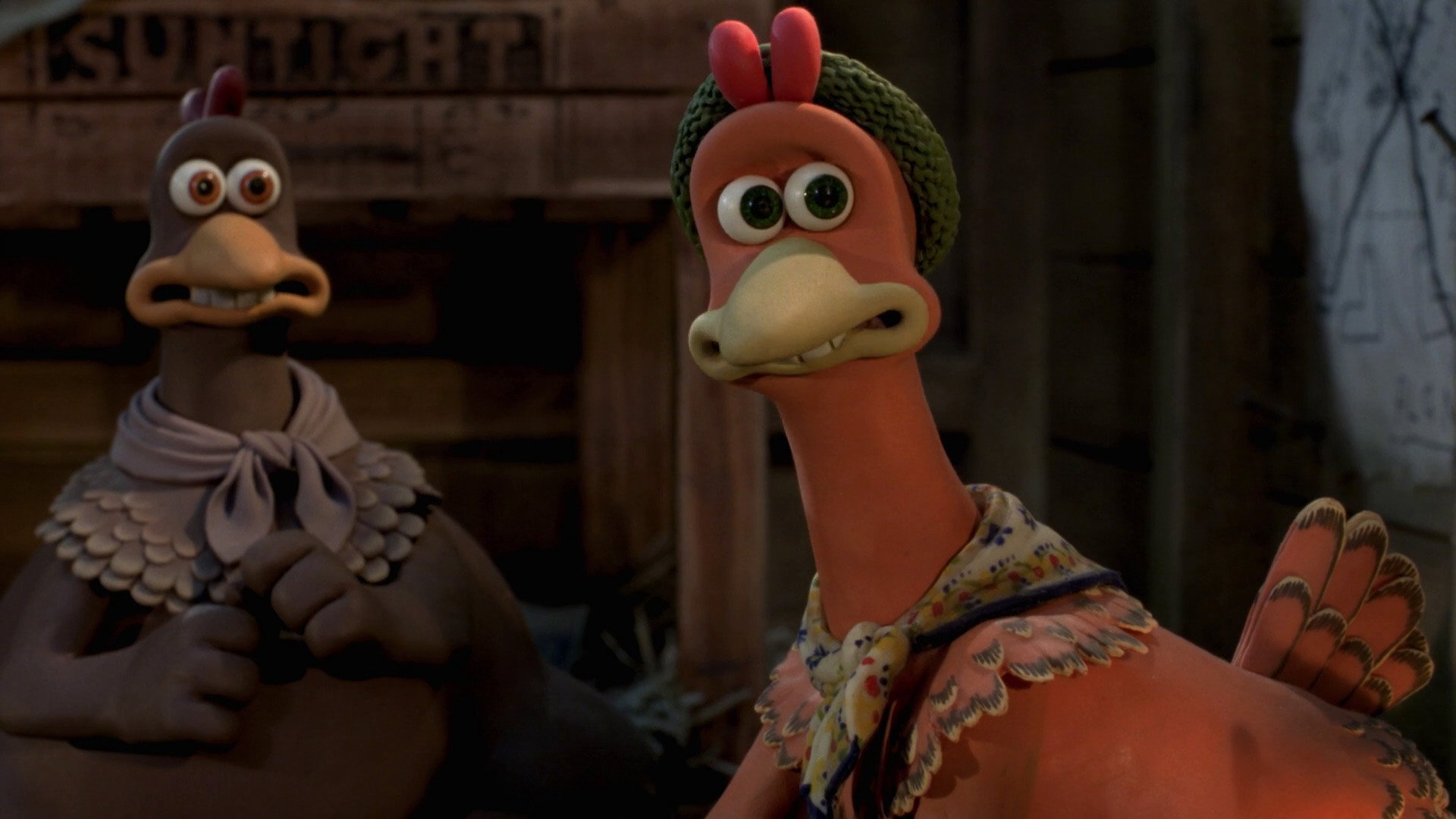
Julia Sawalha gives Ginger the firmness the film needs at its centre, without making determination sound like a lecture. We were surprised by how much we worried about her. The anxious eyes on that model did it; the face makes the wish to escape feel urgent even when the surrounding scene is funny. Mel Gibson’s Rocky brings a useful dose of self-satisfaction, and his vocal ease gives Sawalha something to push against. Neither performance needs to crowd out the other characters to hold our attention.

Imelda Staunton’s Bunty and Jane Horrocks’s Babs are just as valuable, with sharply different voices that help distinguish the flock. Horrocks is especially good at giving a line its own unhurried pace. That leaves room for a laugh to arrive without everyone competing to announce it. John Powell and Harry Gregson-Williams provide music that takes the escape seriously, supporting the tension without apologising for the poultry. Their score helps the action feel consequential even when the premise is at its silliest.

The limitation is that the script sometimes asks another round of escape-film business to do the work of a fresh joke. A little of the early material feels stretched, and the familiarity becomes more noticeable when the laughs are further apart. Editors Mark Solomon, Robert Francis and Tamsin Parry keep the set pieces clear, but cannot quite disguise those thinner passages between them. A sharper cut would help, though haste would also cost some of the voices their individual rhythm. The opening is where that balance needs the most adjustment.

As a family comedy, it trusts the audience to enjoy a slightly peculiar world without having every peculiarity explained. The escape story works because the chickens have become characters whose safety matters to us. There is pleasure in watching their faces even when nobody is speaking, which gives the quieter passages something to offer. Give it an evening when children and adults need to agree on something, and allow the opening a little patience.

Critical consensus AI synthesised

80
Positive
9
Mixed
2
Negative
0

Most critics greet Chicken Run warmly, with praise clustering around its expressive stop-motion animation, distinctive characters and witty treatment of prison-escape films. The reviews repeatedly credit the models with conveying personality and feeling, while the voice performances add humour and pathos. The ingenious set pieces draw particular approval, and several critics find enough warmth in the chickens’ predicament to make the film more than a collection of references.

Reservations centre on whether the escape-film premise sustains a feature, rather than on the animation itself. The AV Club admires the invention but suggests the story might work better as a shorter sketch. The Guardian finds it charming but modest and a little twee, while Time Out considers the laughs slow to arrive and the film closer to pastiche than parody. The spread runs from enthusiastic praise to qualified approval; even the cooler reviews acknowledge the craft.

RogerEbert.com
23 June 2000 · ★★★★/4 · Roger Ebert
100

The critic praises the film as a magical, charming animated feature that uses animals as surrogates for human hopes and fears, with a whimsical and sometimes darker view. He singles out the observant take on character and nature, along with the kind, sweet, and visually inventive stop-motion work by Lord and Park.

Read the full review →
Empire
1 January 2000 · Angie Errigo
90*

The critic calls it a remarkably well-sustained POW camp parody that is very funny and imaginative. They single out the hilarious set-piece inside the pie-making machine for particular praise.

Read the full review →
Evening Standard
85*

The critic hails it as a witty, ingenious and imaginative original that is a real winner and the freshest addition to the summer's entertainment. They single out the spectacular large-scale sequences, especially the white-knuckle ride through the chicken-pie machine, for praise.

Read the full review →
The New York Times
21 June 2000 · Elvis Mitchell
85*

The critic calls it a brainy, confident parody of prison escape films that makes clever use of Mel Gibson's voice and stands out from bland animated features. He praises the wistful, fable-like quality and the plucky heroine Ginger.

Read the full review →
Los Angeles Times
21 June 2000 · Kenneth Turan
80*

The critic finds it a gleeful, charming parody of prison movies with the unmistakable hallmarks of Wallace and Gromit-style wit and cleverness. He highlights the individuality and playful humor that make it a standout stop-motion achievement.

Read the full review →
Radio Times
★★★★ · David Parkinson
80

The critic calls it an awesome achievement with plentiful funny nods to classic films, a strong British voice cast adding humour and pathos, and exhilarating, ingenious set pieces.

Read the full review →

Cast

Stills

Awards

Annie Award for Best Animated Feature, 2000

Nominated
Annie Award for Best Animated Feature

BAFTA Film Awards, 2000

Nominated
BAFTA's Children & Young People Award - Feature Film

Critics' Choice Awards, 2000

Won
Best Animated Feature

European Film Award for Best Film, 2000

Nominated
European Film Award for Best Film

If you liked this, try…

The Great Escape poster

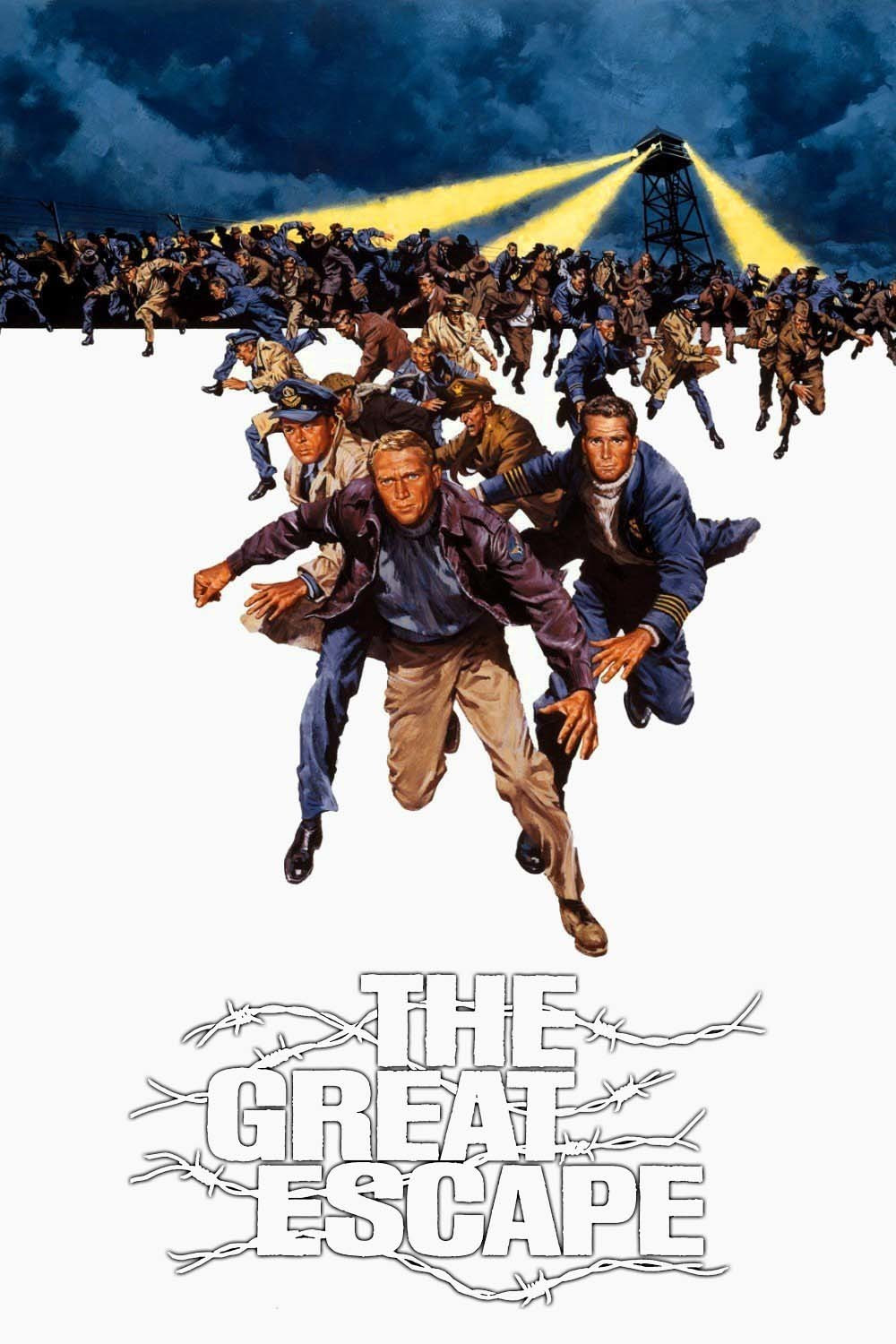
The Great Escape

1963 · For the prison-camp planning that the chickens borrow and make their own.

Wallace & Gromit: The Curse of the Were-Rabbit poster

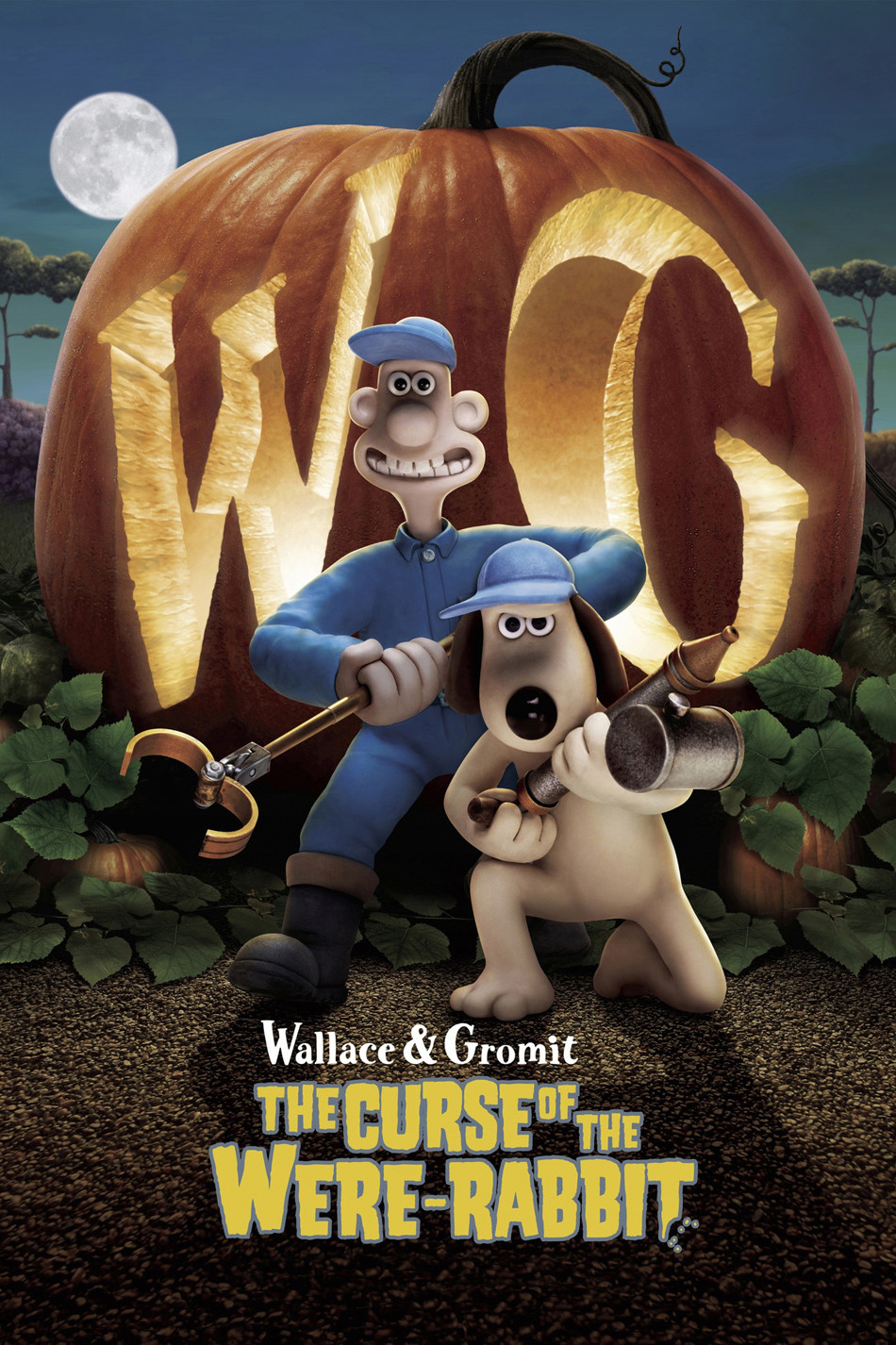
Wallace & Gromit: The Curse of the Were-Rabbit

2005 · Patient model work and another scheme that becomes considerably harder to manage.

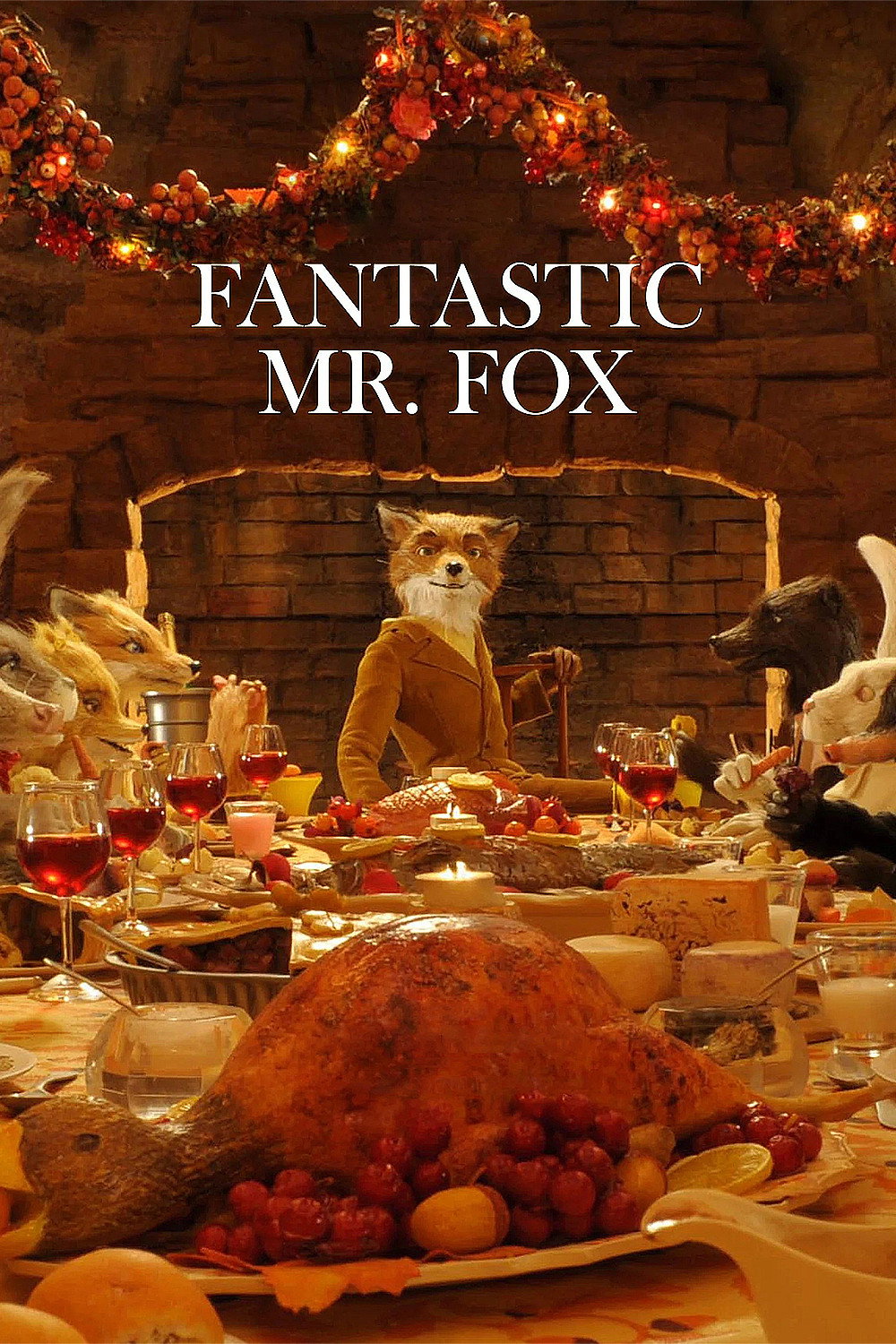
Fantastic Mr. Fox poster

Fantastic Mr. Fox

2009 · Another animal community tackles human enemies, with ingenuity and plenty of difficult personalities.

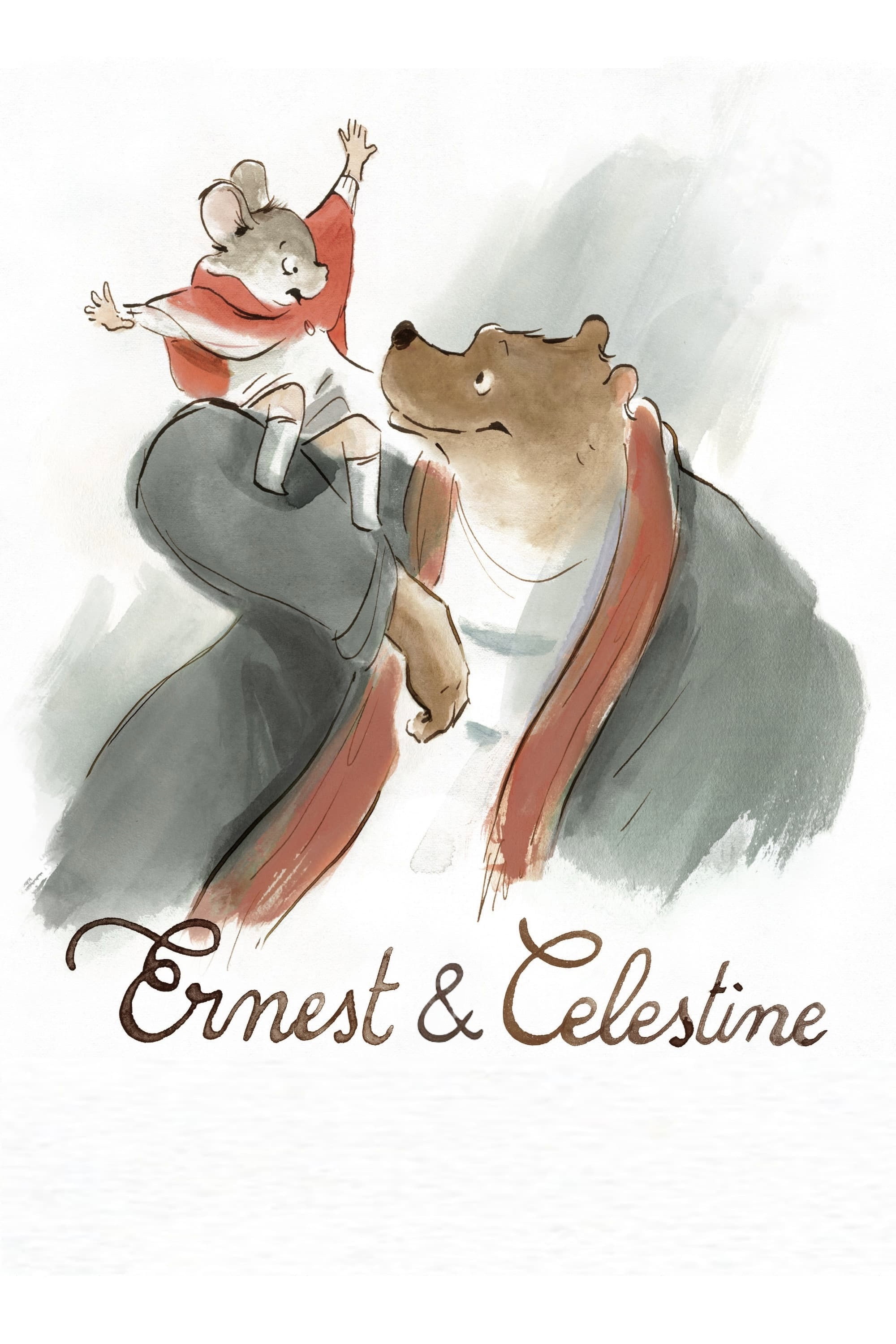
Ernest & Celestine poster

Ernest & Celestine

2012 · A gentler animal partnership, drawn with warmth and alert to the trouble outside.

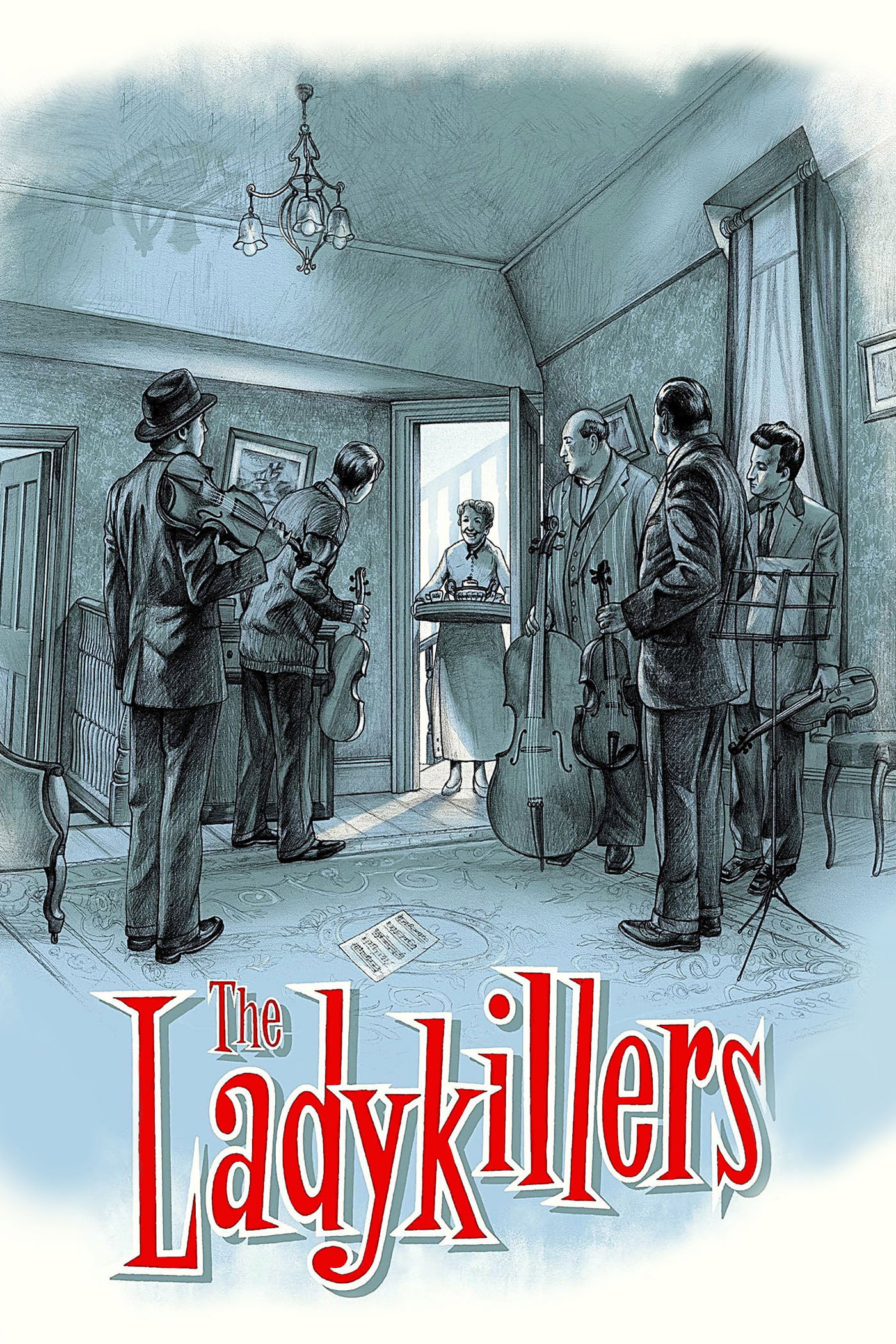
The Ladykillers poster

The Ladykillers

1955 · Criminal plotting in cramped British surroundings, with an equally particular sense of humour.