Film review

Toy Story 2

1999 · Directed by John Lasseter · 1h 32m · MPA G

In a sentenceWe came for the talking toys and left worrying about being forgotten

AnimationComedyFamily

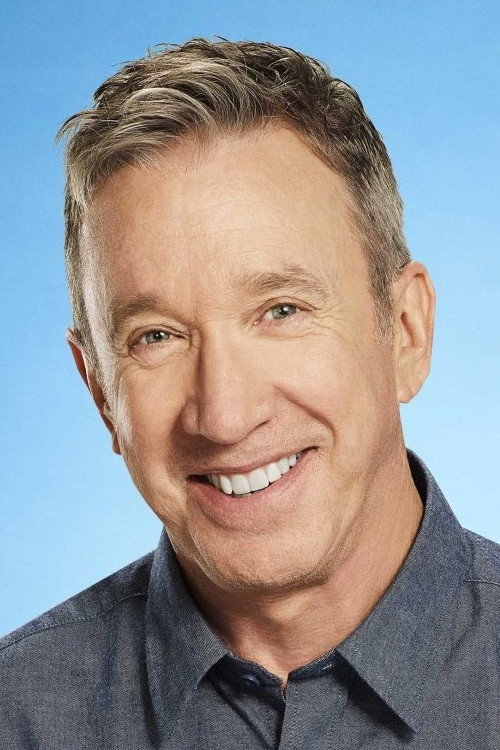
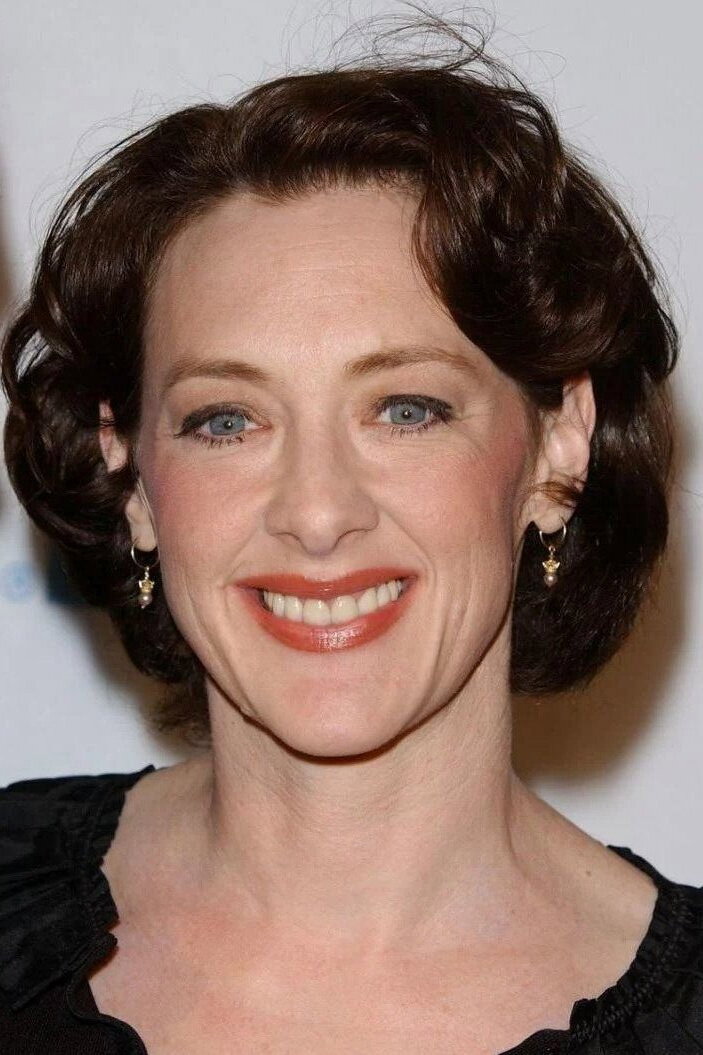
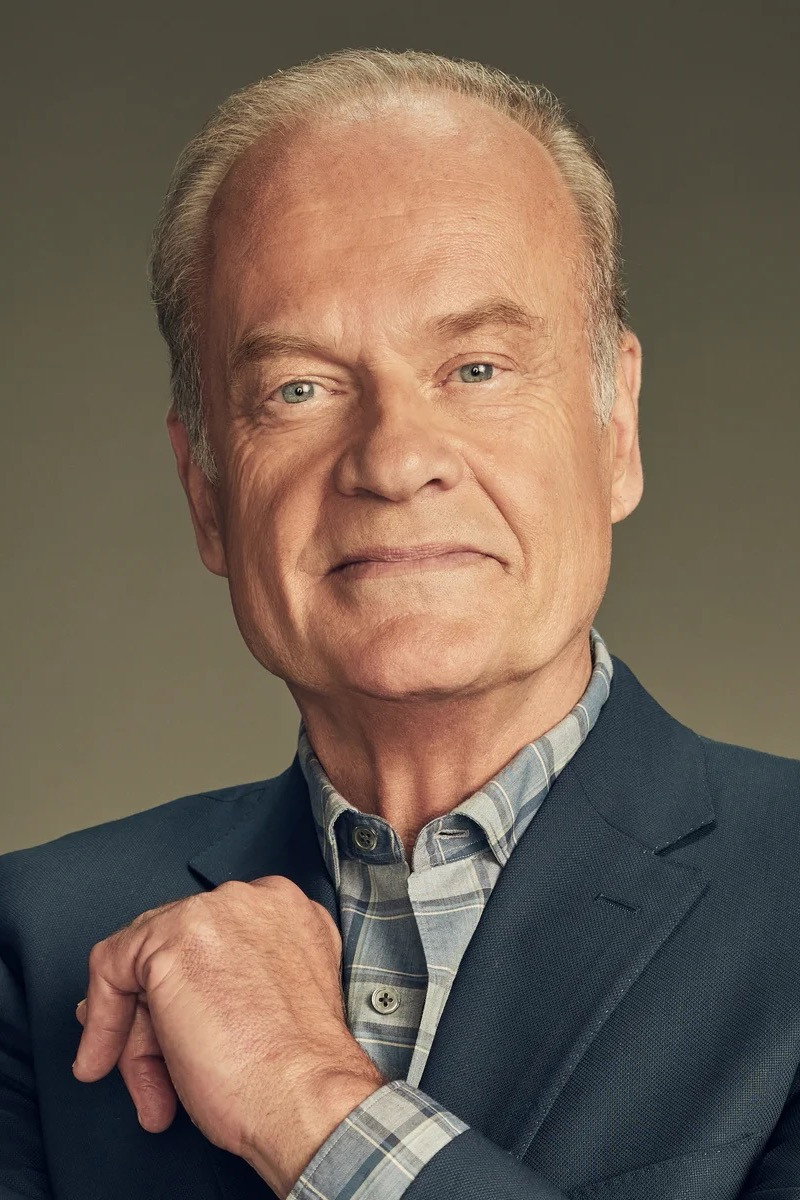
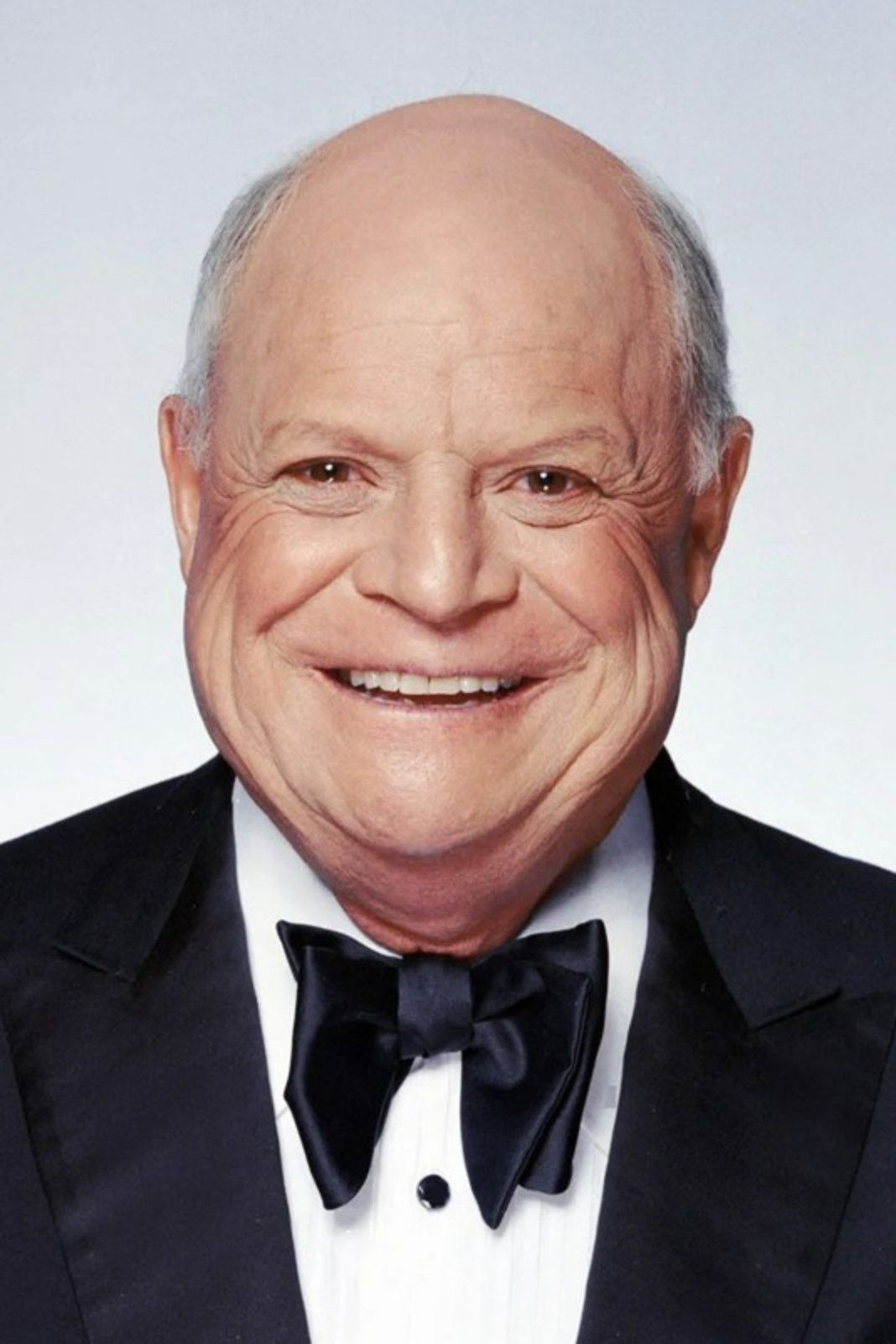
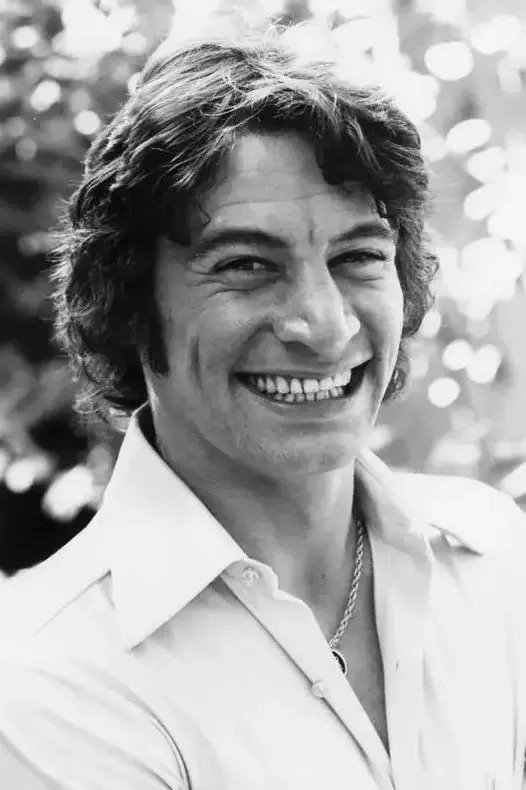
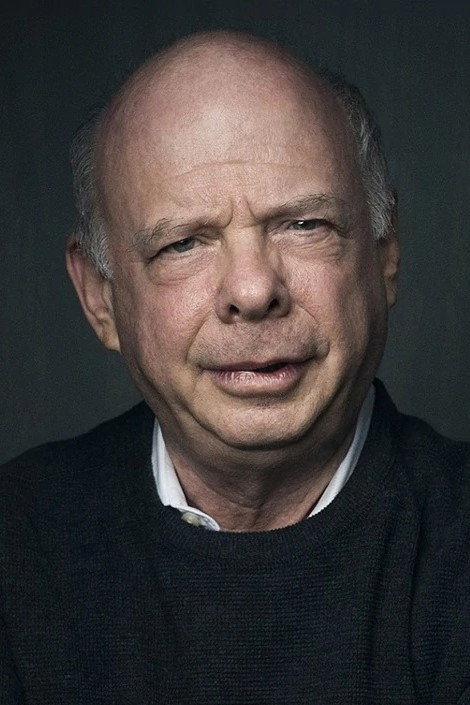
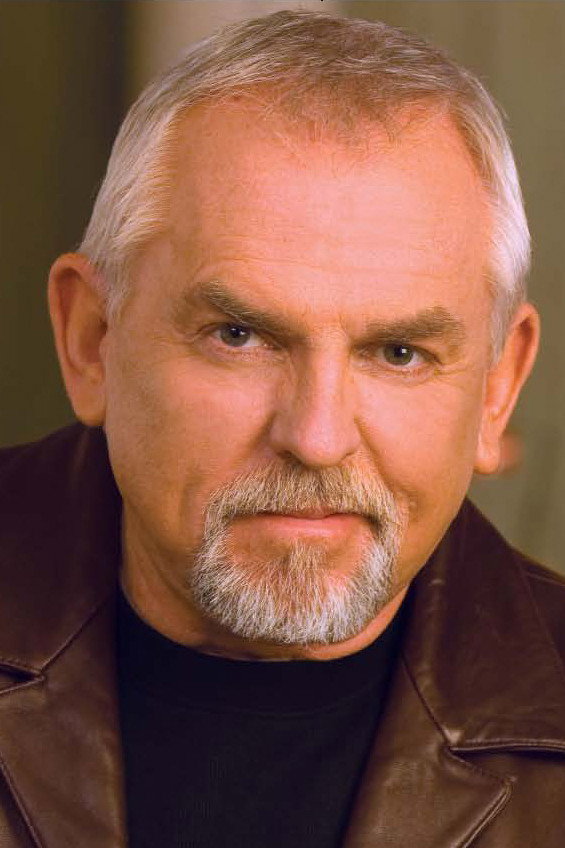
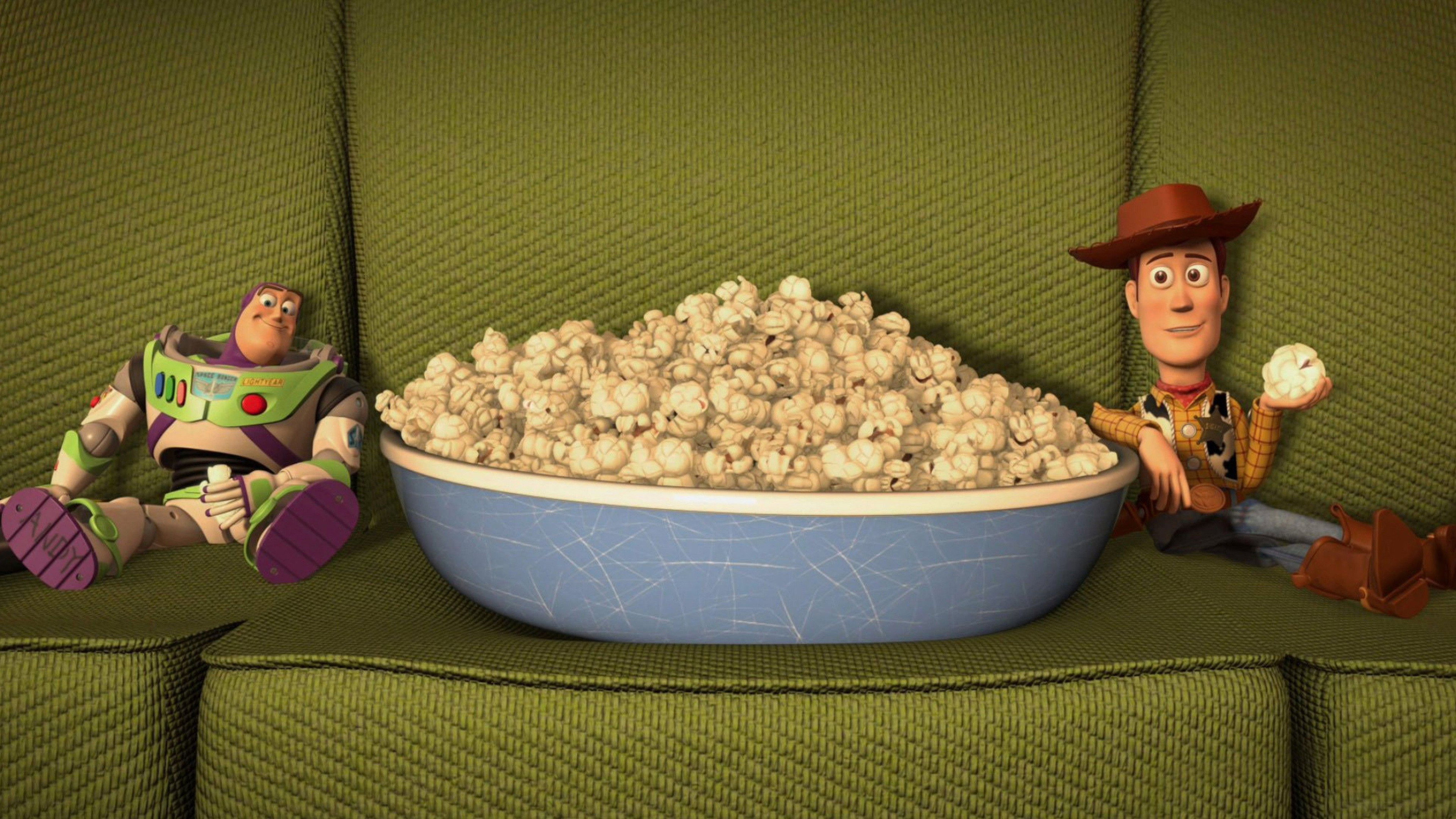
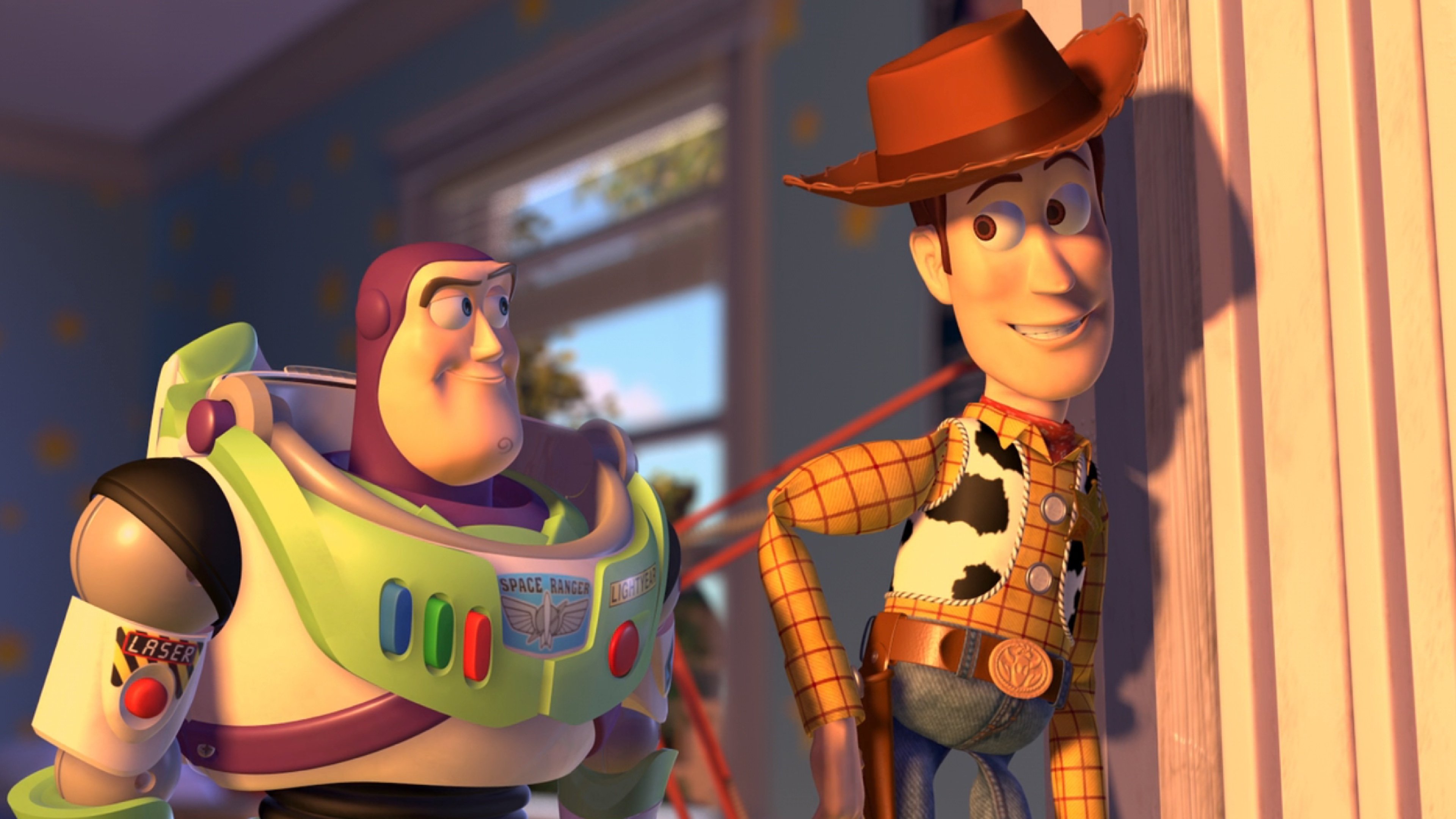
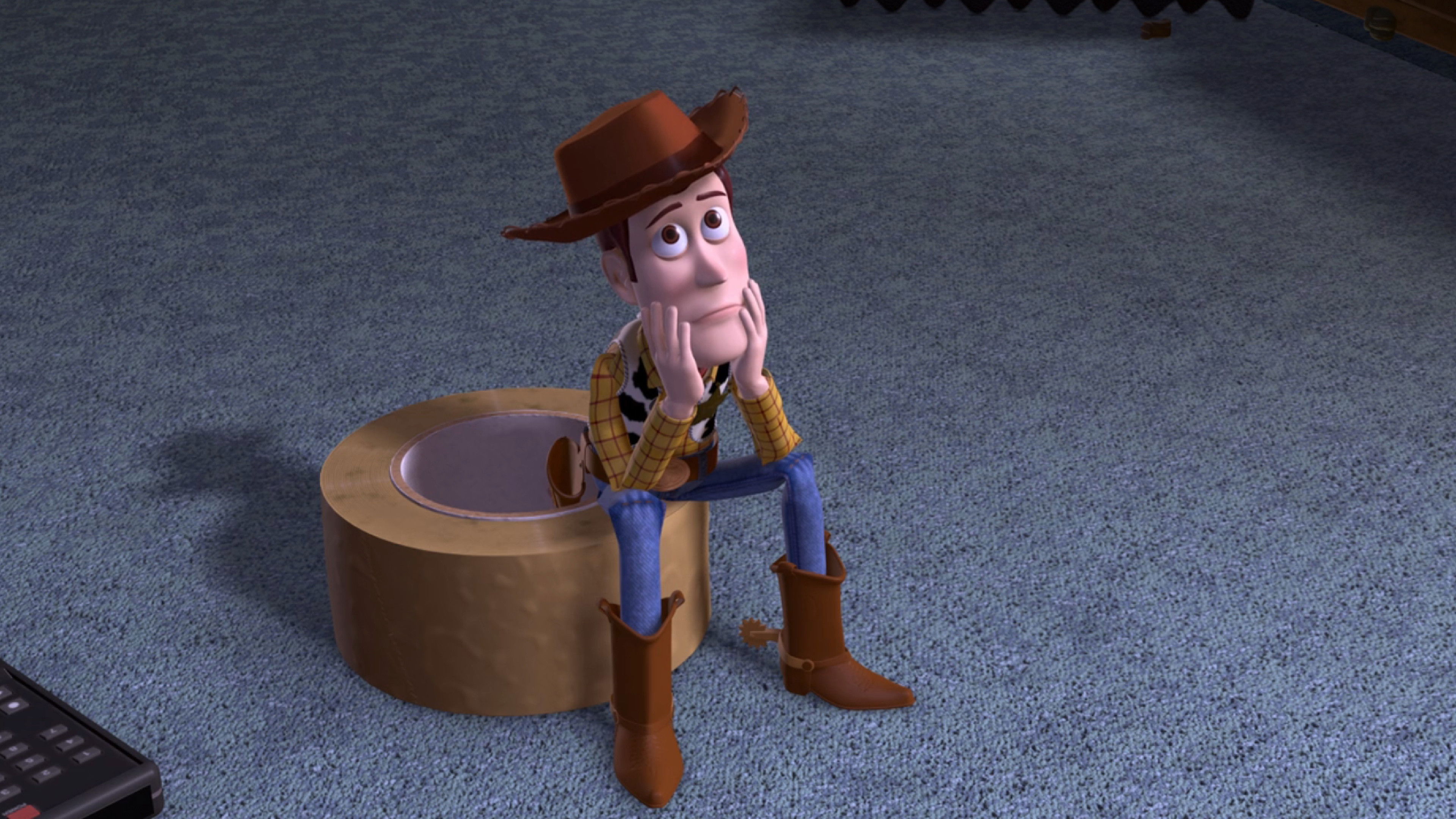
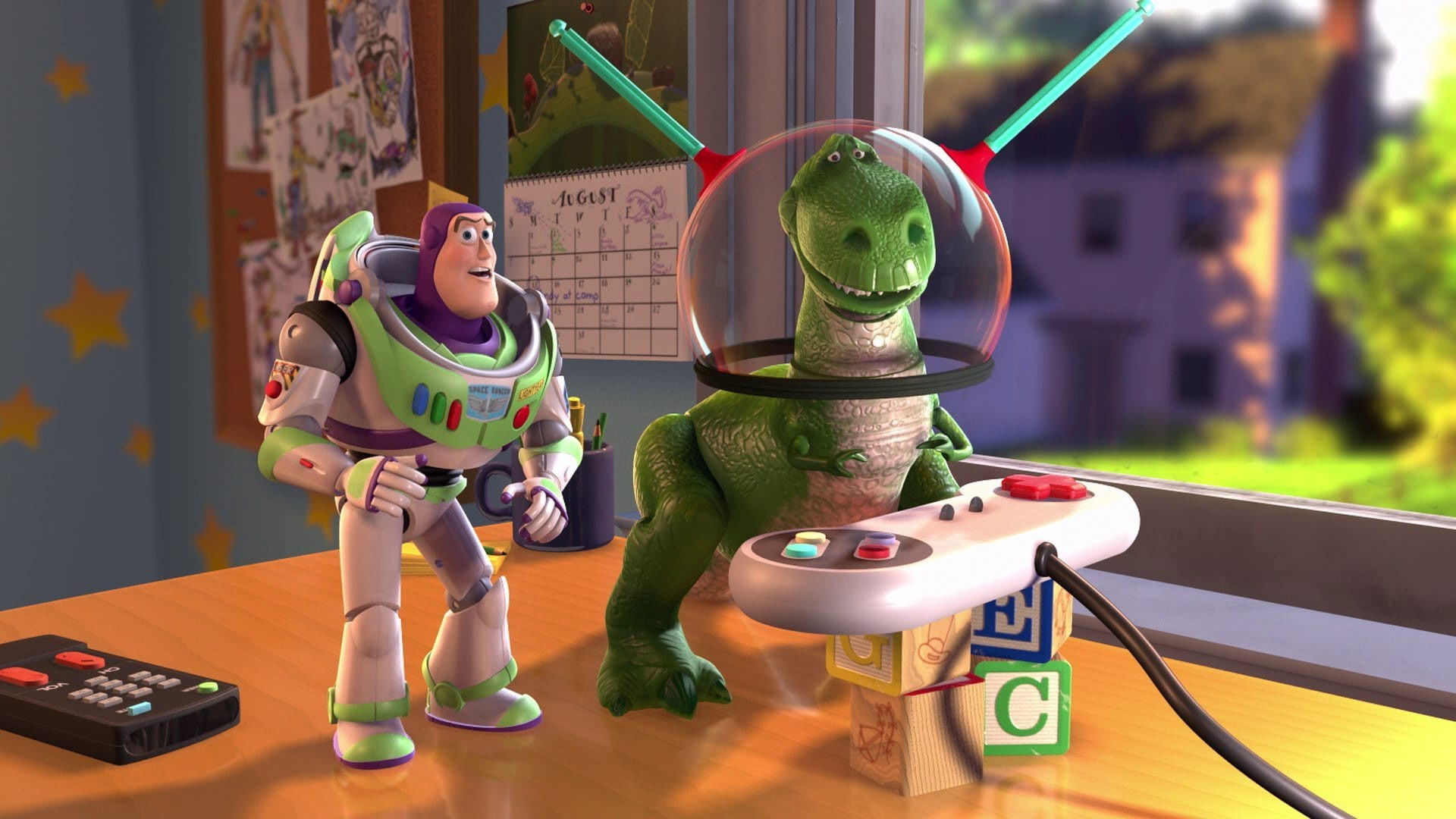
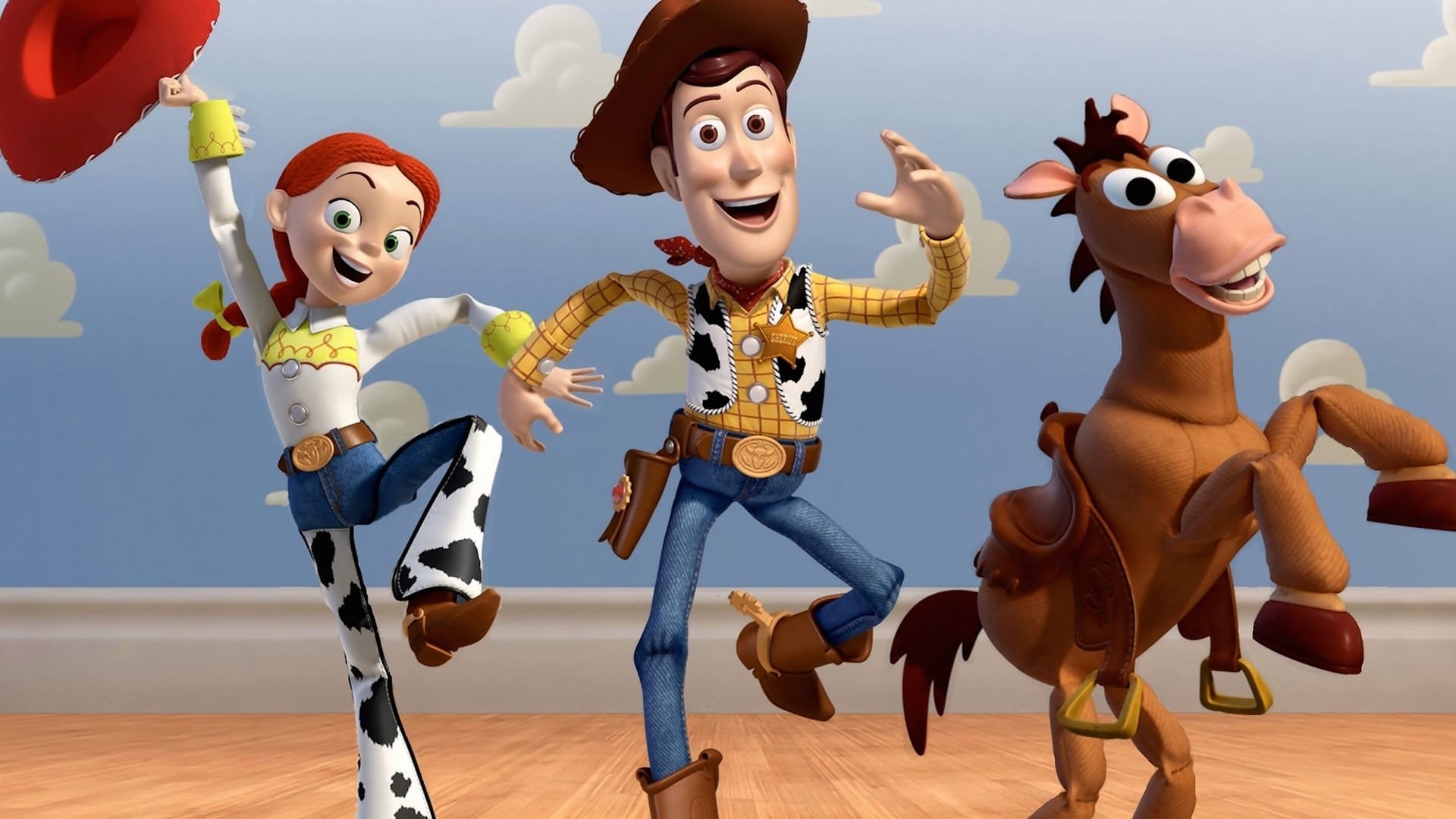
Woody (voiced by Tom Hanks), Buzz Lightyear (Tim Allen) and their fellow toys return for a rescue adventure. Jessie (Joan Cusack) and the Prospector (Kelsey Grammer) join a story in which being wanted matters as much as being kept in one piece. Alongside Mr. Potato Head (Don Rickles), Slinky Dog (Jim Varney), Rex (Wallace Shawn) and Hamm (John Ratzenberger), the toys face questions about how long a plaything remains part of a child’s life. Their concerns extend beyond the rescue to the possibility that children may stop needing them.

Plays from YouTube when you press play; nothing loads from them until then.

Fi1m review

John Lasseter’s sequel is one we would recommend without checking anyone’s age. Its rescue adventure is funny, clearly told and unexpectedly painful about the limited time a toy has with a child.

Toy Story 2 is a family comedy we would recommend to almost anyone, including adults who think talking toys have nothing to tell them. John Lasseter gives the rescue adventure a clear purpose and keeps its worries close to things children already understand: being left out, being damaged, being forgotten. The jokes come often enough that none of this feels like a lesson smuggled into the playroom. At 92 minutes, it has room to be sad without making sadness the whole evening.

The screenplay, by Doug Chamberlin, Rita Hsiao, Andrew Stanton and Chris Webb, takes a toy’s usefulness seriously. Being loved by a child is wonderful, but it carries an expiry date the child does not have to think about. That gives the rescue plot more urgency than simply getting everybody back where they belong. Hanks gives Woody enough fretfulness to keep him from becoming merely the sensible one. Allen’s Buzz supplies a firmer, more self-assured voice, and the contrast remains funny without needing to be laboured.

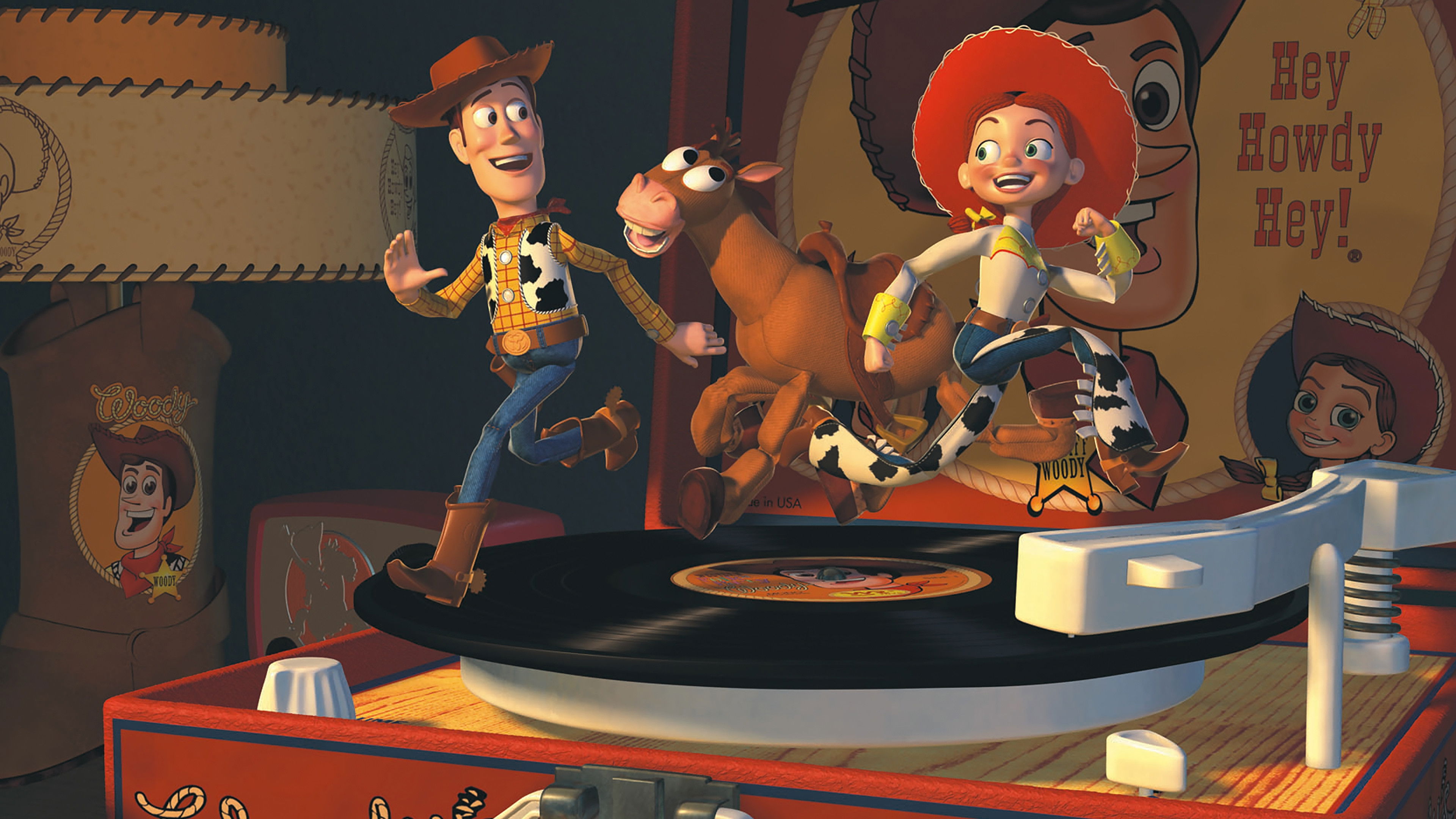
Sharon Calahan’s cinematography makes the animated toys look solid enough to pick up, with light that gives their different surfaces a convincing feel. William Cone and Jim Pearson’s production design keeps them recognisable as playthings even while they are doing the work of human actors. The detail earns its place because it makes their vulnerability easier to believe. We worry about an object being damaged more readily when it seems to occupy actual space.

Randy Newman’s song for Jessie is where the film lets the jokes fall away and asks us to stay with a toy’s hurt. We were moved more than we expected, because her fear of being forgotten is treated without embarrassment. Joan Cusack’s lively voice performance helps us care about Jessie before the music does its work. The song fits into her story without making the surrounding comedy feel callous.

Edie Ichioka, Lee Unkrich and David Ian Salter edit the bustle into something we can follow without effort. The rescue has momentum, but the film gives its emotional passages time to settle before hurrying on. That control matters in a family adventure with so many voices competing for attention. The comedy and movement keep younger viewers involved, while the pauses allow the prospect of outliving a child’s affection to register without an explanatory speech.

It is less fresh than the first film, and a few of the busier gags feel like obligations of the rescue plot. We occasionally wanted less commotion and more time with the characters. That is a modest complaint about a 92-minute comedy, but the quieter writing has set a high standard for everything around it. The action remains readable and inventive even when it is no longer the thing we most want to watch.

Against family comedies that divide their time between children’s action and adults’ knowing jokes, this feels unusually considerate. Both ages are asked to care about the same characters, and neither needs to wait patiently for its turn. Watch it with children, but do not assume they will be the ones who need comforting.
Critical consensus AI synthesised

3 of 6
Positive
3
Mixed
0
Negative
0
The Guardian
4 February 2000 · Peter Bradshaw
90*

The critic hails the film as a technical and creative upgrade over its predecessor and most other movies, praising its hyperreal animation, sharp human script, and emotional depth. He singles out the heartrending Randy Newman song performed by Jessie for particular praise as a standout tear-jerker.

Read the full review →
Los Angeles Times
19 November 1999 · Kenneth Turan
80*

The critic finds the film lively and good-humored with a great sense of fun, commending its clever exploration of themes like the mortality of toys and what it means to be a plaything. The inventive humor, emotional depth, and Pixar team's skill are highlighted as making the sequel irresistibly comic and surprisingly moving.

Read the full review →
Empire
1 January 2000 · Caroline Westbrook

The critic calls it a highly superior sequel that matches the original in quality and ambition despite lacking some initial surprise. They single out the sensational animation details, charming new characters like Jessie and Bullseye, inventive set-pieces, and added emotional poignancy about toys' limited lifespans for praise.

Read the full review →
Radio Times
· David Parkinson

It surpasses its predecessor and restores credibility to family entertainment, with action for kids and delightful in-jokes and recreations for adults.

Read the full review →
RogerEbert.com
24 November 1999 · Roger Ebert

The critic praises the film's deep understanding of the emotional bond between children and their toys, focusing on themes of love, abandonment, and the independent lives toys lead when not observed. Voice performances, particularly Tom Hanks as Woody, and the inventive Pixar animation are highlighted for adding philosophical resonance and humor to the adventure.

Read the full review →
Sight and Sound
· Kim Newman

The critic praises its humanity and understanding of toys' shelf-life, noting it's less fresh than the first but with effective upgrades like integrated musical numbers.

Read the full review →

Cast

Stills

Awards

Annie Award for Best Animated Feature, 2000

Won
Annie Award for Best Animated Feature

BAFTA Film Awards, 2000

Nominated
BAFTA's Children & Young People Award - Feature Film

Kids' Choice Award for Favorite Movie, 2000

Nominated
Kids' Choice Award for Favorite Movie

Critics' Choice Awards, 1999

Won
Best Animated Feature

If you liked this, try…

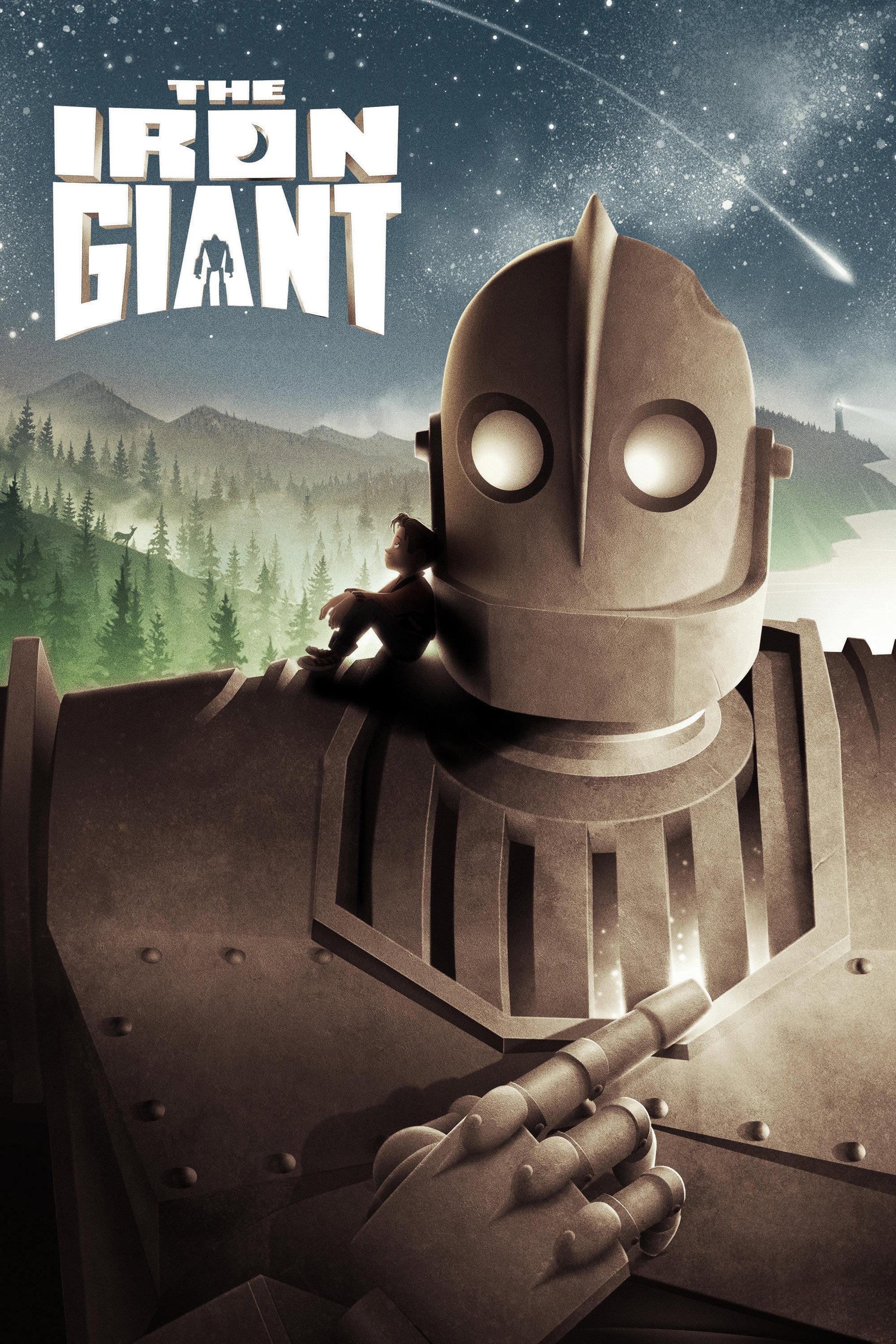
The Iron Giant poster91

The Iron Giant

1999 · Another animated friendship that takes a child’s attachment to something manufactured seriously

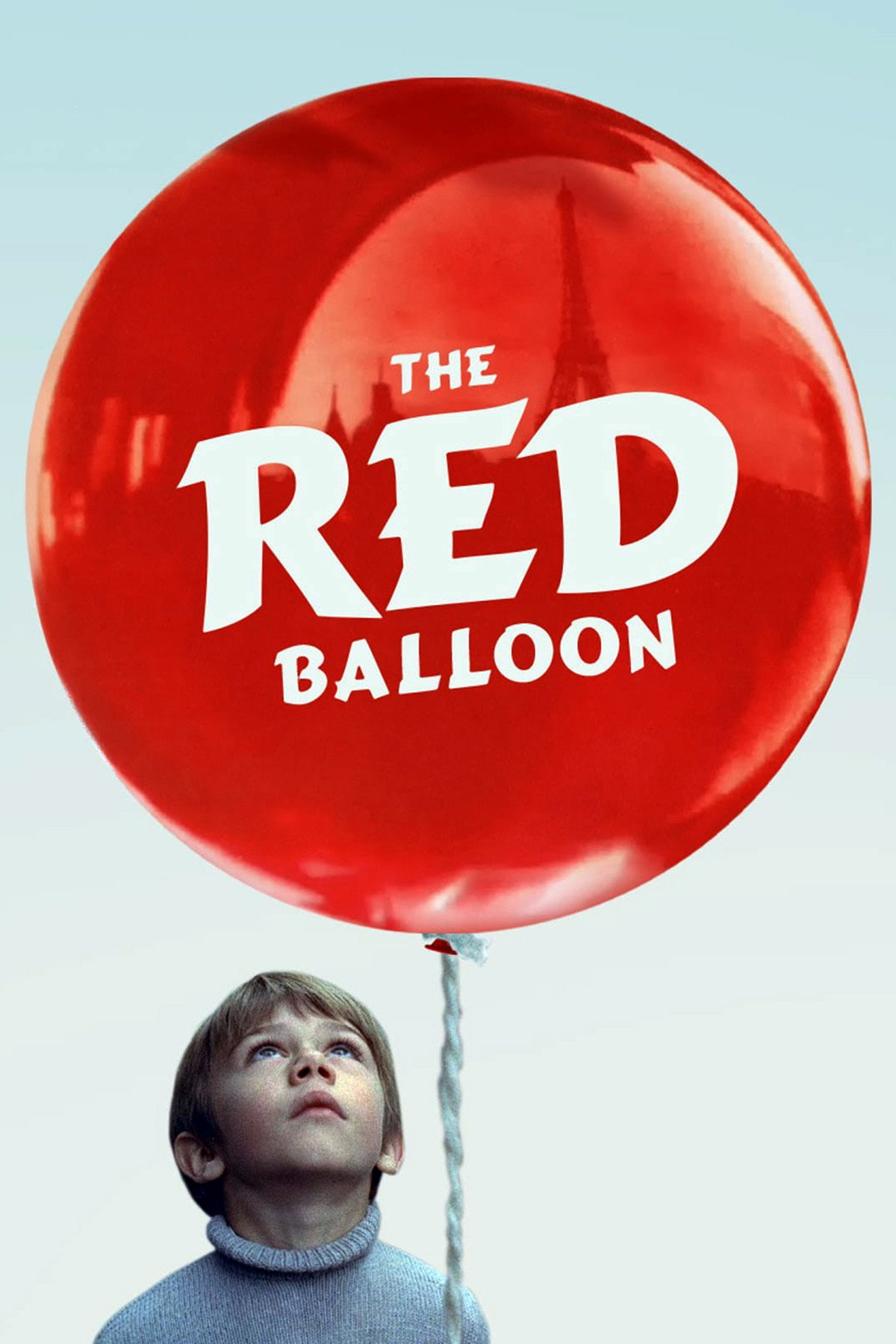
The Red Balloon poster

The Red Balloon

1956 · A child’s bond with an object, told with little need for words

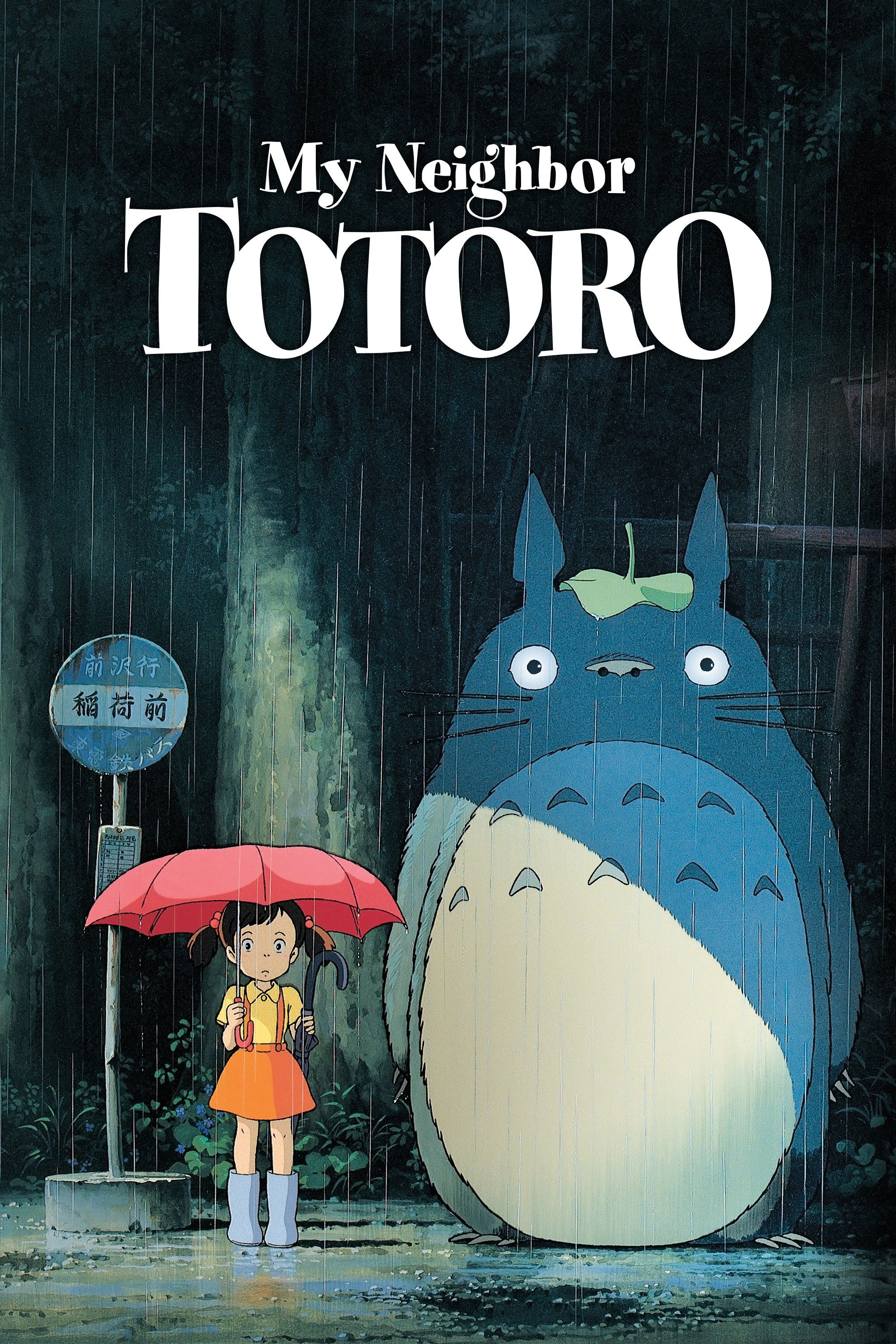
My Neighbour Totoro poster

My Neighbour Totoro

1988 · Children’s feelings receive patient attention, with room for delight and anxiety

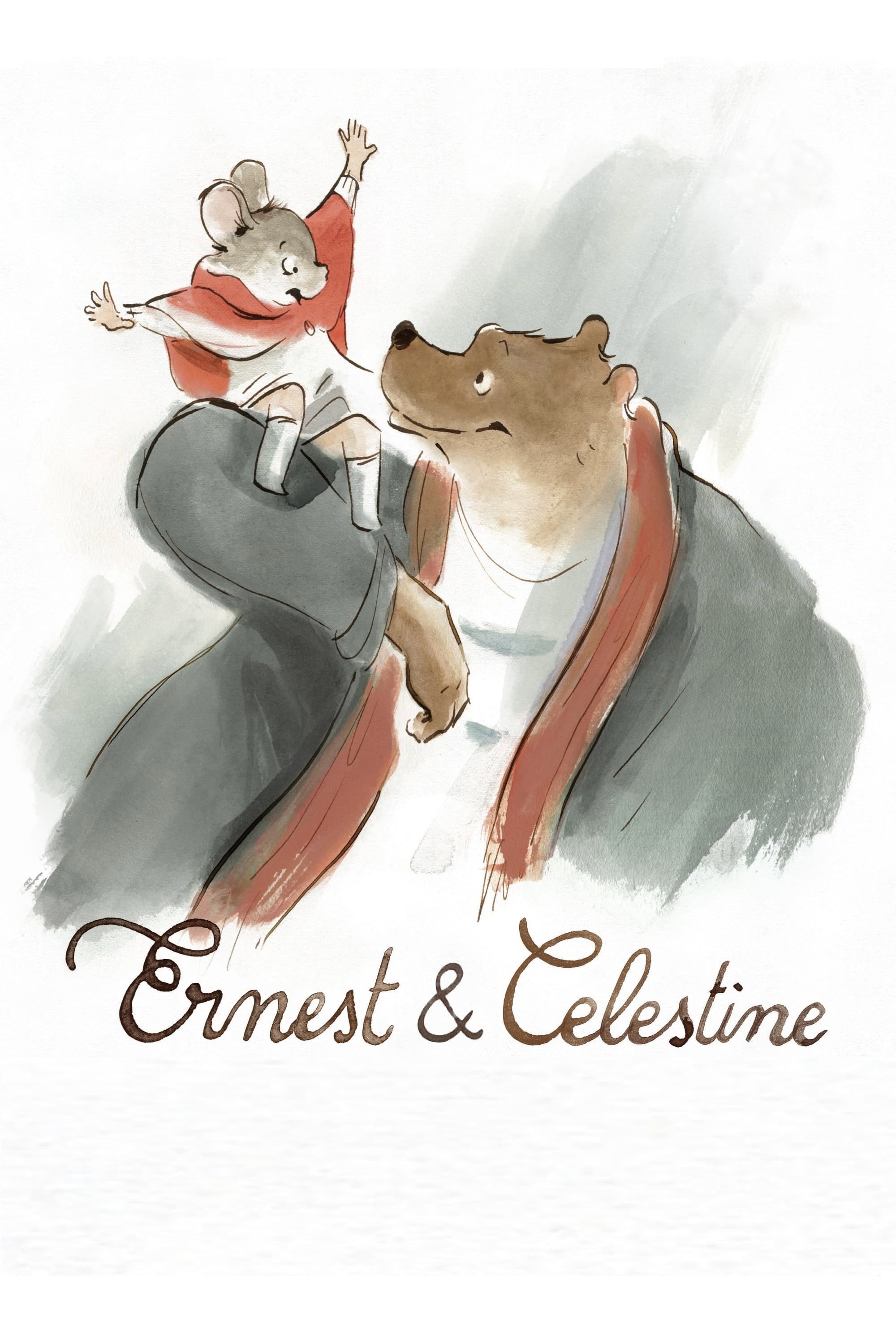
Ernest & Celestine poster

Ernest & Celestine

2012 · A bear and a mouse make friendship feel worth the considerable trouble

Paddington 2 poster

Paddington 2

2017 · Carefully arranged comic chaos, with kindness treated as something worth defending