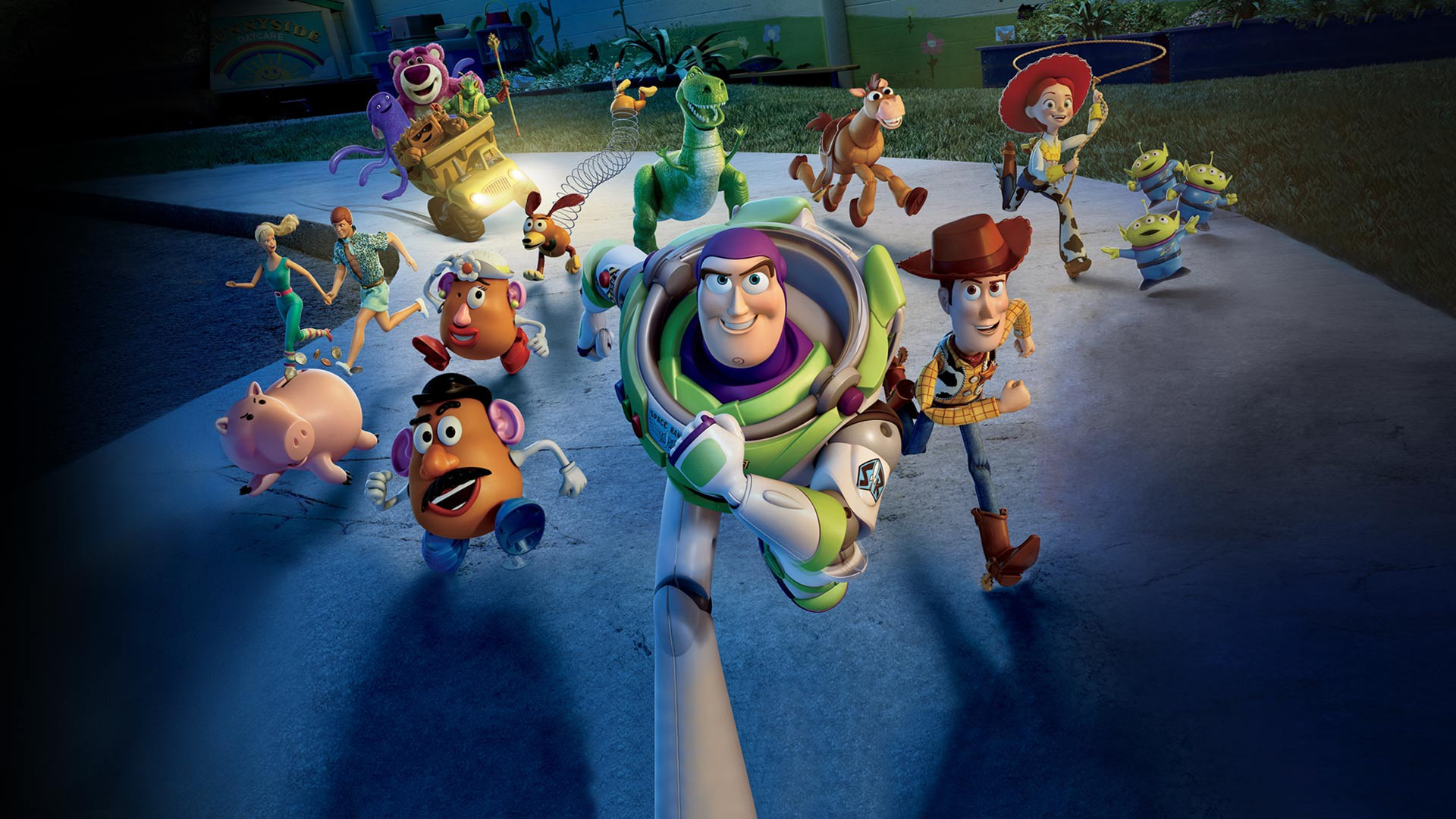
Lee Unkrich makes being outgrown hurt, even when it happens to toys. This funny, deeply affecting adventure survives some overbusy escape plotting, though its darker passages may test younger children more than parents expect.
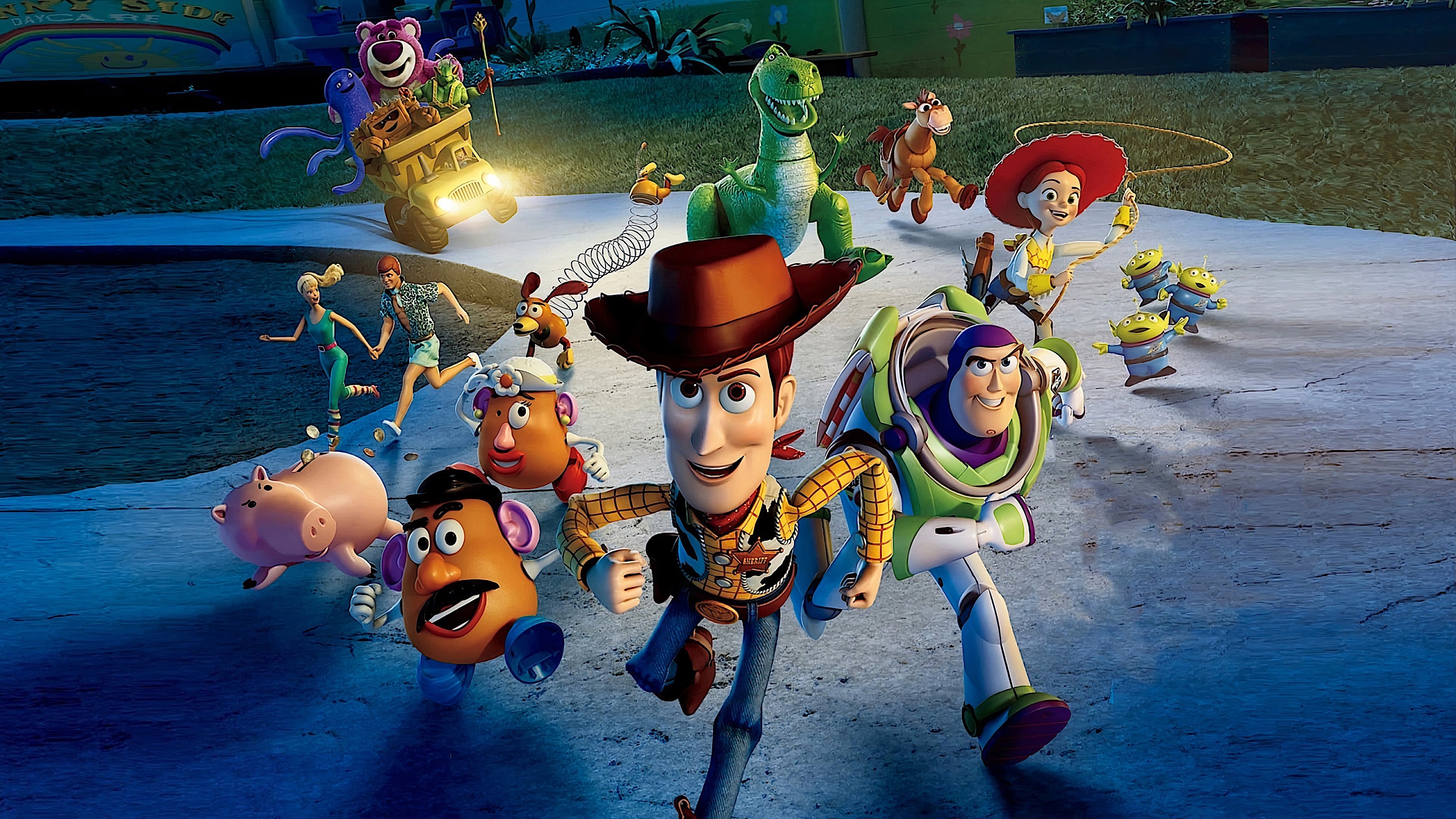
Toy Story 3 is an unusually affecting family adventure, and we recommend it warmly, with a warning about how frightening it can become. Lee Unkrich takes a straightforward childhood experience, losing interest in the things once loved, and lets the toys worry about it. Michael Arndt’s screenplay gives them a busy prison-break story to occupy themselves and us. Their fear of being outgrown matters even when there is an escape to organise.
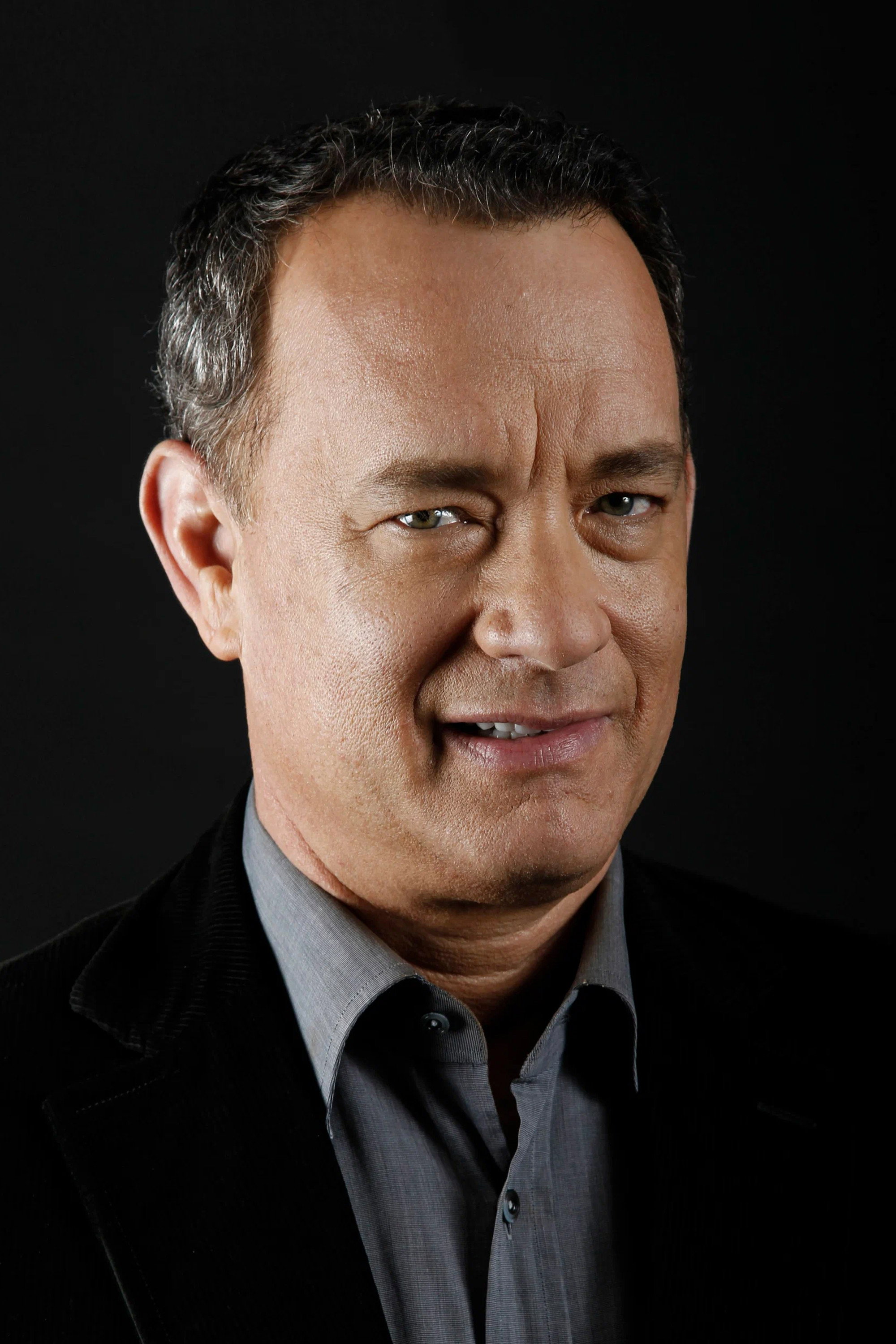
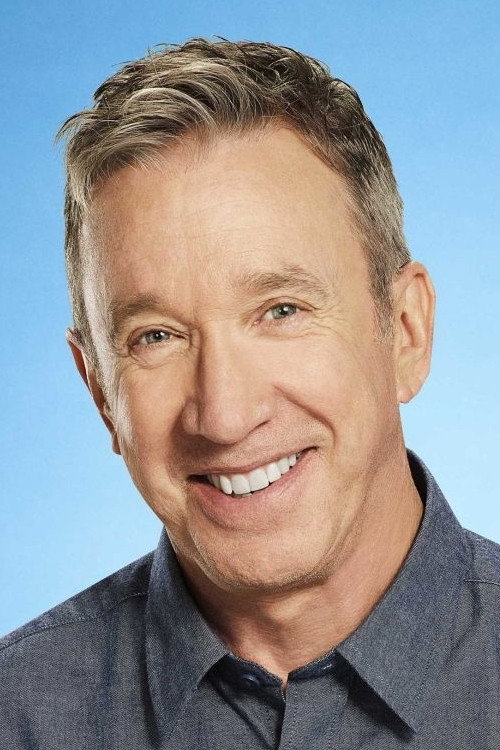
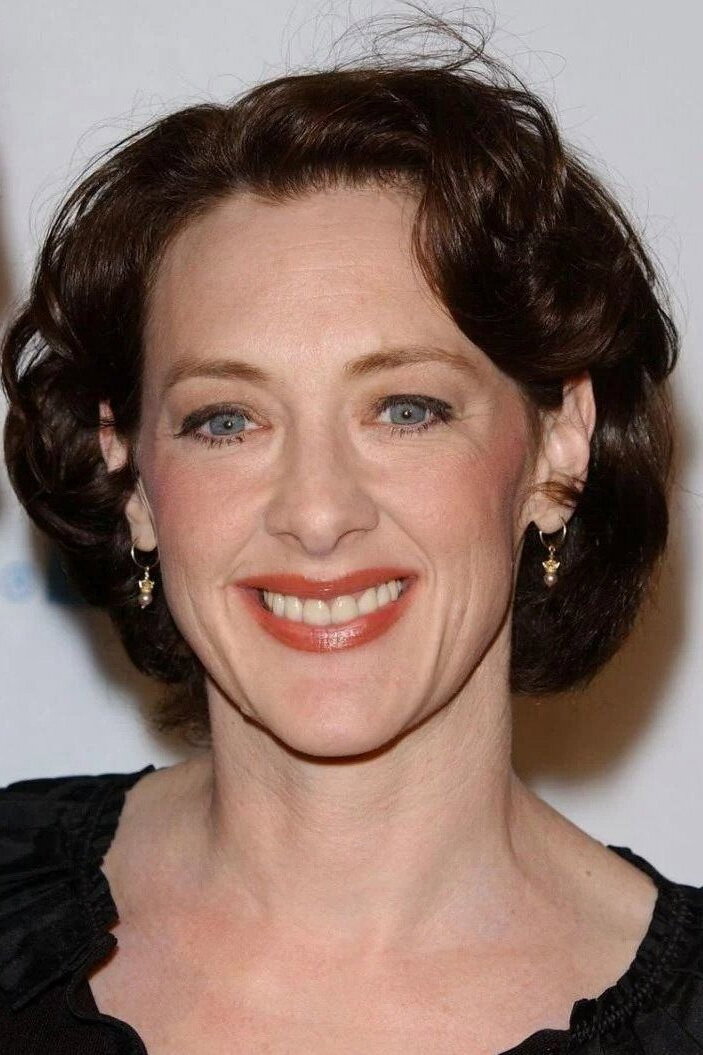
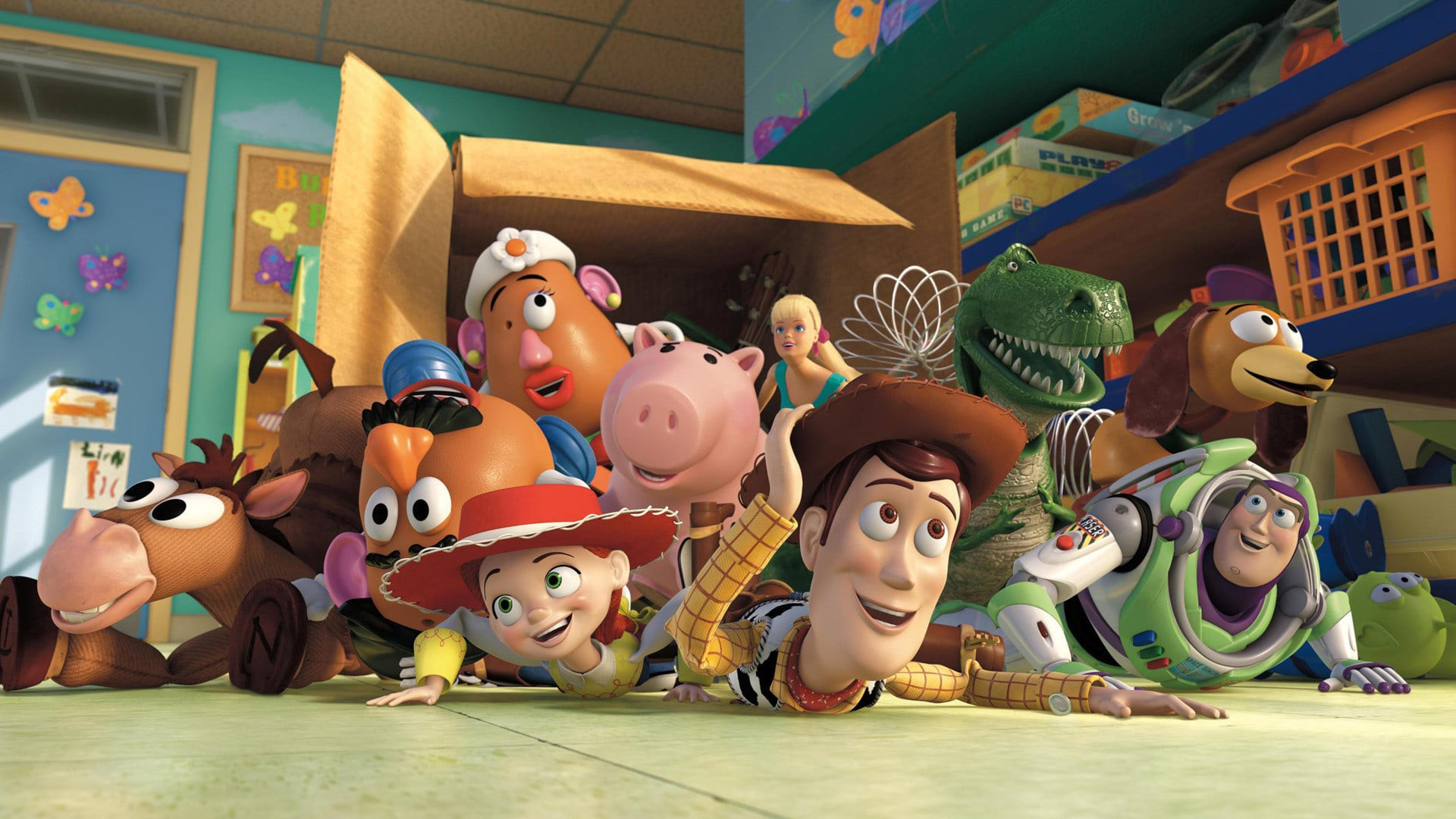
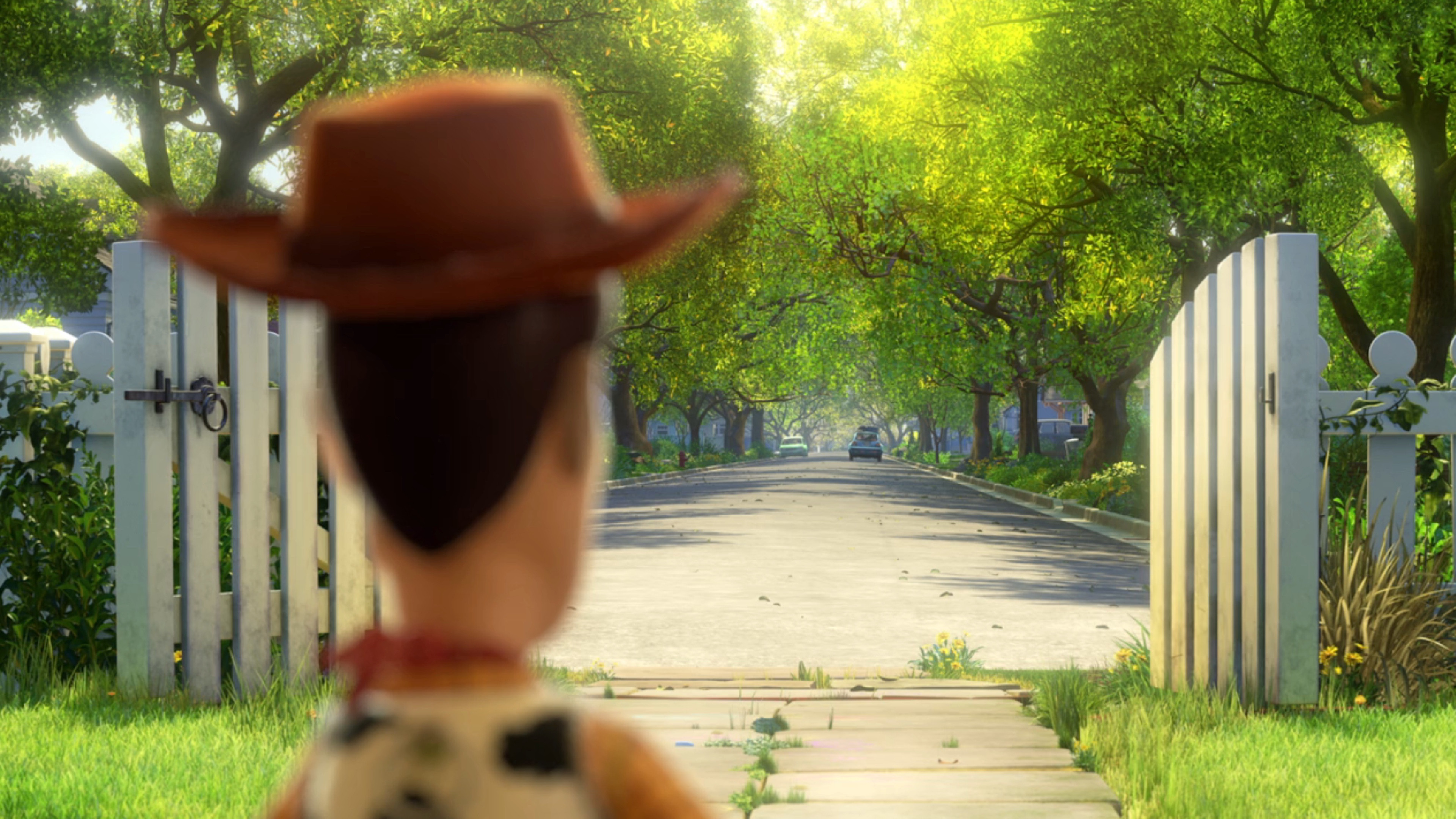
Andy is preparing to leave for college, while Woody, Buzz and Jessie still need someone to play with them. We were more upset by that simple situation than we expected. The toys cannot grow up alongside him, and Unkrich lets them worry without making Andy seem cruel for getting older. Tom Hanks gives Woody’s loyalty a worried persistence; Tim Allen and Joan Cusack keep Buzz and Jessie distinct within the ensemble. These are companions whose company we do not yet want to lose.
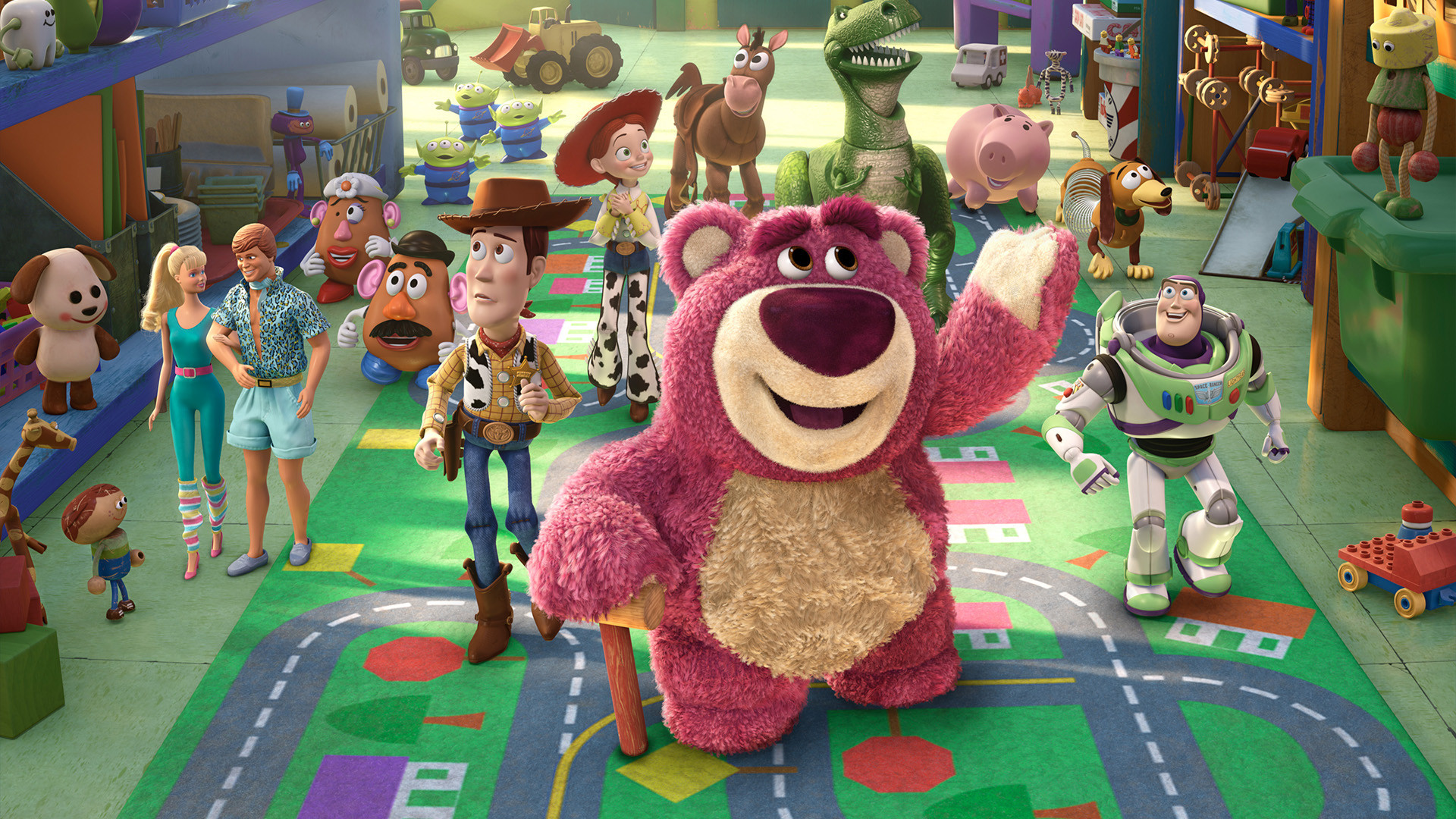
Jeremy Lasky’s cinematography gives the opening adventure an energy that the quieter passages wisely do not try to sustain. The action is readable, and the toys remain expressive enough for us to follow their worries through the commotion. Bob Pauley’s production design gives the day-care centre the appeal it needs: a place where toys might reasonably expect to be wanted. The setting works because the promise of children to play with is enough to make starting again seem sensible.
Ken Schretzmann’s editing handles the ensemble with similar care, keeping the prison-break plotting clear while leaving room for jokes. We can follow what is happening without being marched through each practical detail twice. Randy Newman’s music sometimes presses harder than necessary when the film wants a strong emotional response. The voices have usually done enough, particularly when the toys contemplate a future without Andy.
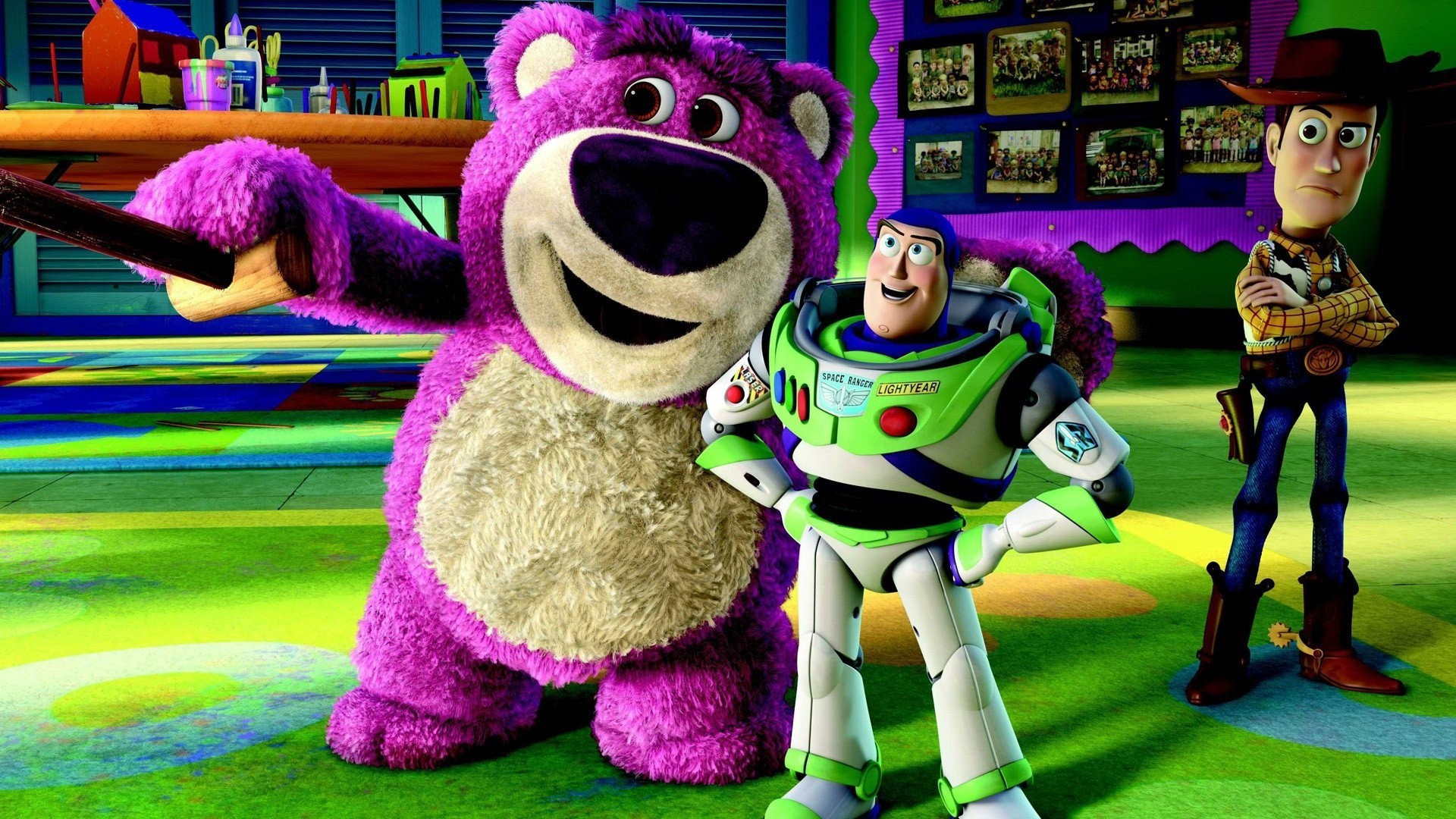
Michael Keaton’s Ken is the most enjoyable addition, and his scenes with Jodi Benson’s Barbie give the story a welcome stretch of silliness. Keaton understands how much comedy can fit into a voice without every line demanding its own applause. Ned Beatty brings an inviting sociability to Lotso, the teddy bear, and makes the prospect of joining this unfamiliar company plausible. These characters give a third instalment some fresh comic exchanges. The returning toys do not have to supply every laugh themselves.
The escape machinery does sometimes take over. Arndt has enough comic business to keep the adventure moving, but some of it makes us wait too long for another proper exchange between the toys. That limits how much we learn about characters the film is asking us to care about again. The familiar fear of abandonment is handled with care, though there is little surprise in the broad shape of the story. Its individual jokes are more inventive than its plotting.
Among family adventures, it stands out for how seriously it treats the possibility of no longer being needed. Unkrich trusts children to understand that fear, and does not pretend it will go away once they get older. At 103 minutes, there is plenty of comedy and adventure to share. The U certificate should not be mistaken for a promise of an untroubled evening. Watch it together, and leave time afterwards for anyone who needs a little reassurance.