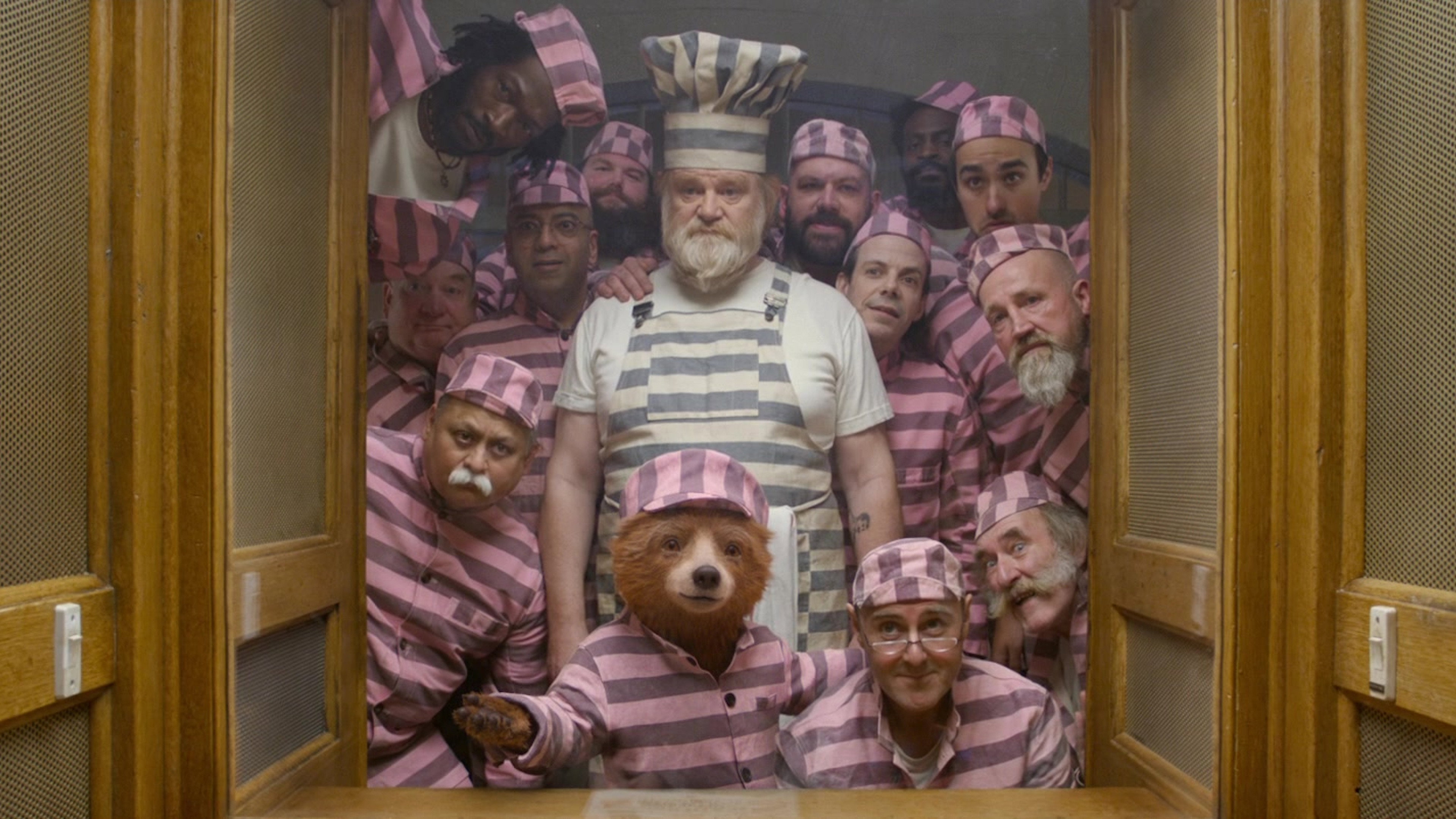
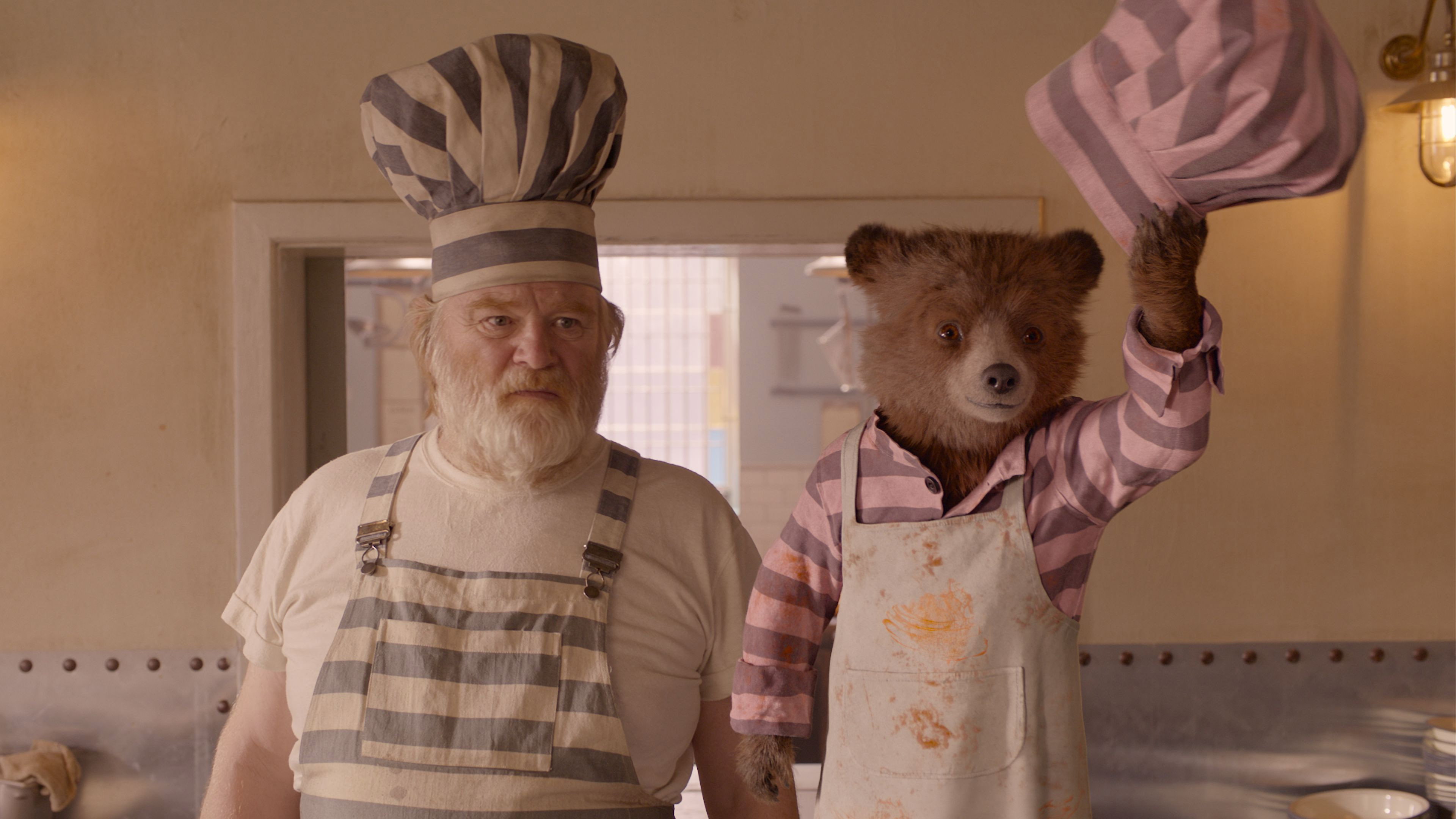
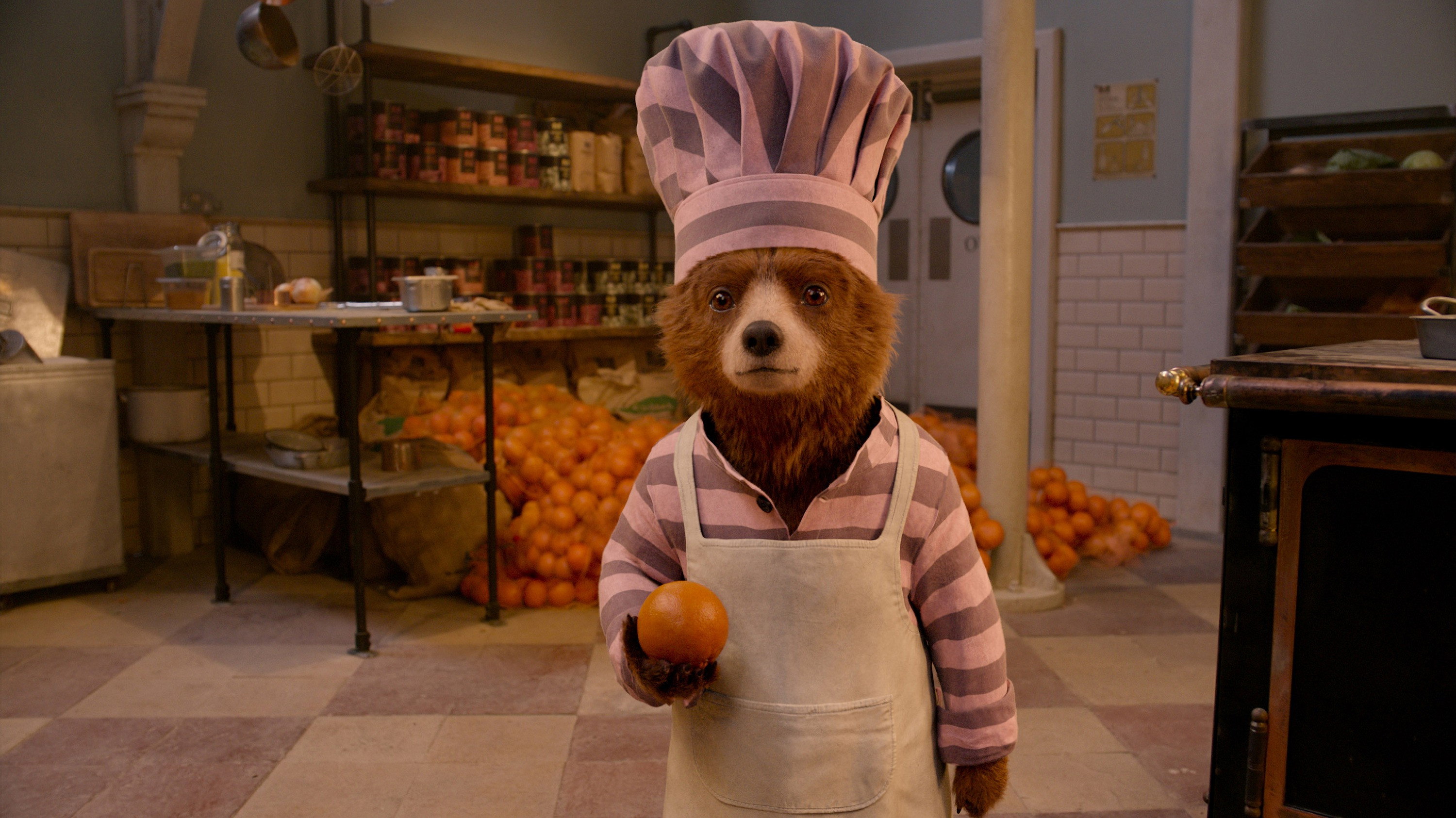
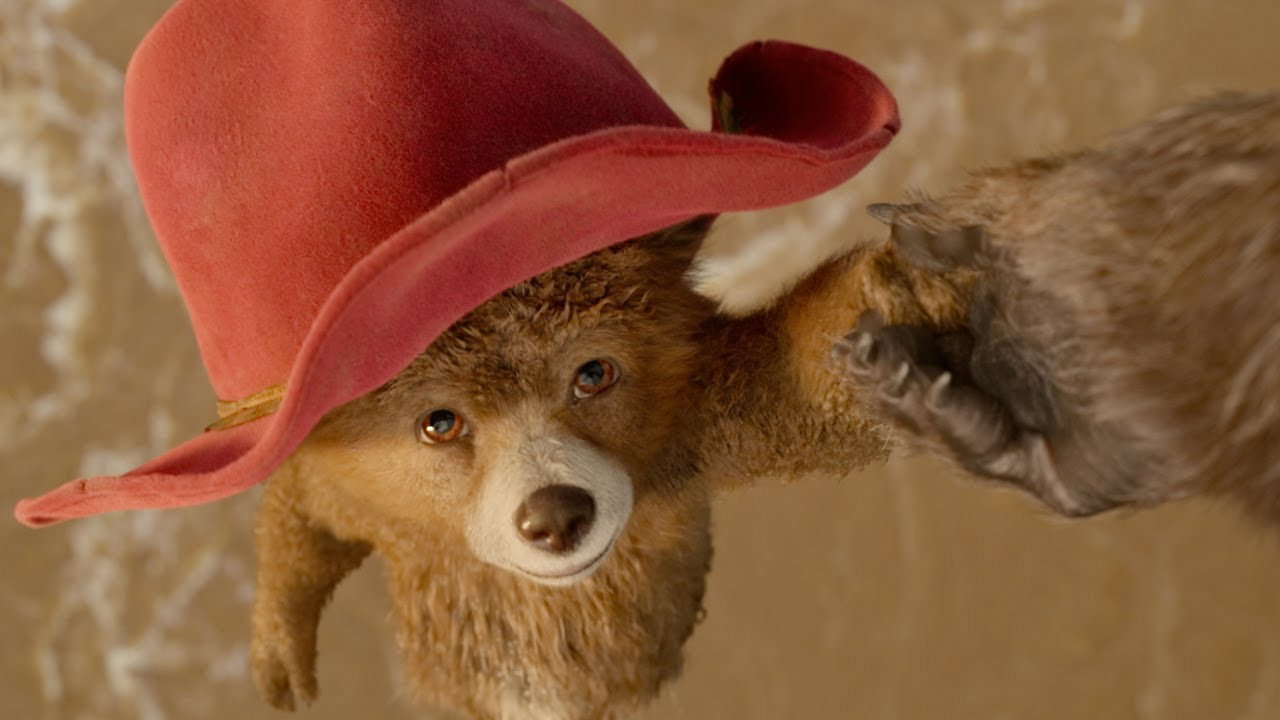
Paddington 2 is a funny, generous family comedy that takes kindness seriously without making a lesson of it. Paul King earns the sentiment, Hugh Grant supplies the vanity, and only the episodic plotting occasionally checks the pace.
Paul King puts an unfashionable amount of trust in good manners. His bear approaches other people expecting them to be decent, and the comedy allows that expectation to survive without making everyone agreeable. Paddington 2 is funny enough to recommend on its jokes alone, but the care it takes over small acts of kindness makes it worth recommending more widely. It asks us to believe that treating people well can change how they behave, and does enough comic work to earn our agreement.
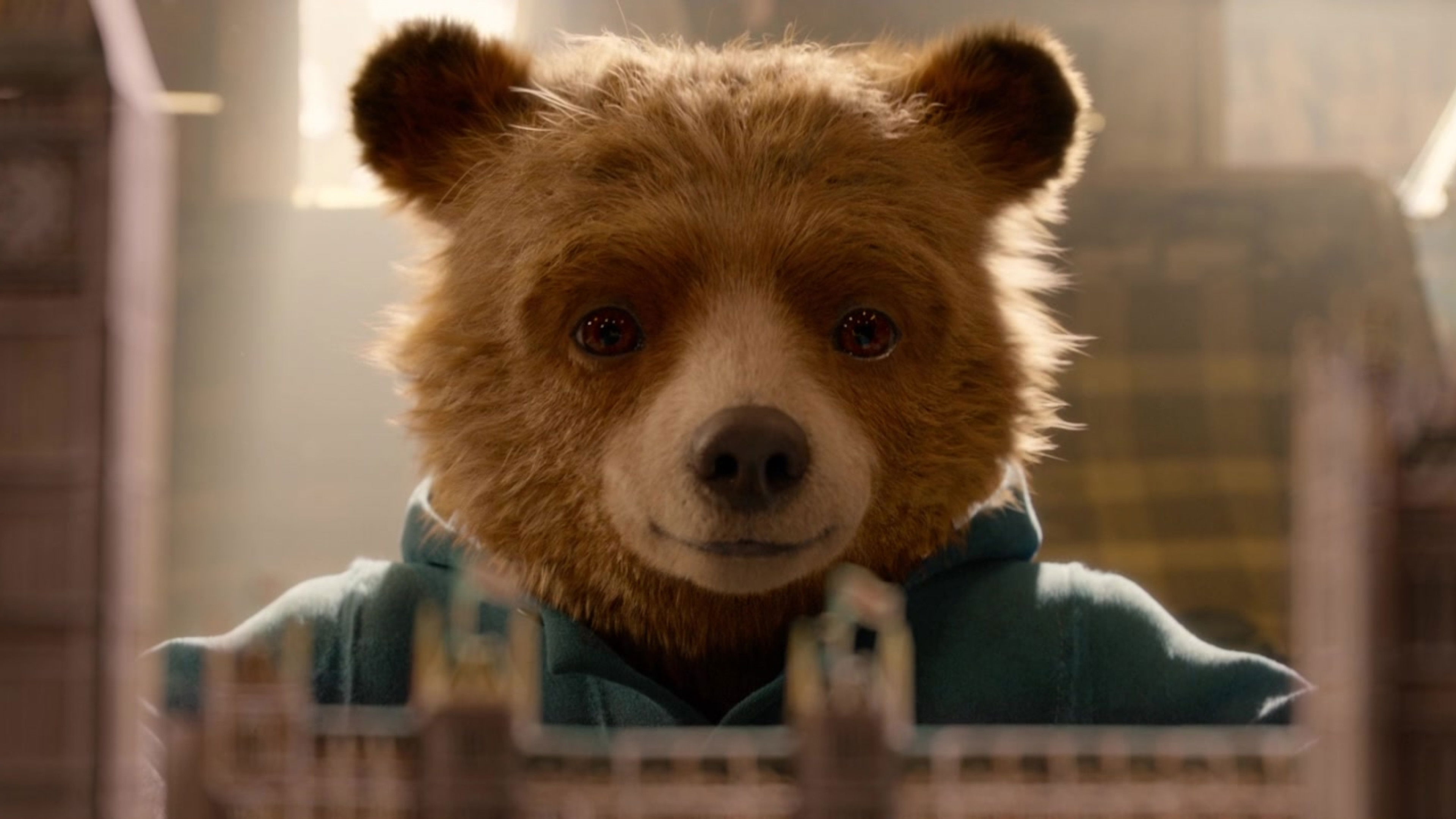
The screenplay by Paul King and Simon Farnaby understands how much comedy there is in taking courtesy seriously. Paddington Brown, voiced by Ben Whishaw, does not need a knowing aside to make his innocence palatable to adults. Ben Whishaw gives the politeness conviction, so that the bear’s persistence feels like a choice rather than an inability to understand what is happening. There is room for absurdity around him because he remains so steady.
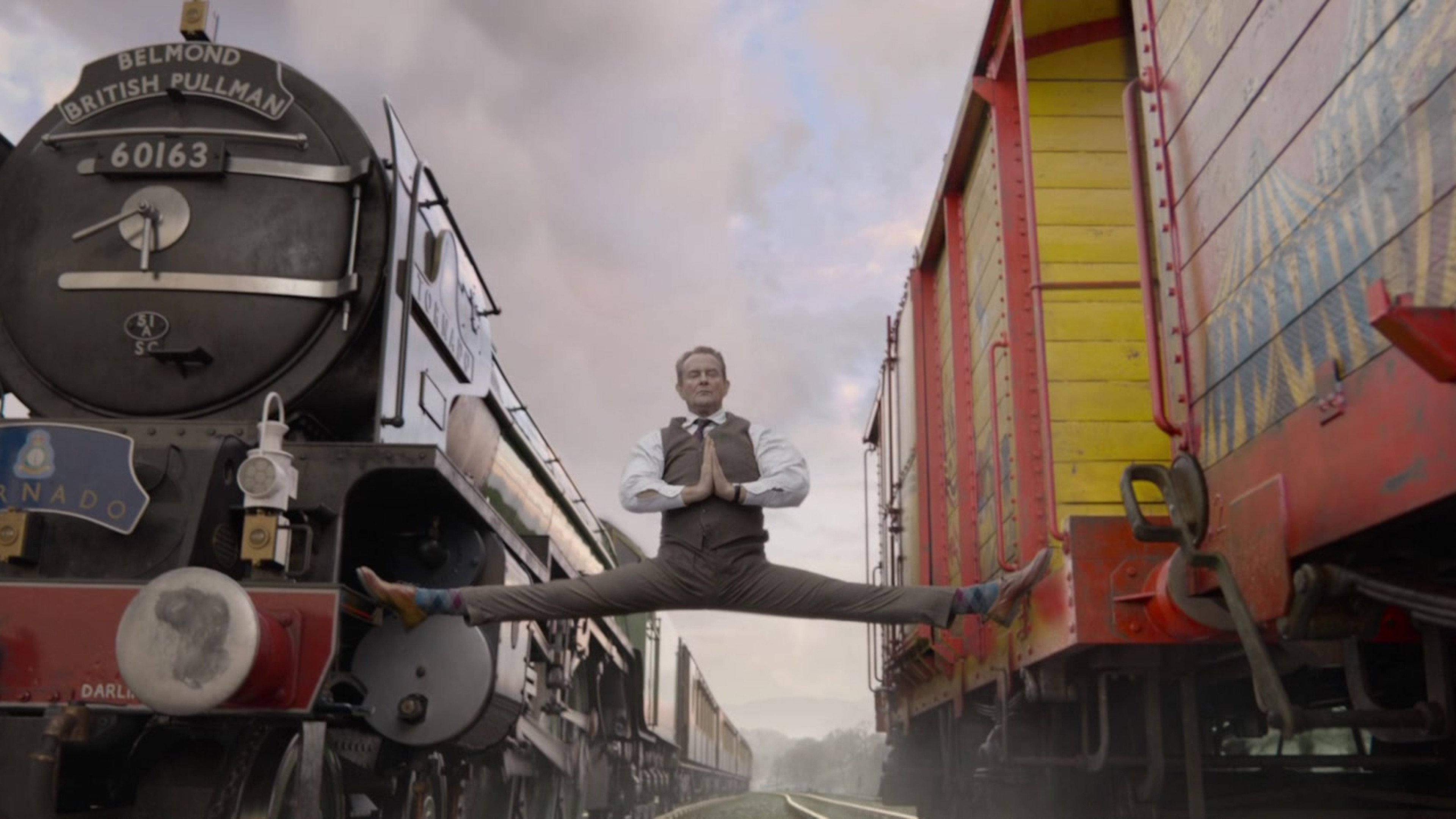
Hugh Grant’s Phoenix Buchanan supplies the necessary excess. We laughed at his self-importance at the fairground, because the performance takes his vanity seriously even when nobody else could. His appetite for attention gives the broad acting a clear purpose beyond pulling faces. Paul King allows him to be ridiculous without making the film cruel, and the contrast with Ben Whishaw’s unaffected delivery keeps both performances lively.
Gary Williamson’s production design gives the fanciful London enough detail to reward looking beyond the bear. The pop-up book belongs in this setting: the city has the inviting, carefully arranged look of somewhere made to be explored. Erik Wilson’s cinematography makes the colour welcoming rather than tiring, and the visual precision helps the physical comedy remain legible. We can enjoy the decoration without losing track of the joke.
Editors Jonathan Amos and Mark Everson deserve credit for that clarity too. Their comic timing allows a mishap to register before the next complication demands our attention; the slapstick stays brisk without becoming a blur of activity. Dario Marianelli’s music supports the warmth without making every tender moment feel like an instruction to become tearful. That restraint matters in a film whose belief in kindness could so easily become an excuse to press harder.
There is a modest snag in the way the adventures fit together. The episodic plotting occasionally makes us conscious of moving from one attraction to the next, when we would rather stay absorbed in what Paddington is trying to do. Some of the bustle is more enjoyable in itself than useful to the story. At 104 minutes, it hardly outstays its welcome, though a little less bustle would have helped.
Family comedies can become anxious about keeping adults entertained, as though sincerity were something to apologise for. Paul King trusts the physical jokes and the performances to hold our attention, and gives children the same carefully made film. The warmth works because the bear’s decency has to contend with vanity and prejudice, rather than passing untested through a friendly city. Watch it with children if they are available; there is no need to borrow any.