Wes Anderson’s murder caper is funny, exact and more affecting than its fussiness suggests. Ralph Fiennes makes its vain concierge worth caring about, even when the carefully arranged sentiment starts to feel compulsory.
The Grand Budapest Hotel is an excellent comedy about a man who takes hotel service seriously enough to make it a moral duty. Wes Anderson sends his concierge, M. Gustave, into a murder caper in a fictional alpine country, with the threat of political brutality already close by. It is funny, busy and unexpectedly touching, and Ralph Fiennes is the principal reason to recommend it. Some of the sentiment is overmanaged, particularly around Gustave and Zero.
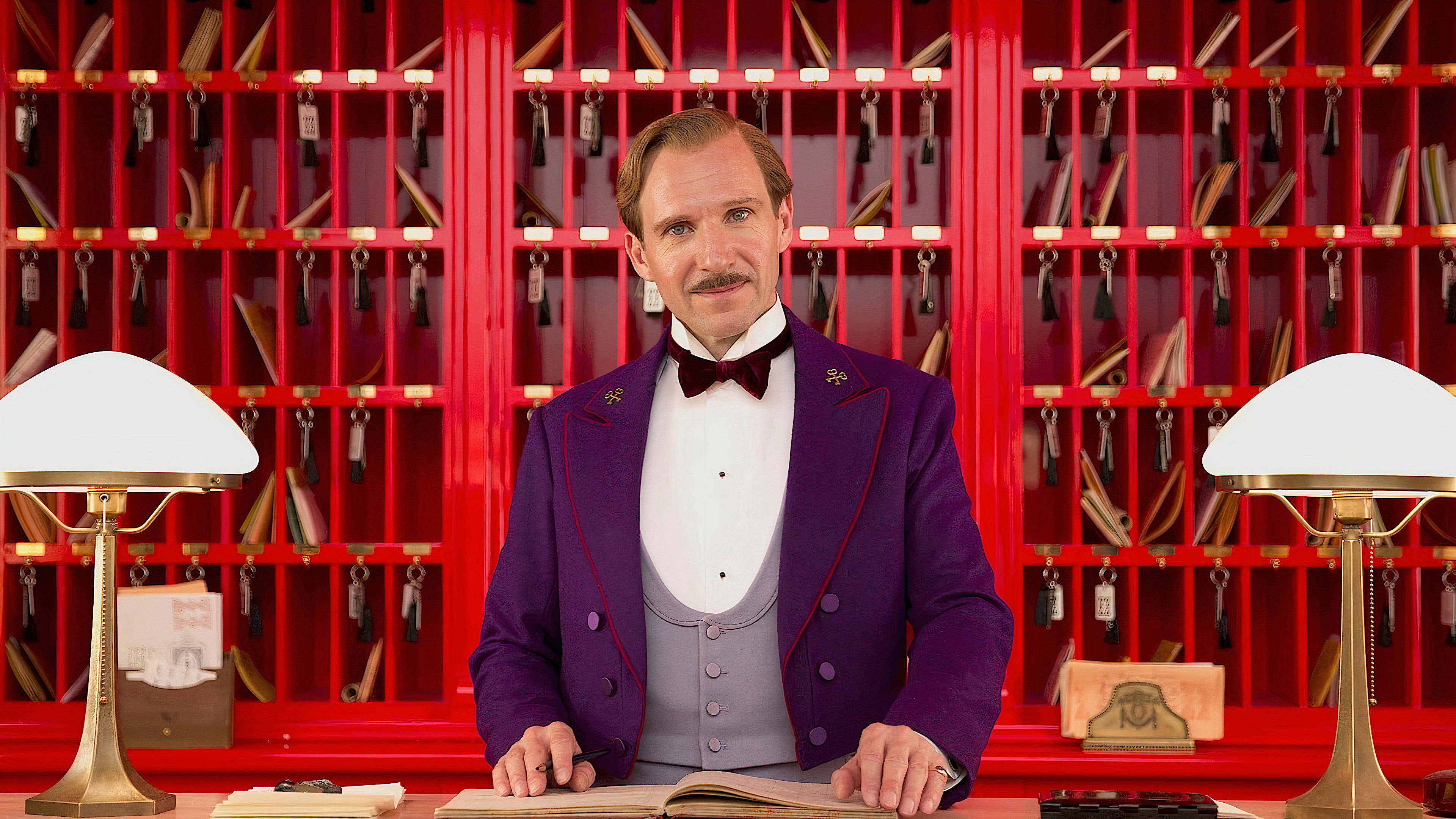
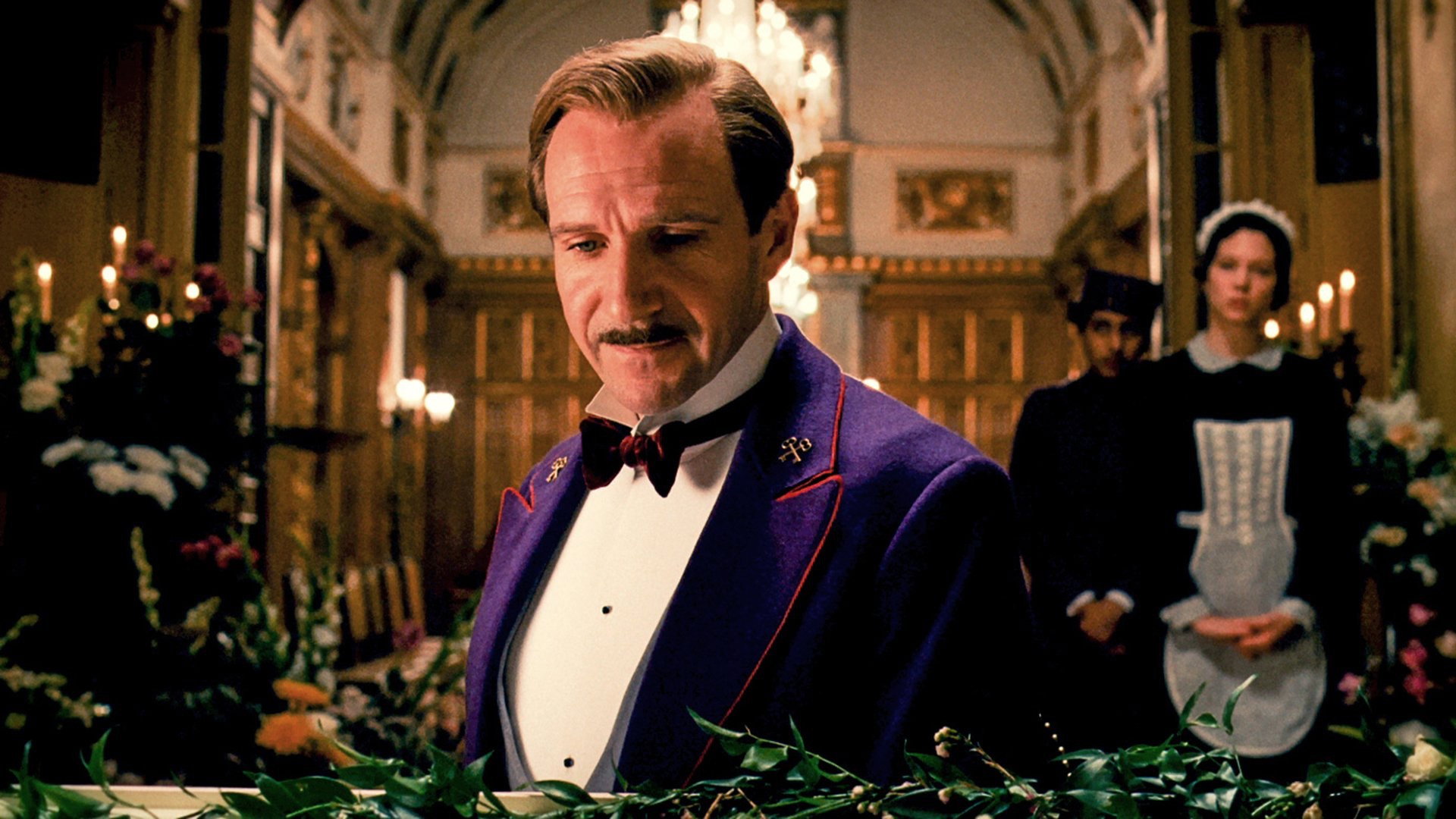
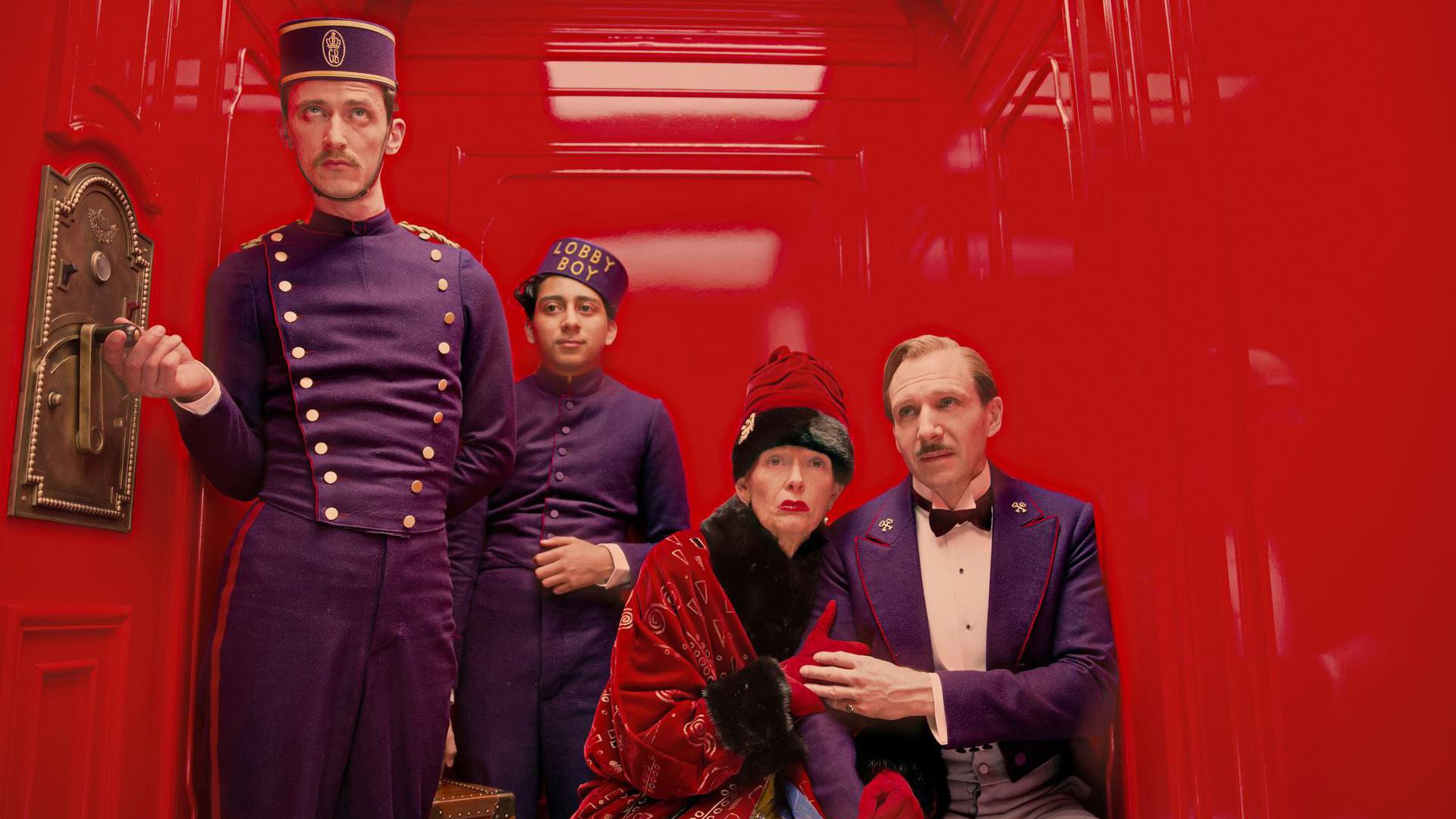
Gustave’s vanity matters because Fiennes never makes decency look effortless. His precise speech and comic timing suggest someone who has put considerable work into being this particular, and who expects others to make an effort too. We laughed at his fussy delivery, then found ourselves unexpectedly protective of him. Fiennes makes his concern for proper conduct seem stubbornly sincere even as the surrounding escapades grow more frantic. Anderson’s screenplay gives him enough self-importance to stay funny without making his loyalties seem merely another affectation.
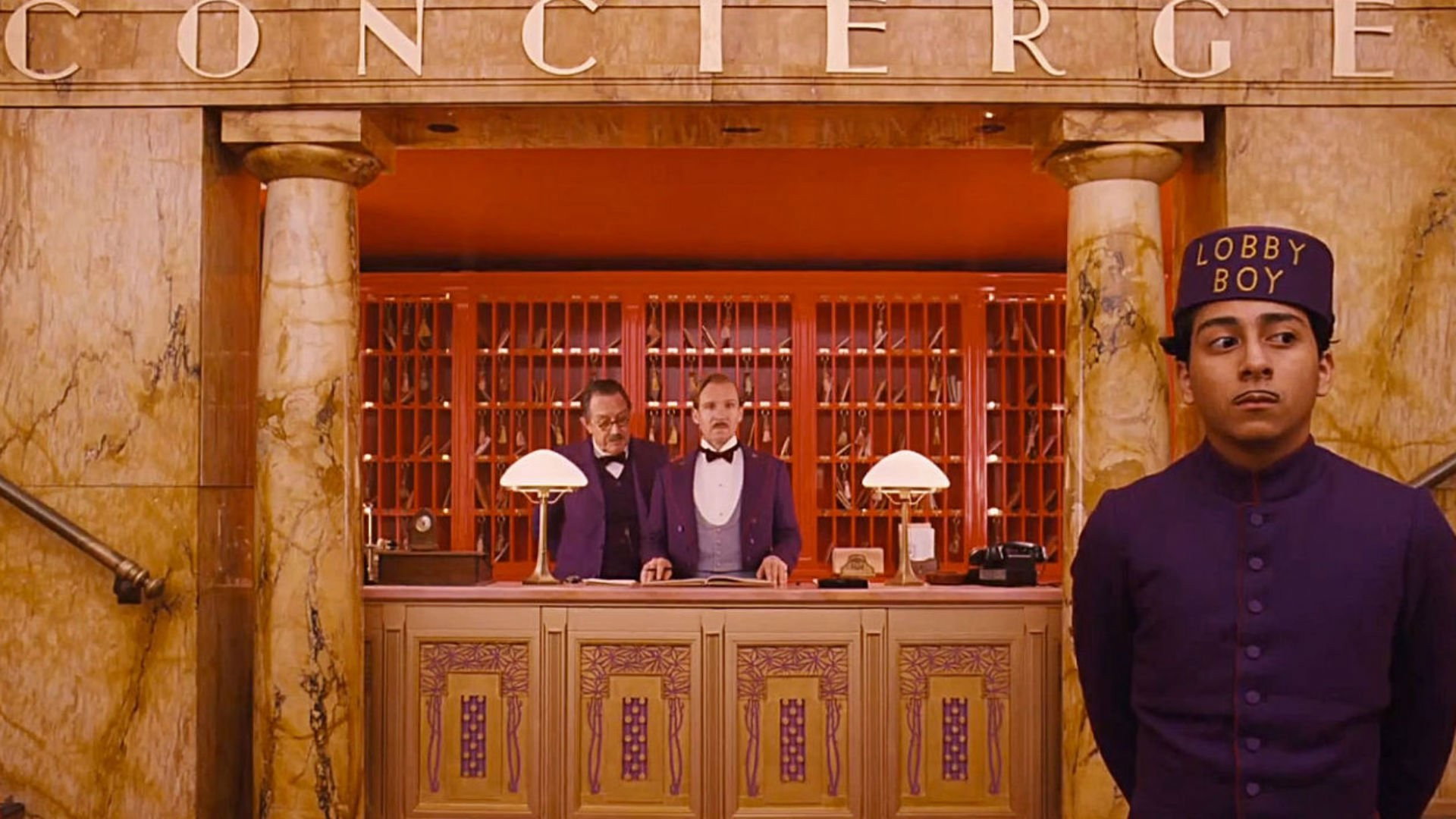
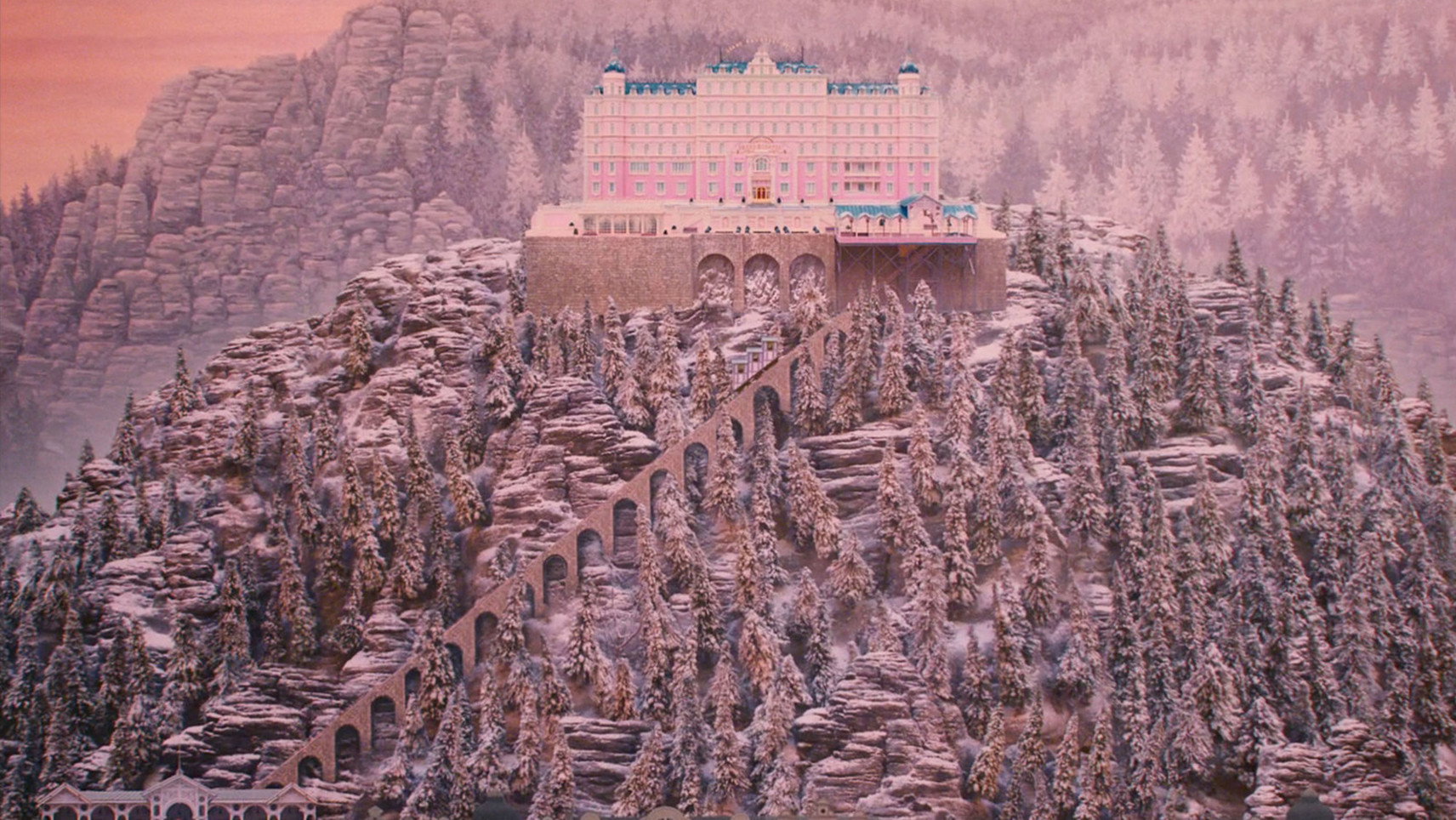
Robert D. Yeoman’s cinematography uses changing frame proportions to help distinguish the story’s different layers. His stylised camera movements keep us aware that this world has been built for the camera, which suits a story told through recollection. Production designers Adam Stockhausen and Nathan Parker supply a hotel whose density of detail remains entertaining even when the plot pauses to explain itself. Anderson gives the buildings and their furnishings almost as much attention as the people.
Barney Pilling’s editing keeps the changes of narrator and period from clogging up the caper. At 100 minutes, the film has room for its digressions without allowing the criminal business to disappear from view for long. Alexandre Desplat’s score supplies much of the bustle, allowing the dialogue to stay precise rather than frantic. The cutting gives Fiennes time to complete a comic thought, while the music keeps those brief pauses from feeling like a loss of pace.
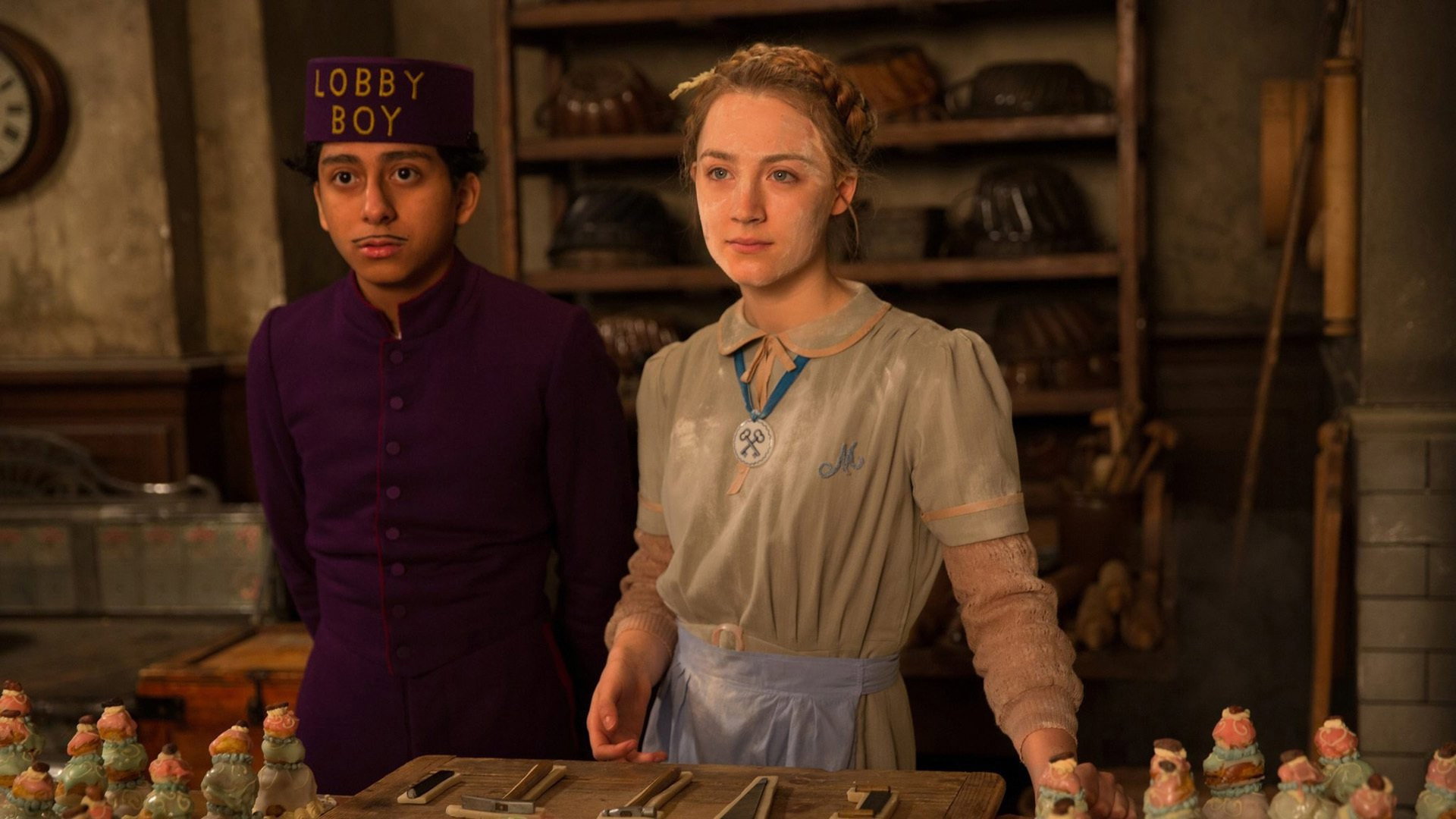
The weaker passages come when Anderson asks the bond between Gustave and Tony Revolori’s Zero to bear quite so much emotional weight. We understand the affection, but occasionally the screenplay seems determined to have it acknowledged before the story can proceed. Fiennes is more persuasive when his concern for other people emerges amid the comedy, without extra emphasis. This is a small but noticeable limit in a film whose timing elsewhere is so assured, and it keeps the sentiment from feeling entirely spontaneous.
Judged as a caper, the film succeeds because the company is worth keeping through the complications. Anderson asks more of it by placing comedy beside approaching totalitarianism, and the historical threat gives Gustave’s standards some urgency. There is a risk that such carefully controlled images make brutality feel safely remote; Fiennes does much to prevent that by making his character’s concern for others persuasive. The invented setting remains openly artificial, with no attempt to disguise how thoroughly it has been arranged.
If Anderson’s fussiness usually puts you off, Fiennes is a good reason to try again. Give the dialogue as much attention as the hotel. Watch it with someone who will let him finish a sentence before pointing out the furnishings.