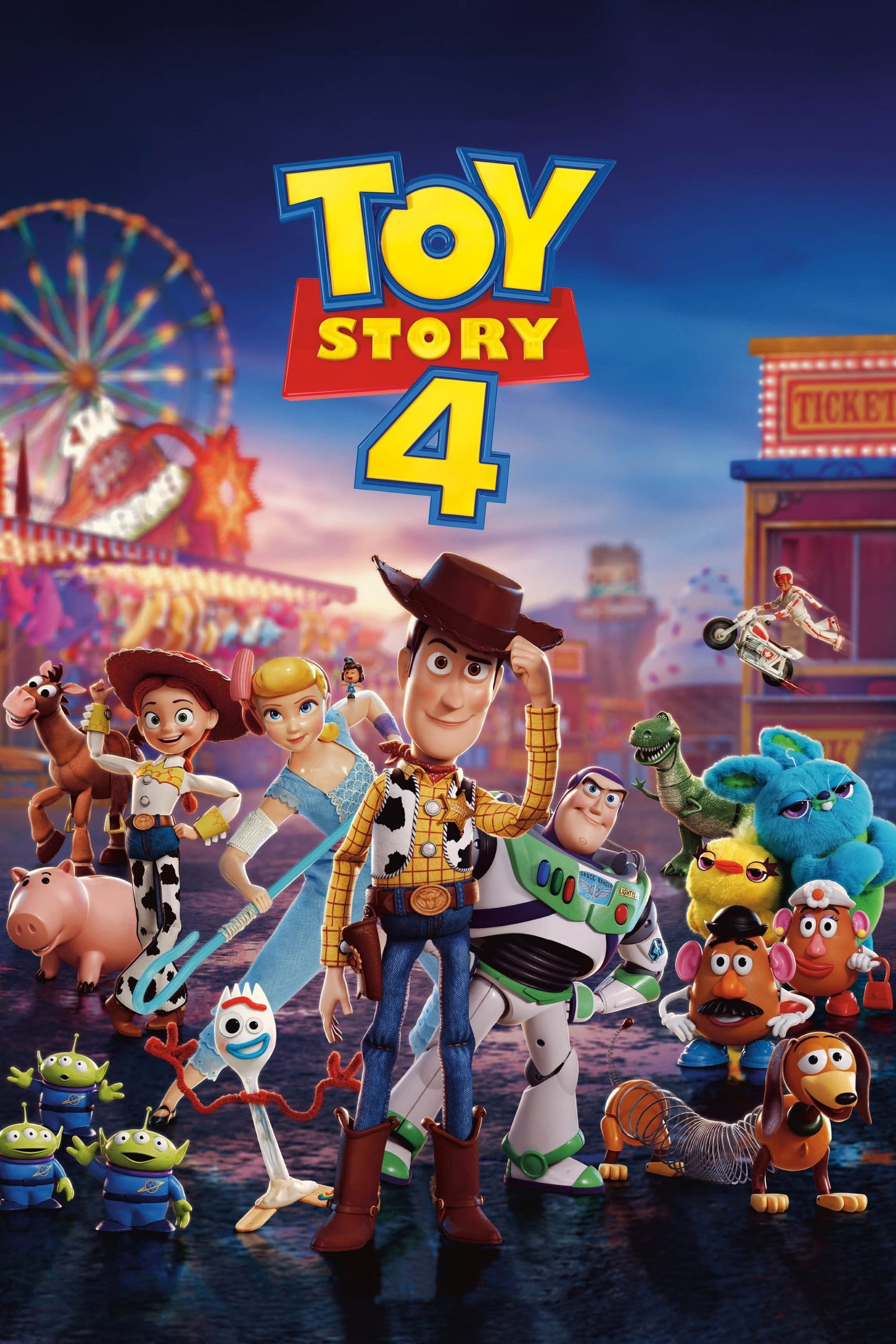
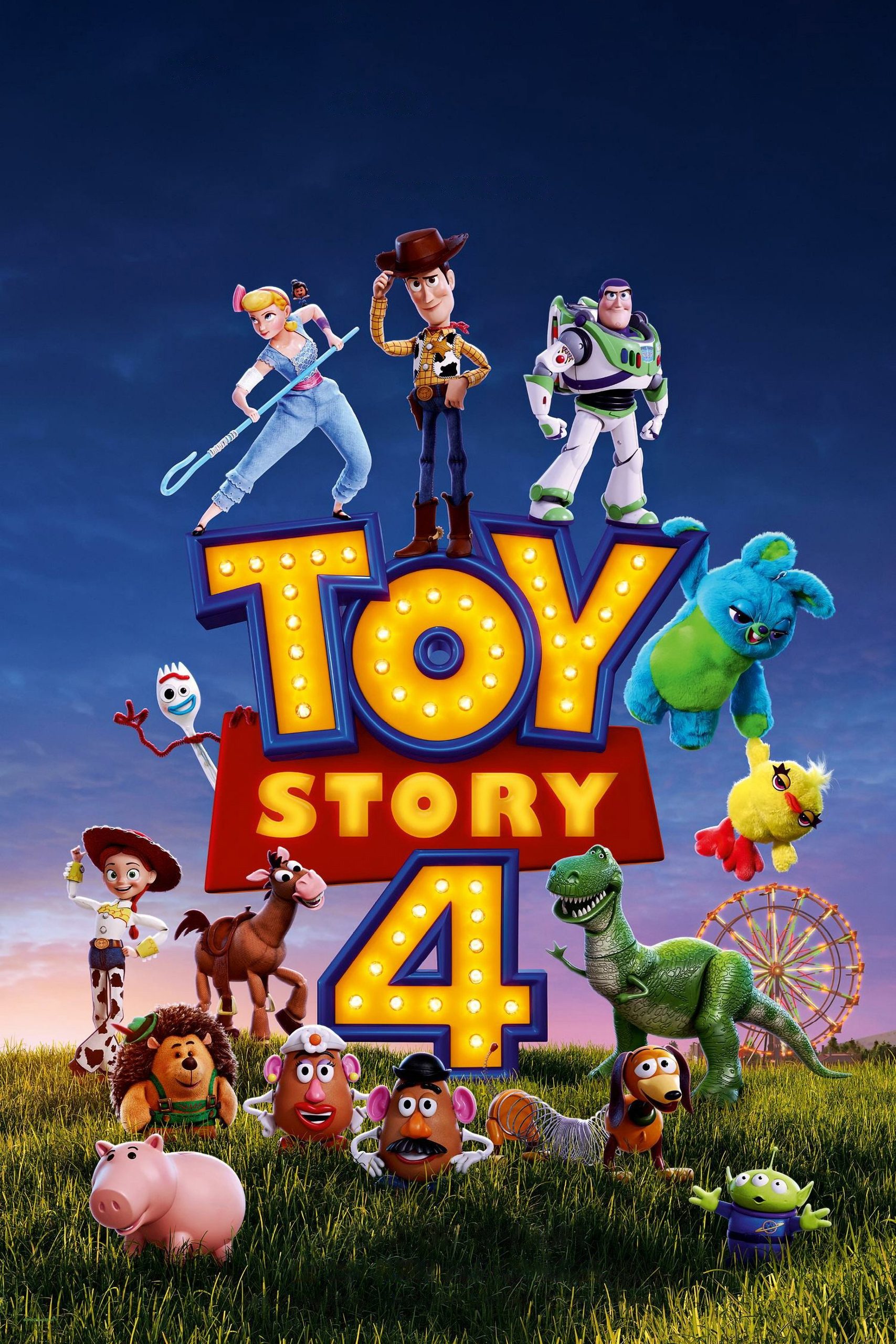
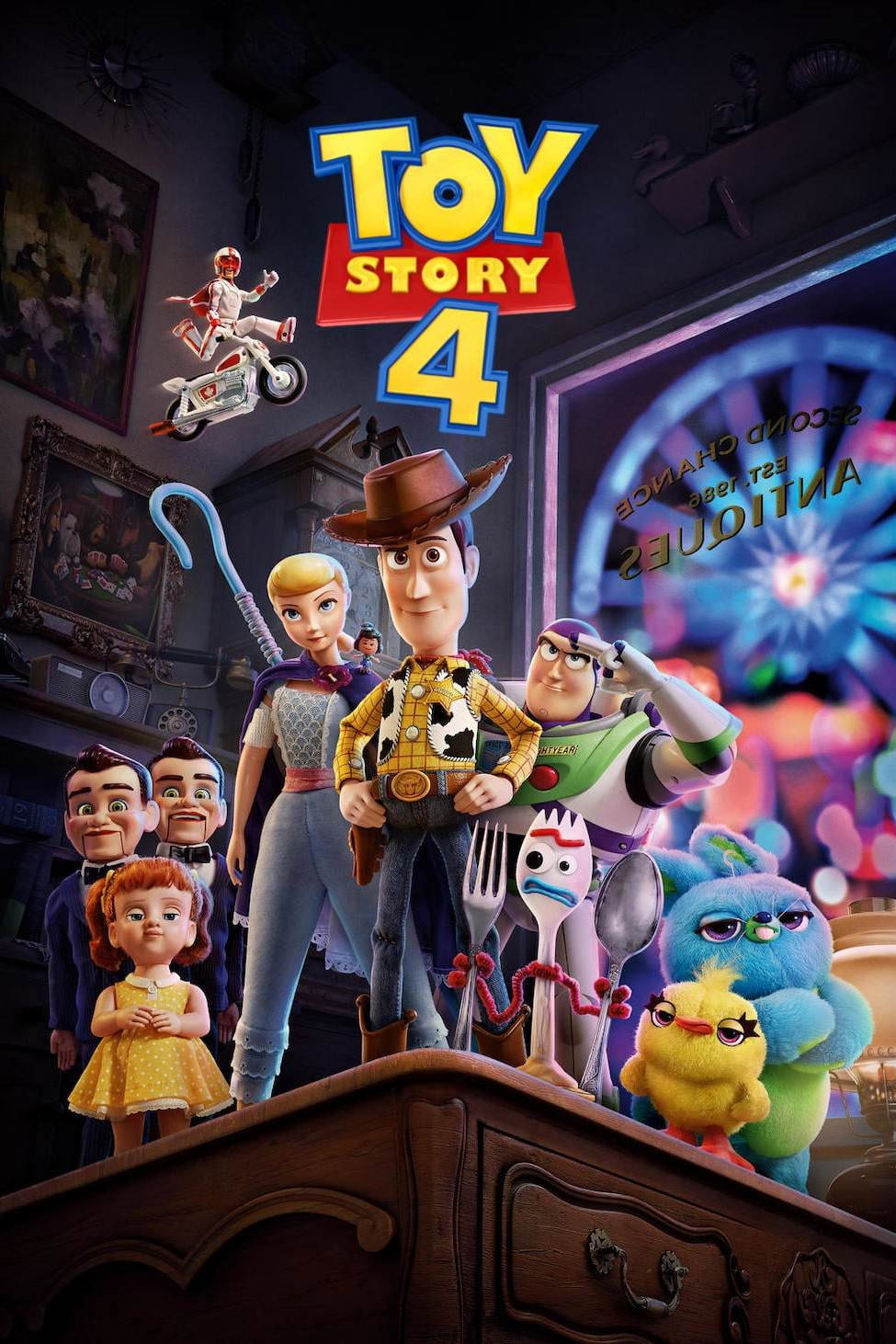
Josh Cooley’s fourth Toy Story is beautifully lit, funny about a spork that would rather be in the bin, and has one properly frightening villain. It is also the second farewell in a row, and this one is asked for rather than earned.
The third film ended with Andy handing his toys to a small girl called Bonnie, and most people, including us, took that as the end. A fourth needs an excuse. Josh Cooley, directing, and Stephany Folsom and Andrew Stanton, writing, find a smaller question than last time: not what a toy does when the child grows up, but what he does when the child is still there and has stopped picking him. Woody spends Bonnie’s playtime in the wardrobe with the dust bunnies. Tom Hanks plays him as a man who keeps volunteering for jobs nobody has offered.
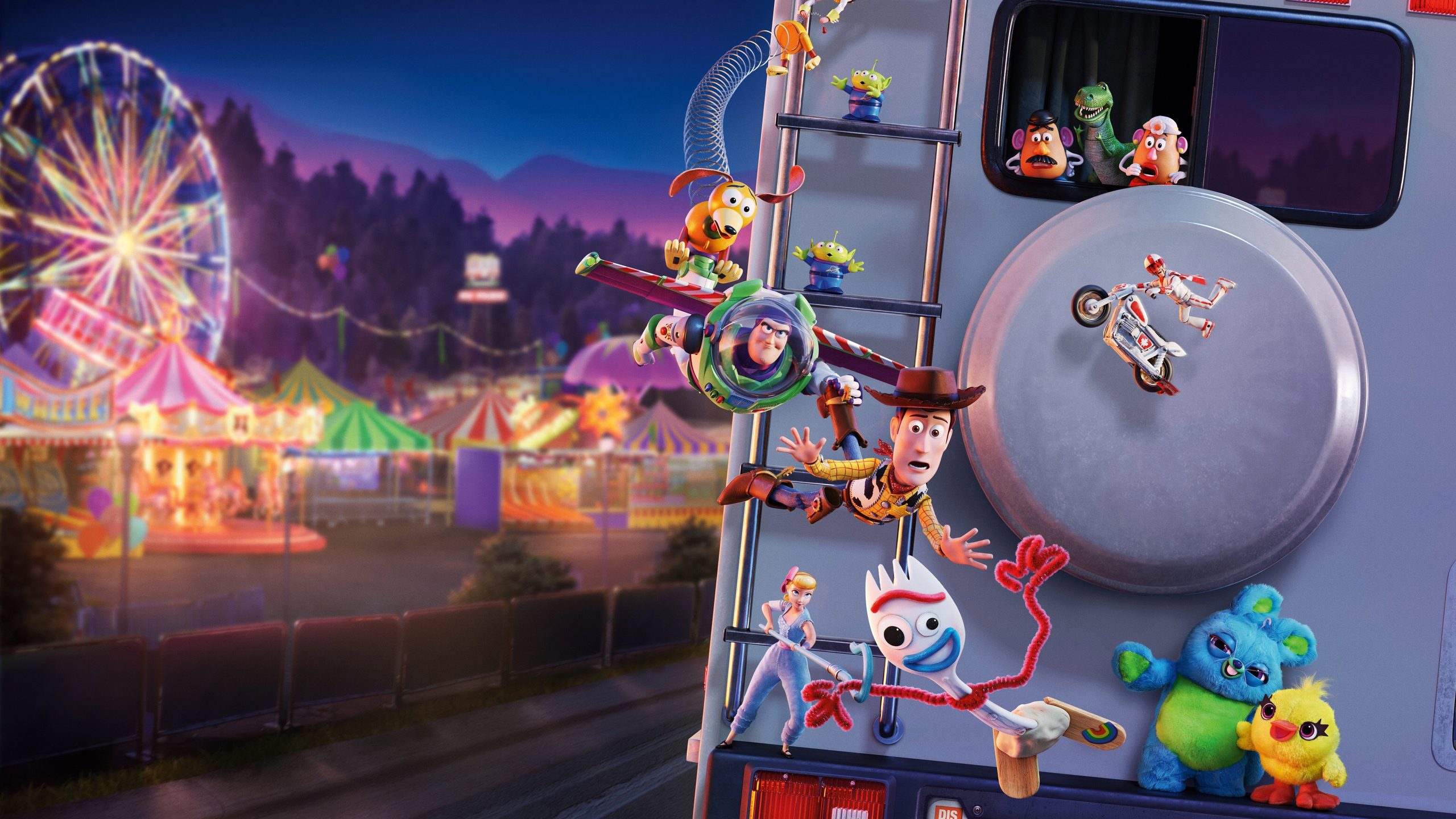
The job he gives himself is Forky. Bonnie makes him at kindergarten from a spork, a pipe cleaner and a broken lolly stick, and Tony Hale voices him as something that has woken into existence and would like to leave immediately. He believes he is rubbish, and every time he is left alone he waddles towards a bin. Woody’s attempts to explain to a spork what a toy is for are the series explaining itself, and they are funnier than that sounds. We laughed harder at Forky’s dive from a moving motorhome than at anything in the earlier films, and then felt slightly guilty, because the film has already made clear he means it.
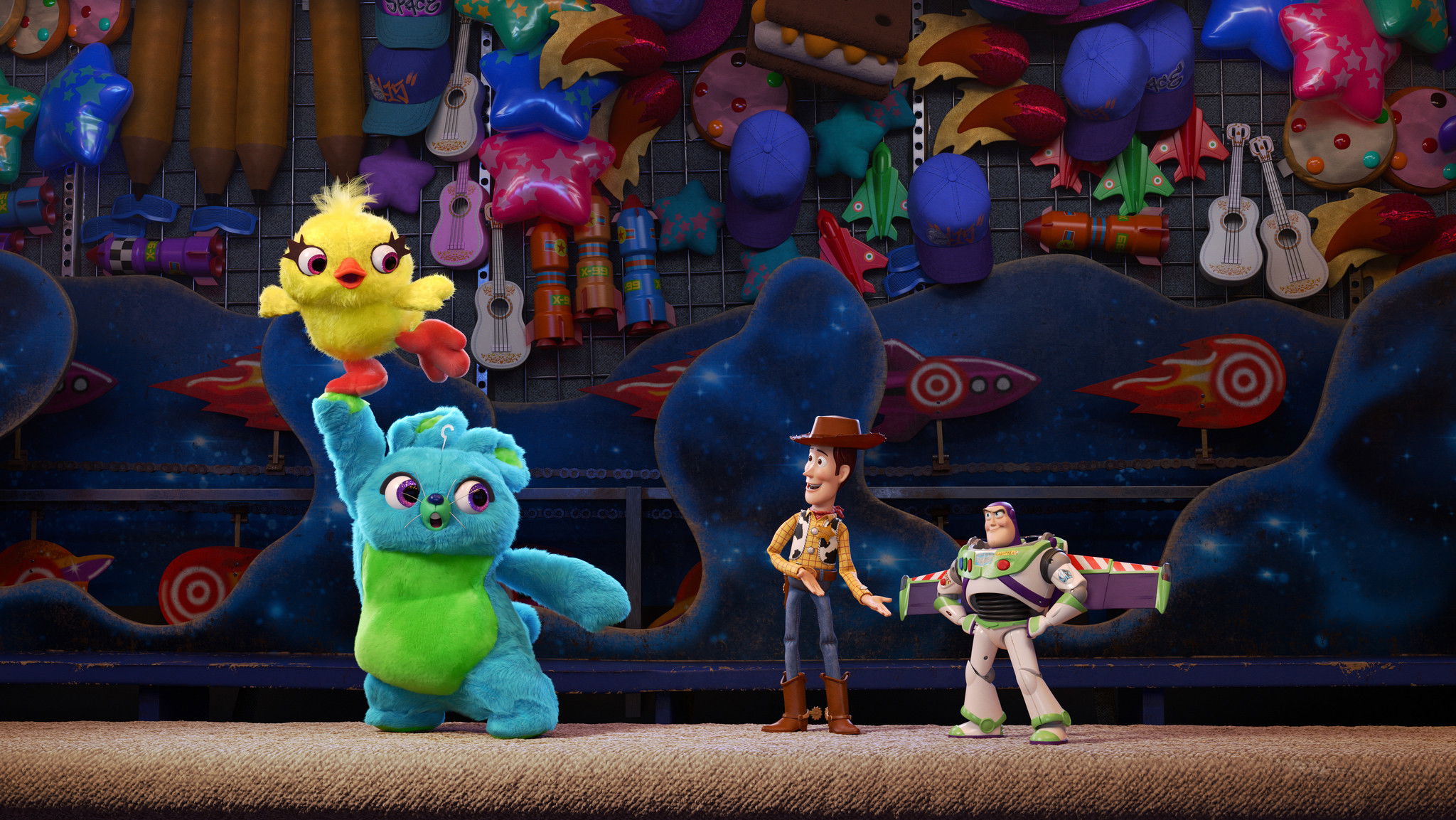
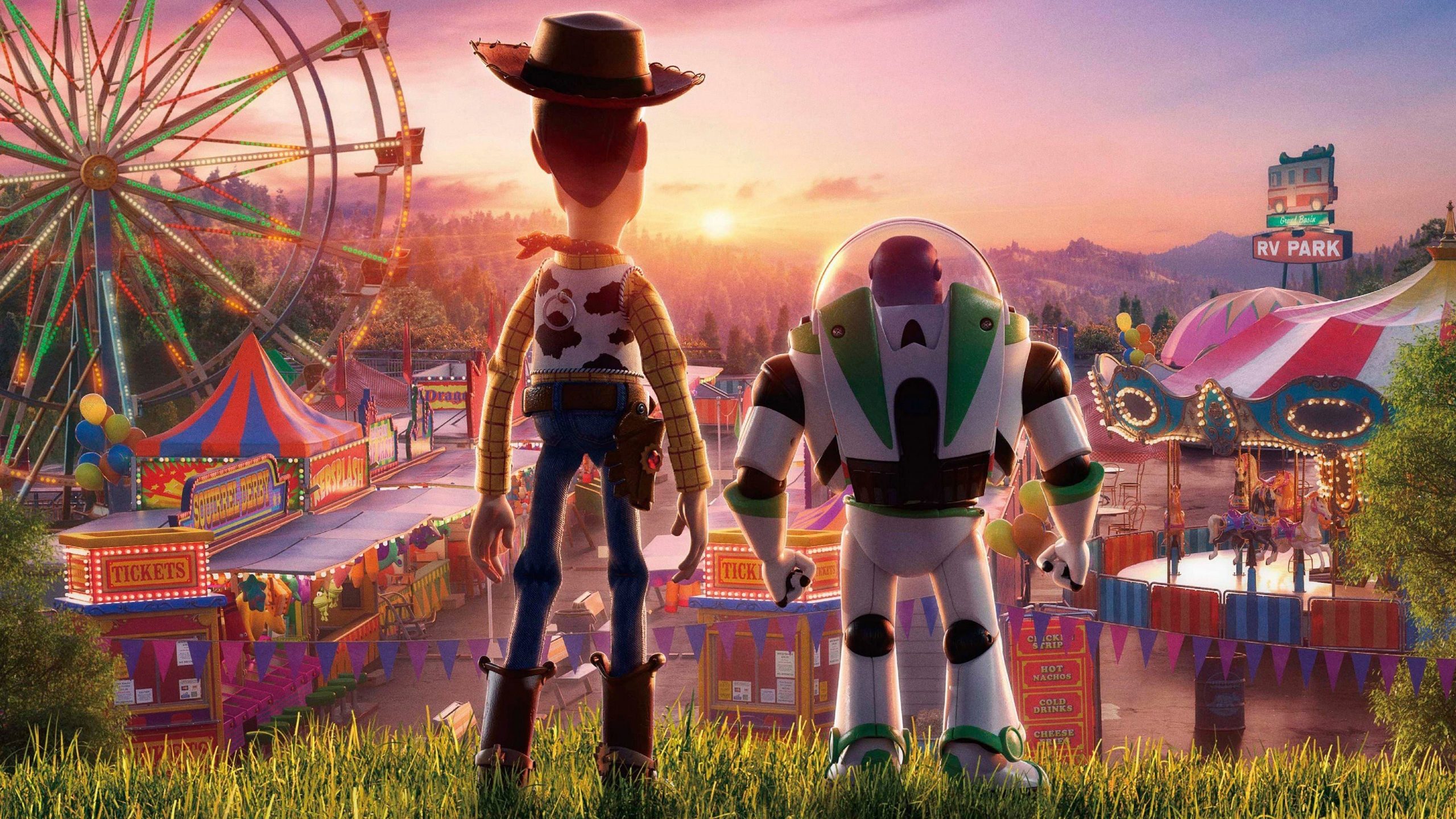
It is lit like something shot with lamps and glass rather than drawn. Patrick Lin and Jean-Claude Kalache share the cinematography credit, and the prologue, a rescue in a rainstorm at night, gets the orange of a streetlamp on wet tarmac exactly right. The antiques shop that takes up most of the middle is dust in slanted light, cabinets stacked to the ceiling and a pinball machine the toys use as a hideout, and Bob Pauley’s production design fills every shelf with something a child would want to pick up. The carnival across the road is coloured bulbs against a blue dusk. Randy Newman’s score does what it has done for this series for nearly a quarter of a century and adds a song for a spork who wants to be thrown away. Axel Geddes keeps it to 100 minutes, which is right.
The shop belongs to Gabby Gabby, a pull-string doll from the fifties whose voice box has never worked, and she is the best reason to see the film. Christina Hendricks voices her level and sweet, a girl who has waited decades on a shelf and has decided Woody has something she needs. Her staff are ventriloquist dummies, and the animators have understood exactly what is wrong with a dummy: the jaw drops a beat late, the eyes do not follow, the limbs move as if someone else is working them. They come down the aisles without a sound. We were frightened, properly, and this is a U certificate.
Not everything is as well looked after. Buzz Lightyear has been reduced to one joke, in which he mistakes the recorded phrases in his chest for his conscience and presses the button whenever he needs advice. Tim Allen does it well; the script does it more often than it should. The rest of the old gang wait in the motorhome and are cut to for reactions. Once everyone is in the shop the plot is a loop: someone is caught, someone goes back, someone else is caught. Duke Caboom (Keanu Reeves), a Canadian stunt toy who has never landed a jump, and the carnival prizes Ducky and Bunny (Keegan-Michael Key and Jordan Peele) are good company, but each is the same joke as Forky, a toy defined by the one thing it cannot do.
Annie Potts’s Bo Peep is the exception. She has been living without a child for years, in a park, with a skunk on wheels for a car and tape round one arm where the porcelain broke, and the film is honest enough to notice that she is having a better time than Woody. Their scenes are the ones where the writing is doing more than moving pieces about.
Then the last movement, which we will not describe, asks for tears. The third film earned its tears partly by timing, arriving as the children who had grown up with Woody were leaving home. This one knows the trick and performs it. We felt the tug, resented it for about a minute, and gave in, which we suspect was the plan. Most critics gave in without the minute, and their scores are higher than ours.
Take a child. They will laugh at the spork and sleep soundly. You will laugh at the spork and then, at some point in the night, think about the dummies.