Phil Lord and Christopher Miller make a funny, inventive defence of playing without permission. The pace can wear us down, but the affection for ordinary people gives the cleverness a purpose.
Phil Lord and Christopher Miller have made a funny, generous film out of material that could easily have produced a long catalogue. It takes playing seriously without requiring its characters to behave with any dignity. Much of the pleasure comes from seeing what can be built, altered and made ridiculous with recognisable plastic pieces. We recommend it warmly, even if its determination to keep us entertained occasionally becomes tiring.
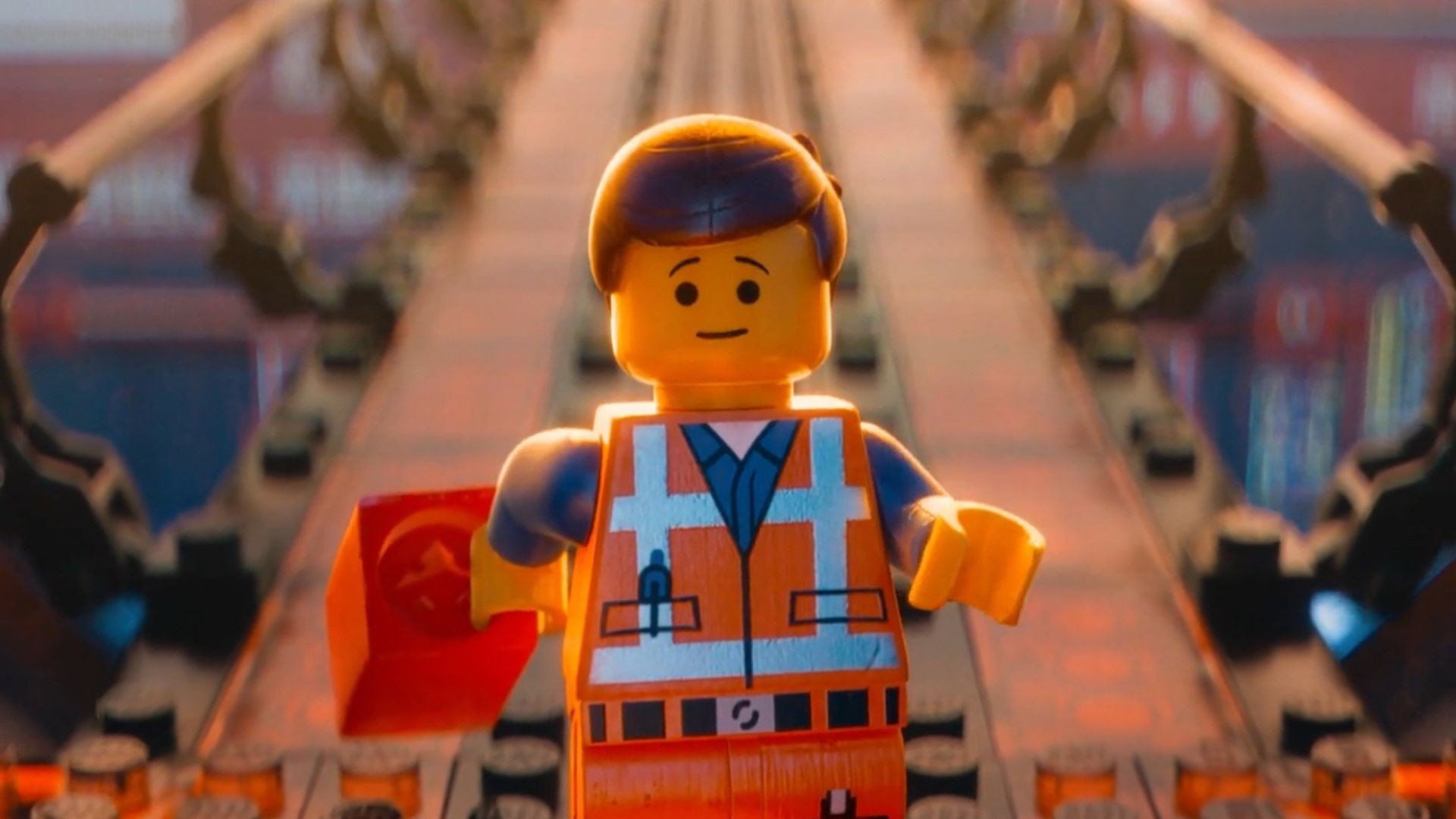
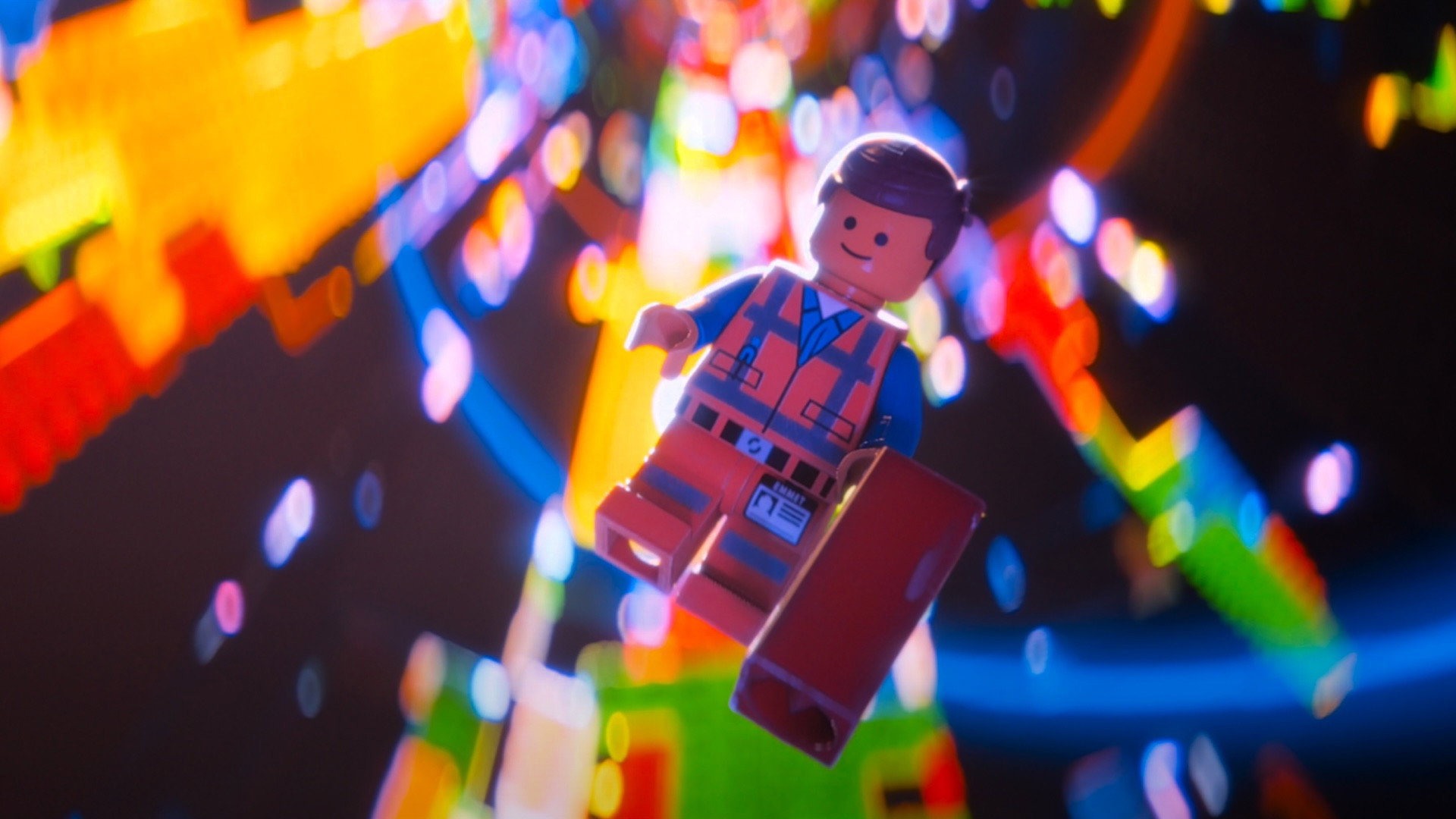
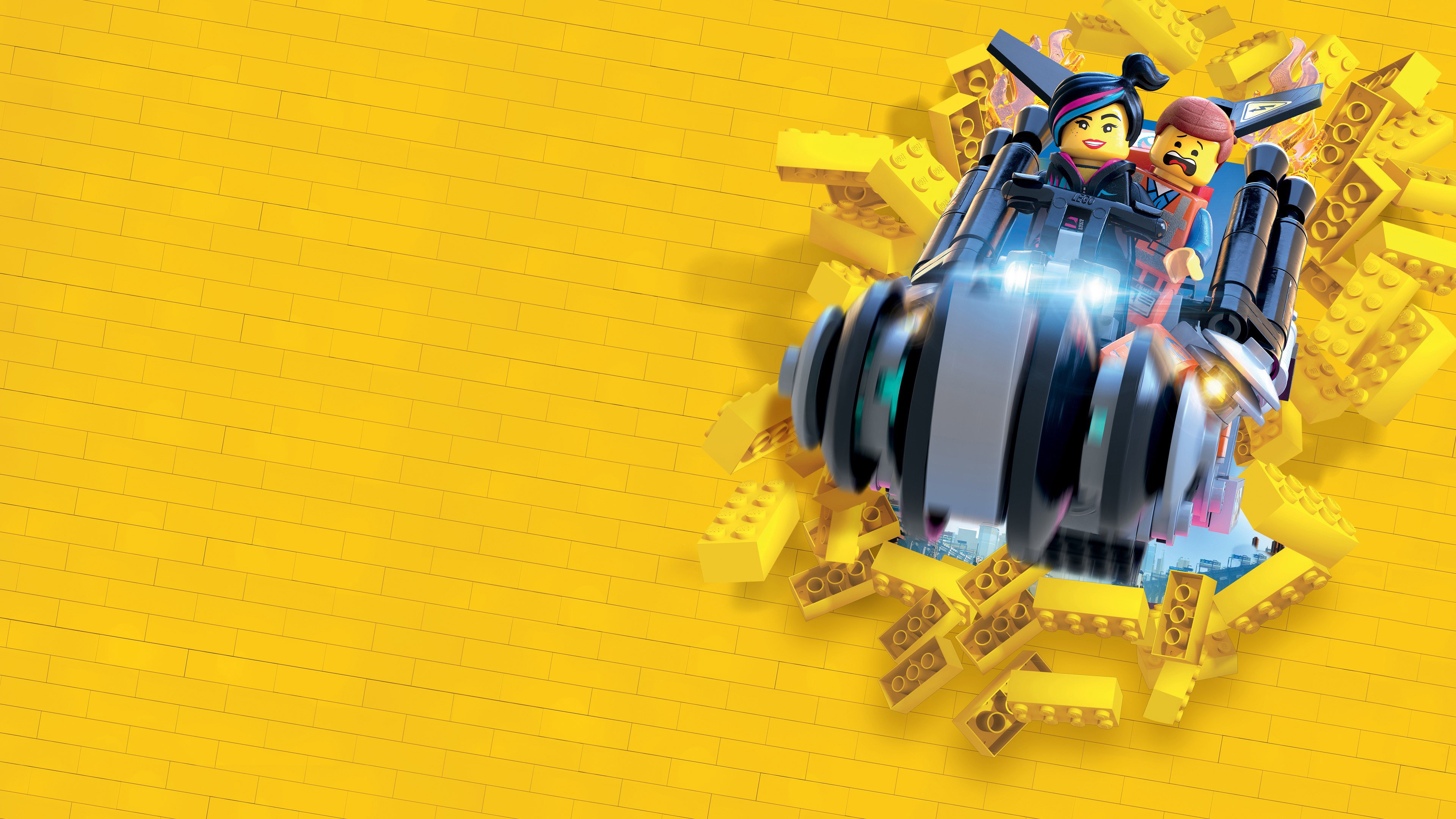
Grant Freckelton’s production design makes the bricks recognisable as things someone might have left on the floor. Their hard little shapes give the fantasy a pleasing awkwardness, and the construction itself supplies a good share of the humour. The cinematography credited to Pablo Plaisted and Barry Peterson helps preserve that tactile quality instead of smoothing it away. The images invite us to look at how things fit together, even when the action is trying to hurry us past them.
Chris Pratt makes Emmet Brickowski’s ordinariness likeable, which is harder than giving a hero a collection of quirks. The voice is warm enough for the film’s faith in unexceptional people to seem credible. We laughed more than we expected at Will Arnett’s Batman. His solemn delivery makes the little plastic figure’s self-importance look all the sillier, and the performance is funny without requiring an exhaustive knowledge of the character.
Writing as well as directing, Phil Lord and Christopher Miller are sharp about the appeal of fitting in. Their jokes about consumer culture do not make the Lego branding disappear, and we would not mistake them for an attack on the toy business. What keeps that contradiction from becoming irritating is the attention paid to making things, changing them and enjoying the mess. The film’s enthusiasm for what people might do with the bricks is persuasive enough to overcome much of our suspicion.
The weakness is the speed. Editors David Burrows and Chris McKay keep the jokes coming so quickly that some lose the space in which they might have been funnier, and the middle can become tiring. Mark Mothersbaugh’s music adds to the bustle; we occasionally wanted it to give the voices and pictures more room. At 100 minutes the film is not long, but it is busy enough to feel overfilled in places.
There is also a tendency to explain a point after the pictures have already made it. The screenplay’s belief in creativity is appealing, but it need not be underlined quite so firmly. The characters have been funny enough, and treated kindly enough, for the earnestness to seem sincere. That makes the insistence easier to forgive, although a little less explanation would have helped.
As family animation, it works because the pictures offer enough to enjoy without requiring recognition of every familiar character. The visual comedy deserves as much attention as the voices, and a second viewing need not be spent waiting for favourite lines. We would choose it for a shared evening when a little disorder is welcome. Just do not expect much quiet.