F. Gary Gray’s caper is good company, with a lively gang and car chases worth the planning. Mark Wahlberg’s subdued lead keeps the personal stakes from becoming equally engaging.
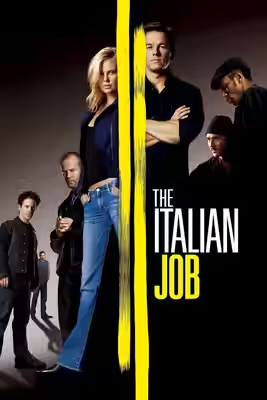
The Italian Job is an enjoyable caper whose leading man could use a little more mischief. F. Gary Gray is alert to the pleasure of watching a gang get on with a difficult job. He also understands that the group needs to be tolerable company while it prepares. The trouble is that the film’s central rivalry never becomes as interesting as the practical business surrounding it. The staging is assured enough to carry it, and the comic members of the crew do their share of the work.
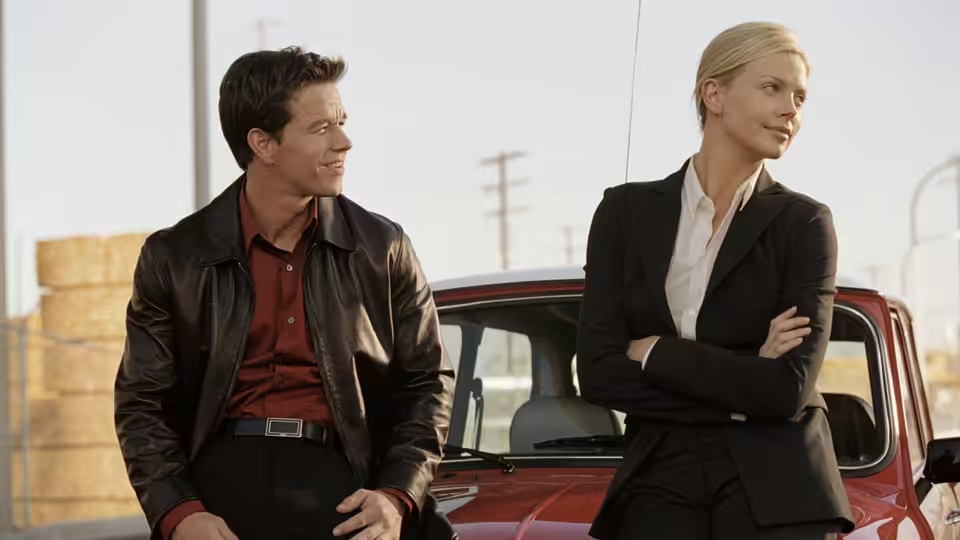
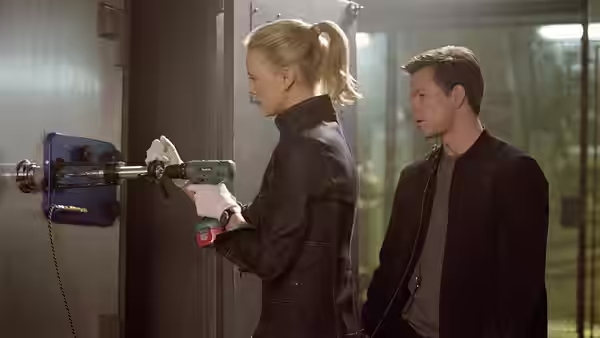
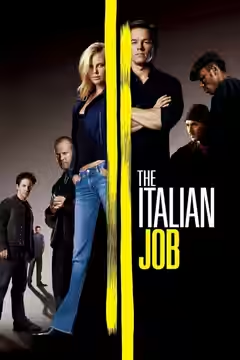
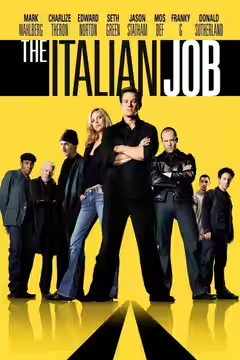
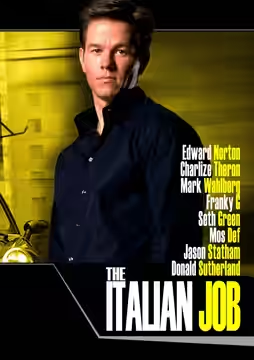
Mark Wahlberg’s Charlie Croker is the weak point, played with a steadiness that rarely suggests much urgency underneath it. A restrained lead can be useful in a caper, but here we keep waiting for something less dutiful to emerge. Edward Norton, as Steve, does not make the central rivalry much more compelling. Charlize Theron’s Stella Bridger is more engaging: her concentration makes the job seem important, and we find ourselves paying closer attention whenever she is involved.
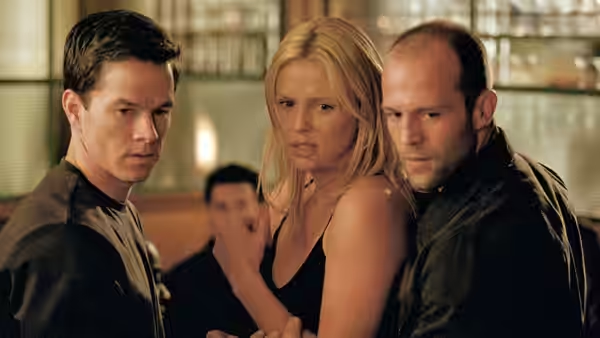
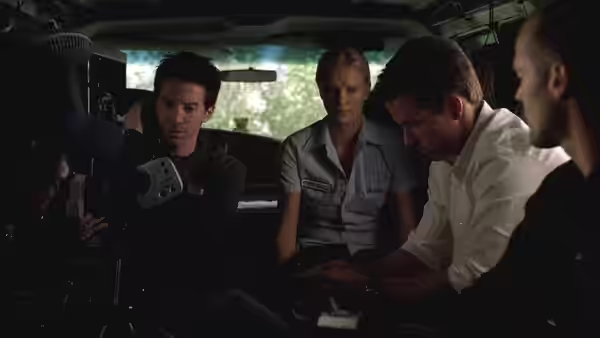
The rest of the gang supplies welcome mischief. Seth Green’s Lyle, Jason Statham’s Handsome Rob and Yasiin Bey’s Left Ear are broad comic types, but their contributions stop the preparations from feeling like a staff briefing. Wayne Powers and Donna Powers give the group an easy working rhythm in the screenplay. The performances suggest colleagues who know how to get a rise out of one another without bringing work to a halt. The jokes do not tell us much about anyone, yet they make spending time with the crew agreeable enough.
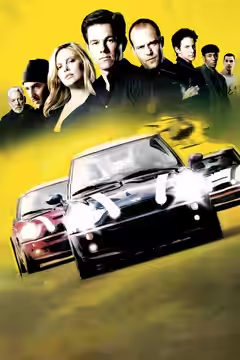
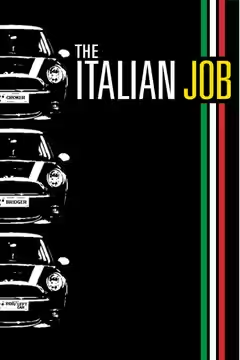
The driving is where F. Gary Gray’s confidence pays off. Wally Pfister’s photography gives the chases a welcome clarity, and editors Richard Francis-Bruce and Christopher Rouse keep the movement readable as well as brisk. We grinned at the colour-coded Minis; their playfulness provides a release from all the rather sober personal business. It is a straightforward pleasure, watching these cars put through their paces, and the film sensibly gives it room.
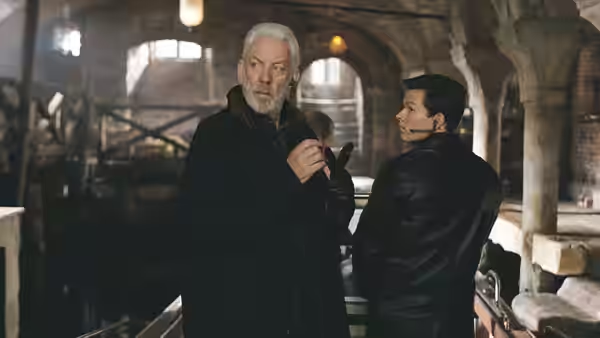
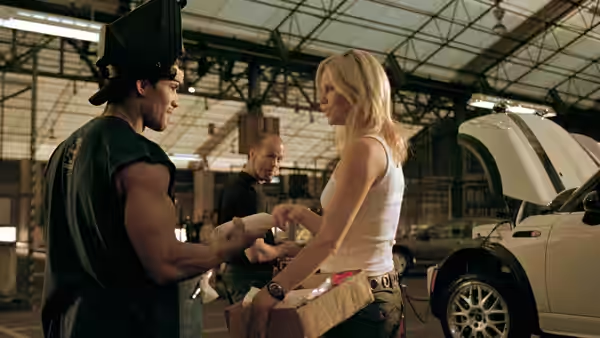
Charles Wood’s production design gives the heist’s working spaces a useful neatness, though little about them lingers in the memory. We seldom feel curious about these places beyond their immediate use, which limits the sense of a life outside the plot. John Powell’s score keeps the action buoyant, sometimes pressing for excitement when the driving is already doing the work.
Heist films ask us to root for people whose main qualification is being good at stealing. That usually works if we enjoy watching them think, and F. Gary Gray earns that indulgence through the group’s shared competence. At 110 minutes, the film gives that pleasure a sensible amount of time. Save it for an evening when the prospect of a well-executed robbery is recommendation enough.