André Øvredal builds a real ship, fills it with good actors and then kills them in the order you expect, one a night, on a schedule. Handsome, well acted and rarely frightening; for those who like their horror wet and slow.
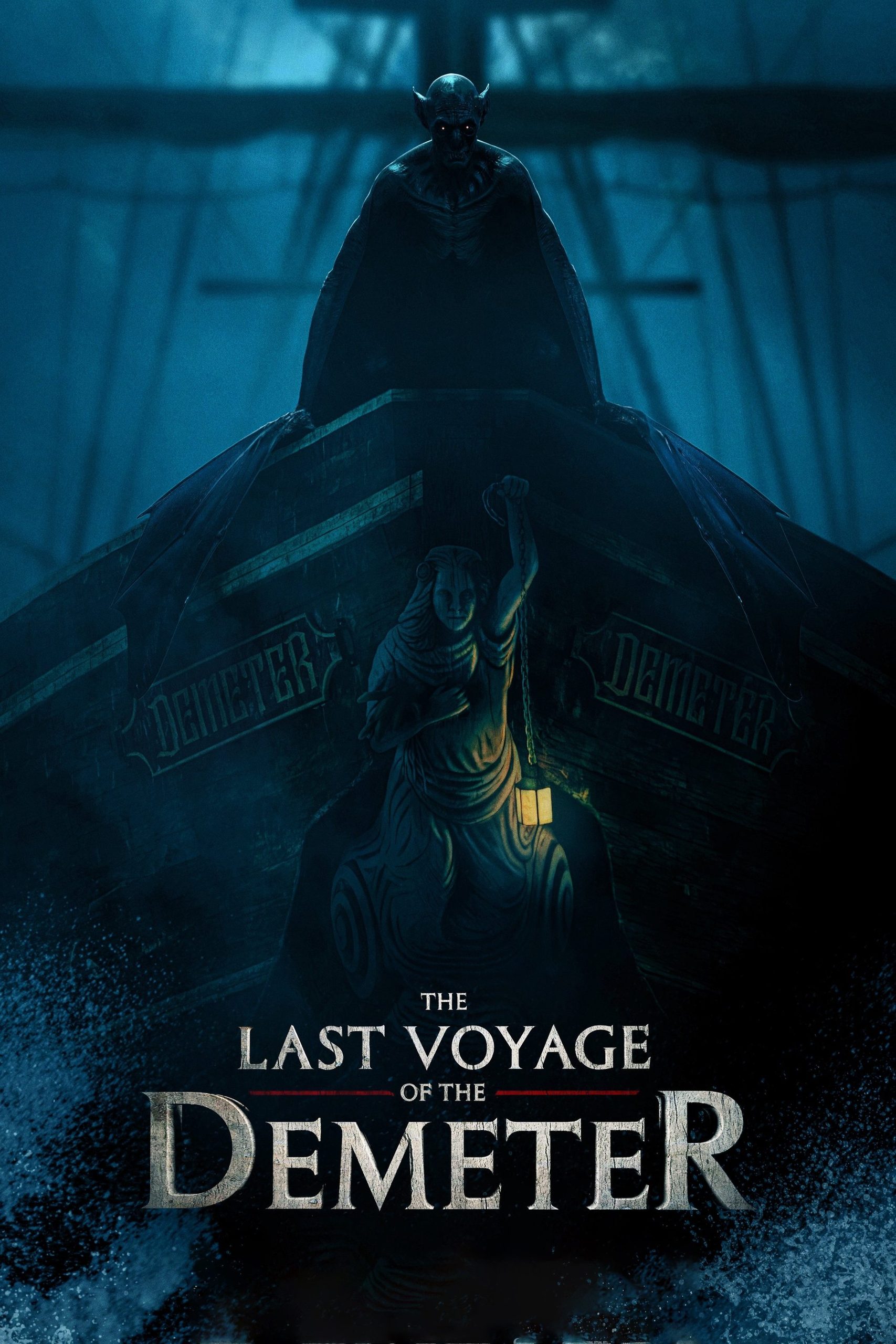
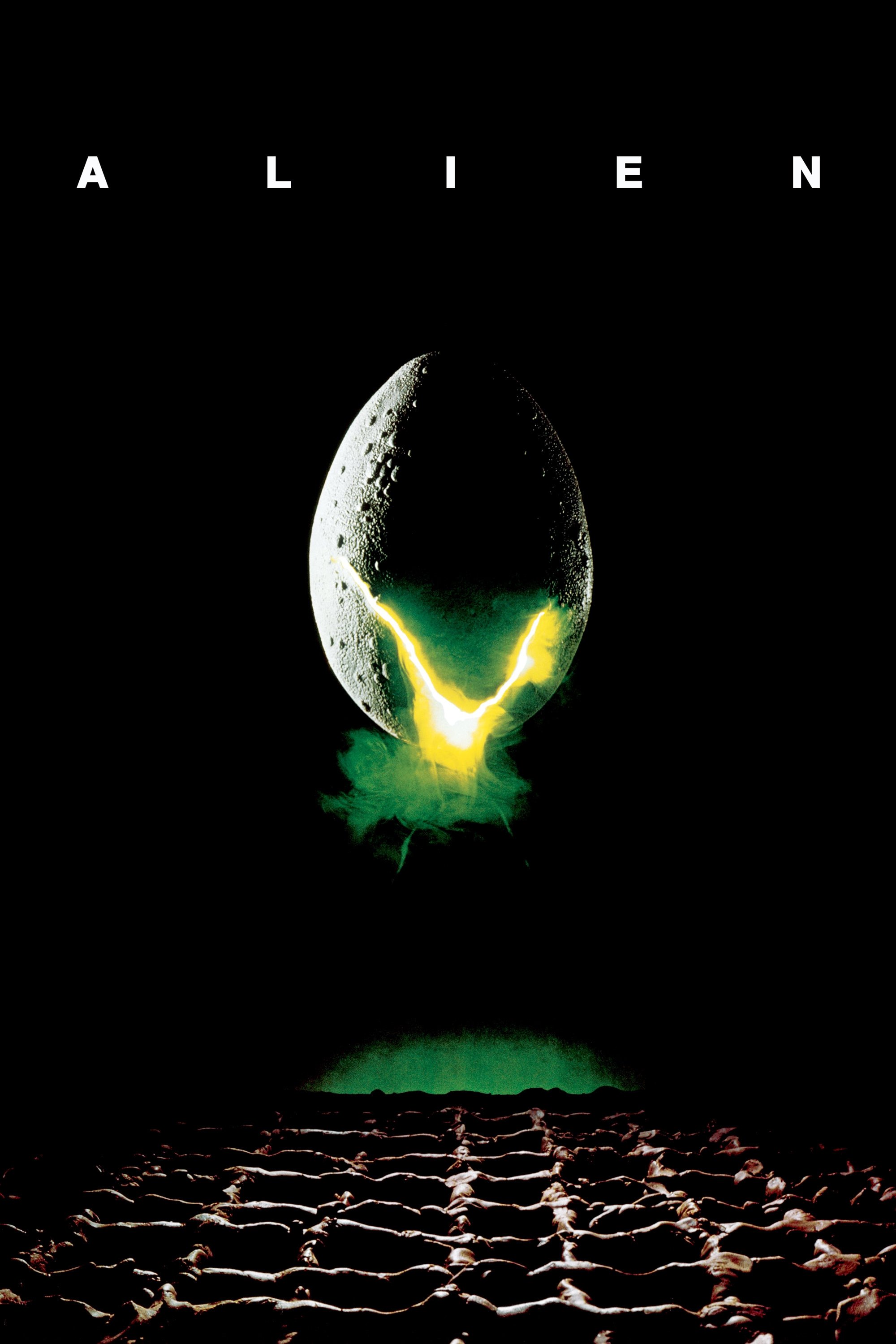
André Øvredal has taken one chapter of Bram Stoker’s Dracula, the log of the ship that carries the Count to England, and stretched it to 119 minutes. The film knows we know how the voyage ends: it opens with the Demeter aground off Whitby, a constable (Graham Turner) reading the log, then goes back. Zak Olkewicz and Bragi F. Schut’s screenplay treats the gap as Alien with rigging: a small crew, a thing in the hold, nowhere to go. It is a sound idea, well built and well acted, and hardly ever frightening.
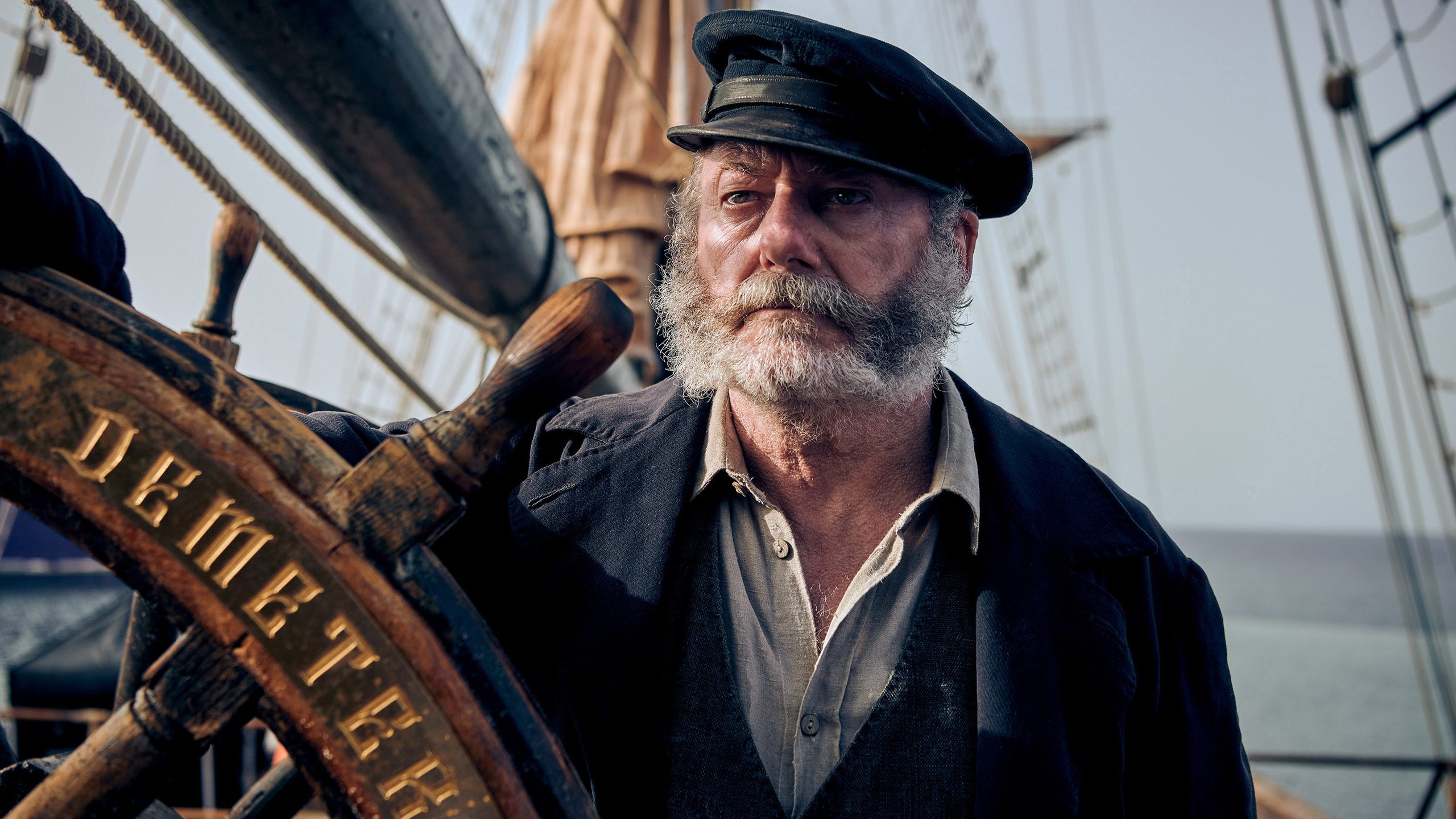
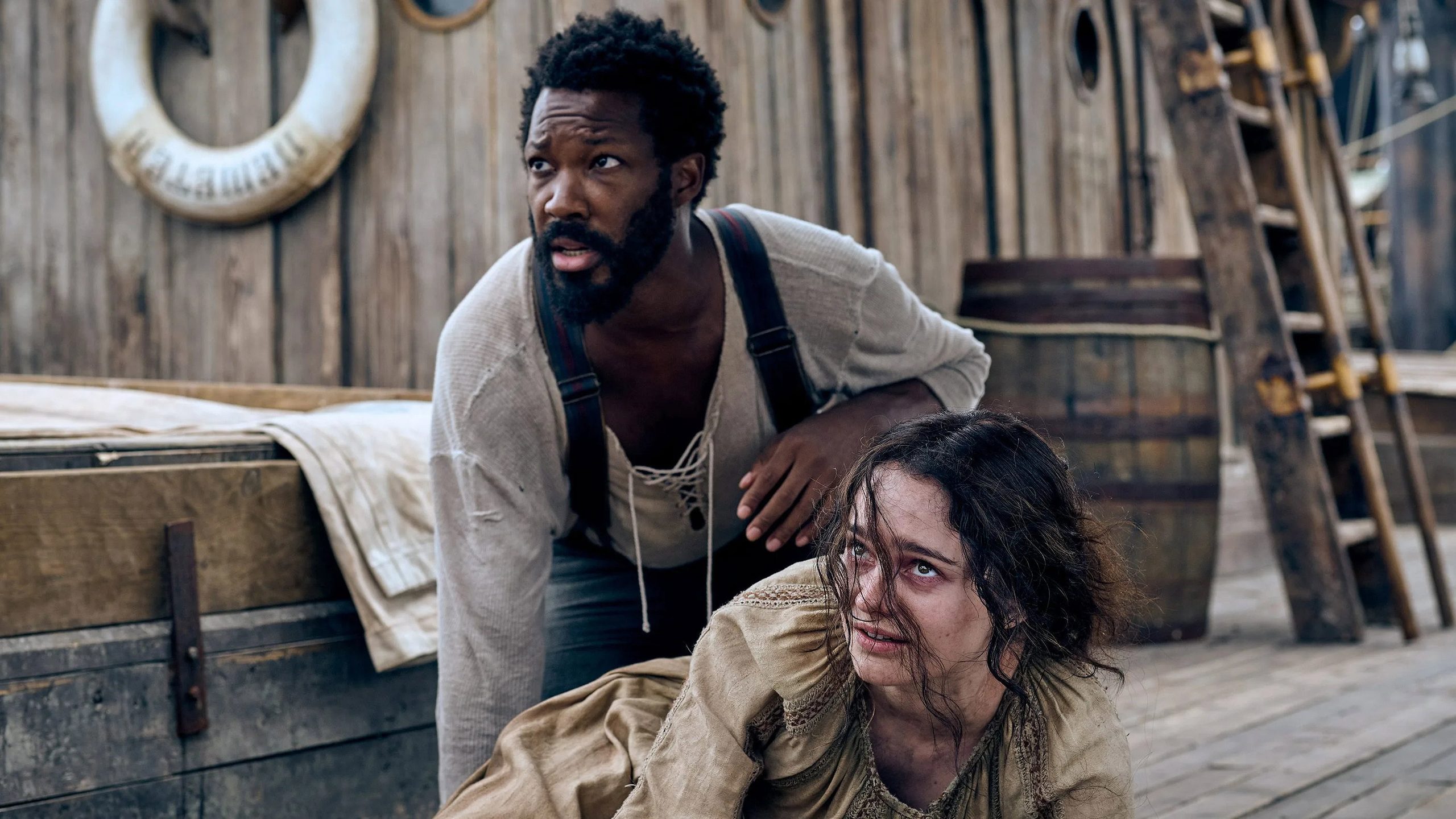
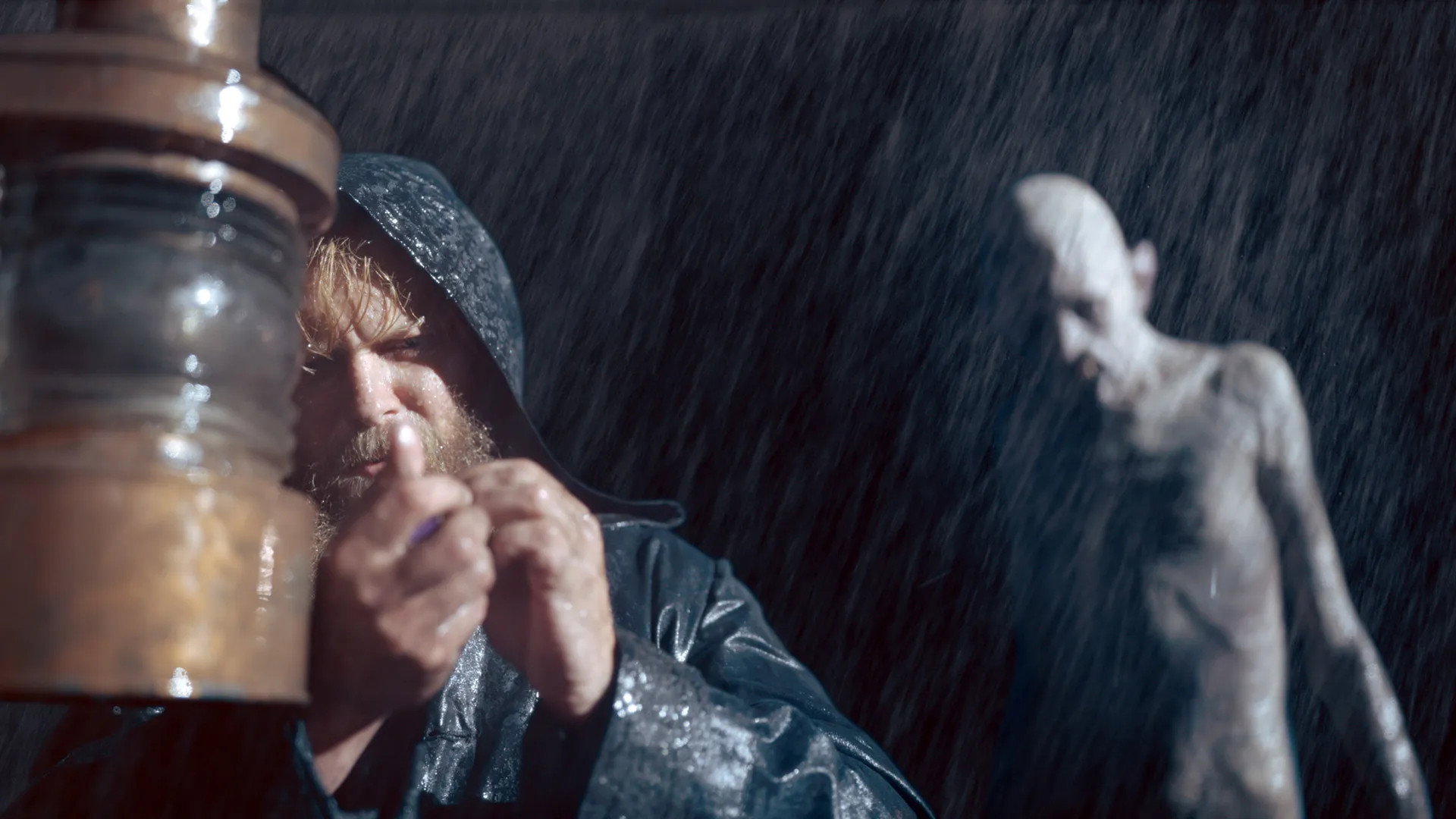
The ship is the best thing in it. Edward Thomas has designed a Demeter of wet planking, coiled rope and a hold you climb down into on a ladder. Tom Stern lights it with lanterns and a cold blue at night, so faces come out of the dark and rain shows in the lamplight before people do. Susanne Vierkötter and Carlo Poggioli put the crew in wool and oilskin that looks slept in for a month. When the film lets us watch these men work the sails in bad weather, it earns its period.
The cast is better than the script deserves. Liam Cunningham plays Captain Eliot as a tired, decent man on his last run, and every line about his grandson Toby (Woody Norman) lands without pushing. David Dastmalchian’s Wojchek is all narrow suspicion, a first mate who wants the ship and resents a stranger who might be cleverer. Corey Hawkins gives Clemens a doctor’s patience and a doctor’s arrogance. Aisling Franciosi does what she can with Anna, who exists mostly to explain the thing in the crates.
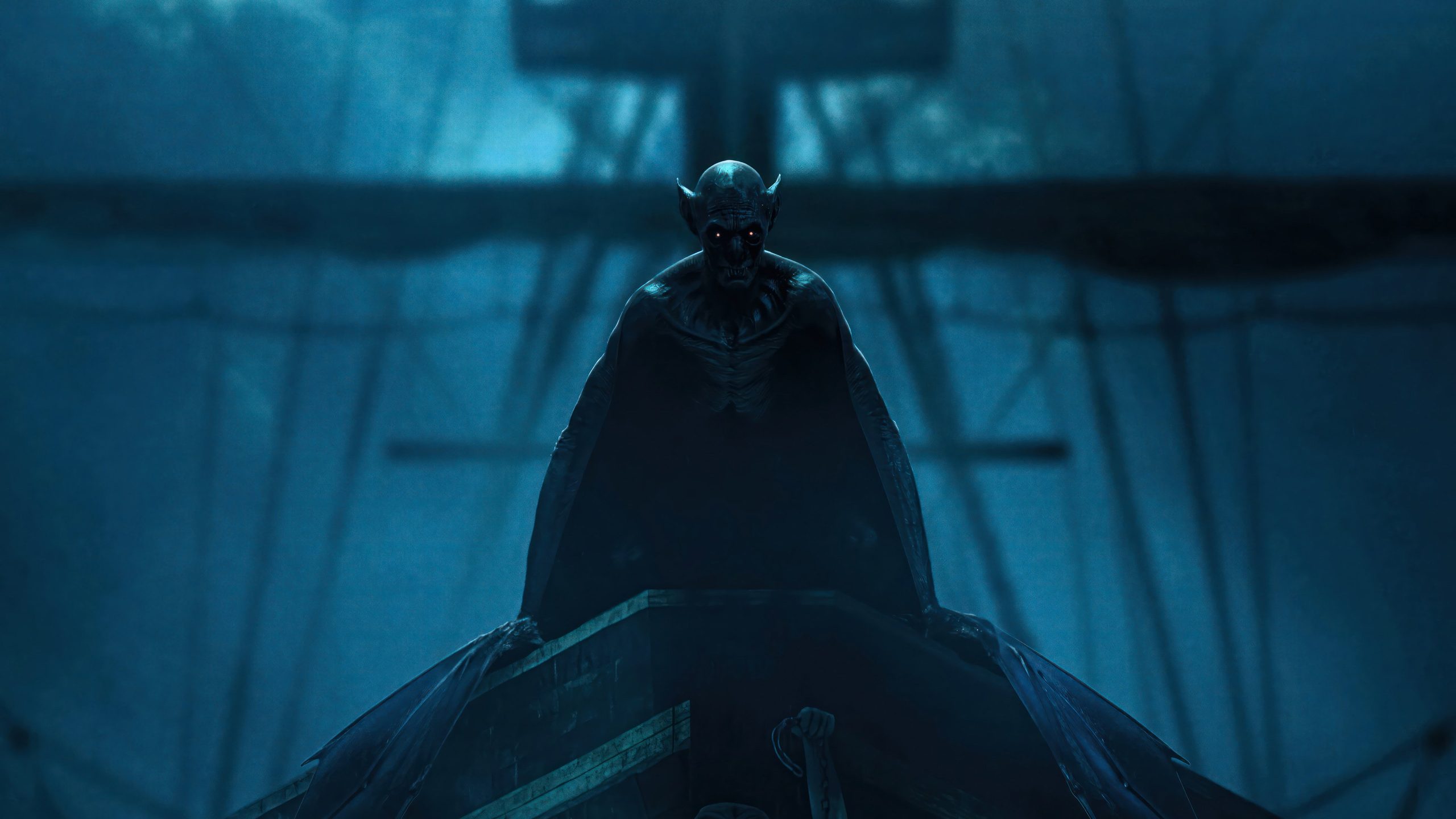
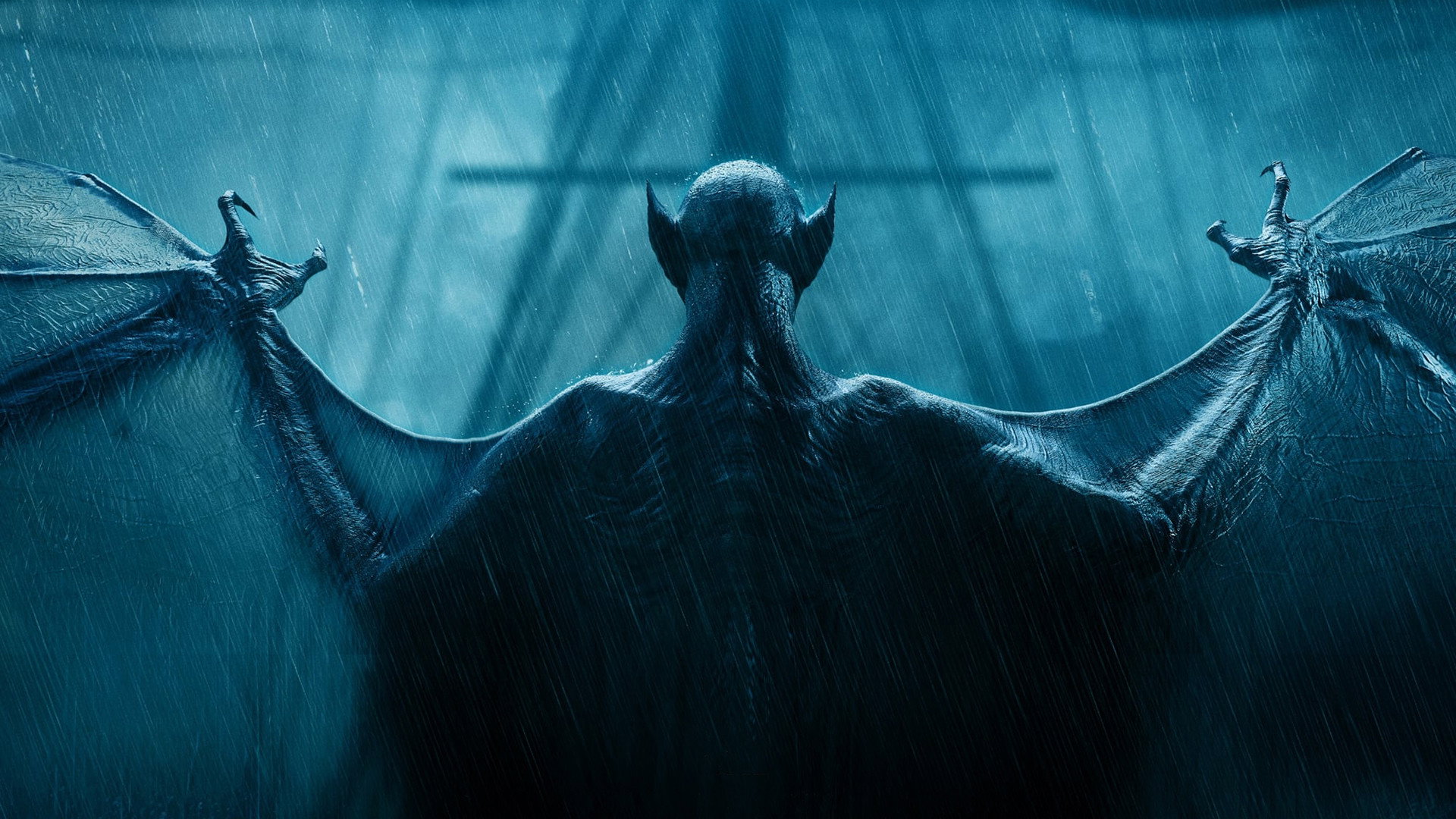
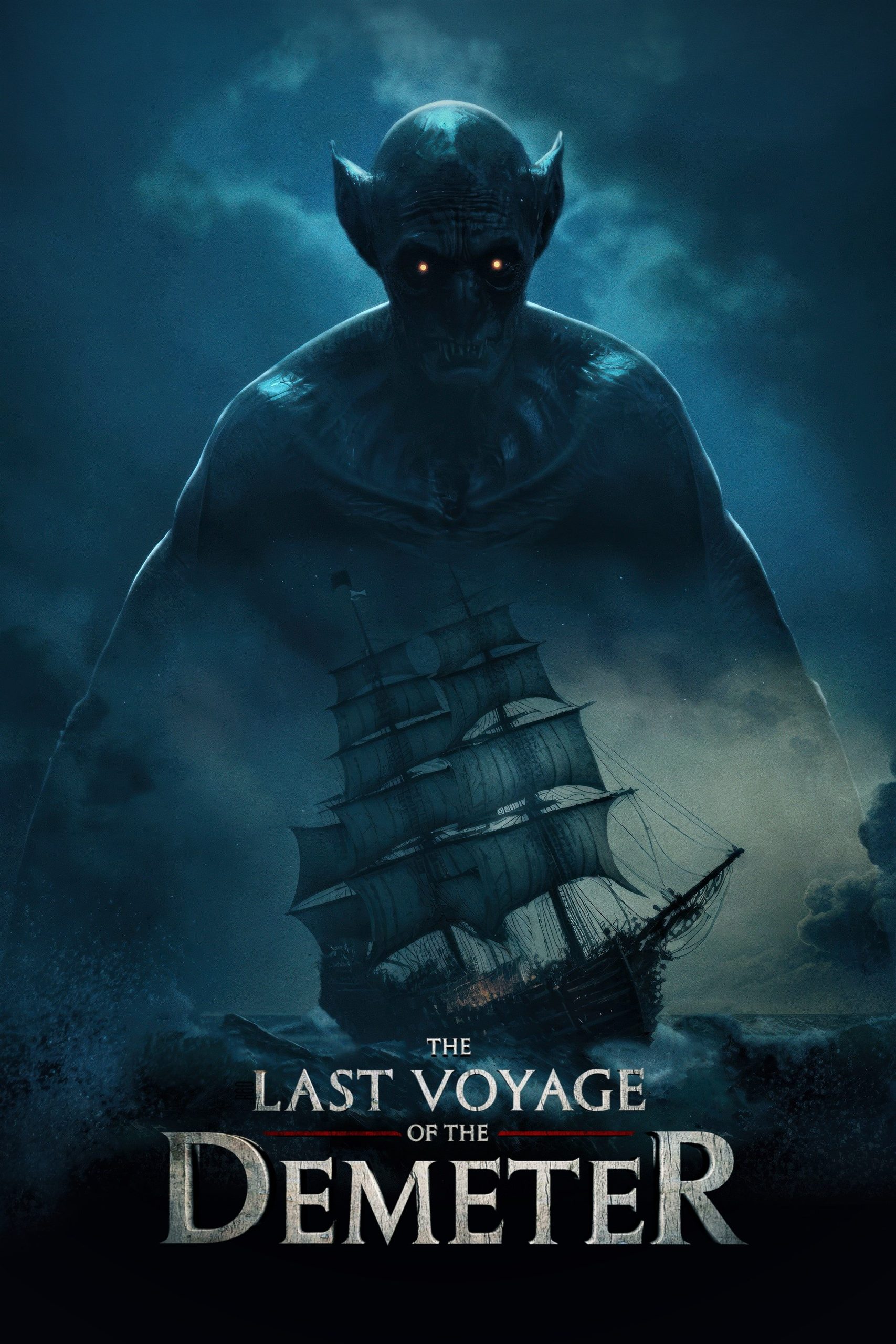
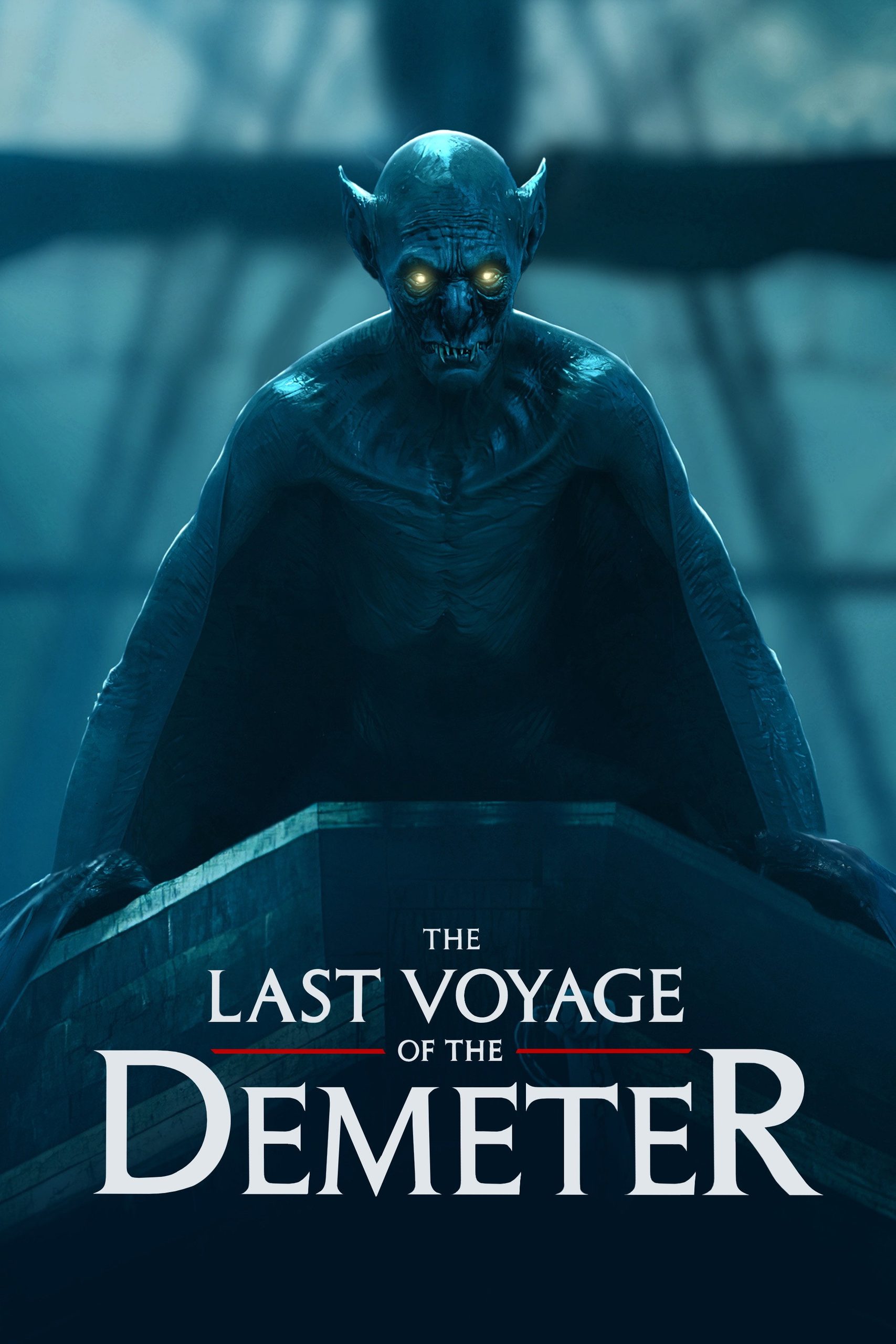
That thing is where the film goes wrong. Javier Botet plays Dracula, and when Botet himself is in the frame, crouched in the hold, he is unsettling. When the creature takes off it turns into an animation, quick, weightless and lit by nothing on the ship. Øvredal shows it too early and too often, and once we have had a good look there is nothing to imagine. It has no voice, no charm and no interest in anyone beyond dinner, so the film has nothing to do but count the crew down.
And it counts slowly. The killings come one a night, and Patrick Larsgaard cuts the film as a calendar: a day of sailors arguing, a night of one going below alone, a morning of finding what is left. We were tense the first time, in the hold with the livestock, because the animals went quiet before anything moved and the film had the sense to wait. By the fourth night we were working out who would go next, and we were right every time, which is not what fear feels like. Bear McCreary’s score does not help; a chorus of low voices rises before every scare, so we braced before the film wanted us to.
The writers try to give the crew more than deaths. Clemens gets speeches about wanting the world to make sense, Joseph gets his Bible, and a strand about a Black doctor no hospital will take is raised and set down. None of it is badly played. All of it stops the ship dead while somebody explains what he believes.
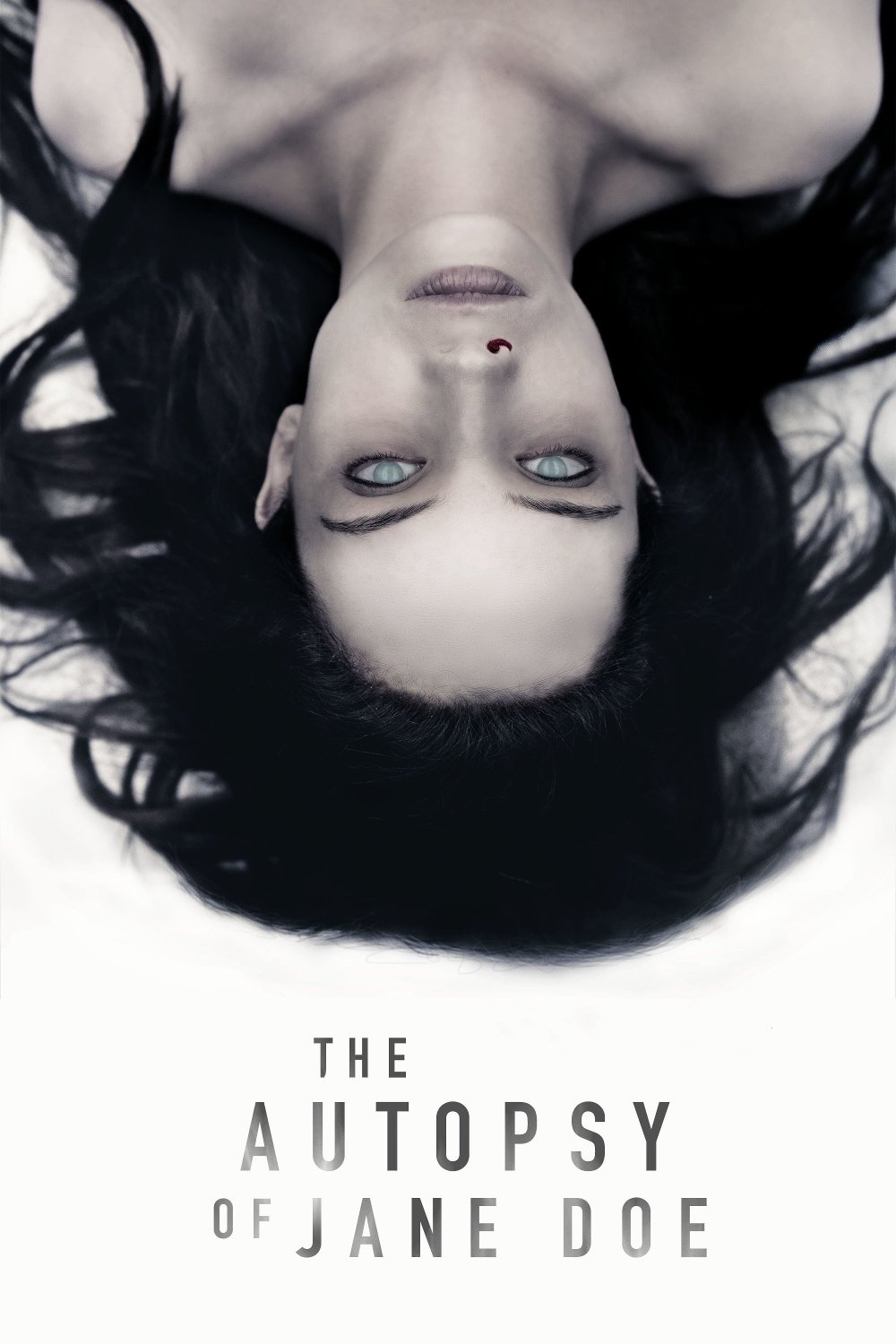
Øvredal made The Autopsy of Jane Doe in 2016 with one room, two men and a body, and it frightened us badly. He has a whole ship here and less claustrophobia, because the film keeps cutting to the open deck when it should be jammed below with the crates. Ridley Scott hid his creature for most of Alien and gave it a crew who behaved like people who wanted to live; this film does neither.
The 15 is earned, with deaths nastier than the studio polish suggests, and there is a decent evening here for anyone who wants a tall ship in a storm with something in the hold. Watch it with the lights off, or Stern’s night scenes will vanish. Just do not come for Dracula. He is aboard, but only in the sense that the cargo is.