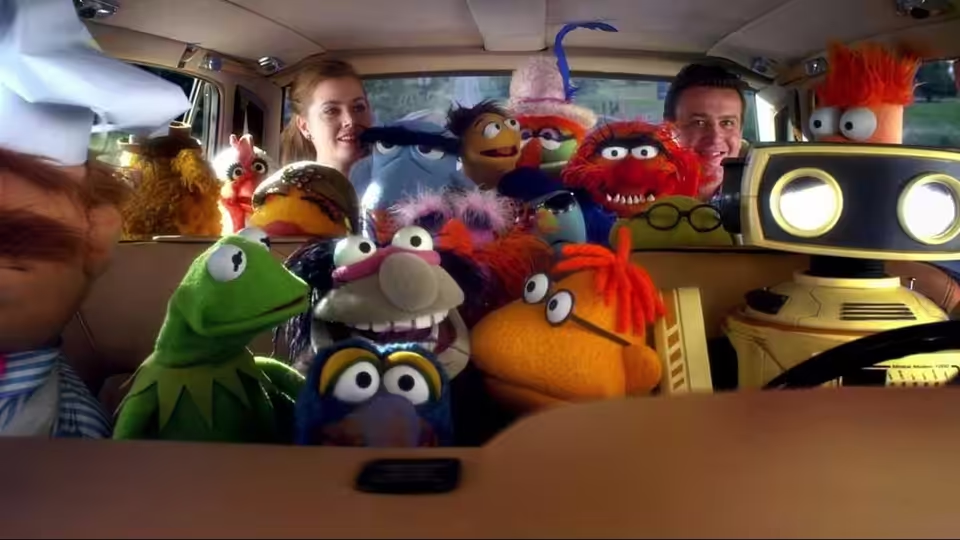
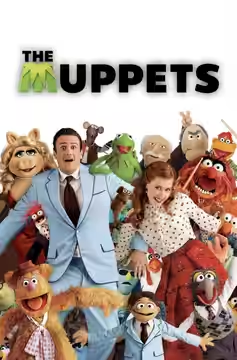
James Bobin’s Muppet reunion is funny, warm and properly silly, with songs that justify the sentiment. The humans are thinly written, and nostalgia occasionally slows the jokes, but the returning performers earn our affection.
James Bobin approaches The Muppets as though reviving a comedy troupe requires more than reminding us that we once liked it. There are songs to sing, bad acts to get through and performers who need a reason to stand together again. The result is a funny, generous musical comedy, held back chiefly by a script that gives the humans less personality than the puppets. Its fondness for the old show occasionally becomes a request for our fondness, but most of the time James Bobin gets on with earning it.
Jason Segel and Nicholas Stoller’s script understands that a joke about being in a film can be welcoming rather than smug. The interruptions and winks include an audience that knows the conventions, without requiring everyone else to sit through an explanation. The inept stage performances work because the timing is exact, with the performers giving each other’s failures time to register. James Thomas’s editing keeps the comedy moving briskly, although the sentimental stretches are allowed rather more time than they need.
Don Burgess’s cinematography gives human and puppet performers equal weight, a sensible choice that lets the comedy proceed without gawping at its own cast. Steve Saklad’s production design provides a welcoming home for the troupe’s disorder; nothing looks too precious to accommodate a bad act. Christophe Beck’s score supports the warmth without pressing every joke, while the songs provide the more memorable musical pleasures. Musical comedy needs this ease, especially when its performers vary so much in size and material.
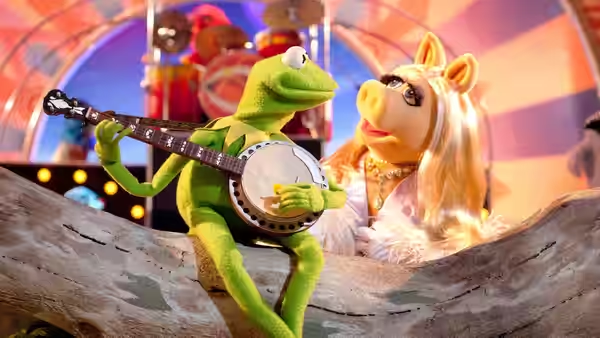
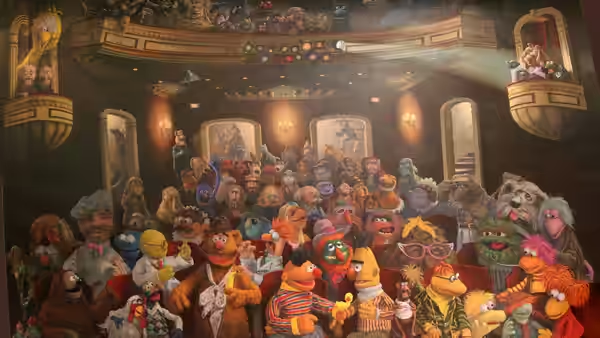
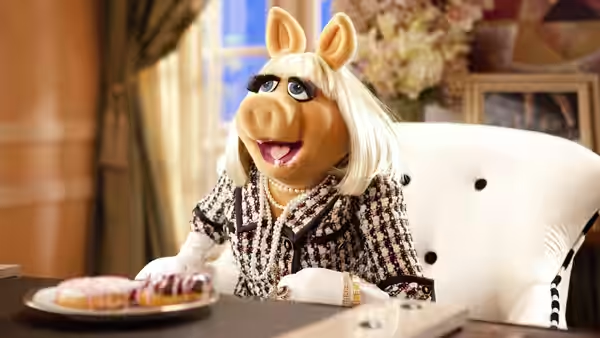
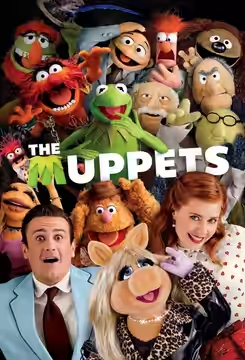
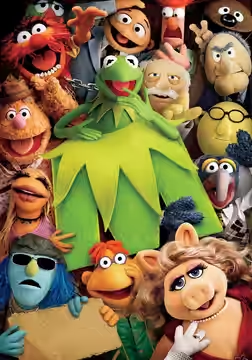
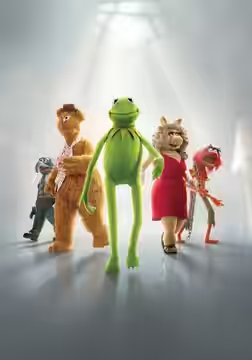
Steve Whitmire’s Kermit gives the reunion someone to worry about. We were unexpectedly moved by the expressiveness of that face, which makes performing again seem a considerable emotional risk. Eric Jacobson’s Miss Piggy and Dave Goelz’s Gonzo help keep the company from becoming too reverential about itself. James Bobin generally keeps these scenes funny enough to prevent the affection becoming overbearing.
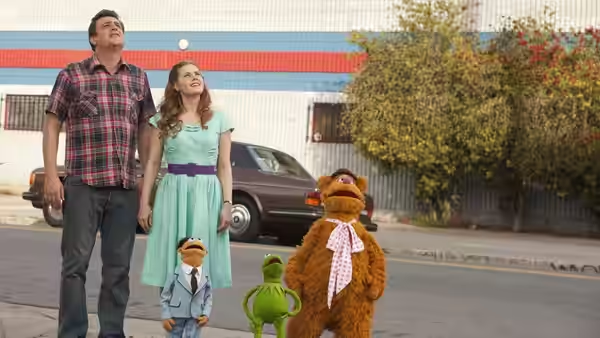
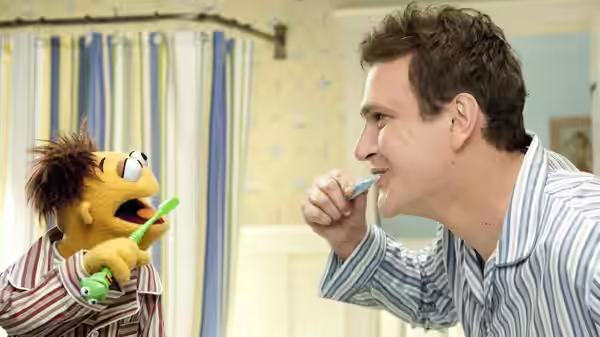
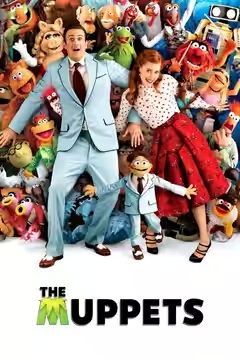
The weakness is the attention paid to characters who have less to do. Jason Segel’s Gary has an earnest awkwardness that fits the film, but Amy Adams’s Mary is underwritten, leaving an appealing performer to supply interest the script has neglected. Walter, voiced by Peter Linz, is similarly short of comic personality beside the established Muppets. The problem becomes noticeable when the nostalgia grows solemn: these stretches need sharper jokes, and the human relationships do not have enough detail to hold our attention instead.
As a family musical, The Muppets is strongest when it trusts that children can enjoy nonsense and adults can enjoy it without an apologetic wink. There are fourth-wall jokes, certainly, but the humour seldom depends on feeling cleverer than the characters. Its affection for the old show may mean more to returning viewers than to newcomers, a small cost of all that looking back. At 103 minutes, it has room to indulge that fondness a little more than we would like. Watch it with someone who laughs at a performance going wrong.