Anthony Mann makes a tense Western out of a prisoner, a reward and competing claims to it. James Stewart’s anger is hard to shake, even when the melodrama becomes too emphatic.
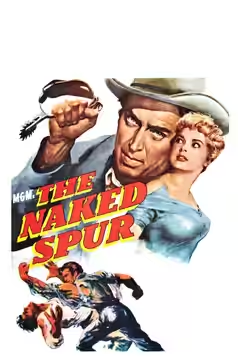
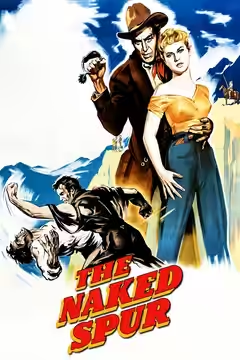
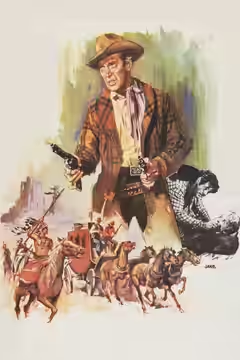
The Naked Spur is a tense, forceful Western, with James Stewart making the man in charge difficult to trust. Anthony Mann builds the trouble around a reward: Howard Kemp wants to collect it, and accepting help threatens to reduce his share. We recommend it for the performances and the pressure sustained around that simple dispute. The melodrama sometimes pushes harder than the actors need it to.
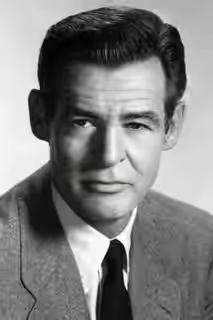
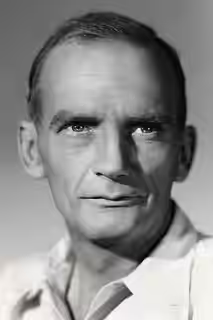
Sam Rolfe and Harold Jack Bloom give the captured man plenty of opportunities to interfere with his own escort. Robert Ryan plays Ben Vandergroat with an ease that makes the armed men around him look increasingly strained. His pleasure in their quarrelling is funny, though his enjoyment of other people’s weaknesses gives us little reason to feel comfortable. His captors have to keep listening to someone who has every reason to make them distrust one another.
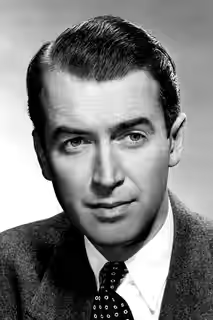
James Stewart gives Howard Kemp so little comfort in his own authority that even a practical disagreement can seem dangerous. We were unsettled by his anger when the reward becomes something to divide. He makes the prospect of losing money feel like a personal injury, and that gives a discussion about shares considerable force. The performance lets us understand his desperation without assuming that we will excuse whatever comes out of it, and the strain in his delivery makes even his reasonable demands sound suspect.
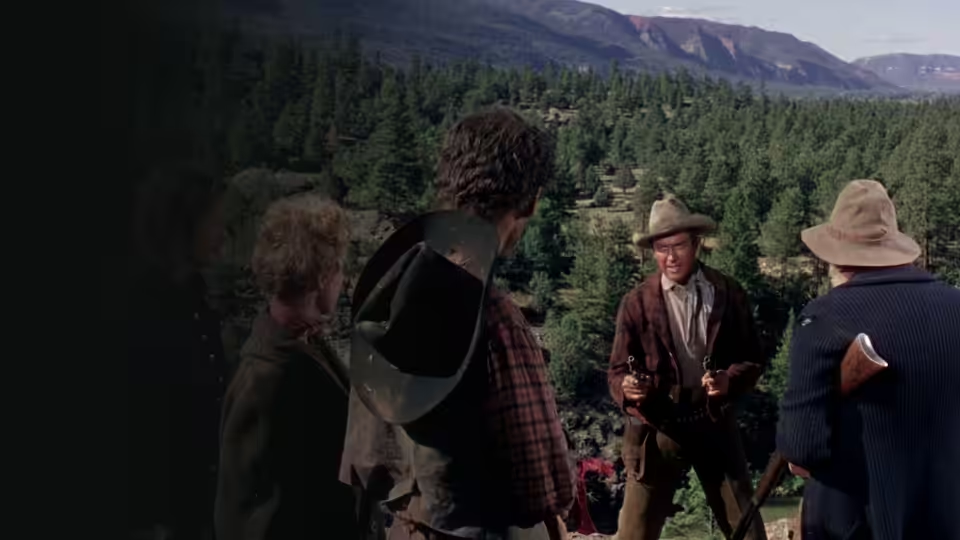
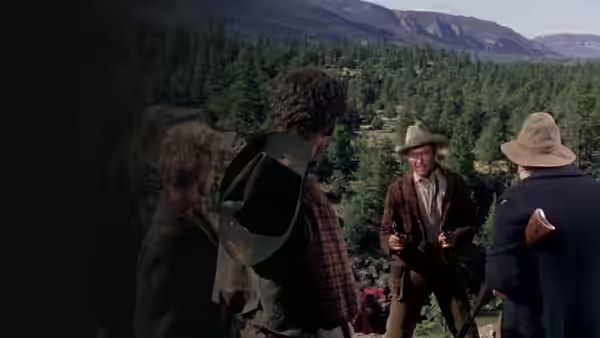
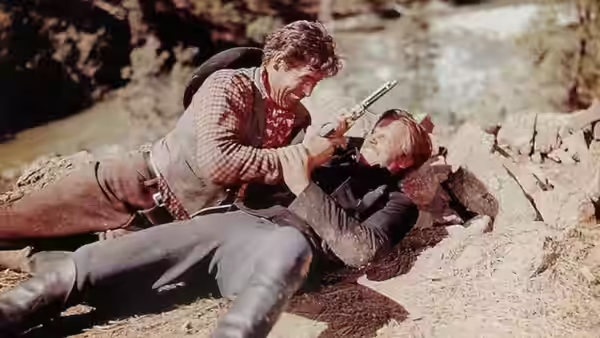
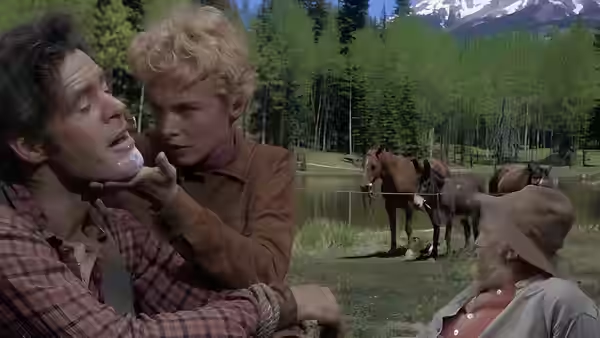
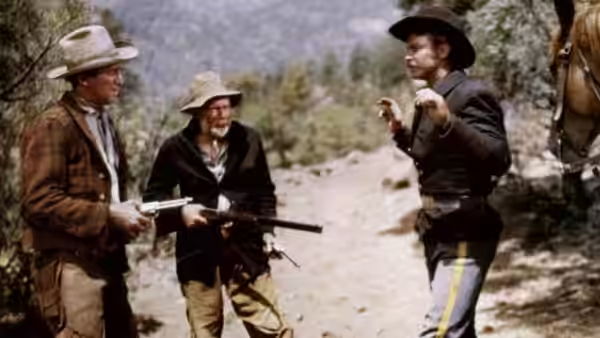
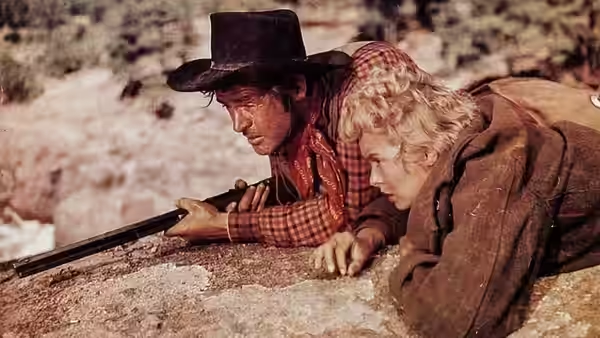
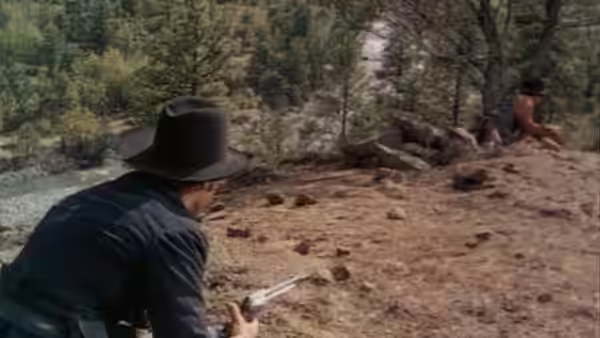
William C. Mellor’s photography gives the Colorado mountains their size without allowing the people to disappear into the scenery. The rocky ground makes the difficulty of approaching and securing a prisoner immediately apparent. Even with so much open country around them, these people must keep watching one another, and the landscape offers little reassurance. It is an effective use of a Western setting, keeping the practical difficulties of the journey in view while giving us something worth looking at.
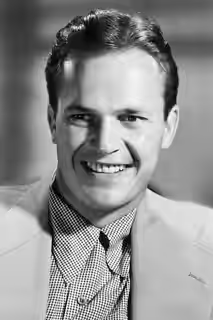
Ralph Meeker gives Roy Anderson a pushiness that keeps the group uneasy, while Millard Mitchell makes Jesse Tate’s interest in a share seem almost reasonable. The difference matters, because the film would soon grow wearying if every argument sounded alike. Janet Leigh has less room as Lina Patch, and the writing sometimes asks her to supply the decency the men lack. She gives the character enough firmness to keep her from becoming merely the person who objects.
George White’s editing keeps the quarrels brisk without making their terms hard to follow. At 91 minutes, there is little room for the central dispute to grow stale, and the film makes good use of that compression. Bronislau Kaper’s music is less persuasive to us, pressing emotions that the performances have already made clear. It suits the film’s taste for melodrama, but a little less insistence would sometimes leave more room for James Stewart’s unease.
For a Western built around pursuit and capture, the conversations are unusually dangerous. Anthony Mann trusts a dispute over money to hold our attention, and the actors justify that trust even when the writing grows emphatic. Choose it when a straight contest between hero and villain sounds too comfortable.