Asghar Farhadi moves to Paris and brings his habit of letting every character be right. The acting is superb and the house is a marvel of clutter, but the last half hour keeps producing revelations until the drama becomes a deposition.
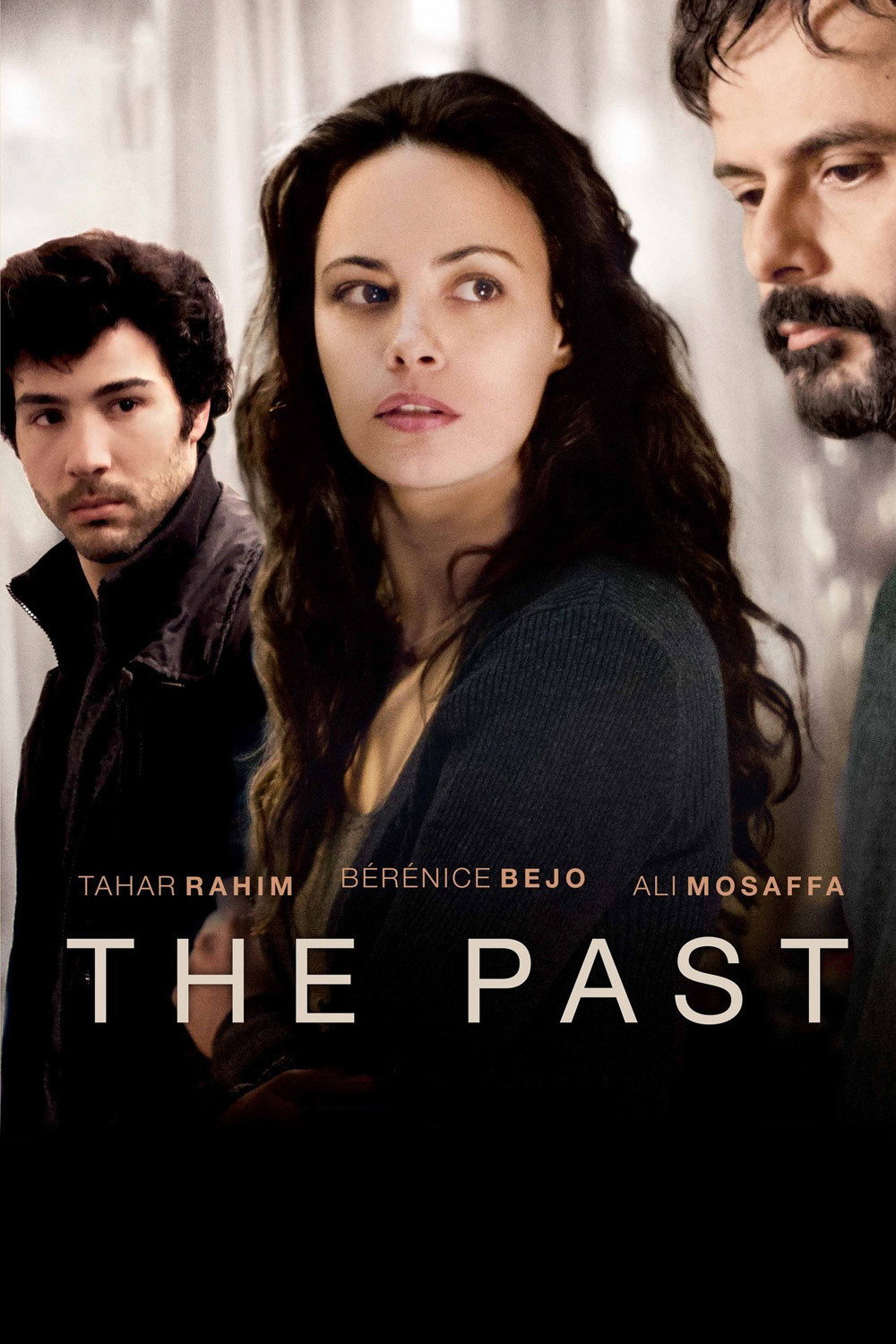
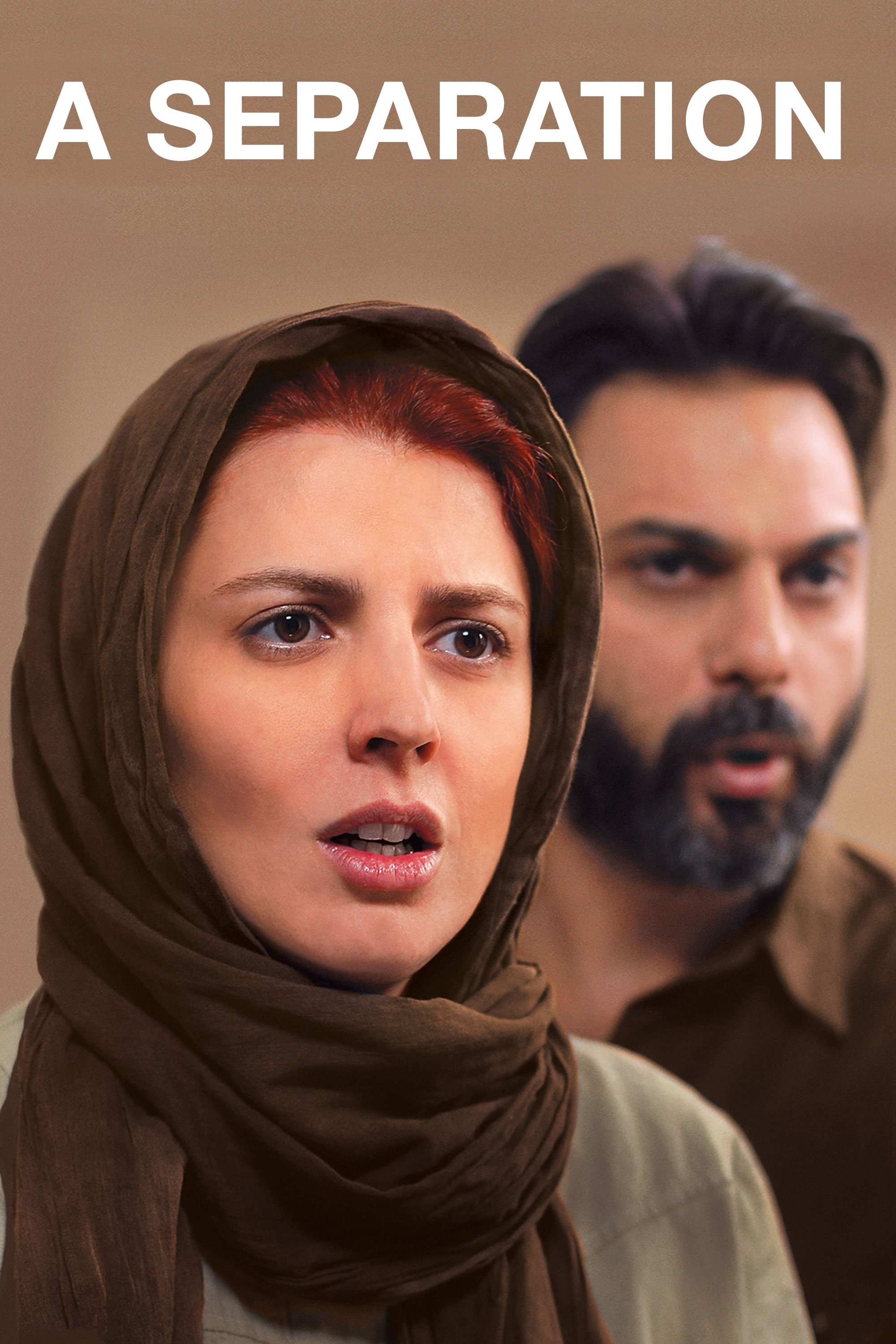
Asghar Farhadi’s first film made outside Iran, after A Separation (2011), begins with a man and a woman at an airport, talking through a glass partition, and we cannot hear a word. It is a fair warning. The Past is a film about people who have spent years half-hearing each other, and for its first ninety minutes it is as good as anything Farhadi has made. Then the plot starts to answer questions, one after another, and the film is a little less good with each answer. It is still worth your evening.
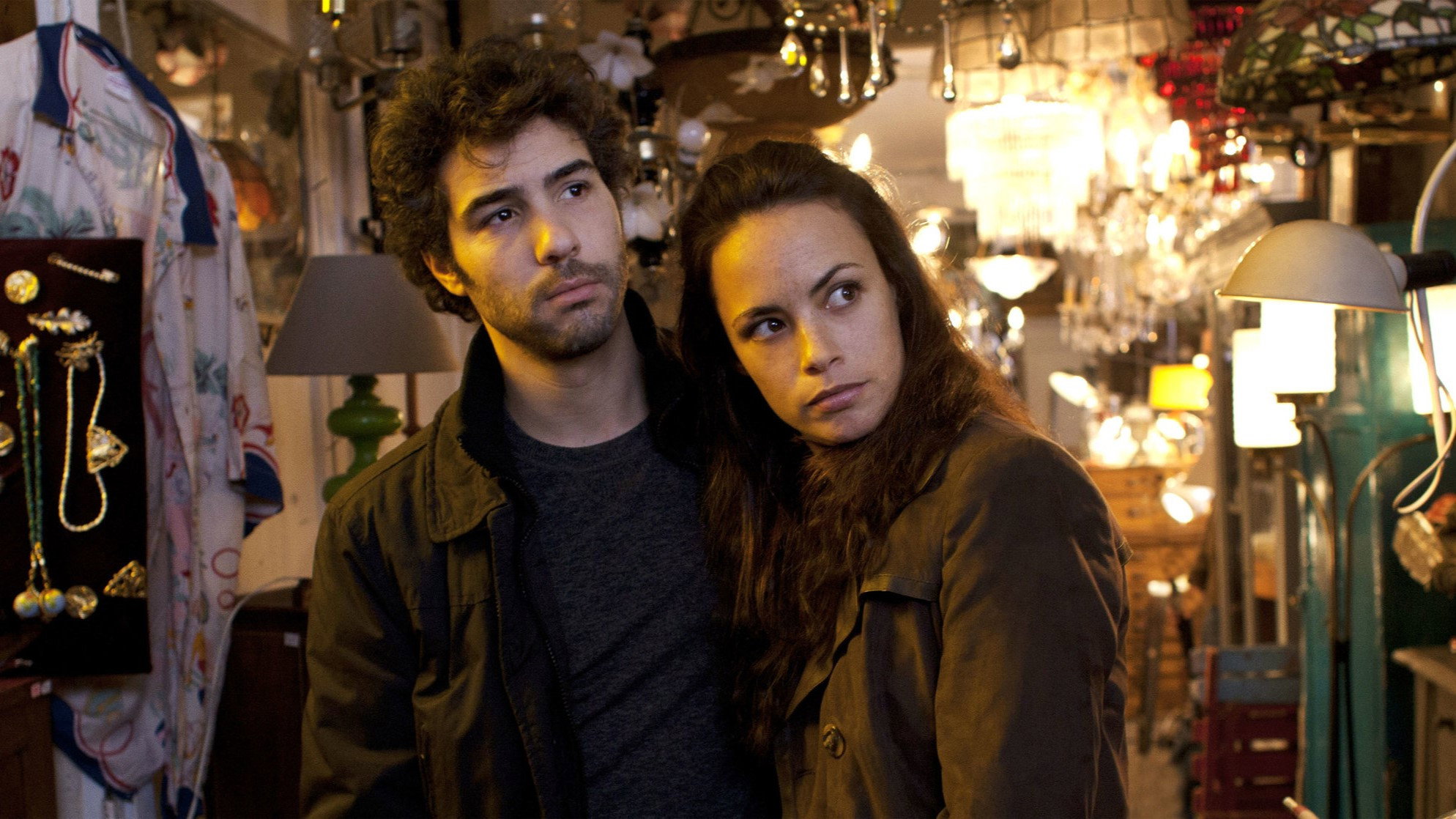
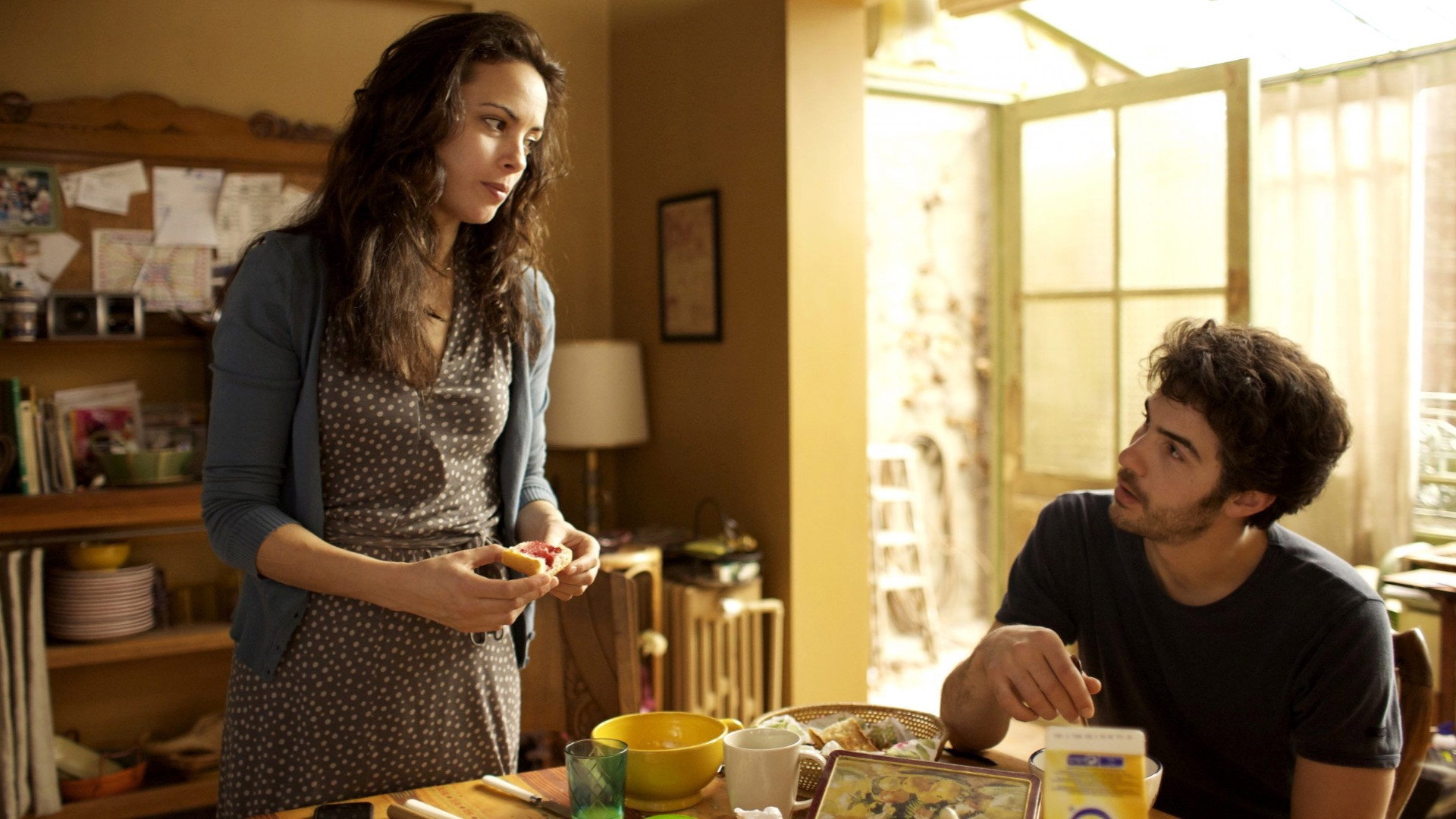
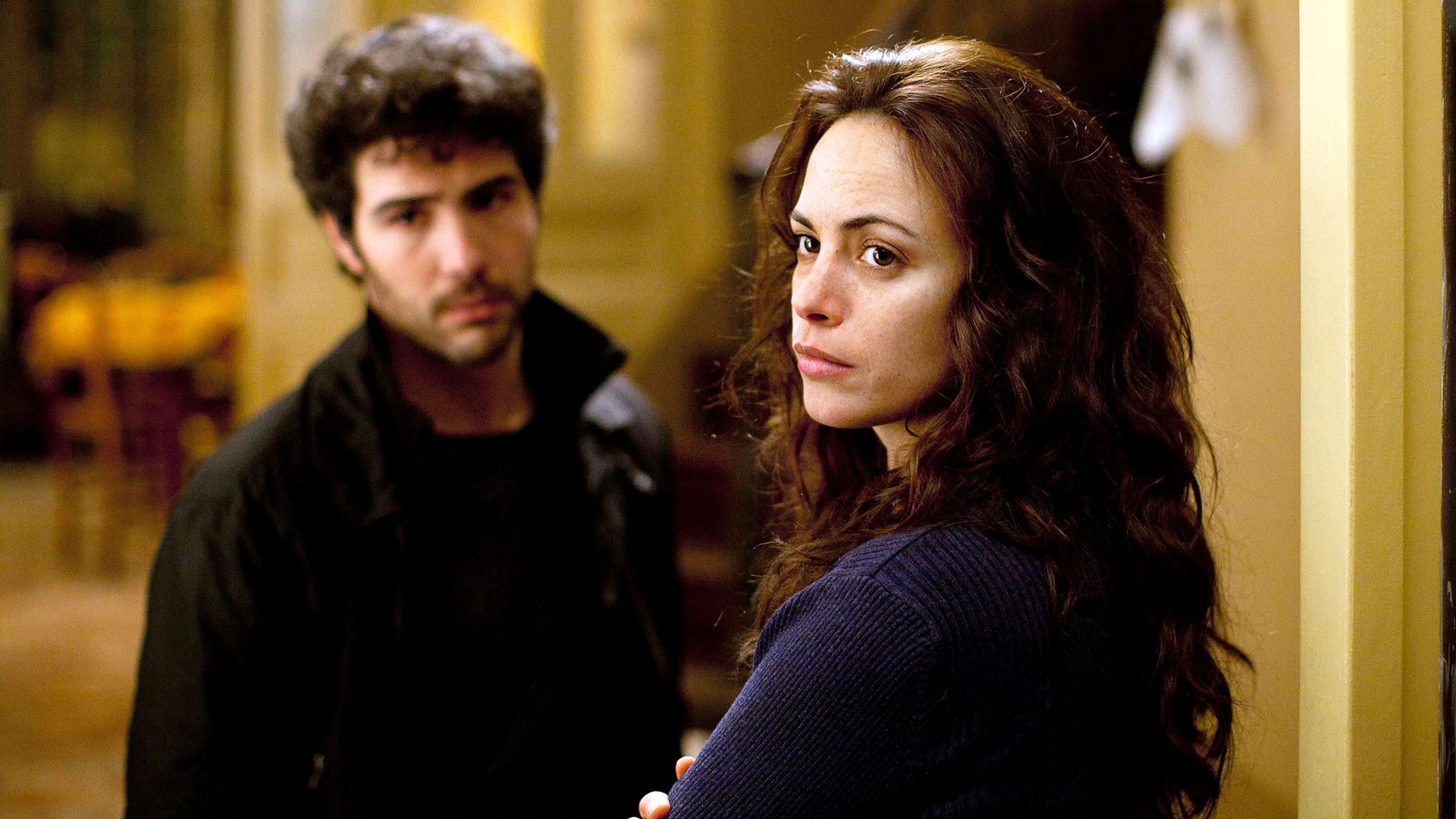
The house is the star. Claude Lenoir has built Marie’s place as a home that has never quite been finished: sheets over the furniture, one wall done and the next one not, a spare room that has quietly become a child’s, a kitchen where every conversation happens because it is the only room with chairs. Mahmoud Kalari shoots it close and handheld, in doorways and corridors, so that somebody is always in the way of somebody else. When he pulls back, it is to put a pane of glass between people: the airport, a windscreen in the rain, the steamed-up front of Samir’s shop. Nobody in this film ever gets a clear line of sight to anyone.
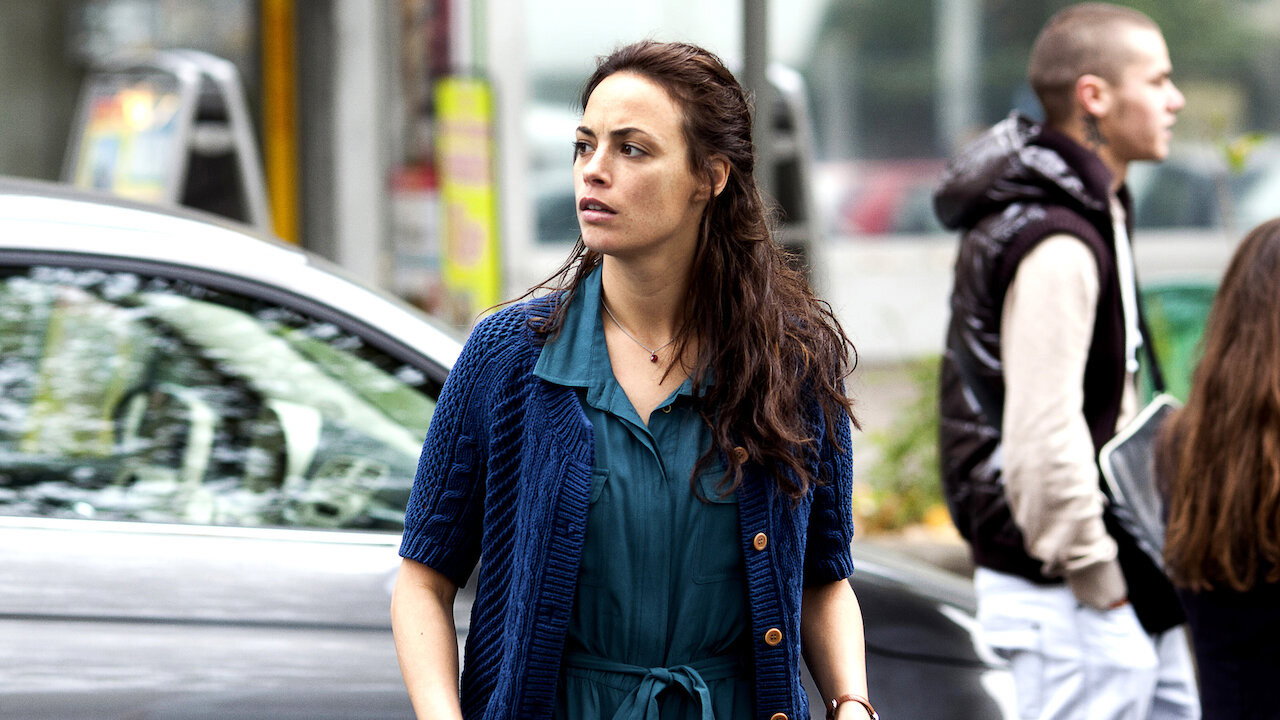
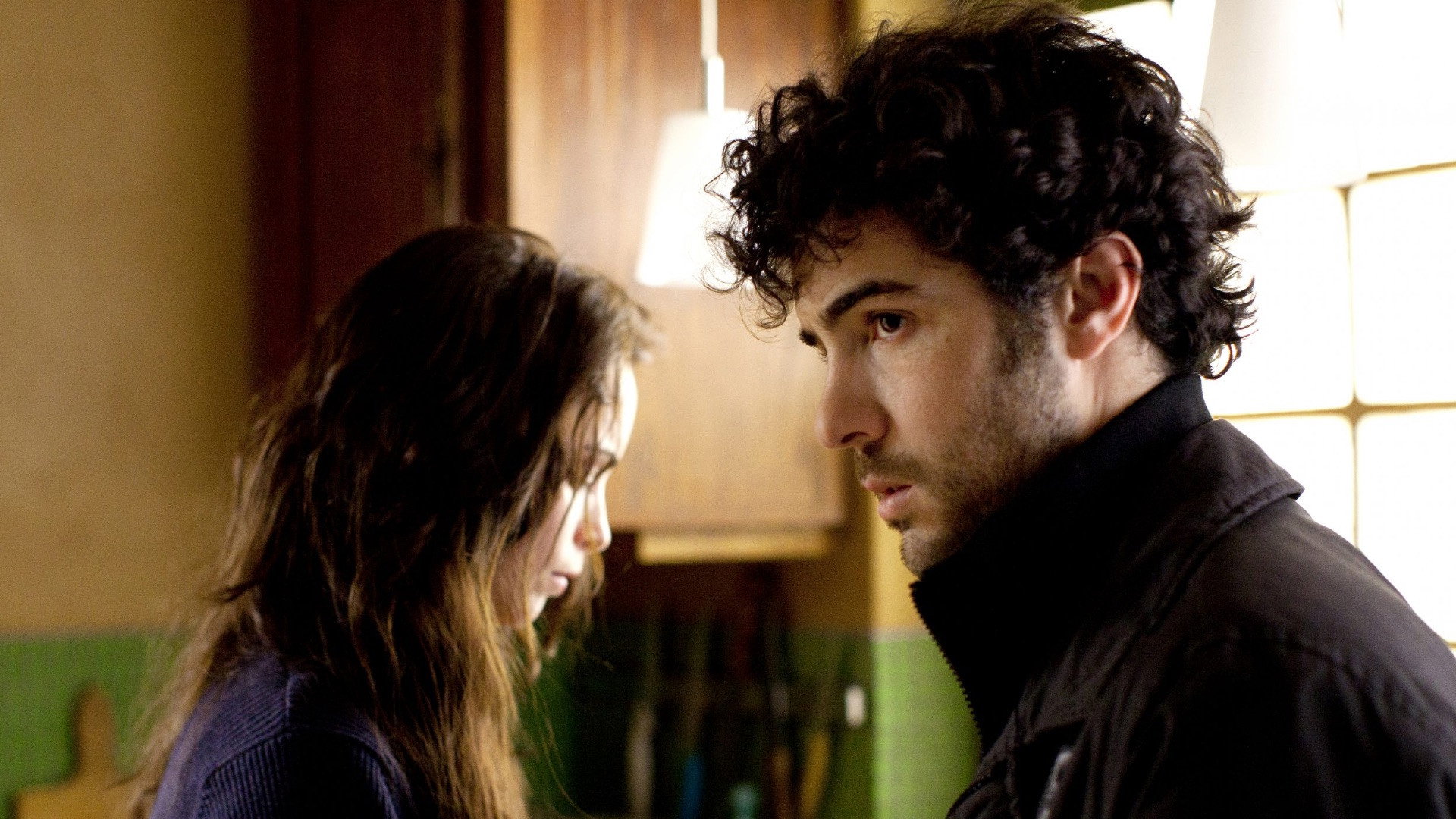
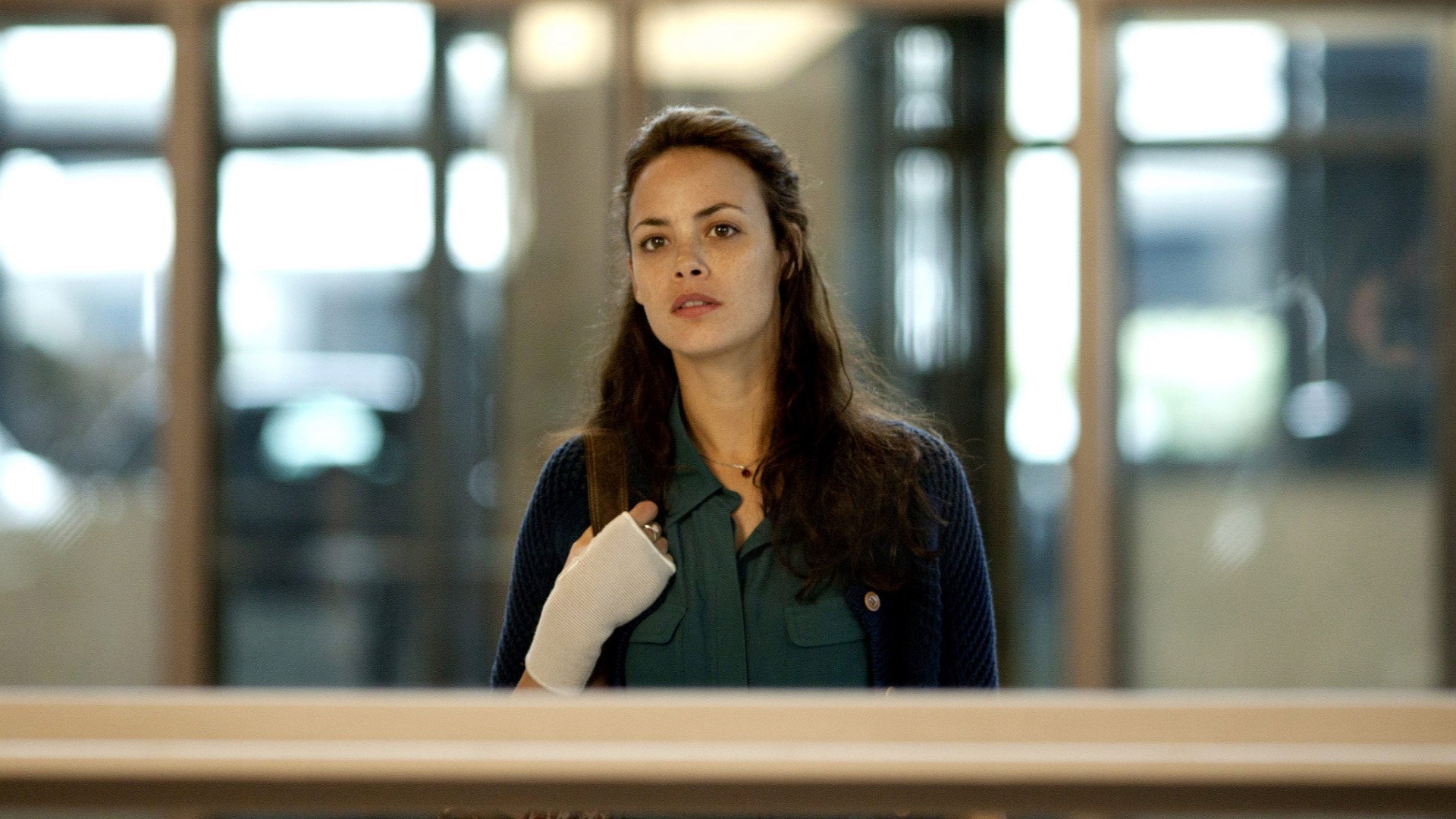
Bérénice Bejo plays Marie as a woman who snaps, apologises, and snaps again inside a single sentence. She smokes on the doorstep, she loses her temper with the wrong child, and she is, plainly, exhausted from being the only adult who stayed. It is a performance without vanity. Ali Mosaffa’s Ahmad has the calm of a man who knows he can leave on Sunday, and Mosaffa lets us see that the calm is a kind of luck rather than a virtue. Tahar Rahim, as Samir, says less than either of them and is watched by everyone; he has the stillness of a man waiting for a phone call from a hospital.
The children are the film’s best idea. Pauline Burlet’s Lucie is sullen in the way only a sixteen-year-old with a real grievance can be, and the scene in which Ahmad finally gets her talking, walking beside her rather than sitting opposite, is the most patient stretch of writing in the film. Elyes Aguis’s Fouad is small, furious and homesick for a house that no longer works, and the moment that got at us most was a simple one: the boy in the back of a car at night, howling to be taken home, while the two men in the front seats say nothing because there is nothing to say. We were more upset by that than by any of the adult confessions that follow.
Juliette Welfling cuts the arguments with a good ear for when to leave. She lets a kitchen row run long enough to hurt and then goes to the next room, where a child has heard all of it. Evgueni Galperine and Youli Galperine’s music is withheld almost entirely until the final minutes, which is the right decision; the film’s sound is doors, rain, a kettle and raised voices, and it does not need help.
The trouble is the mystery. Farhadi wants to know why Samir’s wife did what she did, and so does everyone in the house, and in the last forty minutes each of them produces a new piece of the story. A chain of confessions begins, each one shifting the blame a link along, and by the fourth we had stopped feeling anything and started keeping score. Marie’s reasons for wanting Ahmad under her roof at all never quite hold either, and the film’s habit of casting him as the reasonable man in the doorway while she shouts in the kitchen is a pattern it notices but does not entirely escape.
A Separation had one lie and let the consequences spread through a whole city. About Elly (2009) had one absence. The Past has three or four secrets and has to explain every one of them, and explaining is the thing Farhadi does least well. What he does best, the way a family talks over itself at dinner, the way a child hears more than anyone intends, is all here, and it is a pleasure to watch even while the plot is tidying up behind it.
See it with someone you have argued with. It runs 130 minutes and carries a 12A, and nothing in it will alarm a twelve-year-old except the sight of adults behaving like this.