Film review

Three Identical Strangers

2018 · Directed by Tim Wardle · 1h 37m · MPA PG-13

In a sentenceThree identical grins on every chat show in America, and an adoption agency that would rather not talk about it

Documentary

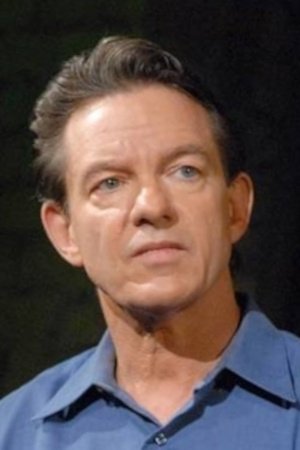
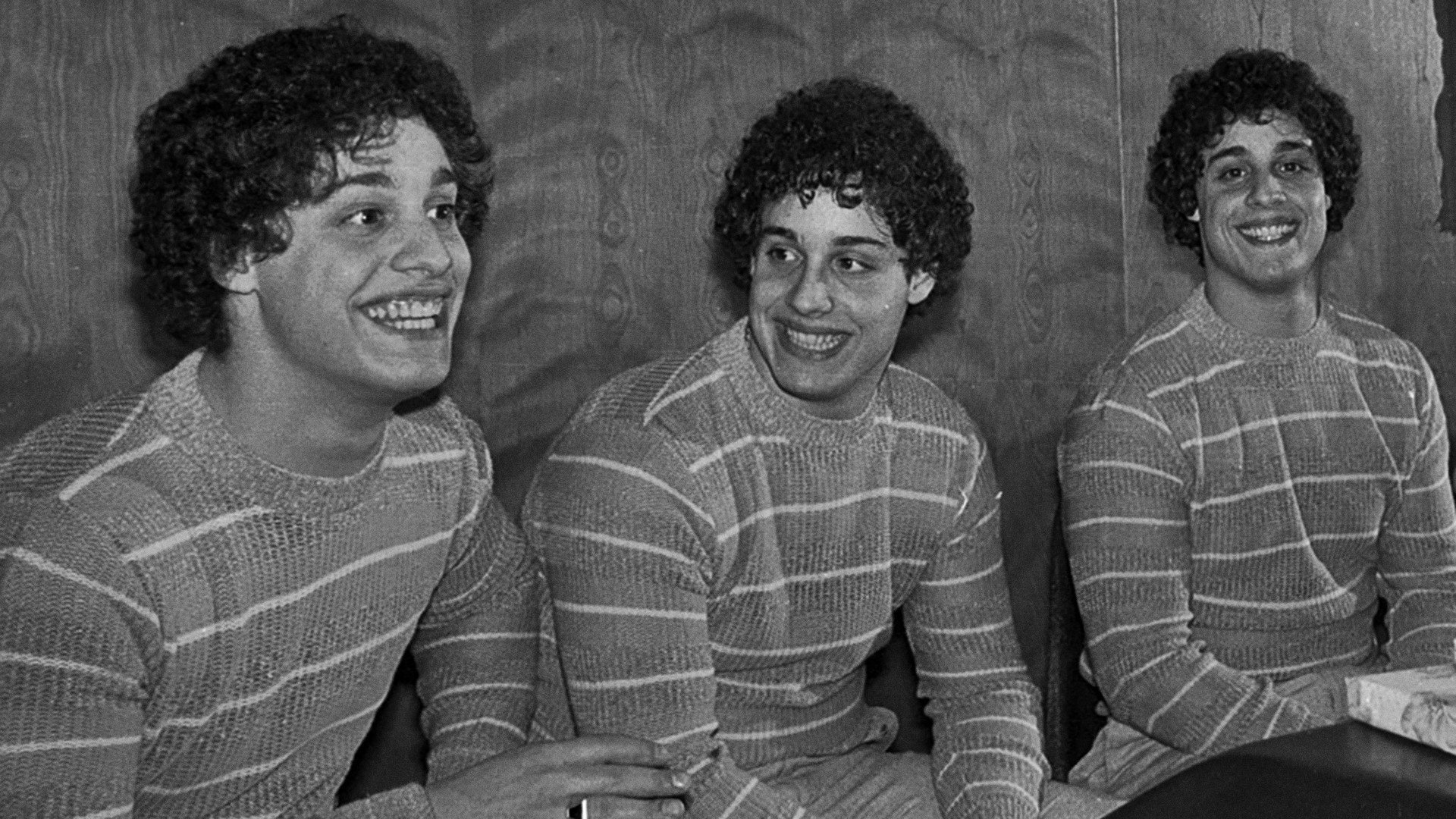
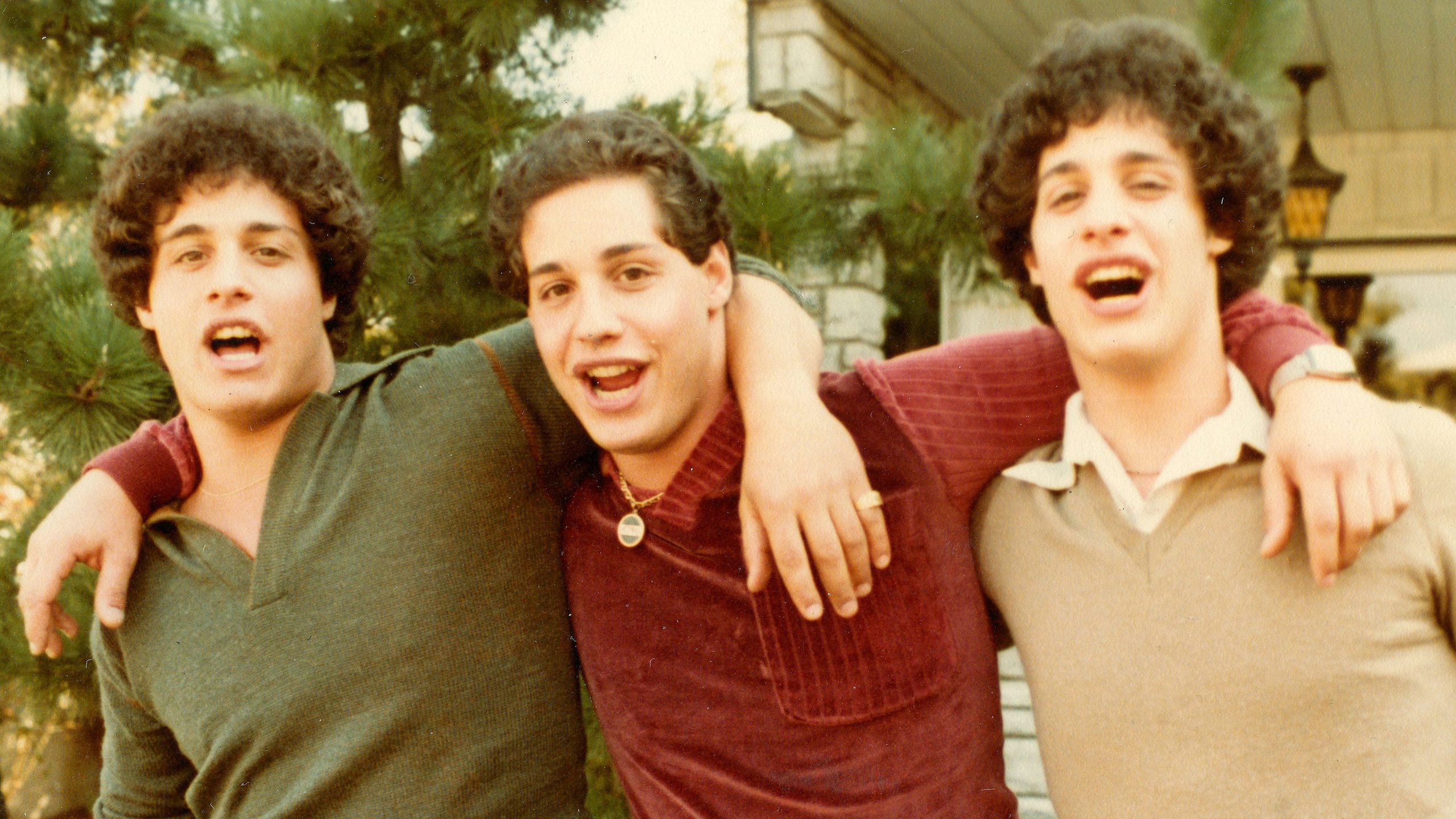
New York, 1980. Robert Shafran arrives for his first term at a community college upstate and is greeted by strangers who call him Eddy. Within days he has met the young man they mistook him for, discovered a shared birthday and a shared adoption agency, and made the newspapers, where David Kellman recognises his own face in the photograph. Three identical brothers, raised apart by three families who were never told, become a daytime television sensation and open a restaurant together. Their parents go to the agency that placed the boys, Louise Wise Services, and ask why. Shafran and Kellman tell the story as themselves; the writer Lawrence Wright, who has spent years on separated twins, explains what the paperwork shows.

Plays from YouTube when you press play; nothing loads from them until then.

Fi1m review

Tim Wardle’s documentary starts as a tabloid delight, three strangers with one face, and turns into something that made us angry. It is built like a thriller, which is why it grips and also why it sometimes seems too pleased with its own twists.

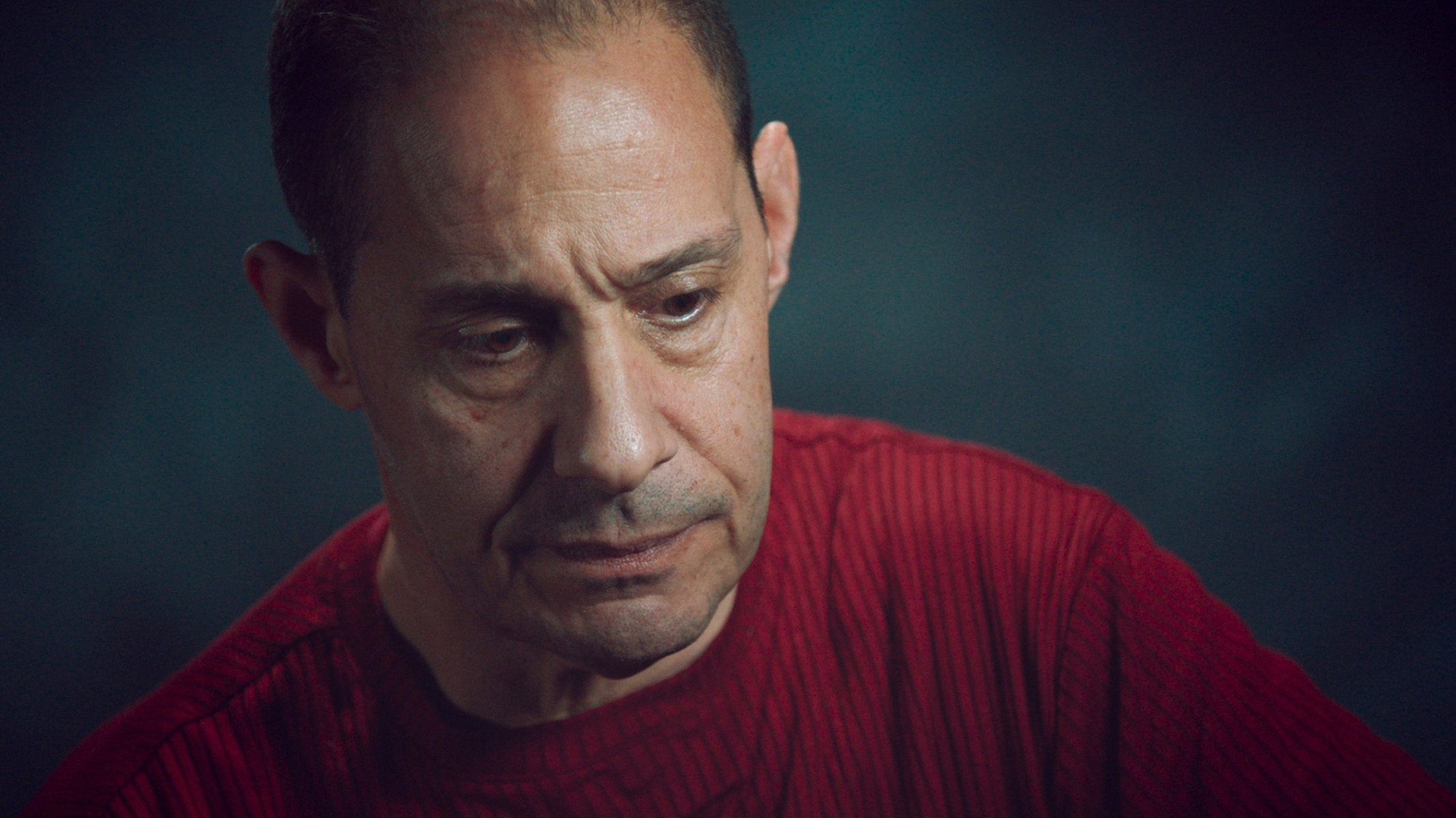
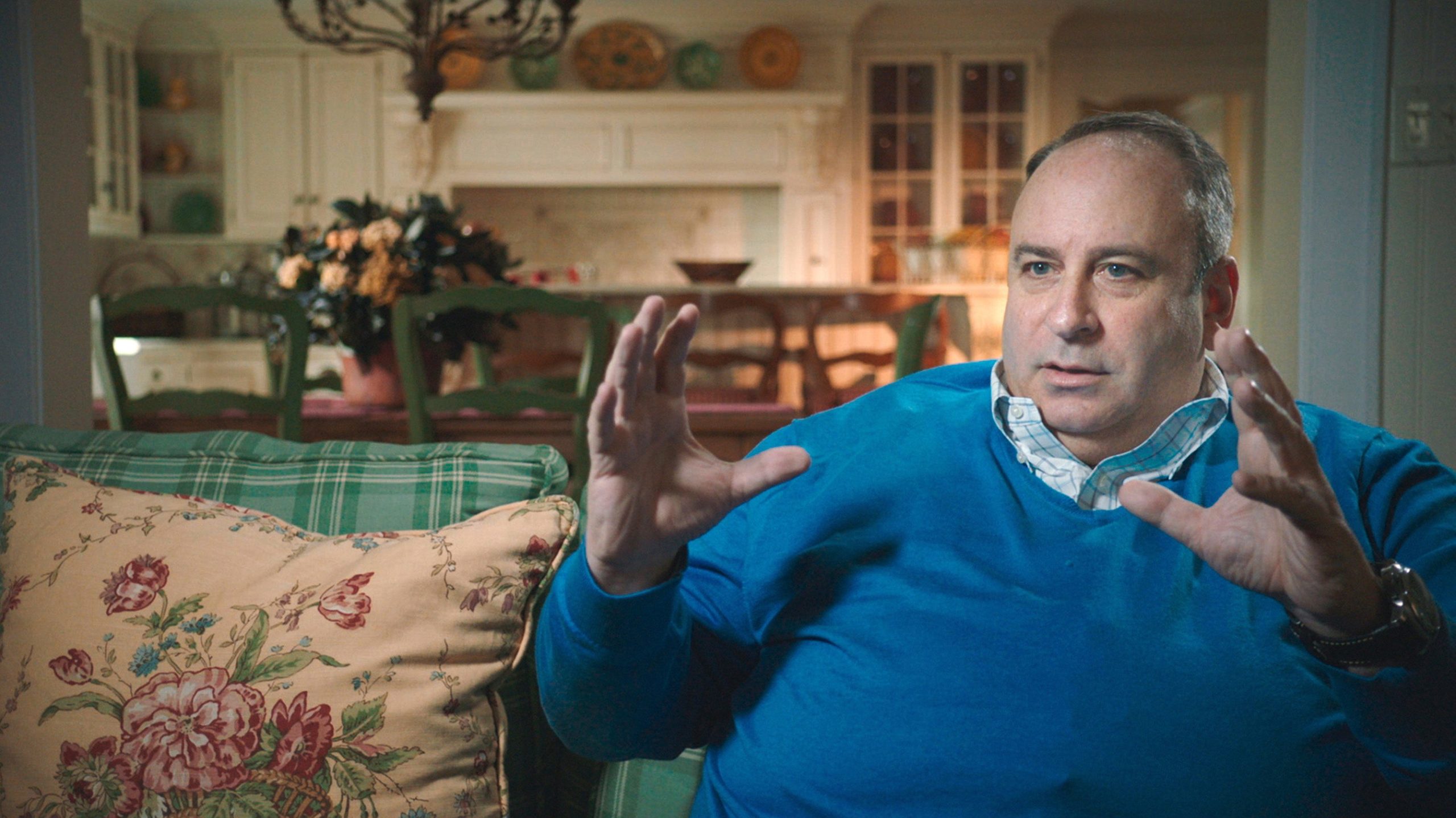
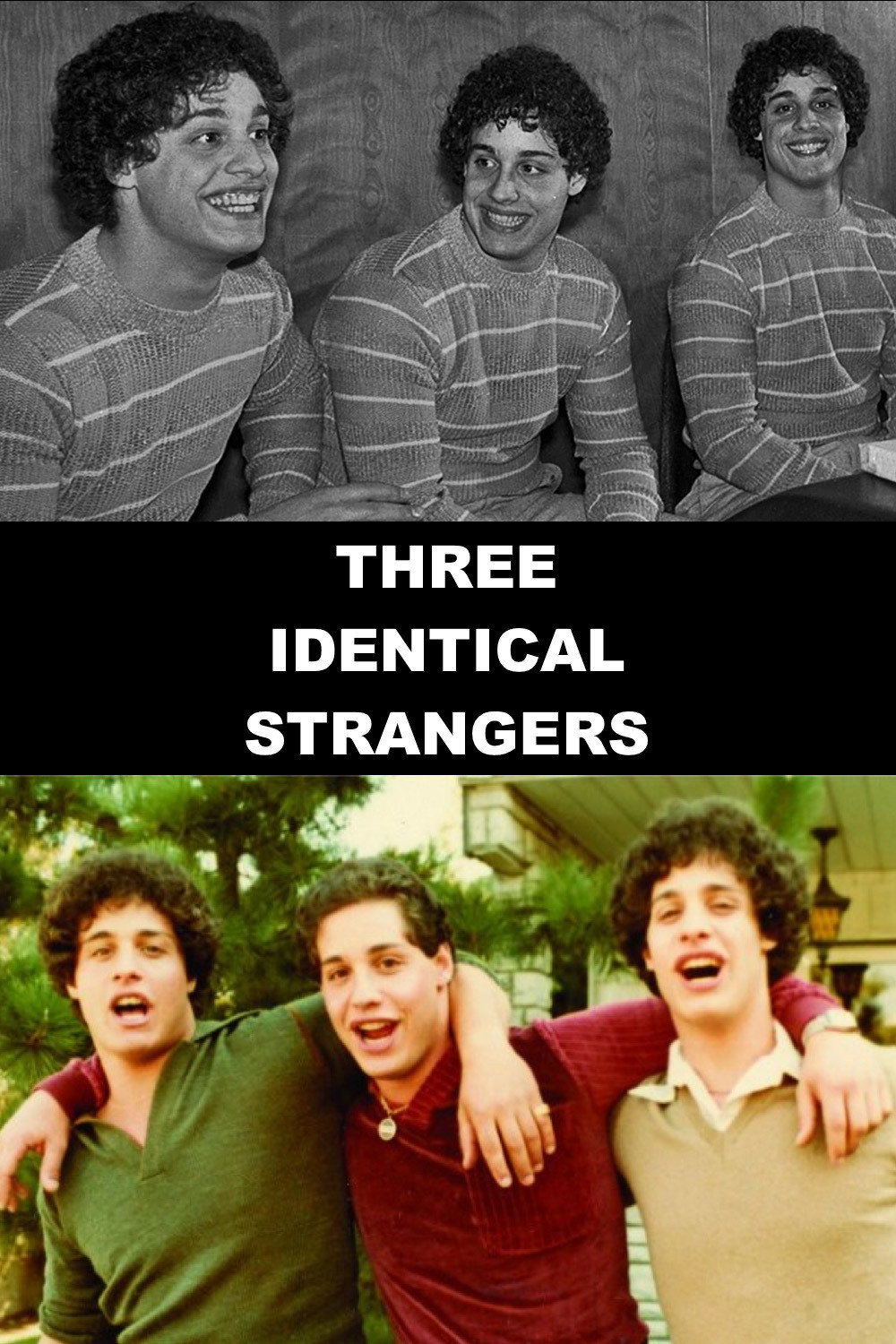
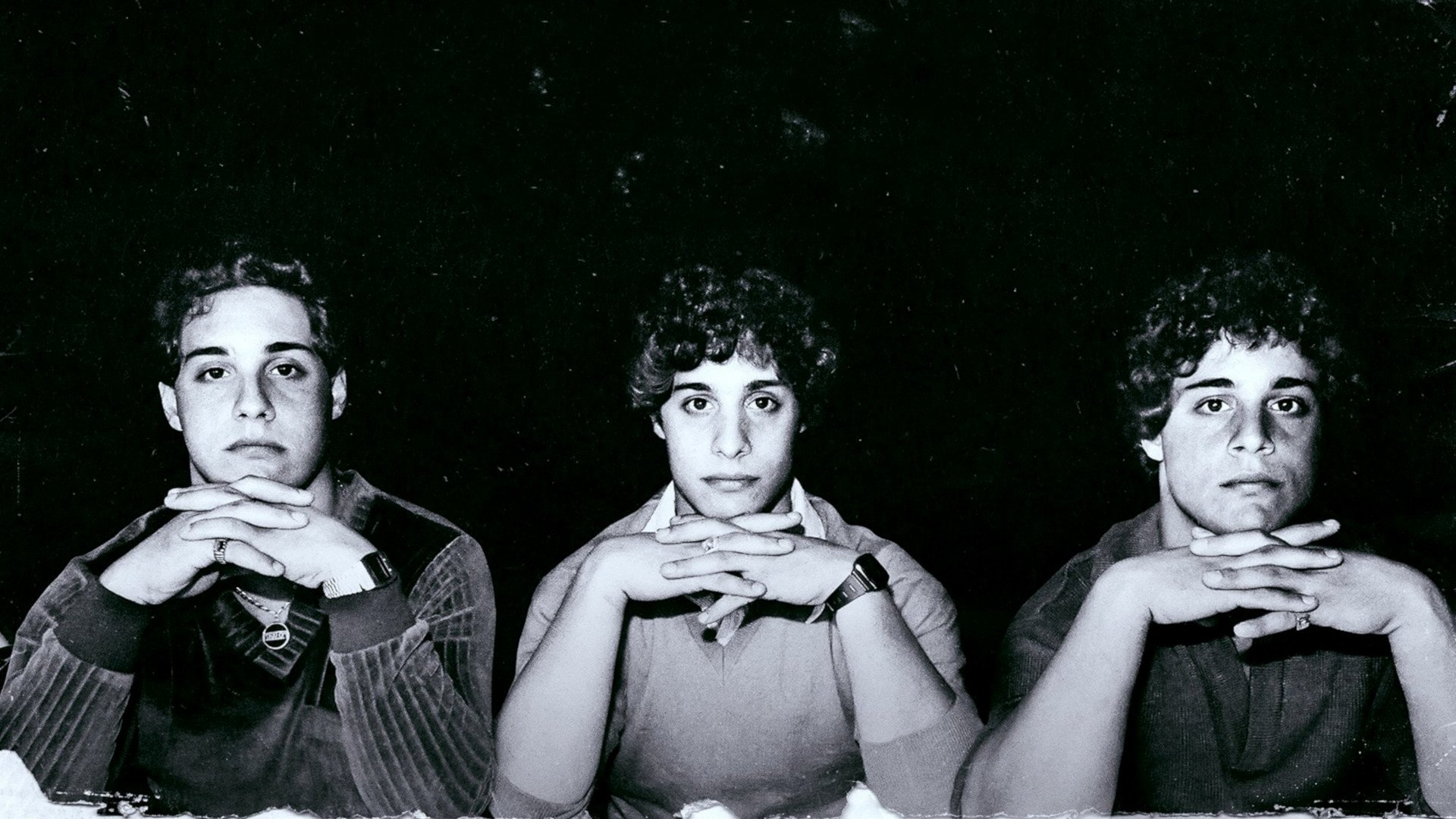
In 1980 a nineteen-year-old called Robert Shafran turns up for his first day at a community college in upstate New York and is greeted like an old friend by people he has never met. They call him Eddy. Within days he has met the young man they mistook him for, found that they share a birthday and an adoption agency, and been photographed for the newspapers, where a third young man, David Kellman, sees his own face. Tim Wardle’s documentary gets through this in its first twenty minutes, mostly by letting Shafran and Kellman, now in their fifties, tell it to camera with the grins of men who have told it a thousand times. They are good company. The story does not stop there.

Every review and the poster itself make clear that it darkens, so we will say only that the second half asks why three babies were separated at all, and that the answer is not a comfortable one. Wardle has built the film like a thriller, with information held back and released on a schedule, and for most of its 97 minutes that works. This is a good documentary, brisk and humane, worth your evening. It has two flaws that matter, and we will come to them.

Michael Harte’s editing is the engine. He runs the reunion three times, once from each direction, and each pass adds a detail the last one held back, so the first act has the pull of an anecdote told by someone who knows when to pause. The archive is a gift: three young men in matching jackets and matching hair on daytime television, finishing each other’s sentences while the studio audience loses its mind. Tim Cragg shoots the present-day interviews against dark backgrounds with the brothers framed identically, so you find yourself checking one face against the other, which is the film’s whole subject. The reconstructions of 1980 are amber-lit, actors seen from behind or in pieces, and Dawn Thompson puts them in the wide collars and flared denim of the year without anyone winking.

We laughed at the chat-show footage, as we were meant to. Then came the scene that made us angry. The three families, having found each other, go to the Manhattan agency that placed the boys, Louise Wise Services, and ask why nobody told them. They are given an answer that answers nothing. One of the fathers, going back for a forgotten umbrella, sees the staff through a doorway opening a bottle of champagne. It is told plainly, by people who were there, with no music under it, and it is where the film turns. We sat with it for some time afterwards. Nothing later in the film frightened us as much as that glimpse of relief on the wrong faces.

The journalist Lawrence Wright, who was writing about separated twins long before this story reached him, is brought in to explain what the paperwork points to, and he is clear and careful. Here the flaws show. Paul Saunderson’s score, which has hummed low strings under the interviews from the start, now treats every filing cabinet as a threat, and by the hour mark ordinary sentences are being scored like confessions. The film raises a large question about how much of a person is settled before birth and lets its interviewees dispose of it in a few lines. And there is a third brother. The film uses his story to drive its last act and spends less time on him as a person than on either of the men sitting in front of the camera.

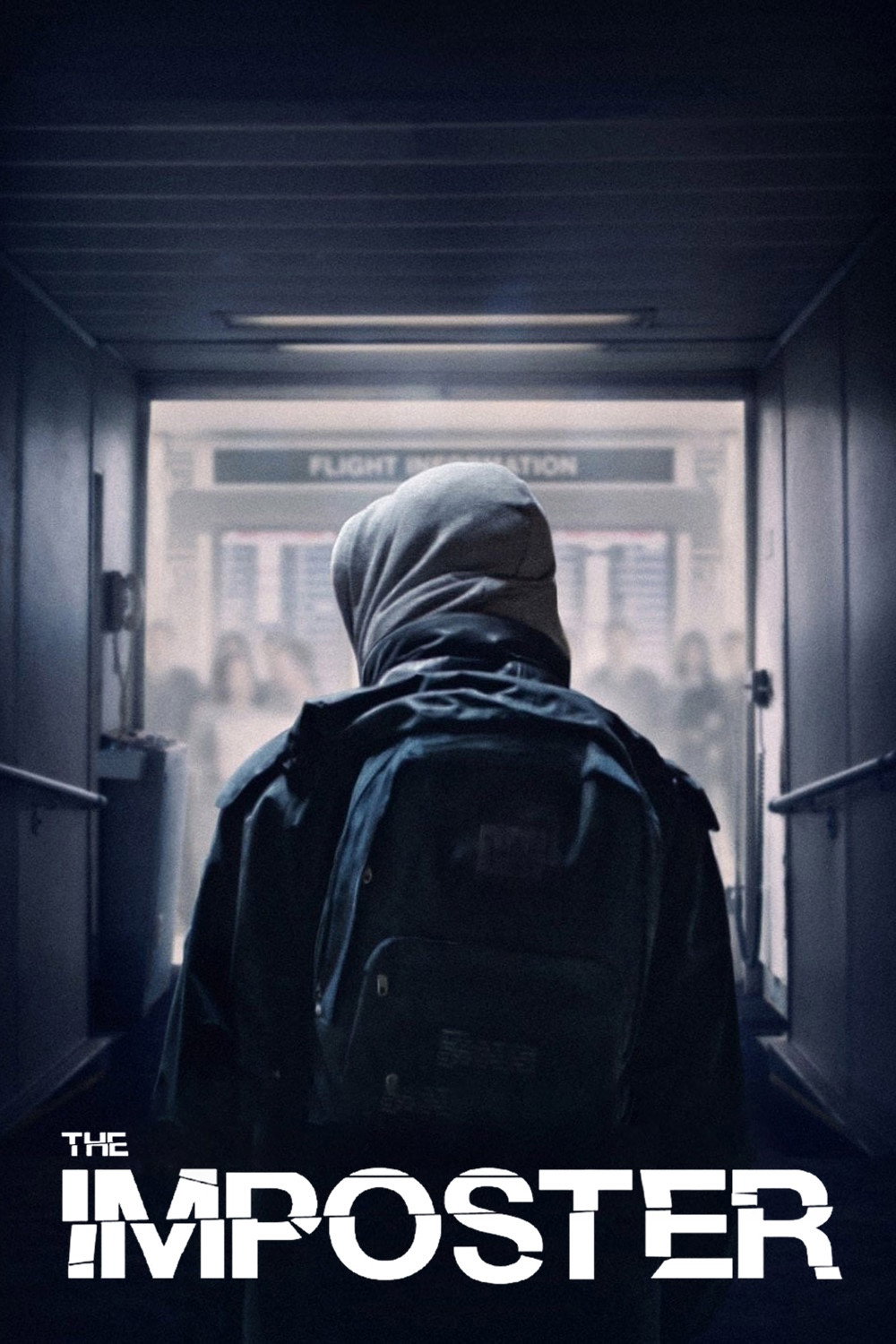
Set beside The Imposter (2012), the other British documentary built as a run of twists, this is the plainer and kinder film, more interested in the people at its centre than in its own cleverness. It is also less careful about the line between what it knows and what it suspects.

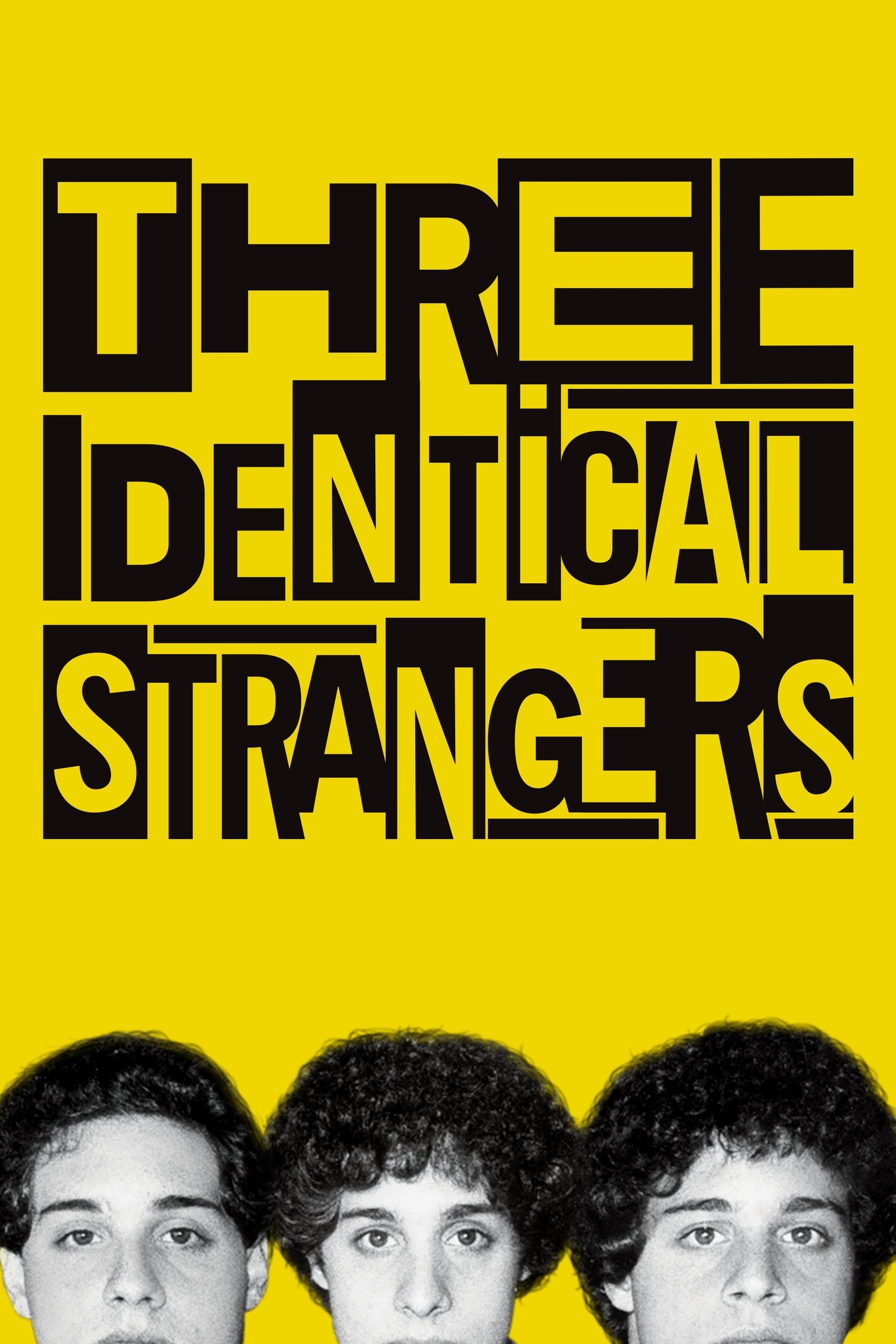
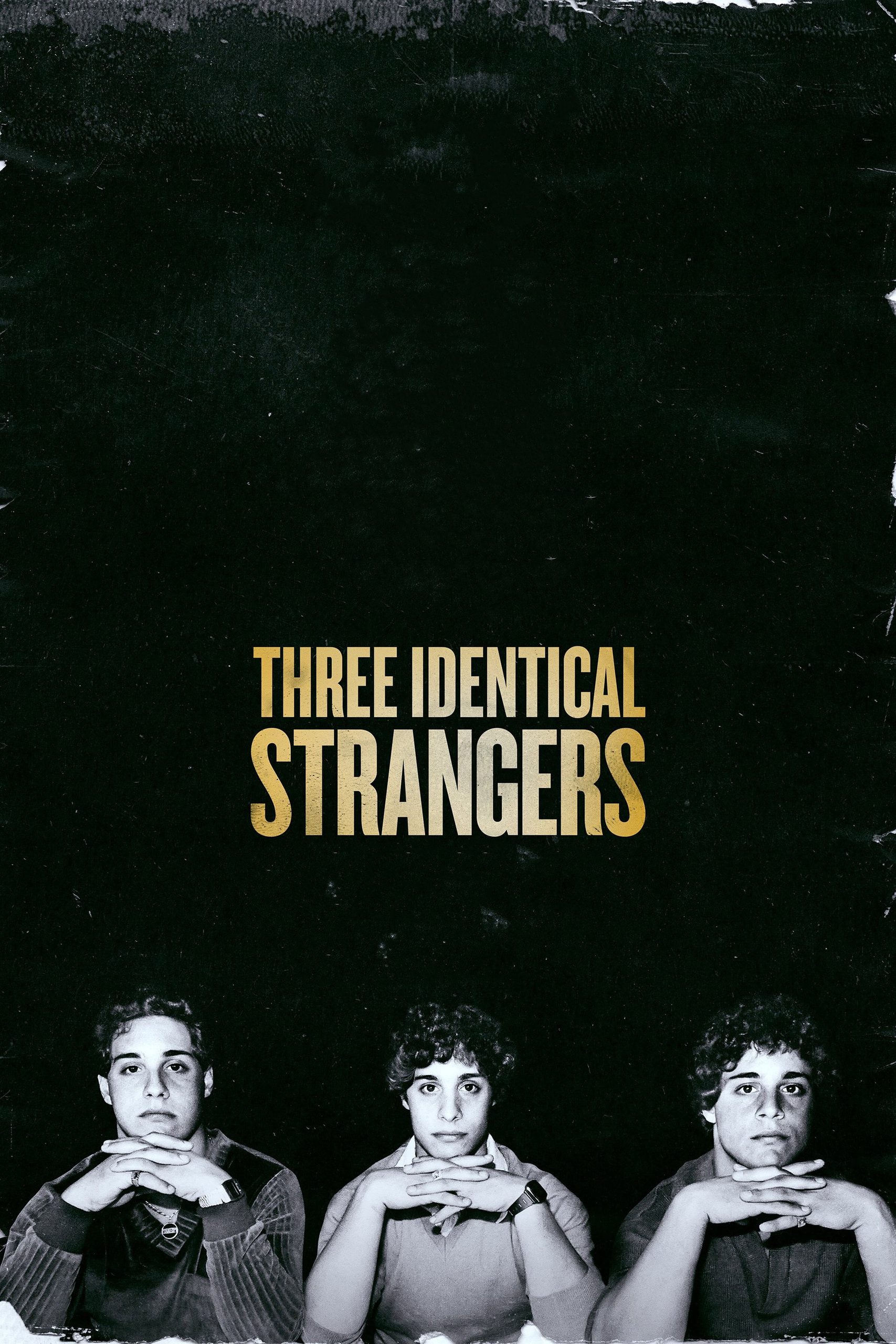
Do not look the brothers up beforehand. Wardle has decided the order in which you learn things, and it is a fair order. The poster calls this the most amazing, incredible, remarkable true story ever told. It is not. It is a sad one, told well, with too many violins in it.
Critical consensus AI synthesised

77
Positive
19
Mixed
3
Negative
0

Most critics like it, and nearly all describe the same shape: a cheerful tabloid story about triplets reunited as young men that turns, in its second half, into something much darker about how and why they were separated. The praise goes to Tim Wardle’s structure, which lays the story out chronologically and withholds information so that each revelation lands, and to the pacing and editing, which several reviews call brisk, gripping or thriller-like. The brothers themselves, lively on camera, are credited with holding it together.

The reservations are about depth rather than execution. Slant finds Wardle too taken with his twists, favouring plot over the brothers’ emotional lives, and The Telegraph thinks the film falls short conceptually, particularly on nature versus nurture. The AV Club, otherwise admiring, thinks that thesis is pushed further than the evidence allows. The spread is narrow: nineteen positive, three mixed, nobody hostile.

The Times
30 November 2018 · ★★★★★ · Kevin Maher
100

This superlative documentary begins as a quirky human-interest tale of reunited triplets before revealing twists about scientific research and a cover-up. It expertly raises provocative questions about free will while keeping focus on the profound injustice done to the subjects.

Read the full review →
Vulture
27 June 2018
85*

The knockout documentary starts as a goofy tabloid story and drifts into darker waters of horror and tragedy. Wardle shapes it as a detective story revealing a diabolical secret study, holding viewers with the brothers' existential anguish.

Read the full review →
The AV Club
26 June 2018 · B+ · Mike D'Angelo
83

The documentary delivers a mind-boggling true story that grows more disturbing with each revelation about a secret scientific experiment. Wardle lays it out chronologically but overreaches slightly on the nature-vs-nurture thesis while still fascinating throughout.

Read the full review →
Little White Lies
28 June 2018 · 3/4/3 · Matthew Eng
80

The review highlights the film's surprising twists and emotional depth, particularly the sadness and the investigation into the cruel separation; praises the humane portrait but notes some filmmaking shortcomings.

Read the full review →
Los Angeles Times
28 June 2018 · Justin Chang
80*

The intensely compelling documentary reconstructs the triplets’ reunion and uncovers further twists about their separation as part of a psychological study. Wardle’s twisty structure and brisk pacing make it riveting, though sometimes overly slick.

Read the full review →
RogerEbert.com
29 June 2018 · Glenn Kenny
80*

The critic finds the documentary starts as a light human-interest tale but shifts to a dark exploration of conspiracy and tragedy involving the triplets' separation. Wardle’s narrative strategy of withholding key information heightens the impact of the revelations about the adoption agency’s agenda.

Read the full review →

Cast

Awards

Sundance Special Jury Prize Documentary, 2018

Won
Sundance Special Jury Prize Documentary

If you liked this, try…

The Imposter poster

The Imposter

2012 · Another British documentary that lets a true story unfold as a series of traps

Capturing the Friedmans poster

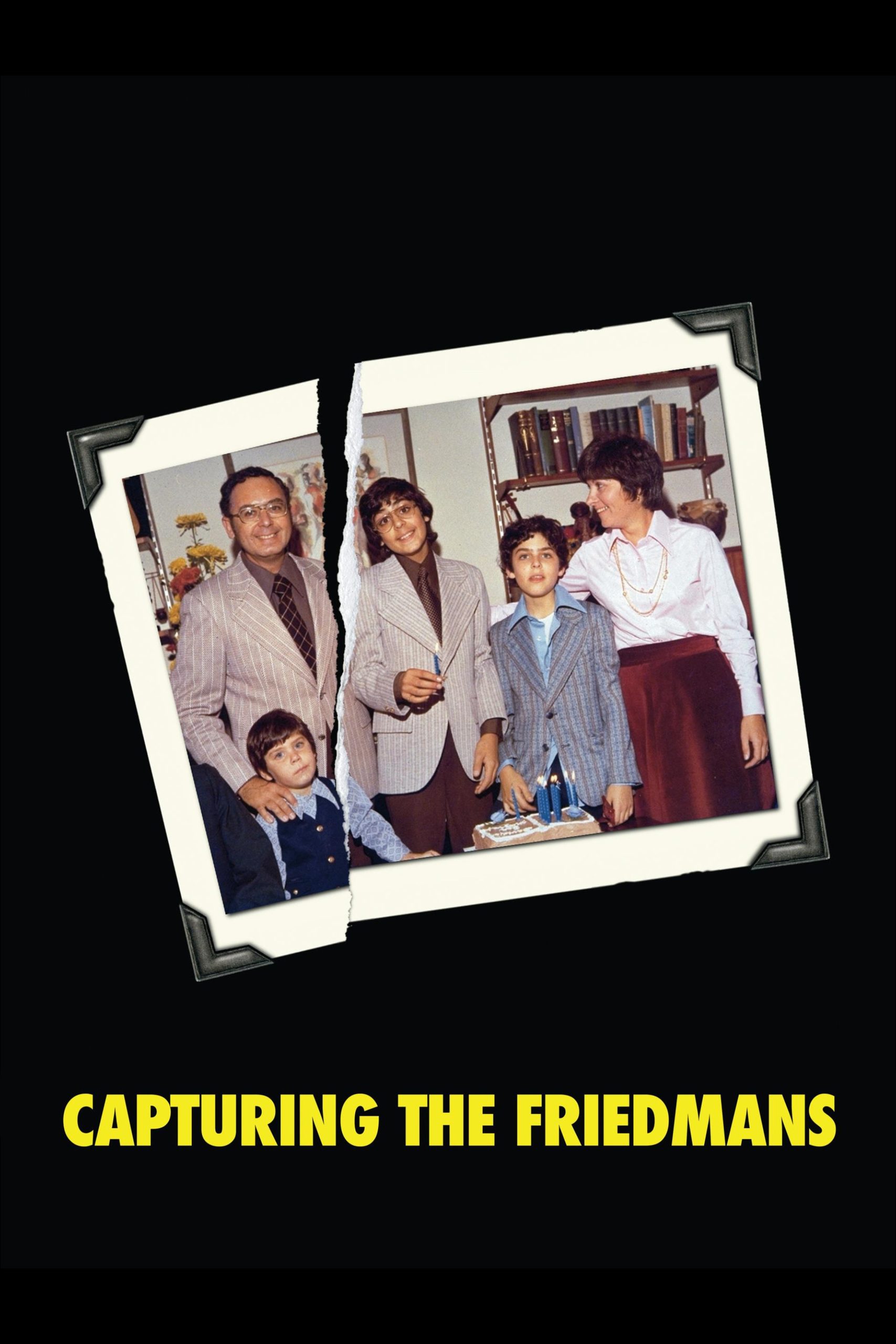
Capturing the Friedmans

2003 · A family’s home footage turned against them; the same queasy pull, more doubt

Stories We Tell poster77

Stories We Tell

2012 · Sarah Polley investigates her own parentage and is honest about what she cannot know

Twinsters poster

Twinsters

2015 · Two adopted sisters find each other online; the cheerful half of this story, on its own

Tell Me Who I Am poster

Tell Me Who I Am

2019 · Twin brothers, one memory between them, and a secret one kept for decades