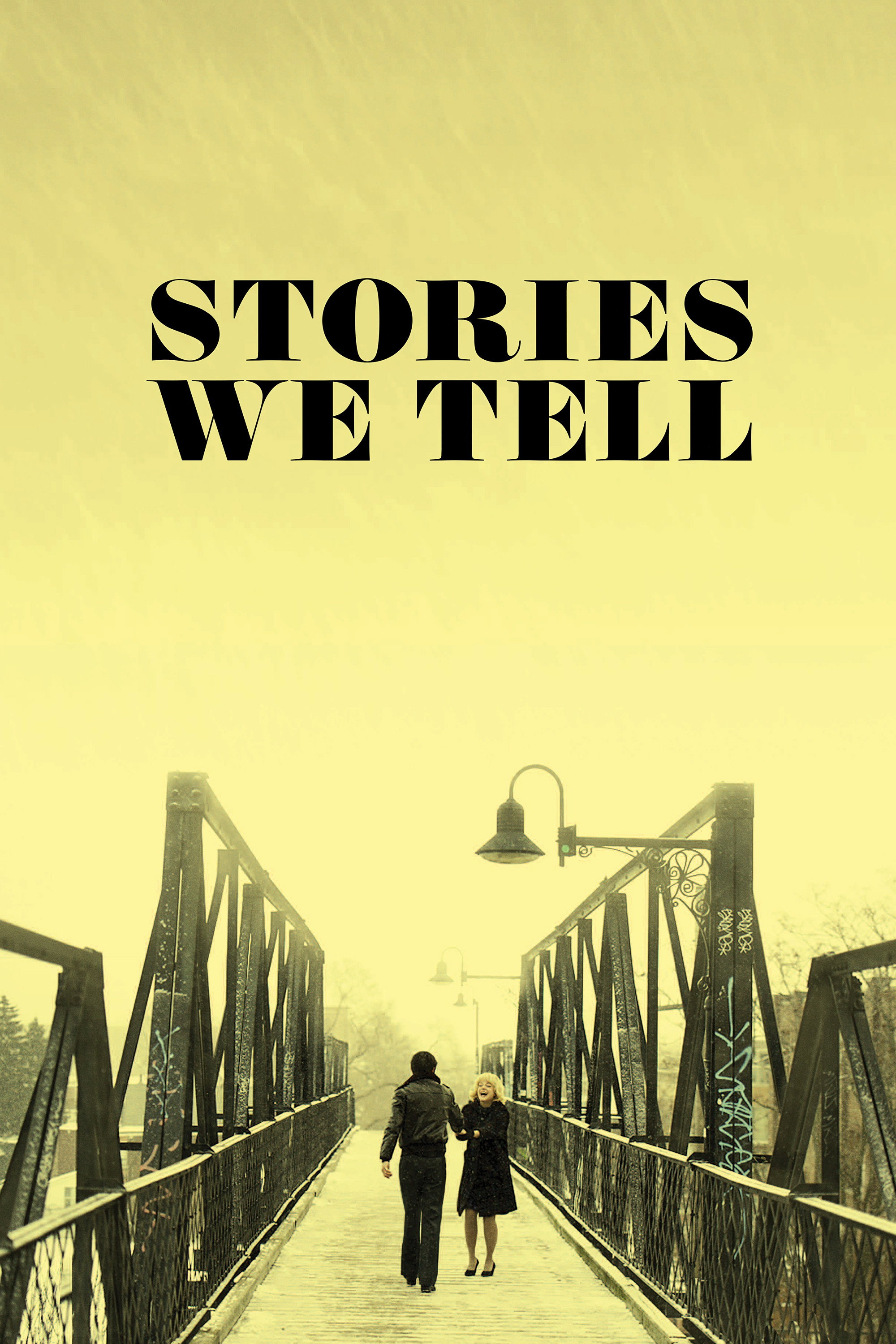
Garrett Bradley folds two decades of one family’s home video into a black-and-white portrait of a wife waiting for a prison to give her husband back. It is short, exact and quietly furious. Anyone wanting the facts of the case laid out will have to look elsewhere.
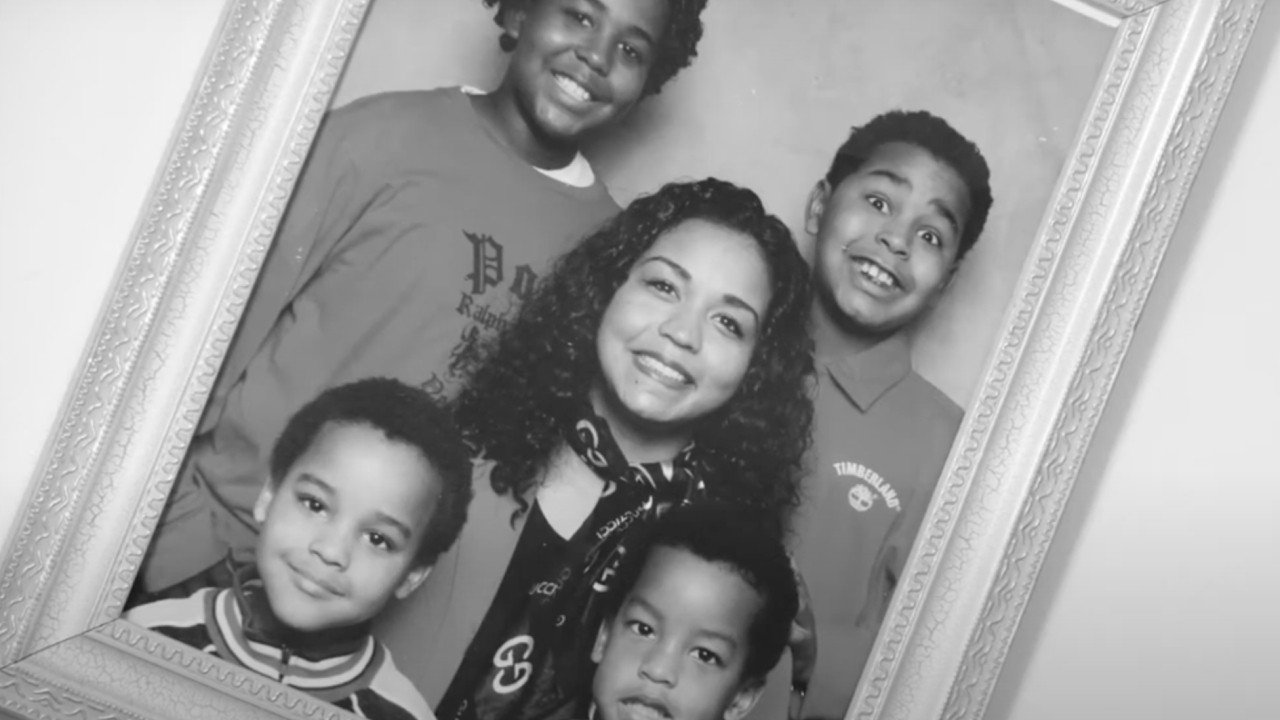
Sibil Fox Richardson, known on screen and off as Fox Rich, has been waiting for her husband since the 1990s. Robert Fox Richardson is serving 60 years in a Louisiana prison for an armed robbery the two of them committed together; she did her own time and came out to six sons and a camcorder. Garrett Bradley’s film is what she did with the camcorder, added to what Bradley’s crew shot of the family two decades later, cut together and drained of colour. It runs 81 minutes. It is one of the plainest and most affecting films about prison we have seen, and it hardly sets foot inside one.
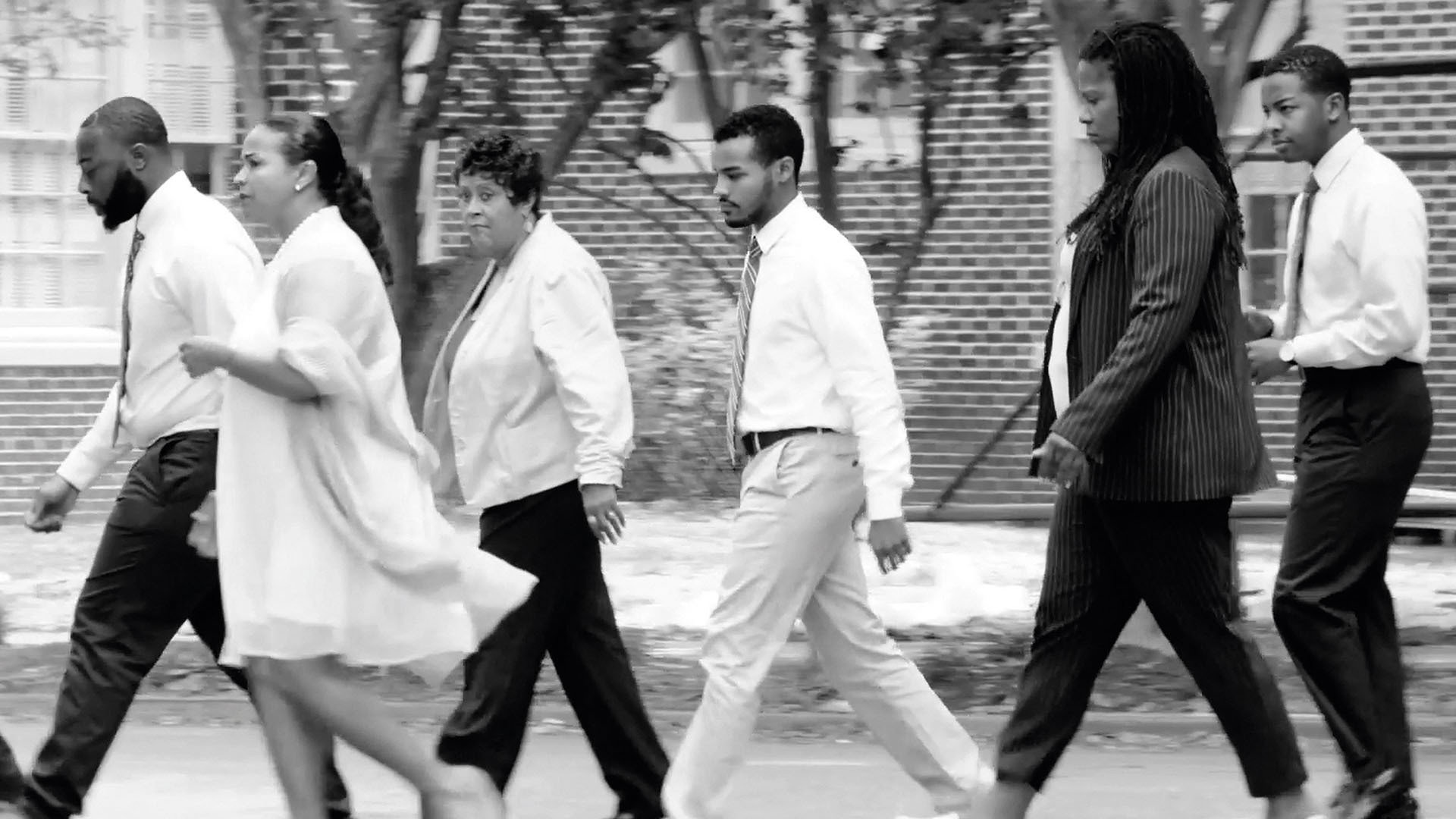
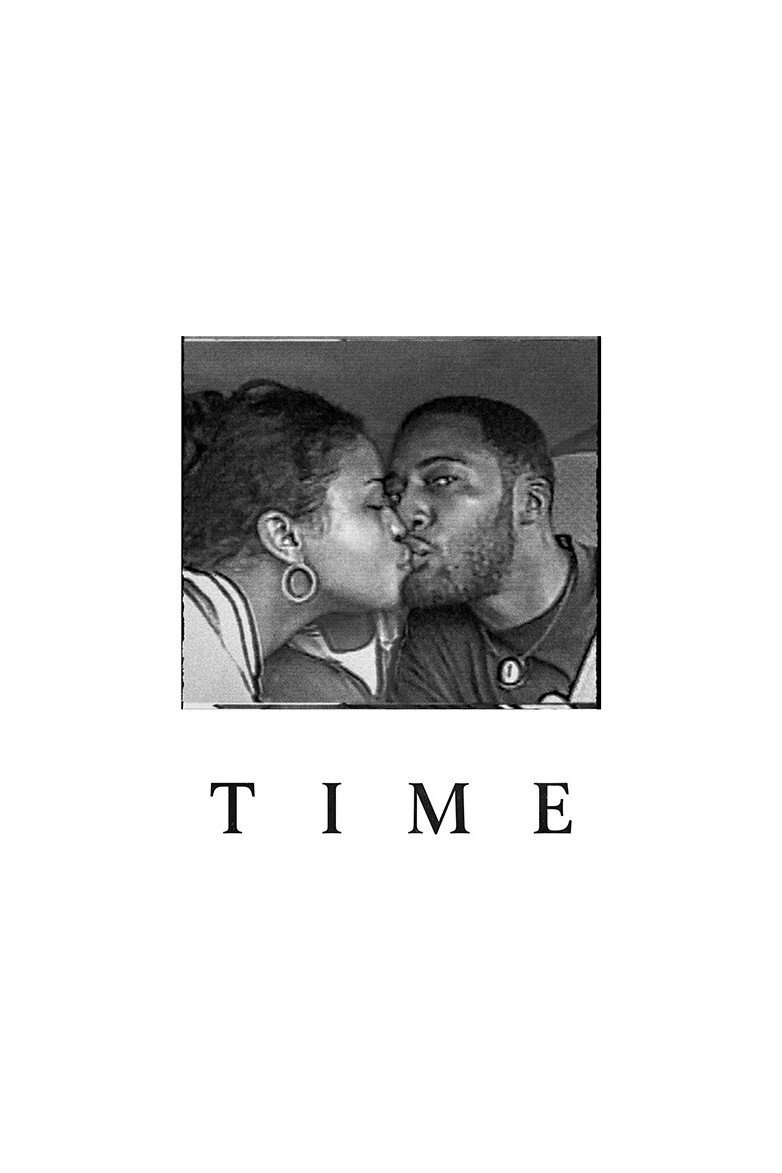
The idea is simple and the execution is not. Gabriel Rhodes, the editor, does not sort the footage by year. A boy of five in a car seat is followed by the same boy shaving. Fox Richardson at thirty, in low resolution, talking to the lens as if it were her husband, is followed by Fox Richardson at fifty in a suit, talking to a room. Bradley has had the old tape turned to black and white so it sits beside the new material shot by Zac Manuel, Nisa East and Justin Zweifach, and the join is close to invisible. After ten minutes you stop noticing which decade you are in. For this family there has only ever been the one long day.
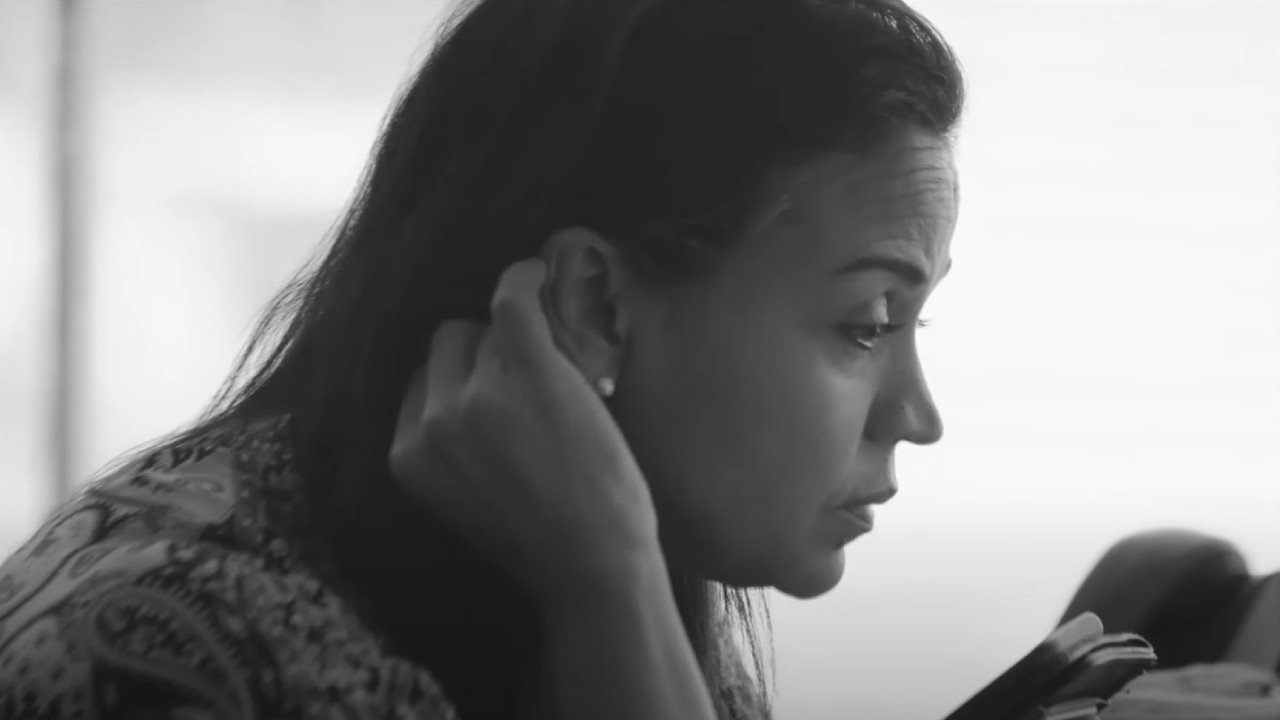
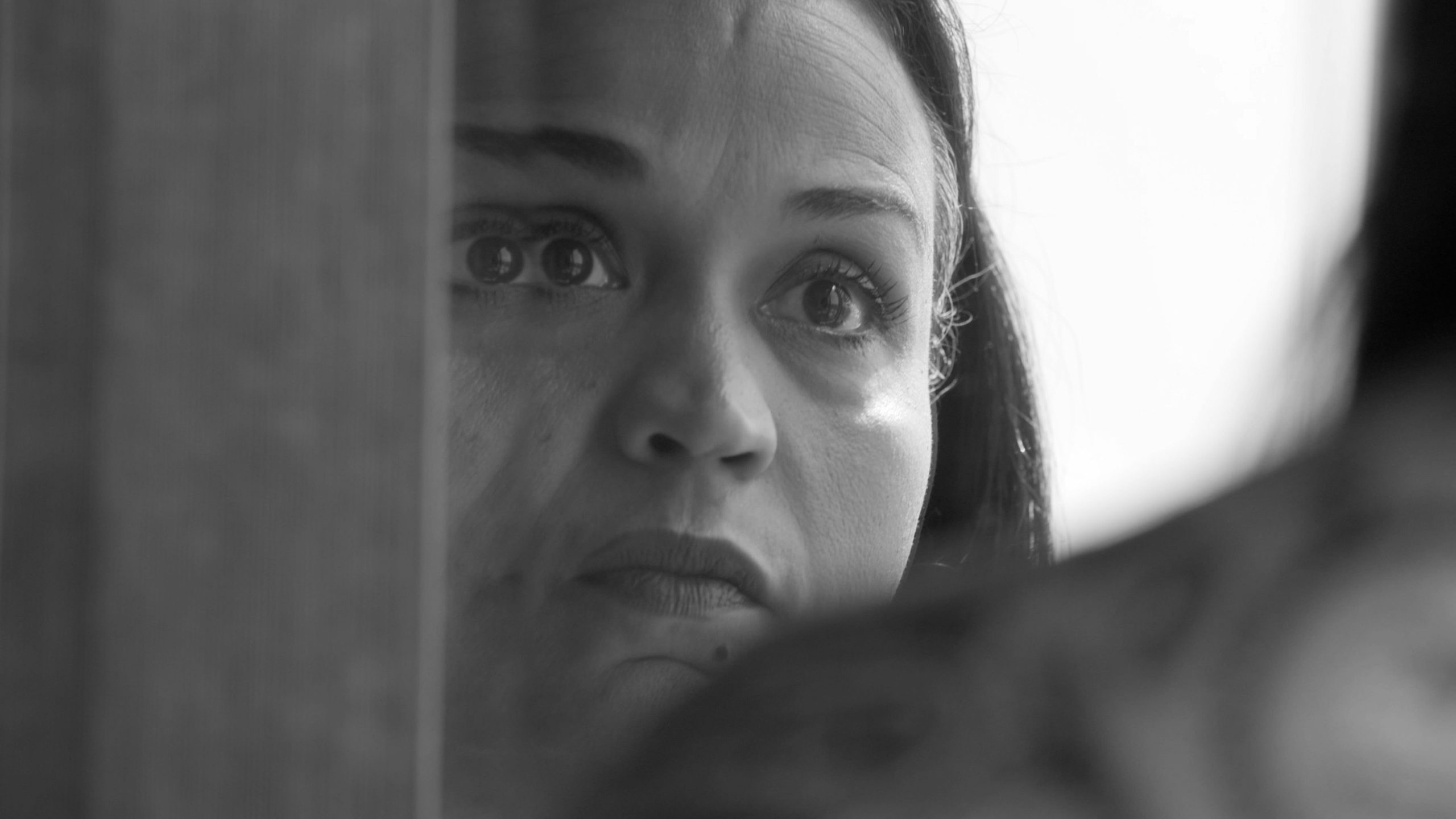
The scene we will not forget is a telephone call. Fox Richardson rings the court to ask whether a judge has ruled on her husband’s case. She is put on hold. She waits, in her kitchen, and the camera stays on her face for the whole of it, and when a clerk finally returns to say there is no news she thanks the woman and wishes her a blessed day. Then she puts the receiver down and says what she thinks of the judge. We laughed at that, and then we were angry, and stayed angry for a long while after, because the whole film is in that call. Twenty years of good manners spent on people who never rang back.
She is a formidable subject and she knows it. Fox Richardson prays on camera, drills her sons in what to say and how to stand, and gives a speech to a hall full of people about a country that calls itself free and keeps a great many of its citizens locked up. She is as composed in front of Bradley’s crew as she was in front of her own. The sons are quieter and, in places, harder to watch. Freedom Richardson and Justus Richardson grow up on the tapes from infants to young men who talk about their father with a steadiness no one their age should have needed. Robert Fox Richardson himself is mostly an absence: a voice on a phone, a name in a letter, the person every tape is addressed to.
The music, credited to Jamieson Shaw and Edwin Montgomery, is largely a single piano, and it plays under nearly everything. That is a lot of piano. It does not rise when the film wants you to cry, though, and we were grateful; Bradley lets the faces do that work.
What the film will not do is explain. We never learn in any detail what happened at the robbery, how a 60-year sentence was arrived at, what the appeals argued or why one court after another said no. A couple of critics have called this evasive, and we understand the complaint. There is a version of this film with lawyers and a timeline, and it would be easier to argue with. Bradley has decided the legal facts are not the subject. The subject is what the years did. We think she is right, though 81 minutes is brief, and there were moments when we wanted to hear the sons speak at greater length than a montage allows.
Documentaries about American prisons tend to argue with numbers. This one has no statistics on screen at all. Where Ava DuVernay’s 13th (2016) built a case, Bradley builds a household and lets you notice how much of it is missing.
It is the ending that most critics have singled out, and we will say only that it is earned and that we will not describe it. Watch it with your phone in another room. And do not go in expecting the story of a crime. The crime takes about a minute. The punishment takes the rest.