Film review

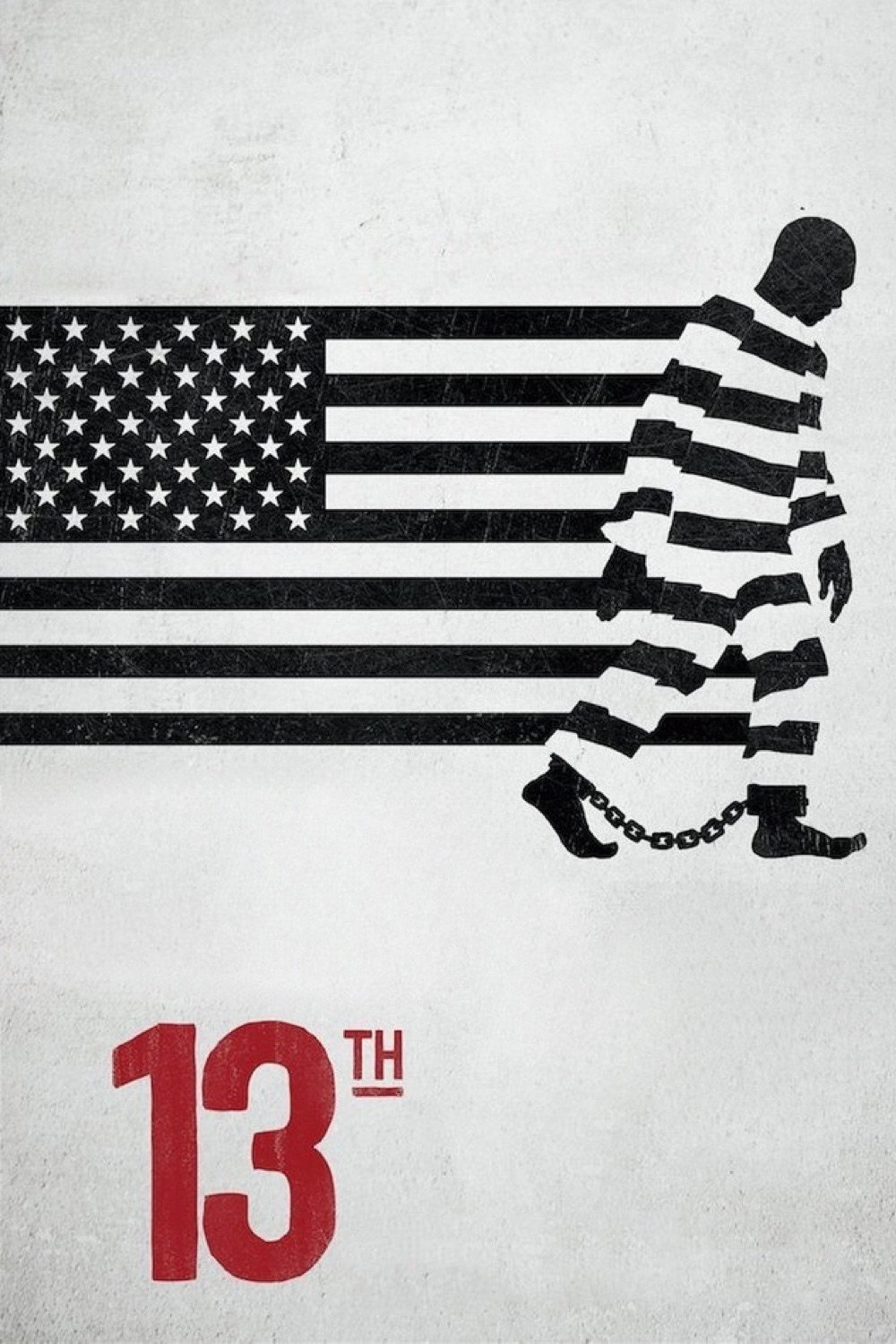
13th

2016 · Directed by Ava DuVernay · 1h 40m

In a sentenceThe small print of one amendment, read out slowly by clever, angry people for a hundred minutes

Documentary

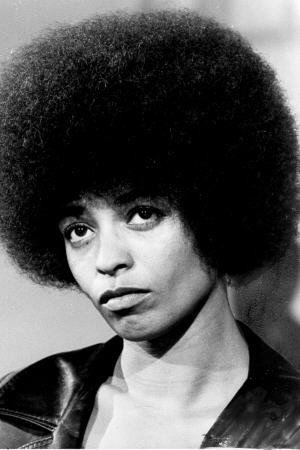
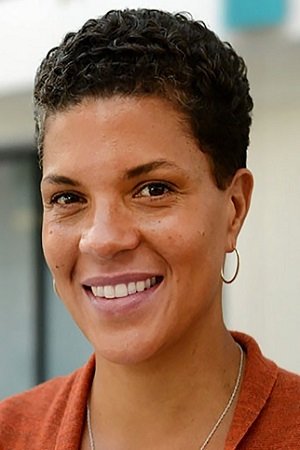
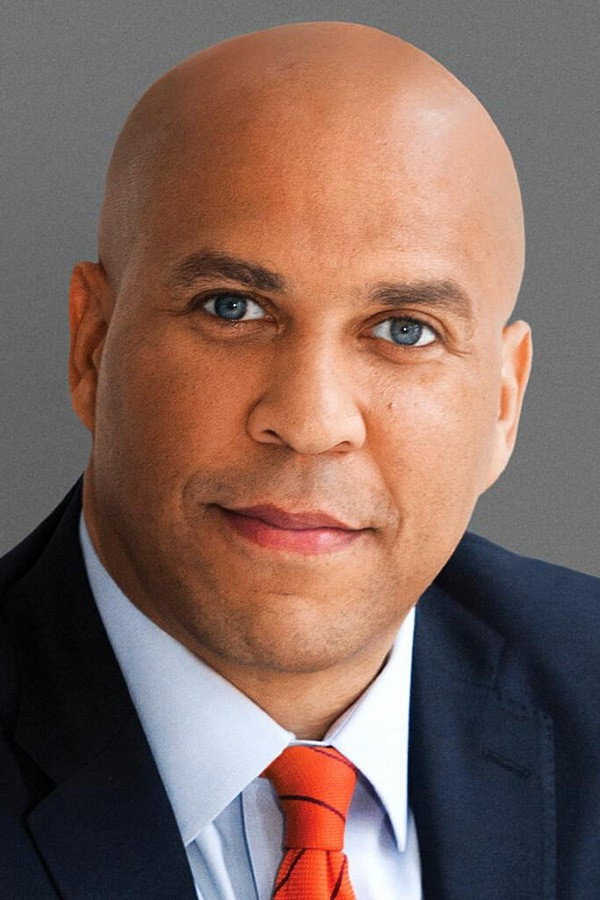
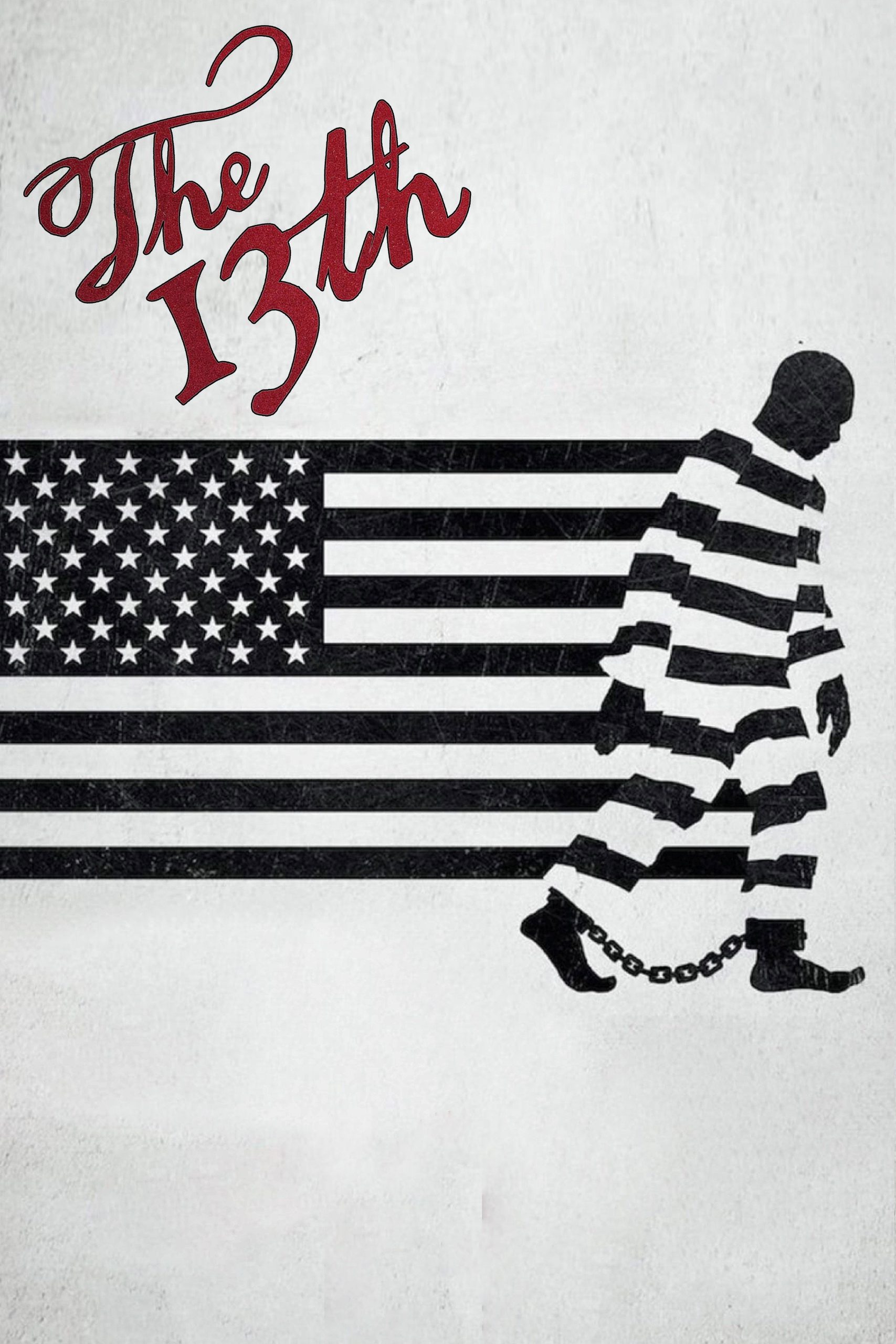
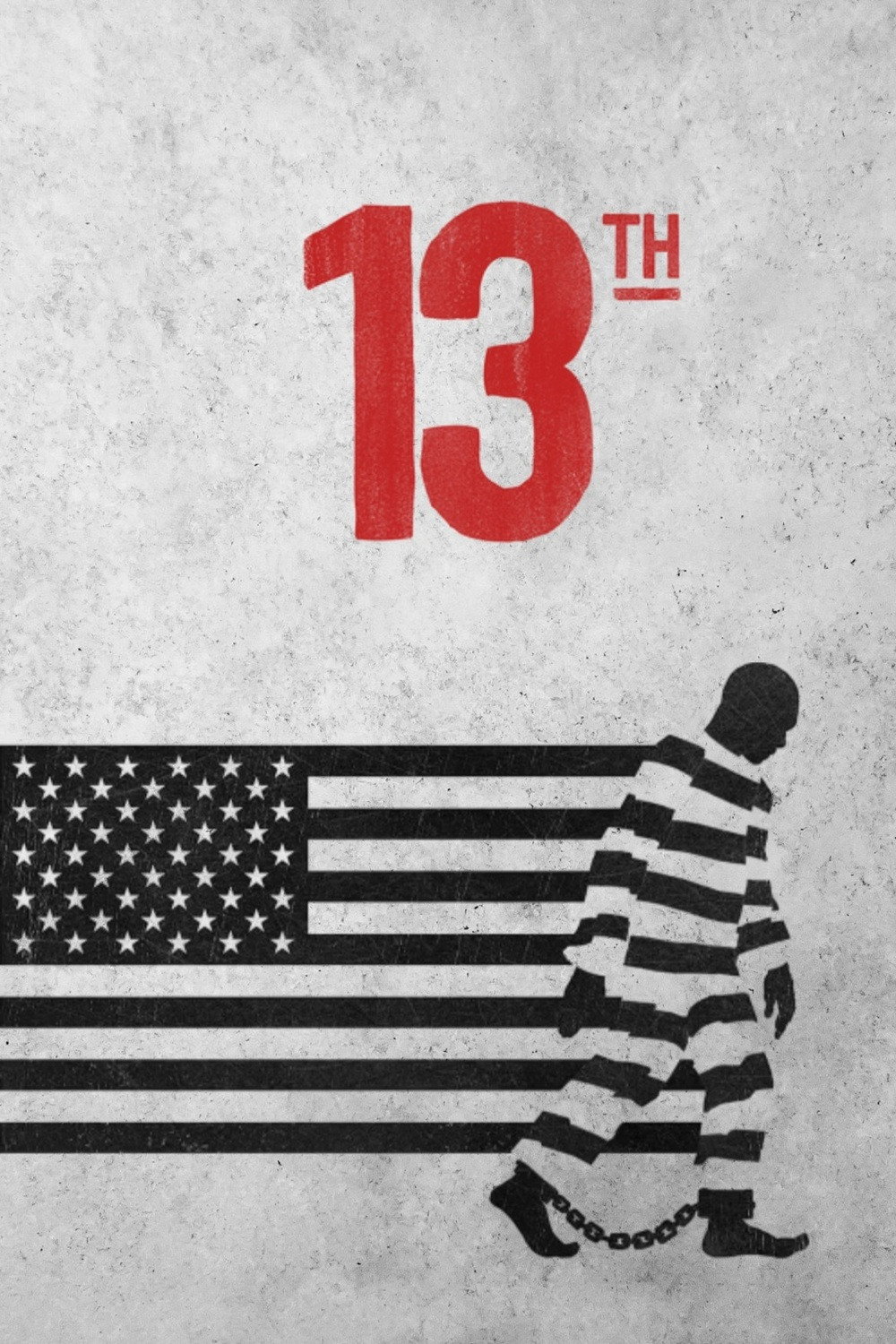
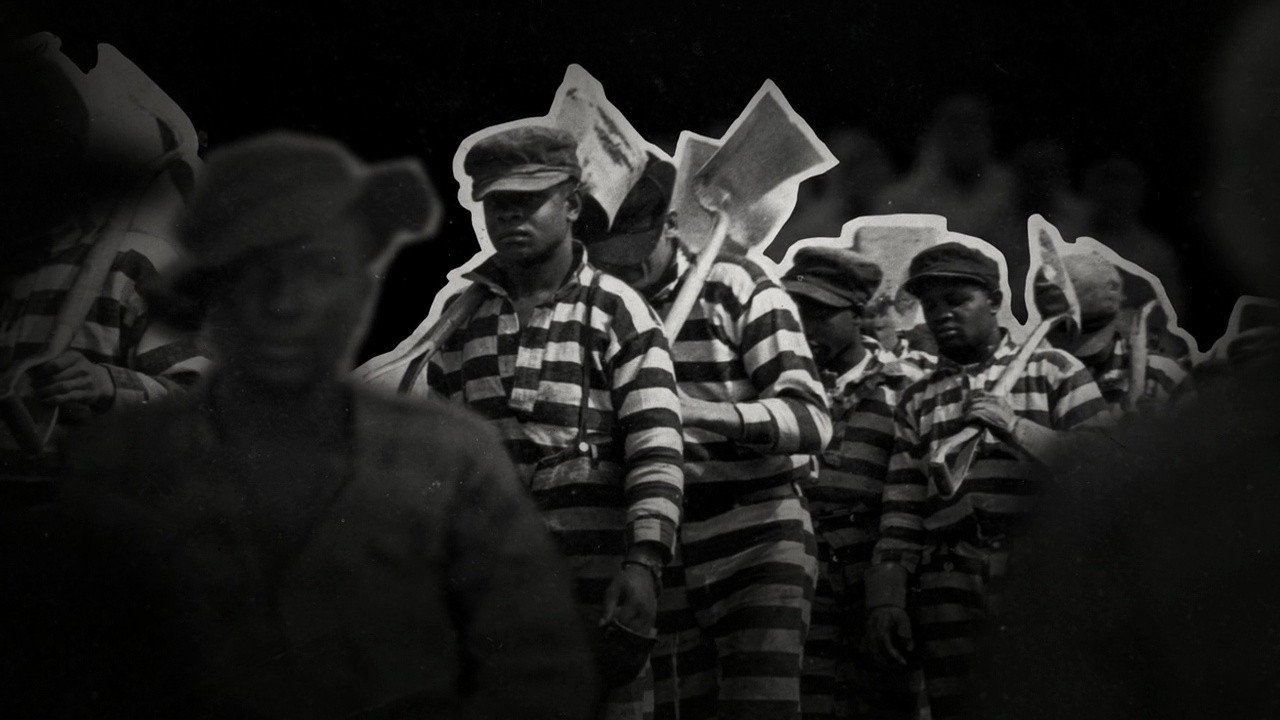
In 1865 the Thirteenth Amendment abolishes slavery in the United States, except as punishment for a crime. Ava DuVernay’s documentary follows that exception through a century and a half of American law, from the convict leasing that follows the Civil War to the war on drugs and the private prison. Legal scholar Michelle Alexander, activist Angela Davis, lawyer Bryan Stevenson and historian Henry Louis Gates, Jr. sit in bare brick rooms and explain how each administration, from Nixon through Reagan to Clinton, added to the prison population. Senator Cory Booker speaks for the politicians; David Keene and Michael Hough speak for the other side. Archive footage, phone footage and animated statistics fill the gaps between them.

Fi1m review

Ava DuVernay’s documentary argues that American prisons picked up where slavery left off, and it makes the case with rare clarity and speed. The music never lets a sentence sit, and the last half-hour hurries, but we came out knowing things we had not known.

The Thirteenth Amendment to the American constitution, passed in 1865, abolished slavery except as a punishment for crime. Ava DuVernay’s film is about that exception. Her argument, written with her editor Spencer Averick, runs in a straight line: the clause was used within a few years to put freed men back to work in chains, and every system since, from the chain gang to the war on drugs to the privately run prison, has been a new way of doing the same thing. It runs 100 minutes and it does not stop for breath.

It is built from interviews. Michelle Alexander, Angela Davis, Bryan Stevenson and Henry Louis Gates, Jr. do most of the explaining, with Cory Booker, then a senator for New Jersey, speaking for politics. Kira Kelly and Hans Charles film them in bare brick rooms and on empty factory floors, lit from big windows, so that clever people talk about forced labour in the kind of space it was done in. Averick cuts between them quickly and lays the figures over the top in white type. Each time a speaker says the word “criminal” the word itself appears on screen, and by the end we flinched at it, which is the intention. Nixon, Reagan and Clinton each get a chapter, and the film’s point is that this was built by both parties.

We should say plainly what got to us. Near the end DuVernay cuts recent phone footage of Black men being shot by police against archive film from the 1960s of men being beaten by crowds. We were horrified. Then we noticed something worse: we had seen most of the phone footage before, on news sites, and it had stopped registering. Set beside the old film it registered again. That is the best thing the editing does, and it is done without a word of commentary.

The chapter on how prisons became a business is the one that stayed with us longest. David Keene and Michael Hough are on camera to be argued with, and to the film’s credit they are allowed to finish their sentences. The account of how a lobbying group of companies and legislators wrote laws that filled cells, and of who was paid when the cells were full, is delivered by Marie Gottschalk and others in the flat tone of people who have checked the invoices. It is duller than the beatings and it frightened us more.

Now the complaints. Jason Moran’s music sits under almost every sentence, a low pulse that tells us to be worried while a professor is already telling us why, and between chapters the film stops for songs with their lyrics printed on screen. The effect is of a film that does not trust silence, and after an hour we wanted one. The pace costs something too. A century and a half in 100 minutes means the Clinton years go past before the argument about them has quite closed, and there are perhaps two speakers on screen for every one the film has time to let think. The interviewees are nearly all on the same side, and the two or three who are not get less room than the case deserves.

DuVernay had made Selma (2014) before this, a drama about a march, and it shows in the good way: she knows how long to hold on a face after the sentence ends, and she does it with Alexander and Stevenson to great effect. Against the essay documentary tradition, this is a lecture rather than an inquiry. It knows its conclusion before it starts and marshals everything toward it, and that is a fair way to make a film, but it means the viewer who already agrees gets confirmation and the viewer who does not gets a fight.

Watch it with someone who will argue with you afterwards. It is 100 minutes long and you will need another hour.
Critical consensus AI synthesised

88
Positive
19
Mixed
0
Negative
0

Nineteen reviews, all of them favourable, and the agreement is close to complete. Most critics take Ava DuVernay’s documentary as a lucid, forceful argument: that the loophole in the 13th Amendment allowed slavery to reappear as mass incarceration, and that the policies of successive administrations kept it going. The praise clusters on the argument itself, on how much history the film folds into a single case without losing its thread, and on the assembly of interviews, archive footage and statistics into something several reviewers describe as relentless. Many also note how directly it speaks to the present.

The reservations are few and small. The Guardian finds the ever-present music the one poorly judged element, and Vulture notes some overreaching and mannerisms while still calling the film essential. Nobody questions the thesis; the only variation is in how far the enthusiasm runs, from warm approval to outright acclaim, and even the coolest notices land well above the line.

Slant Magazine
30 September 2016 · ★★★★/4
100

The critic describes the film as a work of pummeling and clear-eyed intelligence that traces the disparity between legislative and de facto rights with enraged mettle. It singles out the effective balance of slick filmmaking with conversational human terms in delivering hard facts.

Read the full review →
IndieWire
30 September 2016 · festival review · Eric Kohn
90*

The review hails the documentary as the most relevant film of the year for its searing, focused argument that folds multiple eras of history into a single powerful case about the criminalization of African Americans. It highlights the film's timely relevance and coherent structure.

Read the full review →
Los Angeles Times
6 October 2016 · Kenneth Turan
90*

Turan calls it a smart, powerful, disturbing and persuasively argued documentary that offers a brisk, cogently argued alternative to conventionally taught American history, systematically covering a century and a half of race relations with facts, statistics, talking heads and archival material. It makes its point with undeniable eloquence as well as persuasive force.

Read the full review →
Sight and Sound
12 October 2016 · Fanta Sylla
90*

Ava DuVernay's documentary exposes how the US prison system functions as a modern form of slavery through the loophole in the 13th Amendment. It is a provoking analysis that changes one's outlook on the American criminal justice system.

Read the full review →
The Hollywood Reporter
29 September 2016 · festival review · Todd McCarthy
90*

The critic praises the film's comprehensive historical examination of how African Americans have been subjugated through the justice system since the 13th Amendment, calling it eloquently articulated and a must-see. It singles out the poised urgency of the interviews and the tight focus on the central premise of the myth of black criminality.

Read the full review →
The New Yorker
29 September 2016 · festival review · Richard Brody
90*

The critic praises DuVernay’s analytical and passionate documentary for tracing mass incarceration of Black Americans to the 13th Amendment’s loophole and linking it through history to policies from Nixon, Reagan, and Clinton as well as economic interests. It reveals fabricated crimes in service of oppression and an ongoing crime against humanity.

Read the full review →

Cast

If you liked this, try…