Film review

True Lies

1994 · Directed by James Cameron · 2h 21m · MPA R

In a sentenceSomeone should have checked the marriage advice as carefully as the stunt work

ActionThriller

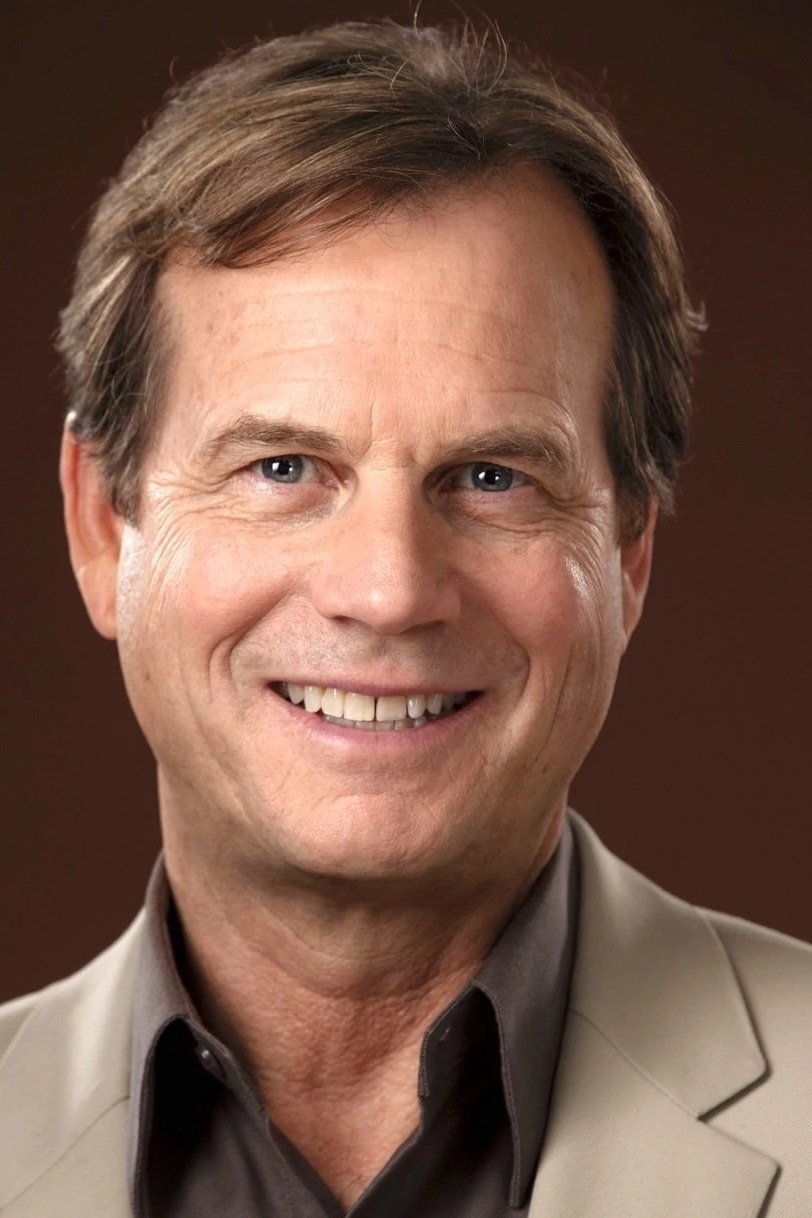
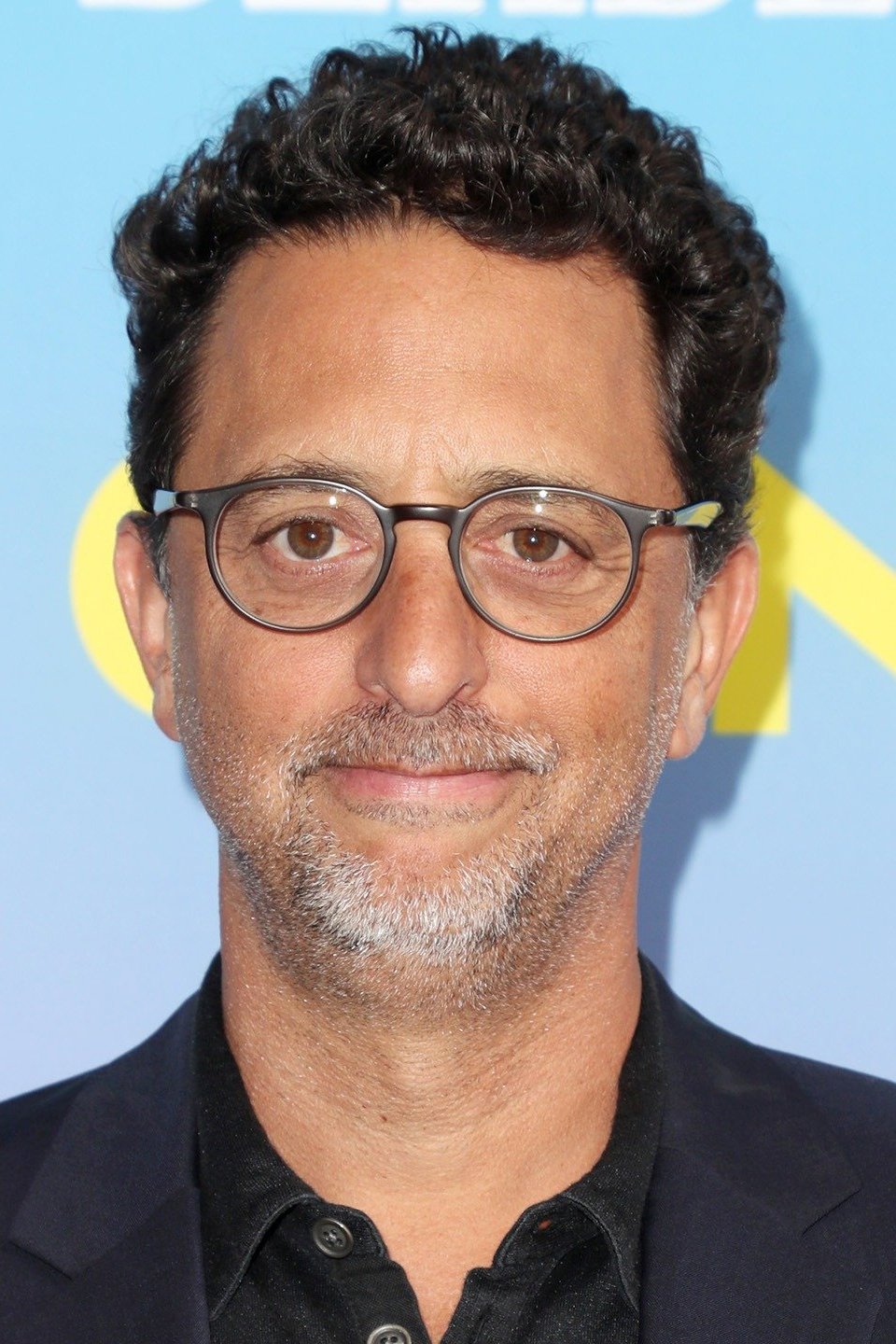
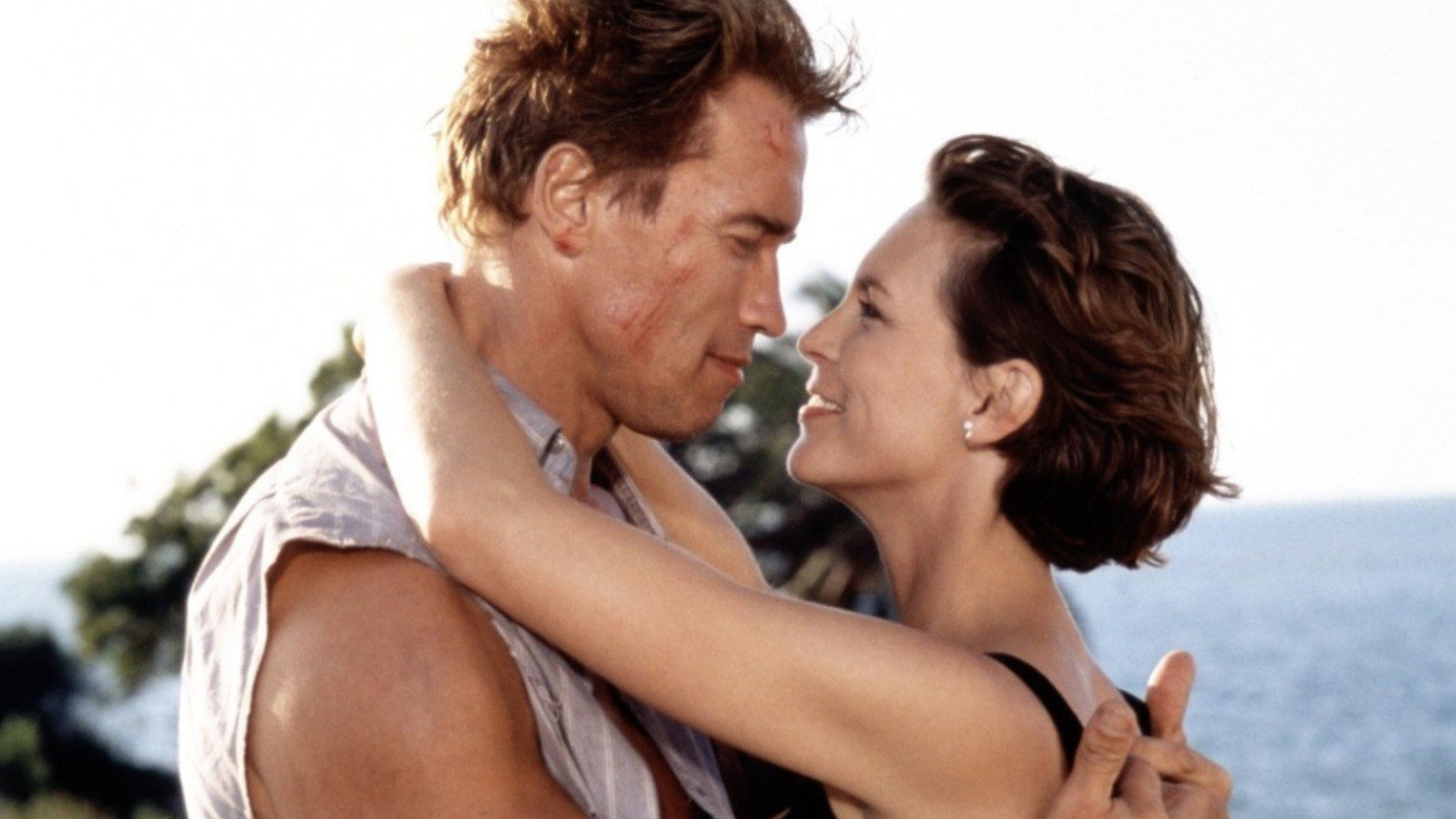
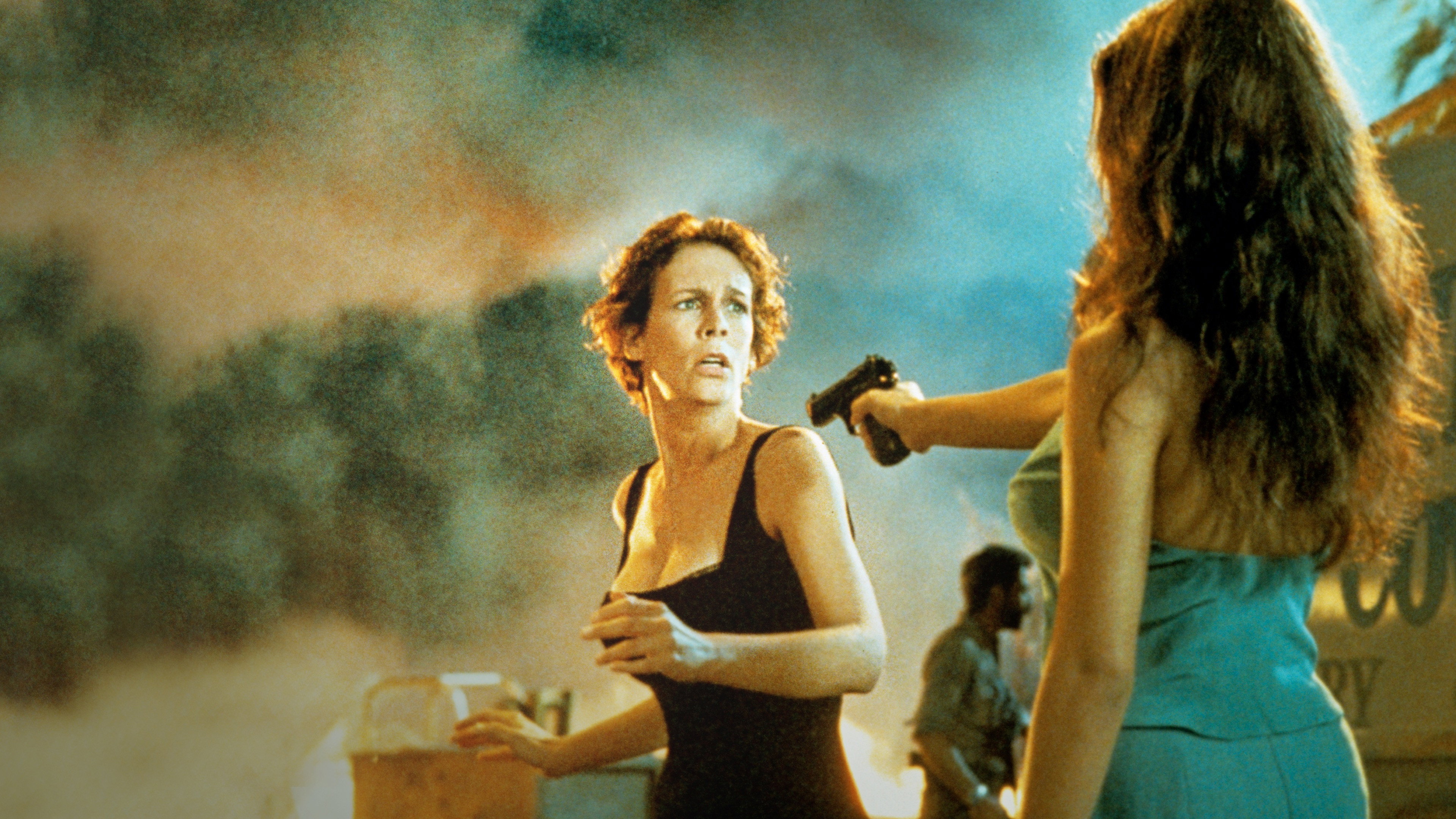
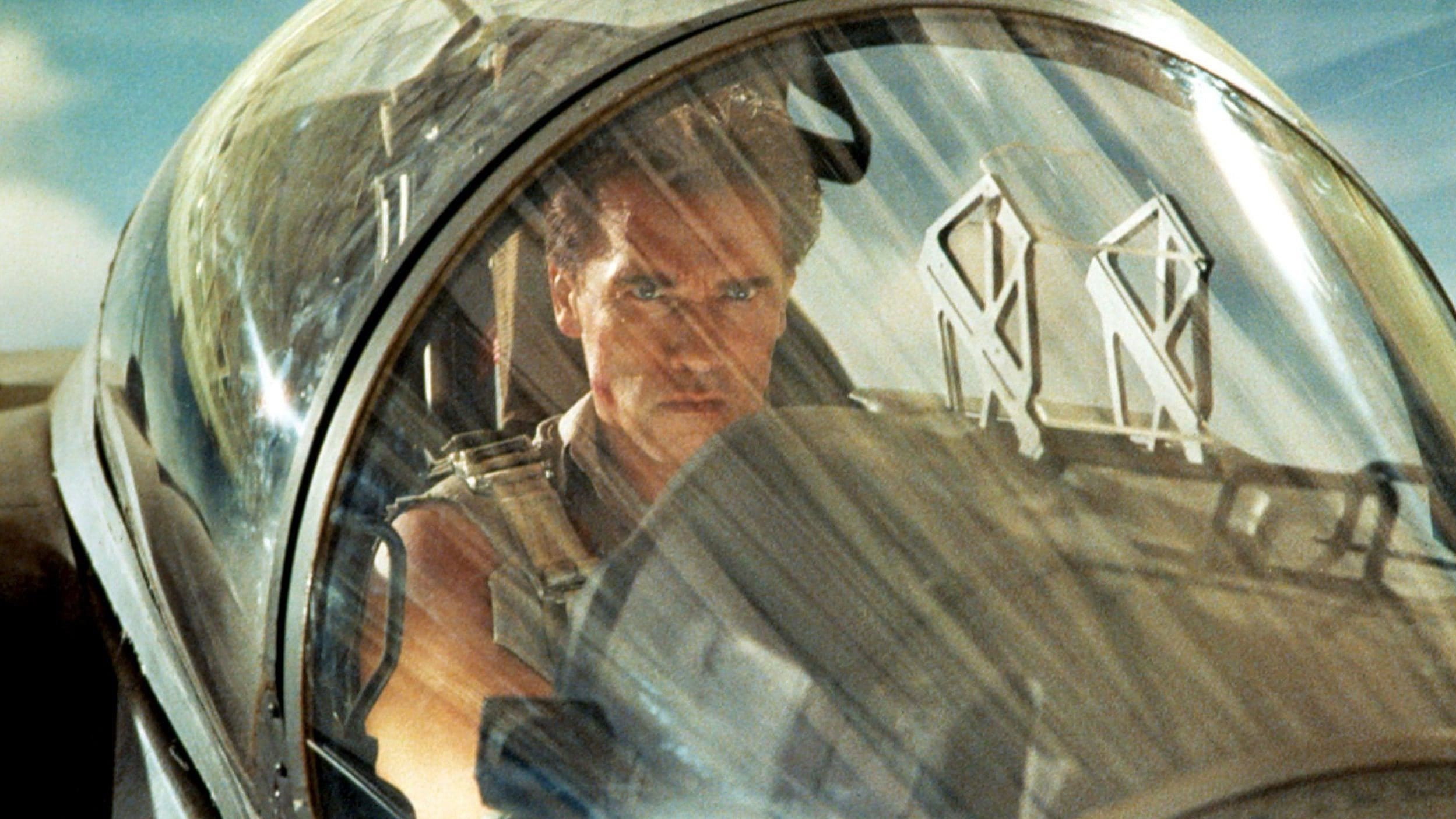
Arnold Schwarzenegger plays Harry and Jamie Lee Curtis plays Helen in True Lies, an action thriller that brings a spy’s home life into the story. A marital crisis draws attention away from the chases and explosions, as domestic comedy becomes part of the danger and deception. Tom Arnold appears as Gib, alongside Bill Paxton as Simon, Tia Carrere as Juno and Art Malik as Aziz. Eliza Dushku plays Dana, while Charlton Heston appears as Spencer Trilby. James Cameron directs and writes the screenplay.

Fi1m review

James Cameron’s spy comedy has inventive action and a comic cast worth staying for. But the long marital detour is frequently cruel, and Jamie Lee Curtis has to work harder than she should to make it funny.

True Lies is worth considering for its action and its comic cast, provided we can tolerate a long, sour detour through marital jealousy. James Cameron directs and writes a spy thriller that keeps making room for domestic farce, with Arnold Schwarzenegger’s Harry at the centre of both. The mixture gives the film opportunities to be ridiculous without pretending otherwise. It also gives Cameron more to manage than his screenplay can comfortably contain, especially across 141 minutes.

Schwarzenegger is useful here because his seriousness can become funny without much visible adjustment. He does not need to signal every joke, and the film benefits whenever he lets someone else provide it. Tom Arnold, playing Gib, has the timing to make the comedy feel less laboured than the elaborate business around him. We laughed at the impatience in his delivery; he sounds as though even this company could waste someone’s afternoon.

Russell Carpenter’s cinematography helps the chases by making their scale readable, rather than merely making everything look busy. We can appreciate the danger and the absurdity without having to stop and work out what the film is showing us. Peter Lamont’s production design helps make the mayhem convincing: the spaces feel substantial even when the action inside them becomes ridiculous. That clarity lets a chase be funny without making the danger cease to matter.

The editing by Richard A. Harris, Mark Goldblatt and Conrad Buff IV is more convincing within individual action sequences than across the film as a whole. The chases have purpose and momentum; the middle section takes too long to get through its marital suspicions. Brad Fiedel’s score adds drive, though we remember little of it once the action stops. There is enough invention in the action to earn patience, but not all the domestic material deserves the time it receives.

Cameron’s screenplay makes the marital dispute harder to enjoy than it needs to be. It repeatedly treats the humiliating treatment of a woman as a comic opportunity, then asks the marriage to matter to us. We became uncomfortable watching Helen made the object of that amusement, because the joke depends so heavily on her being at a disadvantage. The film’s self-mockery does not excuse this, and its breeziness makes the cruelty feel more casual.

Jamie Lee Curtis gives Helen enough comic authority to keep that stretch from becoming intolerable. Her performance has a willingness to look foolish that the writing does not always repay, and she gets laughs without making the character seem empty. That matters in a film whose attitude towards relationships can be so crude. She makes the marriage worth some attention even when the screenplay is doing its best to make us wish the action would resume.

Action-comedy usually needs us to like the people who are having such an unreasonable day. It can accommodate vanity, stupidity and bad behaviour, but Cameron takes too much pleasure in punishment for this to be entirely carefree entertainment. The problem is especially noticeable because the action so often gets the balance of danger and amusement right. Try it for the chases and for Curtis, with fair warning that the marriage takes longer than the jokes deserve.
Critical consensus AI synthesised

60
Positive
5
Mixed
2
Negative
2

Most critics find True Lies an entertaining action-comedy, with praise clustering around James Cameron’s inventive set pieces and the film’s willingness to laugh at its own excesses. Jamie Lee Curtis draws particular approval for making the marital comedy work, while Tom Arnold’s comic support earns praise even from a detractor. The favourable reviews see the exaggerated action and self-aware humour as a successful combination.

The reservations concern the treatment of women, crude stereotypes and a marital-deception subplot that some find unconvincing or mean-spirited. Length and thin plotting also draw criticism, though several reviewers enjoy the spectacle despite these objections. The spread is wide: The Hollywood Reporter finds the domestic comedy touching, while the Los Angeles Times argues that the humiliation of women undermines the entertainment. The Independent offers the sharpest dissent, finding an incoherent jumble of genres and clichés, with Arnold providing its sole source of praise.

Empire
1 January 2000 · Caroline Westbrook
80*

The critic calls it a glorious self-parody and unbeatably good fun that succeeds where other Schwarzenegger efforts failed, thanks to its over-the-top tone and Cameron's action set pieces. She singles out the spectacular final half-hour with helicopters, limos and Harrier jets as a heart-stopping highlight.

Read the full review →
Radio Times
★★★★ · Alan Jones
80

The critic praises the spectacular action sequences, strong comedy from Tom Arnold and Jamie Lee Curtis's transformation into a confident hero. Despite noting the film's implausibility and sexist elements, it is called unbeatable entertainment on an excitement level.

Read the full review →
RogerEbert.com
15 July 1994 · ★★★/4 · Roger Ebert
75

Praises the inventive and audacious action sequences and Cameron's mastery of the form but criticizes the overly long runtime, the unconvincing adultery subplot, and the perfunctory plot.

Read the full review →
The AV Club
15 July 2024 · Tomris Laffly
70*

The critic praises the film as a rare, fun, and technically impressive standalone action-comedy that holds up for its set pieces and lightness. It notes the film's controversial elements around gender and stereotypes but defends its entertainment value and Curtis's performance.

Read the full review →
Time Out
26 September 2014 · GA
60*

Half the film delivers fast, crude hi-tech action with explosions and cartoon violence to satisfy baser instincts. The middle marital crisis section is amusing thanks to Curtis's performance despite its offensive take on relationships, while the finale offers neck-breaking violence.

Read the full review →
Los Angeles Times
14 July 1994 · Kenneth Turan
50*

Highlights Cameron's imaginative action set pieces and the film's self-kidding elements but argues that crudeness, mean-spiritedness, and especially the humiliating treatment of women undercut the entertainment value.

Read the full review →

Cast

Stills

Awards

Academy Awards, 1995

Nominated
Best Visual Effects

BAFTA Film Awards, 1995

Nominated
Best Special Visual Effects

Japan Academy Prize for Outstanding Foreign Language Film, 1995

Nominated
Japan Academy Prize for Outstanding Foreign Language Film

MTV Movie Award for Best Action Sequence, 1995

Nominated
MTV Movie Award for Best Action Sequence

MTV Movie Award for Best Comedic Performance, 1995

Nominated
MTV Movie Award for Best Comedic Performance

MTV Movie Award for Best Dance Sequence, 1995

Nominated
MTV Movie Award for Best Dance Sequence

MTV Movie Award for Best Female Performance, 1995

Nominated
MTV Movie Award for Best Female Performance

MTV Movie Award for Best Kiss, 1995

Nominated
MTV Movie Award for Best Kiss

SAG Awards, 1995

Nominated
Outstanding Performance by a Female Actor in a Supporting Role

Saturn Awards, 1995

Won
Best Director

Golden Globes, 1994

Won
Best Actress in a Motion Picture – Musical or Comedy

If you liked this, try…

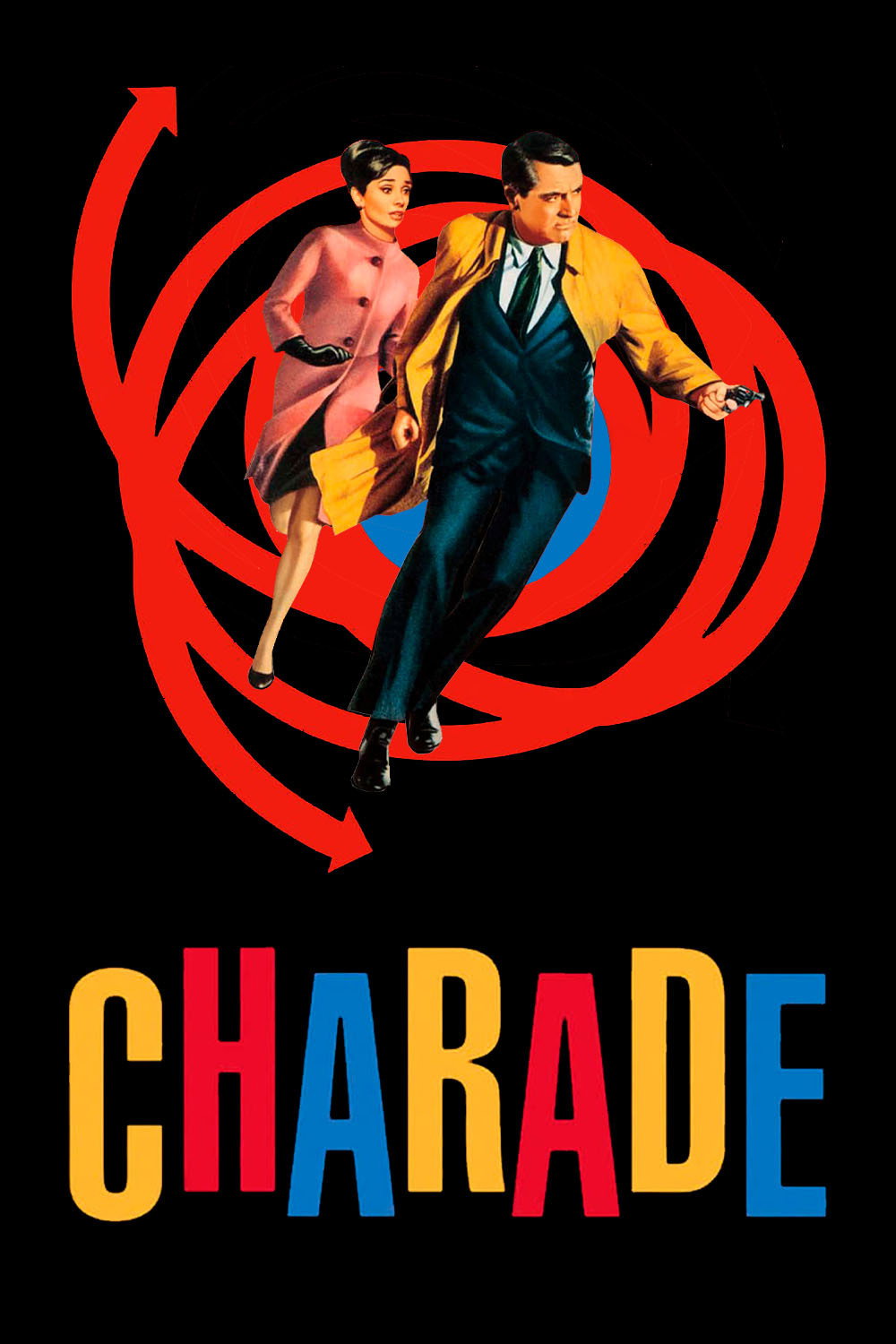
Charade poster

Charade

1963 · For romantic mistrust, comic timing and rather less enthusiasm for humiliating the heroine

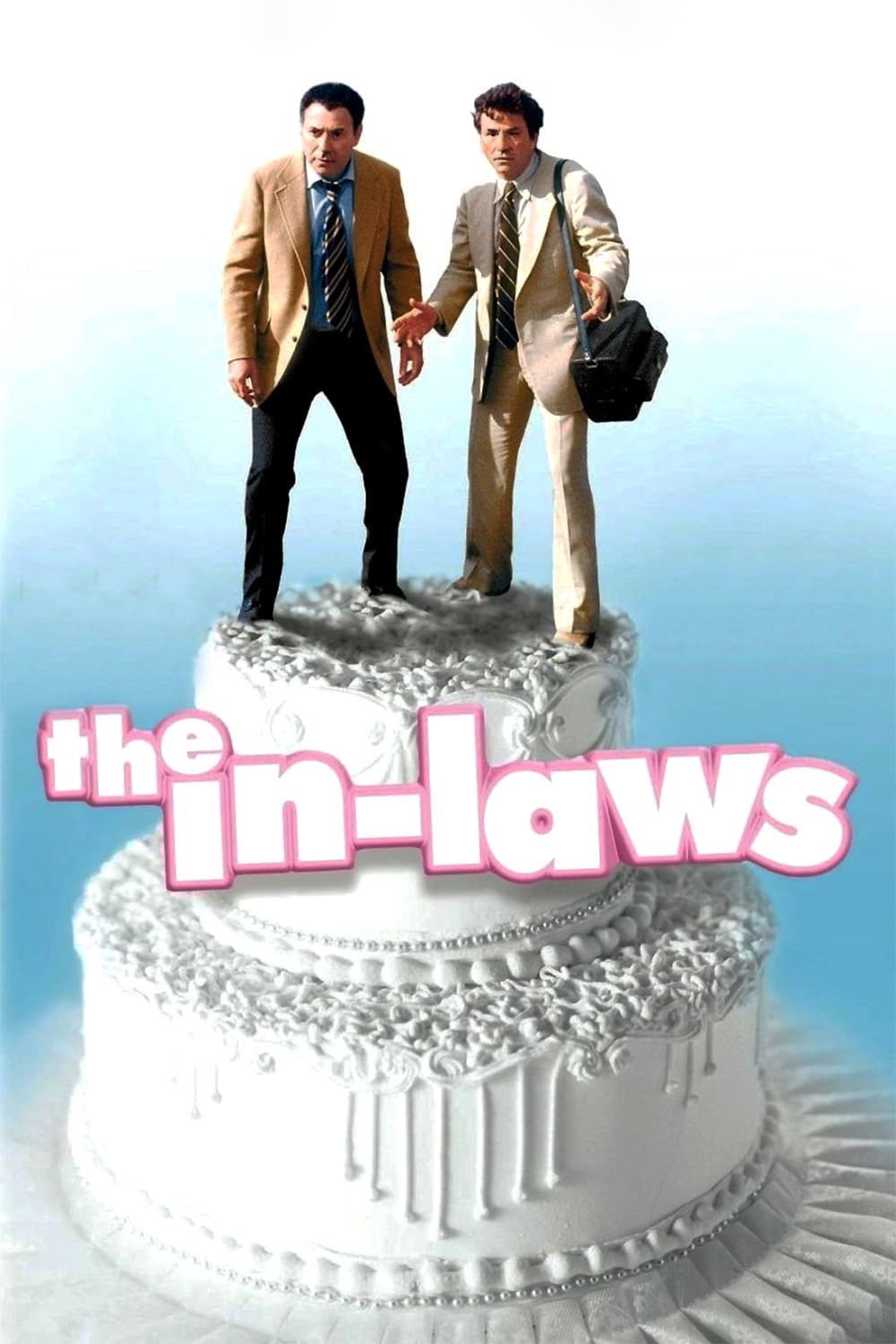
The In-Laws poster

The In-Laws

1979 · Another collision of domestic anxiety and espionage, with the absurdity more evenly distributed

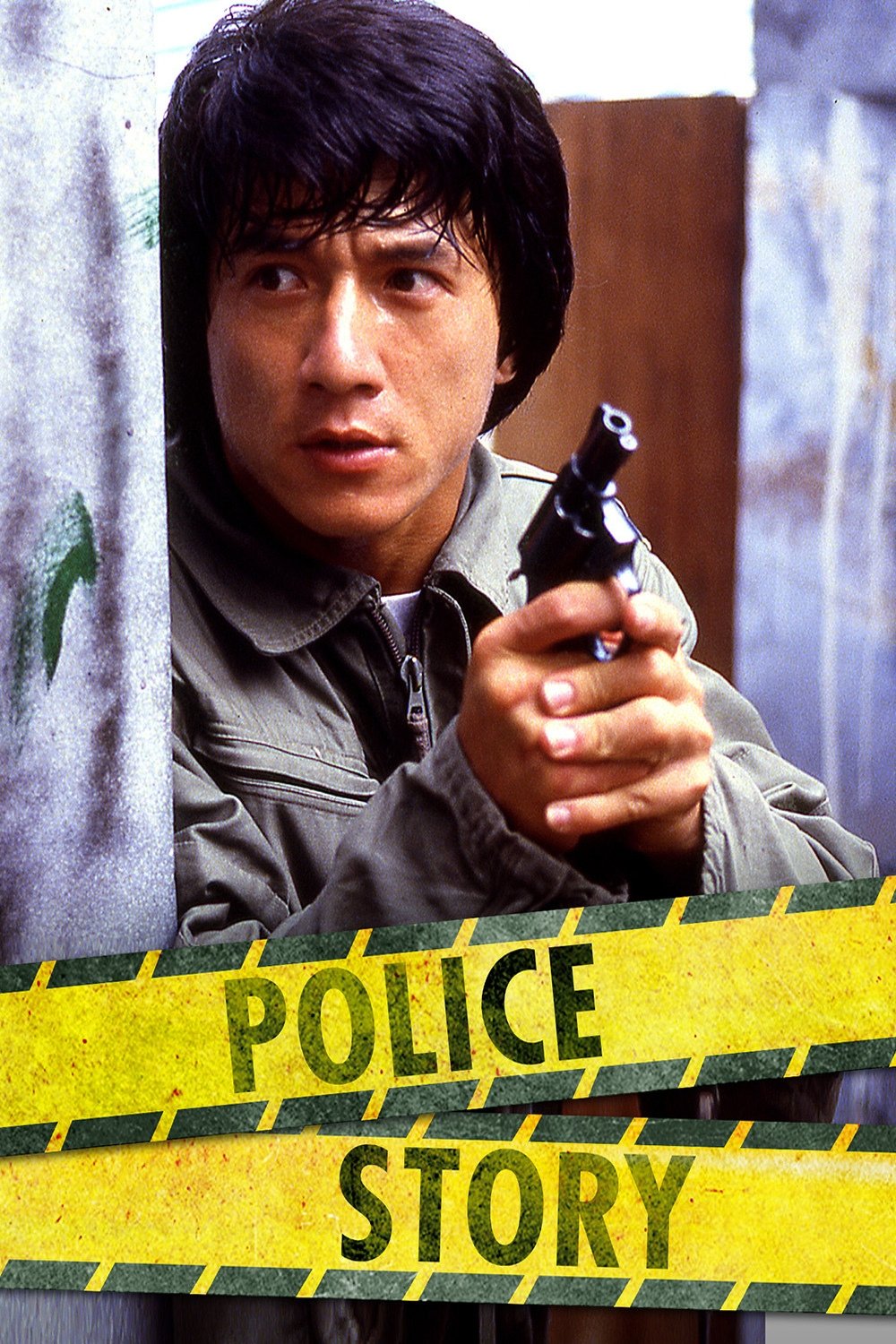
Police Story poster

Police Story

1985 · For action built around physical ingenuity and comedy that shares the same risks

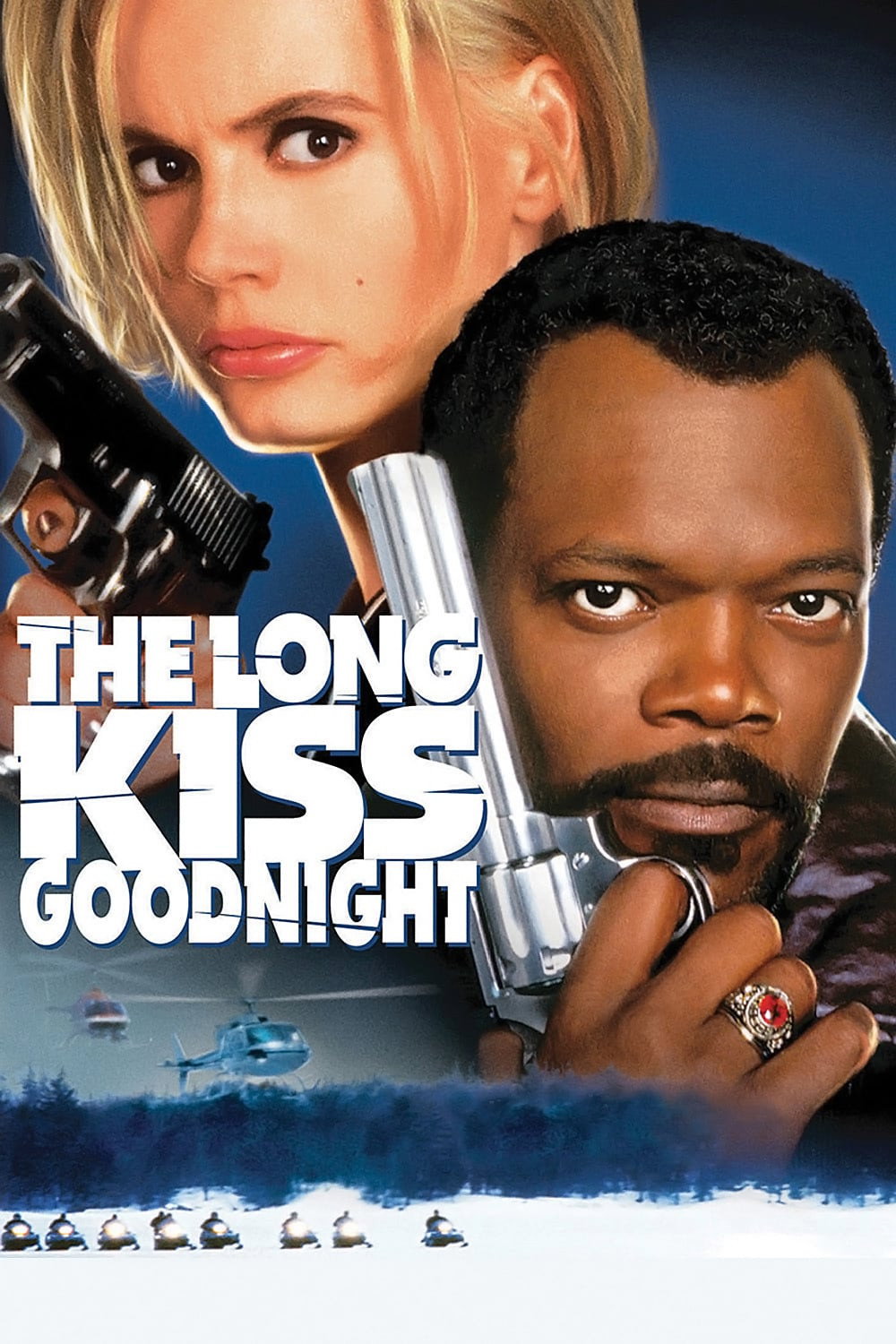
The Long Kiss Goodnight poster

The Long Kiss Goodnight

1996 · For forceful action and a heroine allowed to supply plenty of the jokes

The Tall Blond Man with One Black Shoe poster

The Tall Blond Man with One Black Shoe

1972 · A gentler espionage farce, where mistaken identity makes professional spies look pleasingly foolish