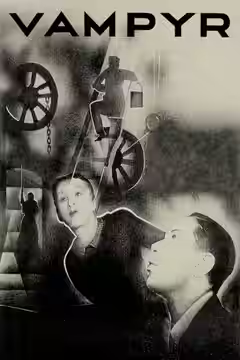
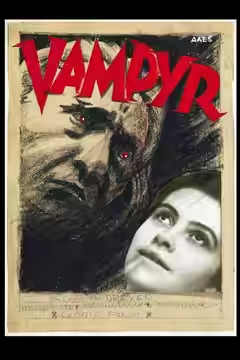
Carl Theodor Dreyer’s Vampyr makes human faces frightening through close scrutiny and disorienting cutting. Its hazy storytelling asks for patience, but we recommend it for the sustained discomfort of looking closely and still feeling lost.
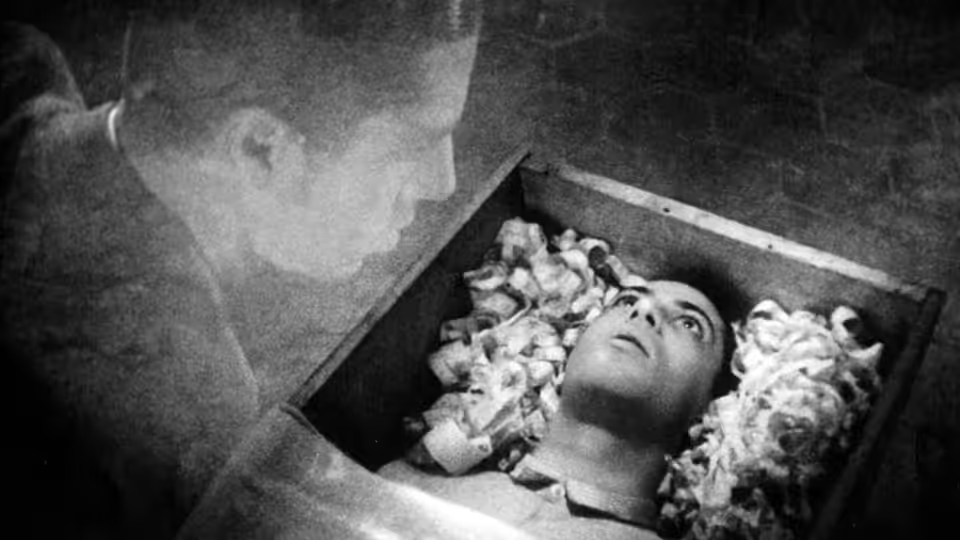
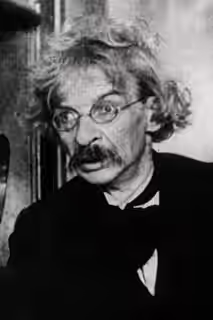
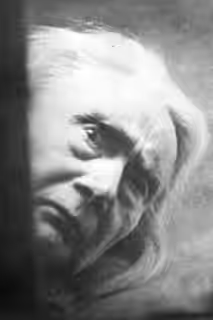
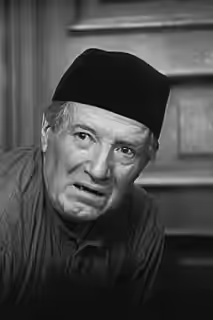
Carl Theodor Dreyer’s Vampyr is worth seeing for how thoroughly it makes looking at people an uncomfortable business. The story can be difficult to follow, and there are stretches when that difficulty feels unnecessary. Yet Dreyer sustains a particular kind of fear: the suspicion that a face we can see quite clearly may still conceal something we cannot recognise. He allows us time to examine it. That patience accounts for much of the film’s power.
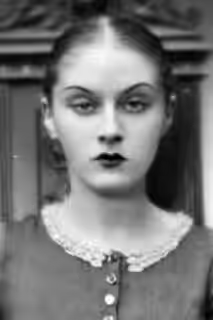
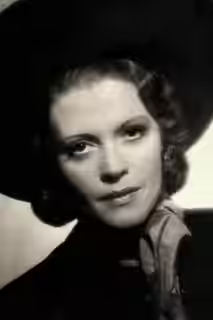
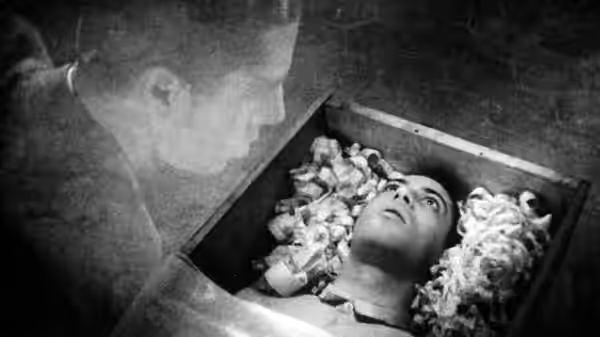
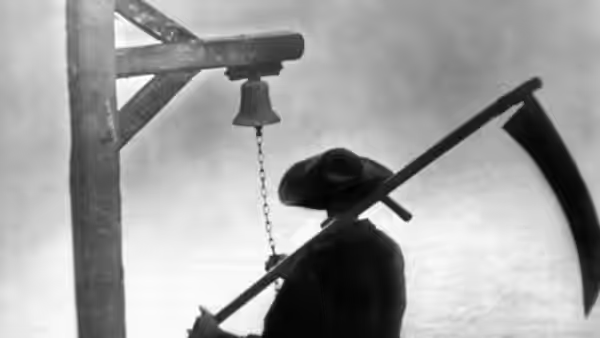
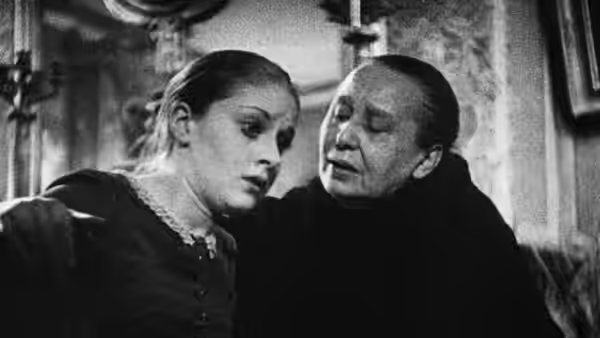
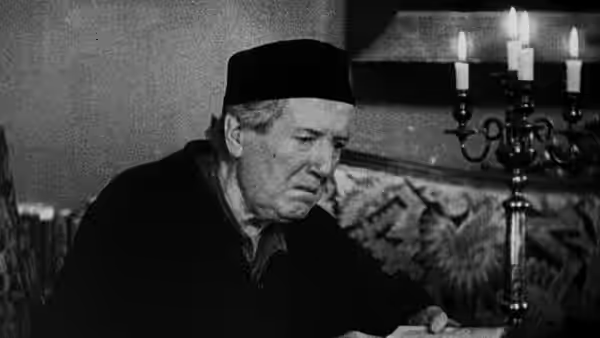
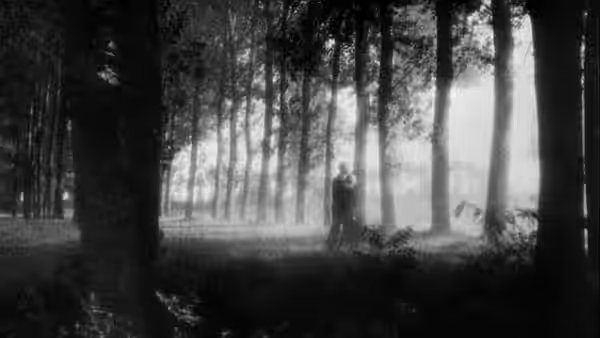
Louis Née and Rudolph Maté’s cinematography gives the images their pale, uncertain look. We can make out the people, but the space around them offers little reassurance, and the softness keeps us searching the frame for something more definite. Dreyer’s staging lets that search become uncomfortable without hurrying us towards the next shock. We were frightened by the faces, particularly Sybille Schmitz’s Léone, whose expressions grow harder to read the longer we look. Nothing elaborate needs to happen for watching her to feel unpleasant.
Tonka Taldy’s editing makes that discomfort harder to escape. The disorientation comes from being denied the easy sense that one image will explain the one before it; another cut can leave us needing to look harder. We share something of Allan Grey’s helplessness because we cannot get comfortably ahead of him. It is a demanding way to organise a horror film, but it gives the confusion a practical cause in the cutting rather than merely asking the performers to look bewildered.
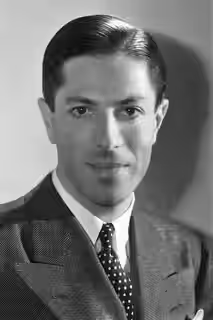
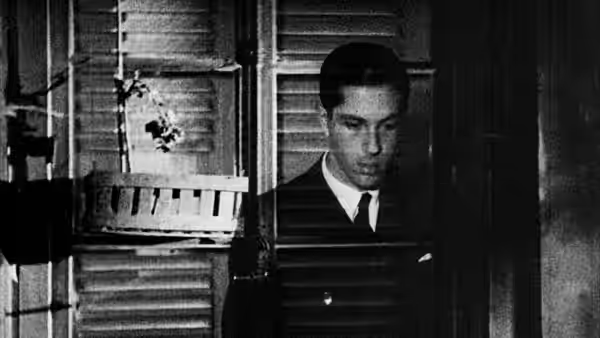
Nicolas de Gunzburg plays Allan Grey without the assurance that might make him a reassuring guide. There is a stiffness to his presence, though it suits a figure who appears to have little control over what surrounds him. Sybille Schmitz, as Léone, holds our attention more readily, and Dreyer makes good use of how difficult she is to read. The performances can seem awkward if we expect ordinary conversational ease. Given time to watch them, however, we find that their oddness helps make these people frightening.
The screenplay by Carl Theodor Dreyer and Christen Jul is where our patience is most tested. Its people do not always acquire enough individual interest to make their predicament matter beyond the immediate fear. Some connections are so uncertain that trying to follow them takes us out of the horror for a while. Those passages remain a limitation, even in a film that has chosen to work like a dream, and there are moments when a little clarity would help.
Wolfgang Zeller’s music helps sustain our attention through those passages, keeping the unease present when the story becomes elusive. It works particularly well alongside the strange performances, encouraging us to stay with people who offer little reassurance. A horror film can use vagueness as an excuse for not having worked out its story. Dreyer’s care with faces, light and cutting gives us enough reason to accept the uncertainty here, though we occasionally wish he would make following Allan a little easier.
At 74 minutes, Vampyr asks for a relatively short evening and a considerable willingness to be puzzled. We would choose it when being unsettled matters more than solving a mystery. Give the faces the attention Dreyer gives them. If a horror film has to explain itself before bedtime, choose something else.