Anne Hathaway finds some fun in this hesitant erotic thriller, and the Crawford house has presence. But the forced romance and increasingly implausible plotting leave a good cast with too little to make us care.
Michael Showalter’s Verity is a poor thriller that finds a promisingly unpleasant situation and then struggles to make it matter. Nick Antosca adapts Colleen Hoover’s novel with an appetite for complications, but too little interest in making the people behind them convincing. The film wants the pleasures of erotic suspense: attraction, suspicion and the possibility that desire has made somebody careless. It supplies plenty of reasons to doubt what is happening, without making the uncertainty particularly exciting.
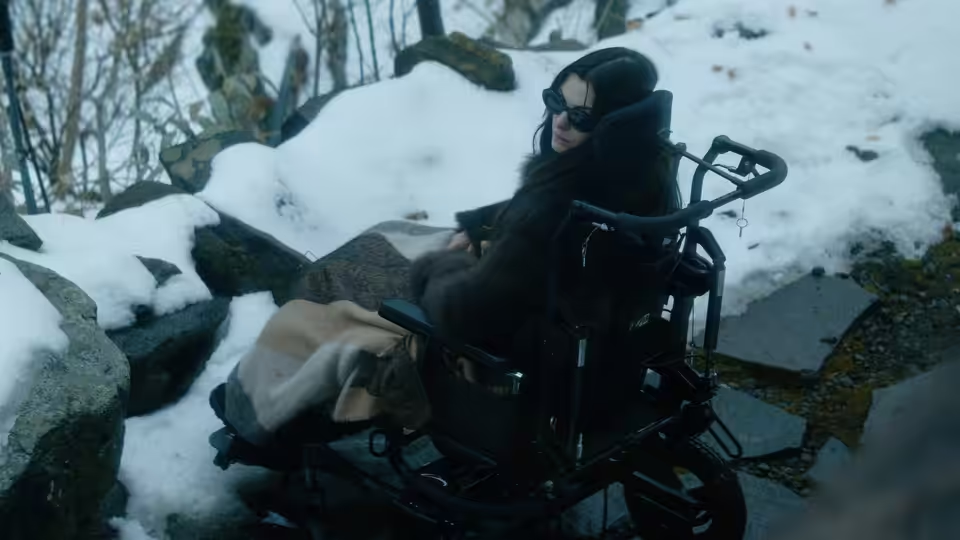
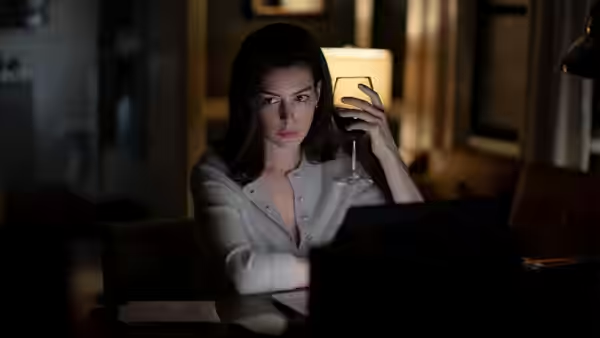
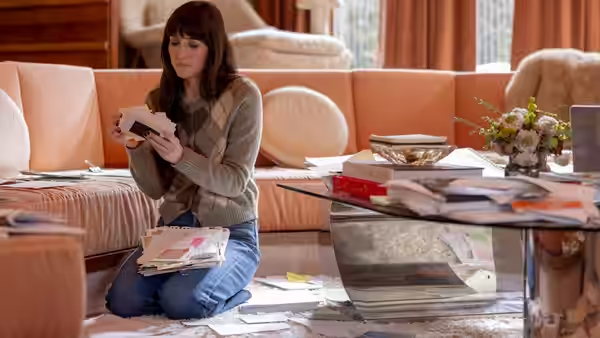
The Crawford house is a good place to start, and Amy Williams’s production design gives it an imposing presence. The interiors invite inspection, while Jim Frohna’s carefully composed images make the setting feel faintly hostile. There is enough visual control here to suggest that somebody has thought about how a room can make its occupants uneasy. Yet the polished finish becomes sterile, and the actors have to work hard to make these interiors feel inhabited.
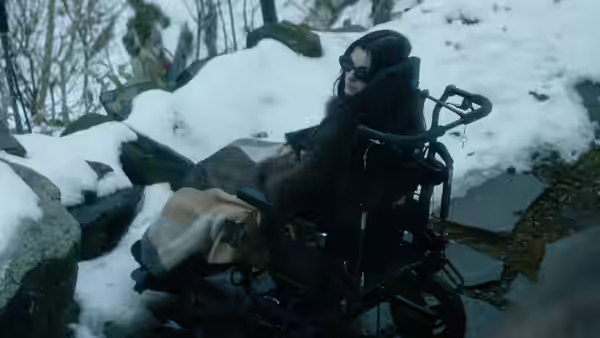
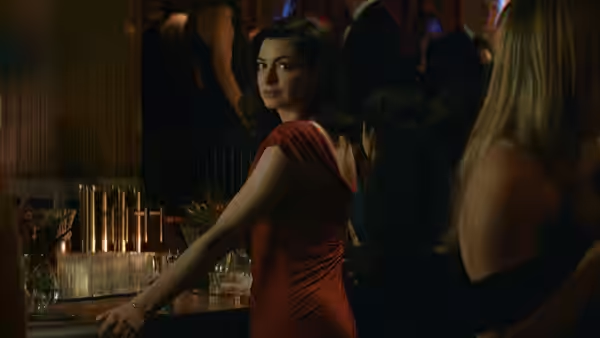
Anne Hathaway supplies the most life. We laughed at the archness she brings to the memoir sequences, where the exaggeration feels deliberate and her timing makes it enjoyable. Her Verity Crawford is the clearest sign that this material might have worked if the film had allowed itself more theatrical excess. She gives us something to watch beyond the mechanics of a mystery, although her energy also makes the quieter passages around her feel more sluggish.
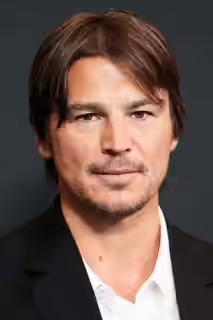
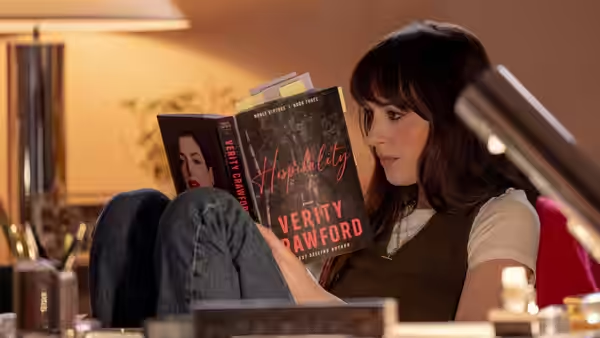
Dakota Johnson’s Lowen Ashleigh is a less reliable source of pleasure. The restraint in the performance sometimes looks like careful observation, and there is a useful uncertainty about what she makes of the people around her. Too often, though, that restraint becomes disengagement, leaving us to do the work of finding an emotional response. Josh Hartnett brings some warmth to Jeremy Crawford, but the romance never becomes persuasive enough to make the thriller’s hesitations feel charged with risk.
Jay Cassidy’s editing does not solve the problem of a plot that keeps adding complications without gathering much speed. Individual developments ask for renewed attention, but the movement between them feels laboured rather than urgent. The later revelations, whose details we will leave alone, make the story harder to believe without making the characters more interesting. At 117 minutes, the film has ample room to establish motives; instead, too much of its momentum depends on our willingness to accept another improbable turn.
Hauschka provides the music, but the suspense needs firmer support from the writing than any score can give it. An erotic thriller asks us to believe that these particular people might do something foolish because they want one another. Here, the forced romance and uncertain tone keep getting in the way. Michael Showalter appears reluctant to let the film become as excessive as its story, and the caution leaves the attraction too muted and the danger too remote.
The house, the composed images and Anne Hathaway’s performance prevent this from being entirely unrewarding. They do not make the mystery convincing, or give its shifts in tone much purpose. There is an audience for this sort of polished, disreputable entertainment, and it deserves a film less hesitant about providing the entertainment. Unless Anne Hathaway indulging her theatrical side is enough for an evening, we would choose another thriller.