John Badham’s computer thriller is tense, funny and unusually good at making technical problems matter. Matthew Broderick keeps the danger believable, though the chases and some thinly written adults make it less sharp than it could be.
John Badham’s WarGames is a tense, funny thriller that makes a computer game feel capable of doing real harm. We recommend it, with some patience for the chases and the thinner adult characters. Its teenage hacker, David Lightman, gets into a defence computer and comes close to causing nuclear war. Walter F. Parkes and Lawrence Lasker’s screenplay makes his curiosity plausible even when his behaviour is reckless. He wants to find out what the machine will let him do.
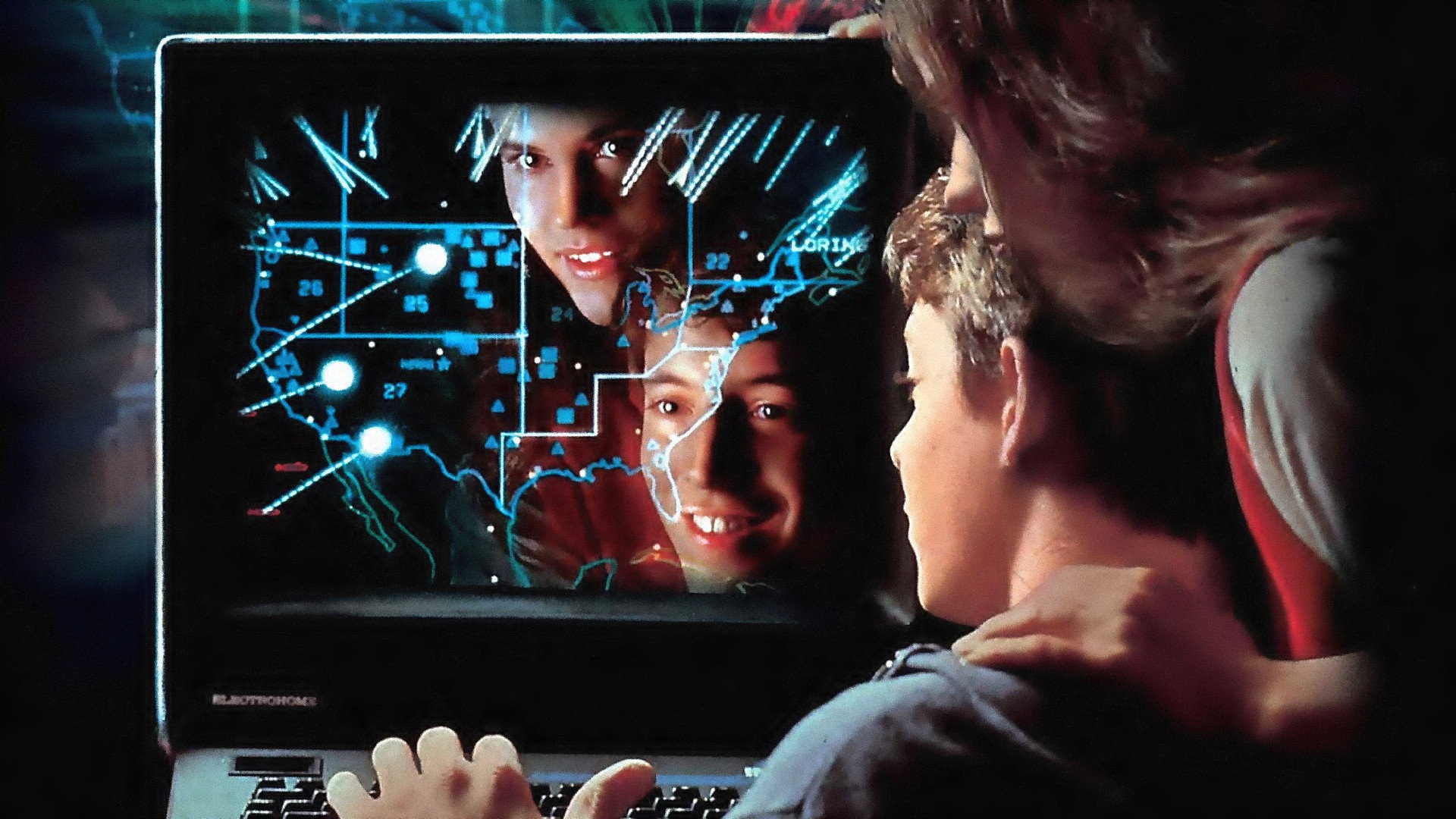
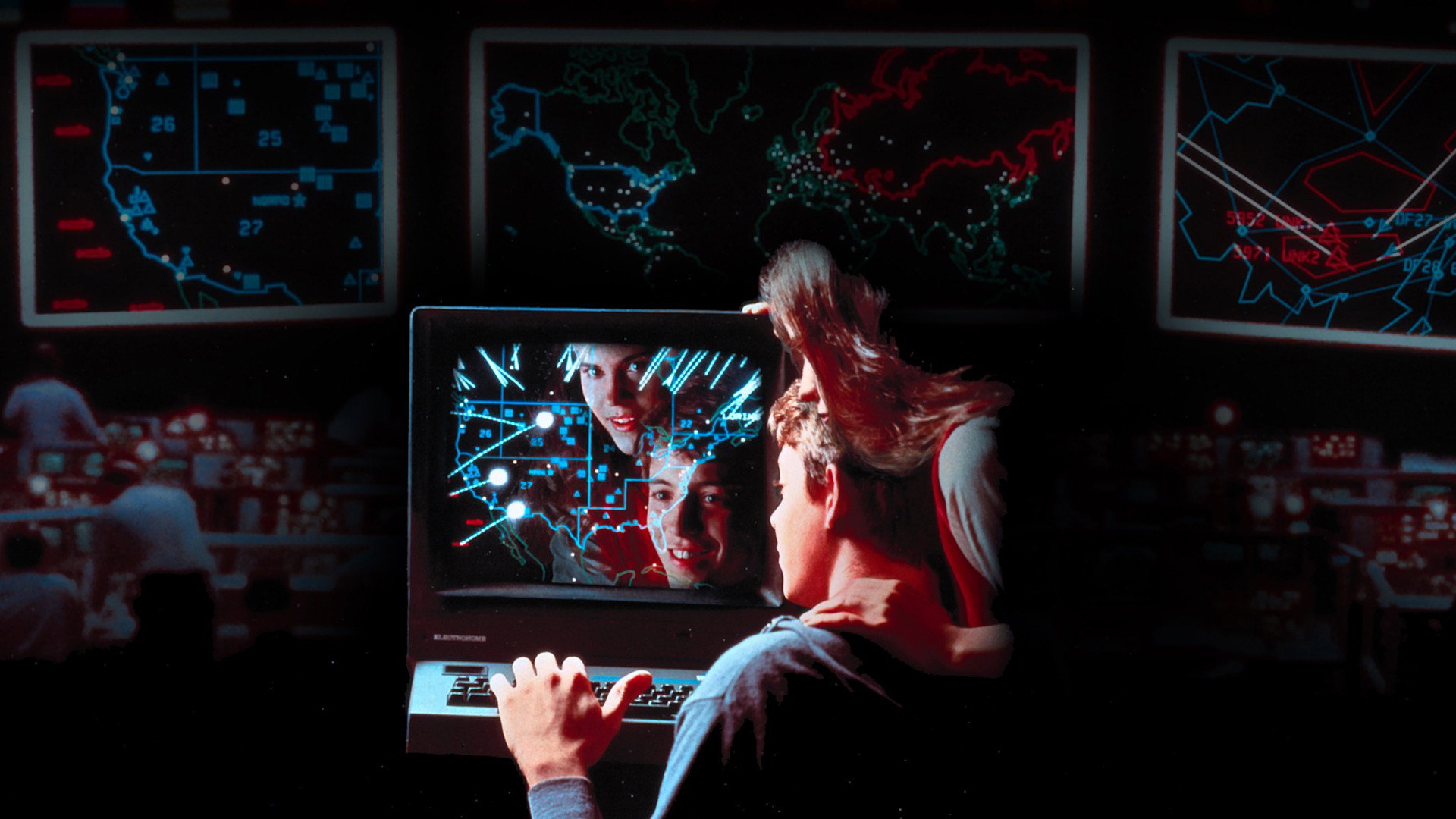
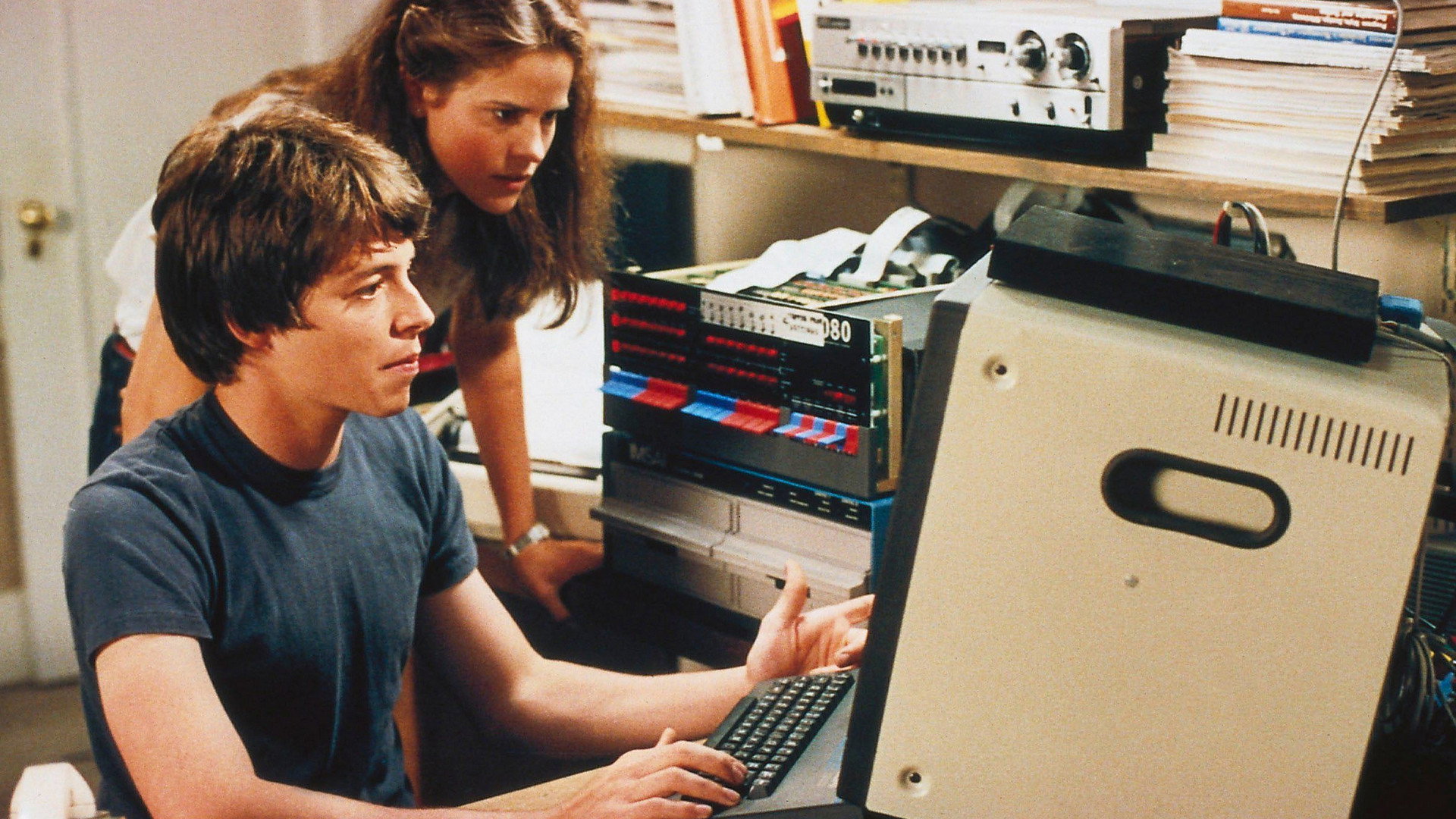
Matthew Broderick makes David’s cleverness attractive without making his judgement seem equally sound. His hacking of the school computer establishes the pleasure he takes in getting past restrictions, and Broderick keeps that pleasure recognisably childish. We believe he would carry on when a more cautious person might stop, which saves the thriller from needing to make him suddenly foolish. Ally Sheedy’s Jennifer is good company for him, and their ease together makes the teenage scenes worth watching even before the danger arrives.
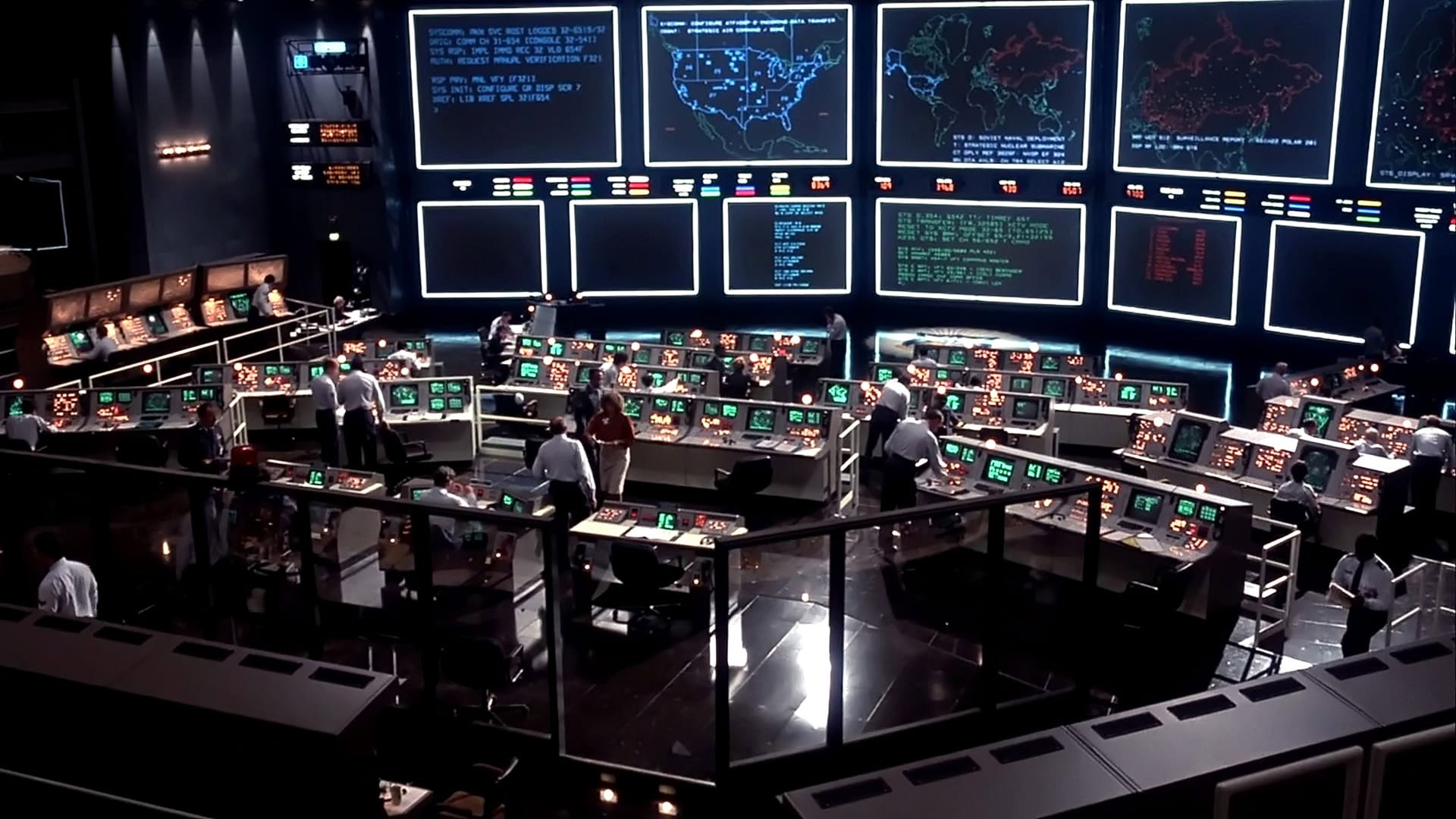
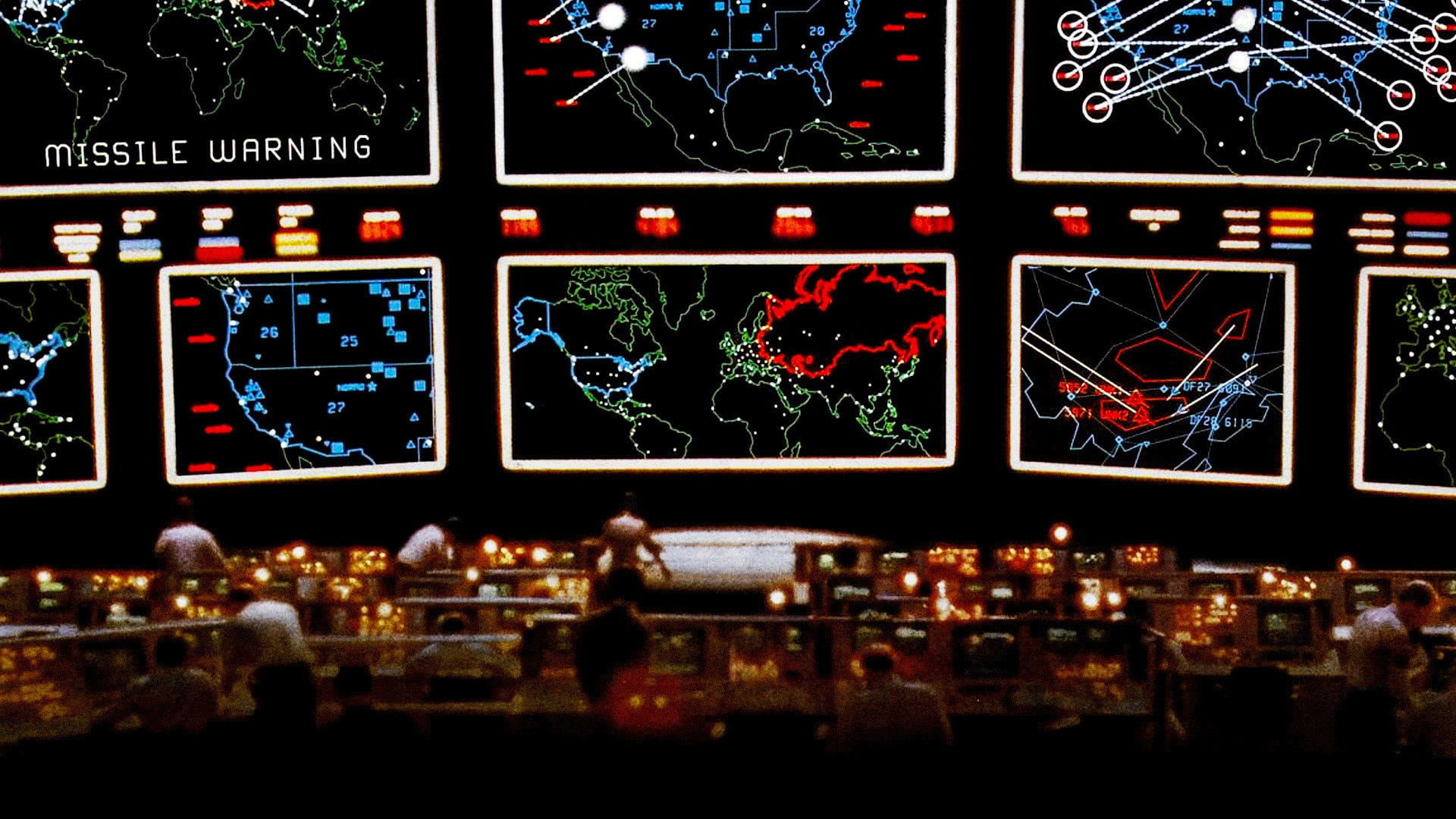
William A. Fraker’s cinematography is especially useful for its clarity: the computer business holds our attention without making the people seem incidental. Angelo P. Graham’s production design gives the equipment a reassuring authority, which helps us believe that adults would place so much trust in it. The technical detail is convincing enough to stop us looking for loopholes in the premise. Badham keeps the exchanges with the machines understandable, so the threat never requires specialist knowledge.
The early list of games gave us a chill. A choice on a screen is such a small action to carry the possibility of nuclear war, and Badham lets that mismatch do the frightening work. Tom Rolf’s editing gives David’s attempts to reason with the computer enough time to be interesting, while keeping the consequences in mind. Arthur B. Rubinstein’s music supplies urgency without making David’s curiosity feel absurdly solemn. There is room for a joke, and enough control for the danger to survive it.
Dabney Coleman’s McKittrick and Barry Corbin’s General Beringer are enjoyable company, but the adults are less persuasive than the teenagers. Parkes and Lasker make their resistance to David too easy to dismiss. That makes David’s efforts to reason with them entertaining, though it also lets the screenplay make its case rather easily. The actors do what they can with parts that ask for a quick, firm response when a little uncertainty might have made them more interesting.
As a Cold War thriller, WarGames is strongest when the danger grows out of an apparently harmless encounter with technology. The later chase sequences are efficiently handled, but they are also where it becomes less distinctive. Badham gets more suspense from the computer game than from these stretches of physical pursuit, and the change feels like a concession to anyone getting restless. At 114 minutes, the film has room for them, though we would have preferred more of the uneasy computer conversations.
The PG certificate should not be mistaken for an absence of anything frightening. A child need not understand the computer jargon to grasp what it means for a game to threaten real people, and the film makes that connection plainly. Watch it with a teenager who believes the adults are hopeless with technology. We would not count on winning the discussion afterwards.