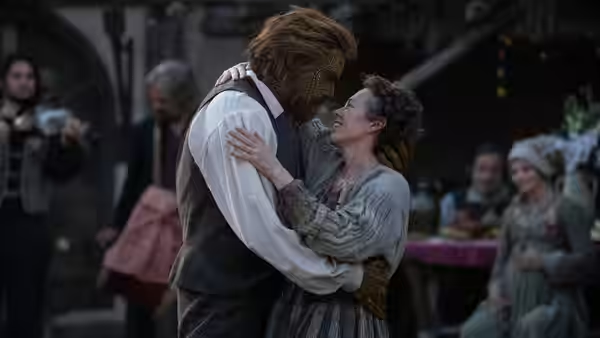
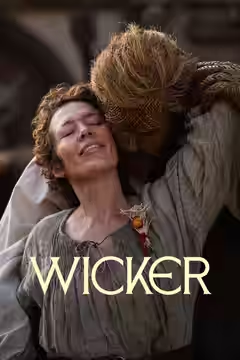
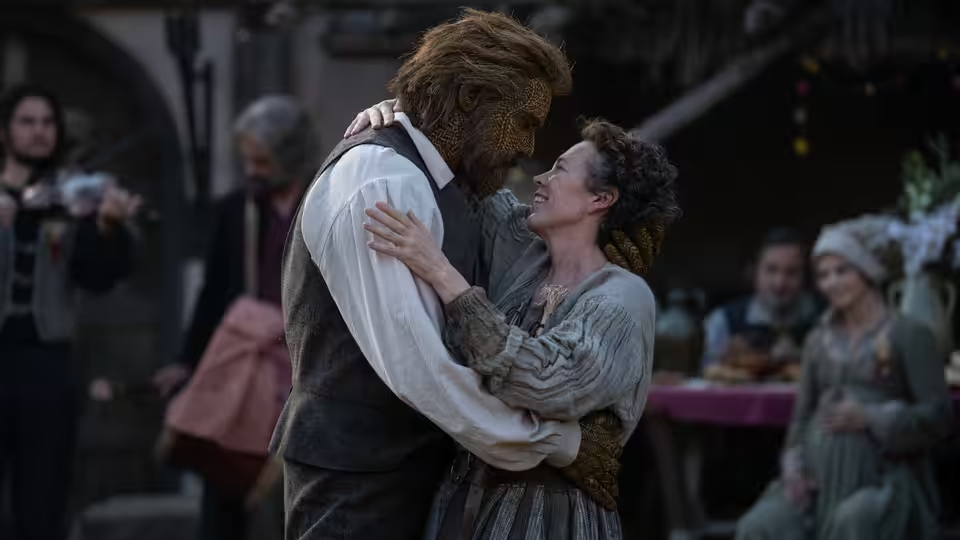
Fisherwoman (Olivia Colman) embraced by Wicker Husband (Alexander Skarsgård) in village square
Film review

Wicker

2026 · Directed by Eleanor Wilson, Alex Huston Fischer · 1h 45m

In a sentenceA man made of baskets turns out to be the only one in the village worth marrying

A fisherwoman (Olivia Colman) lives alone by the water, at the edge of a village that decided long ago she was not worth marrying. The tailor (Nabhaan Rizwan) and his wife (Elizabeth Debicki) have the marriage everyone envies; the baker (Ben Ashenden) and the bakerwoman (Ella Bruccoleri) sell her bread and talk about her the moment she has gone; the doctor (Richard E. Grant) treats her like a case. She goes to the basket weaver (Peter Dinklage), who works alongside his sister (Marli Siu), and asks him for something nobody has asked him for before: a husband, woven out of wicker. He makes one. The husband (Alexander Skarsgård) stands up, tells her he was made to be with her, and walks into the village to say hello, and the village has no idea what to do with a man who is simply kind.

Plays from YouTube when you press play; nothing loads from them until then.

Fi1m review

Eleanor Wilson and Alex Huston Fischer’s fable about a lonely fisherwoman and the husband woven for her out of wicker is rude, tender and better built than its premise suggests. It overstays its ending, but Colman and Skarsgård make the marriage believable.

Eleanor Wilson and Alex Huston Fischer, writing and directing together, have made a fairy tale for adults about a lonely woman who has a husband made for her out of wicker, and about what a village does when she turns out to have the happiest marriage in it. Wicker is filthy in places, soft-hearted in others, and for most of its 105 minutes it knows which it is being and why. We liked it more than most critics, whose reviews split between delight and irritation; the delighted ones have the better case.

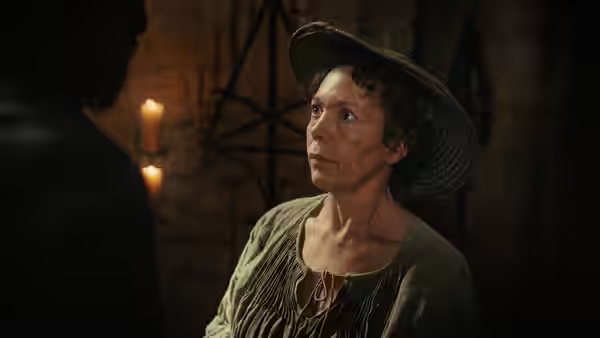
Colman plays the fisherwoman as someone who stopped expecting things long ago and made her peace with it. She does not play lonely; she plays busy, mending and gutting and rowing, and lets us see the loneliness in how she receives kindness, warily, as if it might be a trick. When the husband first speaks to her she looks round to see who he means. There is almost no self-pity in the performance, and that is why the film can be as sentimental as it is without going soft.

Skarsgård plays the husband inside a practical wicker body, and what he does with it is the film. He moves like a man just told how joints work, a half-beat late on every gesture, and he creaks when he sits. His one setting is kindness, and it never gets dull, because he plays it as curiosity rather than virtue: he wants to know what bread is for, why the tailor’s wife is unhappy, what his own face looks like. He says he was made to be with her flat, without pleading, as a statement of manufacture. It is funnier and sadder that way.

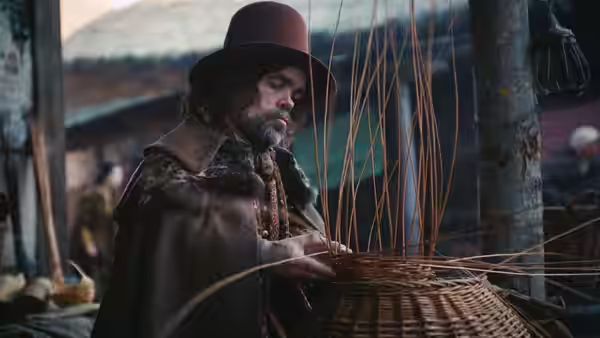
The village is where the comedy lives. Dinklage’s basket weaver is dry, proud of his work and slightly appalled by what he has done with it, and he steals his scenes without trying. Debicki plays the tailor’s wife as the woman everybody envies, in a marriage to Rizwan’s tailor that looks better from outside than in, and the film is sharp about how envy moves through a small place: through the bakery, through the surgery of Grant’s doctor, who has an explanation for everything and understands nothing. Marli Siu, as the weaver’s sister, is the one person who sees the fisherwoman clearly.

Lol Crawley shoots it in grey daylight and candle, with low skies and water the colour of slate, so the wicker is the warmest thing in the frame. Renátó Cseh’s village is close-packed and damp, all stone and rope and hung fish, and the costumes by András Dániel Tóth and Attila Godena-Juhász put the villagers in heavy wool and the fisherwoman in the same oilskin throughout, which tells us her income. Anna Meredith’s score is the surprise: brass and stamping rhythm, closer to a village band than a romance, and it stops the film sounding like it is asking for sympathy. Sofi Marshall cuts the first hour tight, and the jokes land on the cut.

There is a scene involving a bed that does not survive the wedding night. We laughed, loudly, and then felt slightly ashamed of ourselves, because the camera stays on Colman across the wreckage and her face is not a joke at all; it is a woman who has just discovered she is allowed this. That is the film in one scene: a rude gag with a tender thing underneath, and the tender thing is the point.

The second half takes a turn we will not describe. It is handled with less confidence than the first half, the tone lurches twice where it had been steady, and the ending goes on past the moment it should have stopped. The moral is spelled out after it has been shown. None of this undoes what came before, but it is why the score is not higher.

Fables about the outsider who is better than the town usually fail because the town is a cartoon. Here the villagers have reasons, which is harder and rarer. See it with an audience, where the filth gets laughs and the quiet gets quiet. It carries a 15, and earns it.

Critical consensus AI synthesised

66
Positive
6
Mixed
1
Negative
2

Most critics like Wicker, and the praise gathers almost entirely around its two leads. Olivia Colman’s fisherwoman and Alexander Skarsgård’s wicker husband are described as weird, warm and oddly believable, with Skarsgård’s work inside the costume singled out again and again. The practical effects and the expressive design of the husband draw repeated admiration, and several reviews find the central romance touching beneath the bawdy humour.

The reservations are about shape and purpose. Several critics call the fable overstuffed or underdeveloped, with an ending that runs long and a second-act moral turn that fails to convince. The spread is wide, with two reviews firmly negative. The Guardian finds the romance too thin to earn any emotional investment, despite Colman’s commitment, and The Wrap calls the whole thing wearisome, stiff and predictable, reserving its praise for Peter Dinklage. Even admirers concede the premise never quite finds a larger point.

Screen Daily
25 January 2026 · festival review · Amber Wilkinson
85*

Wilkinson finds the film a charming, intelligent crowdpleaser with a strong central love story. She particularly praises the practical effects and expressive design of the Wicker Husband.

Read the full review →
The Hollywood Reporter
25 January 2026 · festival review · Richard Lawson
78*

Lawson finds the film a warming, sometimes poignant pleasure, though its ending runs a little long. He particularly praises its lively social survey and peppery wit, as well as Olivia Colman and Alexander Skarsgård’s performances.

Read the full review →
IndieWire
25 January 2026 · B · Ryan Lattanzio
77

Lattanzio finds the film an amusing but overstuffed folk tale that struggles to give its premise a larger purpose. He praises Olivia Colman and Alexander Skarsgård as irresistibly weird and wonderful, especially in their central romance.

Read the full review →
Variety
25 January 2026 · festival review · Peter Debruge
60*

Debruge finds the bawdy fable entertaining and tender, though its second act and moral turn feel unconvincing. He especially praises the intimate moments between Colman’s fisherwoman and her wicker husband.

Read the full review →
The Guardian
25 January 2026 · festival review · Benjamin Lee
35*

Lee finds the fable inventive but tonally uneven, with a romance that fails to build enough emotional investment. He praises Olivia Colman’s committed performance and the wicker effects, while faulting the underdeveloped relationship.

Read the full review →
Digital Spy
28 January 2026 · festival review
85*

The review finds Wicker a raunchy, off-kilter delight that remains touching beneath its bawdy humor. It especially praises Alexander Skarsgård’s believable, kind-hearted wooden husband and Olivia Colman’s performance.

Read the full review →

Straight answers AI written, from our review

Is Wicker worth watching?
Wicker is worth watching for adults who want a fairy tale that is rude and tender in roughly equal measure, and we scored it 80. Olivia Colman and Alexander Skarsgård make the marriage between a lonely fisherwoman and her woven husband believable, and the village around them is sharply drawn. The second half is less sure of itself and the ending runs on, which is why the score is not higher.
How long is Wicker, and what is it rated?
Wicker runs 1h 45m. It is a romance and fantasy film.
Where can I watch Wicker in Panama?
Wicker is not on any streaming or rental service in Panama at the moment. Availability is checked daily.
How violent or frightening is Wicker, and is it suitable for children?
Wicker carries a UK 15 and a US R, and it is not for children. The film is filthy in places, with a wedding-night scene that is played for loud laughs, and the certificate reflects sexual content and crude humour rather than violence or horror. It is a romance and a comedy before anything else; teenagers old enough for the certificate and adults who do not mind bawdiness are its audience.
How does Wicker compare to Edward Scissorhands?
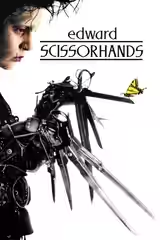
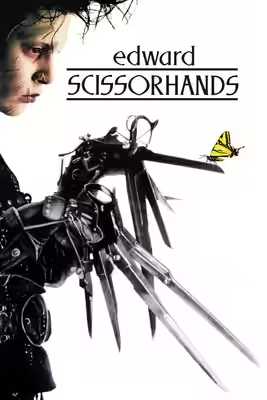
Wicker and Edward Scissorhands are both fables about a made man who arrives among ordinary people and is better than they are, but the newer film is cruder and funnier where Burton's is softer and more wistful. Wicker gives its villagers reasons for their envy rather than treating them as cartoons, which makes it the sharper of the two; Edward Scissorhands is the gentler and the more easily recommended to a mixed room.
What should I watch after Wicker?
After Wicker, try Edward Scissorhands (1990, Fi1m 83): A made man arrives in suburbia and is adored, then not; Burton at his kindest. Then The Lobster (2015, Fi1m 78): Lanthimos on coupledom as compulsory and absurd; the same questions, with the warmth removed; and Local Hero (1983, Fi1m 86): A Scottish village with its own logic, observed with dry affection and no condescension.

Cast

If you liked this, try…

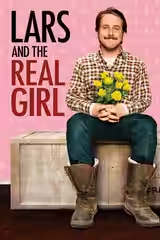
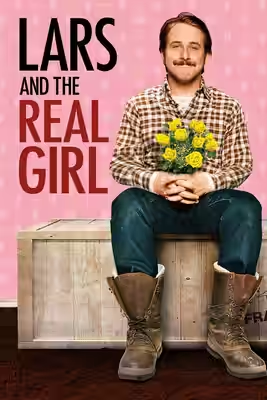
  1. Lars and the Real Girl (2007) · not reviewed yetA small town learns to love a man’s impossible companion; gentle, patient, never mocking.

  2. Edward Scissorhands (1990, Fi1m 83)A made man arrives in suburbia and is adored, then not; Burton at his kindest.

  3. The Lobster (2015, Fi1m 78)Lanthimos on coupledom as compulsory and absurd; the same questions, with the warmth removed.

  4. Local Hero (1983, Fi1m 86)A Scottish village with its own logic, observed with dry affection and no condescension.

  5. Amélie (2001, Fi1m 82)A lonely woman rearranges a neighbourhood’s happiness; sweeter than Wicker, and more mischievous.

Free account

Know what to watch tonight

Two lists that know where things are streaming, collections you can share, your own score beside ours, and Discover that remembers what you have seen.

  • Want to see, sorted by what is streaming now
  • Seen, with your score out of ten
  • No adverts, ever