Chen Kaige is most compelling when he gives performers time to make complicated affections hurt. We rate Farewell My Concubine highly, though its occasional excess also shows how readily he can push suffering harder than he needs to.
Fi1m perspective
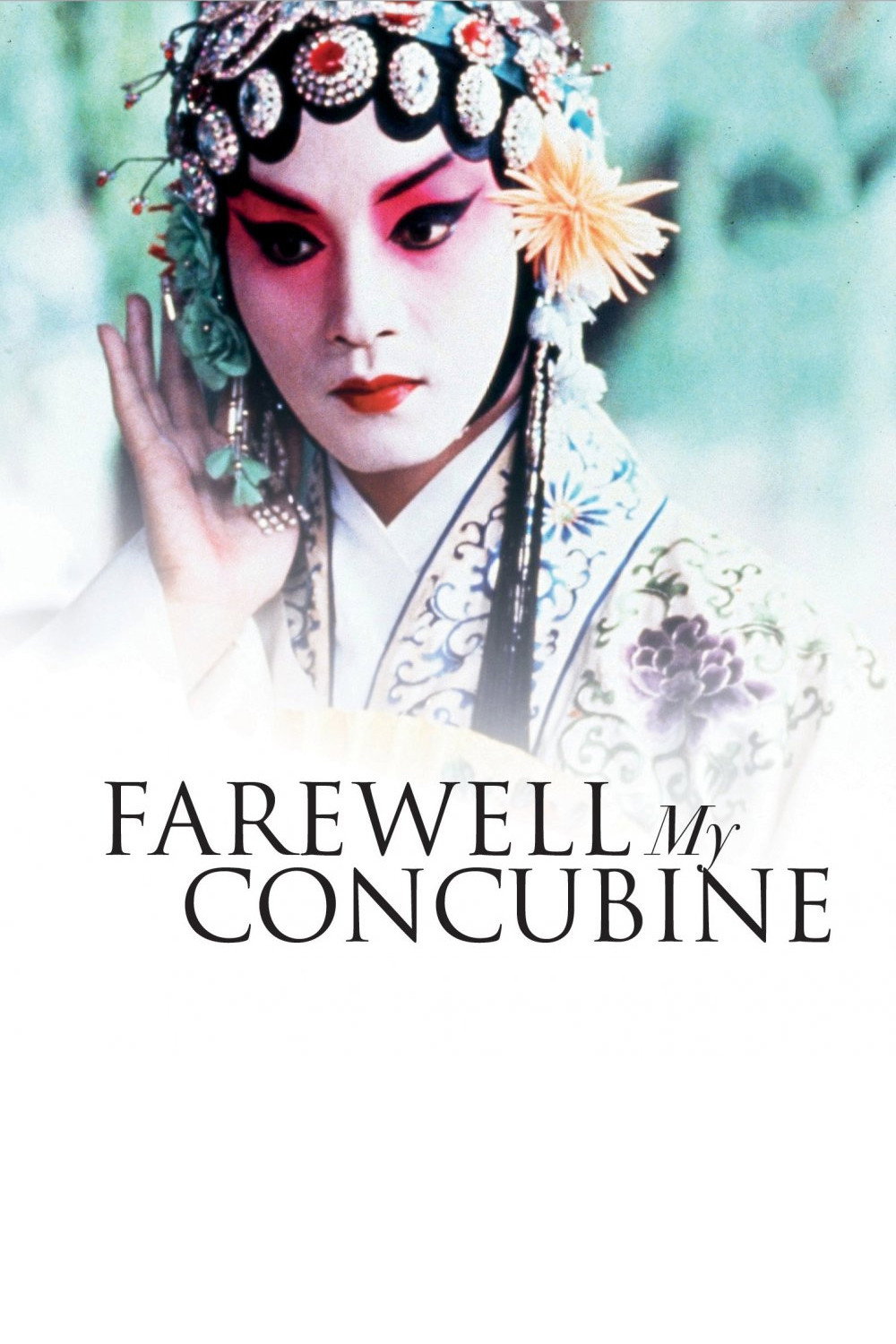
Two opera performers share a working life, but not an equal attachment. In Farewell My Concubine (1993), Cheng Dieyi loves Duan Xiaolou, and Chen Kaige gives that imbalance time to become painful. Juxian's arrival makes the limits of their relationship harder to ignore, though their work keeps their lives entangled. Chen is worth our attention for this patient interest in people who cannot have what they want, even when he makes their unhappiness unnecessarily punishing.
His debut, Yellow Earth (1984), helped define the Fifth Generation of Chinese directors, with landscape and visual composition carrying much of the meaning. The early films favoured long takes and minimal dialogue, before the later work brought more fluid camera movement and theatricality. Farewell My Concubine was the international breakthrough, and its decades-long story allowed private disappointments to accumulate over years. The length matters: we have time to understand how difficult it is for these performers to separate their affections from their work.
Leslie Cheung, Zhang Fengyi and Gong Li justify the 171 minutes, making the tangled affections matter as the world around the performers changes. We were moved by Dieyi's unequal love for Xiaolou, because Chen makes it so difficult to separate that longing from the work they share. At its strongest, the film lets us understand why these people remain important to one another without requiring their feelings to be tidy or fair. It does sometimes push the suffering too hard. We would welcome a little less insistence in those passages; the three performances have already given us enough to care about.
The Emperor and the Assassin (1998) continued the large historical storytelling. Together (2002) was a more intimate father-son film and began a recurring partnership with producer Chen Hong. The Promise (2005) marked a turn towards more commercial work, followed by large-scale films including The Battle at Lake Changjin (2021). Complaints about spectacle taking precedence in The Promise suggest how far that turn could take him from his patient early work. For a first encounter, choose Farewell My Concubine and give its three actors the evening.
Biography
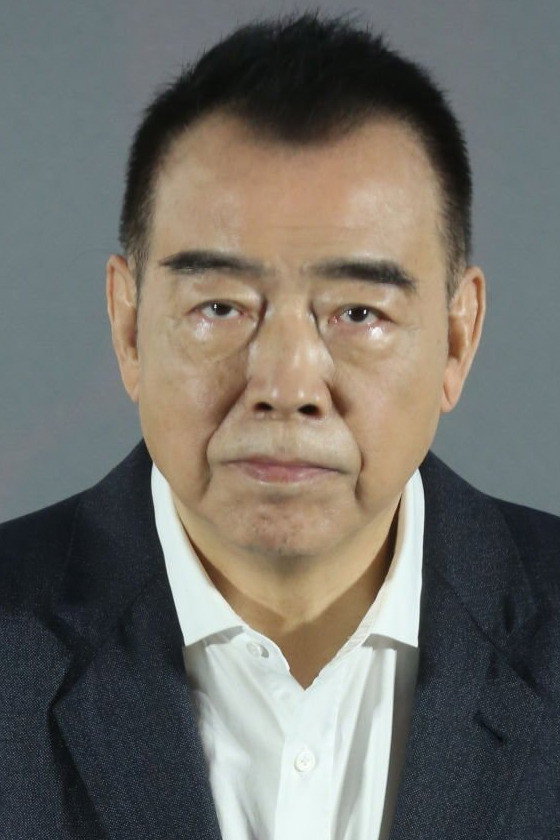
Chen Kaige is a Chinese film director. He was born on 12 August 1952 in Beijing and studied at the Beijing Film Academy.
He is a leading figure of the Fifth Generation of Chinese filmmakers. His credits include Yellow Earth (1984), Farewell My Concubine (1993), The Emperor and the Assassin (1998), The Promise (2005) and The Battle at Lake Changjin (2021). Farewell My Concubine won the Palme d'Or at the 1993 Cannes Film Festival.
Chen has been married to actress and producer Chen Hong since 1996.