Film review

Farewell My Concubine

1993 · Directed by Chen Kaige · 2h 51m · MPA R

In a sentenceSharing a stage is easier than sharing the man standing on it

Drama

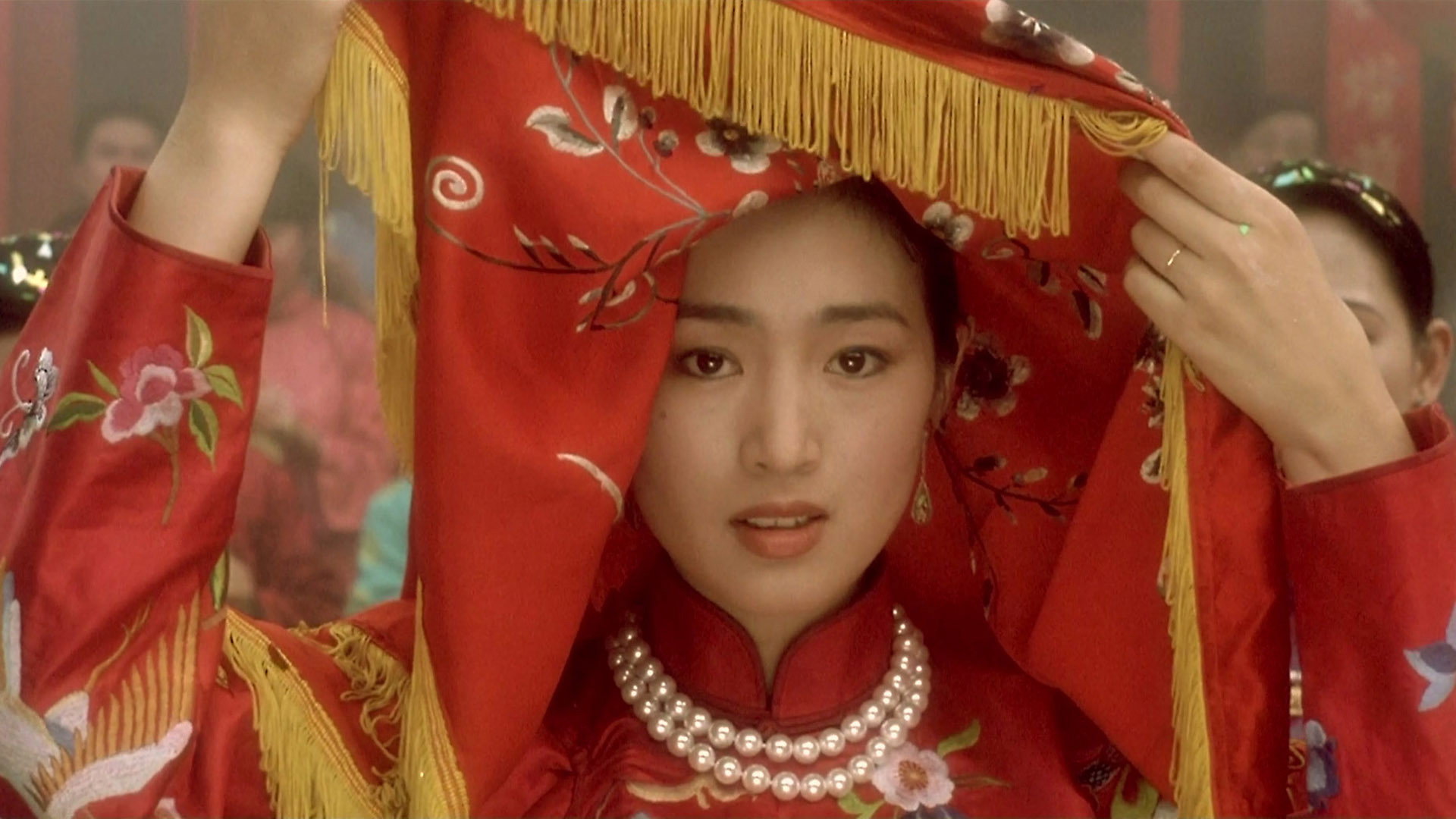
Cheng Dieyi (Leslie Cheung) and Duan Xiaolou (Zhang Fengyi) are opera performers and lifelong friends. Their lives become bound up with the theatre and with each other, but Dieyi’s love for Xiaolou makes their partnership unequal. Juxian (Gong Li) enters their lives, creating a triangle in which companionship, desire and loyalty pull in different directions. As political upheaval changes China around them, the two men must negotiate the demands of their profession and their private attachments. Chen Kaige directs this drama, adapted from a novel by Lilian Lee Bik-Wah.

Plays from YouTube when you press play; nothing loads from them until then.

Fi1m review

Chen Kaige’s historical melodrama is absorbing and often painful, with Leslie Cheung, Zhang Fengyi and Gong Li making its tangled affections matter. It sometimes pushes the suffering too hard, but the performances justify the long evening.

Chen Kaige’s Farewell My Concubine is a moving historical melodrama whose occasional excess is worth tolerating for its three central performances. It follows two opera performers through decades of Chinese political upheaval, with their unequal attachment becoming harder to separate from the work they share. Cheng Dieyi loves Duan Xiaolou, and the arrival of Juxian makes the limits of that relationship harder to ignore. Chen gives this triangle 171 minutes, allowing private disappointments to accumulate while the world around the performers keeps changing.

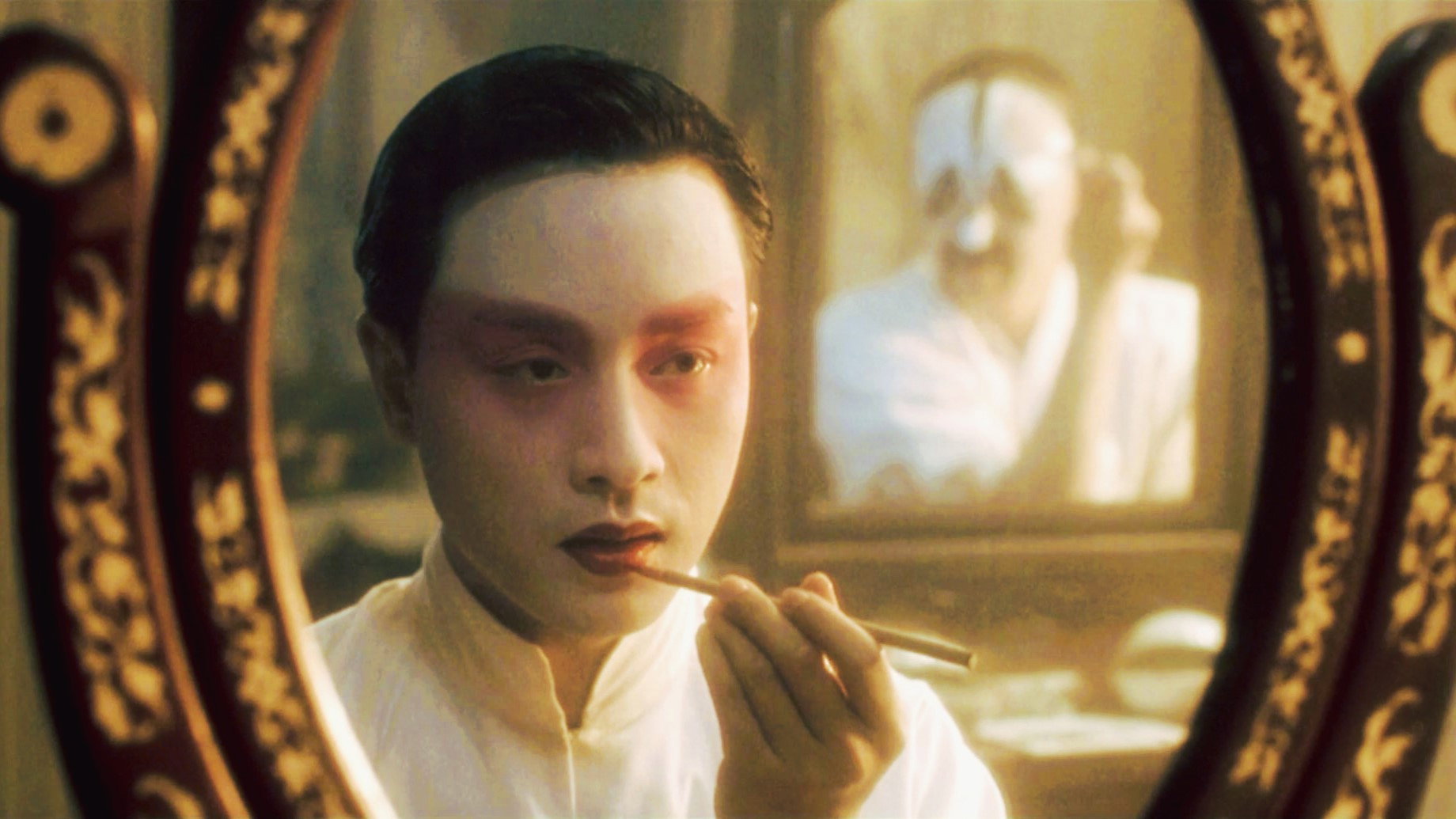
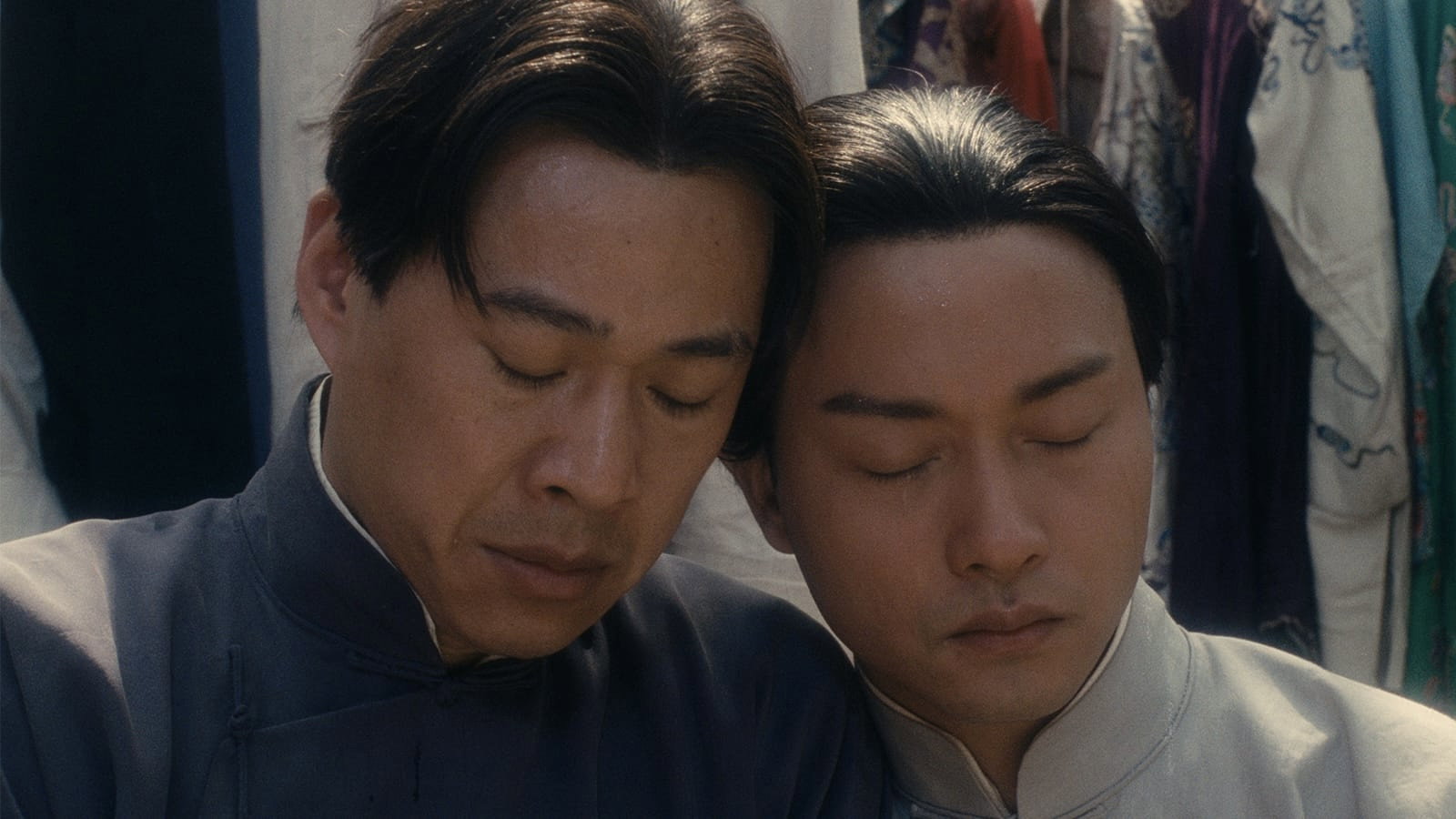
Leslie Cheung makes Dieyi’s devotion troubling enough that we cannot simply congratulate him for being faithful. His love places demands on Xiaolou that a shared life on stage cannot satisfy, and Cheung makes that frustration matter more than the scale of the events surrounding it. We were moved by the unreturned love, because the continuing partnership gives Dieyi so much reason to hope. Zhang Fengyi’s Xiaolou feels less consumed by the bond, which is exactly what makes their scenes together hurt.

Gong Li’s Juxian deserves equal attention, and her performance makes the description of a woman coming between two men sound inadequate. She has a claim to happiness too, however inconvenient that is for Dieyi. Lilian Lee Bik-Wah and Lu Wei’s screenplay, adapted from Lee’s novel, is most persuasive when it lets all three want things the others cannot give. Gong keeps Juxian from becoming merely an obstacle for Dieyi; her own disappointment matters, and the performance makes us take it seriously.

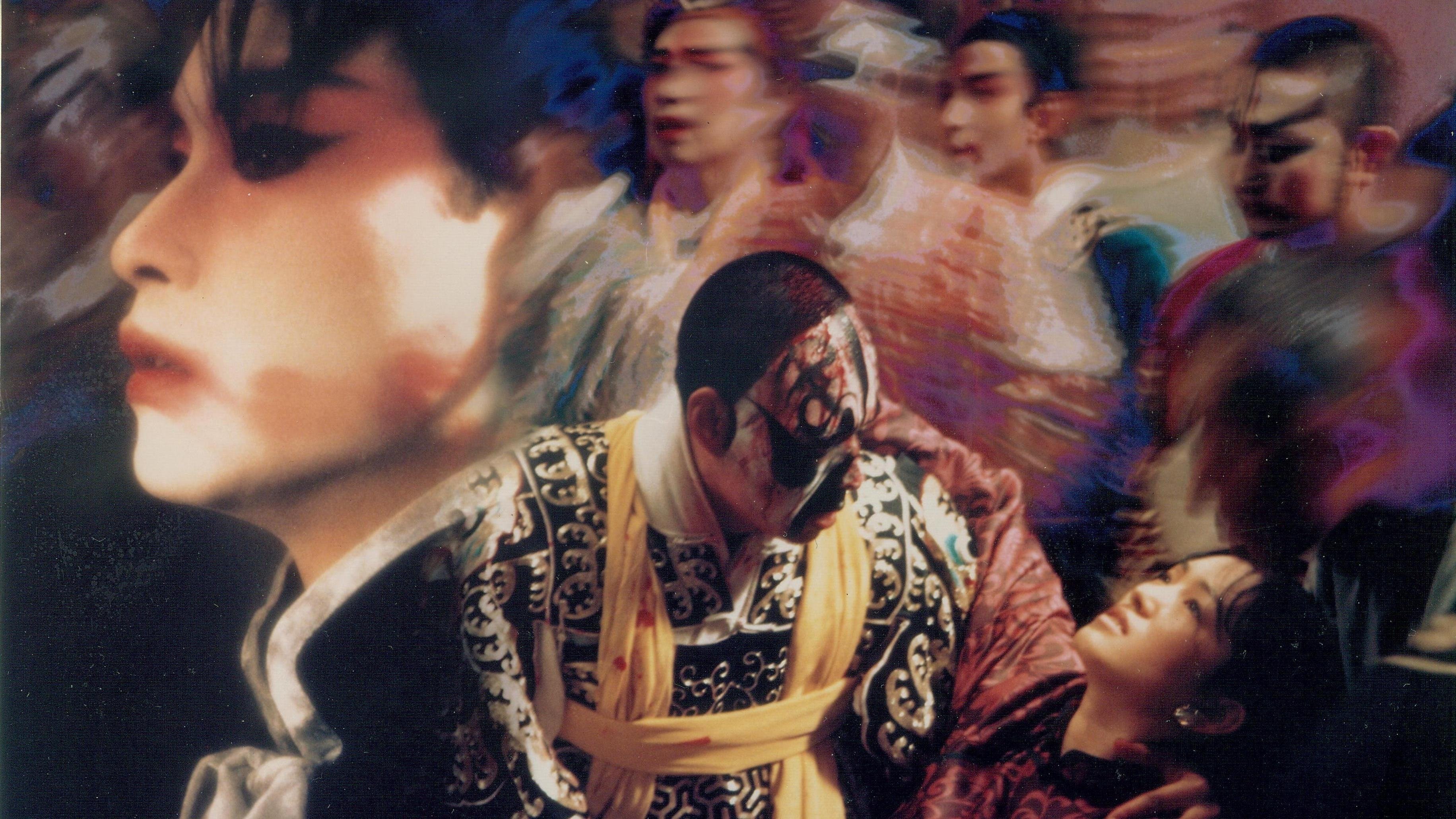
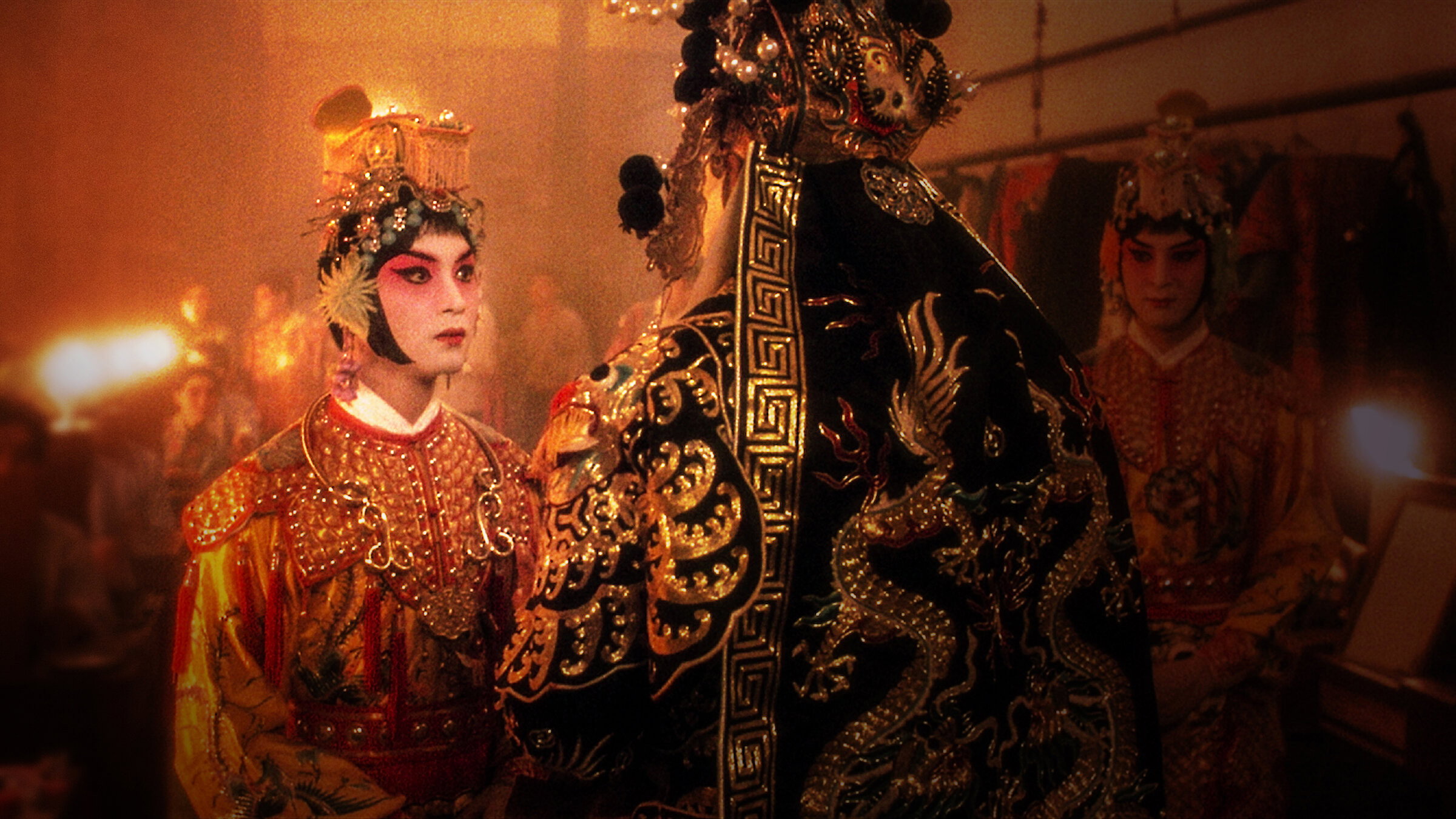
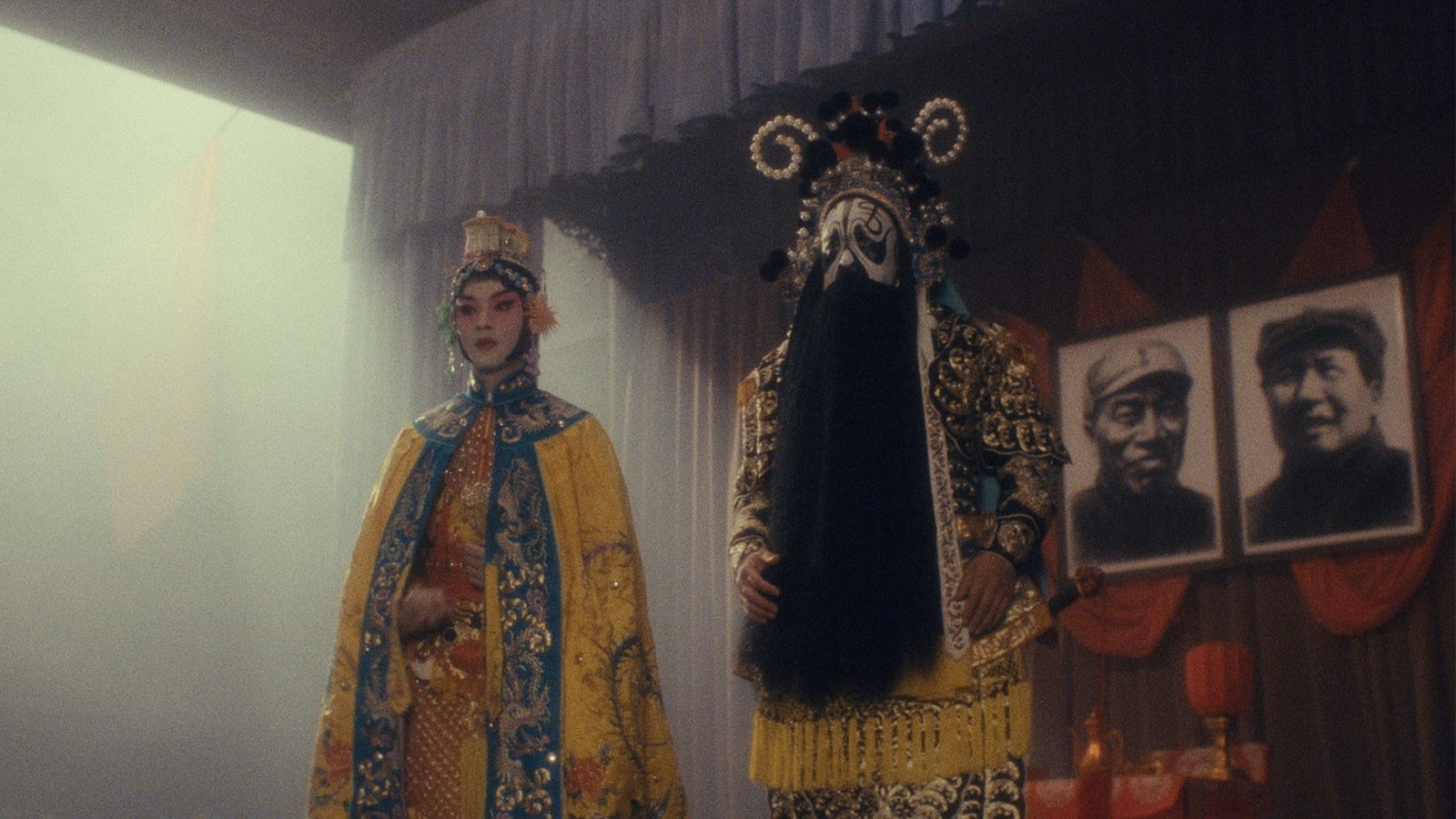
Gu Changwei’s cinematography gives the opera enough splendour to explain why these men devote their lives to it. The production design by Yang Yu-He and Yang Zhanjia, with costumes by Chen Changmin, makes the stage feel like somewhere a person could learn exactly how to behave. That certainty makes the confusion between the three leads more painful. The visual richness also allows us to enjoy their profession for its own sake, which matters in a film where the people doing it have so much to endure.

Pei Xiaonan’s editing keeps the long chronology moving, and the film rarely feels stranded between its major events. The cost is that an emotional change can seem hurried along to make room for the next historical pressure. The music, credited to Jonathan Lee and Zhao Jiping, presses the sorrow hard; we would occasionally prefer less encouragement when the actors have already made the hurt clear. The film remains absorbing, but a little more time for the three leads and a little less musical insistence would help.

Chen is working in a form that welcomes large emotions, and judging a historical melodrama for being melodramatic would miss much of its pleasure. The reservation is that the screenplay sometimes arranges personal distress and political turmoil so neatly that we can feel ourselves being prompted. For most of the running time, the actors make those pressures convincing, and the opera gives the film something worth caring about beyond the next misfortune. Set aside the full evening, and choose it when you have patience for a film that does not leave its unhappy people alone.
Critical consensus AI synthesised

4 of 6
Positive
3
Mixed
1
Negative
0
Film Comment
festival review
90*

The critic hails Farewell My Concubine as a knockout worthy of sharing the Palme d'Or. It blends lush entertainment with a fearless denunciation of regimes that stifle life and art.

Read the full review →
Empire
1 January 2000 · Phillipa Bloom
85*

Chen Kaige's epic captures the sweep of 20th-century Chinese history through two opera apprentices whose bond and unrequited love mirror their performances, delivering a fascinating, beguiling and tragic portrait of the individual amid political turmoil.

Read the full review →
The New Yorker
4 October 1993 · Terrence Rafferty
75*

Chen Kaige’s film is a big, eventful historical soap opera in the Doctor Zhivago mold, following two Beijing Opera performers through decades of political upheaval and personal betrayals. The director sustains interest over two and a half hours with brisk pacing that keeps the story from bogging down.

Read the full review →
The Independent
7 January 1994 · Adam Mars-Jones
65*

The film is a visually rich pageant of suffering across decades of Chinese history through the lives of two Peking Opera stars, but it struggles with emotional dynamics and plotting that make it feel more like downbeat soap opera than coherent epic.

Read the full review →
Los Angeles Times
22 October 1993 · Kenneth Turan

Chen Kaige’s gorgeous, intoxicating epic is an unhurried journey through modern Chinese history that marks the coming of age of Chinese cinema. Its visual pageantry and psychological depth make it a film to lose oneself in.

Read the full review →
The New York Times
8 October 1993 · Critic’s Pick · Vincent Canby

Chen Kaige's epic is a rare film spectacle delivering action, history, exotic color, and a viciously intense love story rooted in personal and political turmoil. It is vastly entertaining and a serious cultural achievement.

Read the full review →

Cast

Stills

Awards

Academy Awards, 1994

Nominated
Best Cinematography
Nominated
Best International Feature Film

International Submission to the Academy Awards, 1994

Nominated
International Submission to the Academy Awards

Cannes Film Festival, 1993

Won
Palme d'Or

If you liked this, try…

The Red Shoes poster92

The Red Shoes

1948 · For another consuming attachment to performance, with little room left for ordinary happiness.

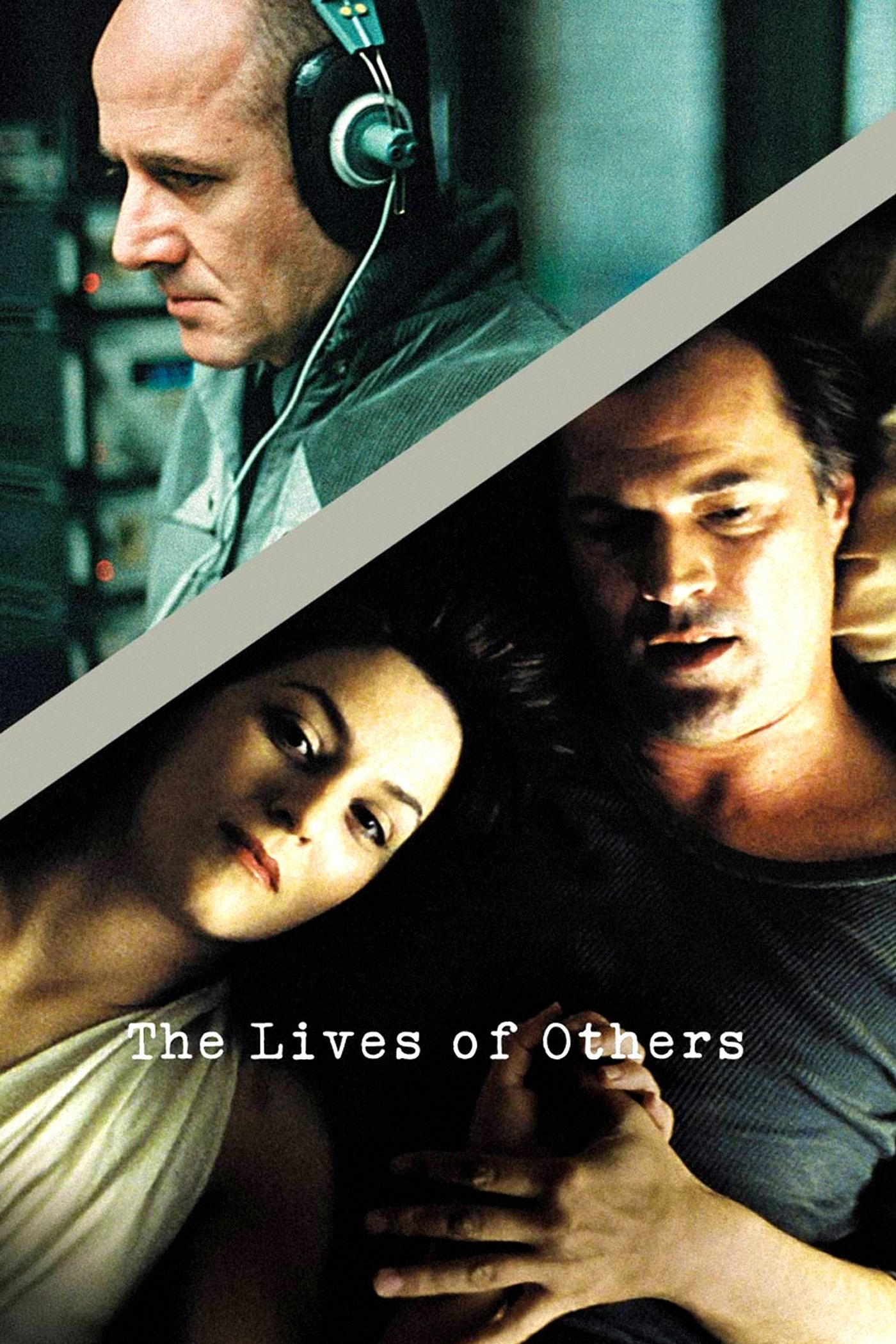
The Lives of Others poster

The Lives of Others

2006 · For art and private loyalties made dangerous by the state’s attention.

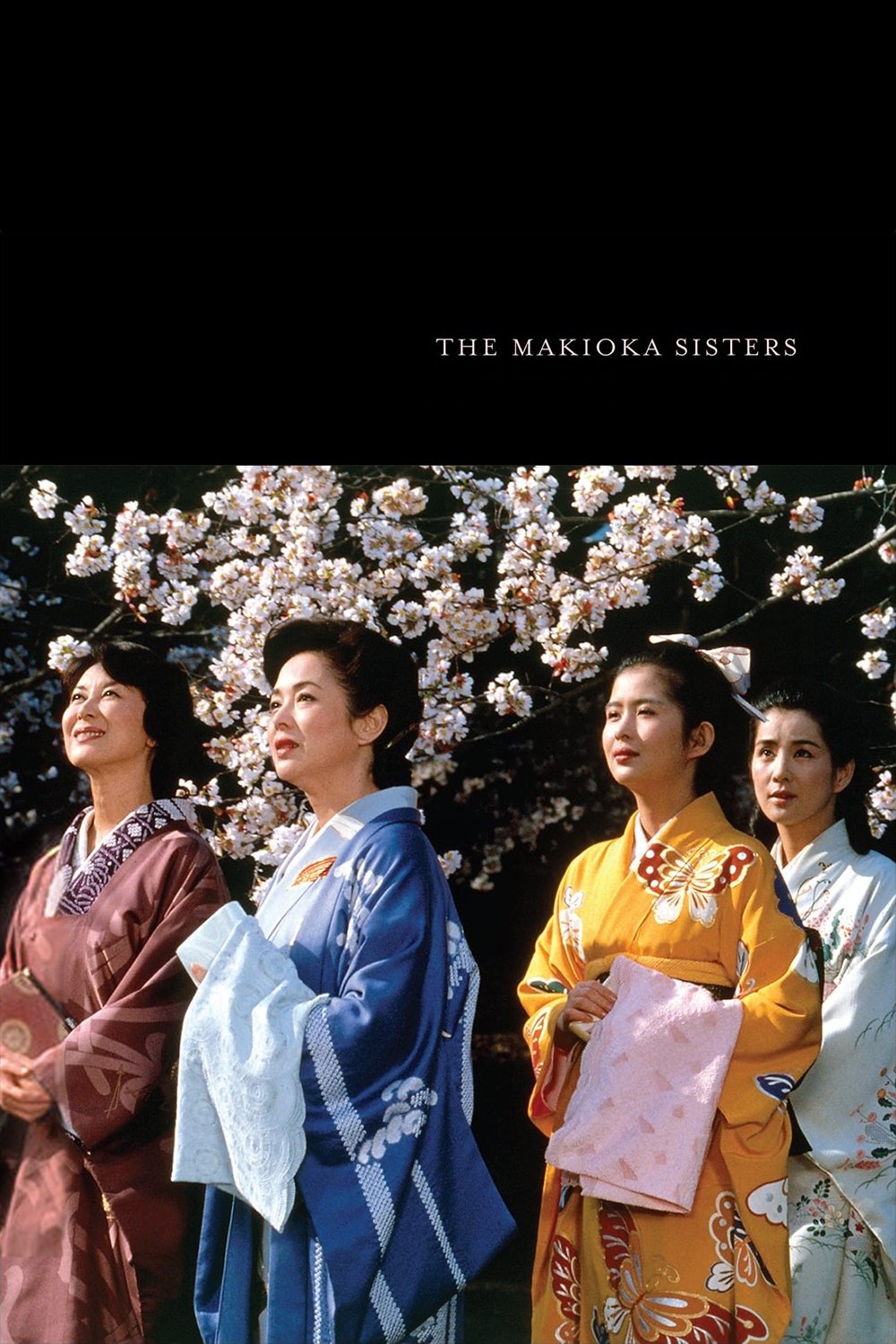
The Makioka Sisters poster

The Makioka Sisters

1983 · For the slow accumulation of hurt beneath formal manners and carefully chosen clothes.

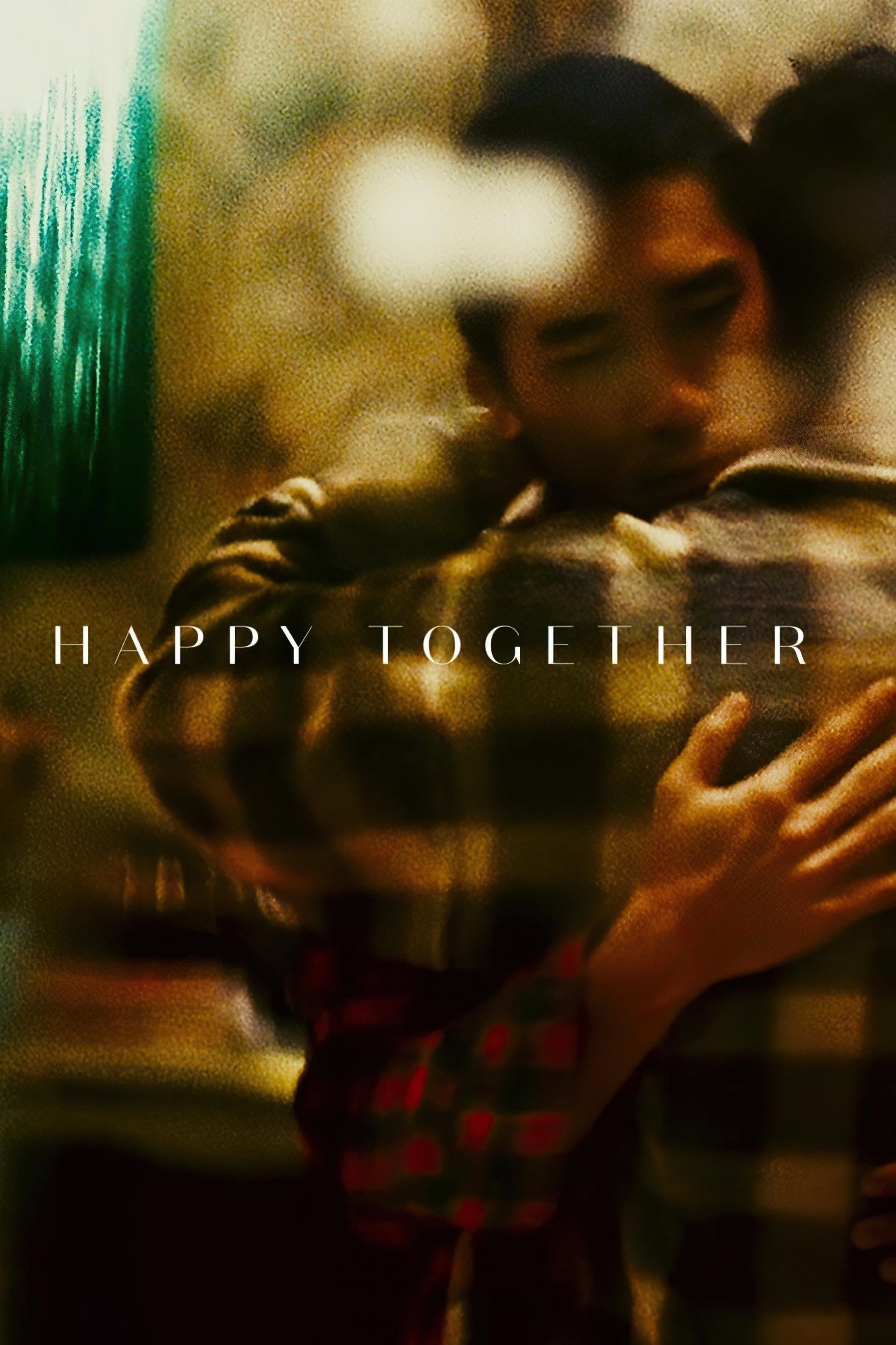
Happy Together poster86

Happy Together

1997 · For Leslie Cheung in another love story where devotion offers no guarantee of kindness.

The Travelling Players poster

The Travelling Players

1975 · For a more demanding account of performers trying to work through political upheaval.