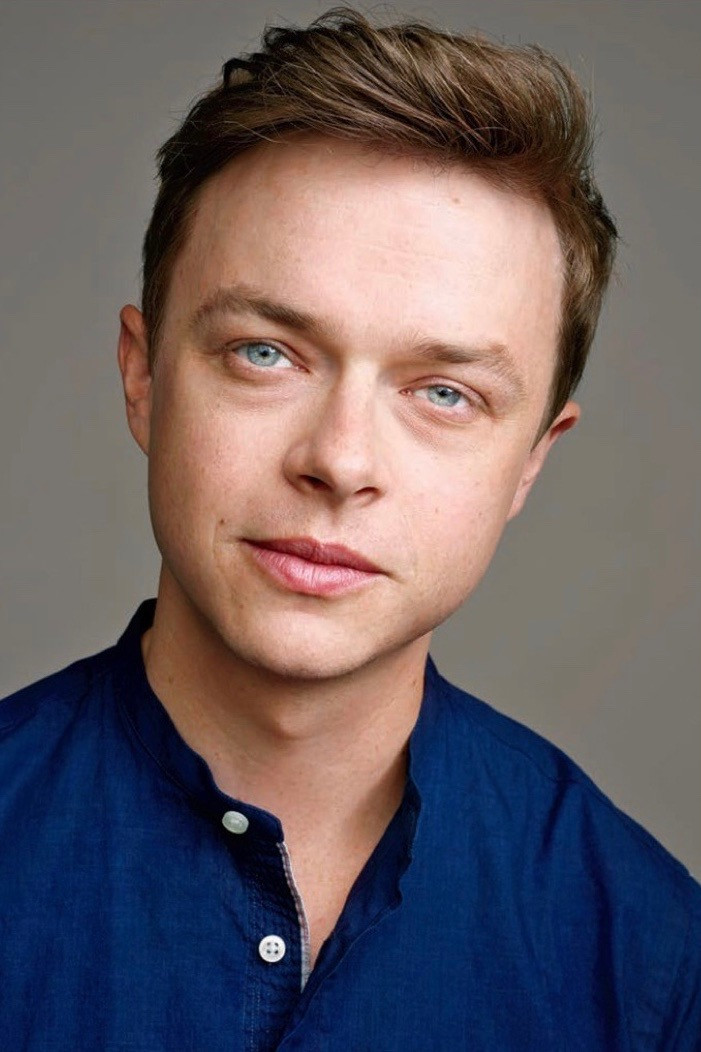
Dane DeHaan has a boy's face and an adult's control behind it, and he is at his best when a film gives him a question and leaves him alone with it. Given plot instead, or a part with nothing in it, he goes quiet in the wrong way.
Fi1m perspective
Near the end of The Place Beyond the Pines (2013), Derek Cianfrance hands the film to a teenager. Jason has a question about his father, and Dane DeHaan plays him as a boy who wants the answer and is frightened of it, thin and wary, saying less than anyone around him. By then the film has started to underline its own meaning. DeHaan does not. He was the one thing in that last hour we did not doubt, and we were more worried for him than the plotting had earned, because the wanting is in his face before anyone has written him a line to say it.
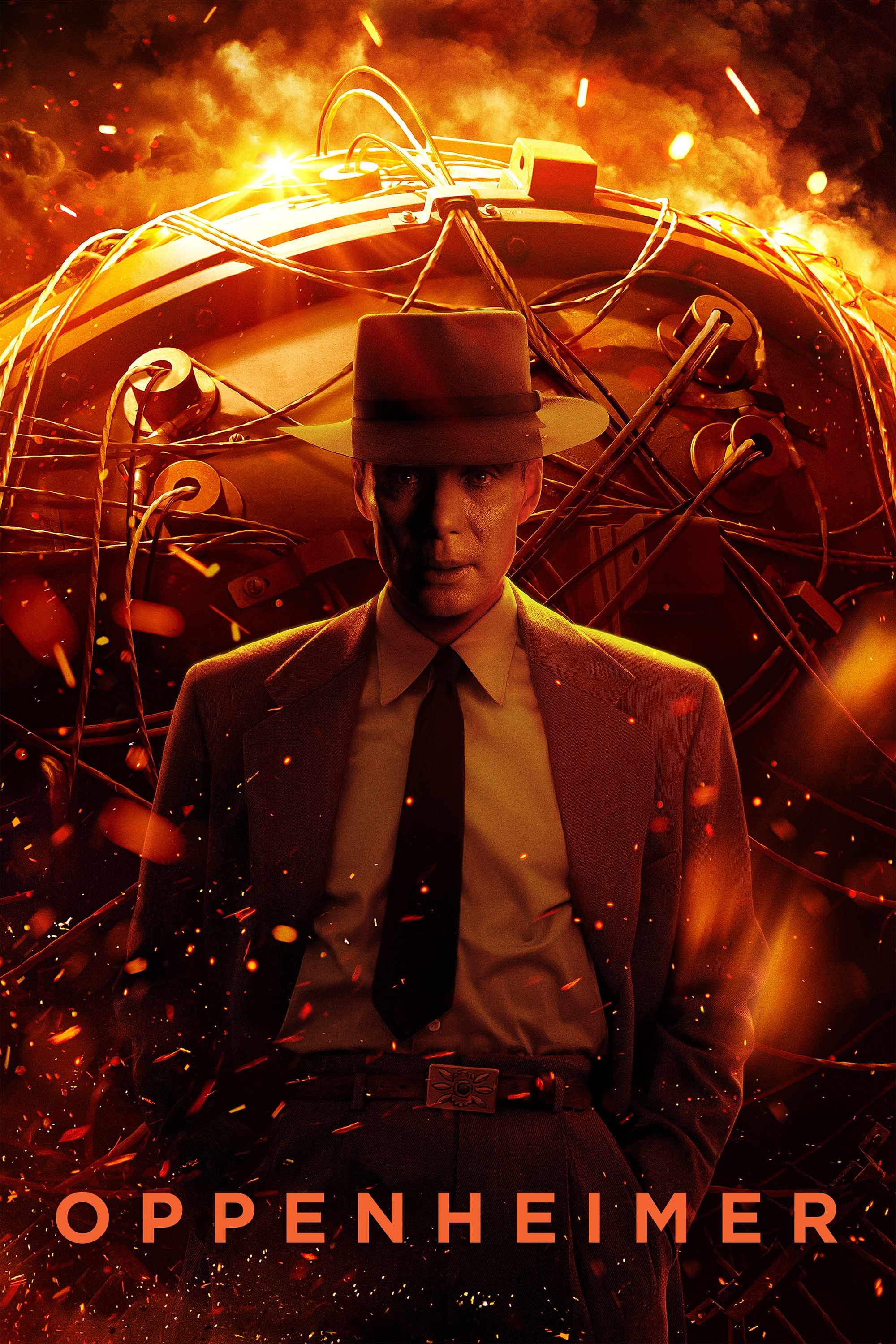
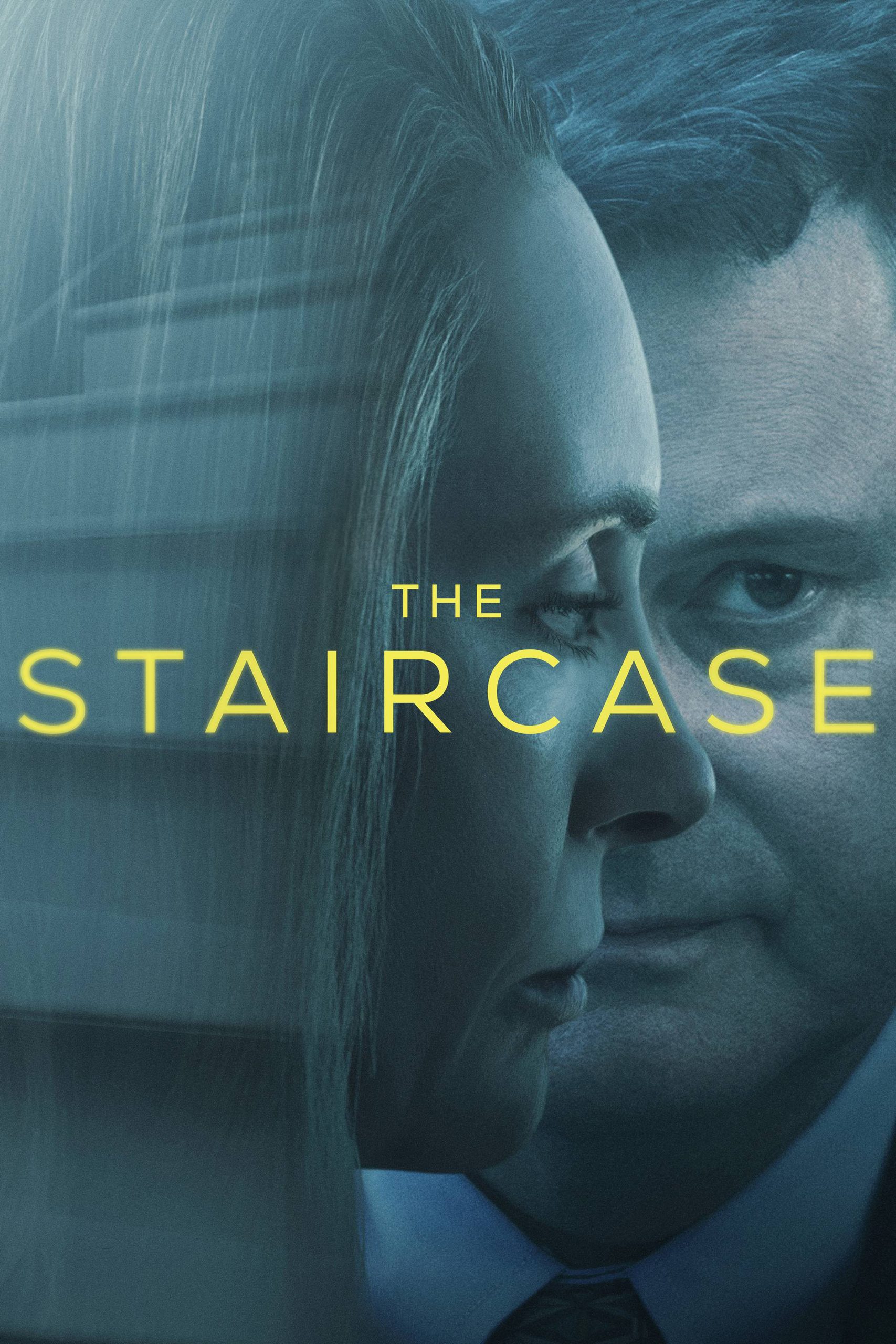
That has been his trade since 2012. He trained at the University of North Carolina School of the Arts and started on stage in 2008, but the film career begins with Chronicle (2012), a found-footage picture that asked him to carry it as Andrew Detmer, a teenager who acquires powers he cannot manage, and then The Place Beyond the Pines the following year. After that the pattern set: independent films such as Kill Your Darlings (2013), as Lucien Carr among the Beats, and Lawless, alternating with studio work in The Amazing Spider-Man 2 (2014) as Harry Osborn. Then came two attempts at leading a large film, A Cure for Wellness and Valerian and the City of a Thousand Planets (2017), and the second of those was not well received. Lately he has gone back into ensembles, as Kenneth Nichols in Christopher Nolan's Oppenheimer (2023) and as Clayton Peterson in The Staircase (2022).
What works is the face. He has said of his start that "I looked like I was really, really young, but I was a classically trained actor," and that is the whole equipment. When he plays anger or loneliness it looks like something happening to him rather than something he is doing. The word that follows him around is brooding, and the same profiles that use it note he has looked for other kinds of parts. The word is not wrong. It is simply what the camera finds when it is left on him.
What does not work is a part with nothing to hold. In The Staircase he and Patrick Schwarzenegger play Michael Peterson's sons and are given loyalty and not much else; the series belongs to Colin Firth and Toni Collette, and DeHaan stands at the edge of family dinners waiting for a scene that does not arrive. It is not a bad performance. It is barely a performance, and that is the writing, not him.
Cianfrance got the best of him by giving him a question and a great deal of silence. The larger films gave him plot instead, and he is not an actor who fills a screen by force; he fills it by making you wonder what he is about to do. Actors who look young are eventually granted their age. We would like to see what he does with it.
Biography
Dane DeHaan is an American actor. He was born in Allentown, Pennsylvania, on 6 February 1986 and trained at the University of North Carolina School of the Arts.
DeHaan made his feature film debut in Amigo (2010) and gained attention for his performances in Chronicle (2012) and The Place Beyond the Pines (2013), in which he played Jason Kancam. Subsequent roles include Harry Osborn in The Amazing Spider-Man 2 (2014), the title character in Valerian and the City of a Thousand Planets (2017), and Kenneth Nichols in Oppenheimer (2023). On television he has appeared in True Blood (2011) and played Clayton Peterson in the 2022 series The Staircase.
He is married to actress Anna Wood.