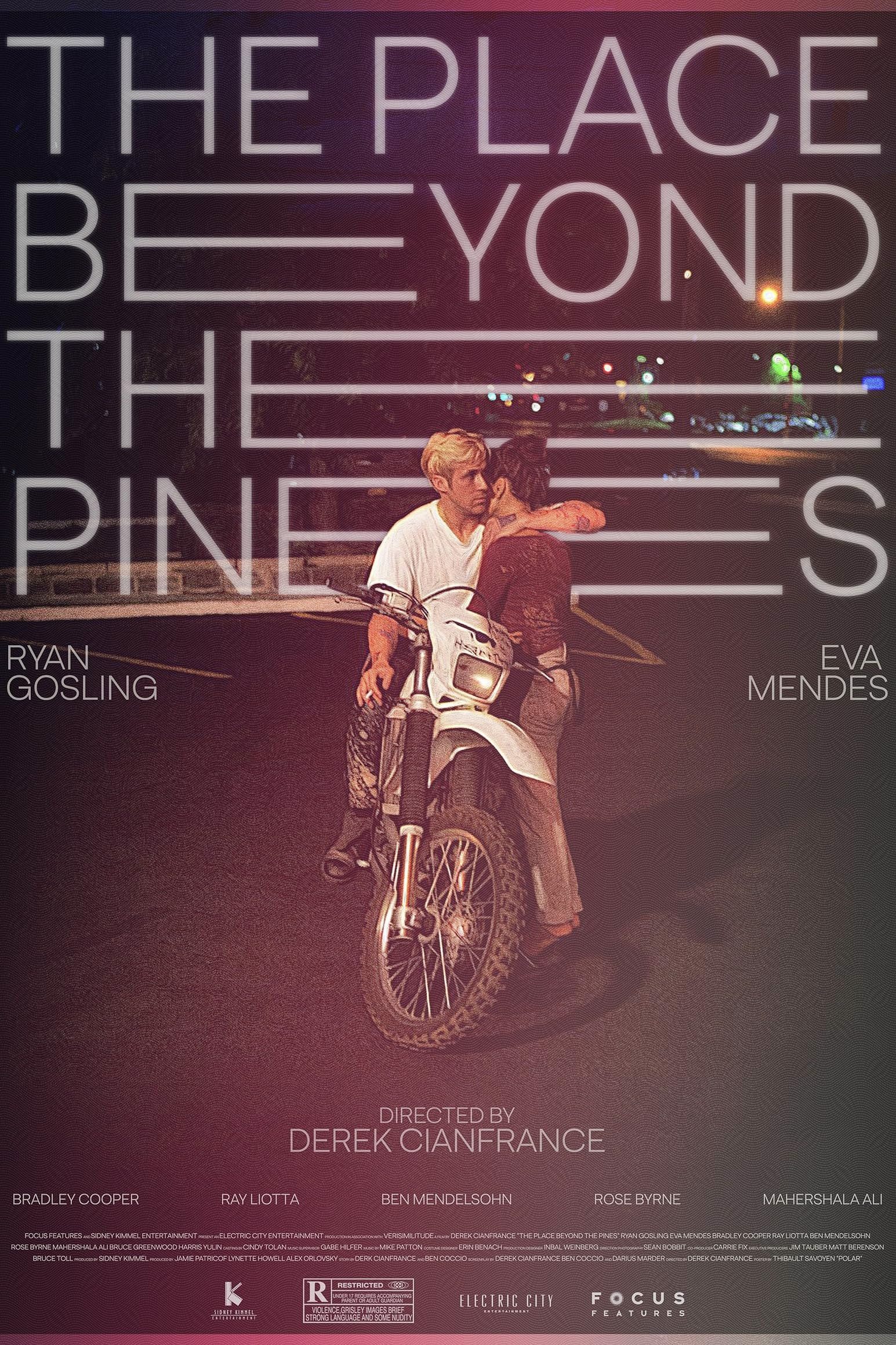
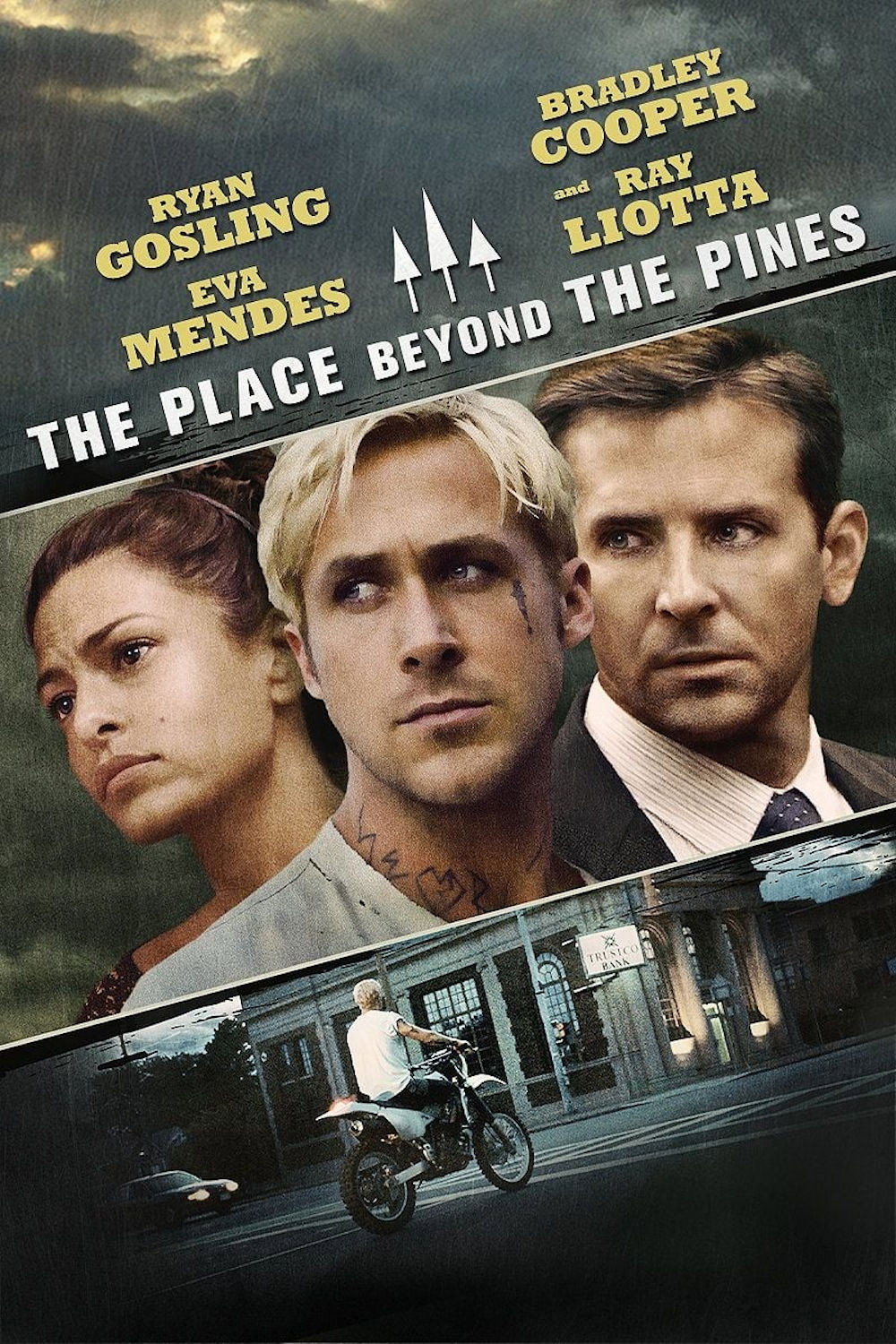
Derek Cianfrance follows Blue Valentine with a story of fathers and sons in Schenectady told in three movements. The first, with Ryan Gosling on a motorcycle, is the best hour he has directed; the rest is sincere, overlong and never quite as alive.
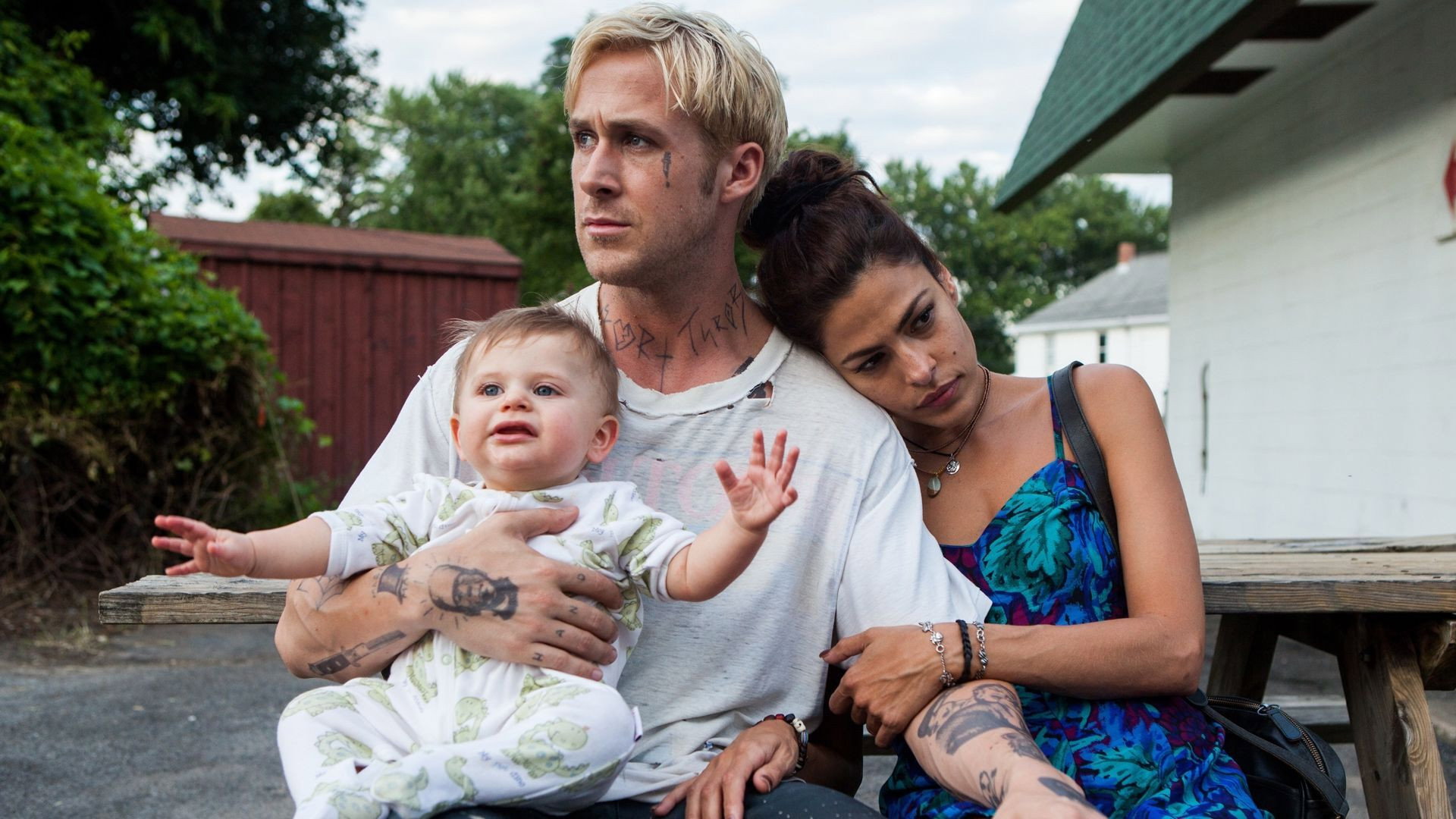
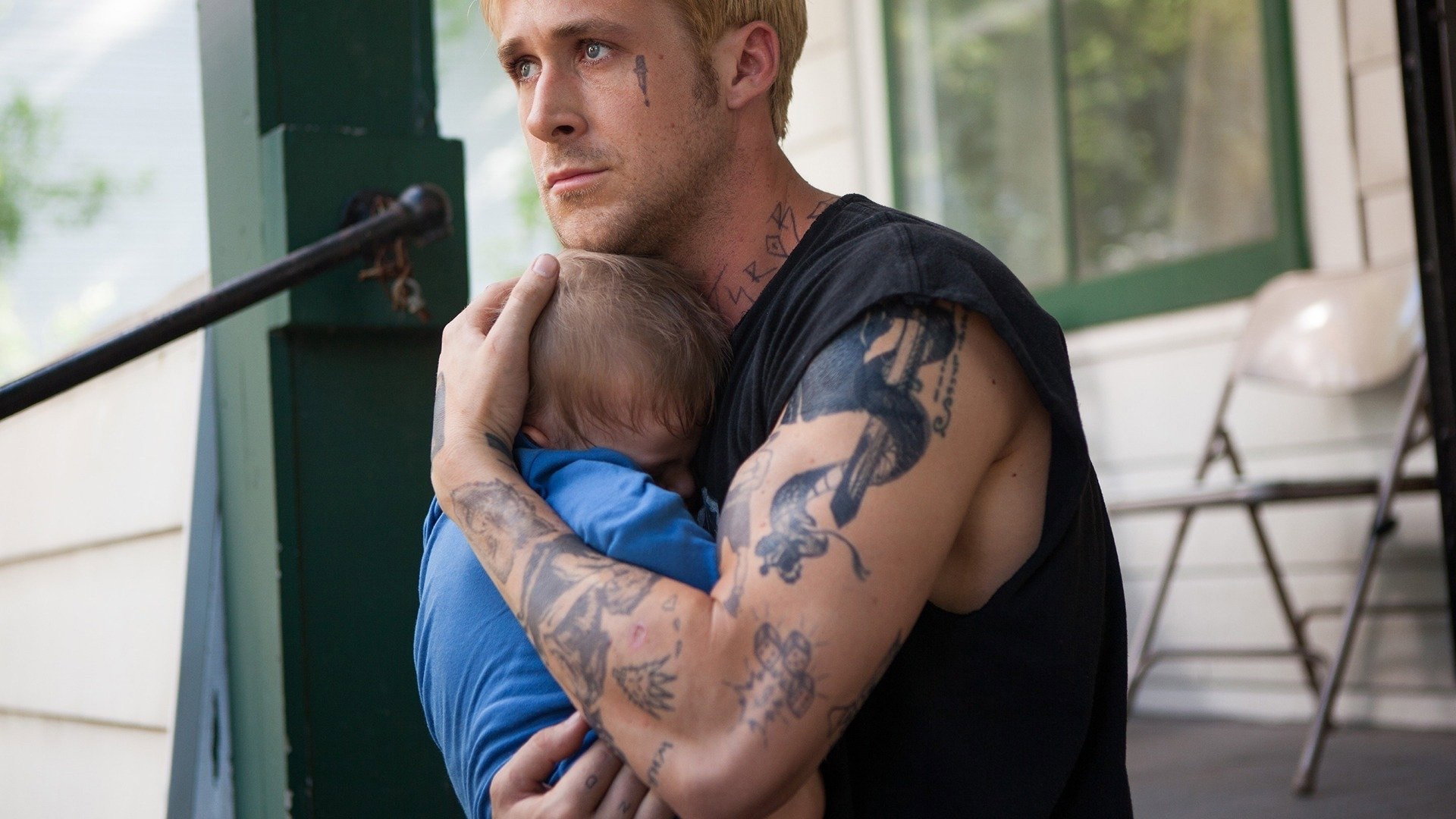
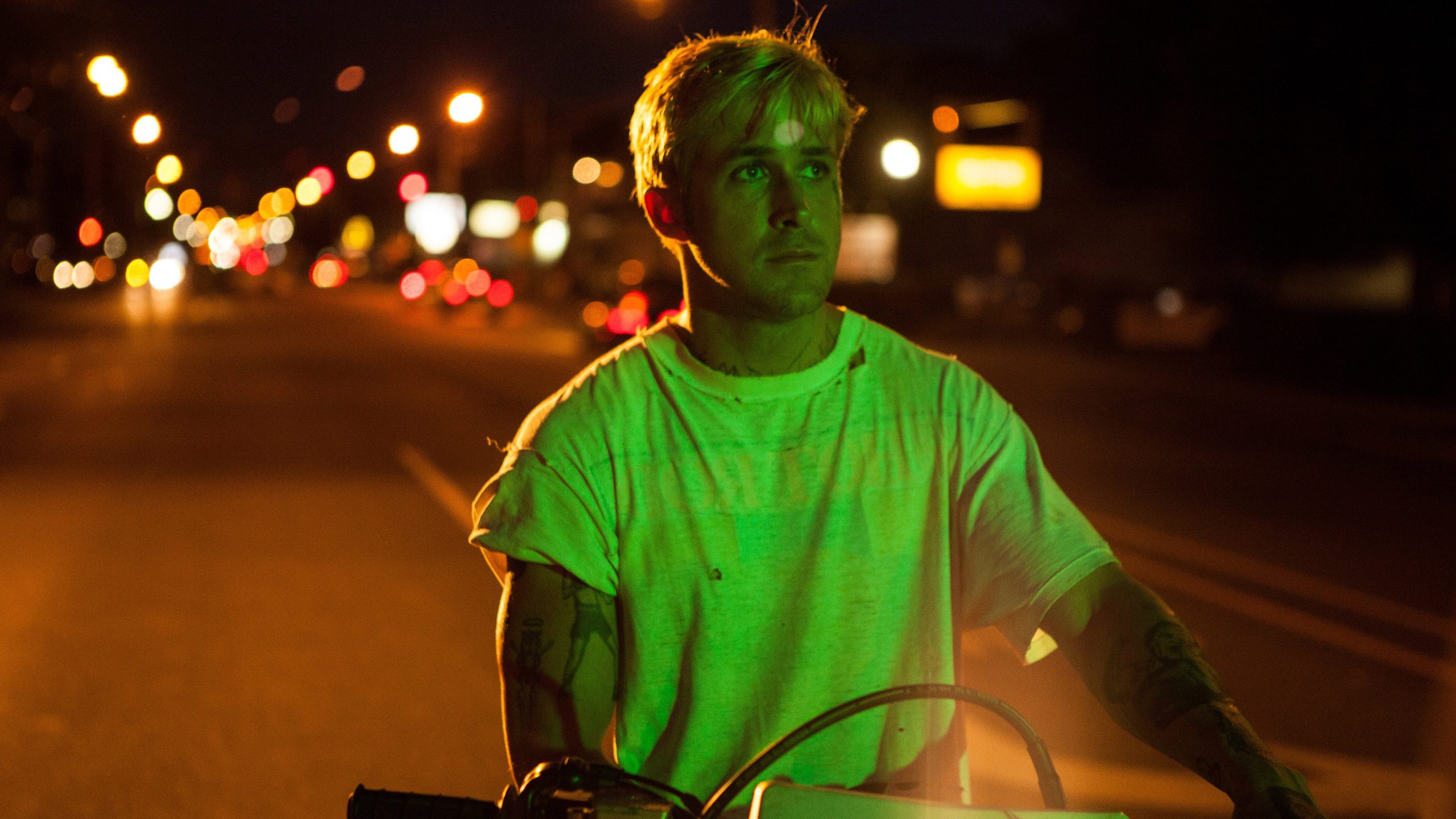
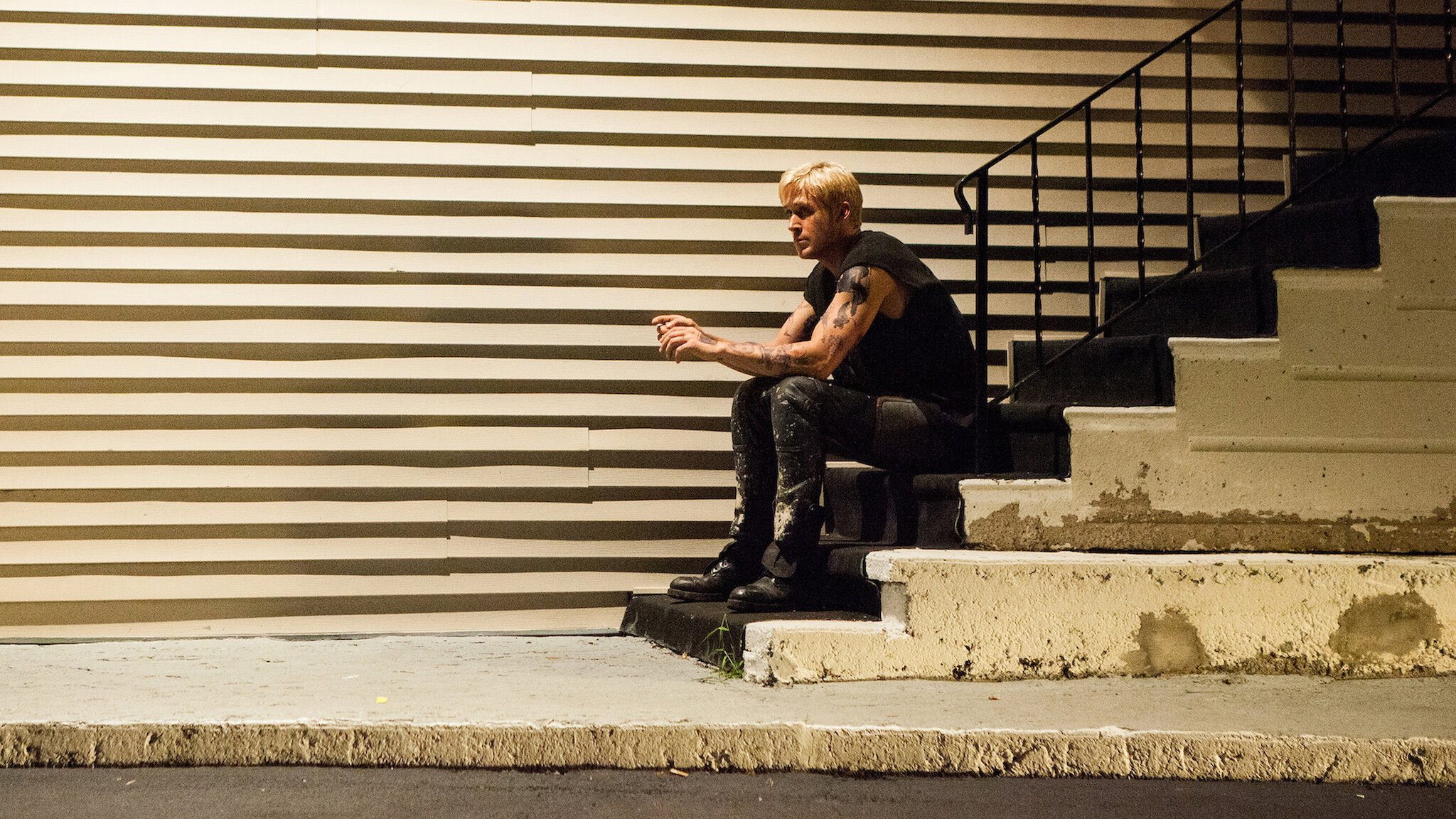
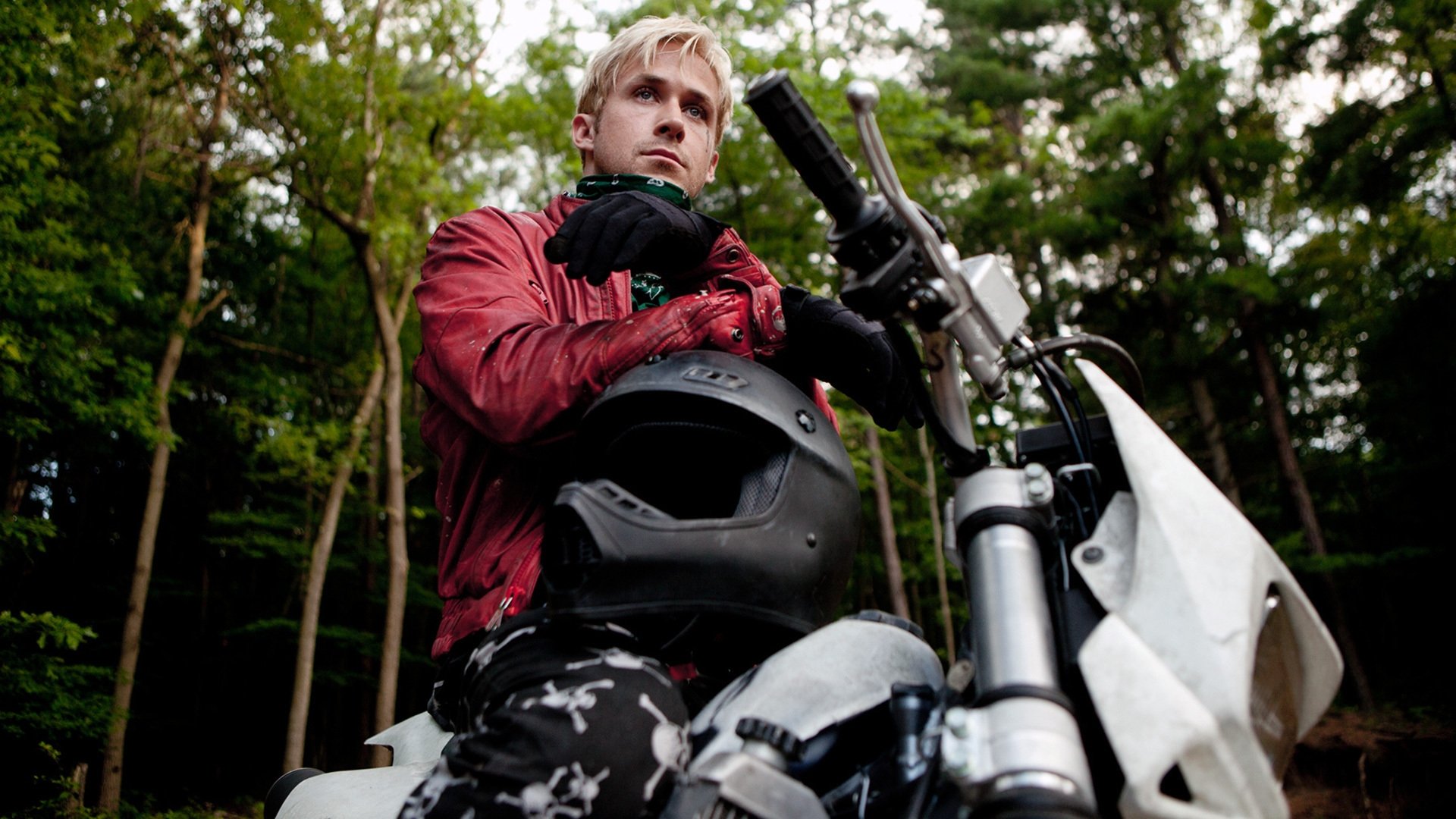
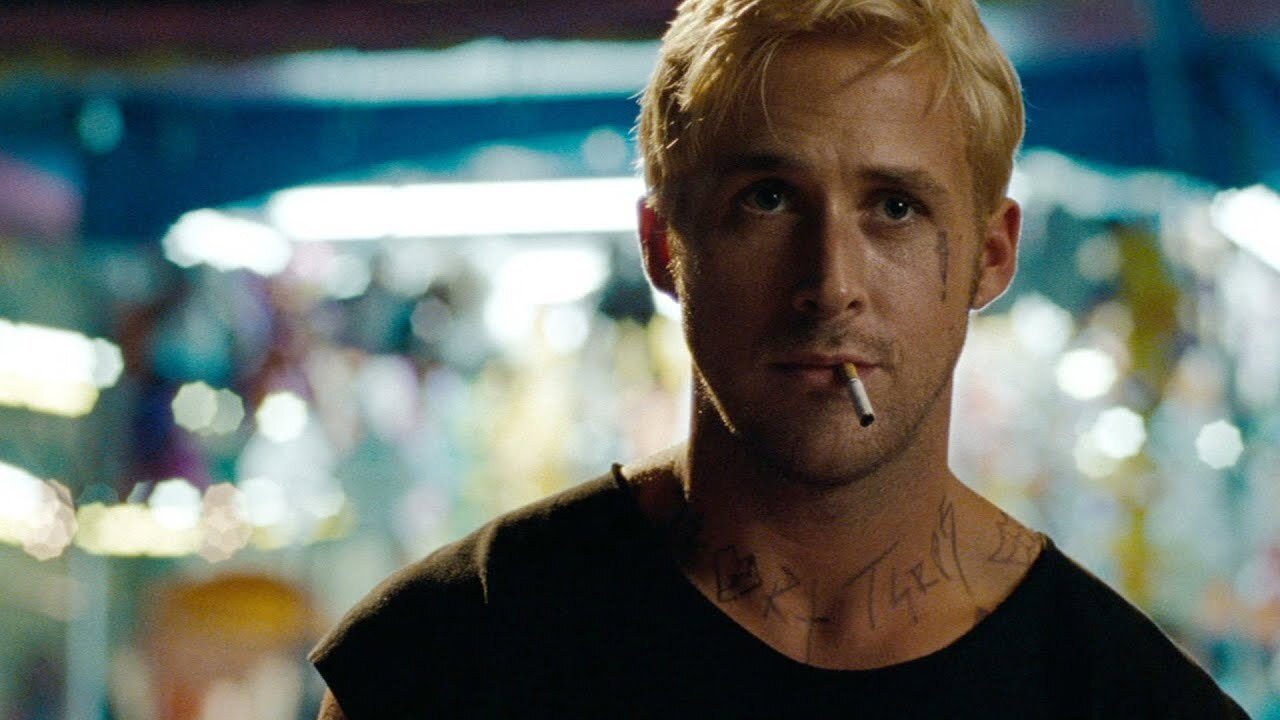
Derek Cianfrance’s second film with Ryan Gosling, after Blue Valentine, opens with the best shot he has put on screen. Sean Bobbitt’s camera picks up Luke Glanton from behind as he flicks a knife open and shut in a caravan, then follows him without a cut through the fairground crowd, past the lights and the stalls, into a tent and up onto a motorcycle inside a steel cage, where he and two other riders start to circle the walls. It lasts a few minutes and it tells us everything: the tattoos, the bleached hair, the way the crowd parts for him and the way he does not look at them. We sat forward. For the next hour The Place Beyond the Pines keeps that promise. Then it reveals a larger plan, and the larger plan is the trouble.
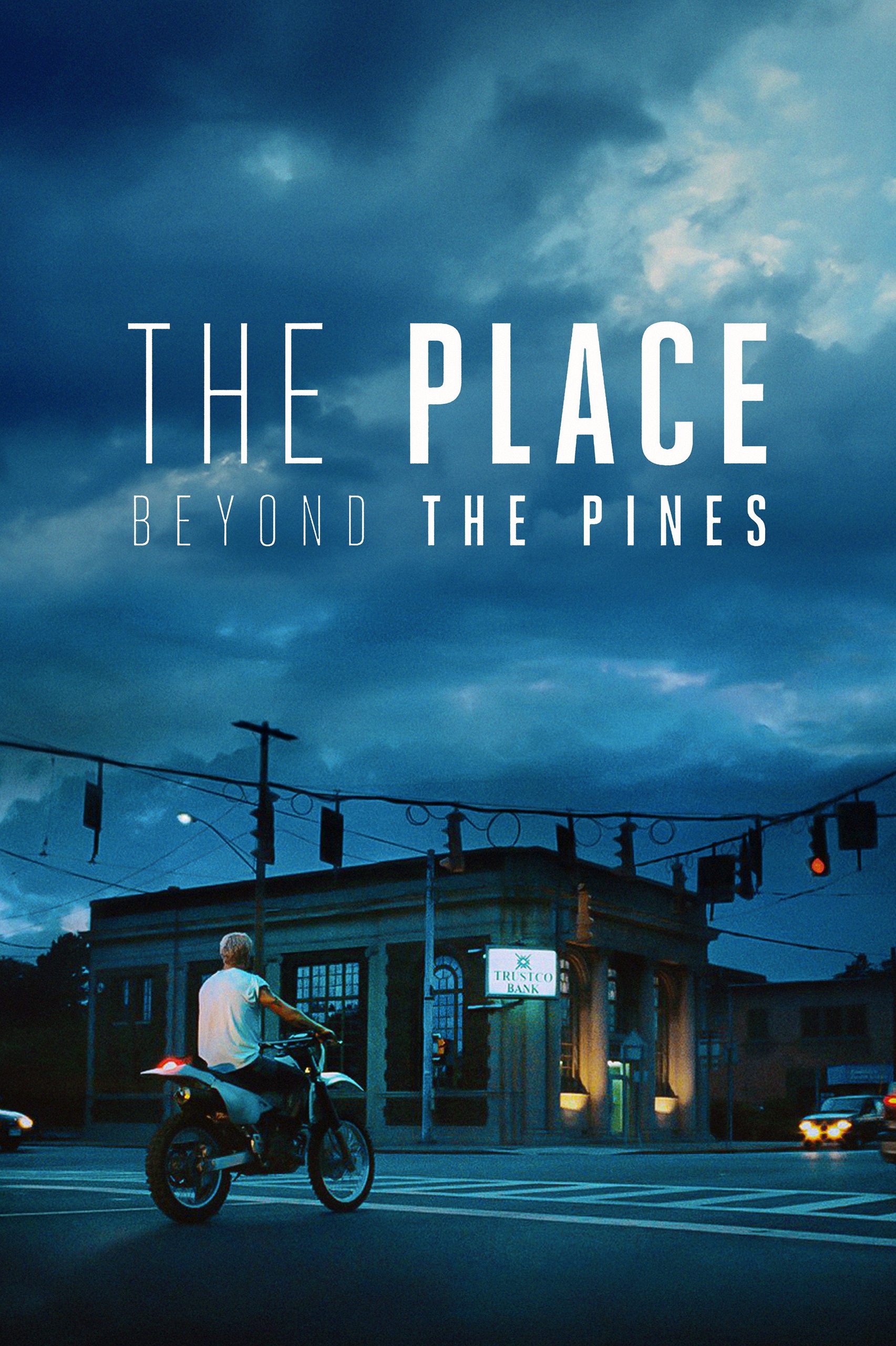
The first hour is a crime film of the patient kind. Gosling gives Luke very few words and a great deal of watching, and he lets the man be dim as well as dangerous, which most stars would not. Eva Mendes plays Romina tired and practical, a woman who has already made her decision and does not need him to approve of it. Ben Mendelsohn’s Robin is greasy, cheerful and lonely, and he says out loud what a bike can do at a bank in the tone of a man suggesting a pub. Bobbitt shoots the robberies handheld, from the pillion and from the road, so we get a teller’s face, a helmet, a stretch of tarmac and the open back of a van, all in the order Luke sees them.
We were more tense than we expected to be, and then, at a christening, more moved. Luke stands at the back of the church, uninvited, in a clean shirt, watching another man hold his son, and Gosling plays it entirely in the jaw. Mike Patton’s score holds an organ chord under the scene until it hurts. Inbal Weinberg sets Kofi’s house against Robin’s trailer, the one tidy and furnished and full of a baby’s things, the other a shed with a bike in it, and the film does not have to say which life the child should have. Erin Benach dresses Luke in cut-off shirts and jeans that look slept in.
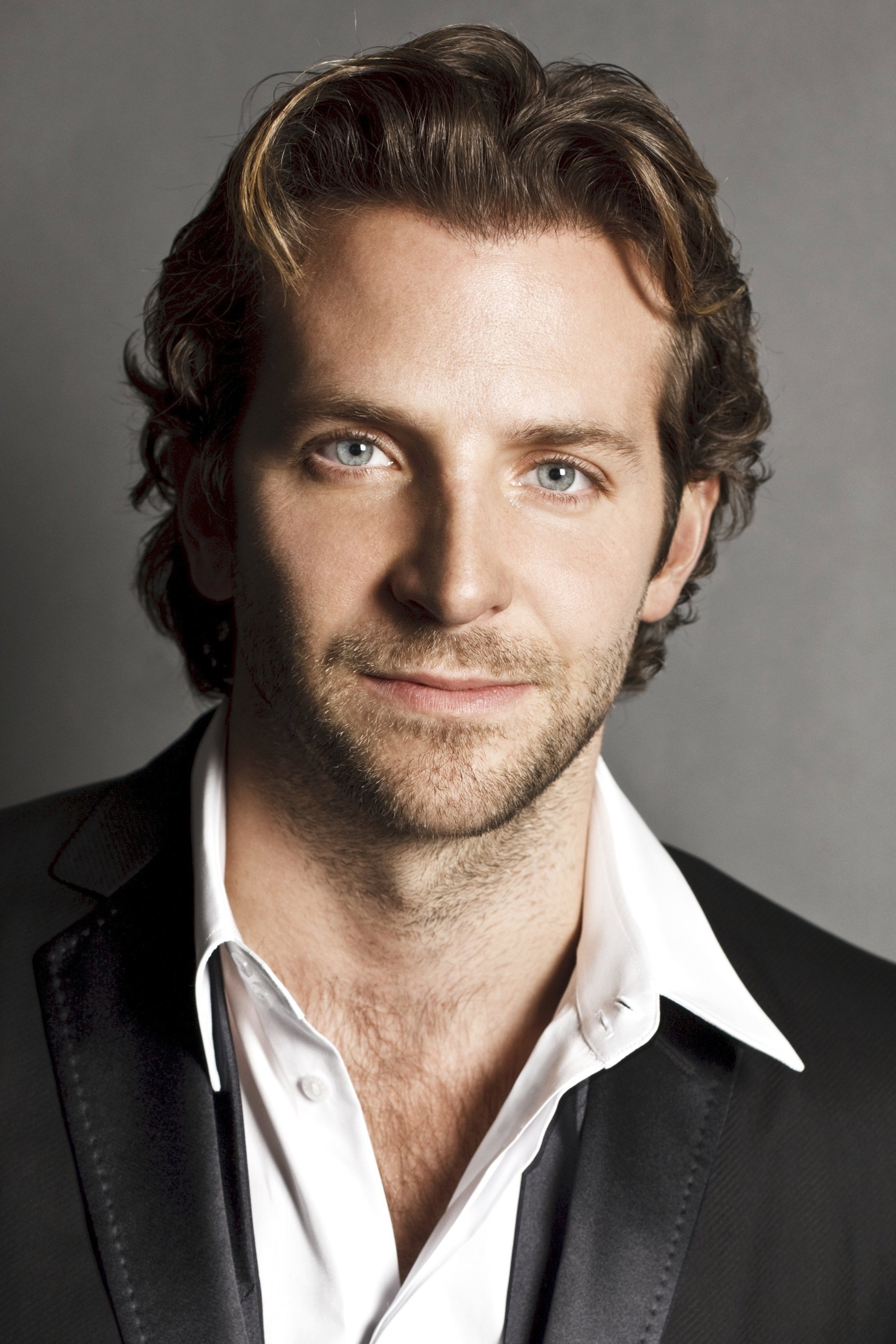
Then the film takes a turn we will not describe. We can say that Bradley Cooper’s Avery Cross moves to the centre, a policeman with a law degree and a father, Al (Harris Yulin), who expects him to use it, and that Ray Liotta arrives as Peter Deluca, a colleague who shows Avery how the department really runs. Cooper is good here, ambitious and frightened at once, and Liotta does menace with a smile as well as he ever has. Rose Byrne, as Avery’s wife Jennifer, is given a kitchen and very little else. This middle section is a decent corrupt-cop story that would have made a film on its own; here it has about forty minutes and has to hurry.
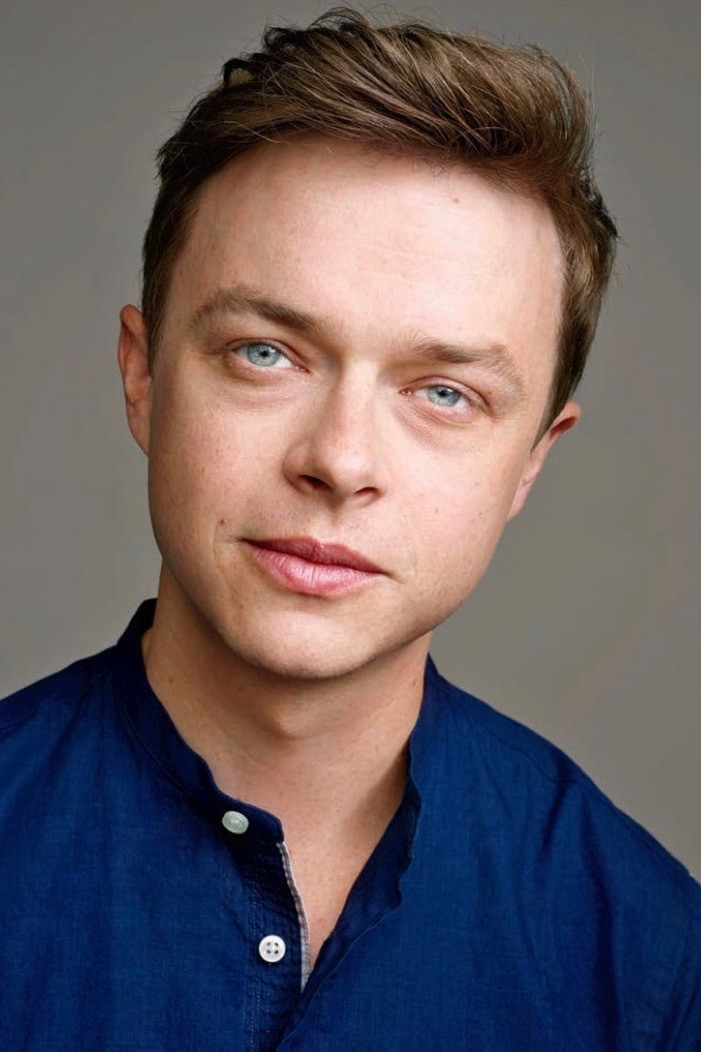
The last stretch belongs to two teenagers, Jason (Dane DeHaan) and AJ (Emory Cohen). DeHaan is thin, wary and quietly excellent, a boy who wants to know something and is afraid of the answer. Cohen plays AJ as a swaggering rich kid doing a poor kid’s voice, and we could not decide whether the performance was a misjudgment or the point. The script by Cianfrance, Ben Coccio and Darius Marder starts to underline. Characters say what the film is about. Coincidence does the work that plotting did in the first hour. Ron Patane and Jim Helton cut the fairground scenes tight and the final act loose, and somewhere past the two-hour mark we checked how much of the 140 minutes remained, which we had not done once during the robberies.
Blue Valentine was two people, a house and a motel, and Cianfrance filmed them close enough to see every flinch. This film wants two generations, a town and an argument about what fathers pass on, and he is plainly better with two people in a house than with a whole town. Most critics are split down the middle on it, and for once we find ourselves in the middle with them.
See it for Gosling, for Bobbitt’s opening shot, and for an hour of American crime cinema as good as any this decade has produced. Stay for the rest if fathers and sons are a subject that gets under your skin, because it gets under Cianfrance’s and he is sincere about it. It carries a 15 certificate and it earns it in the first ten minutes.