Film review

Blue Valentine

2010 · Directed by Derek Cianfrance · 1h 52m · MPA R

In a sentenceA ukulele can get a romance started, but it cannot be expected to do the maintenance

DramaRomance

Dean (Ryan Gosling) and Cindy (Michelle Williams) are a married couple whose early attraction gives way to arguments and accumulated resentment. Derek Cianfrance’s drama moves between the beginning of their relationship and its troubled present, placing their courtship alongside the difficulties of remaining together. The shifts in time show them finding pleasure in each other’s company, then struggling to recover that ease. Affection persists alongside frustrations neither seems able to resolve, as the film returns to the moments that draw them towards each other.

Plays from YouTube when you press play; nothing loads from them until then.

Fi1m review

Derek Cianfrance’s painful, finely acted marriage drama is worth the discomfort. Ryan Gosling and Michelle Williams make the early happiness count, though the repeated switches between courtship and resentment eventually become too predictable.

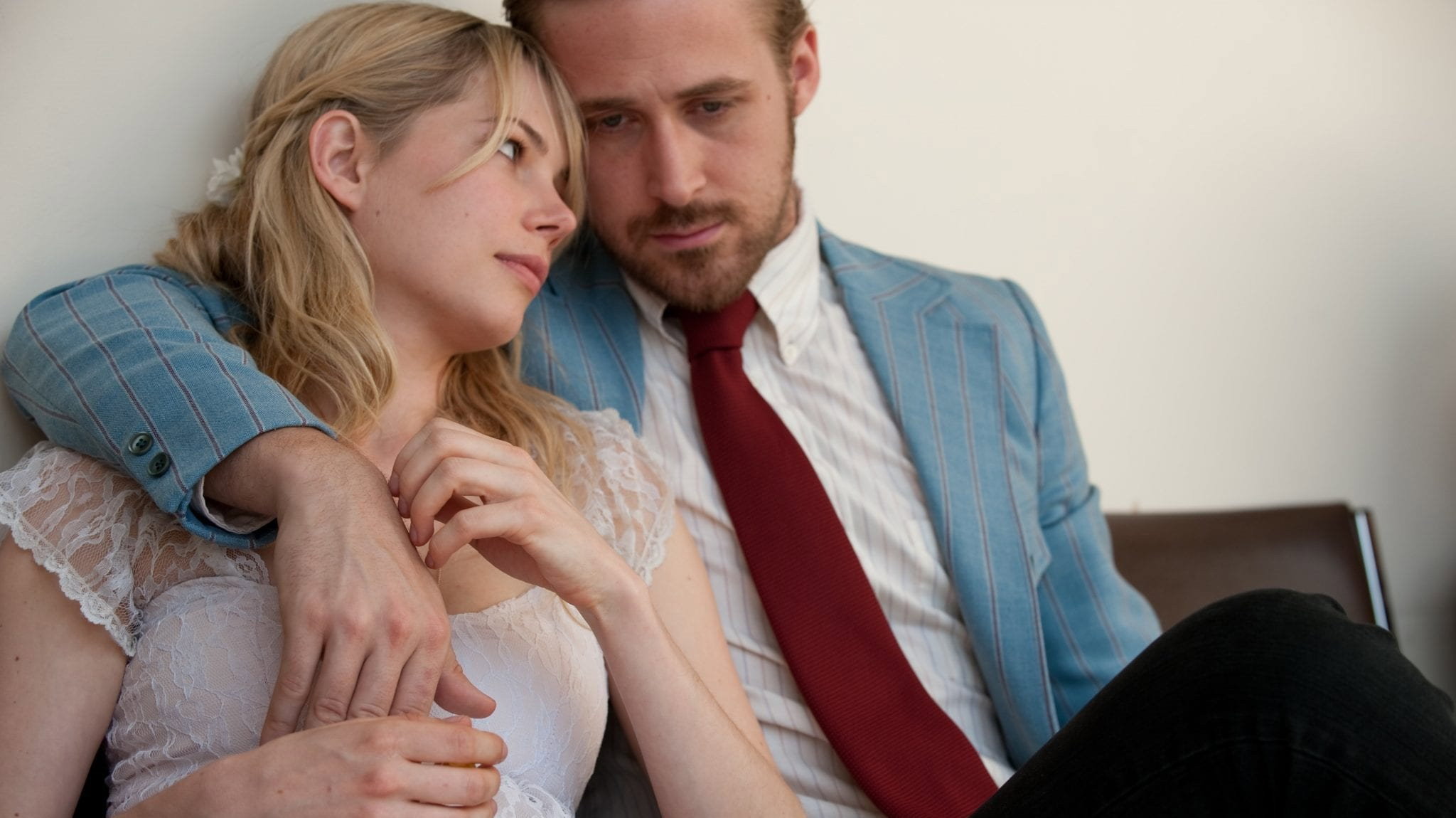
Blue Valentine is a painful, persuasive film about a marriage in trouble, and we recommend it with a warning about repetition. Derek Cianfrance moves between Dean and Cindy’s courtship and their later unhappiness, trusting us to keep both versions of the couple in mind. The early affection has to be convincing for this to work. If we spend those scenes simply spotting future problems, there is little to lose. For much of the film, Ryan Gosling and Michelle Williams make us want to stay with them.

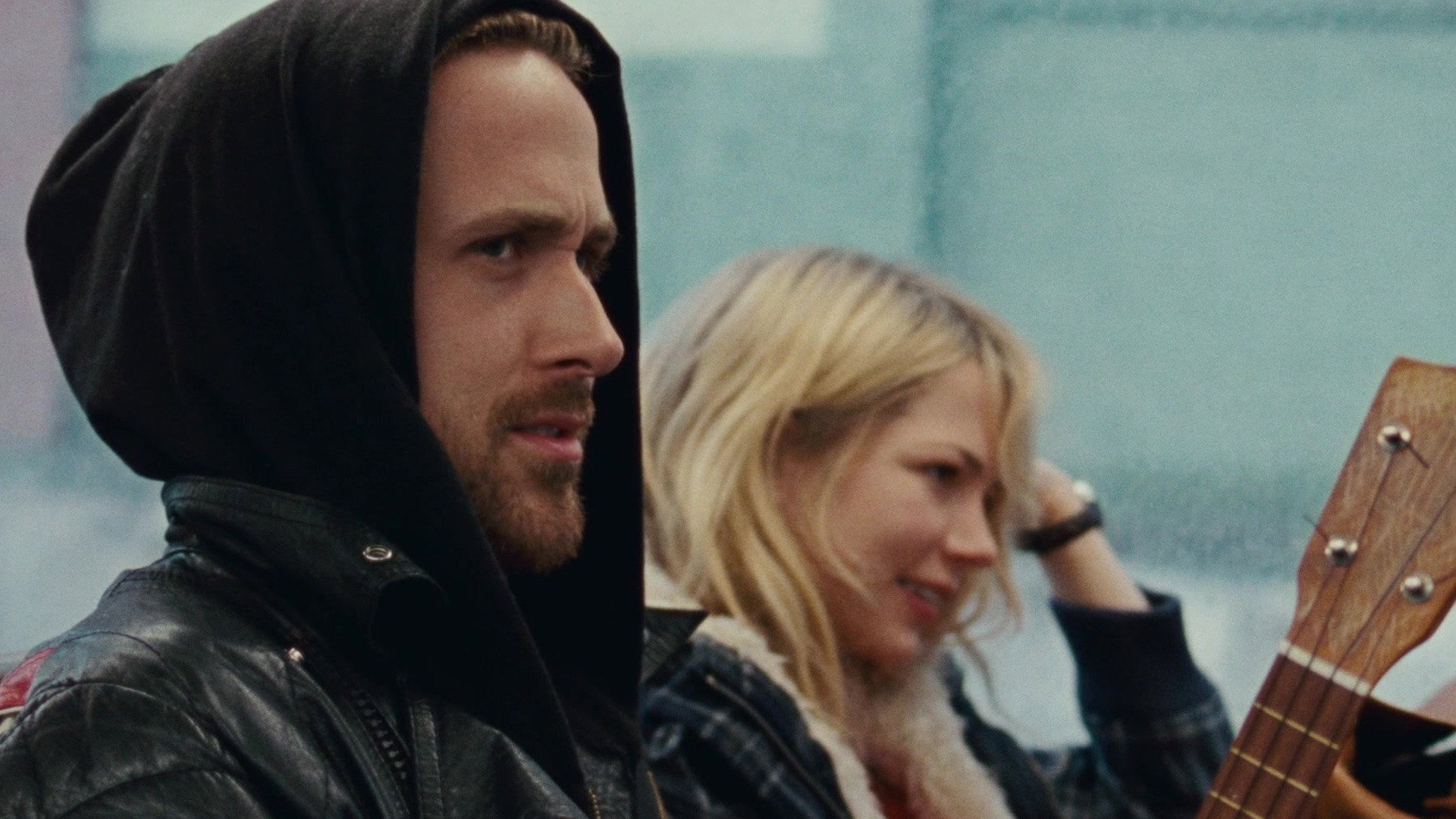
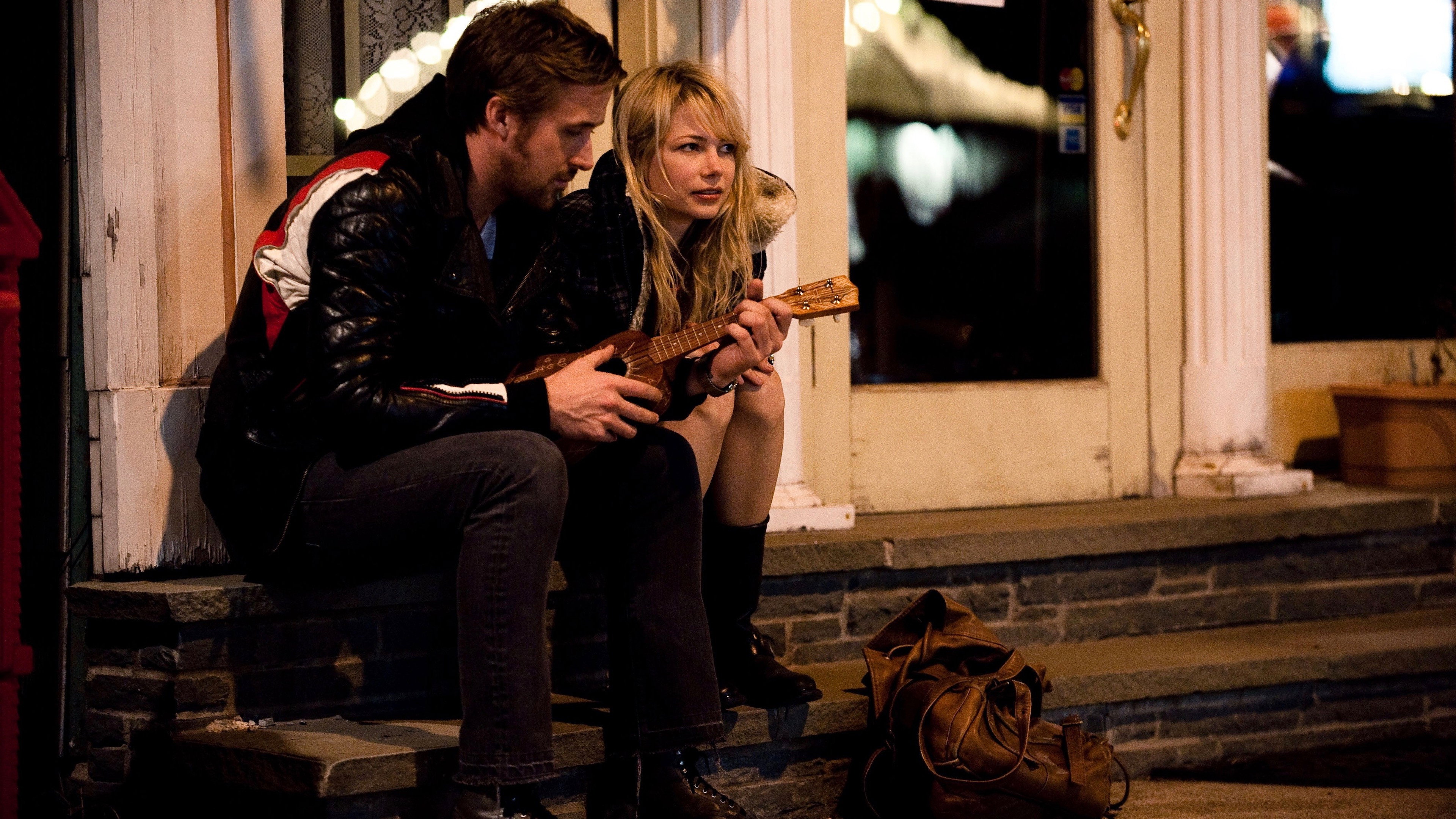
Gosling’s Dean makes charm look like a sincere effort to please, which helps explain why it can survive beyond the point where it is useful. The ukulele and street dance could have been an insistently adorable interlude. Instead, Gosling and Williams make the pleasure of finding someone willing to be silly with you feel unforced. We were moved by it. Seeing them enjoy each other makes the strained exchanges elsewhere harder to bear.

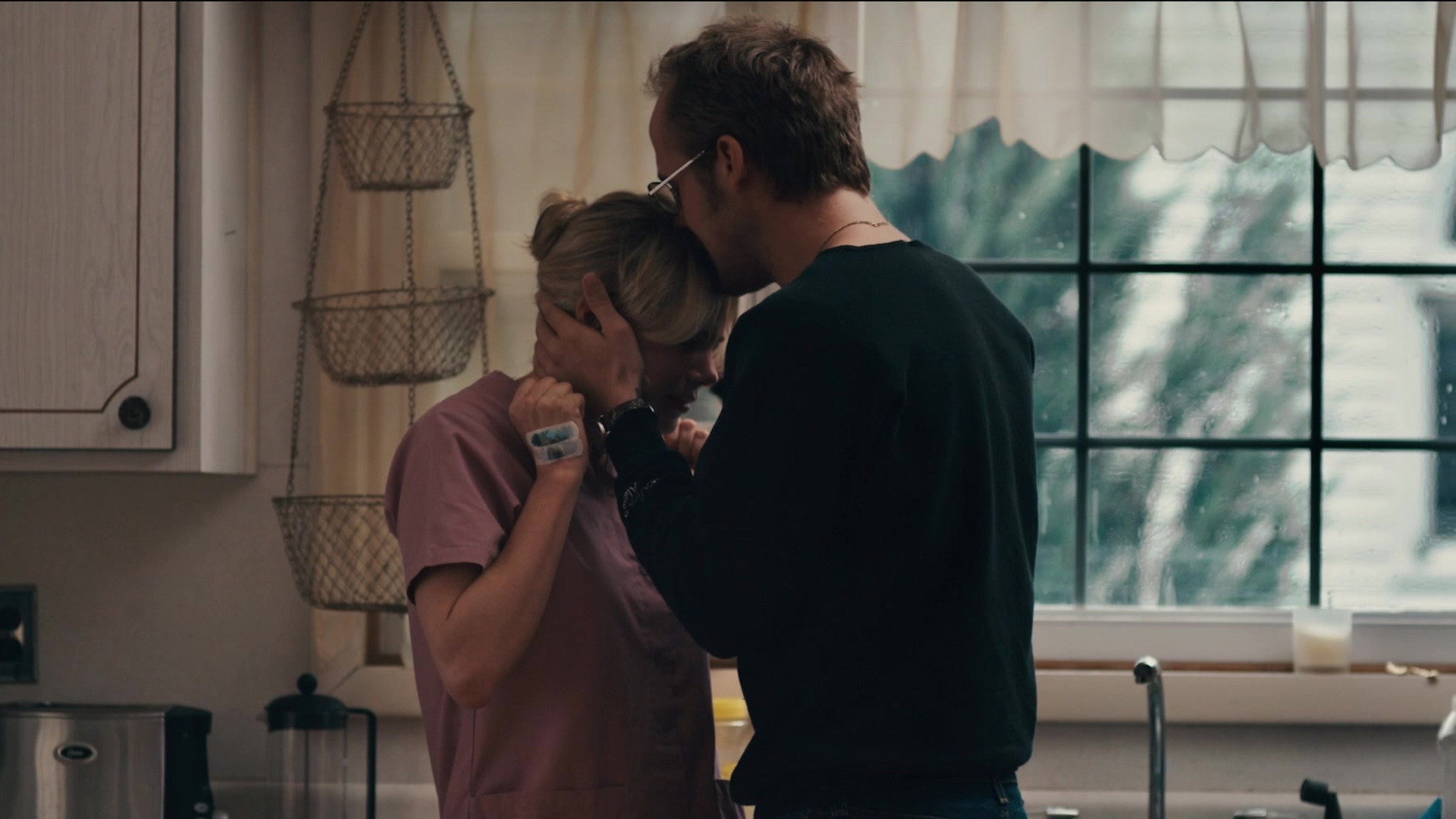
Williams is especially good at Cindy’s weariness, without making her seem to have stopped feeling. She gives irritation enough weight that we do not need a speech explaining every grievance. Beside Gosling’s attempts at sweetness, her impatience can seem harsh, but the performance conveys the exhaustion of having to respond to somebody else’s enthusiasm. We can understand why he wants a warmer reception, and why she cannot keep providing one.

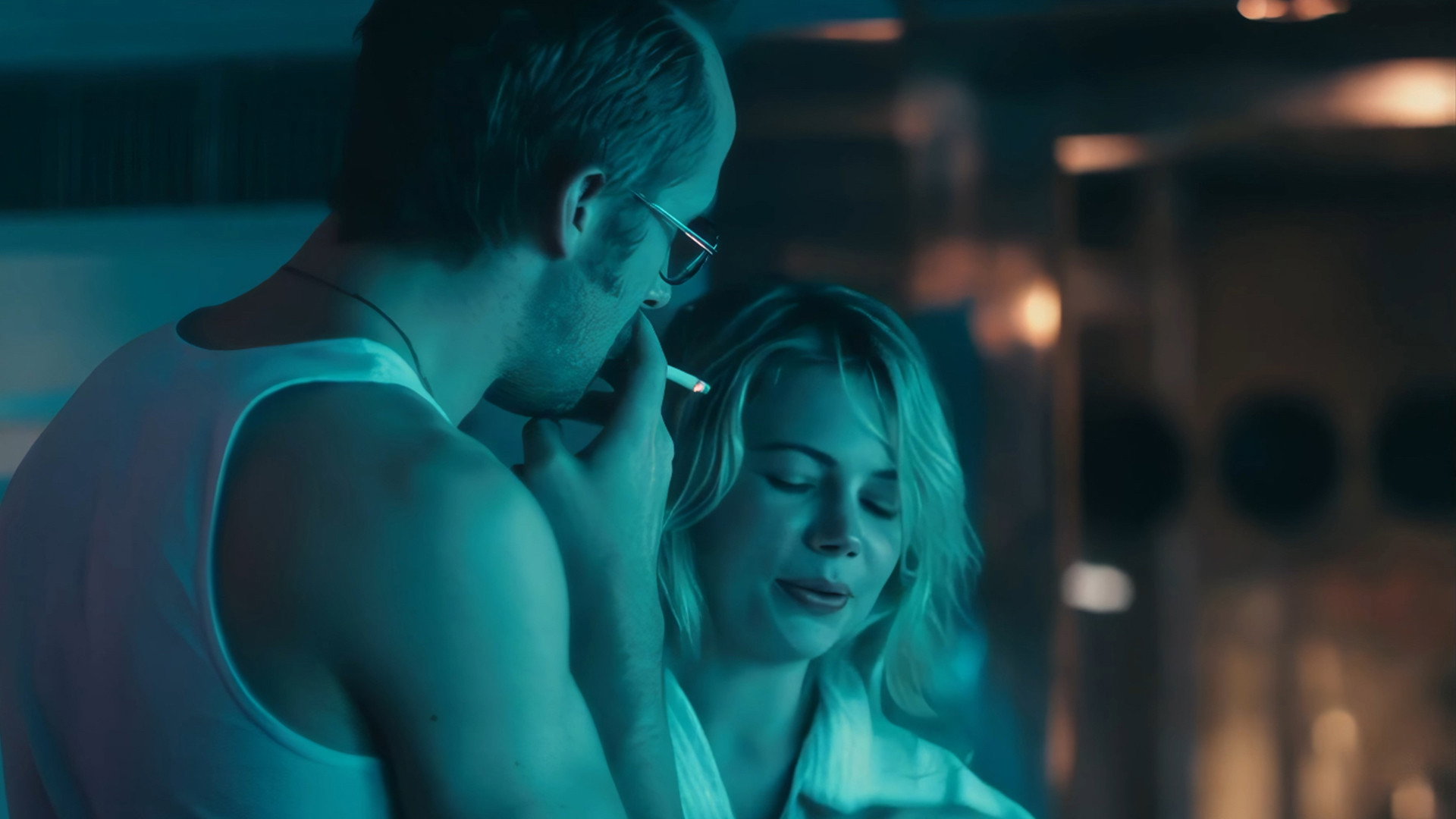
Andrij Parekh’s cinematography distinguishes the earlier relationship from the troubled present without making the change difficult to follow. The visual contrast is strong enough that each return to the courtship brings an immediate sense of relief. That also creates a risk: the pictures can seem to have decided how we should feel before the actors get to work. Parekh is more effective when the contrasting styles let us notice how differently the couple behave without insisting on the difference.

Inbal Weinberg’s production design is usefully unobtrusive, keeping the surroundings from competing with the two leads. There is little pleasure here in admiring the couple’s world from a safe distance. Grizzly Bear’s music is affecting, though the extra melancholy sometimes feels unnecessary. The actors have already made the unhappiness clear, and we would occasionally prefer to be left with them.

Editors Ron Patane and Jim Helton give the movement between periods a clarity that matters in such a close examination of two people. We are rarely distracted by the task of working out when we are. The trouble is that the returns begin to produce the same response: affection, then the discomfort of knowing what follows. Once that rhythm becomes familiar, another contrast does not always deepen our understanding.

Cianfrance, who writes with Cami Delavigne and Joey Curtis, allows conflicting feelings to coexist without forcing us to choose a wholly innocent partner. Each actor makes the other person’s company seem desirable and difficult. Their earlier happiness remains credible even when they become hard to like. That generosity keeps the film from becoming an exercise in watching people suffer for having once been hopeful.

Romantic dramas often ask us to believe in a couple chiefly because the people playing them are attractive. Here, the courtship gives us a reason to care, and the later scenes do not make that care feel foolish. At 112 minutes, it is an exacting evening, with enough tenderness to justify the strain. Save it for an evening when neither of you needs cheering up.
Critical consensus AI synthesised

75
Positive
12
Mixed
1
Negative
1

Most critics find Blue Valentine a painful, convincing account of a relationship breaking down, with praise concentrated on Ryan Gosling and Michelle Williams. The reviews repeatedly credit their performances with making both the early attraction and the later resentment believable. The movement between past and present generally earns approval for showing how affection survives alongside disappointment, rather than simply explaining where things go wrong. Critics also value the film’s unsentimental treatment of intimacy and its reluctance to assign blame.

The reservations concern repetition, narrative clarity and how much its bleakness asks of an audience. Total Film finds recurring highs and lows even while admiring the performances, while The New York Times considers the non-linear storytelling muddled. The Hollywood Reporter is the sharpest dissenter, finding the close observation tedious and the aesthetic heavy-handed. The spread is wide, then, but the disagreement centres on the filmmaking rather than the leads, whose work earns praise even in the least favourable review.

Empire
3 January 2011 · Nev Pierce
85*

Blue Valentine is a raw, honest love story showing the repercussions of rash decisions and how resentments erode a relationship, cross-cutting between the couple's meet-cute and later disintegration with strong, emotionally available performances from Gosling and Williams. It is a tart antidote to candy-coated romances and far more useful than typical date movies.

Read the full review →
The New Yorker
26 December 2010 · Anthony Lane
85*

The critic praises the film as a rare adult love story that confronts sex, consequences, and the everyday erosion of passion without fantasy or evasion. The vital, untrammelled performances of Gosling and Williams are singled out as central to its power.

Read the full review →
Little White Lies
13 January 2011 · 3/4/4 · Matt Bochenski
80

The film is a heartbreaking and unsentimental relationship drama that rejects the redemptive qualities of romance and delves into the painful reality of a crumbling marriage. It contrasts the couple's early days with their later bitterness through strong performances from Gosling and Williams.

Read the full review →
Los Angeles Times
29 December 2010 · Betsy Sharkey
80*

The critic finds the film a painful and moving portrait of a fraying marriage rendered through intimate bookend storytelling. The emotional heft and chemistry of Williams and Gosling are singled out for making the experiment succeed.

Read the full review →
Radio Times
★★★★ · Trevor Johnston
80

This intimate drama offers an in-depth portrait of a marriage hitting the skids with genuine emotional credibility thanks to strong performances from Williams and Gosling. The time-skipping structure is well-observed and avoids feeling too clever while delivering an affecting recognition that love does not necessarily end even when things go awry.

Read the full review →
Slant Magazine
27 December 2010 · Paul Brunick
80*

The critic finds the film a viscerally raw and lyrically stylized drama of marital collapse that is devastatingly sad yet works beautifully through its contrasting visual styles for past and present, strong performances, and atmospheric details. It may prove too depressing for some but captures the emotional range effectively.

Read the full review →

Cast

Stills

Awards

Academy Awards, 2011

Nominated
Best Actress

International Cinephile Society Award for Best Editing, 2011

Nominated
International Cinephile Society Award for Best Editing

International Cinephile Society Award for Best Film, 2011

Nominated
International Cinephile Society Award for Best Film

If you liked this, try…

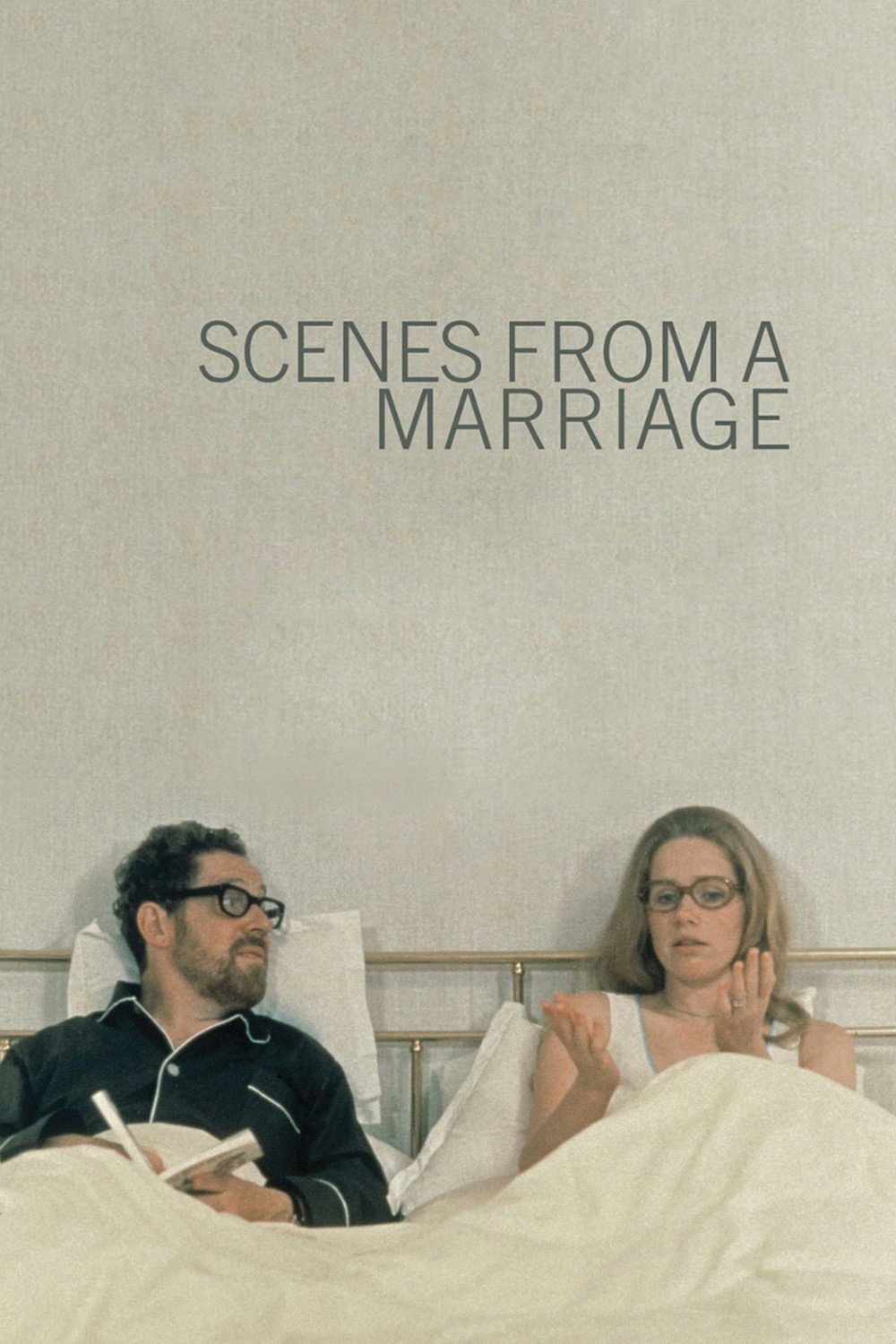
Scenes from a Marriage poster

Scenes from a Marriage

1973 · Another couple whose affection survives arguments that make staying together difficult.

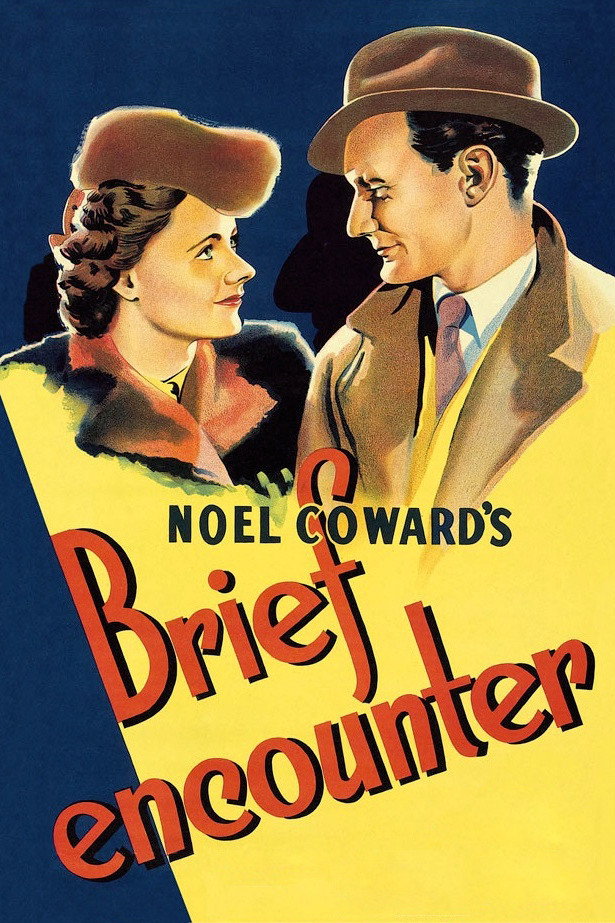
Brief Encounter poster90

Brief Encounter

1945 · For the small, restrained gestures that make an unhappy romance matter.

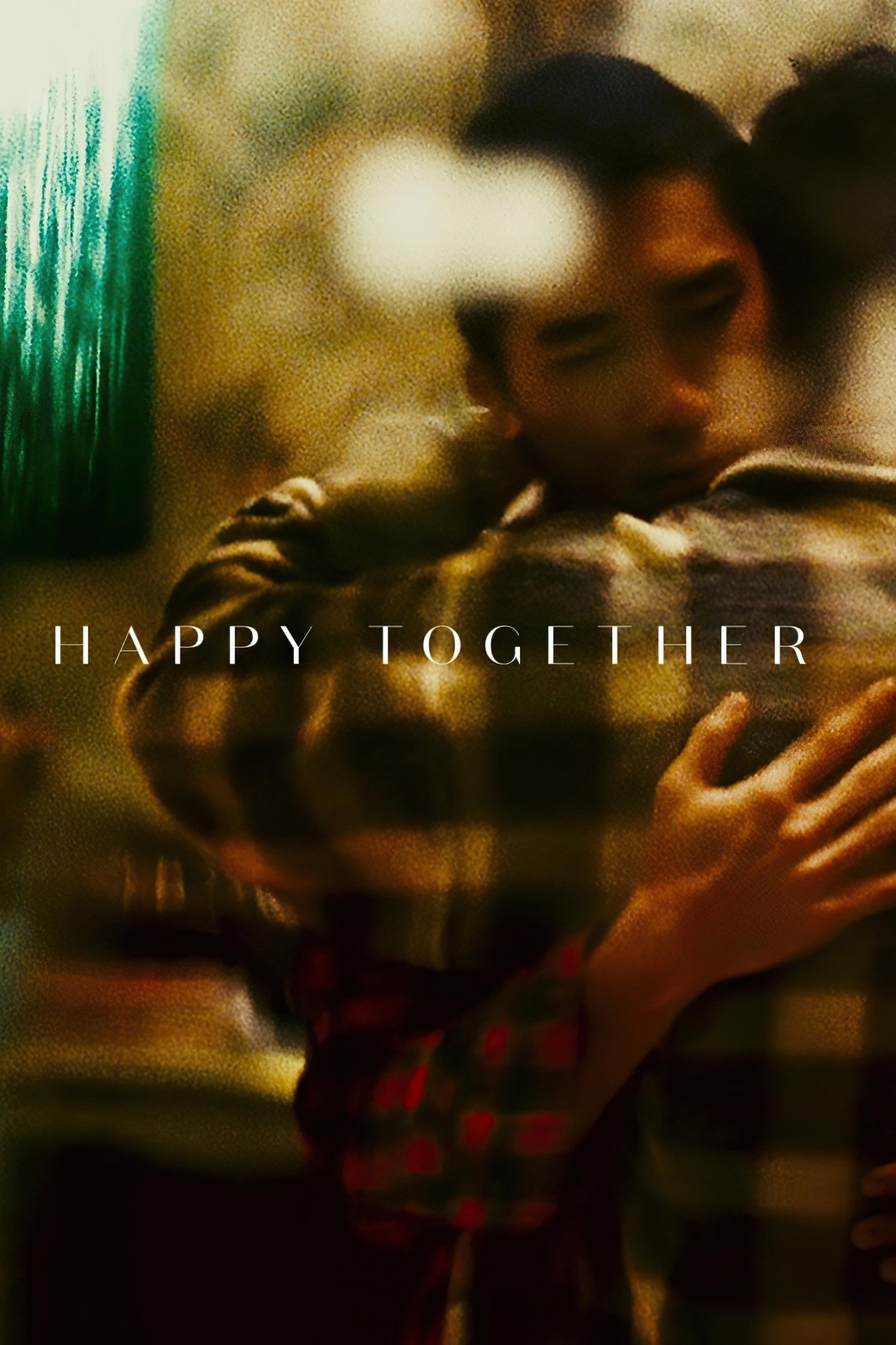
Happy Together poster86

Happy Together

1997 · A turbulent relationship rendered through shifting moods, close attention and restless images.

A Separation poster93

A Separation

2011 · Another marriage examined closely, with sympathy that refuses to settle on one side.

The Broken Circle Breakdown poster

The Broken Circle Breakdown

2012 · Music and fractured chronology give another troubled relationship both tenderness and force.