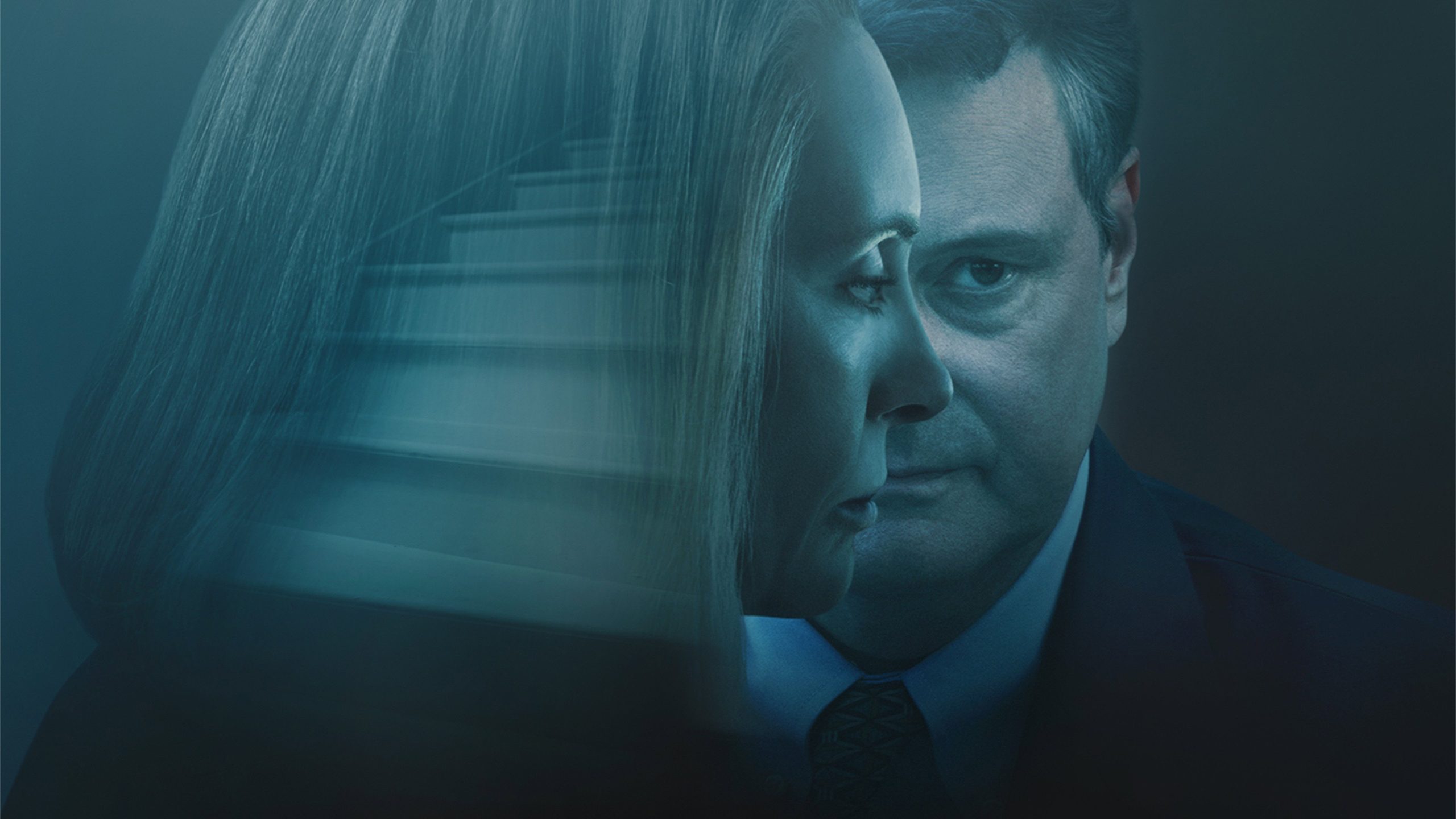
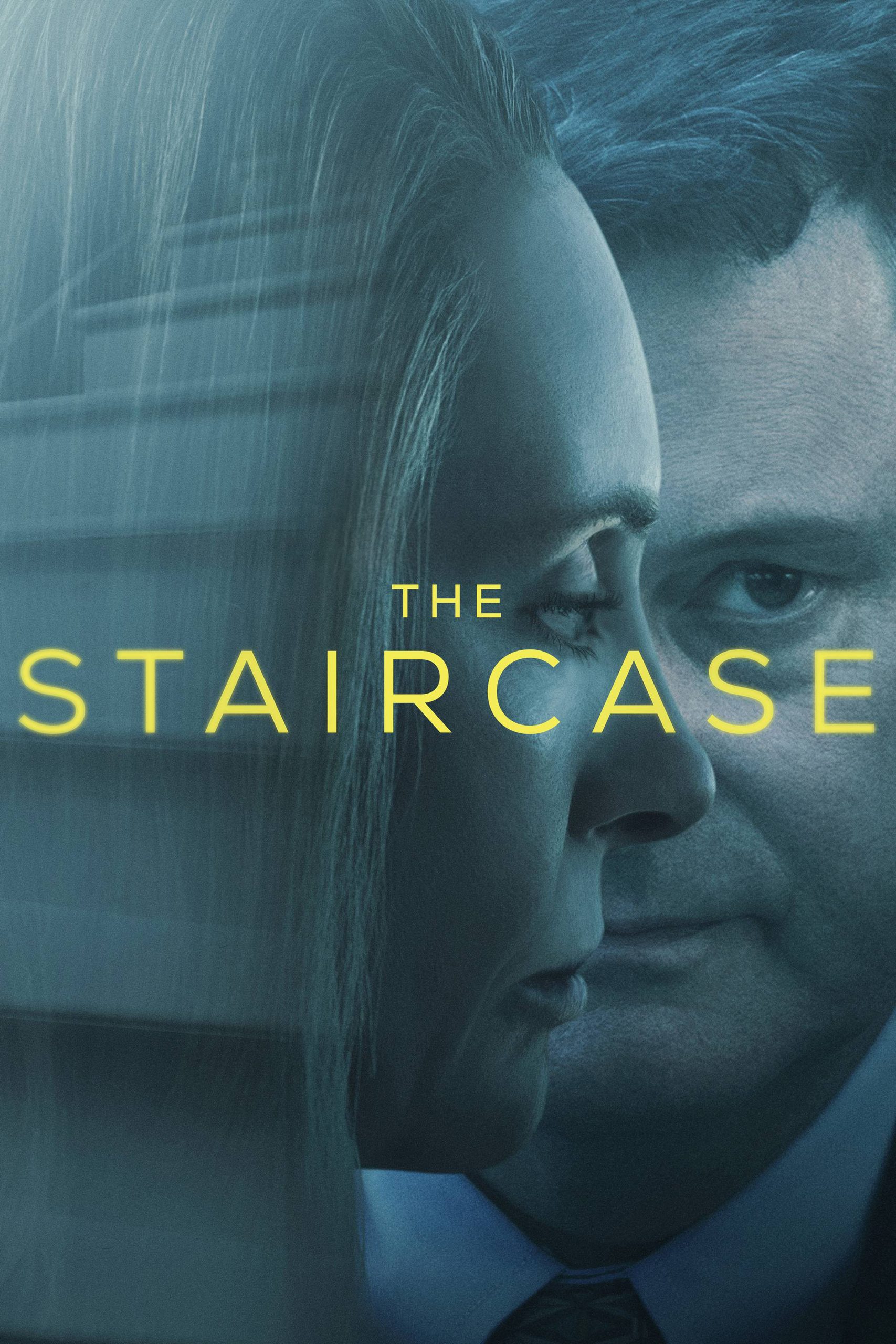
António Campos’s eight-part dramatisation of the Michael Peterson case is better than it needed to be, largely because Colin Firth and Toni Collette refuse to play a villain and a victim. It is also two episodes too long, and its cleverest idea arrives late.
The death of Kathleen Peterson has already been told once at length. Jean-Xavier de Lestrade’s documentary, also called The Staircase, followed Michael Peterson and his lawyers through the trial and kept returning to him for years afterwards. António Campos, who created this eight-part dramatisation, writes on it and directs alongside Leigh Janiak, has not tried to pretend otherwise. He puts de Lestrade (Vincent Vermignon) and his camera crew into the story, so that we watch the Petersons being watched. It is a good idea, and it makes the series better than the average true-crime rerun. It is also an idea the series takes its time getting round to.
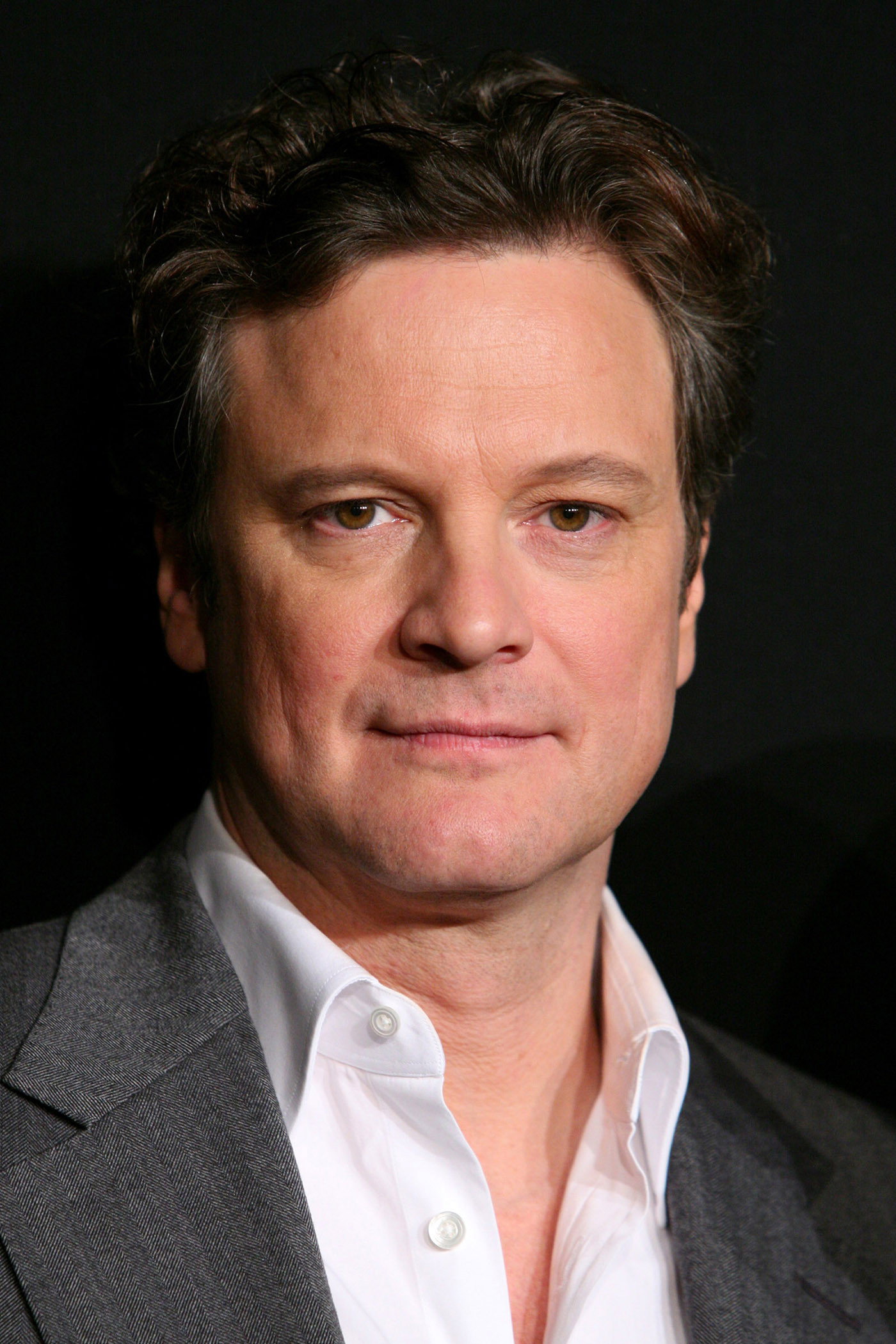
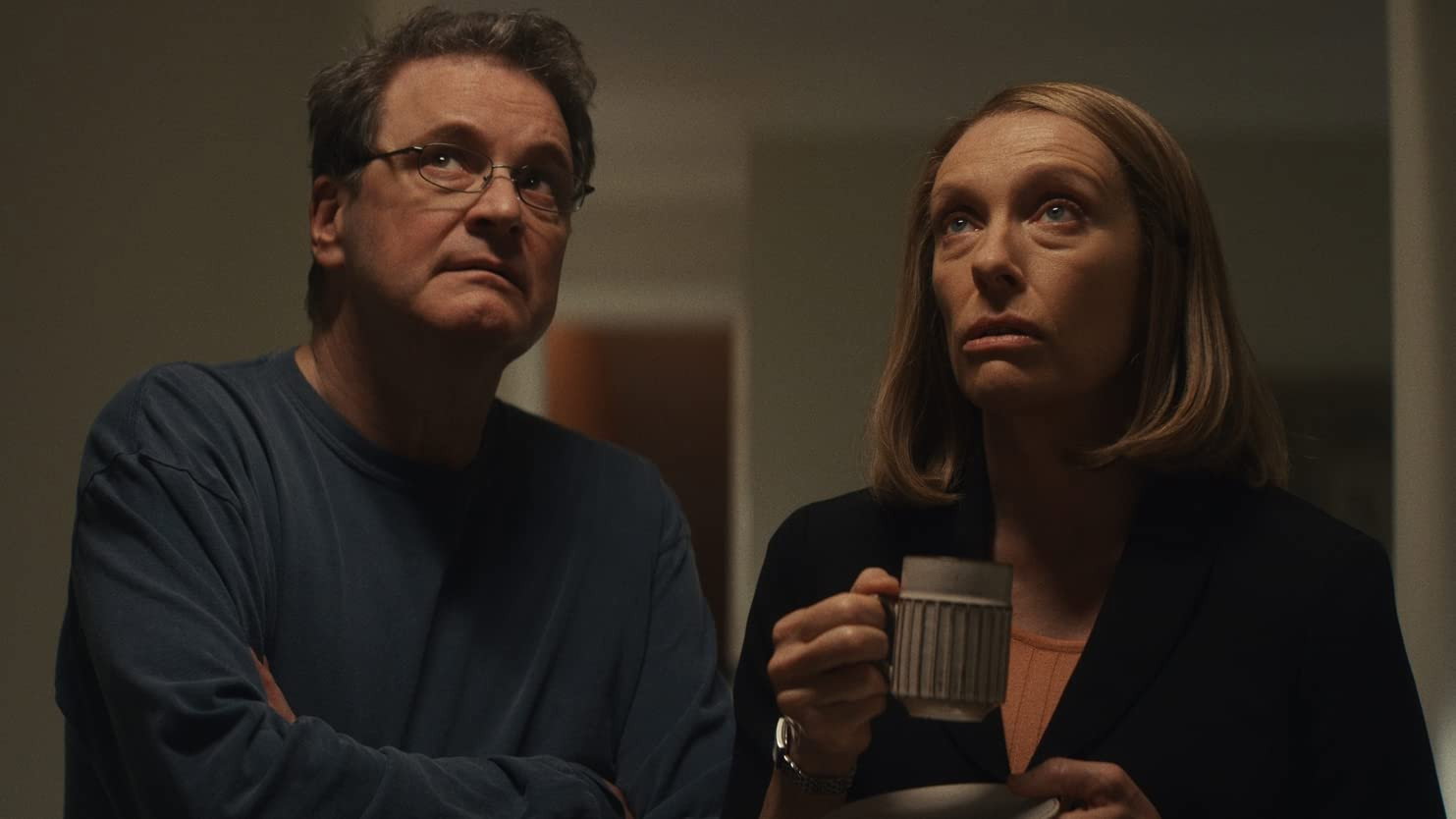
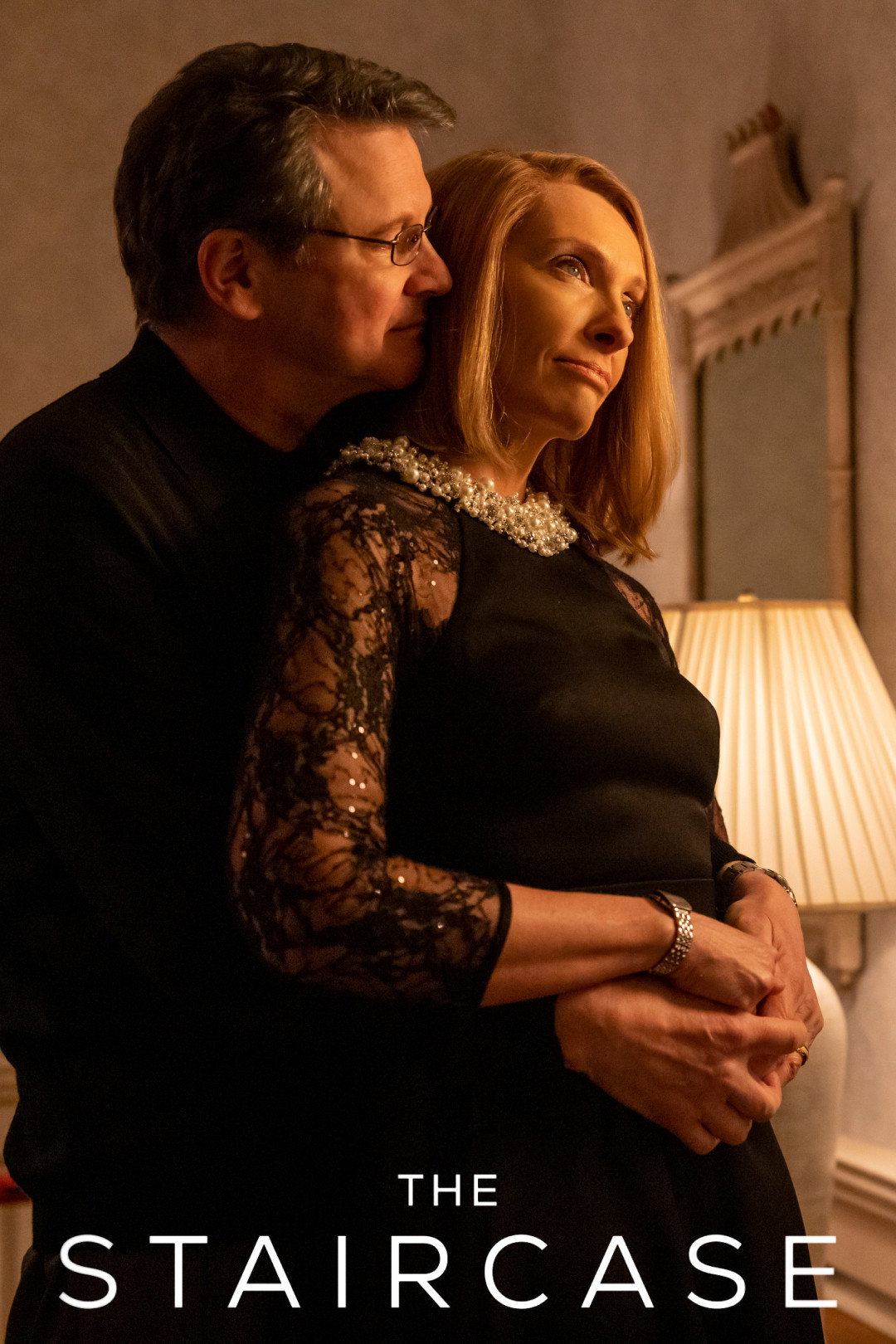
Colin Firth’s Michael Peterson is the reason to watch. He plays him as a man who has talked his way through his whole life and has no other setting. He explains the fall to the police, to his children, to his lawyer, to the documentary crew, and each time the account is fluent and slightly different, and each time Firth lets a little irritation show that anyone should need it explained again. The body is soft, the shirts are expensive, the voice has a writer’s pleasure in its own sentences. We spent eight hours unable to decide whether we were watching a liar or a bore who happened to be telling the truth, and we think that is exactly what Firth intended.
Toni Collette has the harder job, because Kathleen is dead before the first episode has settled, and most series of this kind would leave her there. This one keeps going back. We see her running the house, drinking wine with the daughters, doing the accounts at the kitchen table with a face that says the numbers are worse than she is letting on, and shutting a bedroom door on an argument she does not want to finish. It made us unhappy in a way true crime rarely manages, because we knew where every one of those scenes ends. Collette plays her as tired, funny and holding a good deal in, and the marriage she and Firth build is warm enough that the question of what happened on the stairs actually hurts.
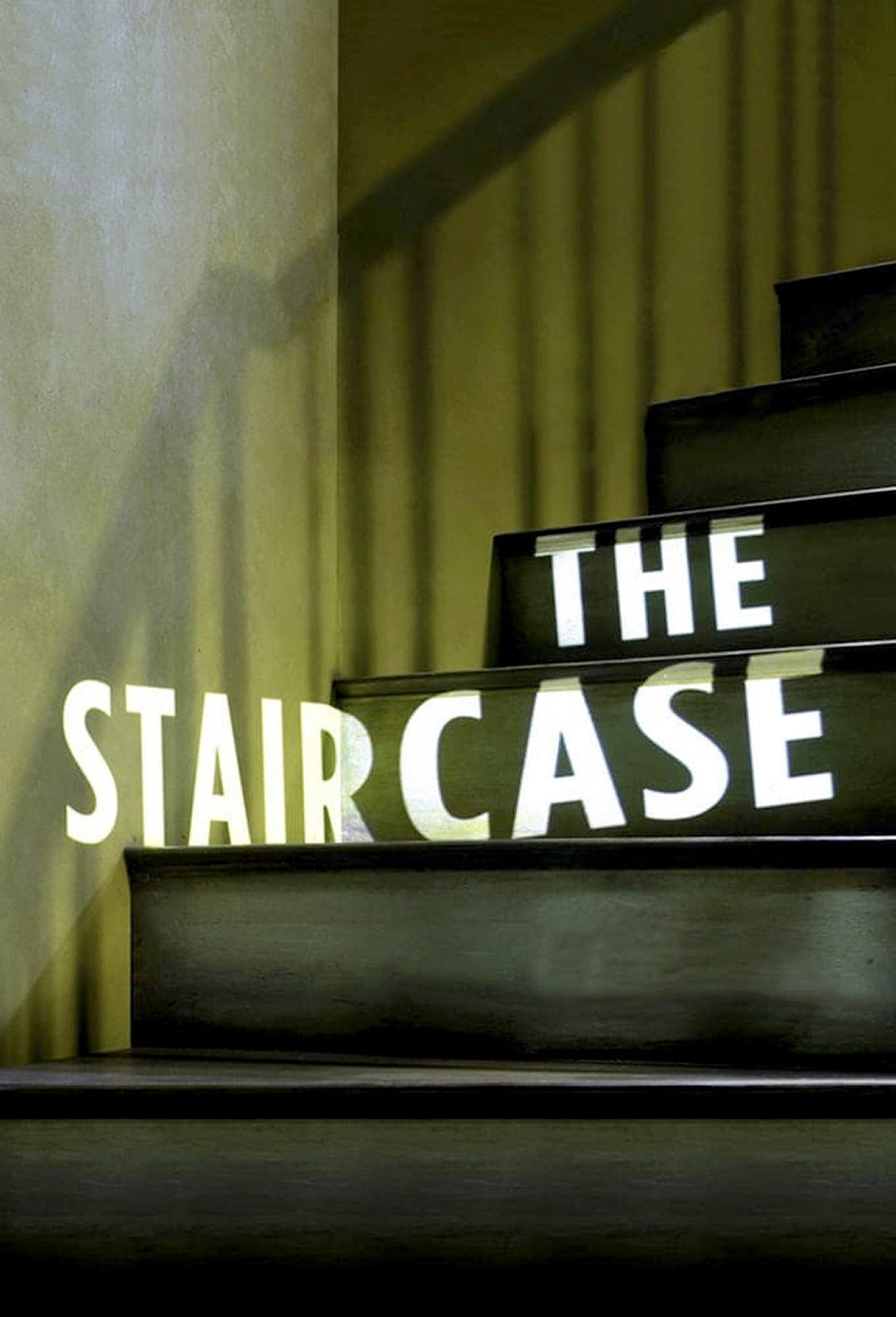
Michael Svitak and Lyle Vincent shoot the house in warm lamplight when Kathleen is alive and drain it to grey when she is not, and Michael Shaw’s production design makes the back staircase a narrow, badly lit thing that nobody would choose to die on. The camera looks down it from the landing as if into a well. Danny Bensi and Saunder Jurriaans keep the music to low sustained strings that hum under the dialogue. The four editors, Sofía Subercaseaux, Christopher Rand, Eric Spang and Shelby Siegel, move between several timelines, sometimes across a single cut, so that a man in his fifties becomes a man in his seventies mid-sentence. It is a lot of cutting, and in the middle episodes it starts to feel like a delaying tactic.
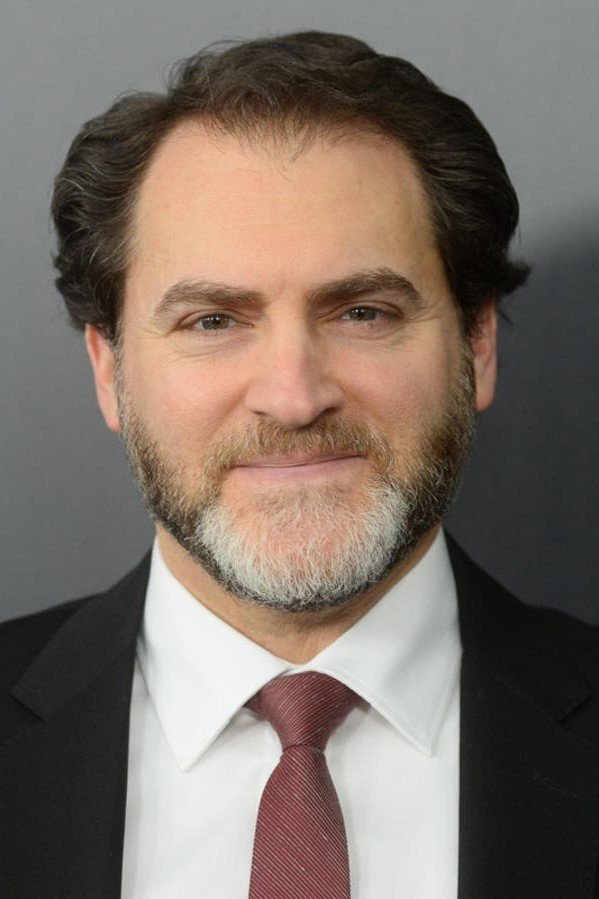
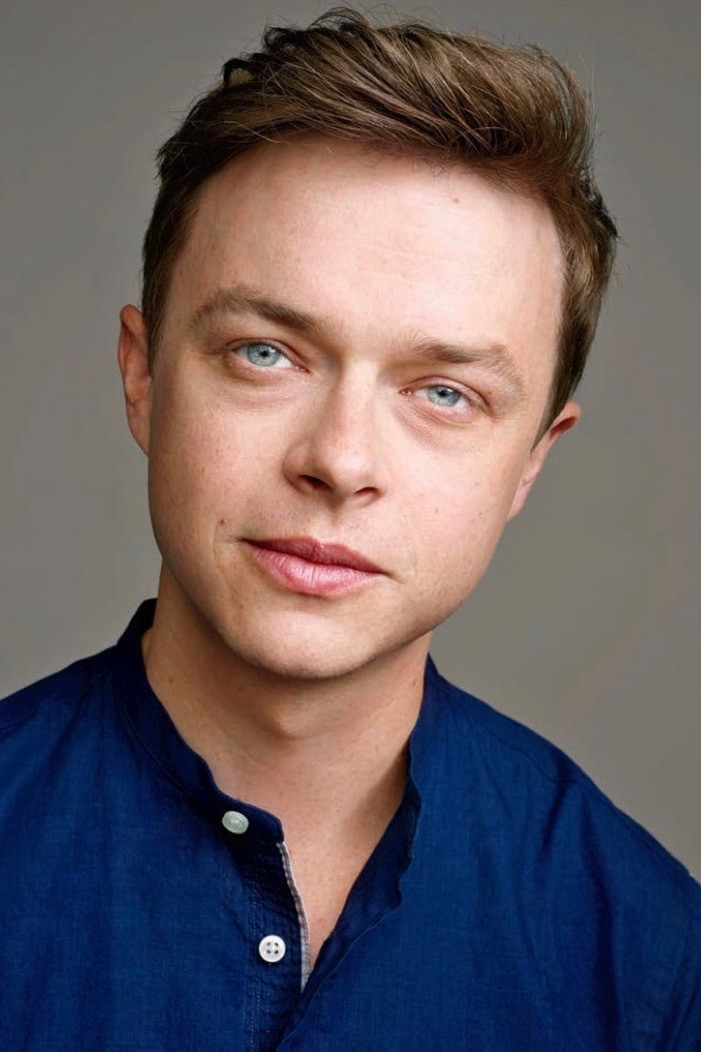
Those middle episodes are the problem. Eight hours is more than this story needs, and the fourth, fifth and sixth circle the same ground: another hearing, another family dinner that curdles, another piece of evidence turned over. Michael Stuhlbarg’s David Rudolf is watchful and dry and better than the material around him. Parker Posey’s prosecutor Freda Black is pitched a size too large, a Southern accent doing the work a character should. Dane DeHaan and Patrick Schwarzenegger, as the sons, are given loyalty and not much else. Sophie Turner and Odessa Young, as the Ratliff sisters, take three episodes to become distinguishable. Rosemarie DeWitt, as Kathleen’s sister Candace Zamperini, is the sharpest thing in the supporting cast, a woman who has made up her mind and will not be moved.
What lifts the second half is the decision to stage Kathleen’s death more than once, each time according to a different account of it, and to show the documentary crew deciding what to keep. We will not say which versions, or who is telling them. We will say that the series does not settle the matter, and that we came away respecting it for that and slightly worn out by it too.
If you have seen de Lestrade’s film you will spend much of this comparing the two; if you have not, the series still works, though it assumes you know how the documentary made you feel. Watch it two episodes at a time, at home, and do not expect to be told what happened. The tagline promises there is no truth without lies. On this evidence there is not much truth with them either.