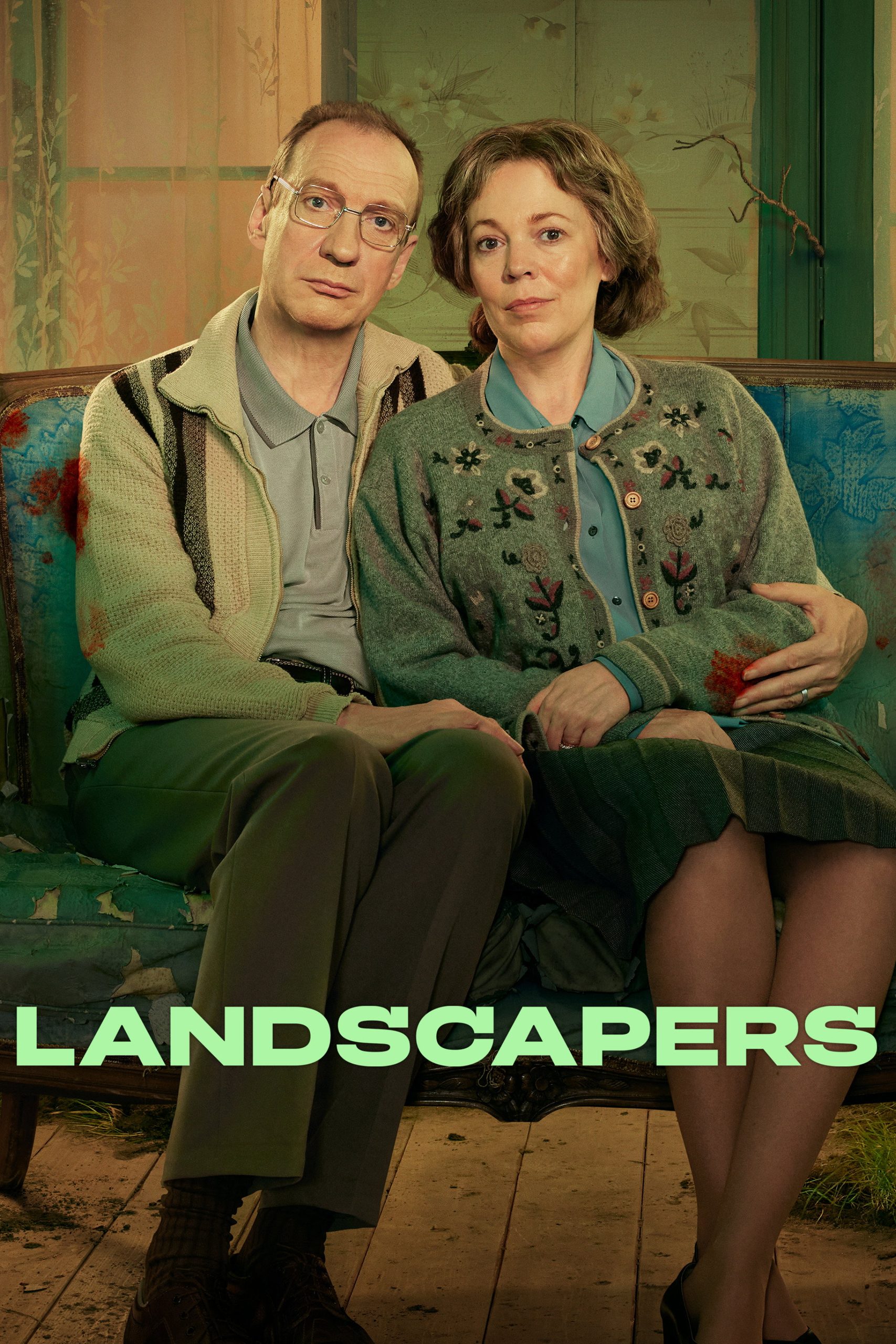
Will Sharpe and Ed Sinclair turn a squalid true murder case into something stranger and kinder than the genre usually allows, and Olivia Colman and David Thewlis are the reason it holds. When it stops to explain what it is doing, it gets colder.
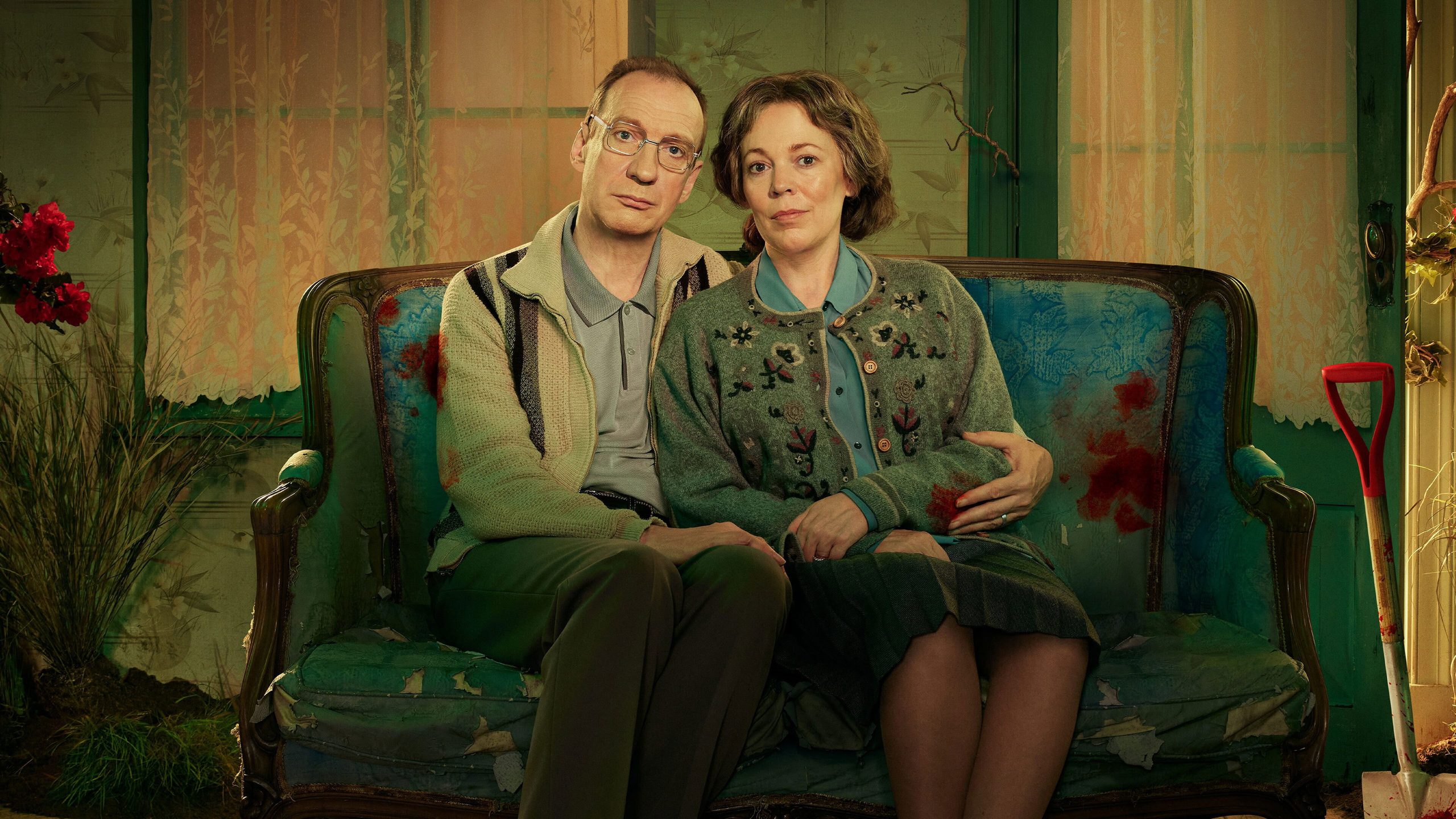
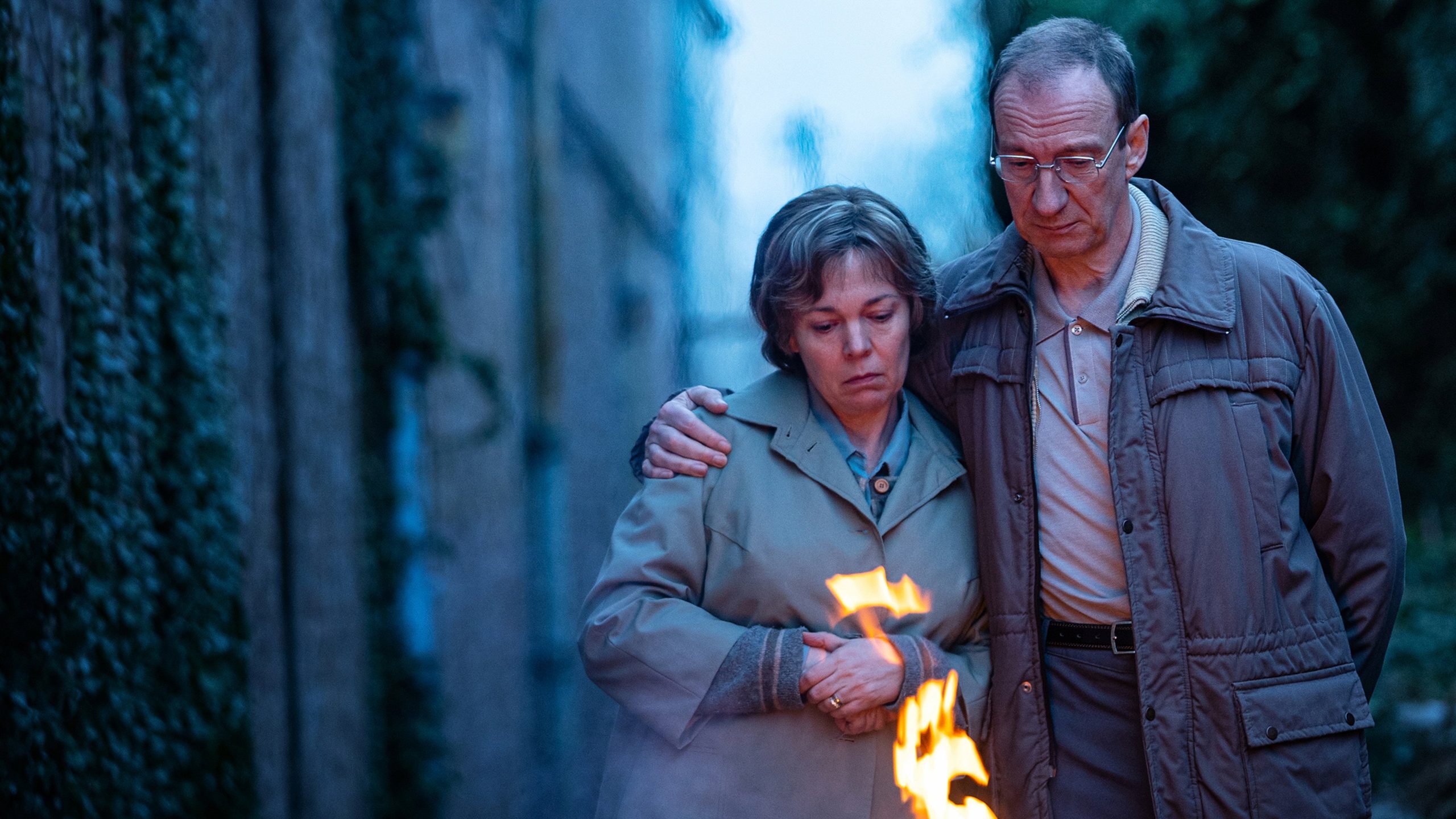
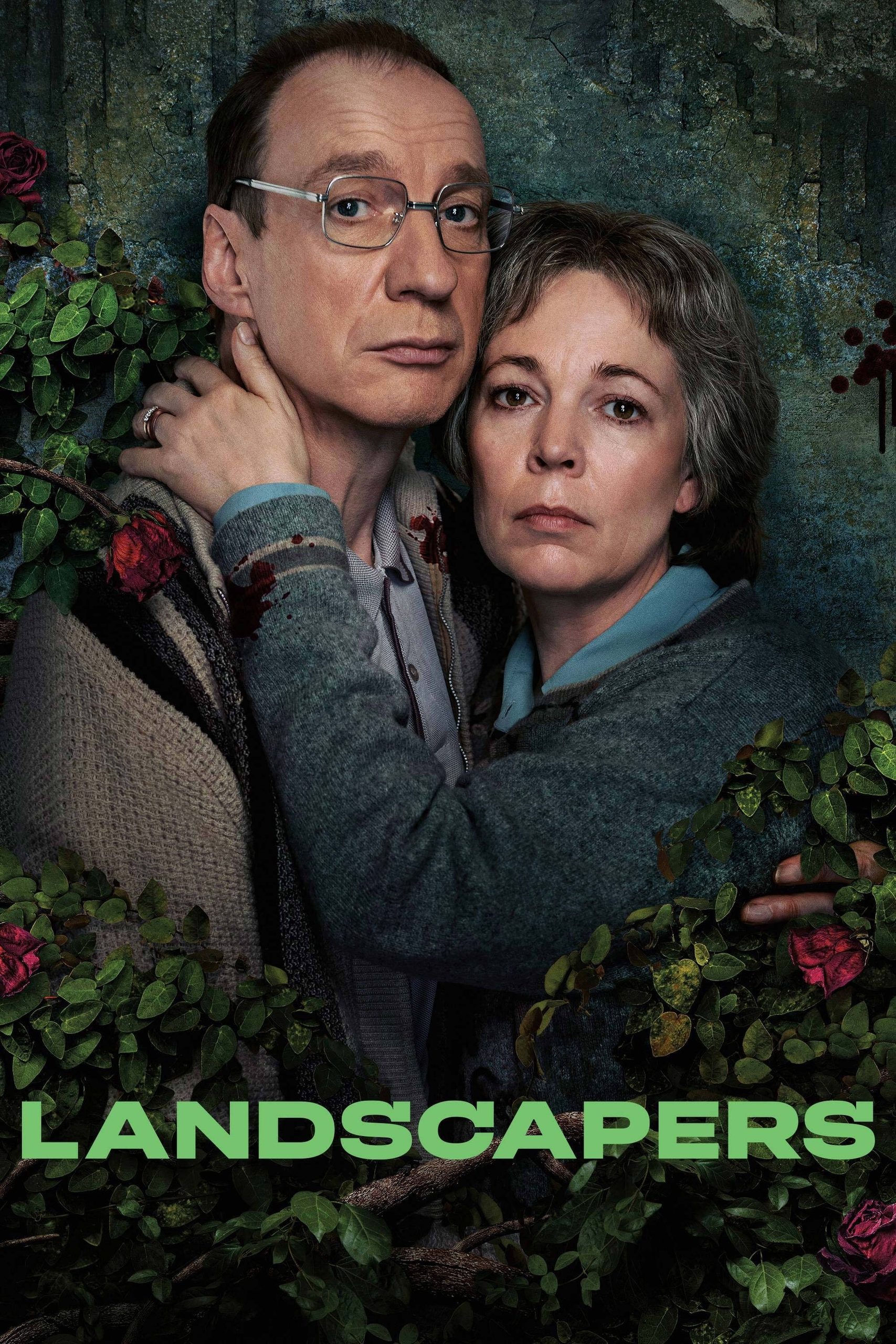
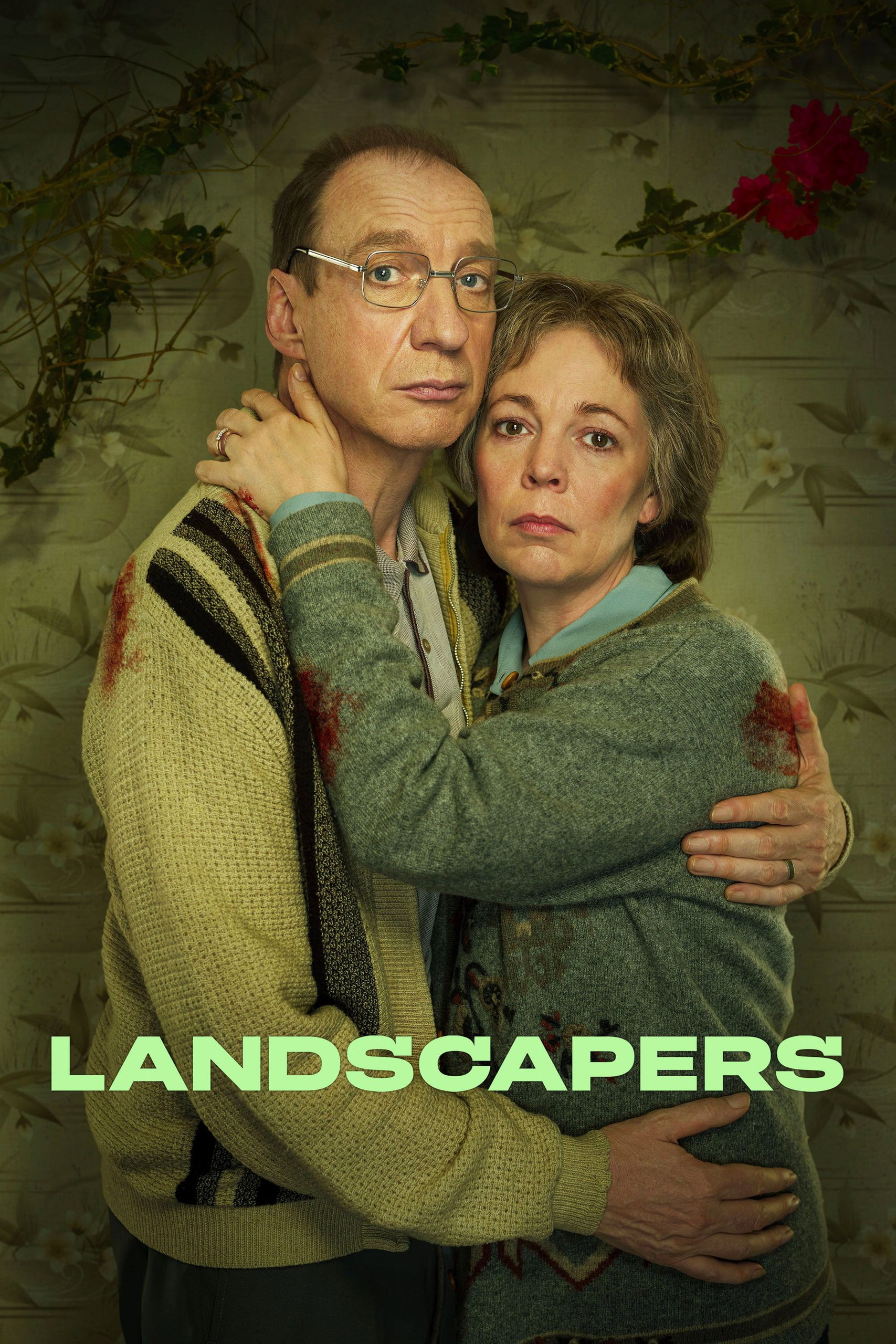
Landscapers begins in France, where Susan Edwards (Olivia Colman) and her husband Christopher (David Thewlis) have run out of money. Christopher rings his stepmother Tabitha (Kathryn Hunter) to ask for a loan and tells her that Susan’s parents, William and Patricia Wycherley (David Hayman and Felicity Montagu), have been buried in the back garden of their house in Mansfield for fifteen years. Ed Sinclair, who created the series, is not interested in whether they did it. He wants to know why two such quiet people did, and what story they have agreed to believe.
It is a good series, odd on purpose, held together by two performances of great tenderness, and we recommend it to anyone who is tired of true crime as it is usually done. Its weakness is that it knows how clever it is being and keeps telling you.
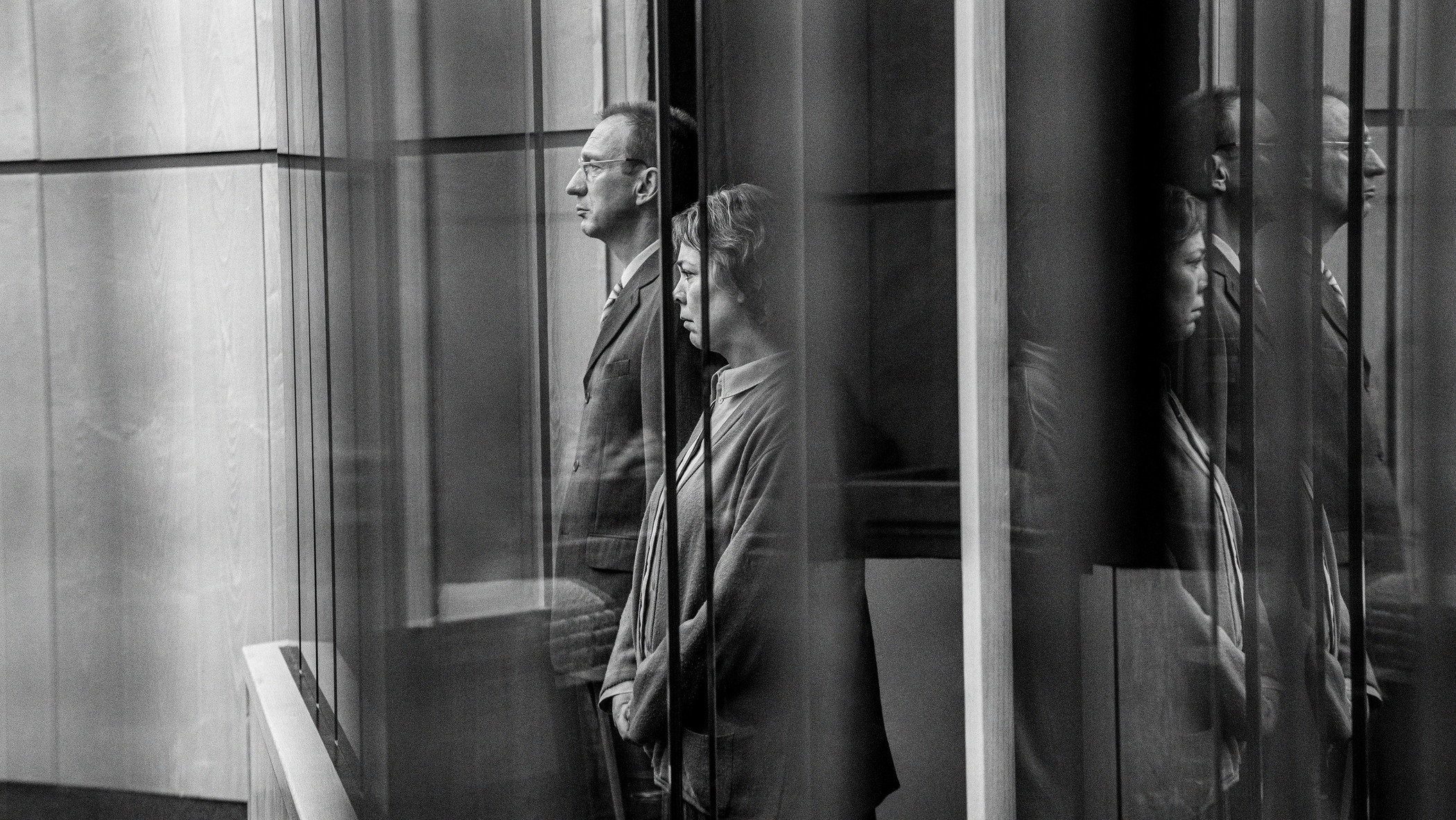
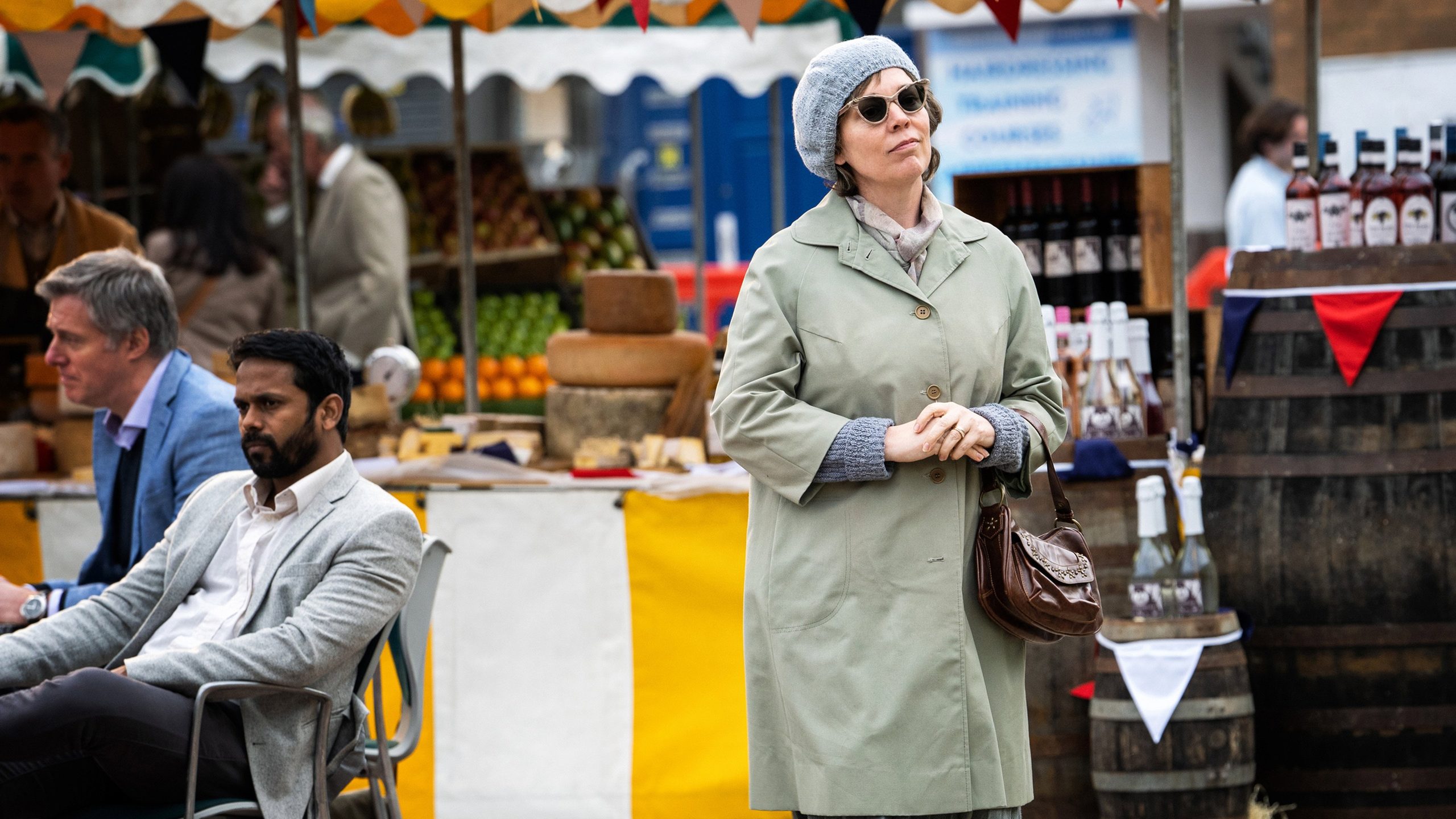
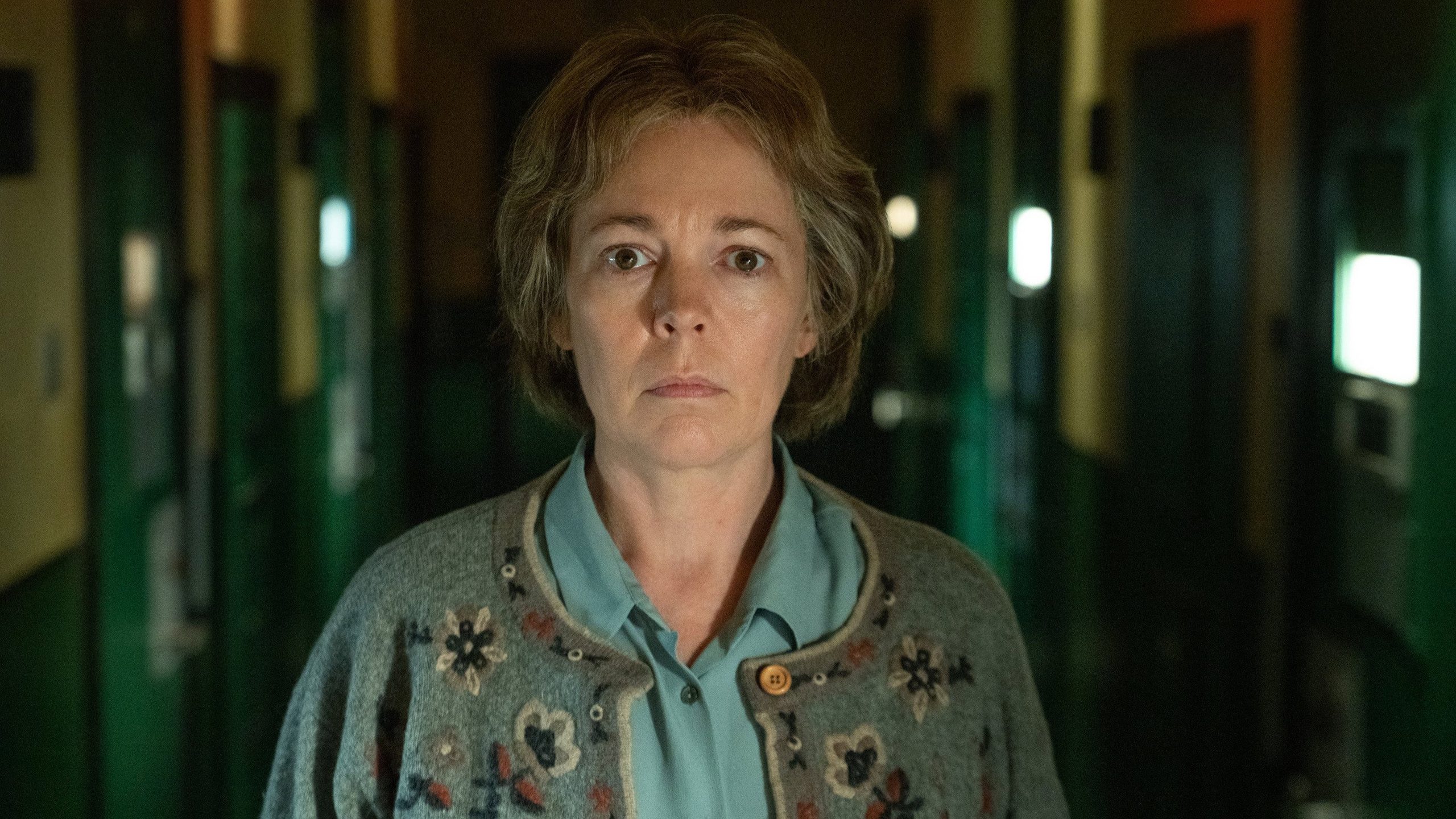
Will Sharpe directs all four episodes, and stages the couple’s memories the way Susan would want them staged: in black and white, in the widescreen of the Westerns she loves, with Christopher as a lean man in a hat rather than a shy man in a beige anorak. Erik Wilson shoots the police station in strip-lit grey and, when Susan starts to talk, lets the frame widen and the light go silver. Cristina Casali builds the Wycherleys’ house as a set whose walls come away to show the studio behind. Charlotte Walter puts Colman in cardigans and a headscarf and Thewlis in glasses that make a face disappear.
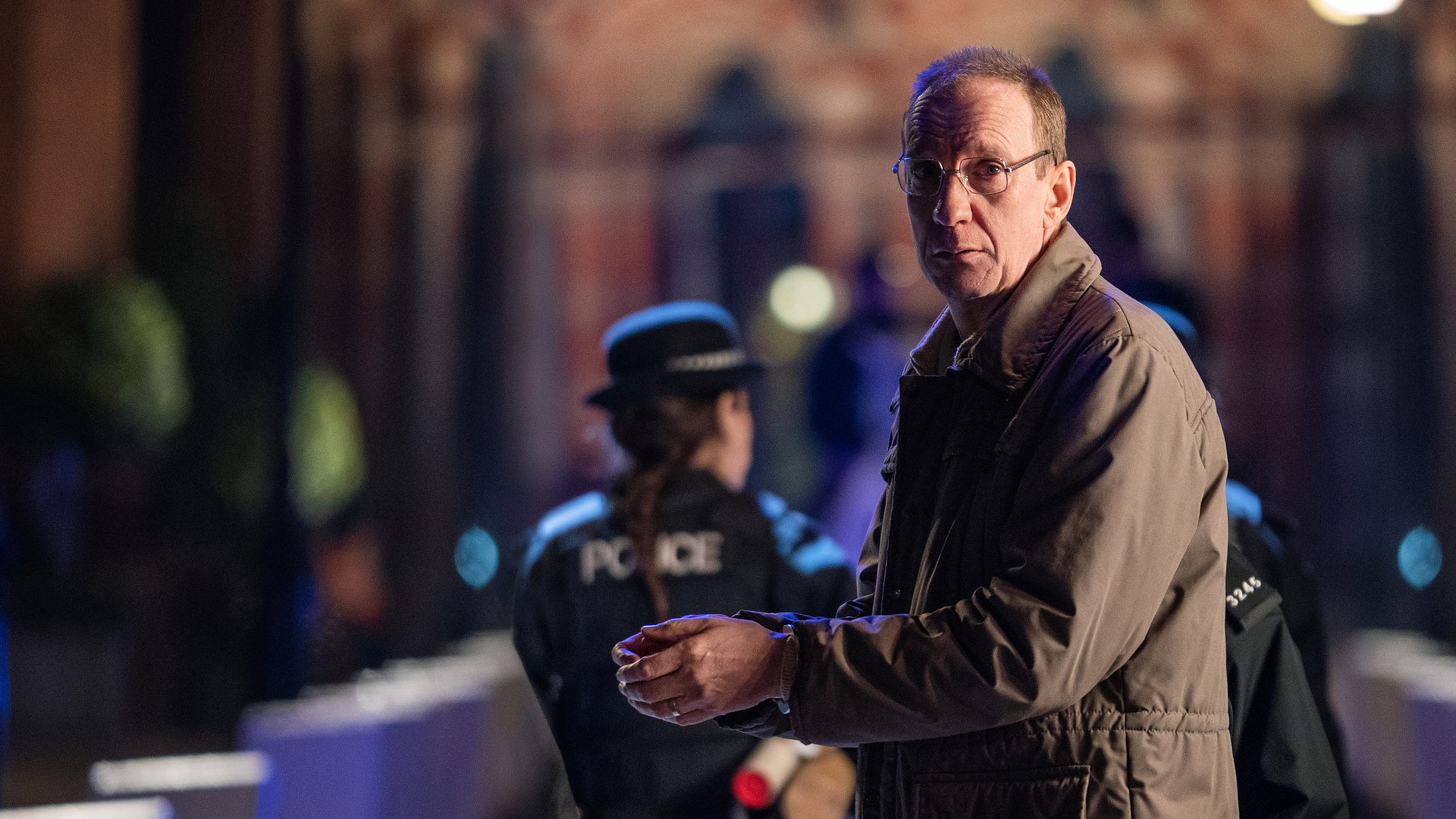
Colman plays Susan as a woman who has decided the world is a film and cast herself in it. Thewlis’s Christopher is the finer piece of work: a man who loves his wife more than he loves the truth and has made his peace with the exchange. In the first episode, at a railway station, the police lead them apart and he tells her it will be all right in the voice of someone who has no idea whether it will. We were more moved than we had any business being, watching two murderers arrested. It was Thewlis’s hands that did it. He keeps reaching for her after she has gone.
Kathryn Hunter has one scene as Tabitha and does more with a telephone receiver than most actors manage with a monologue. Dipo Ola, as Susan’s solicitor Douglas Hylton, keeps trying to tell her that being liked by the police is not a defence. Kate O’Flynn’s DC Lancing and Samuel Anderson’s DC Wilkie are written as the hard one and the soft one, and Daniel Rigby’s DCI Collier is a joke about provincial policing. Sinclair and Sharpe are so plainly on the couple’s side that the police are never allowed to be right for long.
The cleverness is the problem. The first time the walls fly out and the crew is shown, it is thrilling. By the fourth episode it plays like a lecture on why true crime is a dubious business, delivered by a true-crime series. Elen Pierce Lewis cuts between the couple’s account and the police account, but the series is so anxious that we should trust neither that it forgets to make us care which is true. And two real people were killed. Susan’s version of her parents, played by Hayman and Montagu as monsters out of a fairy tale, is the only one we see. We were uneasy about that, and the series seemed to want us to be, and then did not know what to do with it.
Sharpe made Flowers with Colman, and that series had the same habit of treating misery as farce and farce as tragedy. This is more controlled and a degree colder. Arthur Sharpe’s score, strings and a lonely Western guitar, warms it back up. The critics who liked it more than we do enjoyed the walls coming down; we preferred the two people sitting in front of them.
Four episodes is the right length. Watch two at a sitting, and be warned that you will spend the second hour hoping two people who buried a couple in a garden are treated gently, and not be sure how you feel about that.