Film review

Sightseers

2012 · Directed by Ben Wheatley · 1h 28m · MPA NR

In a sentenceA caravan holiday with two people who should never be allowed to write a complaints letter

ComedyCrimeRomanceHorror

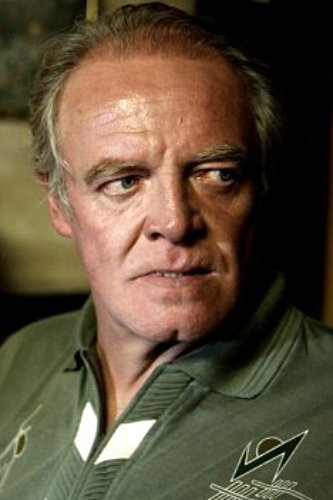
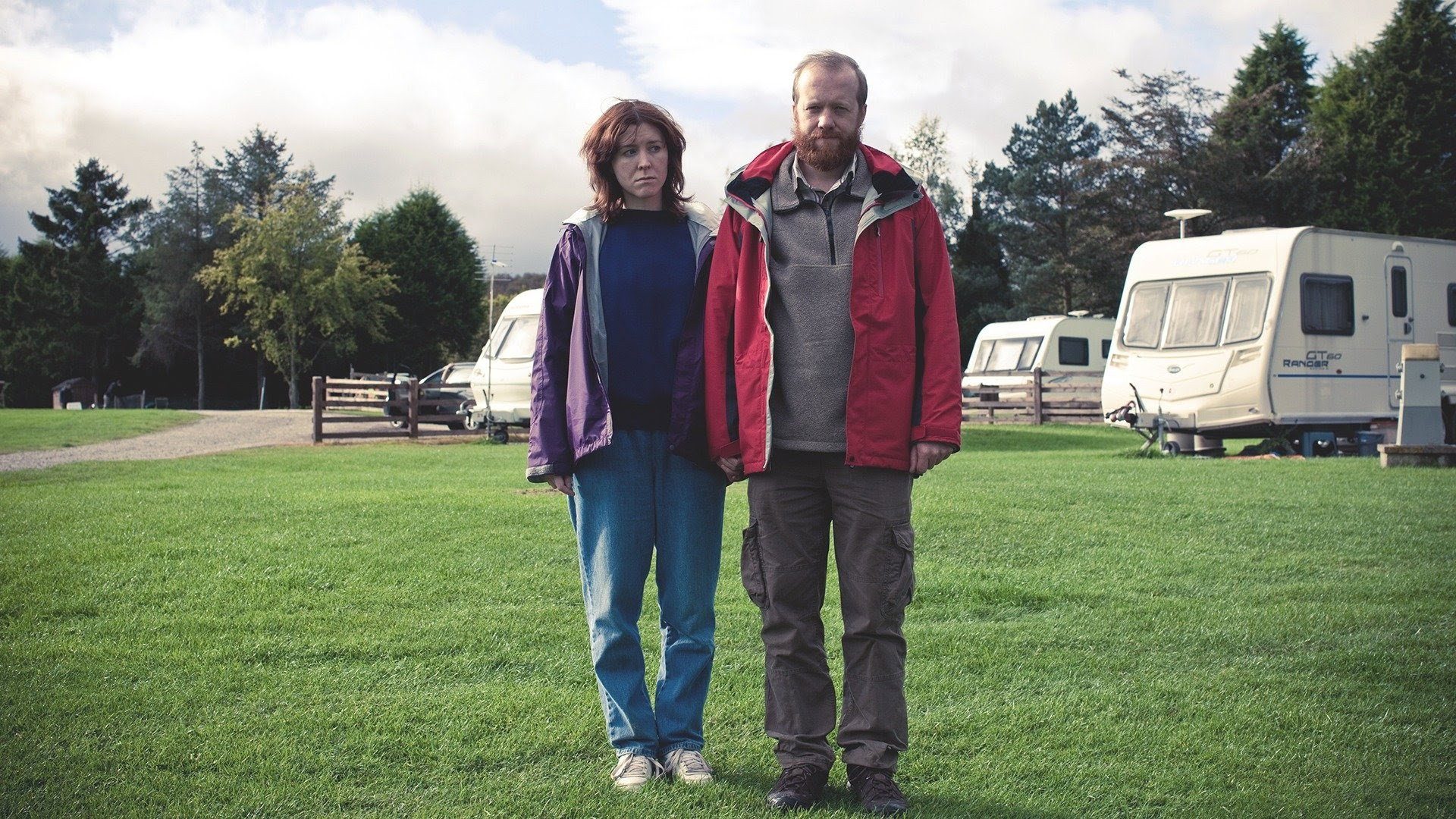
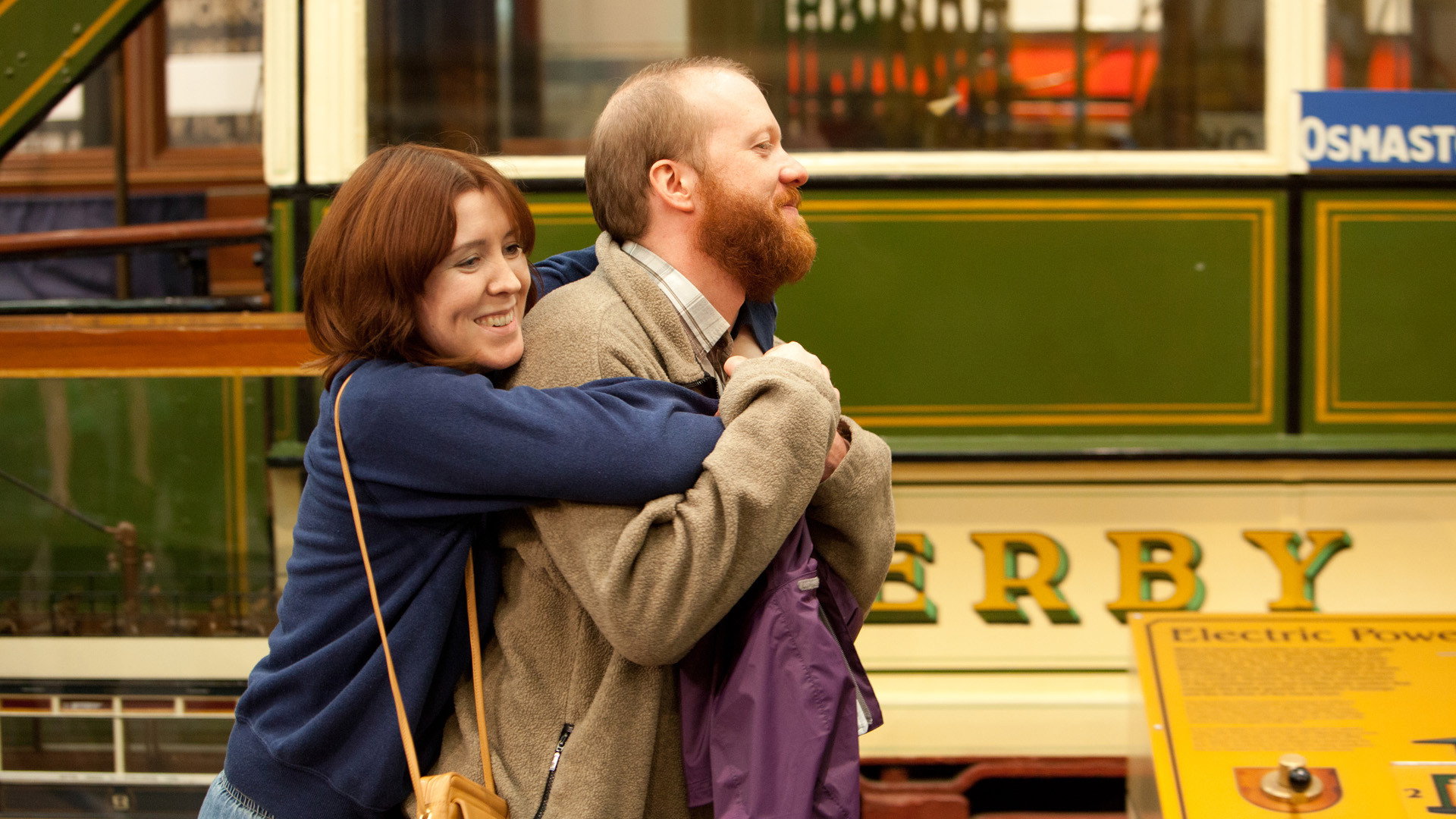
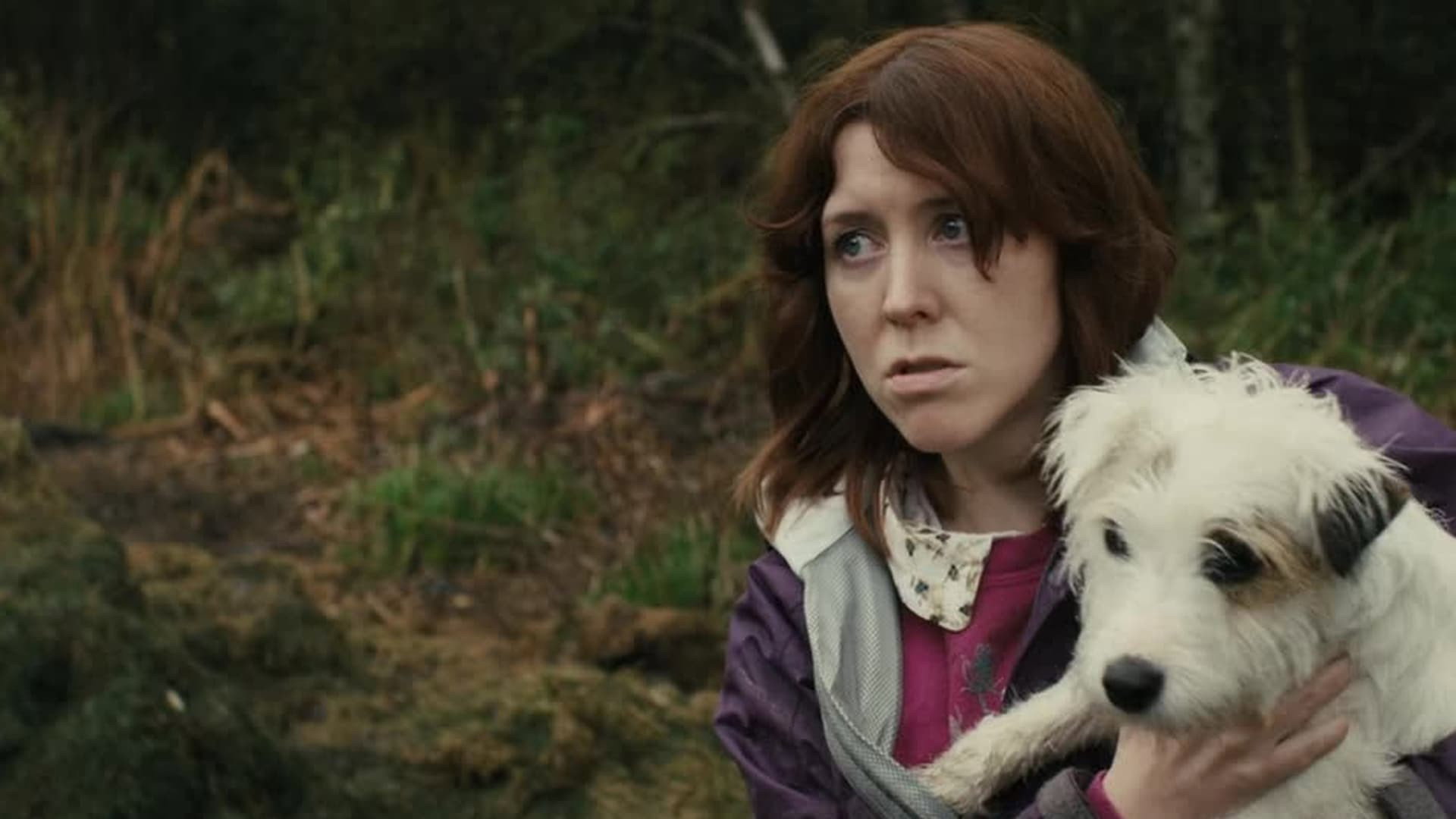
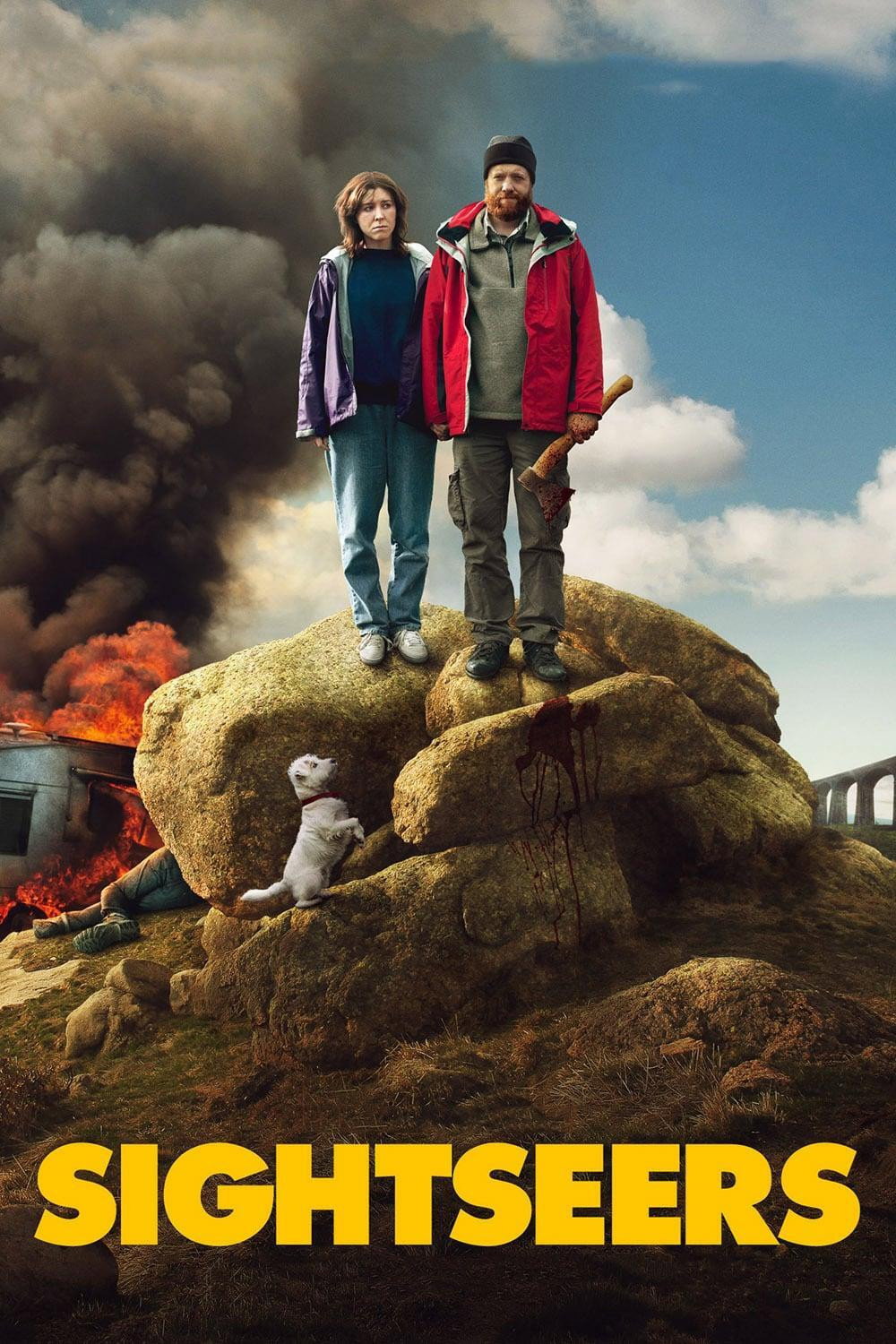
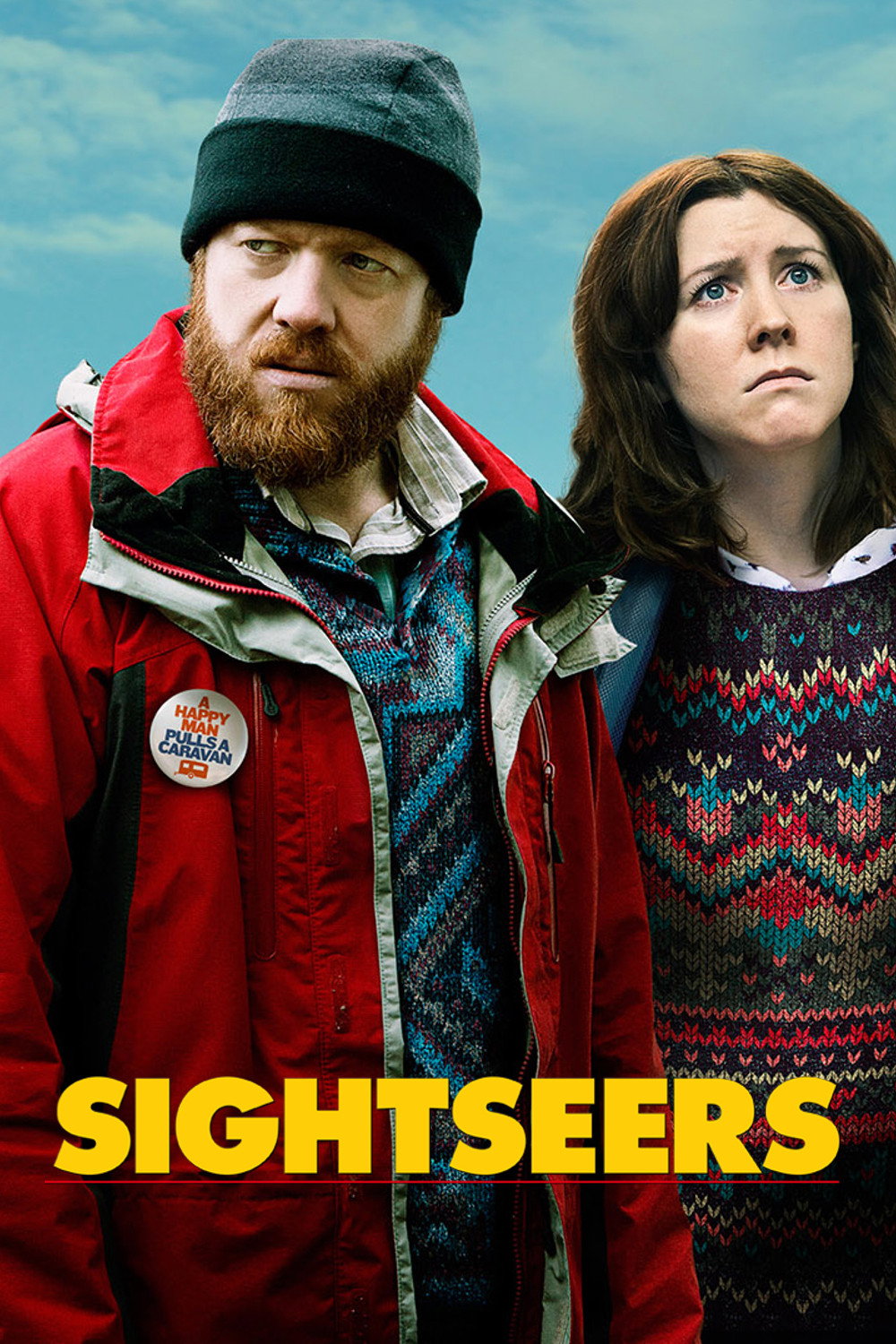
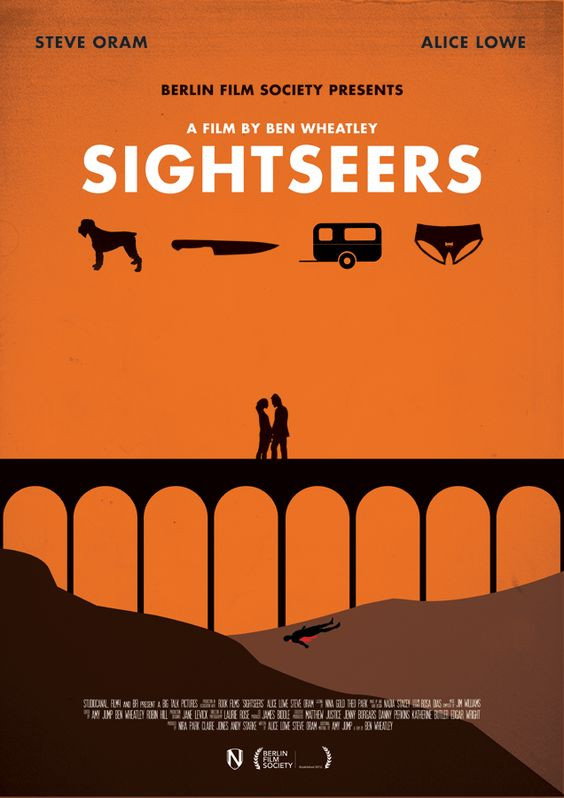
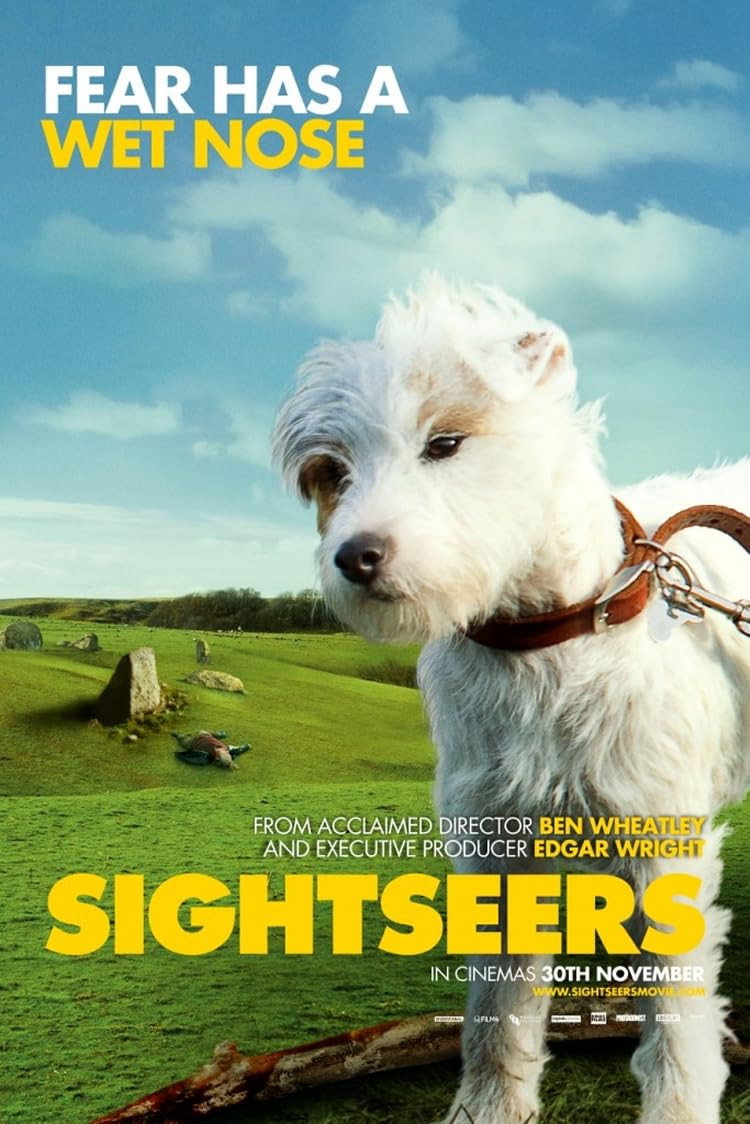
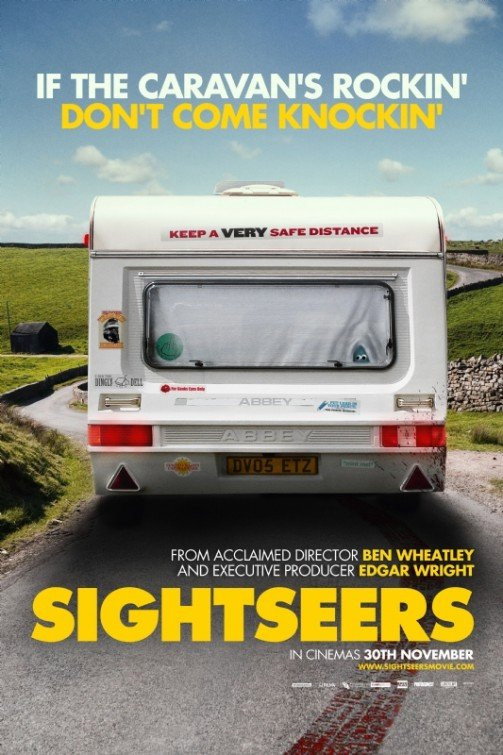
Chris (Steve Oram) and Tina (Alice Lowe) take a caravan holiday through rural Britain, sharing an enthusiasm for trivia and heritage attractions. Their travels bring them into contact with other visitors, including the Crich Tourist (Tony Way). Tina wants to enjoy time away with Chris, but their sightseeing also exposes his deep resentment of other people and their behaviour. As the trip begins to turn violent, the caravan gives them little room to escape one another’s grievances. What starts as an ordinary holiday becomes a test of how much each partner knows about the other, and how much each is prepared to accept.

Plays from YouTube when you press play; nothing loads from them until then.

Fi1m review

Ben Wheatley’s caravan comedy is funny, nasty and sharply played by Alice Lowe and Steve Oram. The joke gets a little thin, but their shared gift for making resentment sound reasonable keeps it worth the trip.

Ben Wheatley takes the lovers-on-the-run film on a British caravan holiday, which is a useful way of discouraging glamour. Sightseers is a good, sour comedy, carried by two performances that make terrible behaviour seem like an extension of ordinary bad temper. It is also a small joke stretched close to its limit, even at 88 minutes. The pleasure comes from watching Chris and Tina take themselves seriously while the film quietly lets us see how ridiculous they are.

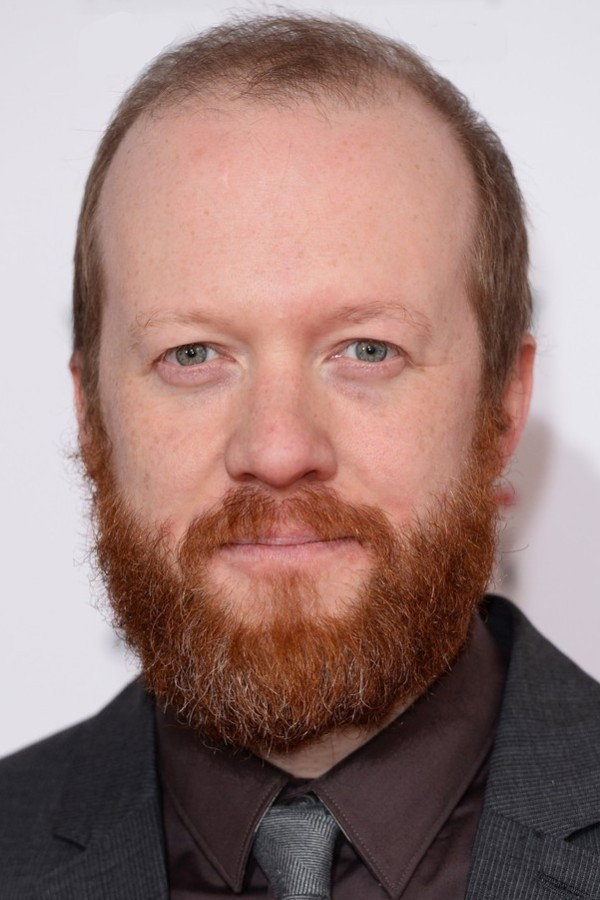
Steve Oram plays Chris with a wounded self-importance that makes every grievance seem, to him, worthy of an audience. We laughed at how seriously he takes his own irritation, then felt uncomfortable about how familiar it was. Alice Lowe gives Tina an equally persuasive ordinariness, and the two actors seem to have habits together rather than merely lines to exchange. Their interest in trivia is especially useful: it gives them something to share besides the screenplay’s need to keep them travelling.

The screenplay by Alice Lowe, Steve Oram and Amy Jump finds its sharpest humour in the difference between the couple’s complaints and their behaviour. These are people who can notice someone else’s bad manners without recognising anything troubling in themselves. That gives the violence an unpleasant plausibility, even when the film is being absurd. The social observation works because the complaints sound familiar, and the dialogue lets us hear their pettiness without labouring the point.

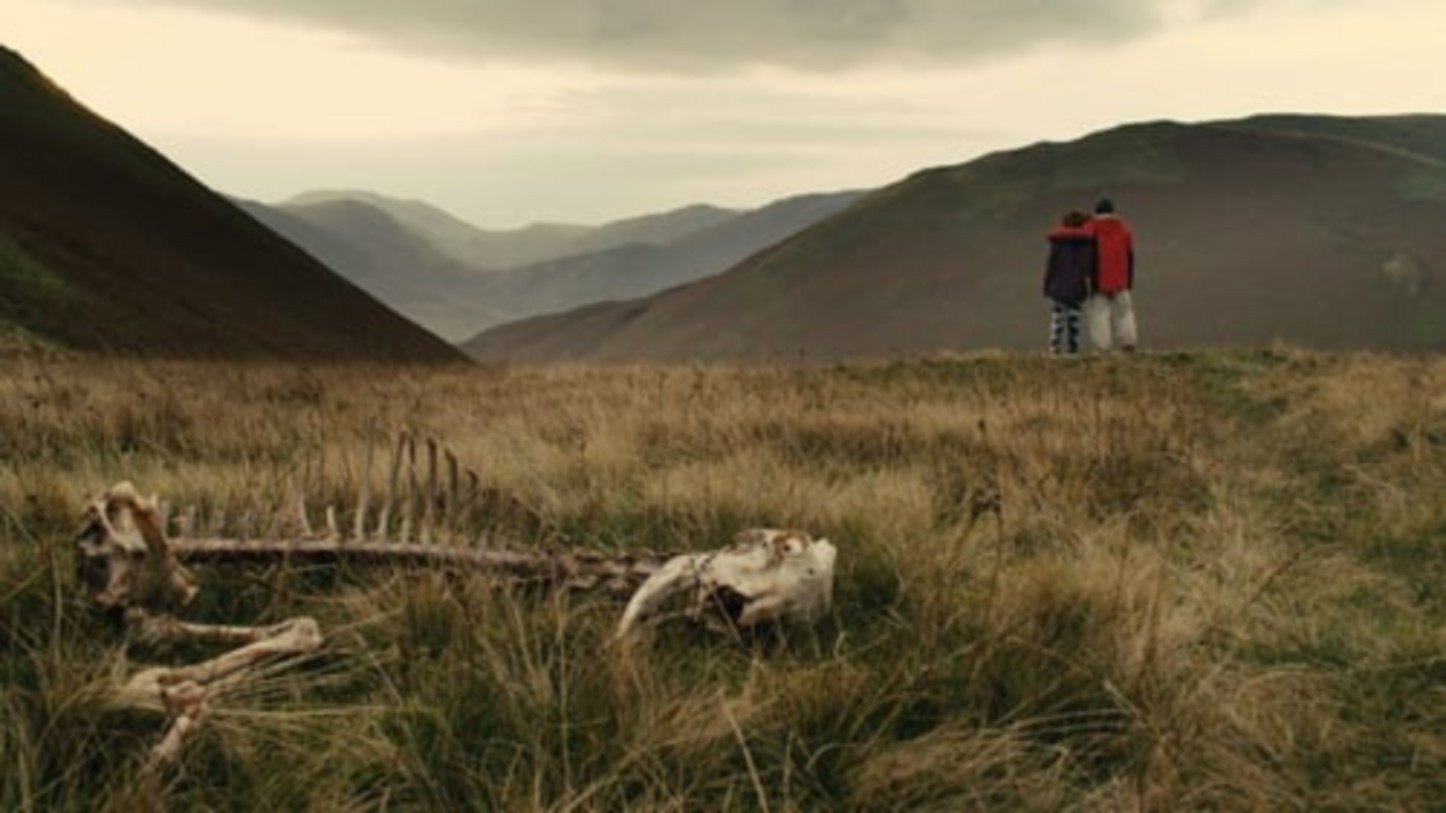
Laurie Rose’s widescreen photography gives the rural landscapes enough space to be enjoyed independently of the couple passing through them. The views make the violence more jarring, and the film wisely avoids making all of Britain look as sour as its holidaymakers. Jane Levick’s production design keeps the caravan holiday recognisable rather than dressing it up as a comic novelty. That ordinary setting matters: the joke would be much weaker if everything around Chris and Tina were already announcing how eccentric they are.

The editing by Ben Wheatley, Amy Jump and Robin Hill is good at allowing a flat response to something horrible to linger. It is an uncomfortable rhythm, but a productive one, because embarrassment gets its chance alongside shock. Jim Williams’s music helps sustain the unease without making the romance feel grander than these two people can support. The timing keeps individual encounters funny, even when the writing starts to repeat itself.

The limitation is repetition. Once the connection between petty resentment and extreme violence is established, some stretches offer another variation when we want the relationship to become more interesting. Alice Lowe and Steve Oram remain watchable, but their characters do not develop enough to make every return to their unhappiness count. Ben Wheatley is right not to ask for easy sympathy, but there are passages when we are simply waiting for the next nasty incident.

Within the murderous-couple genre, the modest holiday and the unshowy performances give Sightseers a character of its own. It has no need to turn its leads into glamorous outlaws, and it is funnier for letting them remain aggrieved tourists. We would recommend it to anyone who likes a black comedy with recognisable people and little concern for good taste. Just do not expect the relationship to become as absorbing as the bad behaviour.

Critical consensus AI synthesised

74
Positive
20
Mixed
4
Negative
0

Most critics welcome Sightseers as a sharply observed British black comedy, with praise clustering around Alice Lowe and Steve Oram’s convincing, deadpan performances. Their ordinary resentments and holiday enthusiasms make the violence funnier and more unsettling. The reviews also credit Ben Wheatley’s handling of romance, horror and social satire, while the English landscapes provide a striking contrast to the couple’s behaviour. Several find affection for the characters beneath the cruelty.

The spread runs from enthusiastic to mixed, with no outright negative verdicts. Reservations concern emotional depth, the film’s slightness and how long its central joke can last. Digital Spy enjoys the surprises while finding the couple emotionally underdeveloped; The AV Club is less persuaded, seeing a sketch stretched out through banal reactions to murder. Time Out likewise finds invention and strong performances, but wants the comedy and nastiness to go further.

Screen Daily
23 May 2012 · festival review
90*

Describes it as a blissful bit of dark, funny and bloody entertainment with visual panache and humour that should guarantee cult status. Notes the deliciously dark Englishness and the affectionate portrayal of the eccentric leads and their romance.

Read the full review →
Evening Standard
22 January 2013
85*

Wheatley melds comedy and horror in an odd, funny British road movie about a murderous couple on a caravan holiday. The lead performances and social observation stand out as the chief pleasures.

Read the full review →
Slant Magazine
7 May 2013 · Jesse Cataldo
85*

The critic praises it as Wheatley's best film yet, a sardonic depiction of Britain masking darkness beneath strained politeness, highlighting the moral bankruptcy of characters and deft genre-swerving satire.

Read the full review →
Empire
22 August 2012 · Kim Newman
80*

A funny and horrible blend of Mike Leigh social observation and violent carnage, with strong performances from the leads as an odd couple on a killing spree. It serves as a black-comic state-of-the-nation address.

Read the full review →
RogerEbert.com
9 May 2013 · Sheila O'Malley
80*

The critic finds the film a darkly amusing black comedy about a resentful couple whose holiday turns murderous. She singles out the well-observed performances of the leads and the evocative English landscapes for praise.

Read the full review →
The Hollywood Reporter
25 May 2012 · festival review · Neil Young
80*

The critic calls it the most consistently hilarious Brit-com in years, a pitch-black laugh-riot that cements Ben Wheatley's status as one of his generation's smartest filmmakers through witty genre play and strong performances from unknowns.

Read the full review →

Cast

Awards

Sitges Film Festival Best Actress award, 2012

Won
Sitges Film Festival Best Actress award

Sitges Film Festival Best Screenplay award, 2012

Won
Sitges Film Festival Best Screenplay award

If you liked this, try…

The Honeymoon Killers poster

The Honeymoon Killers

1970 · Another murderous romance whose unglamorous lovers make the intimacy particularly uncomfortable

The Green Butchers poster

The Green Butchers

2003 · A Danish black comedy with an equally straight face about appalling conduct

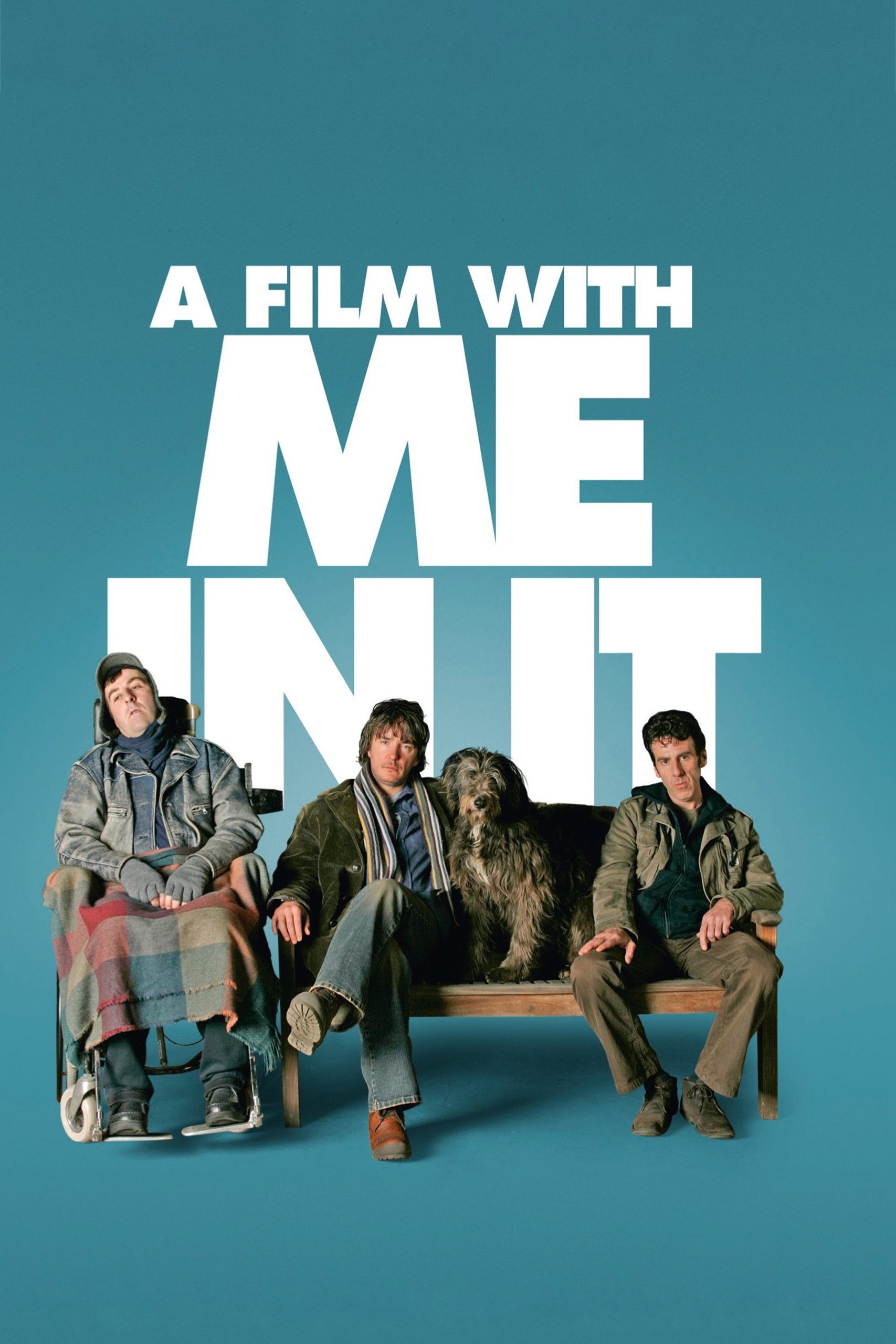
A Film with Me in It poster

A Film with Me in It

2008 · Dead bodies accumulate while a deadpan double act tries to remain practical

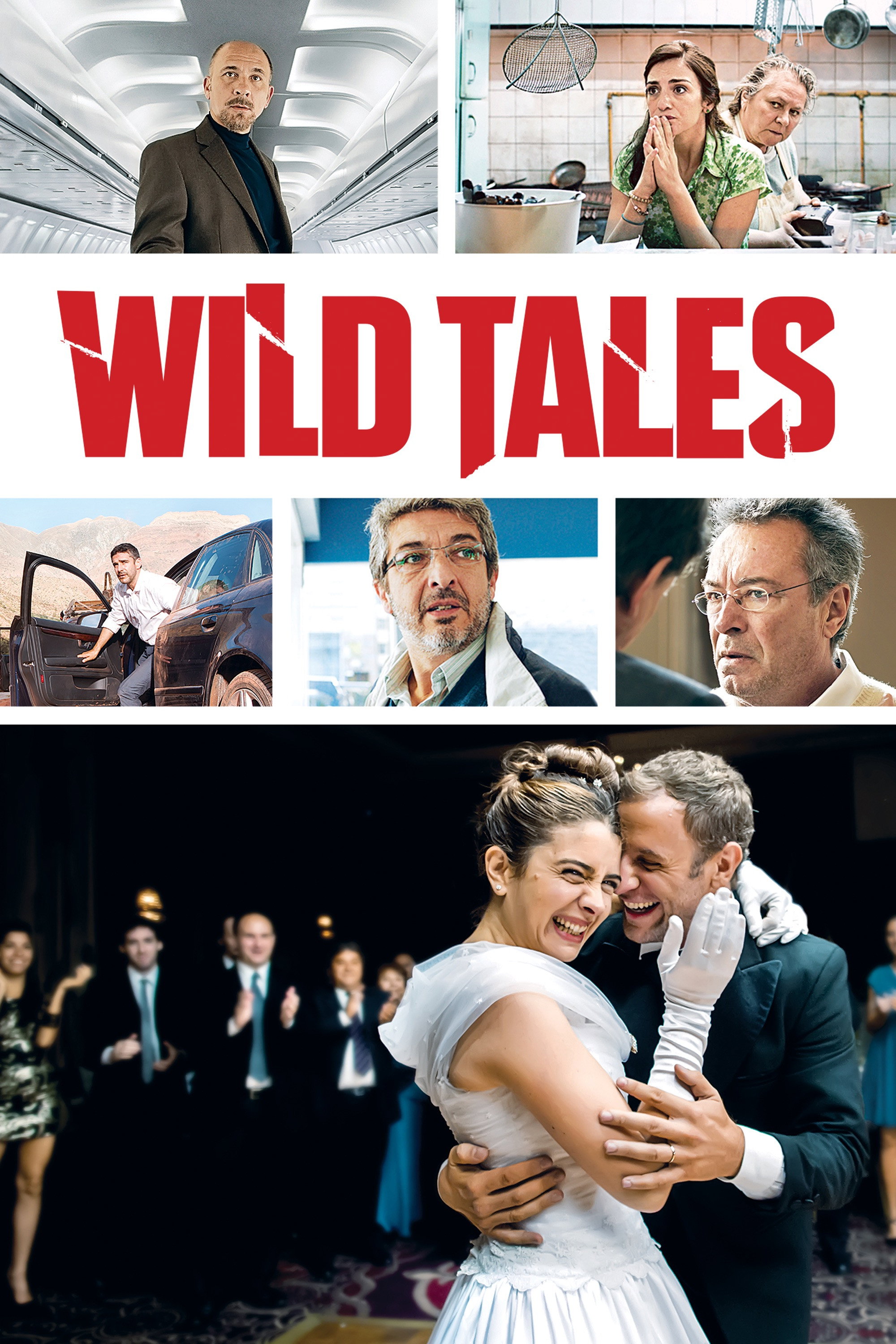
Wild Tales poster83

Wild Tales

2014 · Everyday grievances reach appalling extremes, with rather less patience for polite conversation

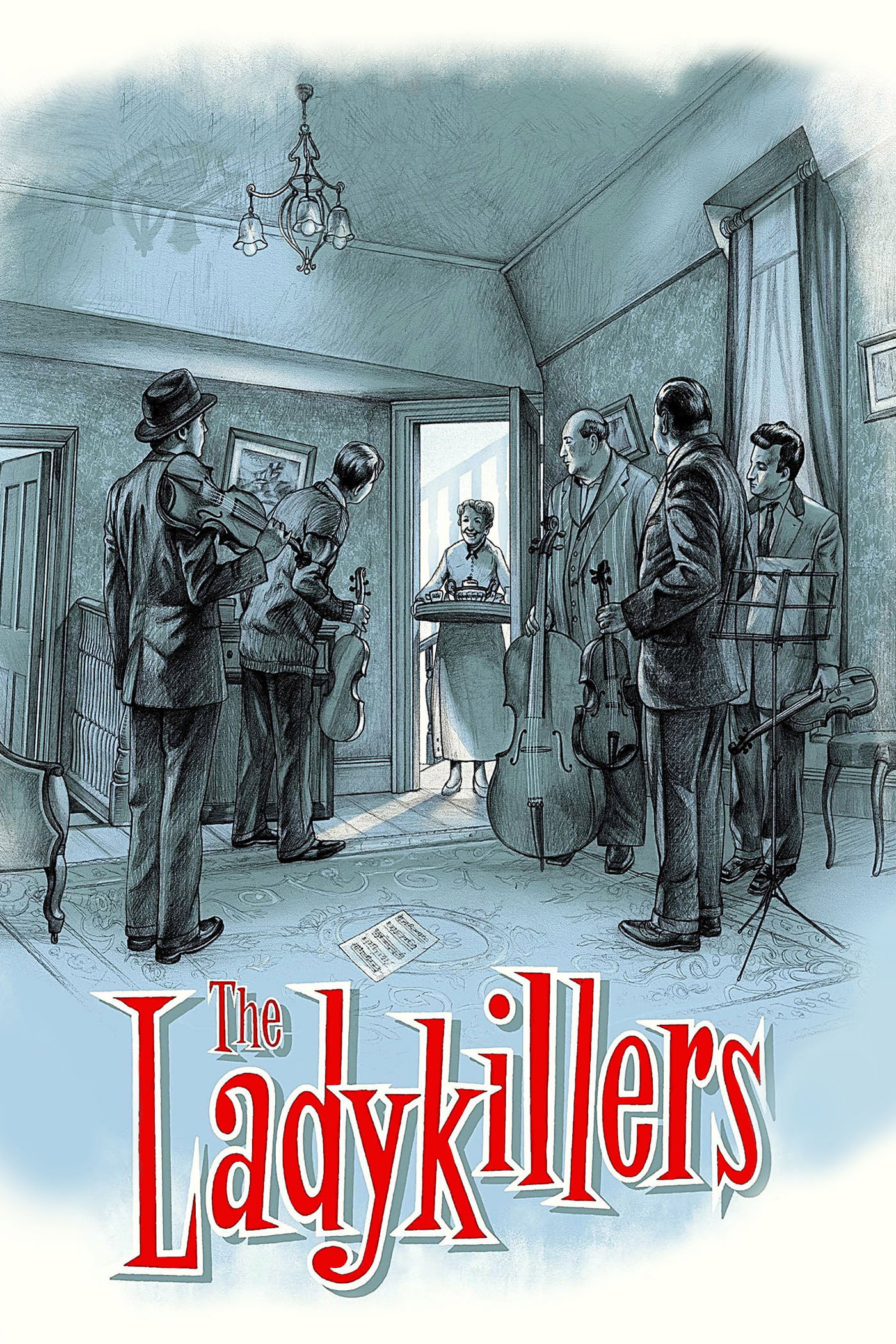
The Ladykillers poster

The Ladykillers

1955 · For criminal incompetence and British politeness maintained well beyond the sensible point