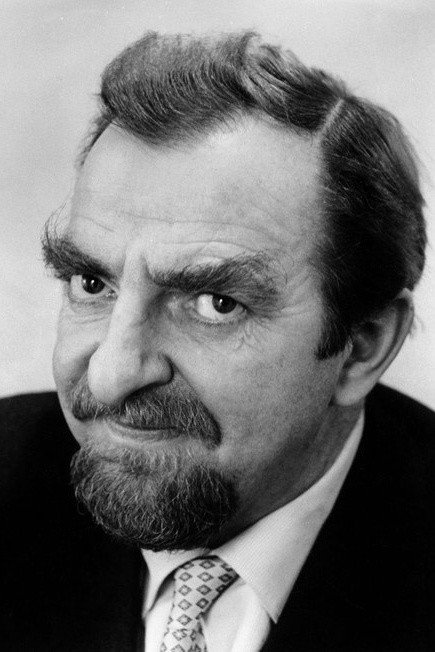
Hugh Griffith made brief appearances count through wild eyes, a resonant voice and a willingness to be loud. We like him most when that force has a clear purpose, rather than simply making an eccentric character harder to ignore.
Fi1m perspective
Griffith’s wide eyes and resonant voice give a supporting character a quick, firm introduction. There is often bluster, but it serves the useful business of establishing who this person is. We value the speed with which he makes an eccentric figure distinct. The qualification is simple: a performance this emphatic needs a director who knows how much of it the film can take.
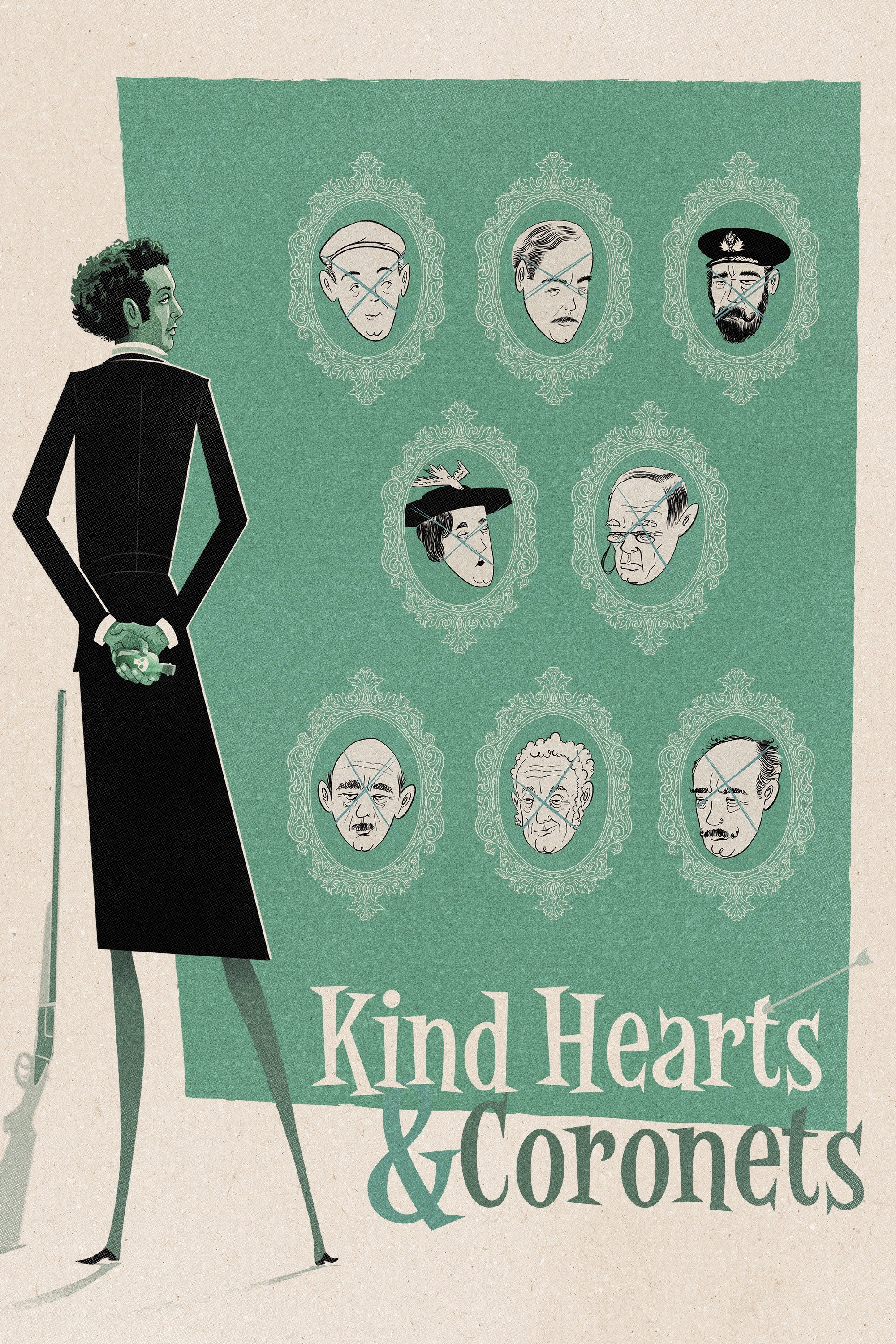
In Robert Hamer’s Kind Hearts and Coronets (1949), he has the brief role of Lord High Steward. We would not pretend he is the principal reason to see this precise, cruel comedy: Dennis Price’s reasonable delivery of appalling ideas matters far more. But Griffith makes a small allocation of screen time count, which suits a film so exact about its comedy. Lucky Jim (1957), with Griffith as Professor Welch, gives his bluster an academic position. These early parts establish how readily his force could be put to work in figures of authority.
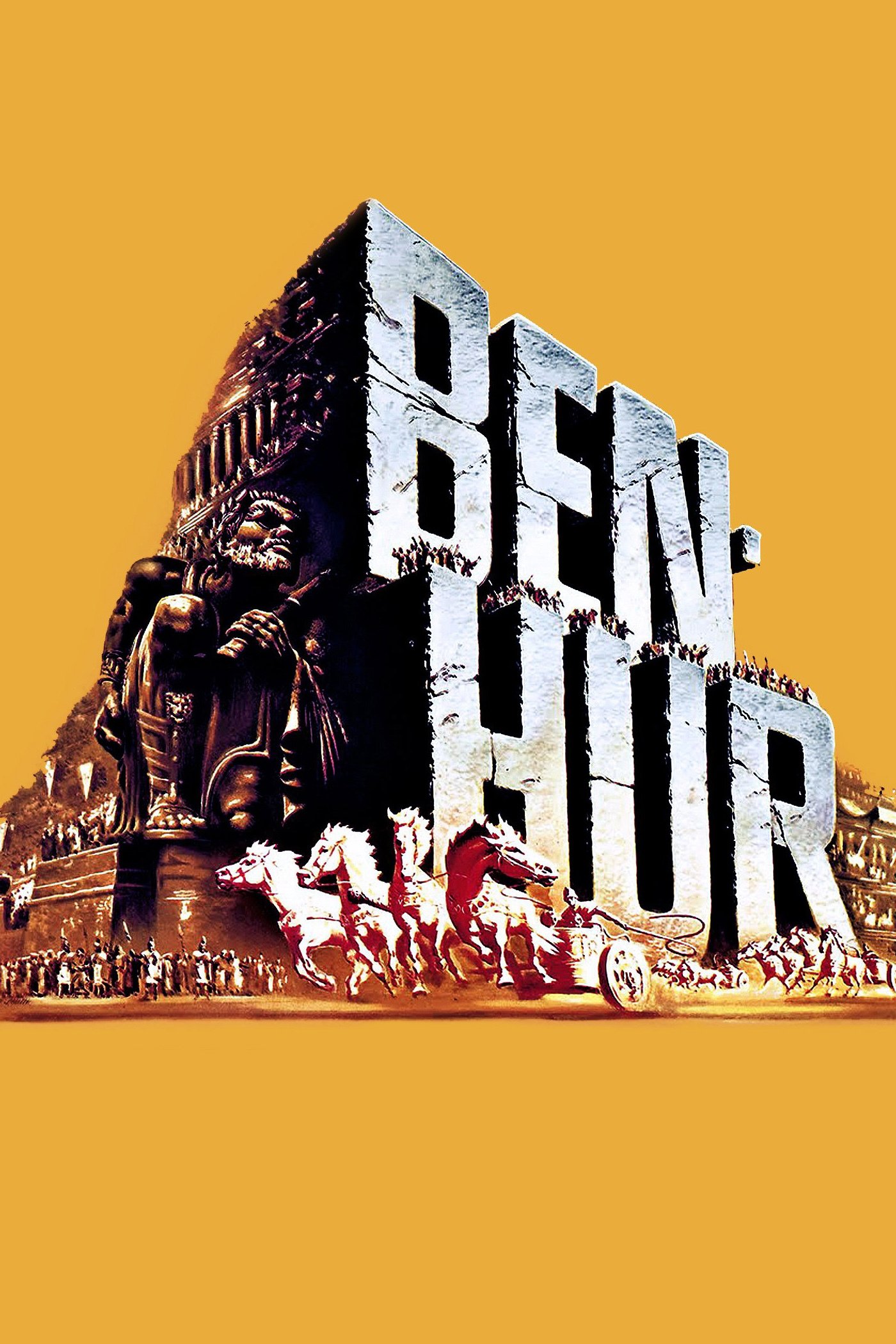
William Wyler’s Ben-Hur (1959) gives him a larger setting as Sheik Ilderim, who supplies the horses for the chariot race. We felt relief at his colourful, robust presence because the surrounding solemnity can make the film hard going. He gives us someone whose immediate business is easy to grasp, and whose company is welcome. The race and the tension between Charlton Heston and Stephen Boyd are still what earn the long evening; Griffith cannot remove the need for patience elsewhere. Wyler makes good use of a performer who can register strongly without carrying the story.
His film career expanded into Hollywood after Ben-Hur, then continued in international supporting roles through the 1970s. Squire Western in Tom Jones (1963) is another clear use for his raucous manner, with the authority now belonging to a lecherous squire. There is a danger in casting him only for volume, since eccentricity alone is not enough to make a character worth watching. Start with Kind Hearts and Coronets; give Ben-Hur an evening when there is no hurry.
Biography
Hugh Emrys Griffith (30 May 1912 – 14 May 1980) was a Welsh actor known for character roles in British and Hollywood films. Born in Marian-glas, Anglesey, he worked as a bank clerk before winning a scholarship to the Royal Academy of Dramatic Art, where he graduated as a gold medallist. He served in the British Army during the Second World War before resuming his stage career.
Griffith appeared in films from the late 1940s, including as the Lord High Steward in Kind Hearts and Coronets (1949). He won the Academy Award for Best Supporting Actor for his performance as Sheik Ilderim in Ben-Hur (1959) and received a further Oscar nomination for Tom Jones (1963). Other notable screen roles include parts in Oliver! (1968), Mutiny on the Bounty (1962) and How to Steal a Million (1966). On stage he was a member of the Royal Shakespeare Company and earned a Tony Award nomination for the Broadway production of Look Homeward, Angel.