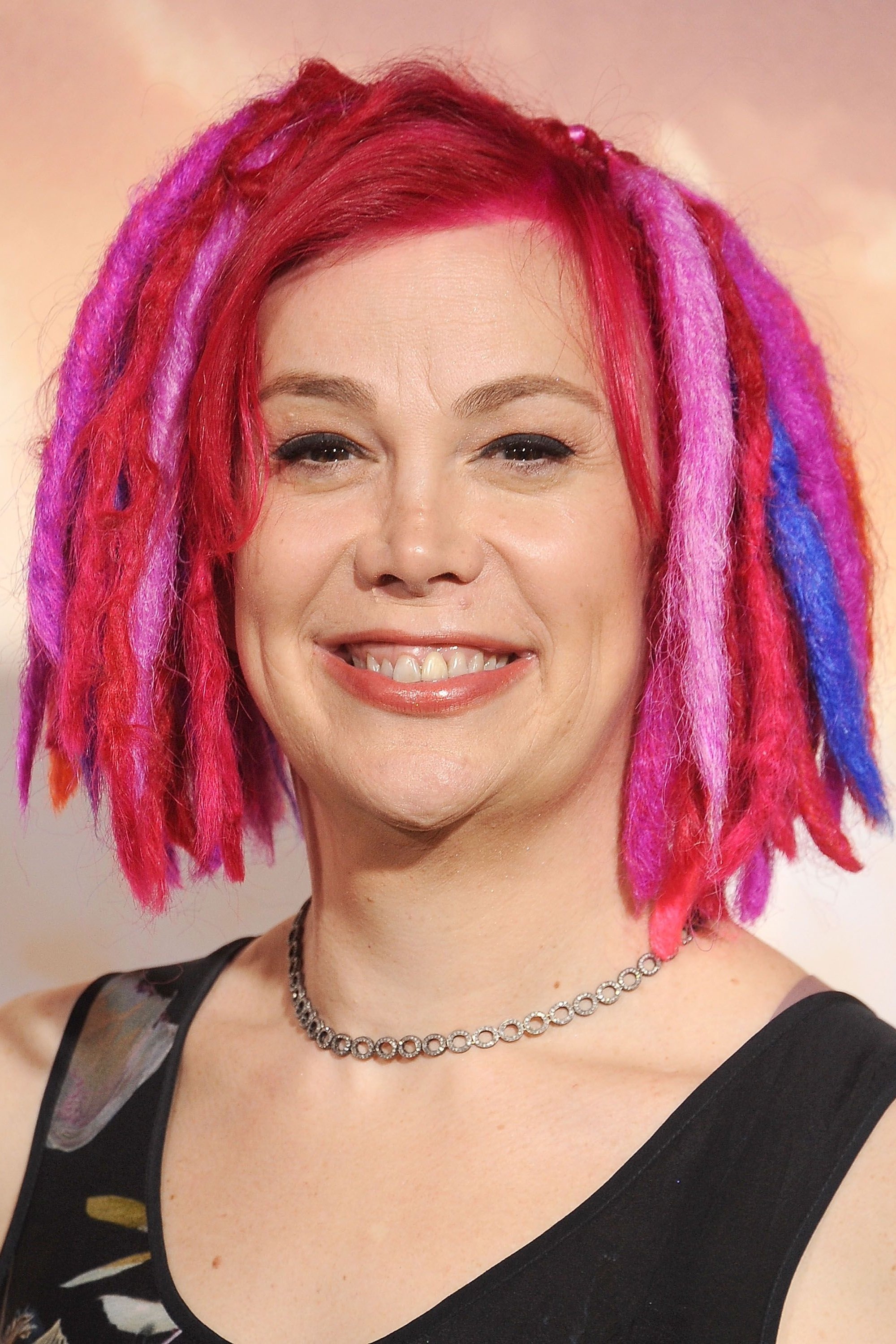
Lana Wachowski makes desire matter in films with a weakness for elaborate plotting. We value her imagination, but Bound establishes the reservation: she sometimes works too hard to demonstrate her cleverness when the characters already have us interested.
Fi1m perspective
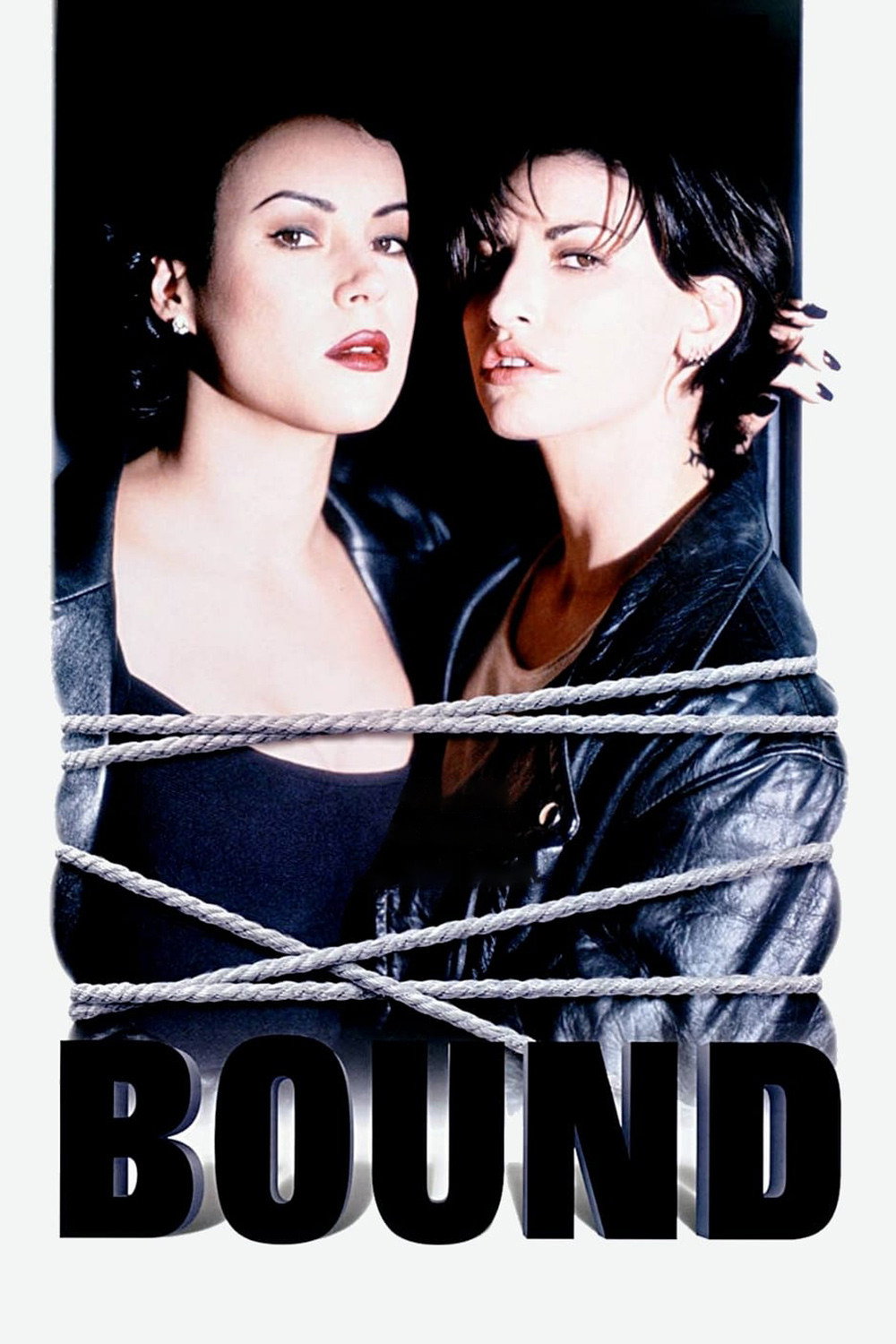
In Bound (1996), Corky and Violet's attraction makes their plan against a mobster worth following. Lana and Lilly Wachowski write and direct the thriller with enough attention to the women that the crime never becomes merely a puzzle. We cared about the risks they took because Gina Gershon and Jennifer Tilly made their desire for each other convincing. That is a substantial advantage in a genre where being ingenious can so easily become the only objective.
Pantoliano's Caesar helps, giving the women an opponent worth conspiring against. His performance keeps the gangster scenes funny and lively without requiring the romance to stand aside. The Wachowskis understand how entertaining a carefully arranged crime becomes when something goes awkwardly wrong. The irritation is their tendency to underline that ingenuity: a complication can feel planted to show what the writers can do, and the conspicuous styling makes us notice it.
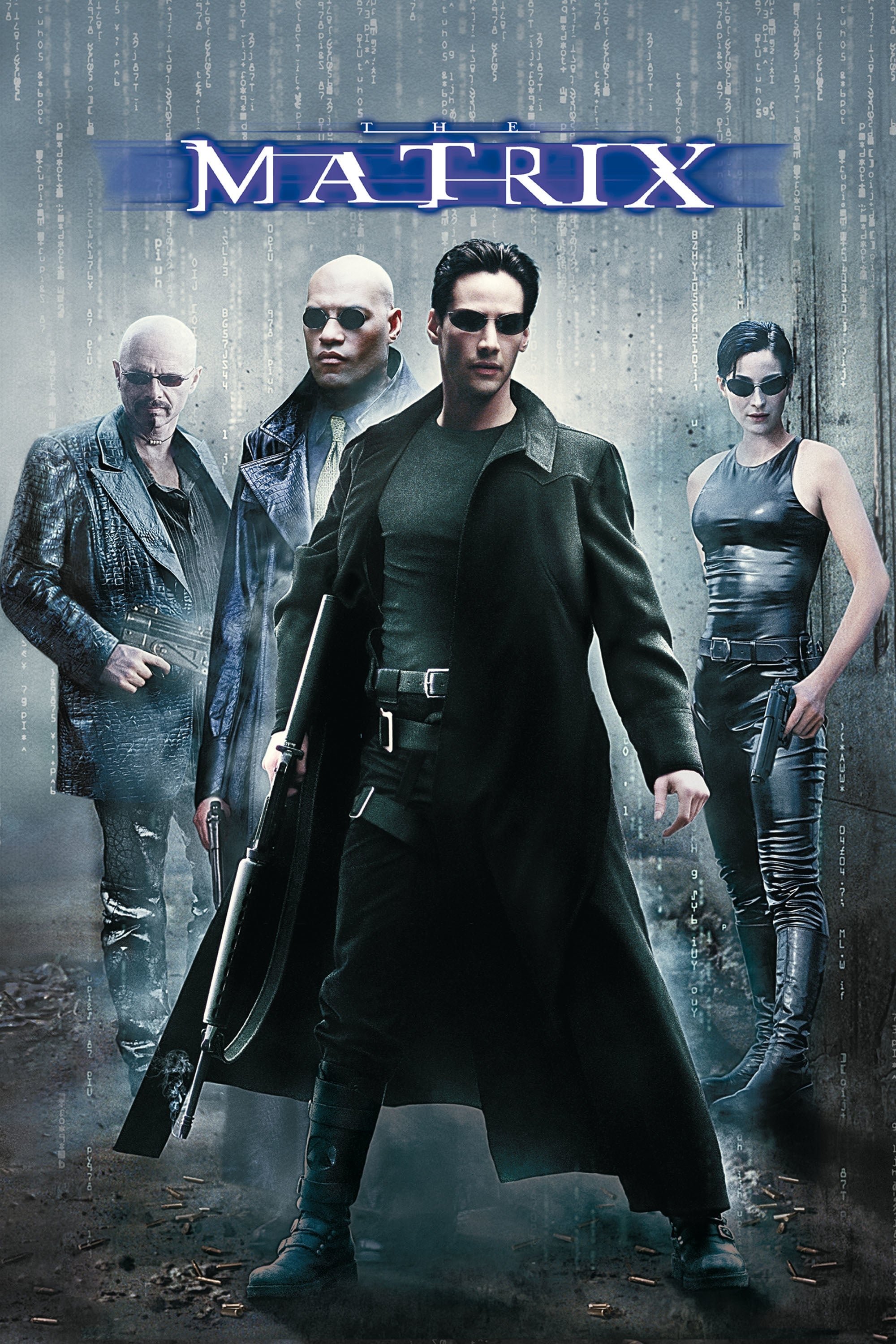
The breakthrough came with The Matrix (1999) and its use of bullet-time. Questions about identity and what can be trusted recur across Wachowski's work. Much of that work was made with Lilly as co-writer and co-director, rather than under Lana alone. Cinematographer Bill Pope and editor Zach Staenberg are also recurring collaborators.
Cloud Atlas (2012), co-written and co-directed with Lilly and Tom Tykwer, takes that appetite for complication into a story spanning several eras. Later films such as Jupiter Ascending (2015) have drawn criticism for convoluted plotting and uneven execution, familiar risks for a director so fond of complication. Yet the method has not stayed fixed: the solo-directed The Matrix Resurrections (2021) belongs to a move away from tight storyboards towards more instinctive shooting, natural light and long takes.
Wachowski does not need a complicated universe to make desire matter on screen. Bound gives its women enough wit and conviction to carry a familiar crime plot, even when the direction gets fussy. Start there, with Gershon and Tilly.
Biography
Lana Wachowski is an American film director and screenwriter. With her sister Lilly Wachowski, she made her feature directorial debut on the 1996 neo-noir Bound, which the pair also wrote.
The Wachowskis are best known for directing and writing The Matrix (1999) and its sequels The Matrix Reloaded (2003) and The Matrix Revolutions (2003). Their other credits include the screenplay for V for Vendetta (2006), and directing and writing Speed Racer (2008), Cloud Atlas (2012), Jupiter Ascending (2015) and The Matrix Resurrections (2021). Wachowski was born Laurence Wachowski in Chicago, Illinois, on 21 June 1965.