Film review

The Matrix

1999 · Directed by Lana Wachowski, Lilly Wachowski · 2h 16m · MPA R

In a sentenceAn unusually persuasive case for interrupting a philosophy lesson with a flying kick

ActionScience Fiction

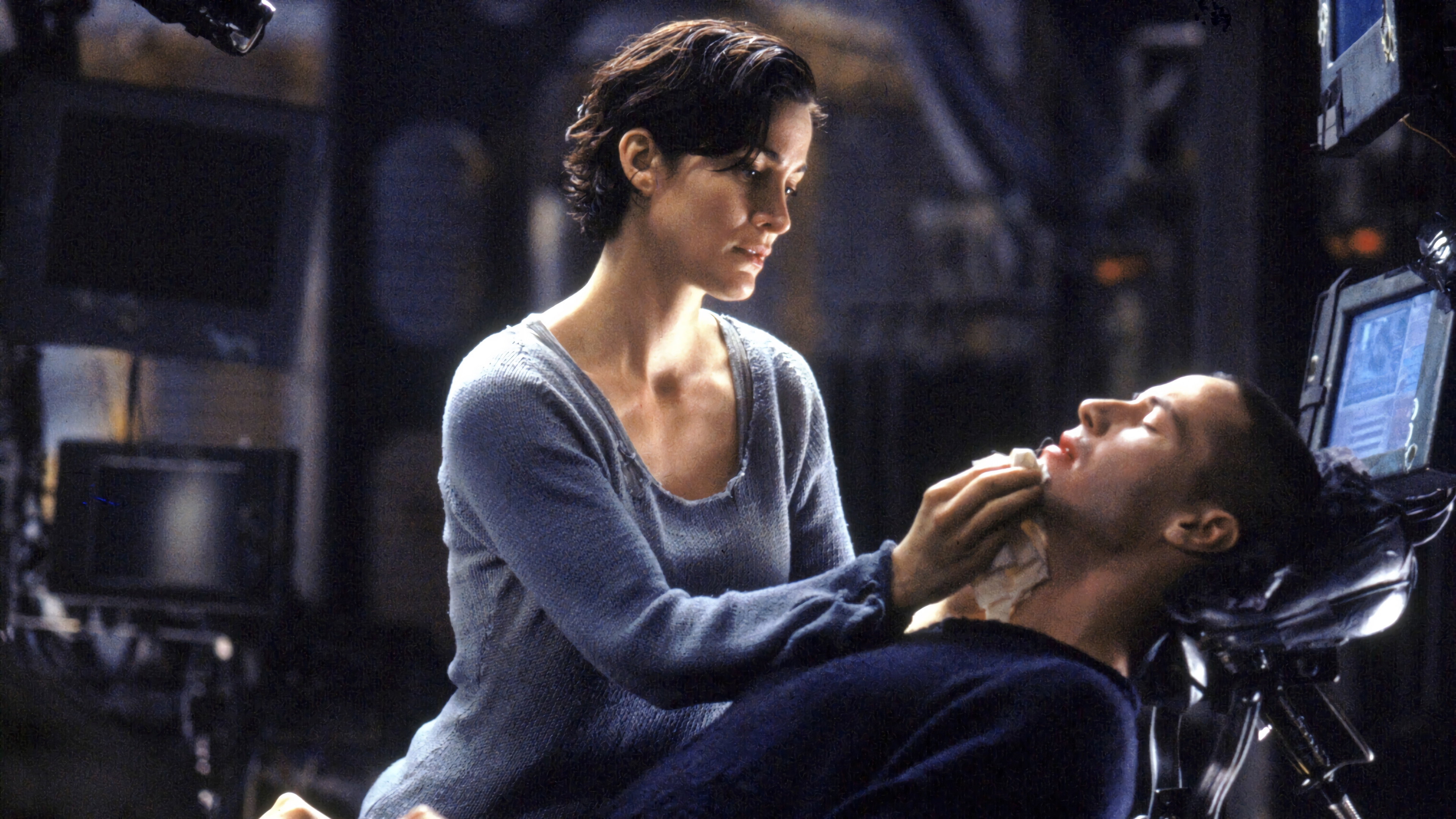
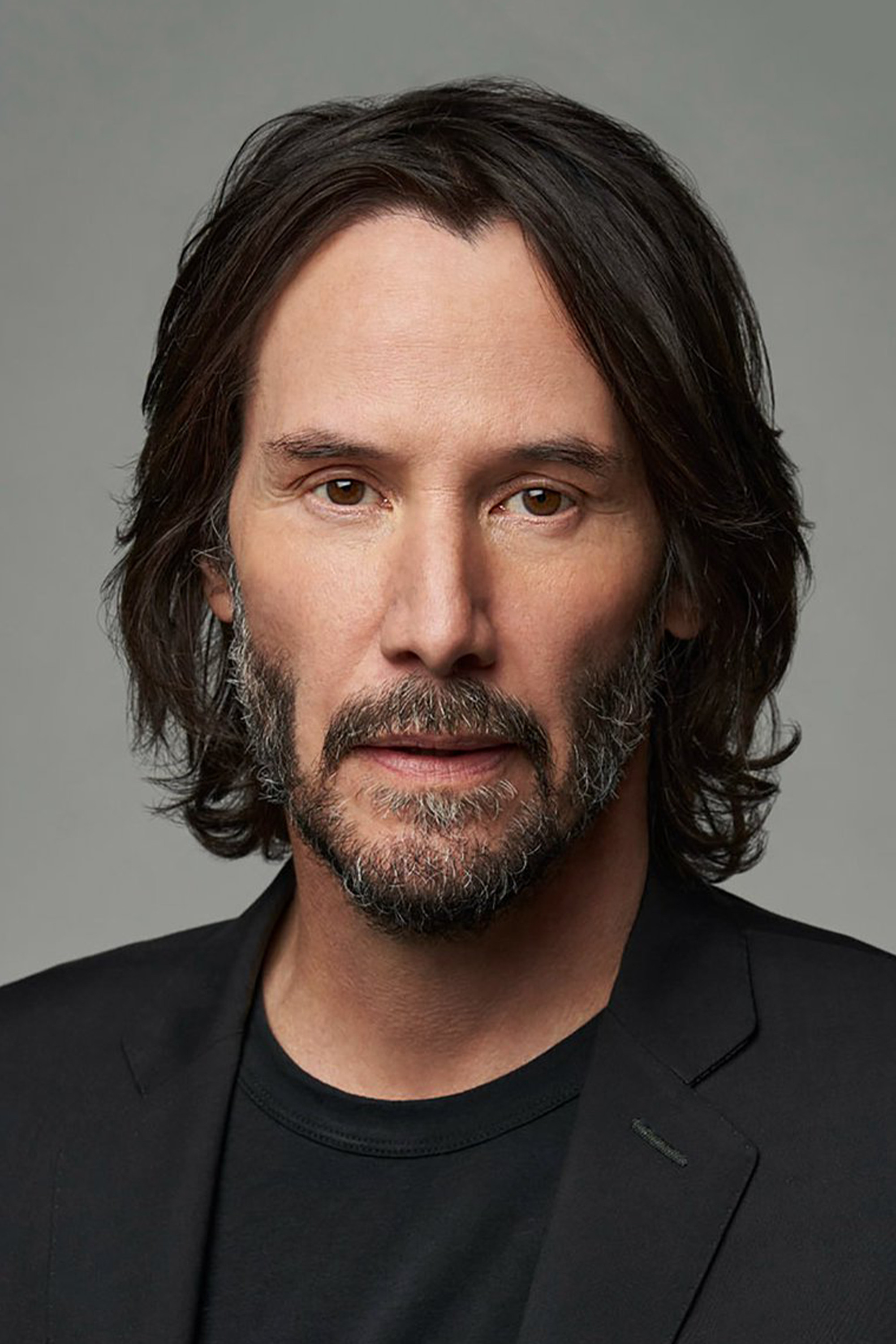
Keanu Reeves plays Neo in a science-fiction action story built around uncertainty about reality. Laurence Fishburne plays Morpheus, Carrie-Anne Moss is Trinity and Hugo Weaving is Agent Smith, with Gloria Foster as the Oracle and Joe Pantoliano as Cypher. Questions of identity, technology and conformity shape a dystopian setting in which appearances offer little reassurance. The story combines reality shifts and elements of body horror with martial arts and gun battles. Its characters face questions about what is real and how much freedom they have to choose for themselves.

Plays from YouTube when you press play; nothing loads from them until then.

Fi1m review

Lana and Lilly Wachowski make speculative science fiction work as exhilarating action, with Keanu Reeves an effective guide through the confusion. The explanations can be ponderous and the supporting characters thin, but the fights reward the attention the ideas demand.

The Matrix takes the familiar suspicion that something is wrong with ordinary life and treats it with disarming seriousness. Lana Wachowski and Lilly Wachowski, who write and direct, want the questions about reality to matter as much as the next fight. They mostly succeed: this is an excellent science-fiction action film, held back by solemn explanations and some underwritten people. Its considerable pleasure lies in watching ideas that could have stayed in the dialogue affect how bodies move across the screen.

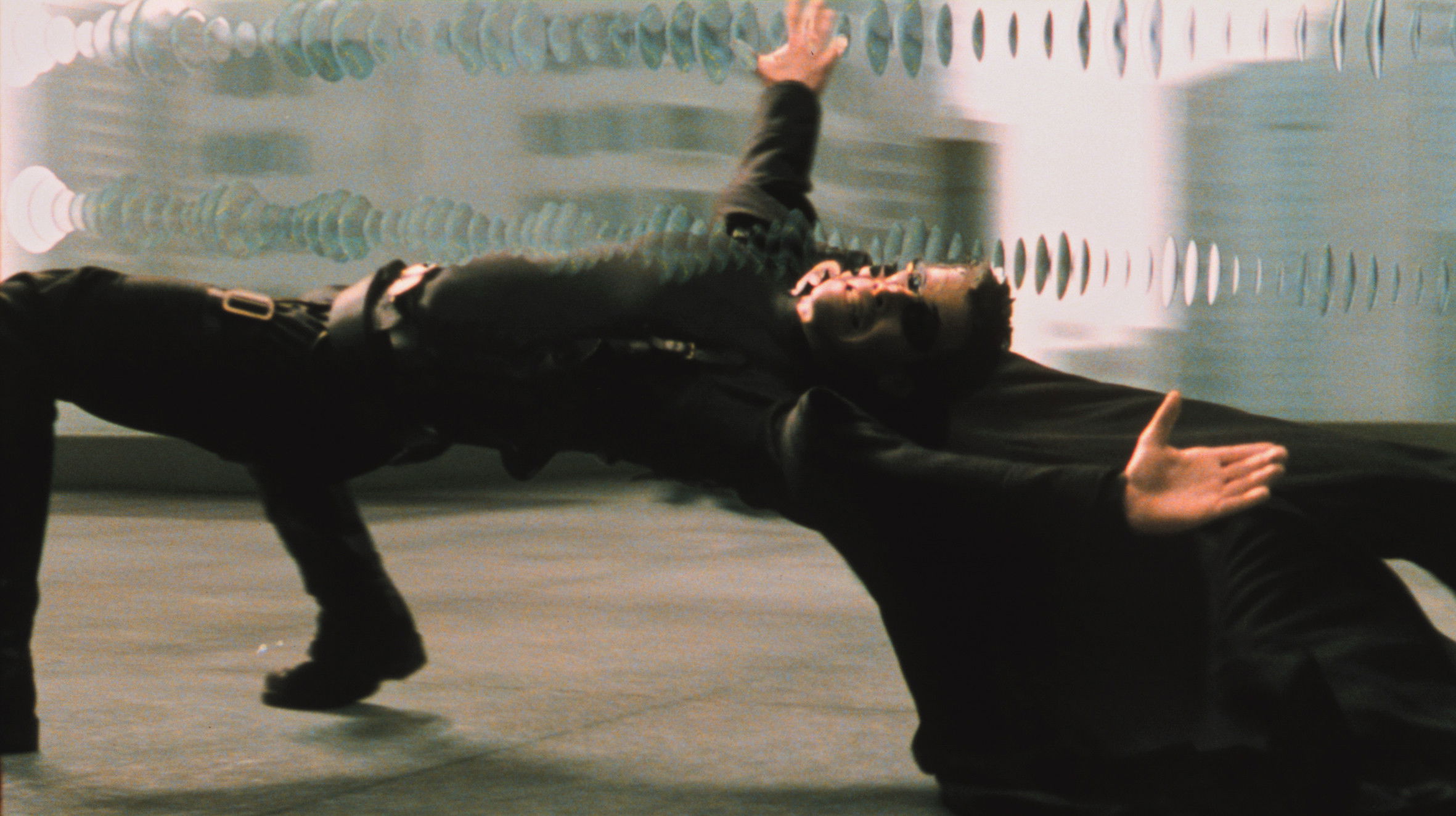
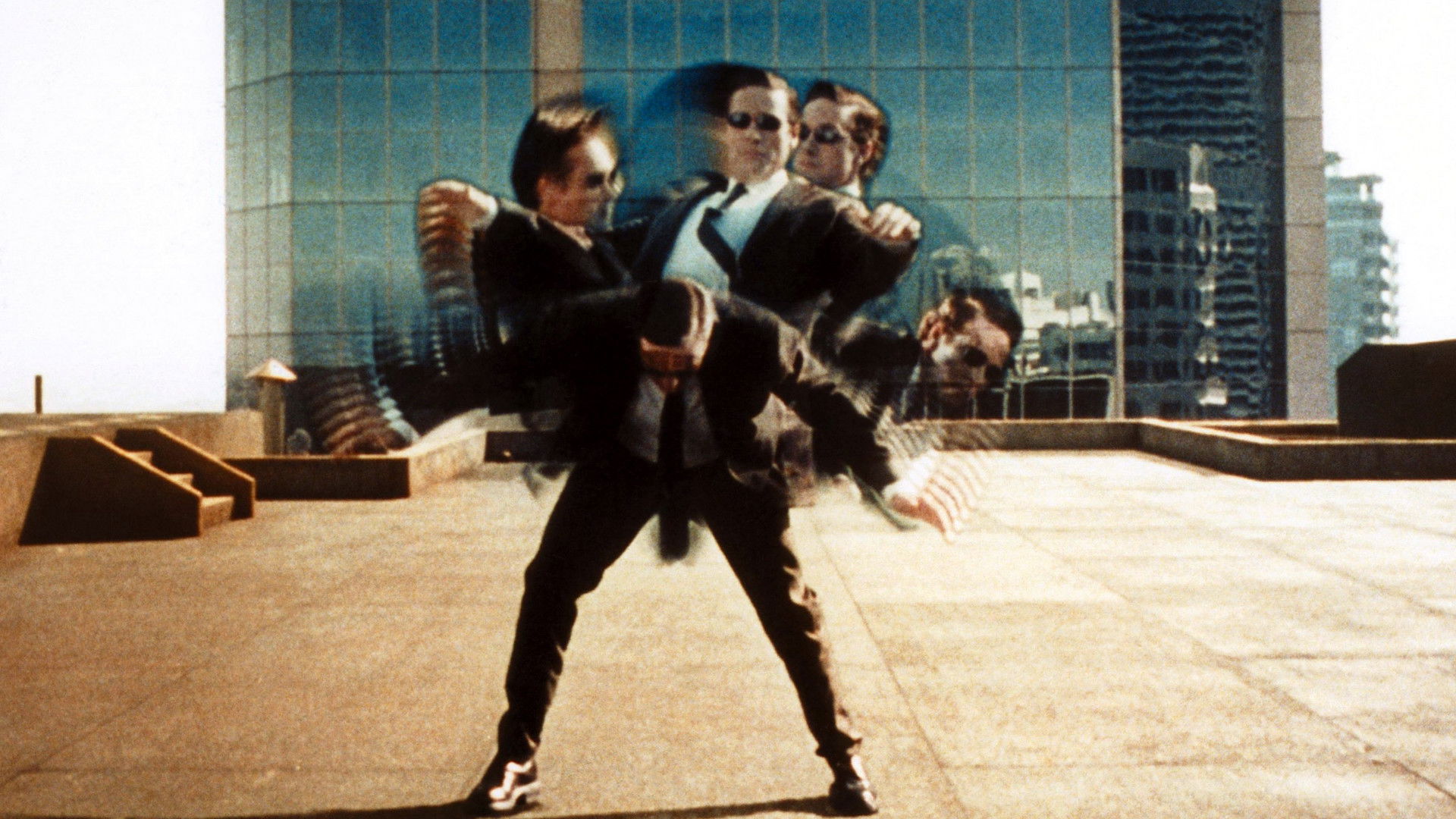
Bill Pope’s cinematography makes the martial arts readable even when the movement becomes impossible, and the changing viewpoints do more than advertise technical cleverness. Slow motion allows us to study the movement instead of simply registering a blow. We laughed with pleasure at the gravity-defying fights, because their precision makes such extravagant nonsense feel convincing. The effects invite close inspection, and the choreography is good enough to withstand it without losing the sense of danger that makes a fight worth watching.

Editor Zach Staenberg deserves credit for how well those stretched moments sit within the fights; slowing things down rarely drains their energy. The gun battles have the same assurance, although their scale eventually becomes less interesting than the strangeness of the premise. Don Davis’s score helps the action feel consequential even when the effects encourage us to enjoy it as an elaborate trick. At 136 minutes, though, the film has room for more talk than its ideas always need.

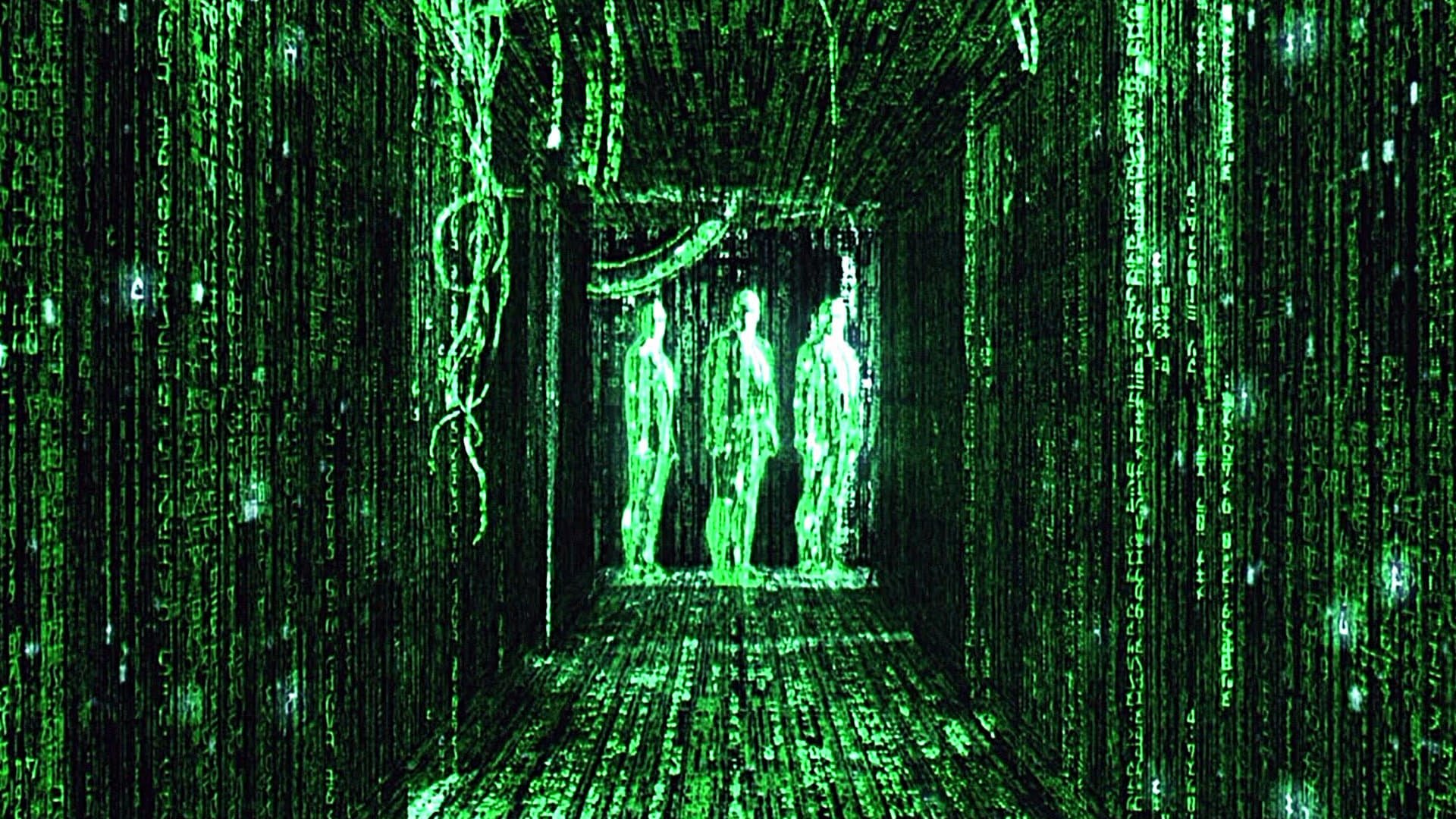
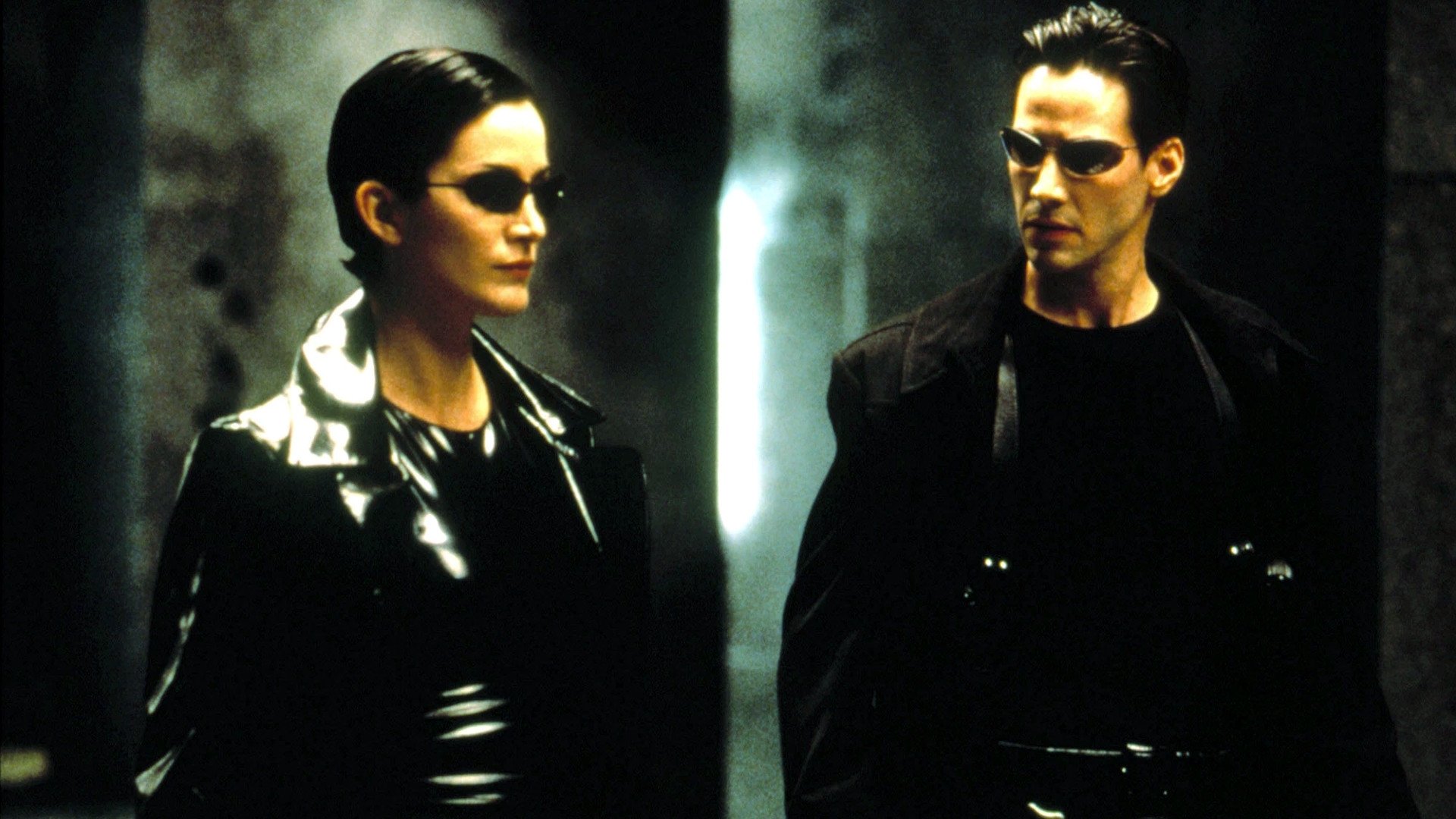
Owen Paterson’s production design helps make the dystopian setting persuasive enough for the uncertainty about reality to take hold. His contribution is easy to overlook beside the effects, but the action benefits from surroundings that do not compete with every moving body. Keanu Reeves is similarly useful at the centre of it. As Neo, he makes uncertainty worth watching, giving us someone to follow when the writing grows too pleased with its own mysteries.

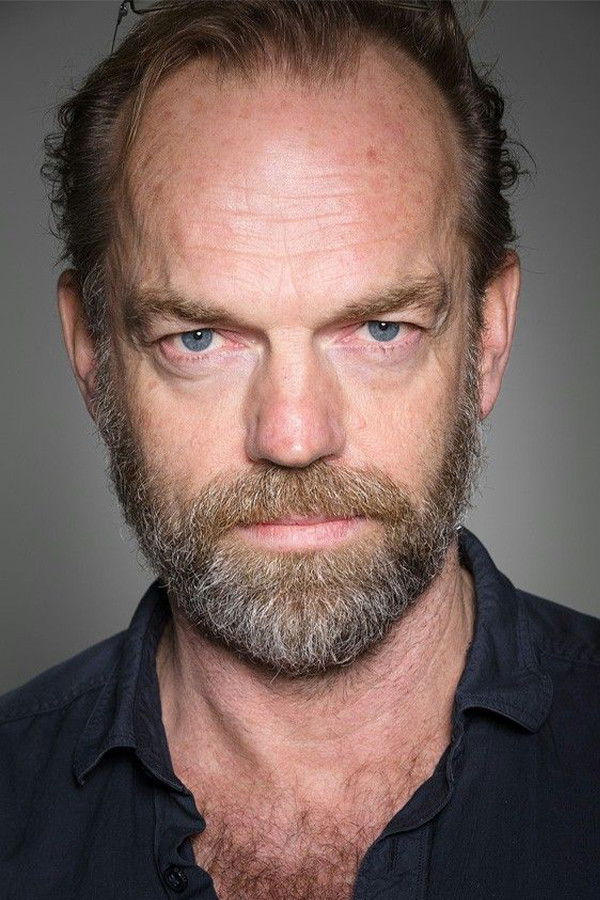
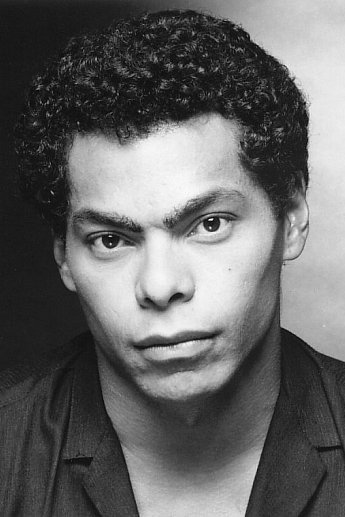
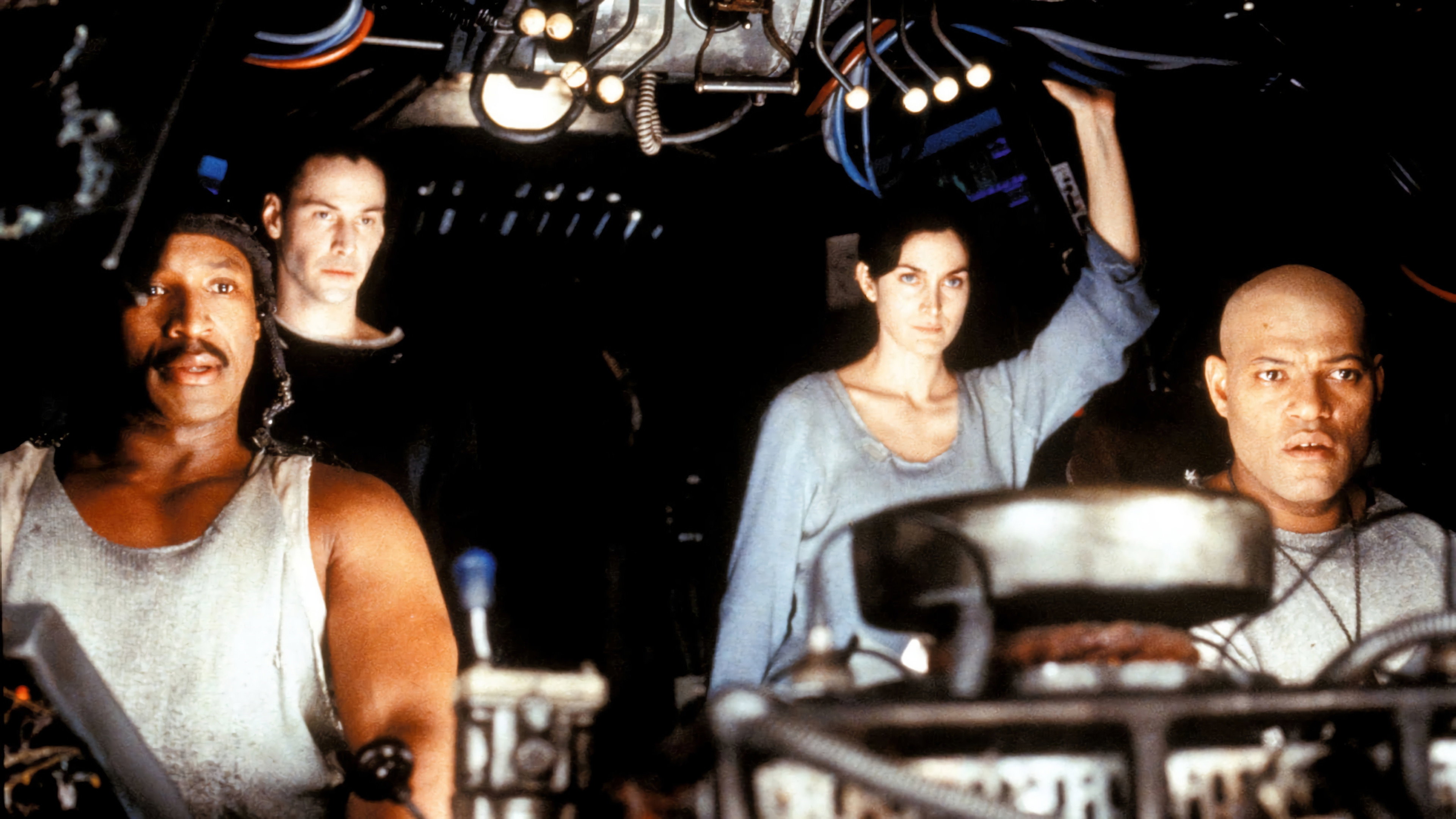
Laurence Fishburne gives Morpheus the authority the explanations need, though even he cannot make every piece of exposition sound like conversation. Carrie-Anne Moss makes Trinity’s physical assurance compelling, but the script leaves us wanting more of the person behind it. Hugo Weaving, as Agent Smith, finds a peculiar humour in severity, and is welcome whenever the film threatens to become wholly reverential about itself. The cast do much to distinguish characters whose functions in the story are sometimes clearer than their personalities.

The reservation is familiar from science fiction that wants to explain its thinking: people can become useful chiefly for what they tell us. The Wachowskis sometimes labour a point we have already understood, and the solemn delivery makes the delay harder to ignore. The shift towards extended action also narrows the possibilities opened by the earlier uncertainty about reality. We would have liked the film to keep troubling us a little longer before letting physical skill settle quite so much.

Yet by the standards of action science fiction, the fights repay unusually close attention. A change in speed or perspective keeps asking us to reconsider what a body can do, so the physical spectacle remains connected to the film’s questions. That is why the action never becomes as routine as the thinner stretches of writing threaten to make it. Give it your full attention, but be prepared for people who explain things more slowly than they fight.
Critical consensus AI synthesised

82
Positive
5
Mixed
1
Negative
0

Most critics respond warmly to The Matrix, with praise concentrated on its visual effects and action choreography. Slow motion, shifting perspectives and martial arts give the fights a distinctive style, and the reviews repeatedly credit the Wachowskis with finding inventive ways to put them on screen. Several also admire the ambition of its science-fiction premise and its questions about reality and identity. The Hollywood Reporter singles out Hugo Weaving within a strong cast.

The main disagreement concerns the writing: Total Film praises intelligent plotting, while other reviews find pretension, thin characters or ideas that the action fails to develop. The spread runs from enthusiastic endorsement to a mixed response, rather than outright rejection. Time Out supplies the sharpest reservation, arguing that an ingenious opening hour gives way to routine action. Even the more doubtful reviews acknowledge the technical achievement; they differ over how much it compensates for the storytelling.

Empire
· Ian Nathan
95*

The Wachowskis deliver a dazzling, inventive sci-fi action film that reinvents the cyberpunk genre with groundbreaking 'flo-mo' visuals and high-octane sequences. It is technically mind-blowing, stylish, and incredibly cool, making for a fabulous experience despite a loony plot.

Read the full review →
Total Film
11 June 1999
95*

The Matrix is the action movie of the millennium, a no-limits filmmaking triumph that blends intelligent plotting with spectacular, gravity-defying fight scenes and visuals. The Wachowskis have created an ultra-cool, brain-blowing futuro-fight fest that will be remembered alongside Star Wars.

Read the full review →
Sight and Sound
· Philip Strick
75*

The Wachowskis deliver startling innovations in method with a feast of tricks, stunts and perspectives that combine slow-motion effects and martial-arts choreography into astonishing images. The film is less reassuring in its message about the Matrix and its thin characters, leaving the prospect of a superhero-led future uncertain.

Read the full review →
Time Out
· GA
50*

The first hour works as an ambitious dystopian fantasy with ingenious reality switches, slick camerawork and impressive effects blending body horror and comic-strip style. The promising premise is wasted as it becomes a routine action picture with paper-thin characters and overlong high-concept hokum.

Read the full review →
The Hollywood Reporter
· David Hunter

The critic calls the film a cyber sci-fi blowout with stunning visual effects and advanced storytelling that will open big and become a hit. The Wachowskis are praised for crafting a brain-twisting thriller with crowd-pleasing action and strong performances, especially from Hugo Weaving.

Read the full review →
The New York Times
31 March 1999 · Janet Maslin

The critic highlights the phenomenal martial arts dynamics and inventive special effects as the film's strongest assets. The plotting is described as notably pretentious.

Read the full review →

Cast

Stills

Awards

Academy Awards, 2000

Won
Best Film Editing
Won
Best Sound
Won
Best Sound Editing
Won
Best Visual Effects

BAFTA Film Awards, 2000

Won
Best Sound
Won
Best Special Visual Effects

Saturn Awards, 2000

Won
Best Director
Won
Best Science Fiction Film

If you liked this, try…

Dark City poster75

Dark City

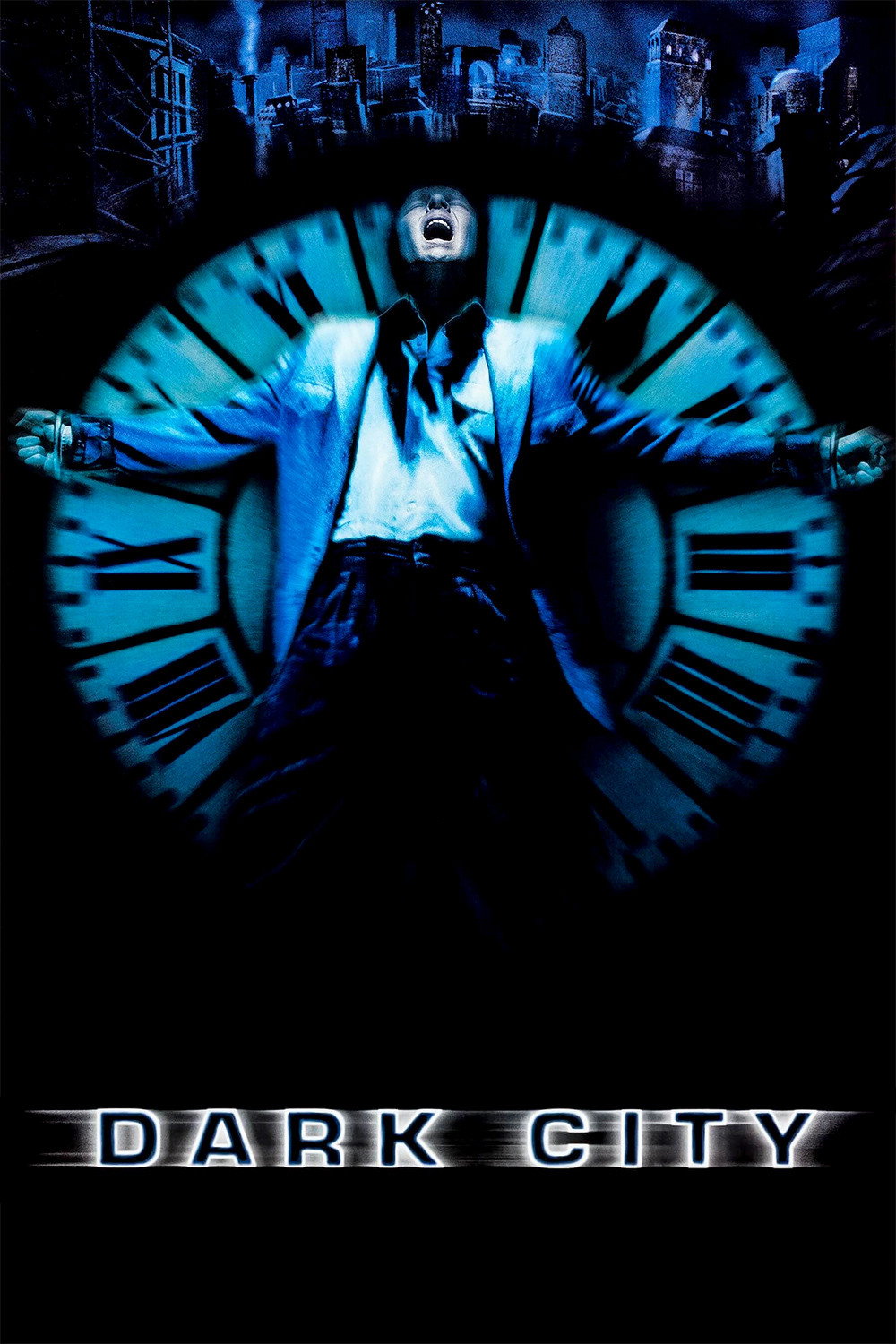
1998 · Another suspicious city, with production design that makes uncertainty worth watching.

Ghost in the Shell poster83

Ghost in the Shell

1995 · Animated science fiction that gives identity and artificial life more patient consideration.

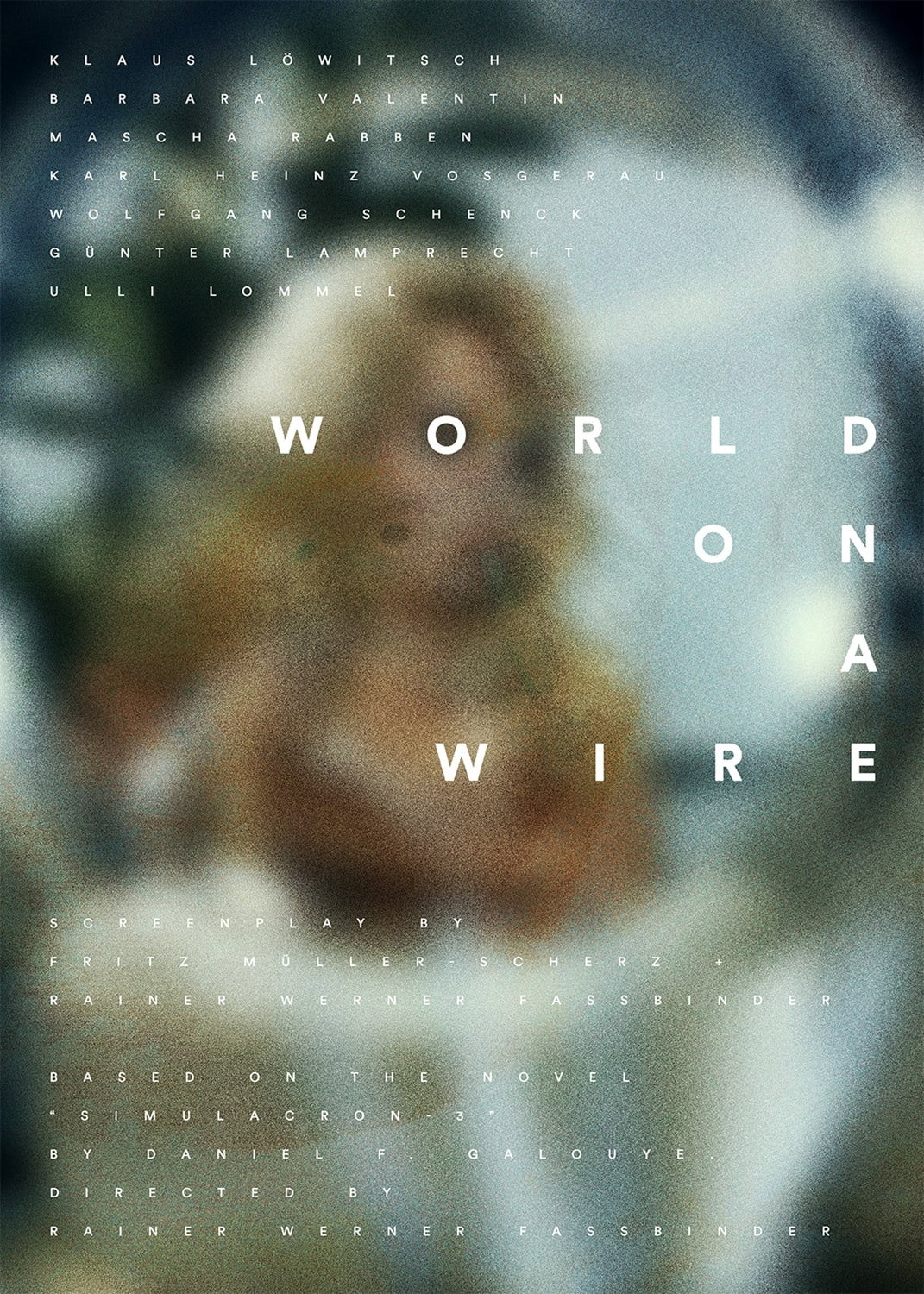
World on a Wire poster

World on a Wire

1973 · Fassbinder lets doubts about reality spread through offices, conversations and waiting rooms.

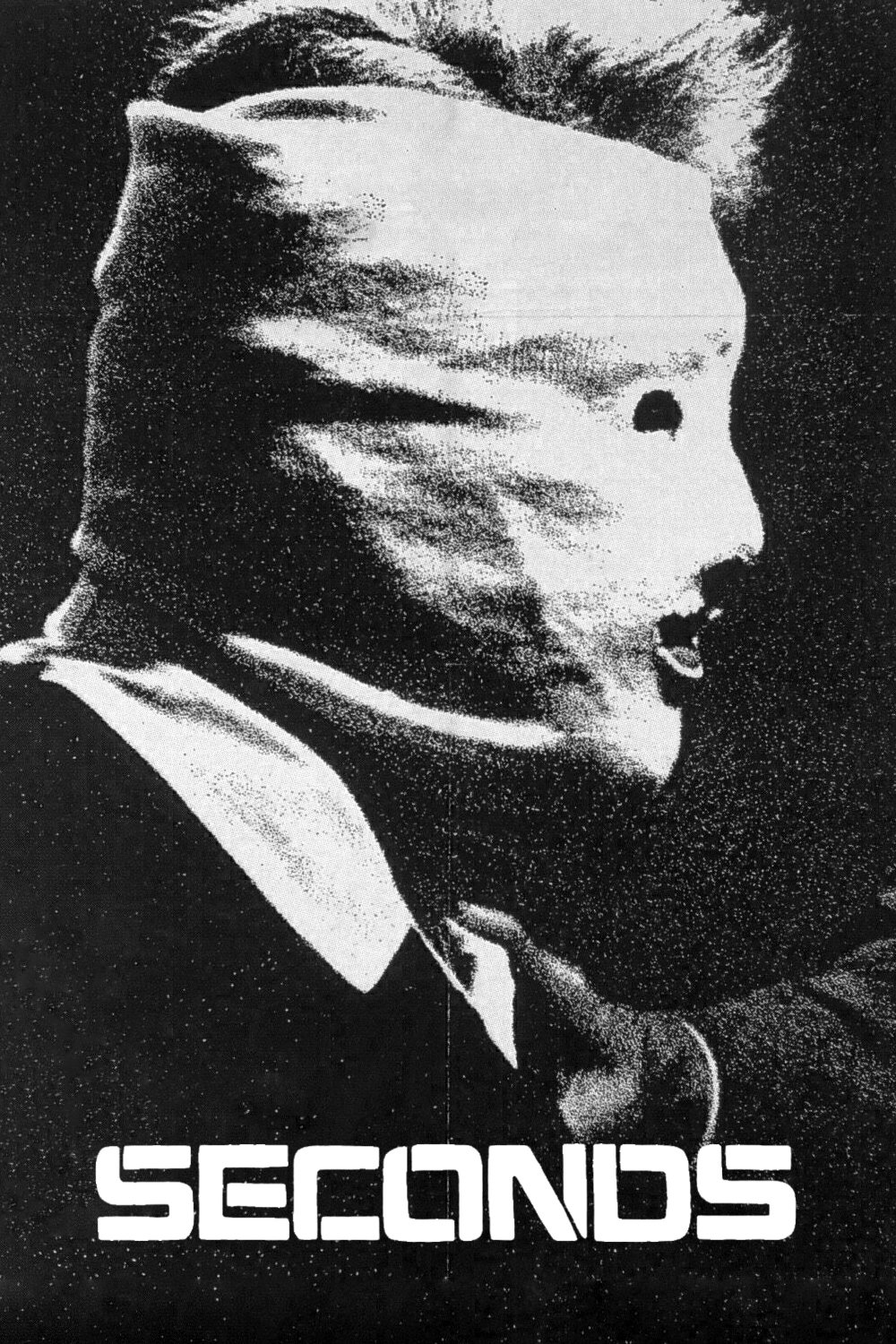
Seconds poster

Seconds

1966 · A cold, claustrophobic treatment of identity, with far fewer consoling answers.

Paprika poster

Paprika

2006 · Dreams disrupt waking life, and the animation makes every transition feel precarious.