Film review

V for Vendetta

2006 · Directed by James McTeigue · 2h 12m · MPA R

In a sentenceHugo Weaving could persuade us to join a revolution, provided someone else wrote the speeches

ActionThrillerScience Fiction

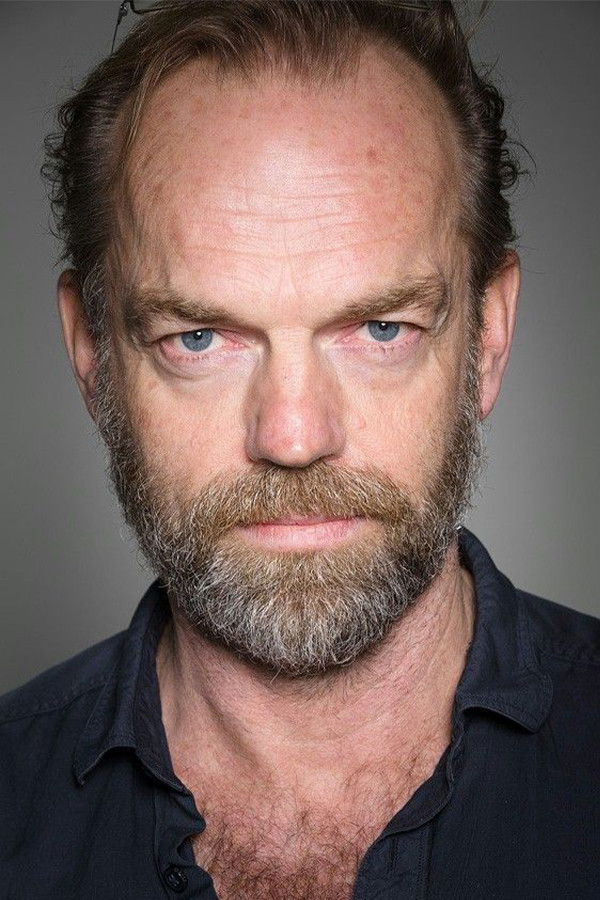
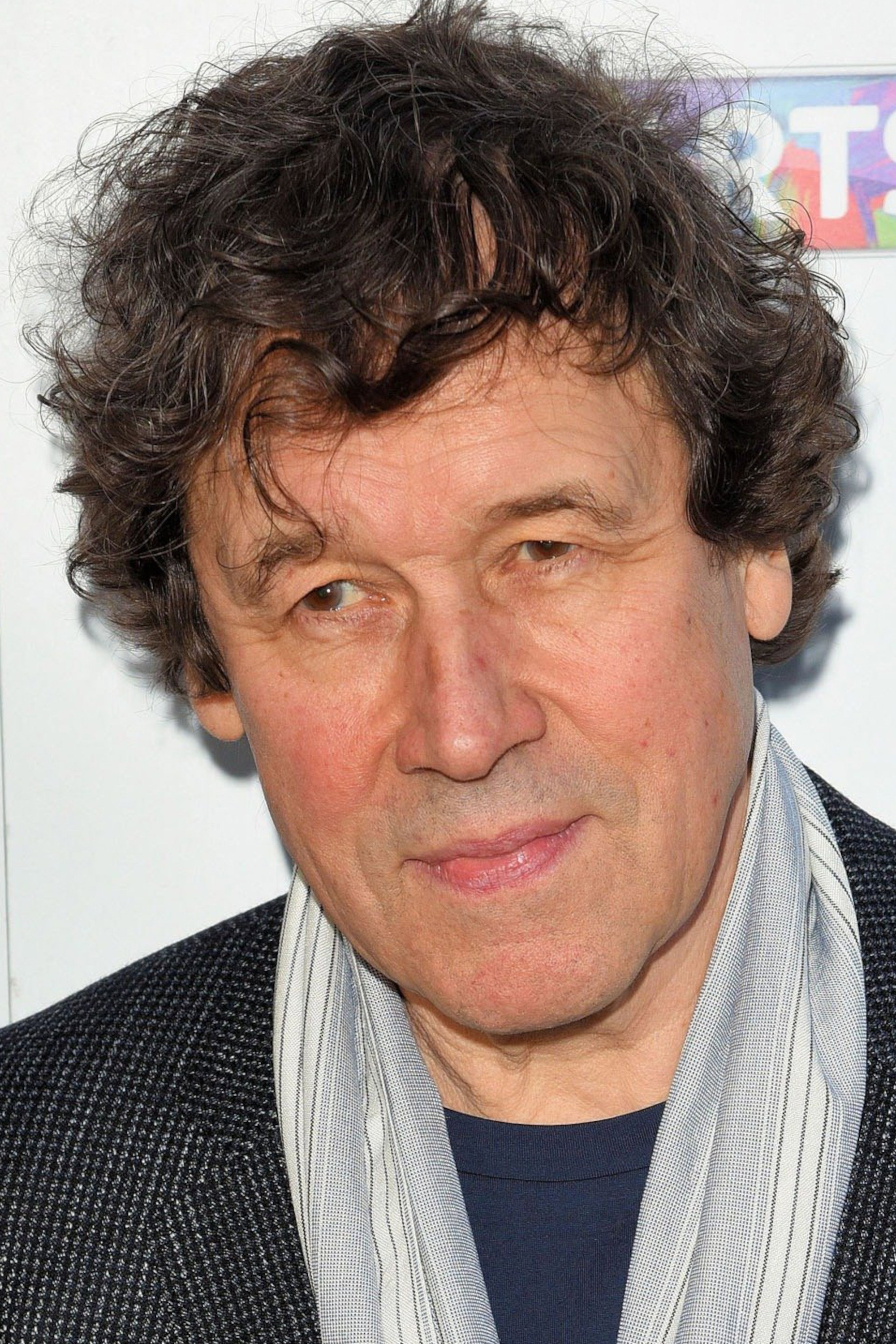
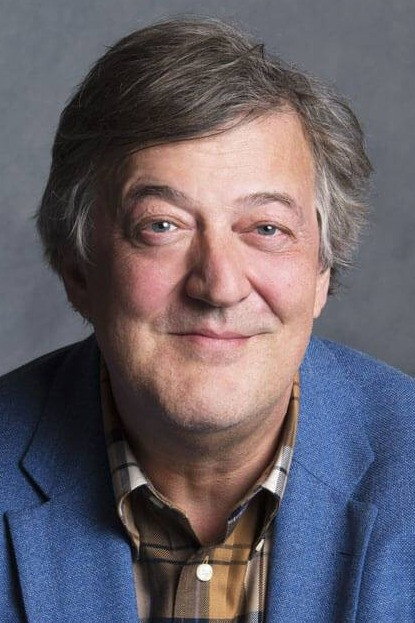
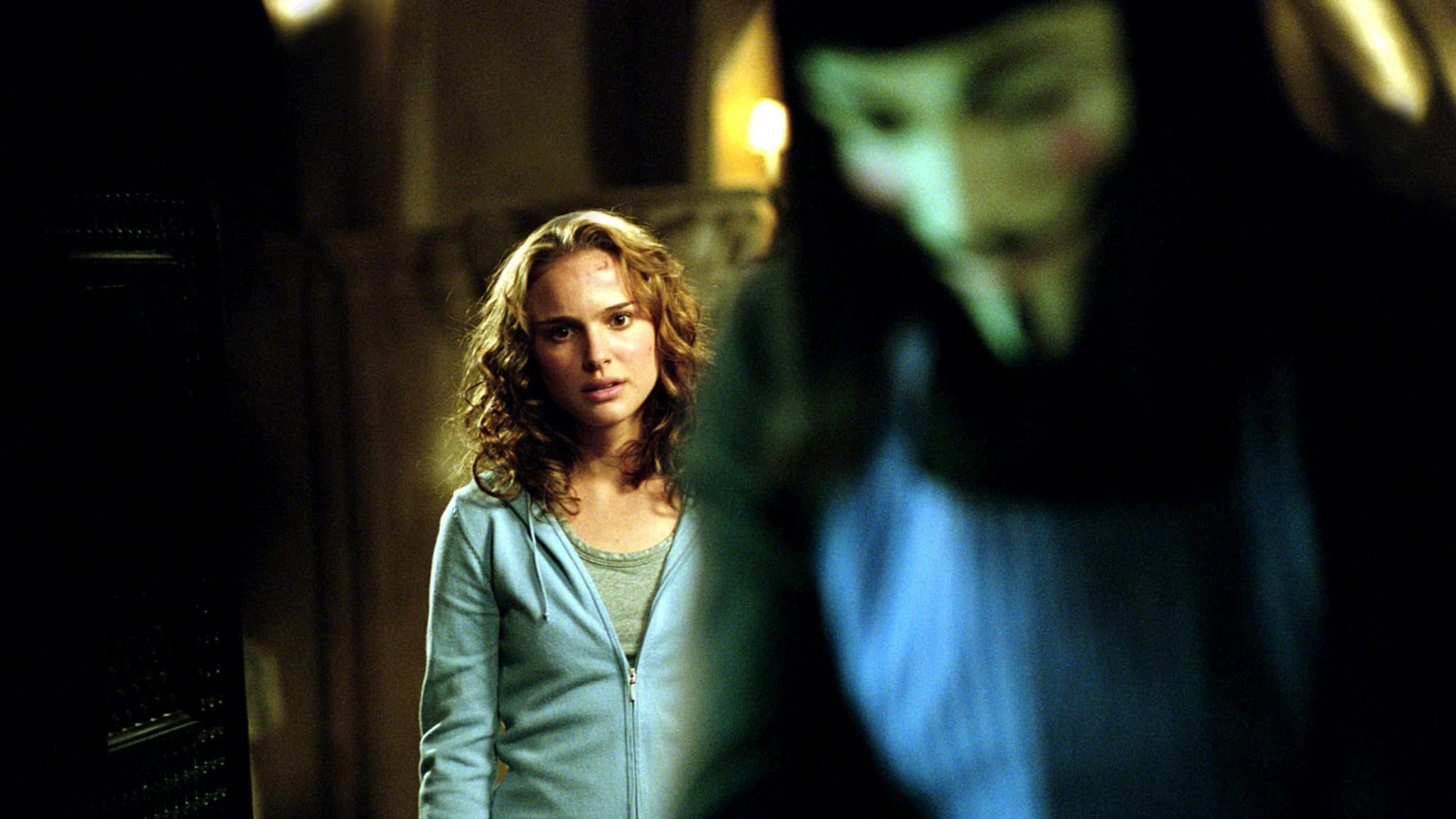
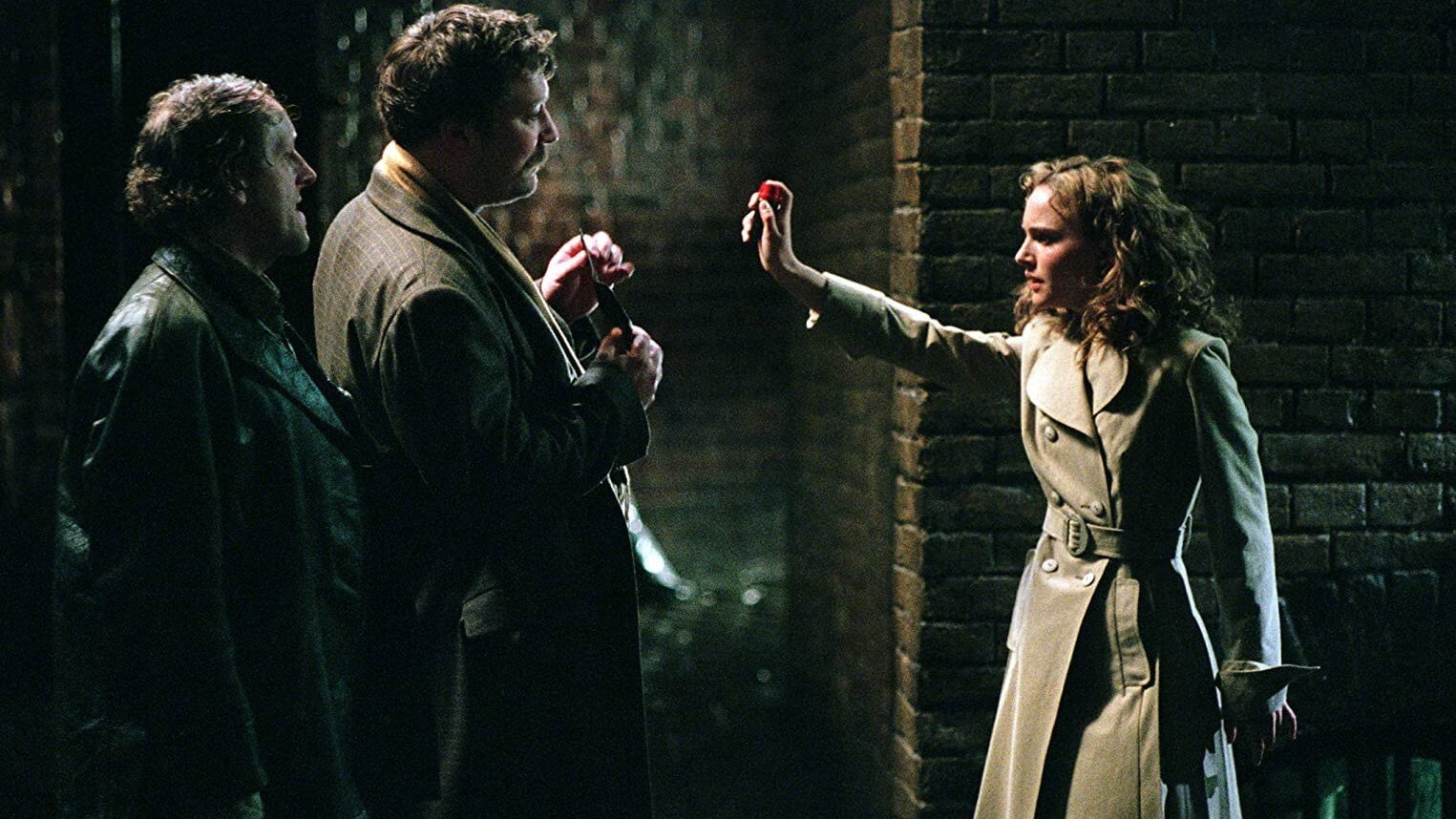
Evey (Natalie Portman) is a young woman drawn into the campaign of V (Hugo Weaving), a masked avenger fighting a fascist regime. His use of violence places him at the centre of a conflict over power, resistance and the right to speak for other people. Evey becomes involved with a man whose concealed face gives little away about the person behind his political cause. James McTeigue directs this science-fiction thriller from a screenplay by Lilly and Lana Wachowski. The cast also includes Stephen Rea as Finch, John Hurt as Adam Sutler and Stephen Fry as Deitrich.

Plays from YouTube when you press play; nothing loads from them until then.

Fi1m review

Hugo Weaving gives this political thriller a persuasive voice, and the action has force. But its speeches and thinly imagined future leave more to debate afterwards than to enjoy along the way.

V for Vendetta is a frustrating political thriller with a performance worth staying for, though not enough clarity to make its long speeches rewarding. James McTeigue sets out to make resistance to fascism exciting, dangerous and morally uncomfortable. Giving the central role to a masked avenger who uses violence ought to prevent the film from becoming a straightforward account of good defeating evil. The difficulty is that it keeps making its hero look persuasive while leaving too many of the objections to his methods unattended.

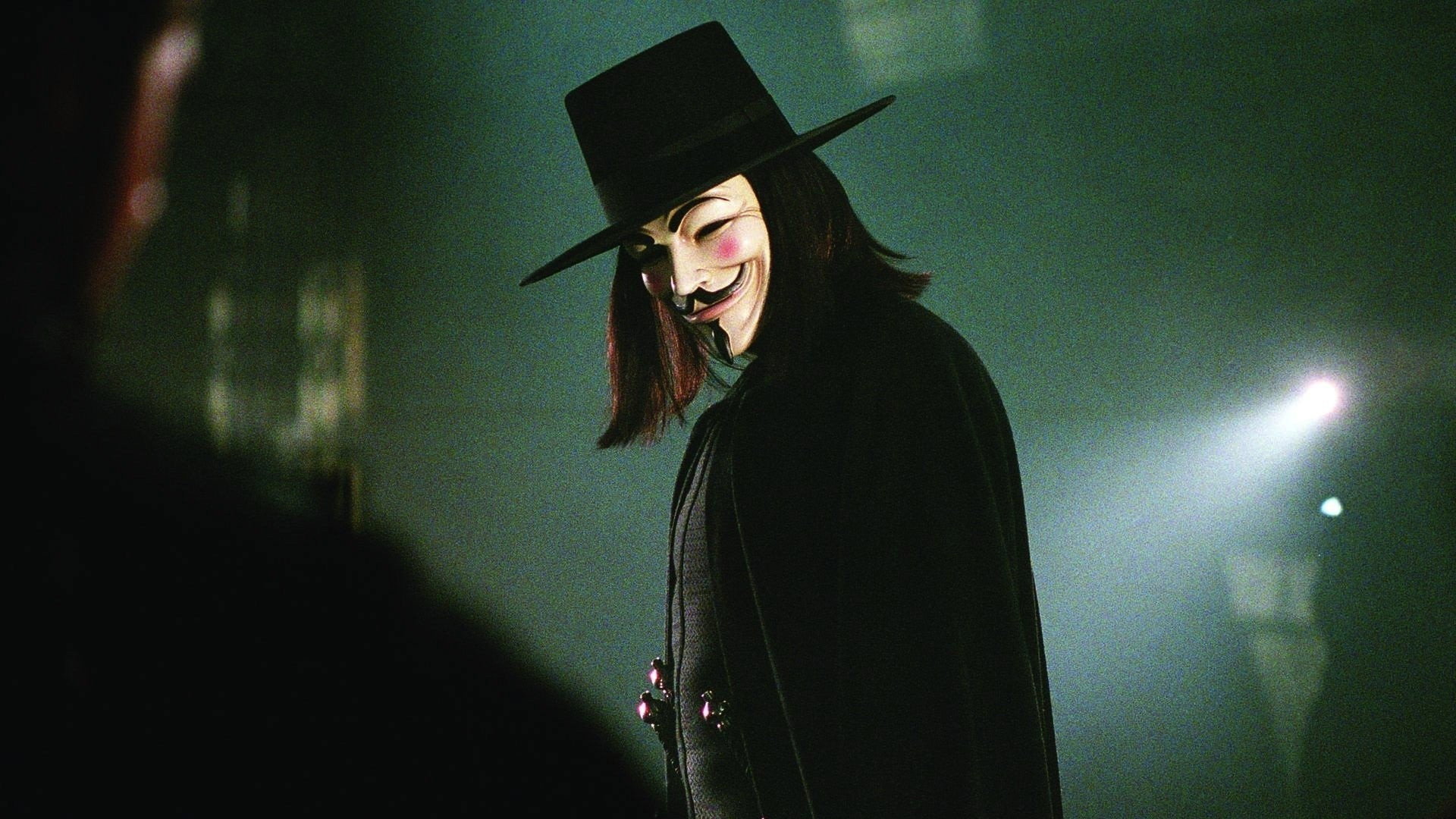
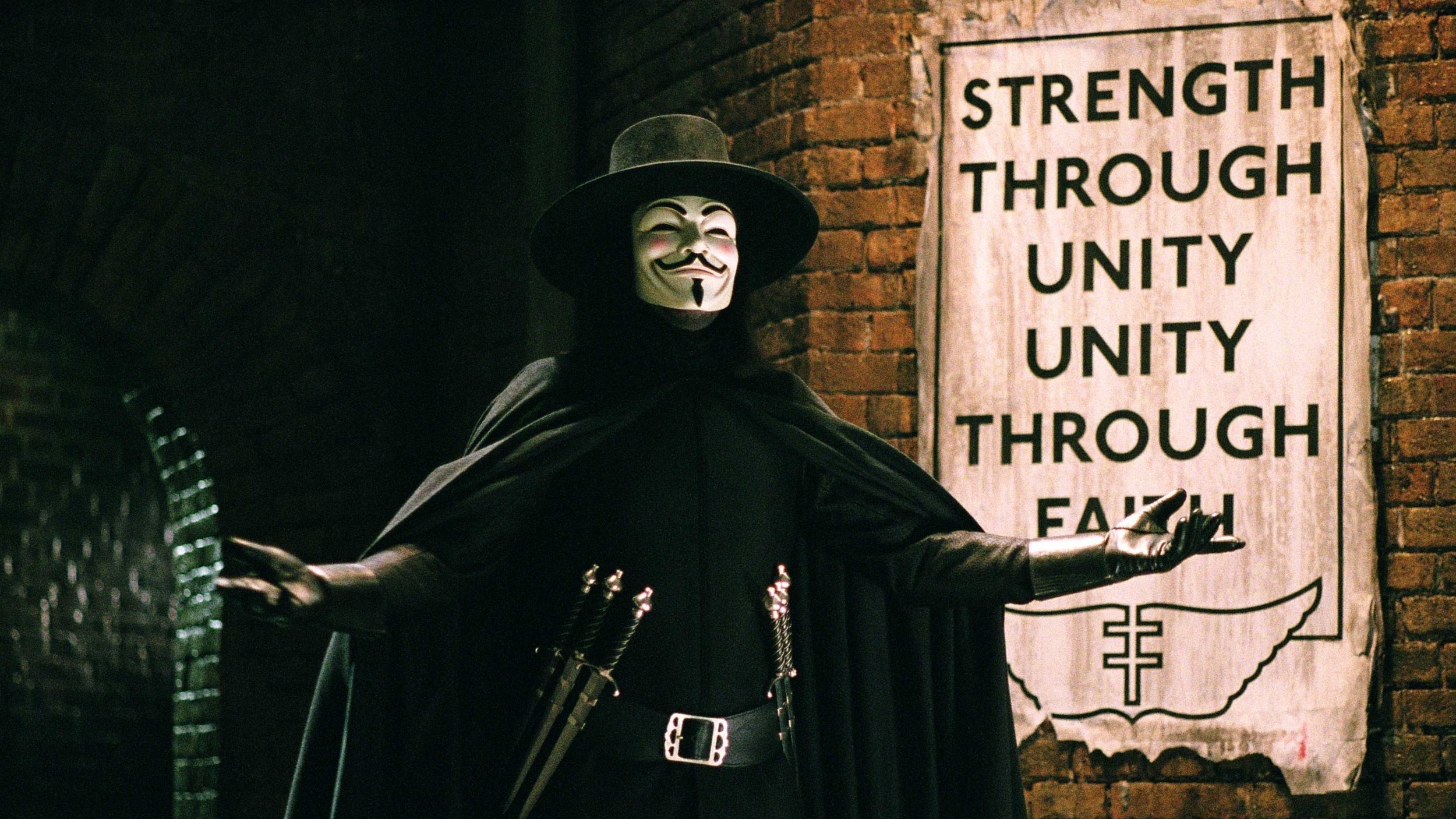
Hugo Weaving, playing V, gives the film the complication it needs. Working behind a mask, he makes the voice carry the force of a performance that cannot depend on changing facial expressions. We were drawn to V despite ourselves, because Weaving makes his certainty sound inviting rather than merely overbearing. That is useful discomfort in a film about a man appointing himself to speak for others. The screenplay by Lilly and Lana Wachowski too often responds by giving him more to explain.

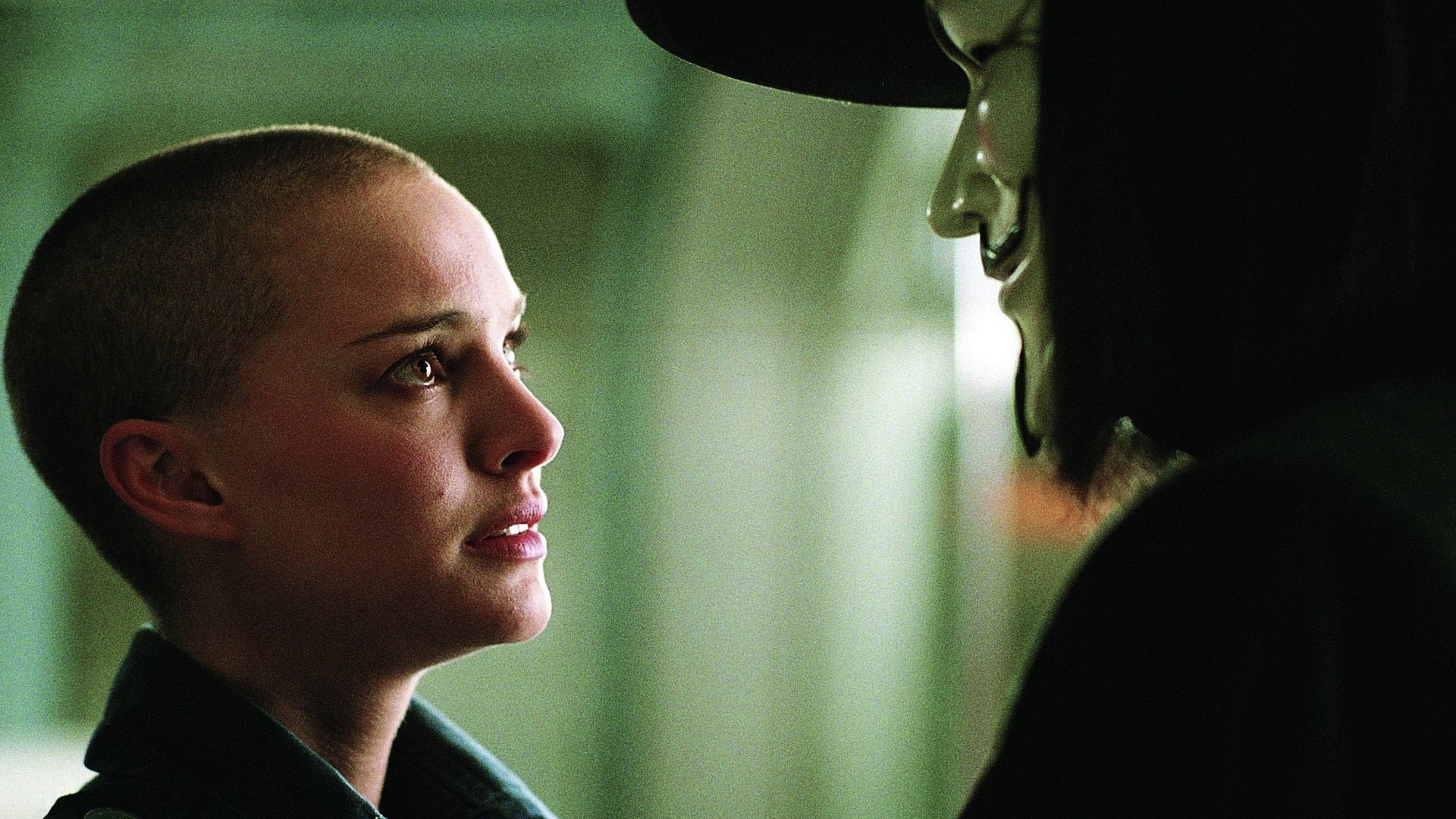
Natalie Portman’s Evey has less room to manoeuvre. Portman supplies feeling, but Evey too often has to receive V’s ideas without being given equally substantial ones of her own. Their relationship consequently lacks the friction that might make the political talk matter to two people as well as to a screenplay. Stephen Rea’s Finch and John Hurt’s Adam Sutler offer firmer points of interest in the supporting cast. Both give their parts a conviction that helps when the dialogue starts to labour.

Adrian Biddle’s cinematography gives the masked figure a menace that survives even the heavier passages of dialogue. Owen Paterson’s production design is equally assured at making this future look intimidating, although it is less successful at making it credible. The world around V feels arranged for his campaign, with too little sense of ordinary life continuing beyond it. For all the care taken over the images, the setting rarely persuades us that these people inhabit a functioning society.

McTeigue handles violent action with more confidence than he handles exposition, and the physical confrontations briefly give the film some needed urgency. Martin Walsh’s editing has a harder task with the talk, which repeatedly stops the momentum to explain another piece of the plot. Dario Marianelli’s music pushes for excitement, but the score cannot supply all the urgency those stretches lack. At 132 minutes, the film gives us ample time to notice how much of its energy comes from Weaving rather than from events.

As a political thriller, it also makes the case against its fascist regime so easy that V seldom has to withstand serious questioning. We do not need the villains softened or excused; we need the consequences of his beliefs examined as closely as the appeal of his defiance. The Wachowskis are prepared to make political violence the subject of popular entertainment, which is a worthwhile risk. They are less willing to make their chosen hero difficult to support, and the film’s seriousness suffers for it.

There is enough skill here to explain why the film has its defenders, particularly in the voice behind the mask and the force of the action. We share some of that enthusiasm, but the long explanations and the weakly developed relationship keep interrupting it. Anyone coming chiefly for Weaving should allow for a considerable amount of waiting between the reasons they came.

Critical consensus AI synthesised

49
Positive
2
Mixed
3
Negative
4

The consensus on V for Vendetta leans towards disappointment, though several critics admire its political ambition and visual craft. Praise clusters around the elaborate design and moments of forceful action, even among reviews that find the story unconvincing. Performances offer another point of encouragement: Empire praises Hugo Weaving’s vocal command behind the mask, while Collider welcomes Natalie Portman’s performance and finds the updated political commentary worthwhile.

The divide is substantial: sympathetic reviews see a provocative adaptation with clumsy passages, while detractors find its politics muddled and its dialogue exhausting. Exposition, uneven pacing and an implausible future recur as complaints, with disagreement over whether the film makes persuasive use of its provocative subject matter. The response to the finale makes that split particularly clear: Radio Times finds it moving and relevant, whereas Screen Daily argues that the film has not earned its intended inspirational effect.

Empire
24 February 2006 · Dan Jolin
70*

The critic finds it the best Moore adaptation yet but notes it is uncommercial and talky rather than action-packed. They praise Hugo Weaving's compelling vocal performance as the masked V while noting flaws like clumsy scripting and Portman's accent issues.

Read the full review →
Radio Times
★★★ · Alan Jones
60

It's an audaciously risk-taking yet clunky curio that delivers a stunningly executed and movingly relevant ending despite some flaws.

Read the full review →
The Guardian
19 March 2006 · Philip French
60*

The film cleverly turns a terrorist into a politically correct crusading hero but fails to create a credible future or avoid pomposity. It is handsomely designed with a menacing look from its cinematographer.

Read the full review →
Variety
13 February 2006 · festival review · Leslie Felperin
45*

The critic finds the graphic-novel adaptation visually striking at times but ultimately flat, suffering from indigestible dialogue and pacing issues like the Wachowskis' later Matrix films. She singles out the weak chemistry between the leads and the passive central female character.

Read the full review →
Screen Daily
14 February 2006 · festival review
40*

Starts promisingly but succumbs to hokum and silliness, failing to earn its inspirational finale; mixed on politics and action.

Read the full review →
The New York Times
17 March 2006 · Manohla Dargis
40*

The critic finds the film a muddled Orwellian tale about a masked avenger fighting a fascist regime that strains to echo current politics without clear conviction. She singles out the lead performance of Natalie Portman as an impressionable young woman drawn into the plot.

Read the full review →

Cast

Stills

Awards

Saturn Awards, 2007

Won
Best Actress

If you liked this, try…

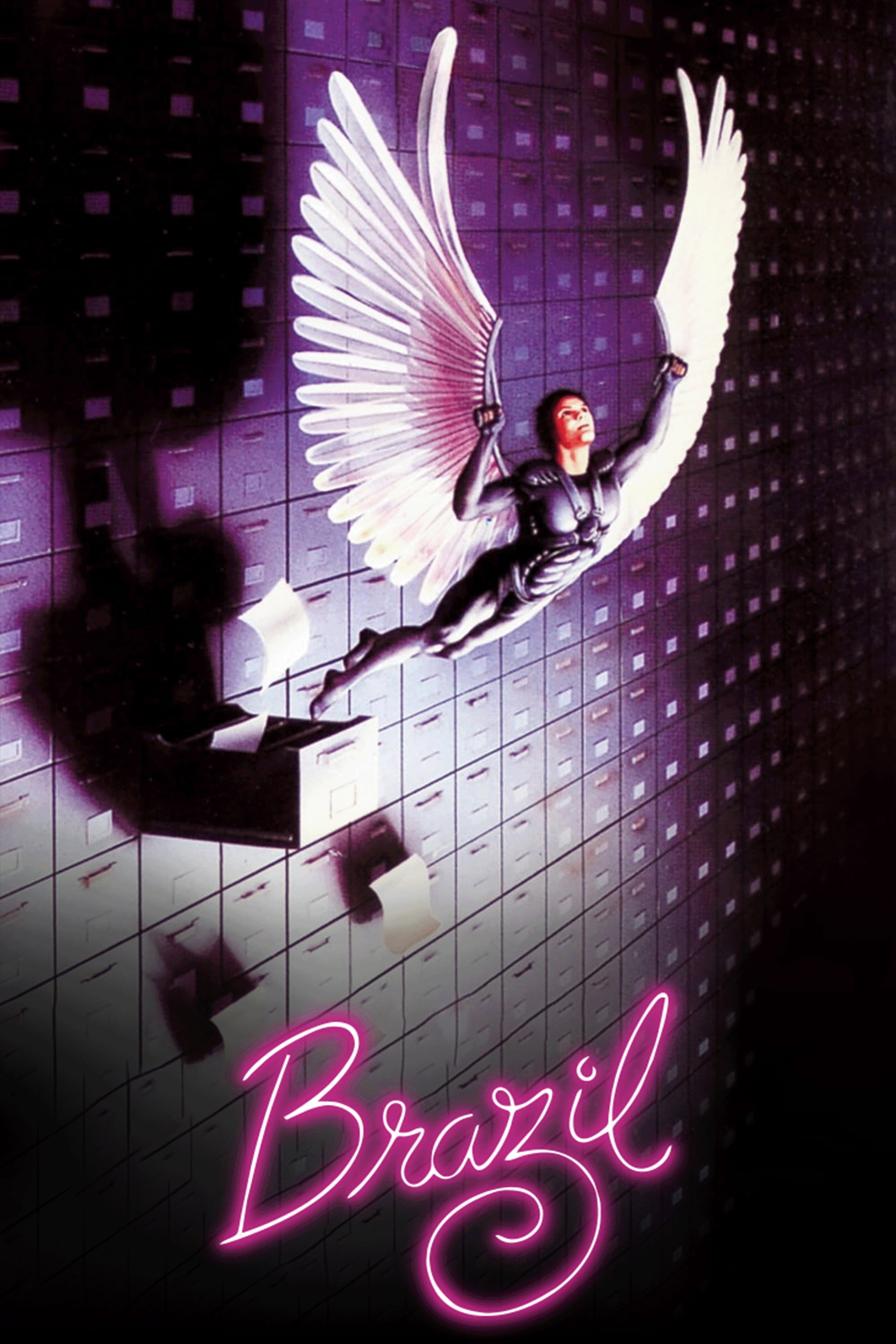
Brazil poster

Brazil

1985 · Another oppressive state, with sharper comedy and a more convincing everyday nightmare.

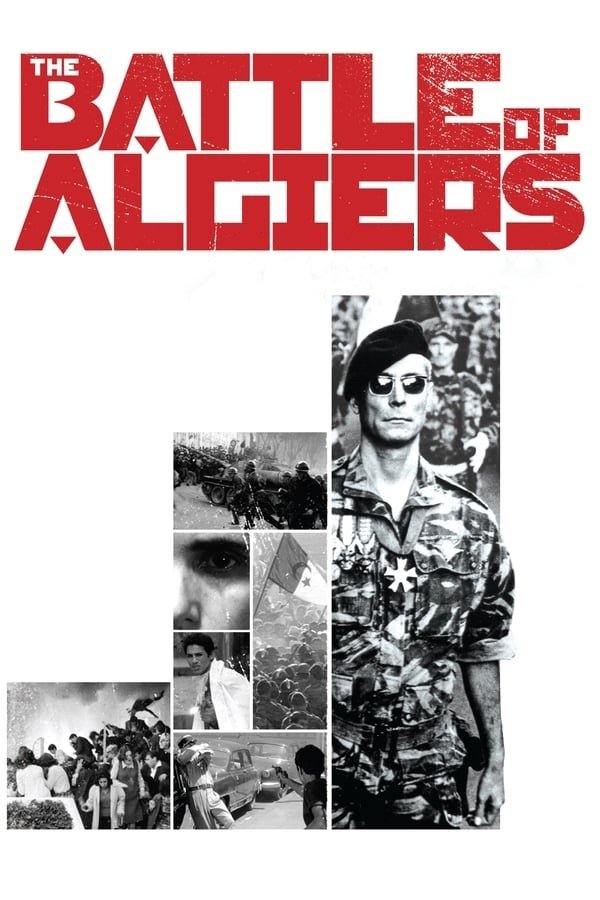
The Battle of Algiers poster93

The Battle of Algiers

1966 · For a far less comfortable examination of political violence and resistance.

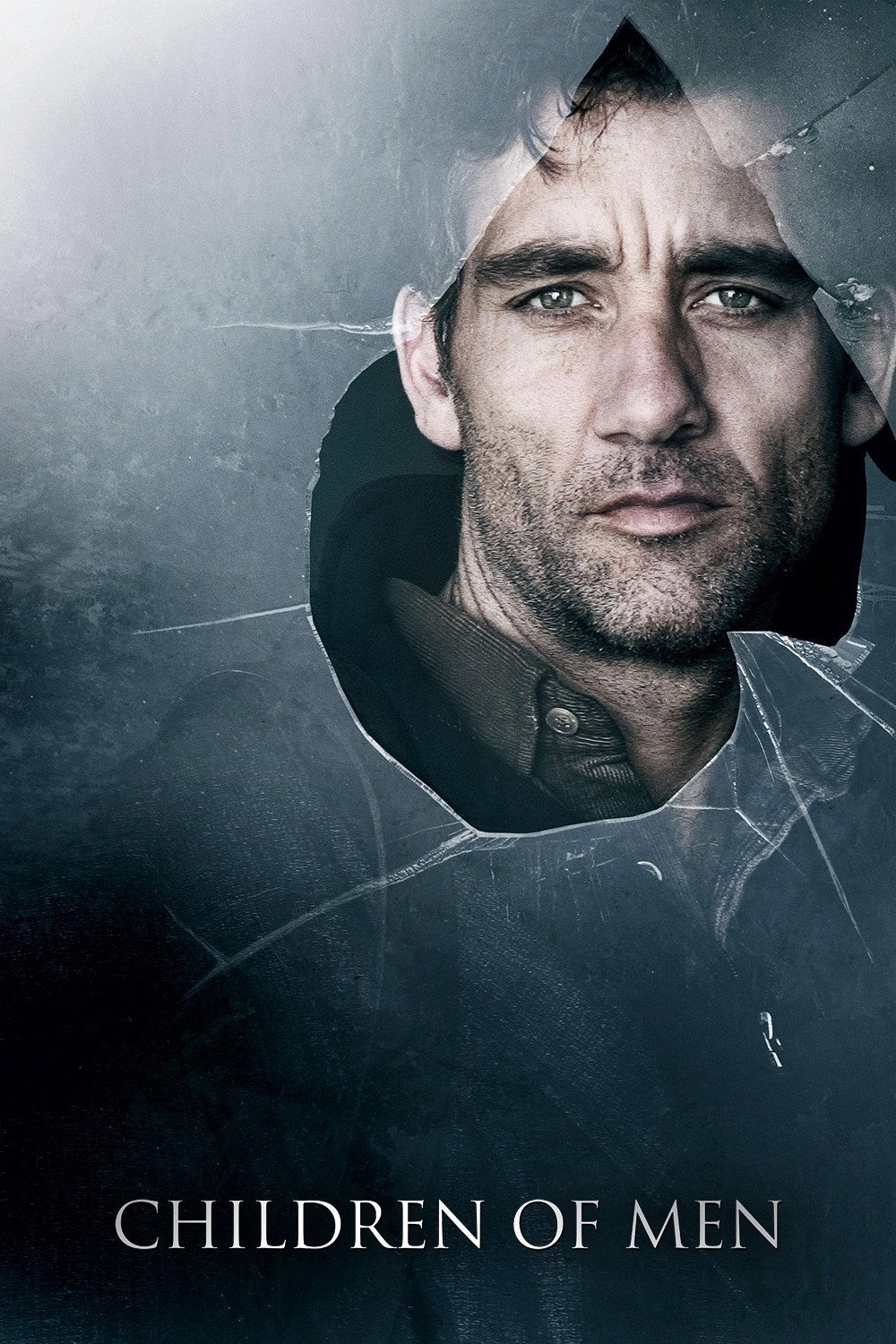
Children of Men poster

Children of Men

2006 · A threatened society made credible through physical detail and sustained human concern.

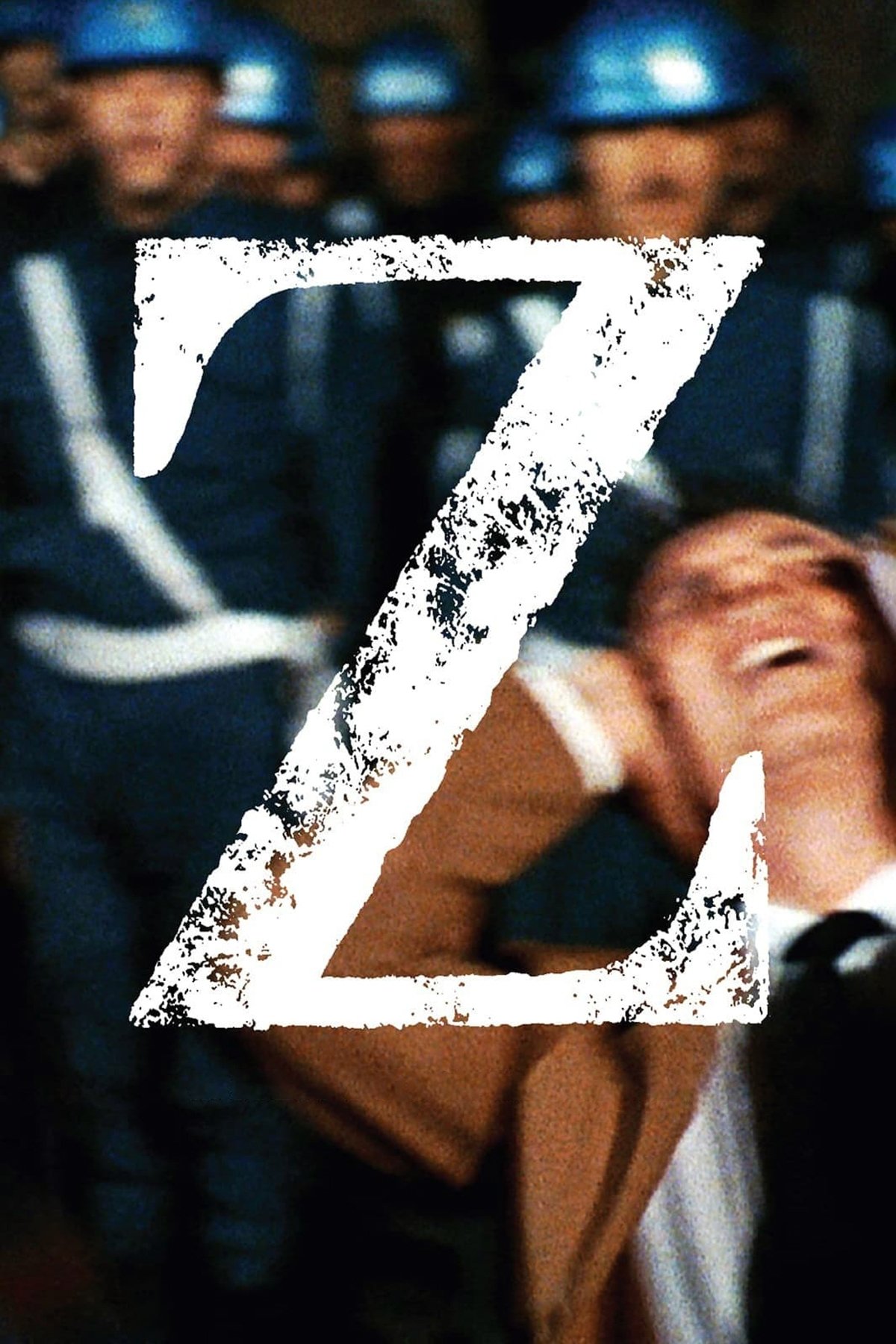
Z poster

Z

1969 · Political murder and official obstruction, handled with the momentum this film lacks.

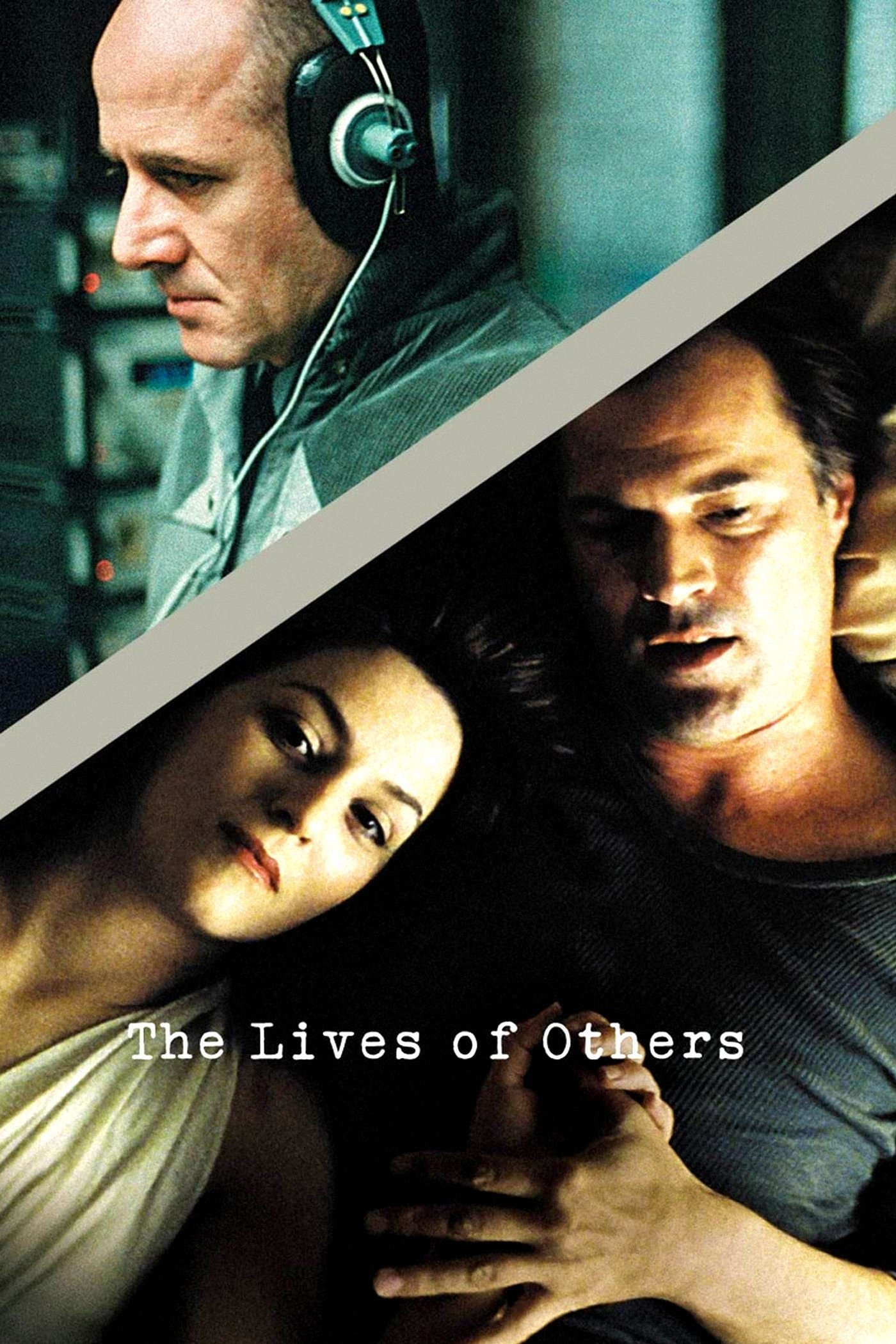
The Lives of Others poster

The Lives of Others

2006 · Surveillance becomes painfully personal, with quieter performances and more room for doubt.