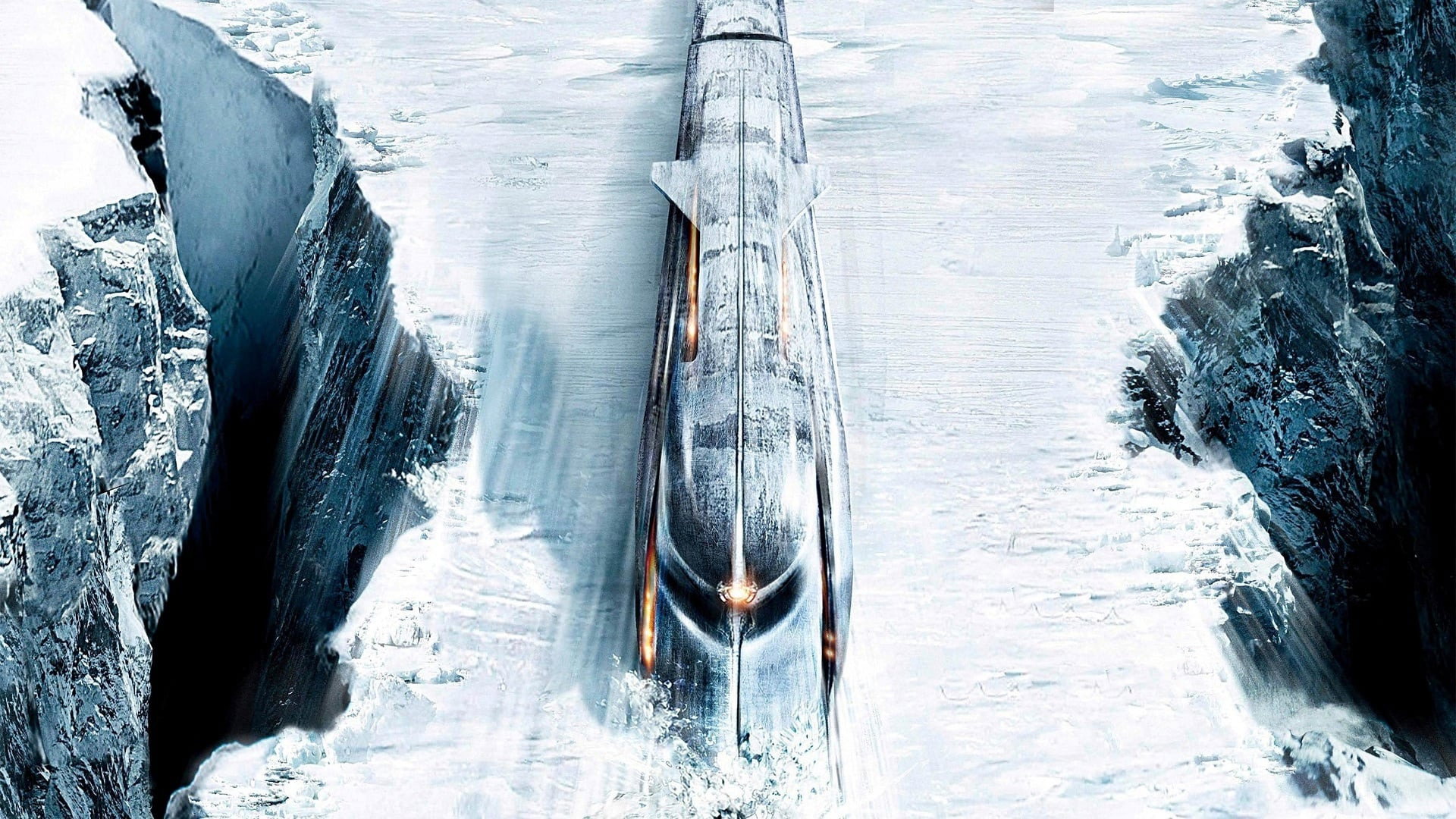
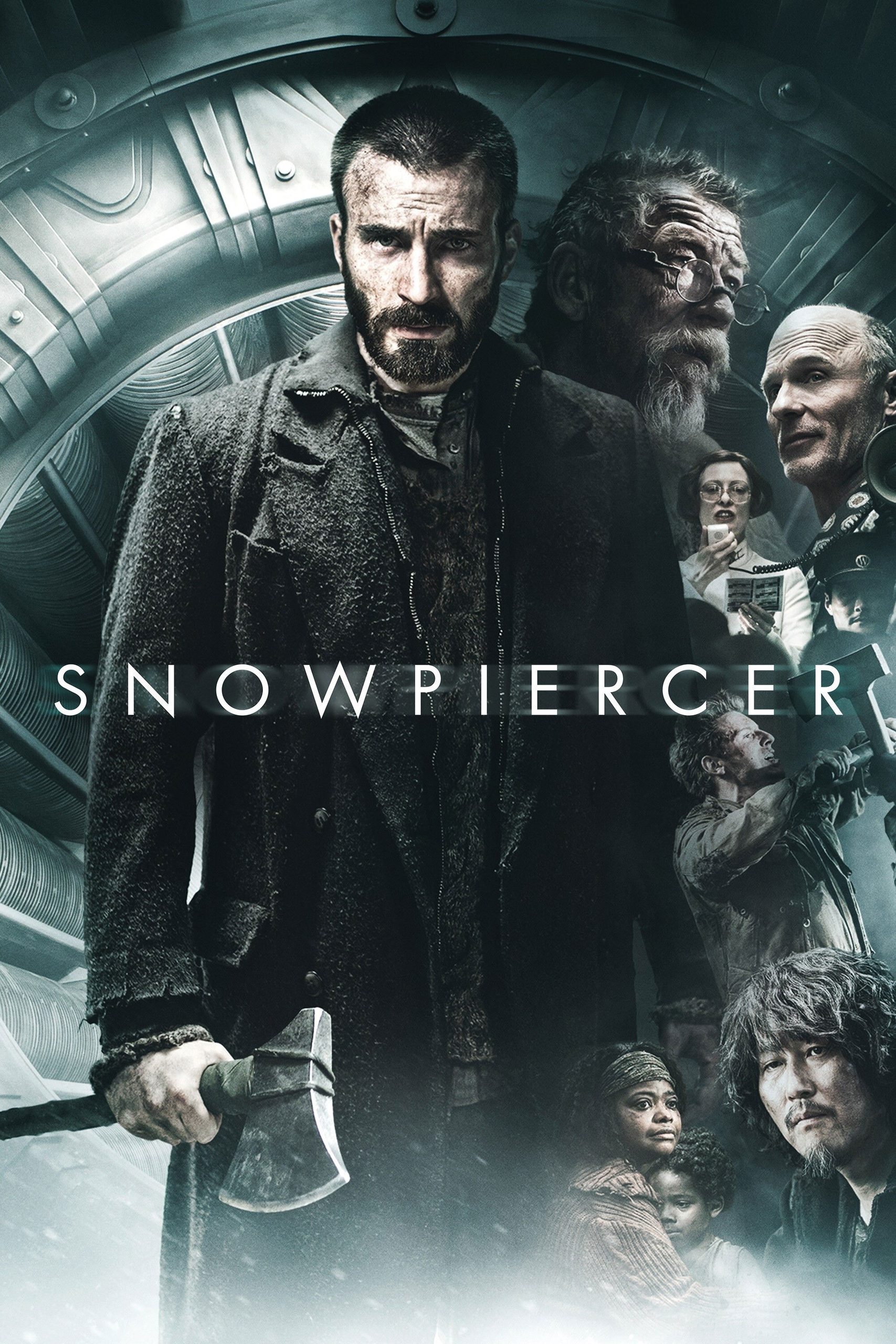
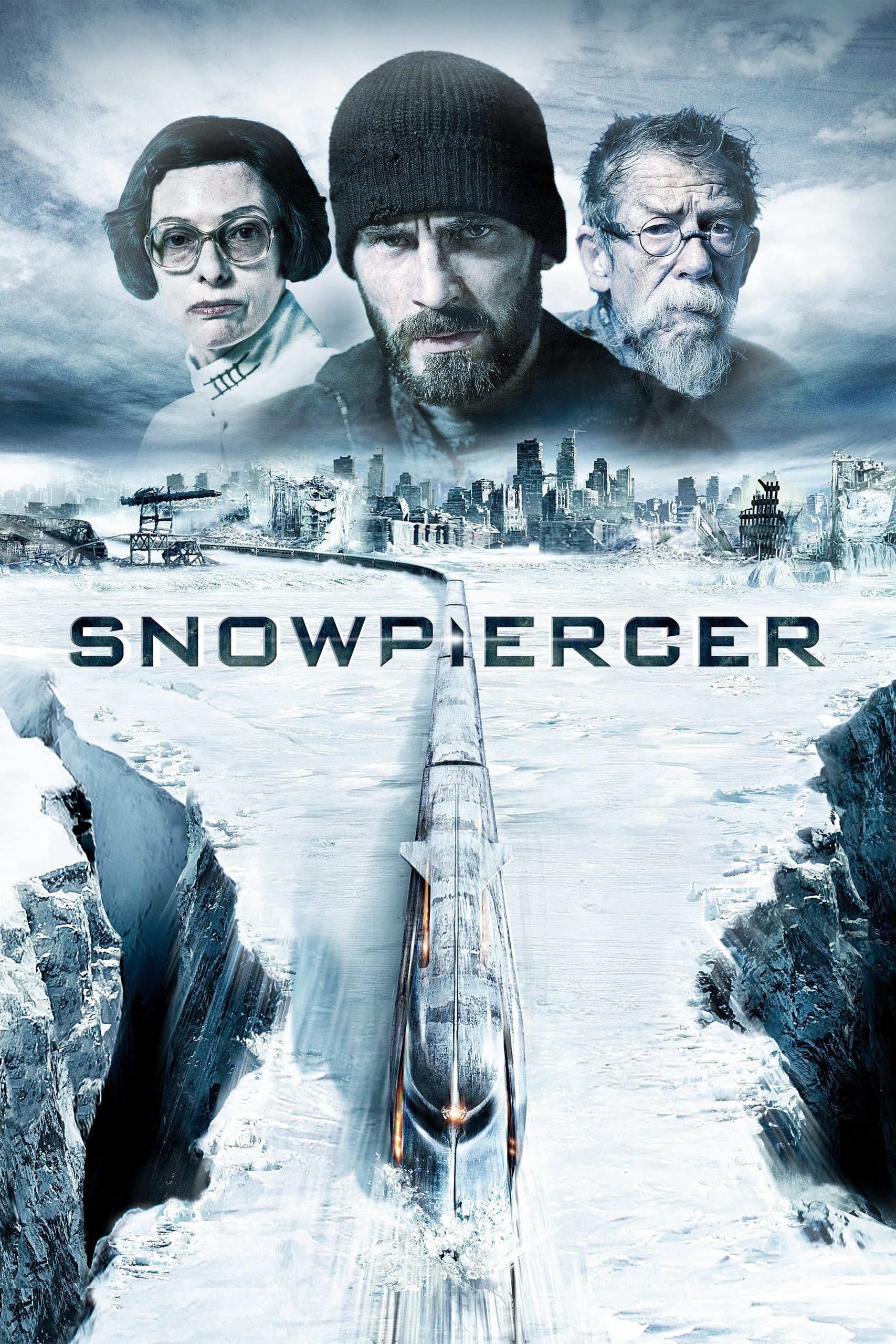
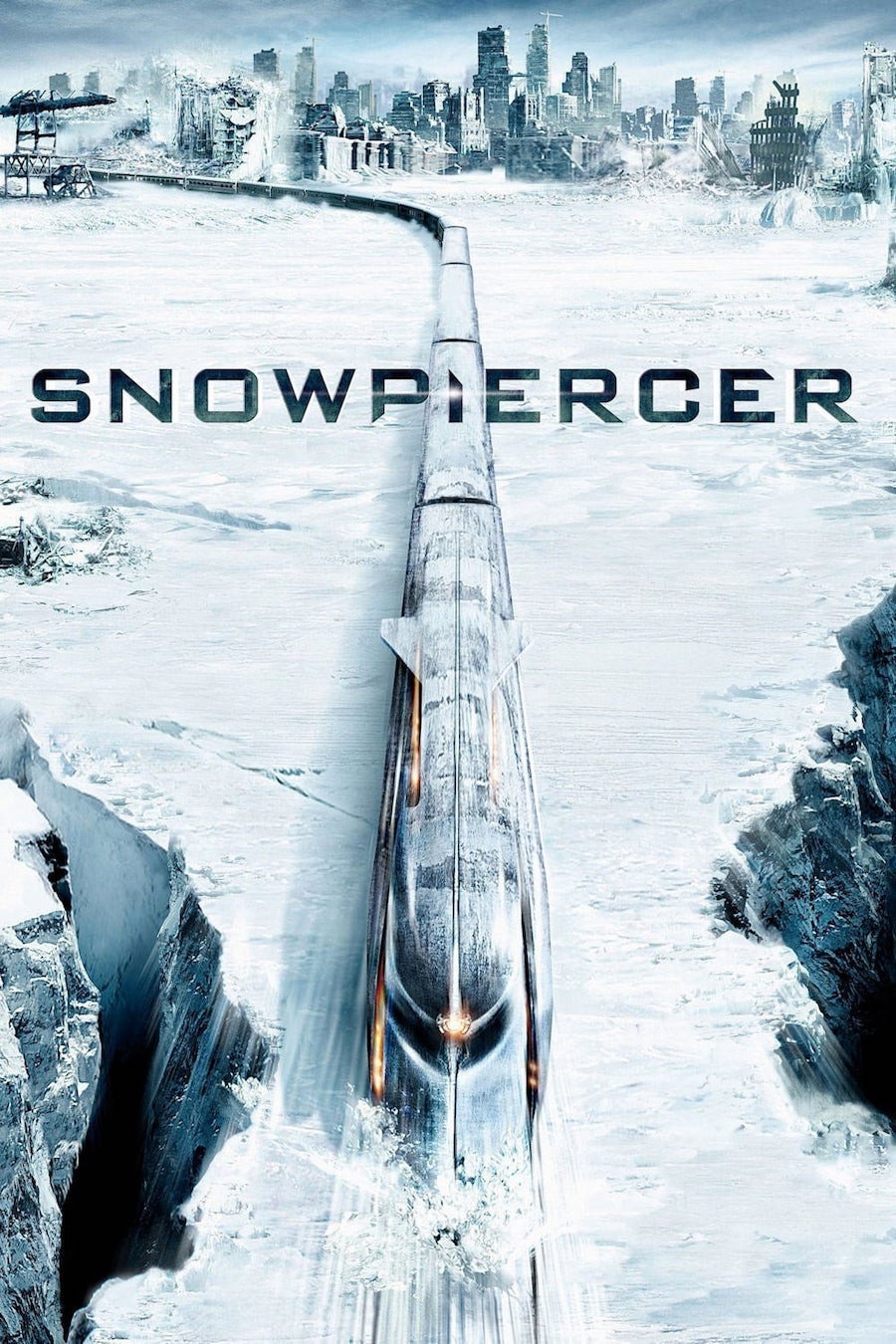
Bong Joon Ho makes a brutal, inventive science-fiction film out of a train divided by class. The fighting sometimes goes on longer than the ideas need, but the cramped spaces and grotesque authority figures give it force.
Snowpiercer is a fierce, often funny science-fiction film that uses its train setting to make class divisions difficult to ignore. Bong Joon Ho puts resentment into confined spaces, where the distance between passengers becomes something people can measure and fight their way through. We recommend it, with a warning about the sustained violence and a reservation about how often the screenplay explains what the carriages have already made clear. Its anger is persuasive because the people exercising power can be ridiculous without becoming harmless.
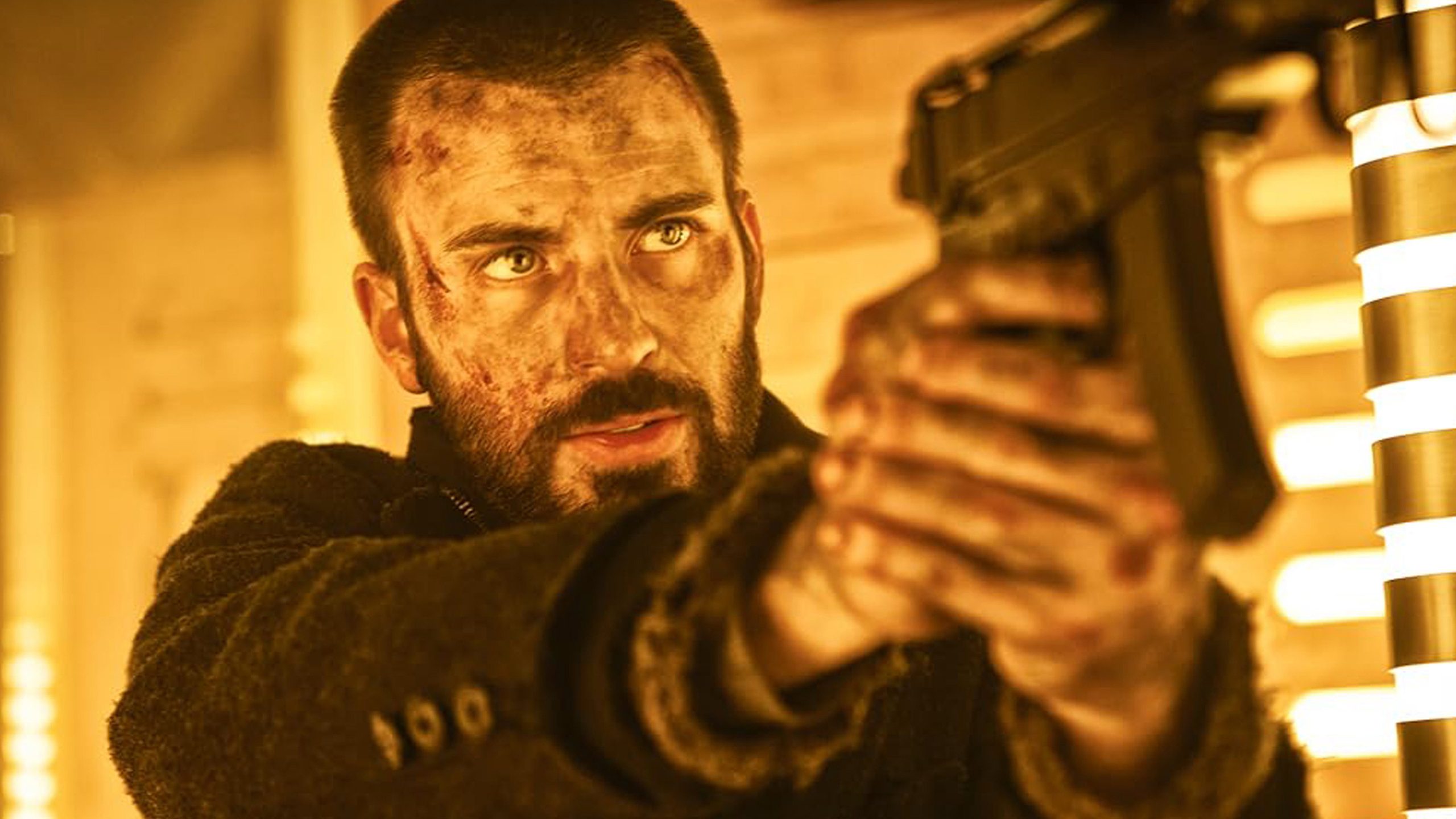
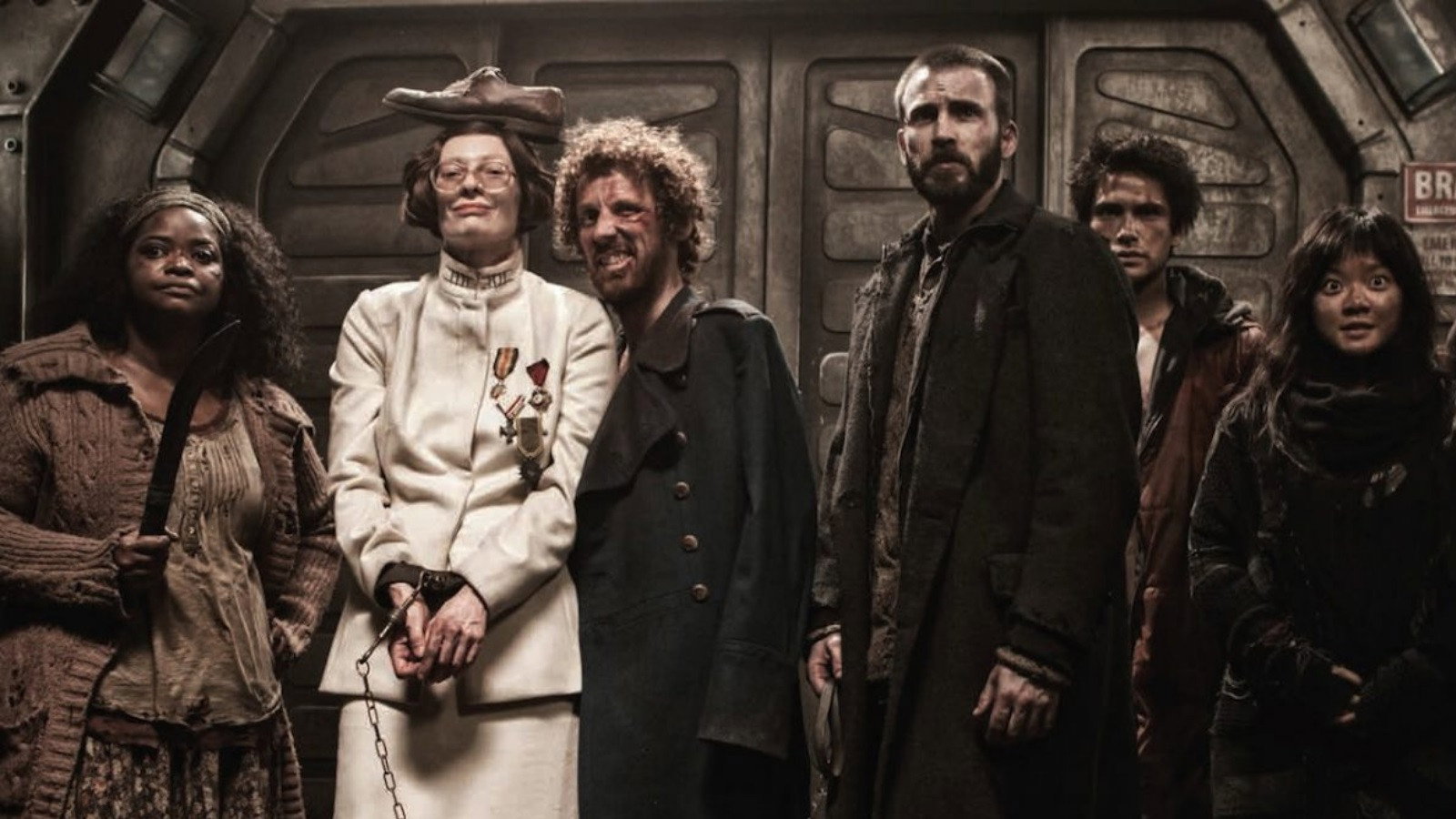
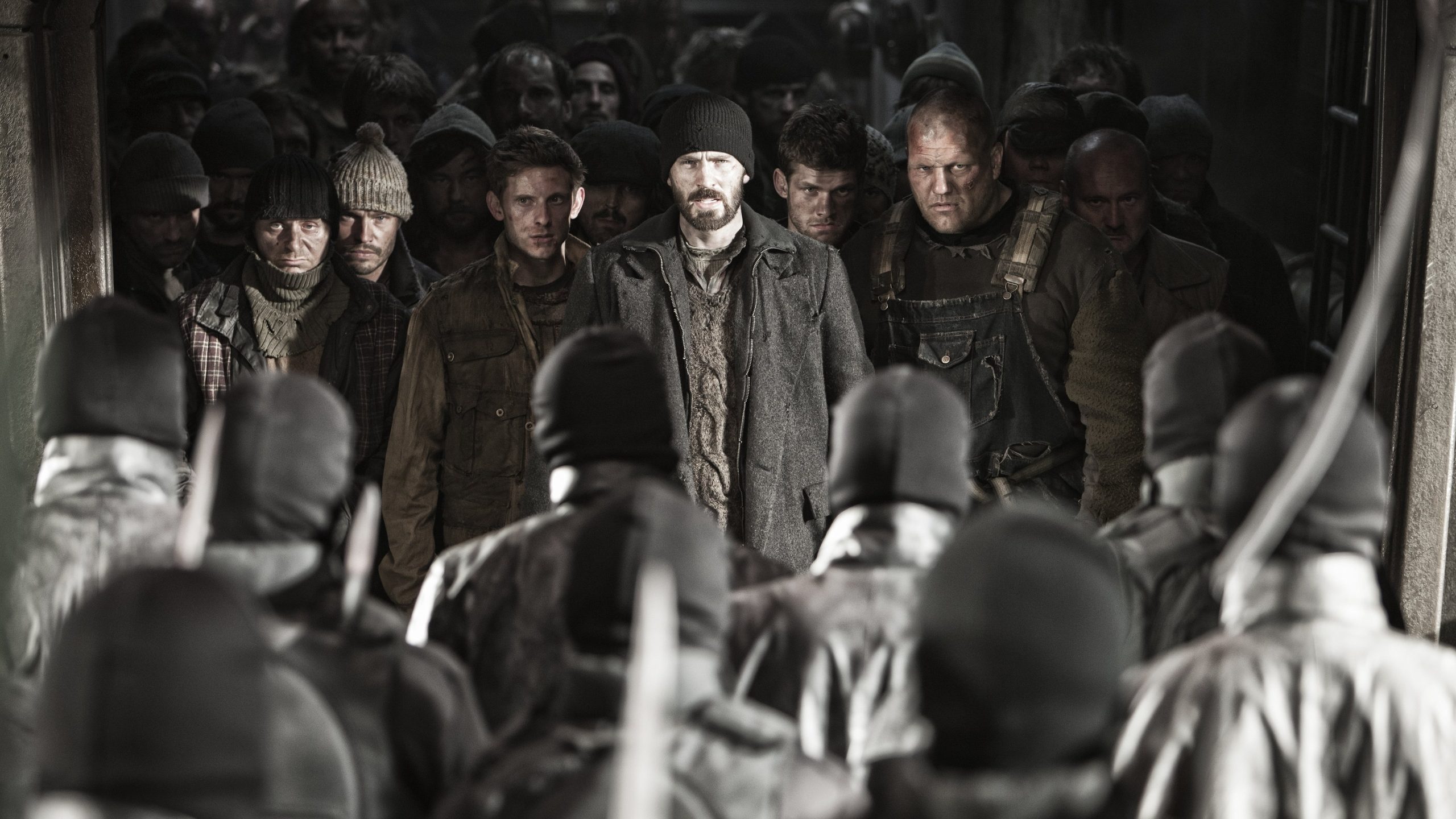
Ondřej Nekvasil’s production design is crucial: the carriages make social position visible before anyone starts defending it. The grimy, retro appearance gives the machinery and compartments a used, inhabited quality, which helps an extravagant premise feel solid enough to accept. Hong Kyung-pyo’s cinematography makes the narrow spaces oppressive without reducing the fighting to an unreadable crush of bodies. We recoiled from the violence in those passages, because the lack of room makes each confrontation feel difficult to escape even before a blow lands.
Kim Chang-ju and Steve M. Choe cut the action with a useful sense of direction, maintaining the simple urgency of getting further along the train. That clarity matters when so much depends on understanding who stands in whose way. The quieter pauses are welcome, allowing the confinement to become unsettling without another fight being required. Marco Beltrami’s score helps sustain the pressure, although we would happily have traded some of that encouragement for more of the film’s uneasy calm.
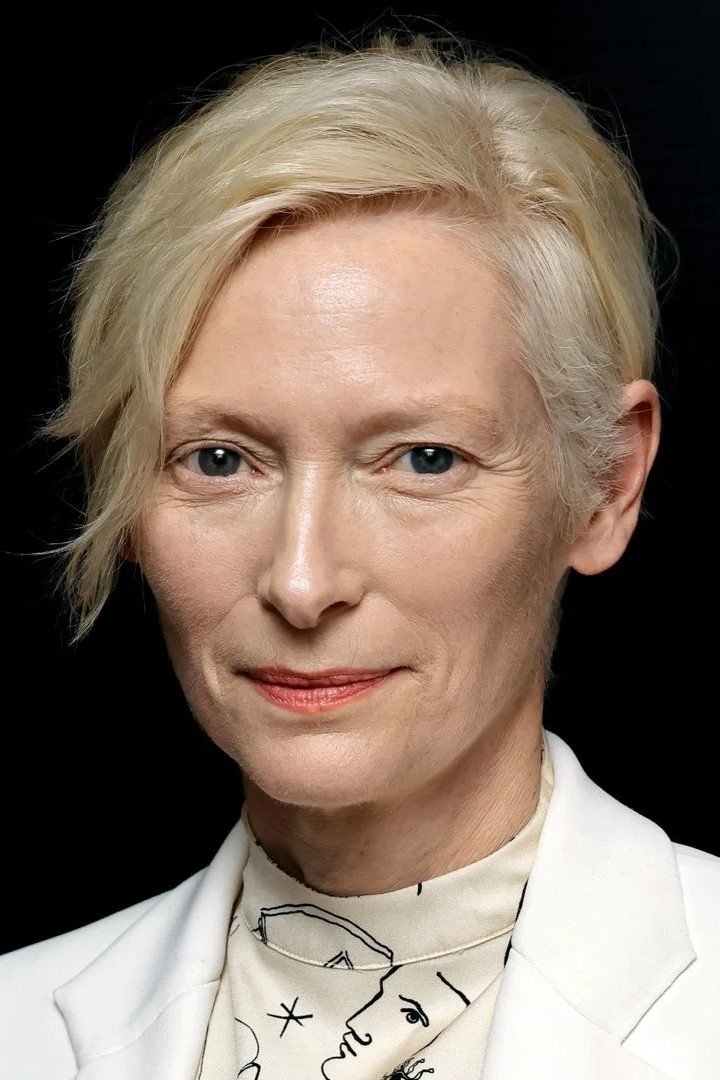
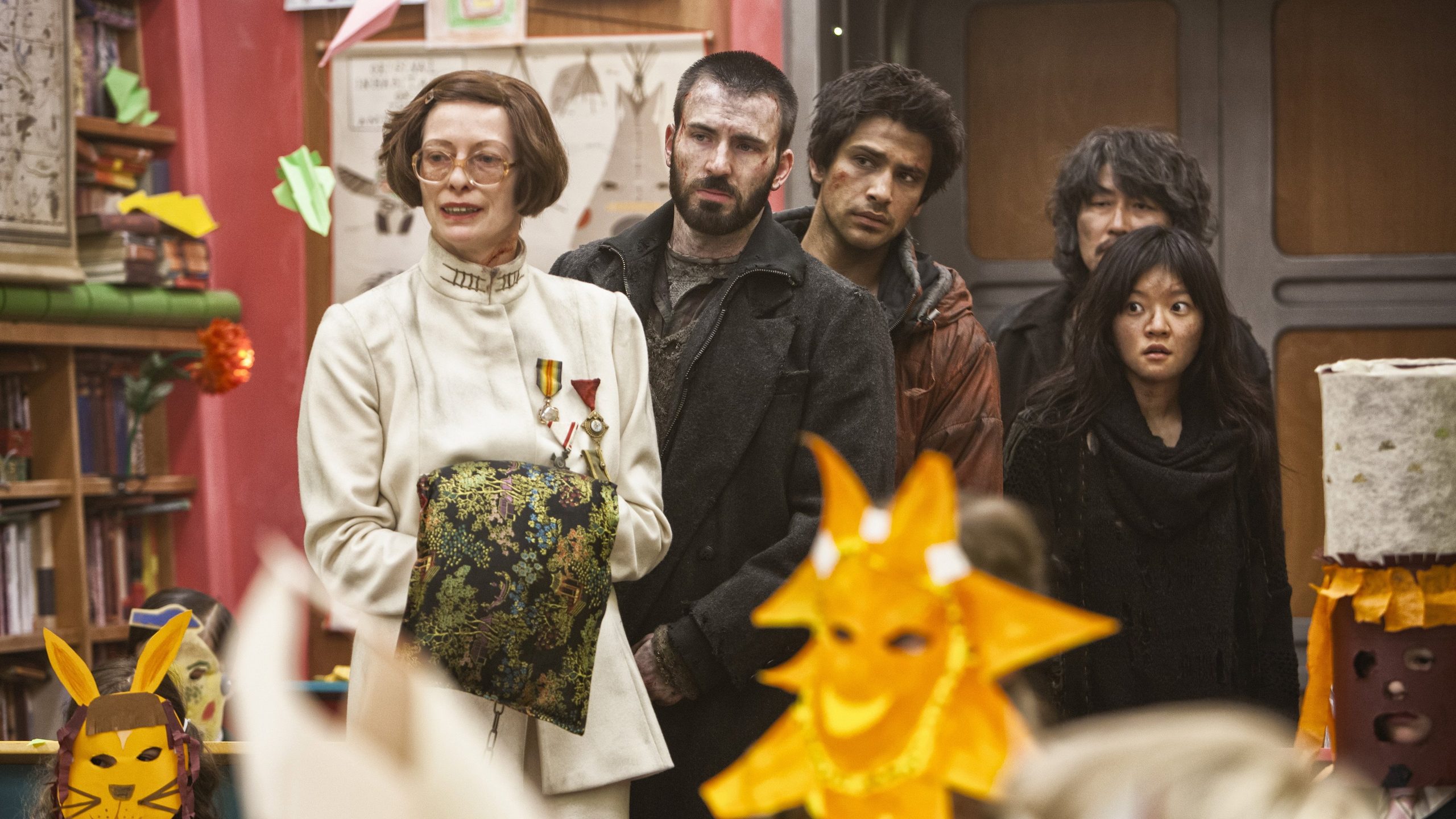
Chris Evans gives Curtis the weight the film needs, keeping him serious enough that the surrounding absurdity does not dissolve the danger. His restraint occasionally becomes a limitation; the character can seem to be waiting for the screenplay to let him say more. Tilda Swinton, as Mason, has no such difficulty making an impression. Her performance is funny and repellent, and the director allows that comic ugliness to sit alongside the brutality without making the changes in tone feel like a mistake.
The weakness is Bong Joon Ho and Kelly Masterson’s insistence on spelling things out. The train already shows how a society separates its people, so the explanations can feel like interruptions from someone checking that we have understood. The humour generally does that work more efficiently, letting the people defending the arrangement make fools of themselves. At 127 minutes, the film could also spare some repeated violence without losing either its pace or its anger.
As science fiction, it asks us to accept an extravagant arrangement and then takes its consequences seriously. The pleasure lies in watching Bong Joon Ho move between ugliness, comedy and alarm without apologising for the changes. Those shifts can be rough, but they prevent the familiar struggle against an oppressive order from settling into dutiful heroics. The moments of stillness also give the performers a chance to suggest feelings that the more explanatory passages tend to state outright.
We would happily put up with the repeated points to spend another evening with Tilda Swinton’s Mason. The director gives the performers room to be strange, even when the plot is pushing hard towards its next confrontation. Choose it for the angry humour and the close-quarters action, provided the gore is not going to spoil the evening.