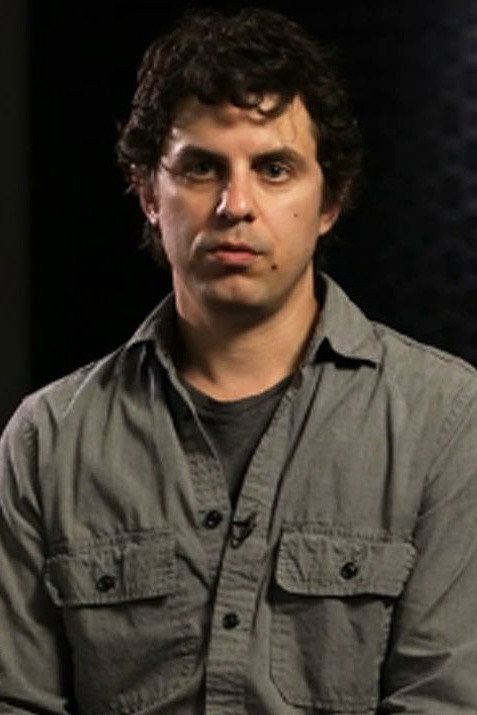
Mike Flanagan's cinematographer for a decade, Fimognari lights horror with whatever light would really be there and puts the ghost at the back of the frame where nobody is looking. At his best he makes waiting frightening; lately the work has got brighter and louder.
Fi1m perspective
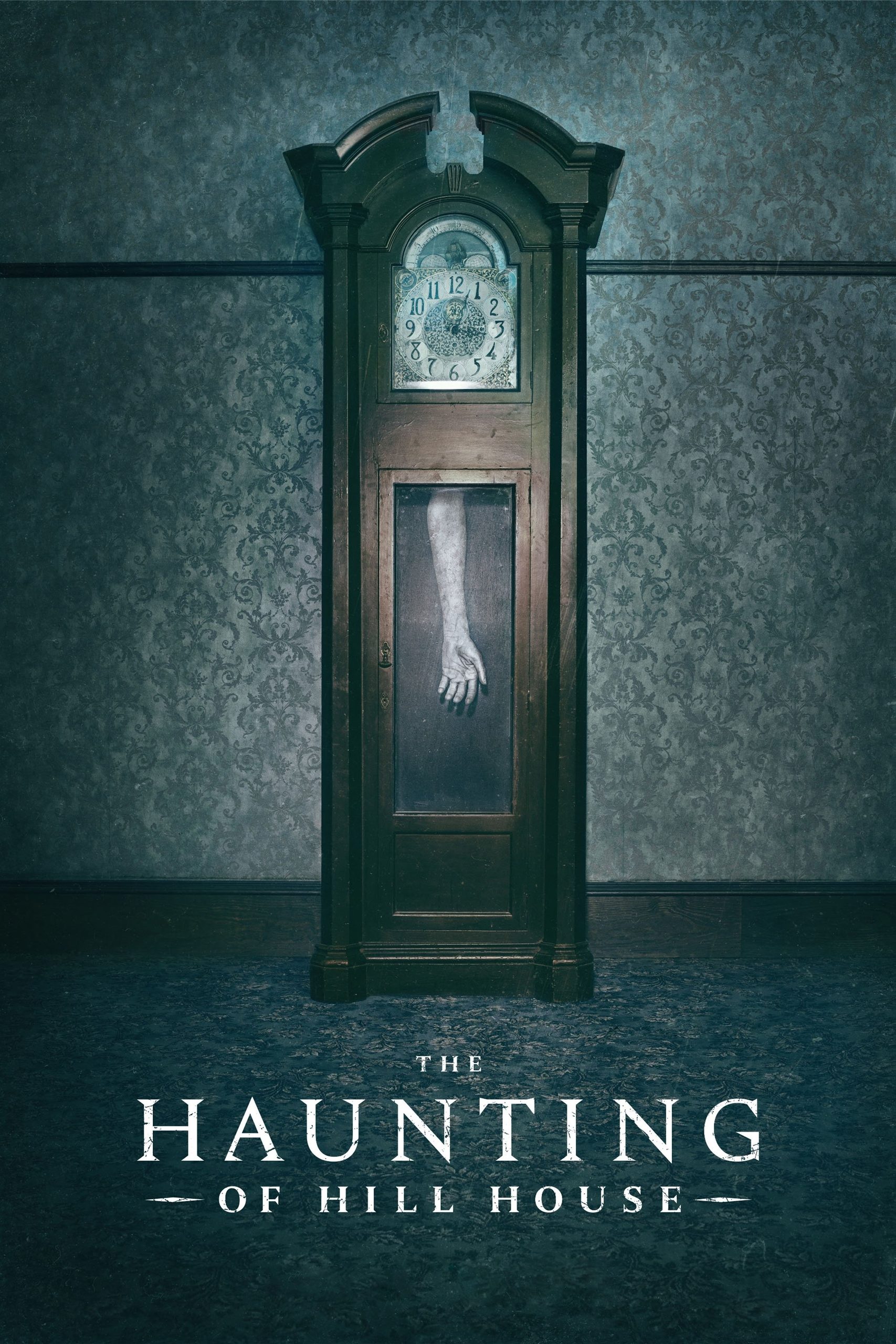
The trick is to put something at the back of the frame and not look at it. In The Haunting of Hill House (2018) Michael Fimognari shoots the house in browns and blacks, and while a child talks in the foreground a shape stands on the stairs behind her, or a face waits in a doorway nobody uses, and the camera declines to notice. Nothing jumps. On a second viewing we spotted a figure we had missed the first time and did not sleep well, and what did it was not the figure but the stillness: it had been there all along, and nobody on screen had turned to see. He lights a room with what is actually in it, a porch bulb, a candle, the glow from a window, and lets the dark between the lamps stay dark.
He has been Mike Flanagan's cinematographer since Oculus (2013), ten projects now, and the two have built the kind of shorthand that shows on screen. Hill House was the first to make a wider audience notice, and episode six, 'Two Storms', is the reason: the grown Crains in a funeral home during a storm, played out in a handful of unbroken takes, the camera drifting from one argument to the next while the house in 1992 arrives inside the same movement. The credited editors have almost nothing to do in that hour and Fimognari has everything. Patricio M. Farrell's staircase, built to be looked up, gives him somewhere to point.
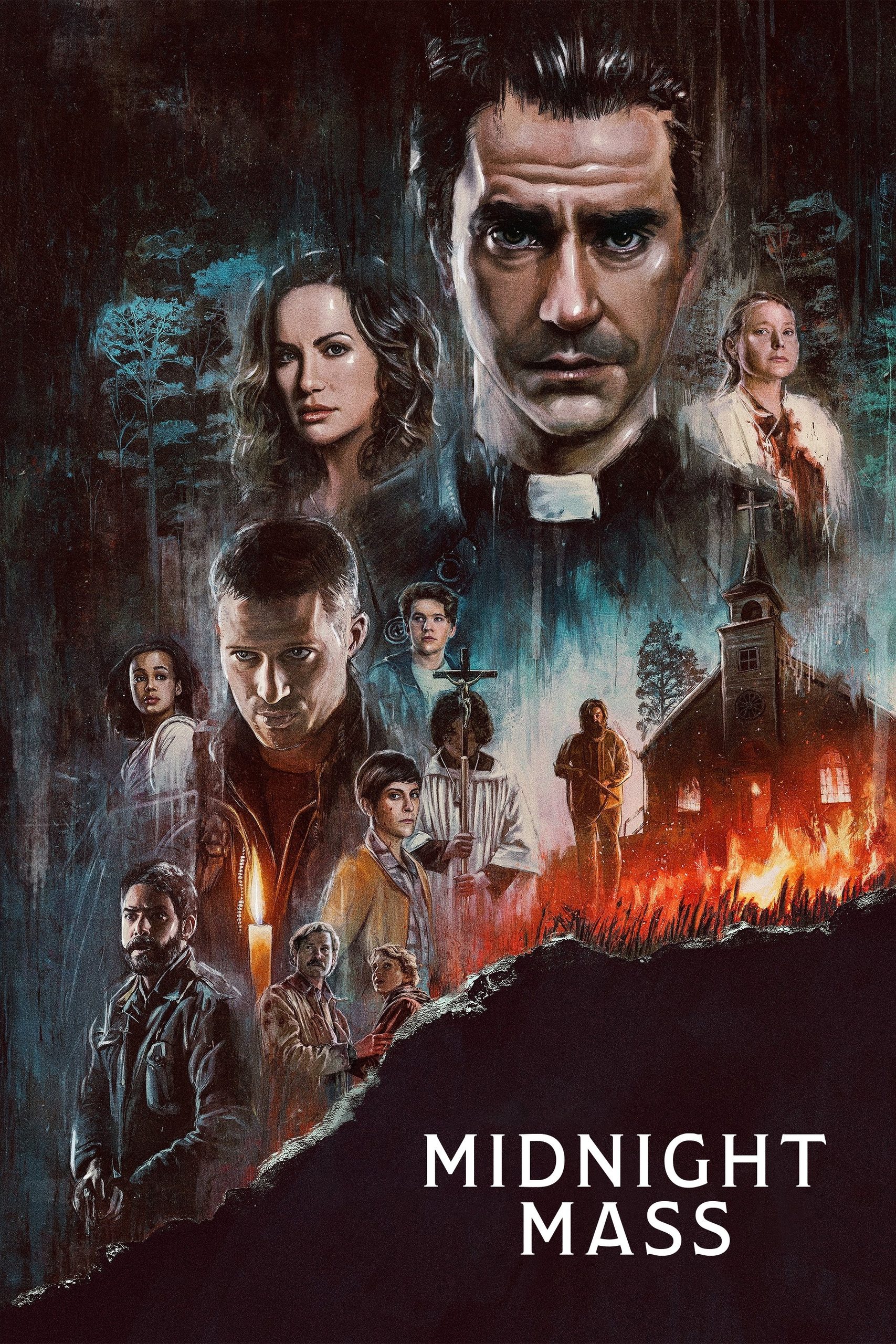
Midnight Mass (2021) is quieter and, in its photography, the most patient thing he has done. He shoots the island in long, unhurried takes from far enough away that the houses look like something left out in the weather, and he lights the nights only with what the islanders would have. It is disciplined work in a series that talks too much, and the pictures are often steadier than the sermons under them. Between the horror he shot To All the Boys I've Loved Before (2018) on anamorphic lenses, to give it a look of its own, and Doctor Sleep (2019) for Flanagan again.
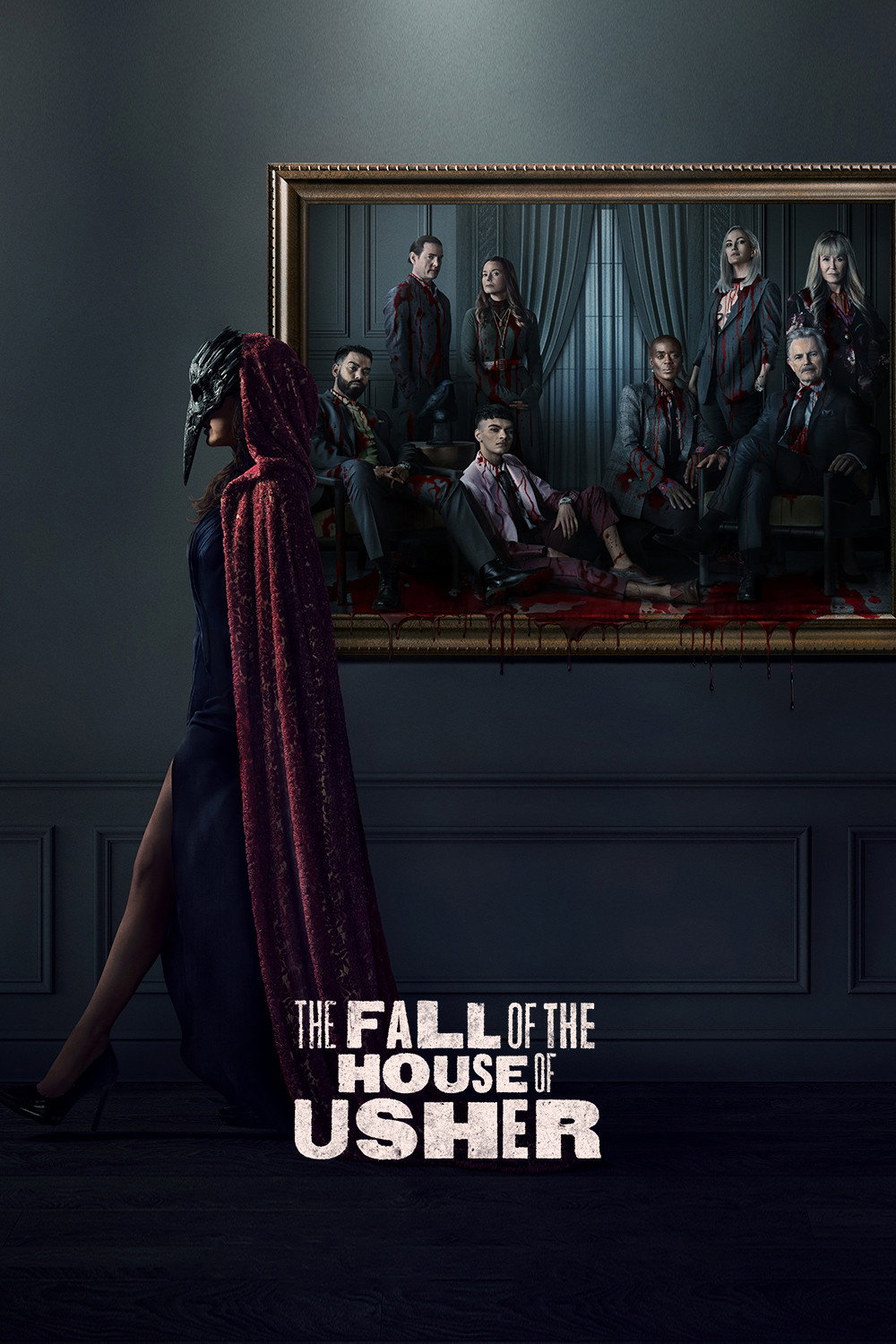
The Fall of the House of Usher (2023), which he shot in full and directed four episodes of, is where the method loosens. The confession scenes are his best register: near darkness, rain on the glass, one lamp between two men. But the deaths are staged slow and brightly lit, and the children live in a world of white walls and blue screens with nothing waiting at the back of it. The series shouts where Poe whispered, and the camera shouts along.
He now directs as well, beginning with To All the Boys: P.S. I Still Love You (2020) and Always and Forever (2021), and shoots his own films while he does it: "I've decided to shoot when I direct," he has said. On the evidence of Usher, the two jobs have not yet made each other better. The question is whether he can be as patient with himself as he has been with Flanagan.
Biography
Michael Fimognari is an American cinematographer and director. Born on 26 June 1974 in Pittsburgh, Pennsylvania, he graduated from Pennsylvania State University before earning a master's degree in cinematography from the USC School of Cinematic Arts in 2002.
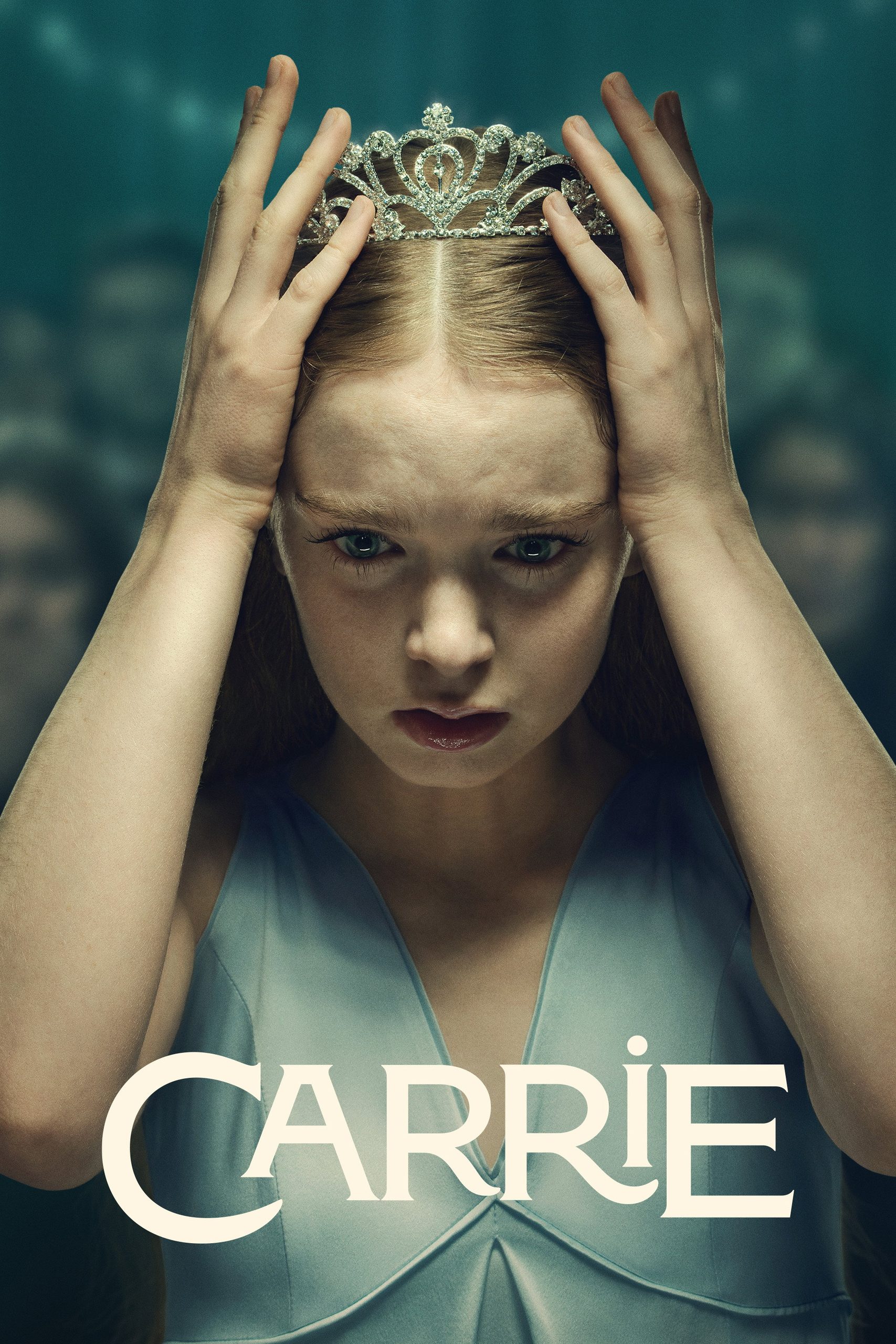
He is known for his long collaboration with director Mike Flanagan. Fimognari served as cinematographer on the Netflix series The Haunting of Hill House (2018), Midnight Mass (2021) and The Fall of the House of Usher (2023); on the latter he also directed episodes and acted as executive producer. He was cinematographer on the 2026 series Carrie.
Other credits include director of photography on To All the Boys I've Loved Before (2018) and its sequels, Doctor Sleep (2019), Gerald's Game (2017) and Oculus (2014).