Series review

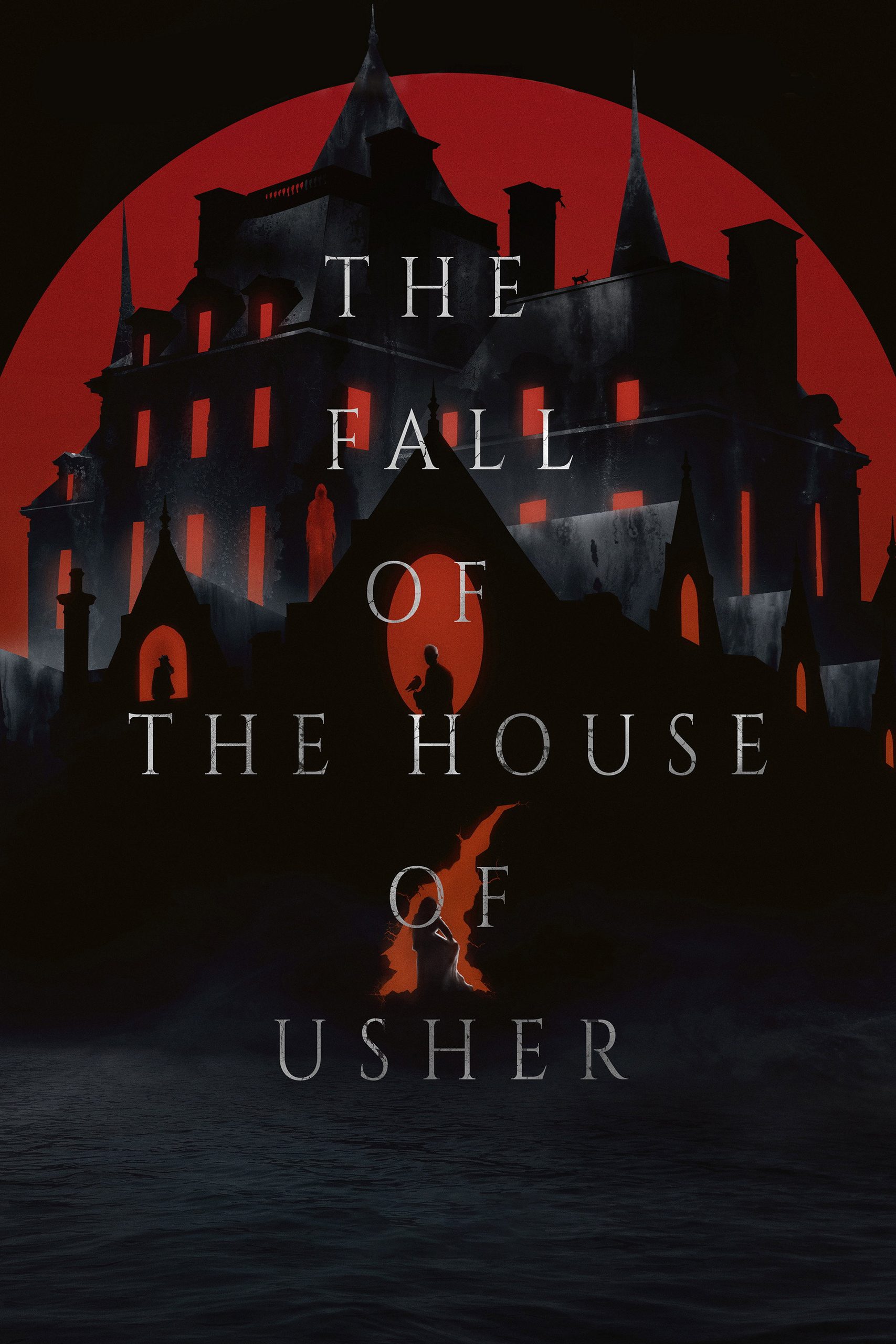
The Fall of the House of Usher

2023 · Created by Mike Flanagan · Series · MPA TV-MA

In a sentenceEvery Usher gets a Poe title, a monologue and a spectacular death, in that order

MysteryDrama

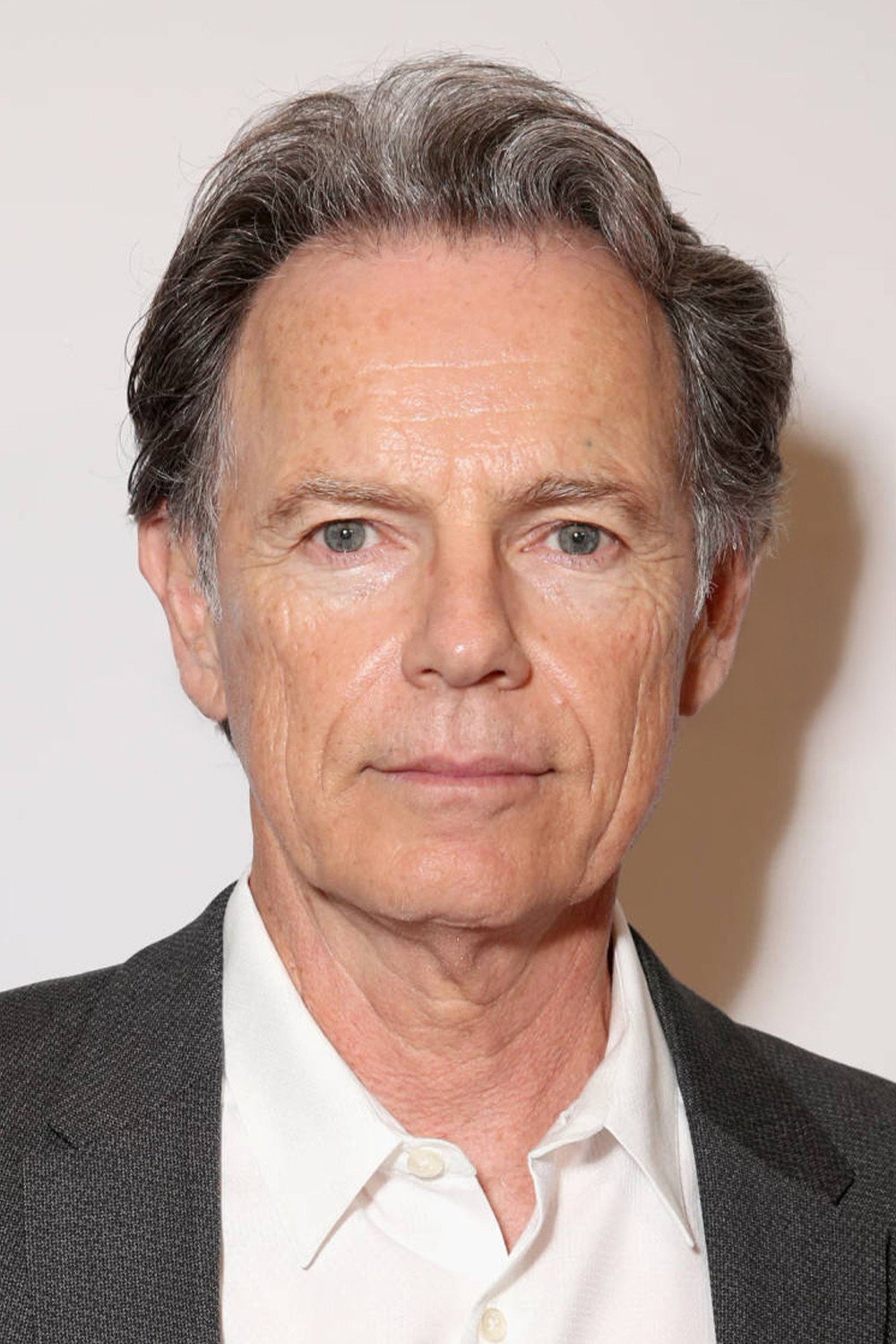
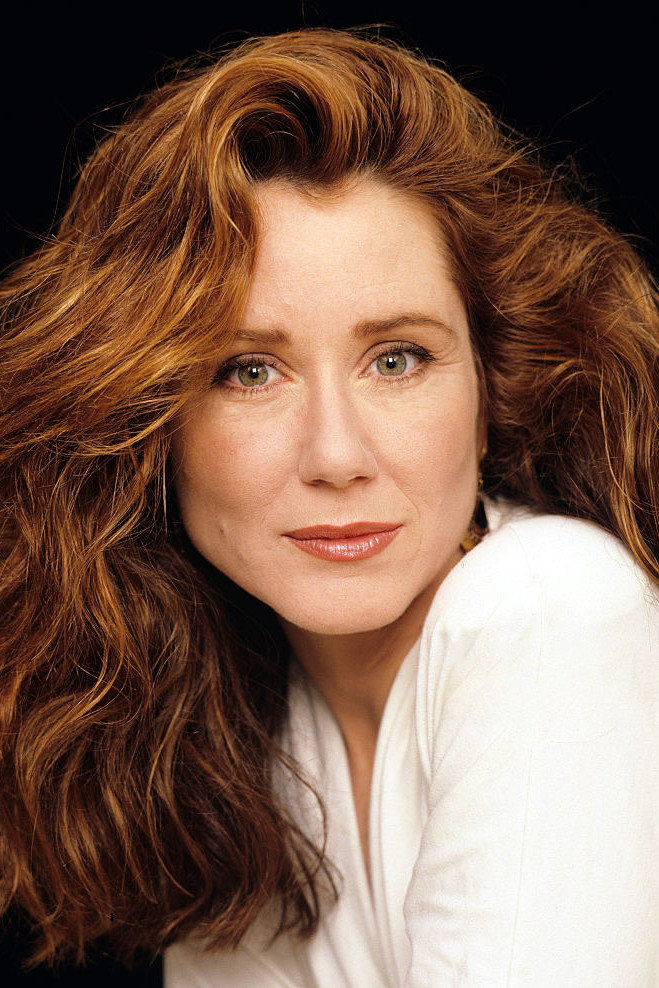
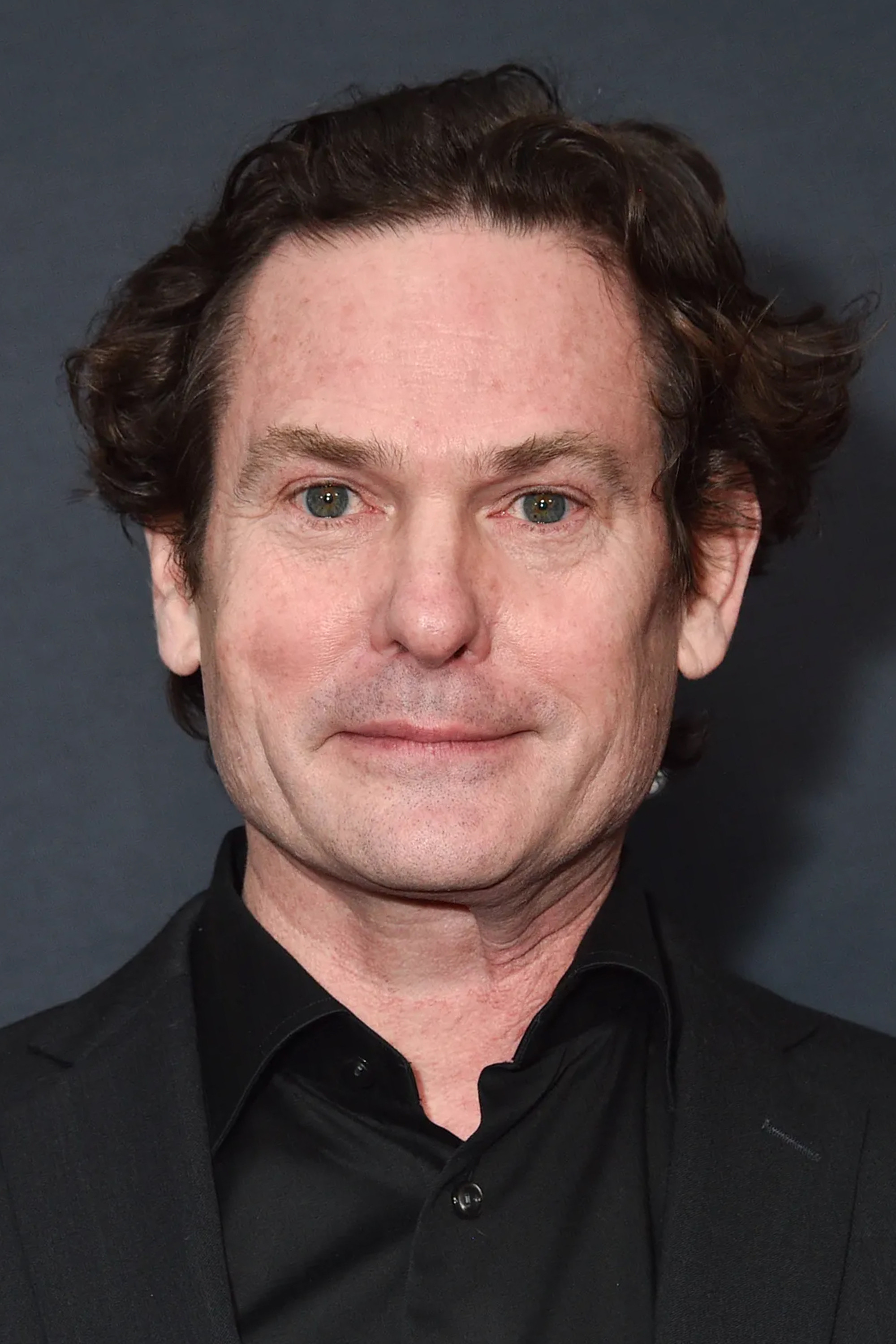
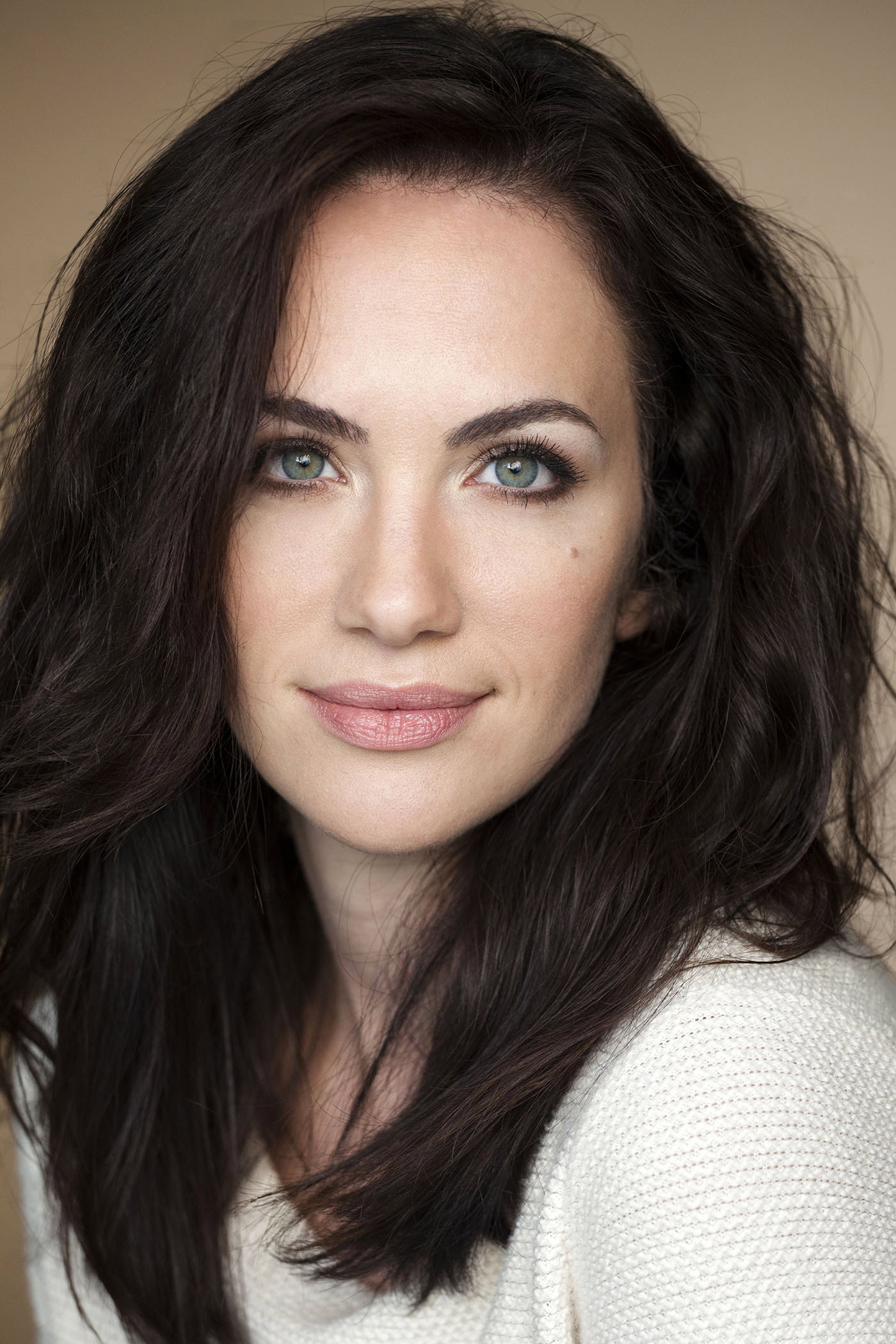
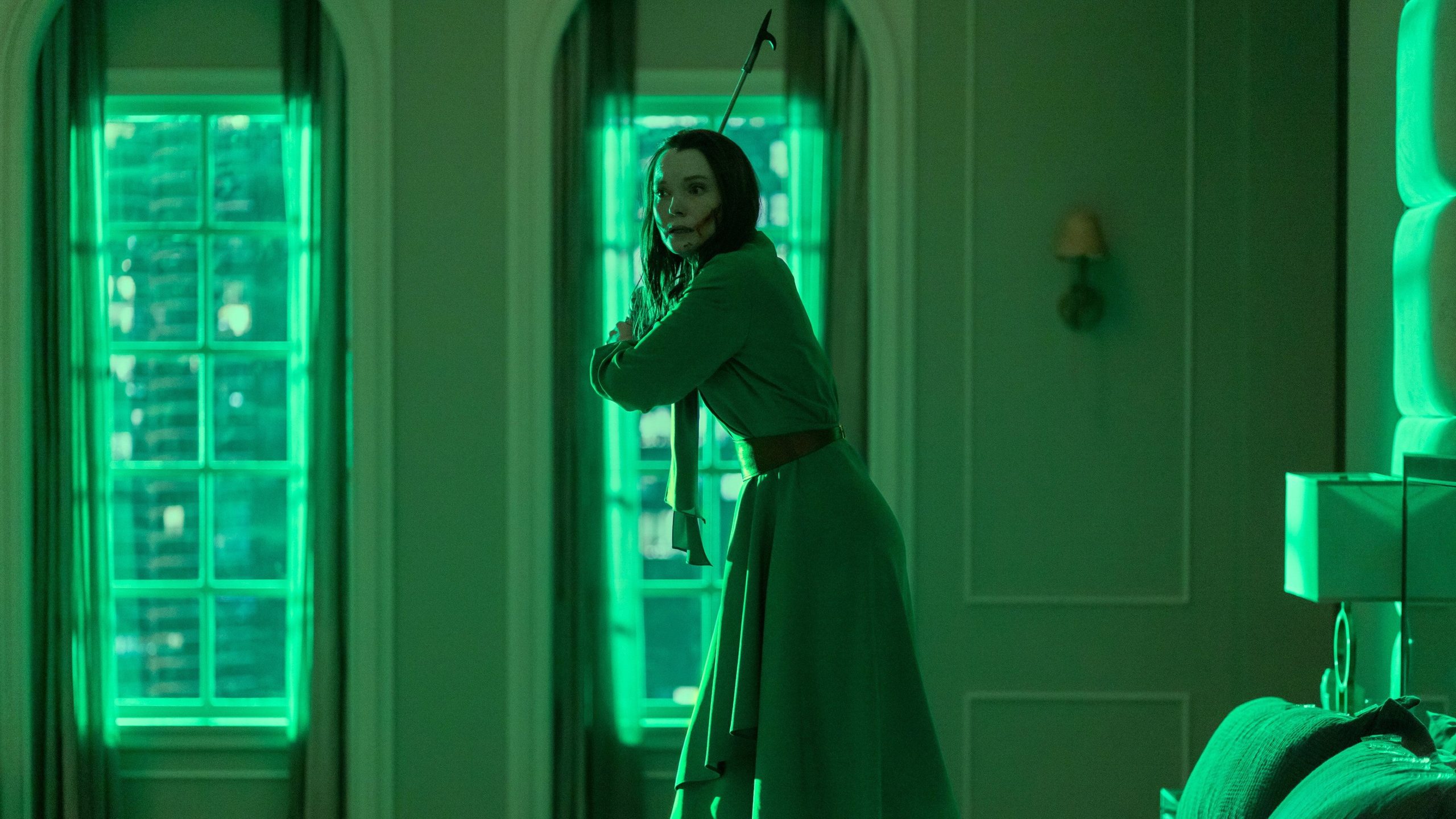
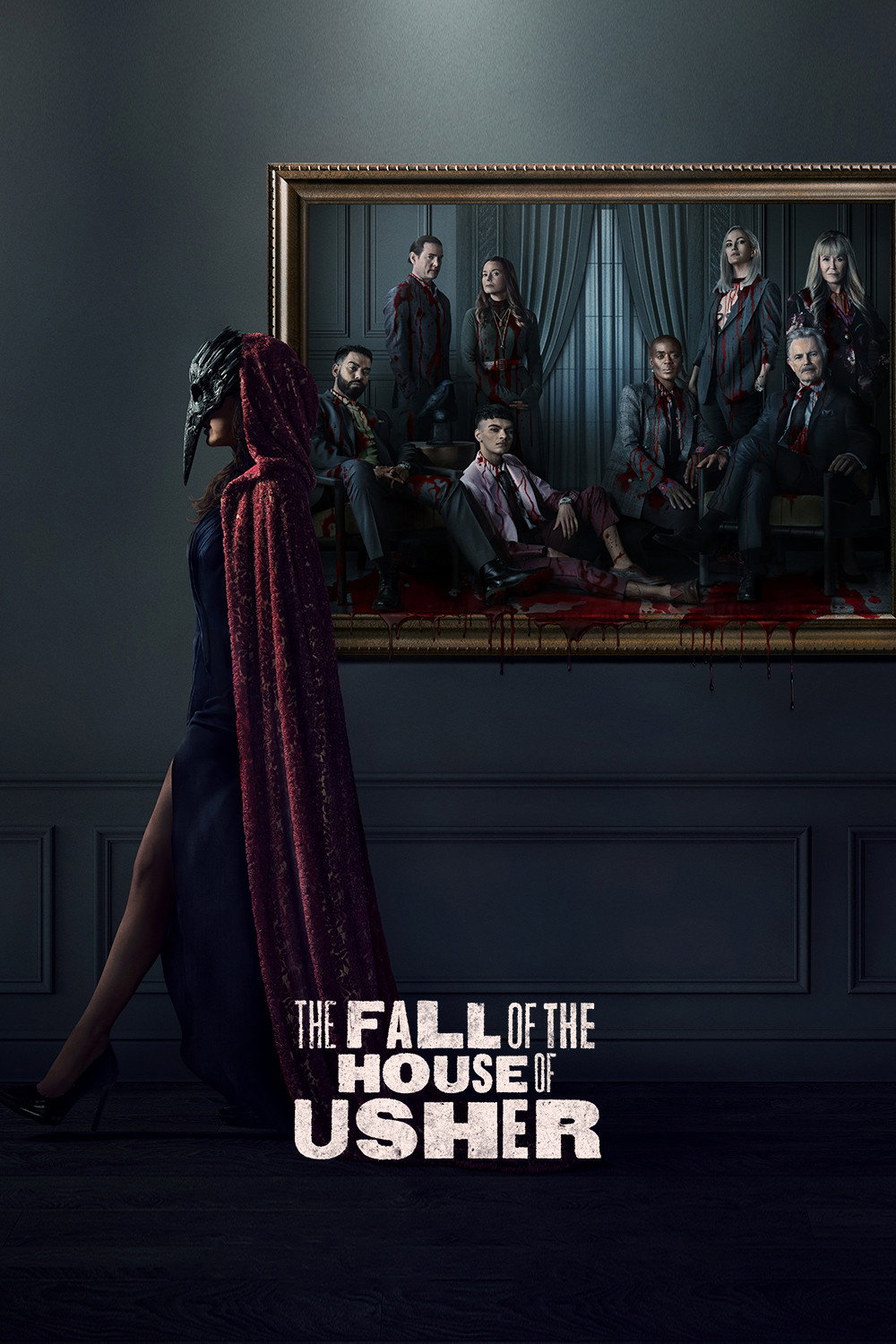
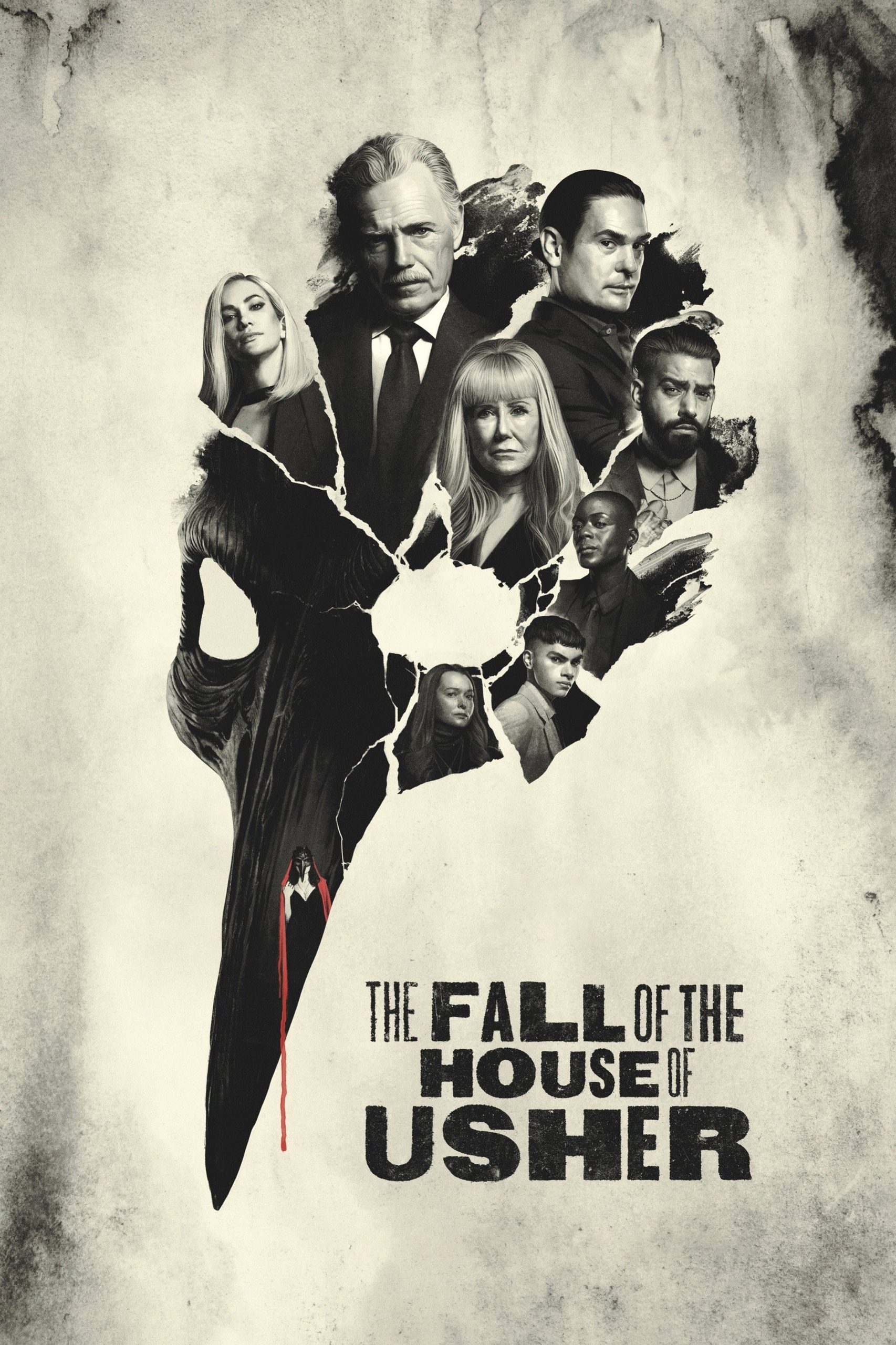
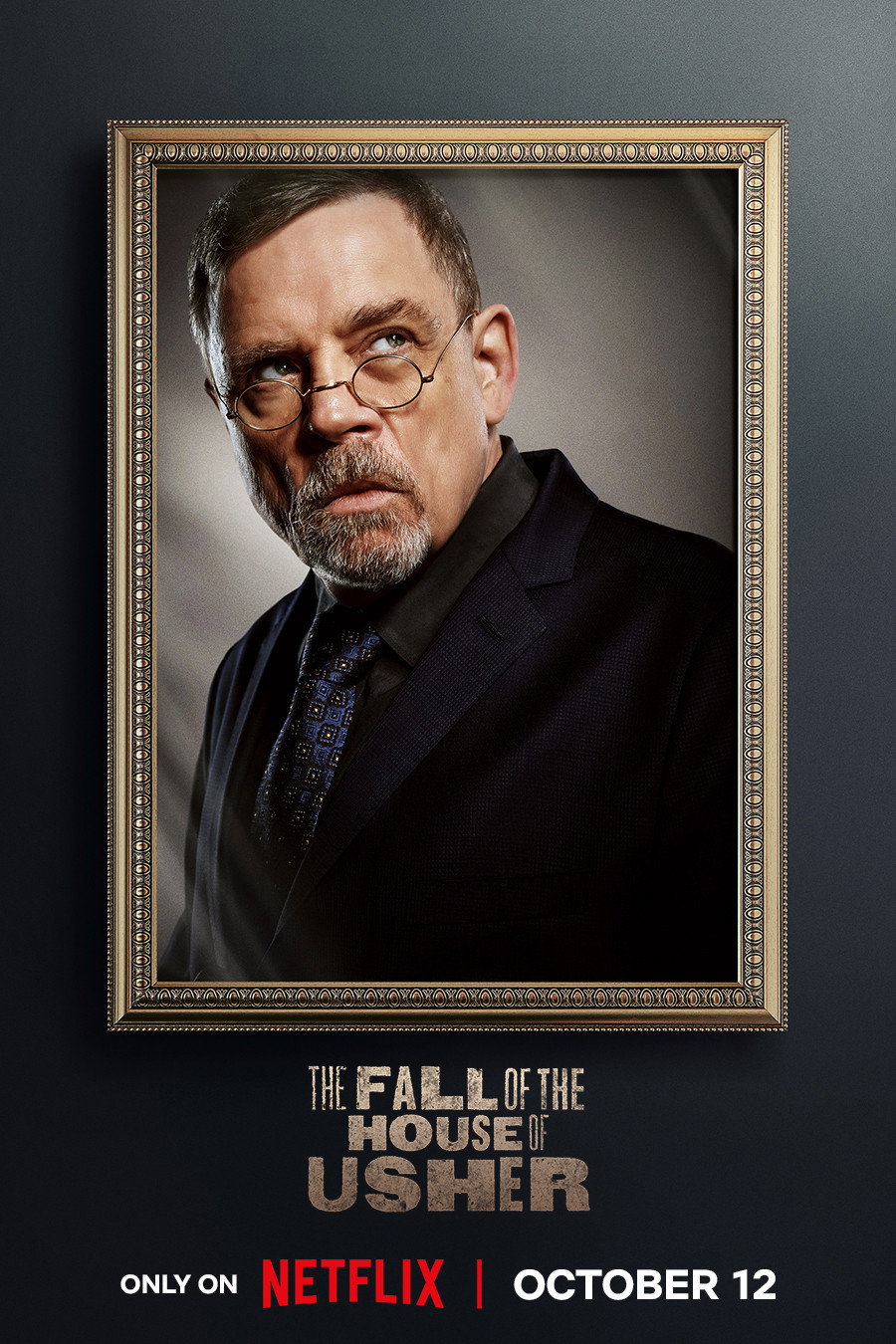
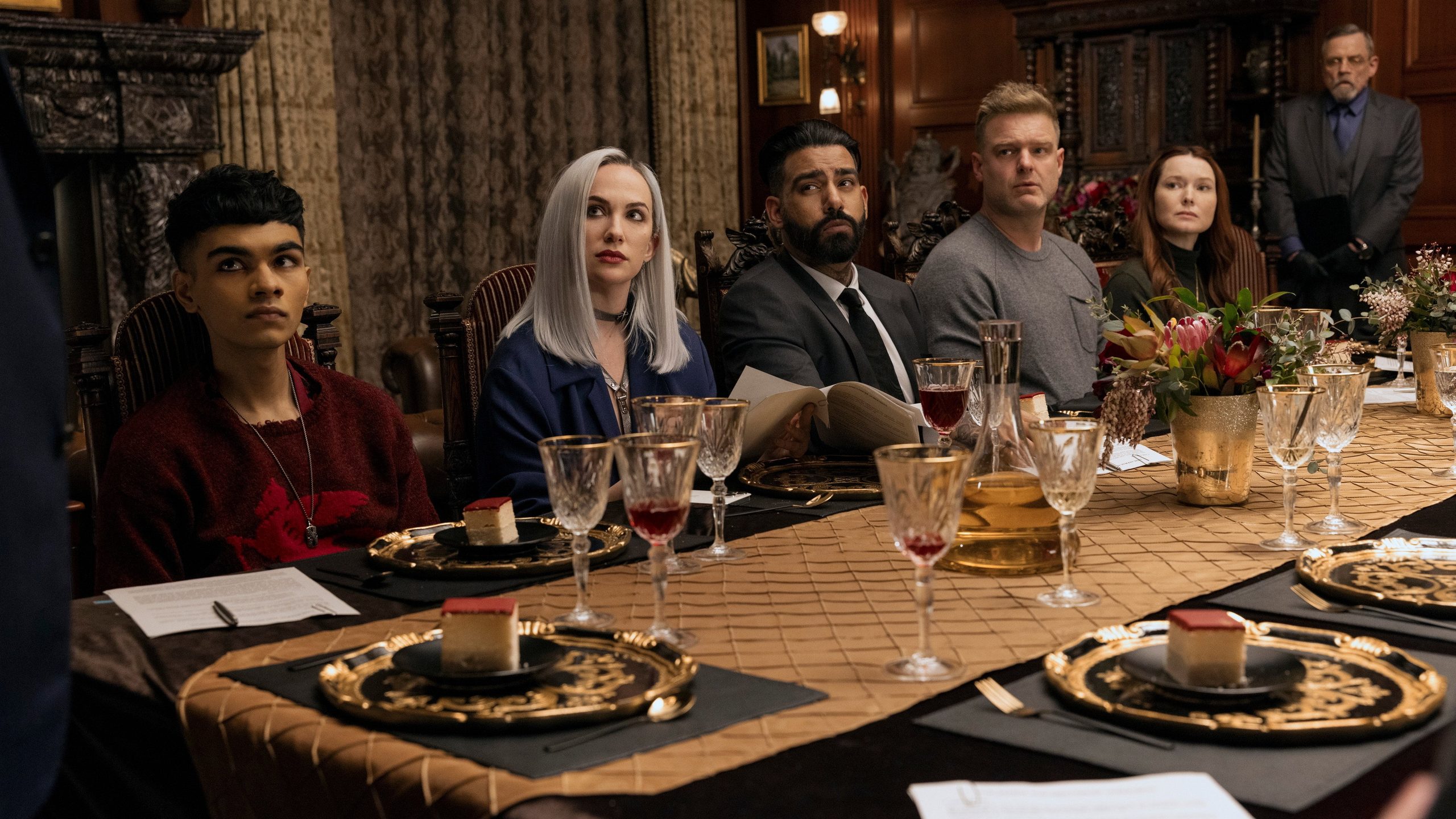
Roderick Usher (Bruce Greenwood), head of Fortunato Pharmaceuticals, has buried all six of his children in a fortnight. On a wet night he invites the investigator who has spent decades trying to convict him to the derelict house where he grew up, pours a drink and starts to confess. His twin Madeline (Mary McDonnell) runs the company beside him; his heirs, legitimate and otherwise, include Frederick (Henry Thomas), Camille (Kate Siegel), Napoleon (Rahul Kohli), Tamerlane (Samantha Sloyan) and Victorine (T’Nia Miller). In flashback, the young Roderick (Zach Gilford) and Madeline (Willa Fitzgerald) meet a woman called Verna (Carla Gugino) in a bar on New Year’s Eve, and something is agreed. Then the dying begins.

Plays from YouTube when you press play; nothing loads from them until then.

Fi1m review

Mike Flanagan’s Poe mashup kills a pharmaceutical dynasty one episode at a time, and it is handsome, gory and often good fun, and Bruce Greenwood is superb. But it shouts where Poe whispered, and the game of spot-the-reference wears thin before the house comes down.

Mike Flanagan’s eight-part series moves Edgar Allan Poe’s doomed family into the boardroom of a pharmaceutical company. Roderick Usher (Bruce Greenwood) has built a fortune on a painkiller and has buried his six children in a fortnight. He summons the investigator who has spent a career failing to convict him to the ruined house where the Ushers grew up, and tells him how it happened. Each episode borrows the title of a Poe story or poem and uses it to kill an Usher. It is handsome, gory and often good fun, and a good deal less than it means to be.

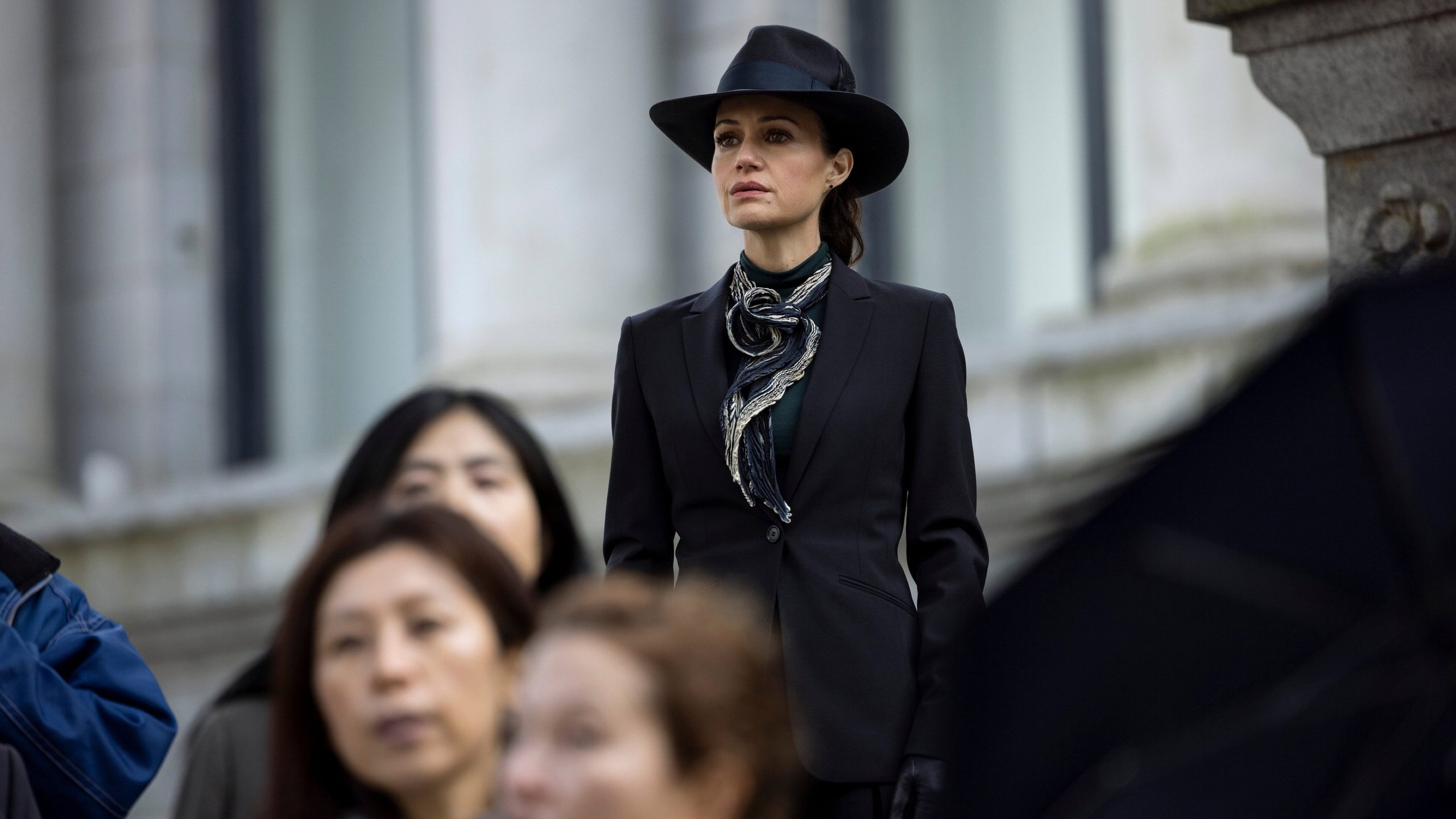
Greenwood holds the whole thing up. He plays Roderick as a man grieving and lying in the same breath. His speech about how a salesman would sell the world a lemon is the best written stretch in the series. Carla Gugino’s Verna turns up in a different guise to each child, and Gugino gives every one of them the same unhurried curiosity. Mary McDonnell’s Madeline is dry, hard and unrepentant. Rahul Kohli and Kate Siegel get the sharpest lines.

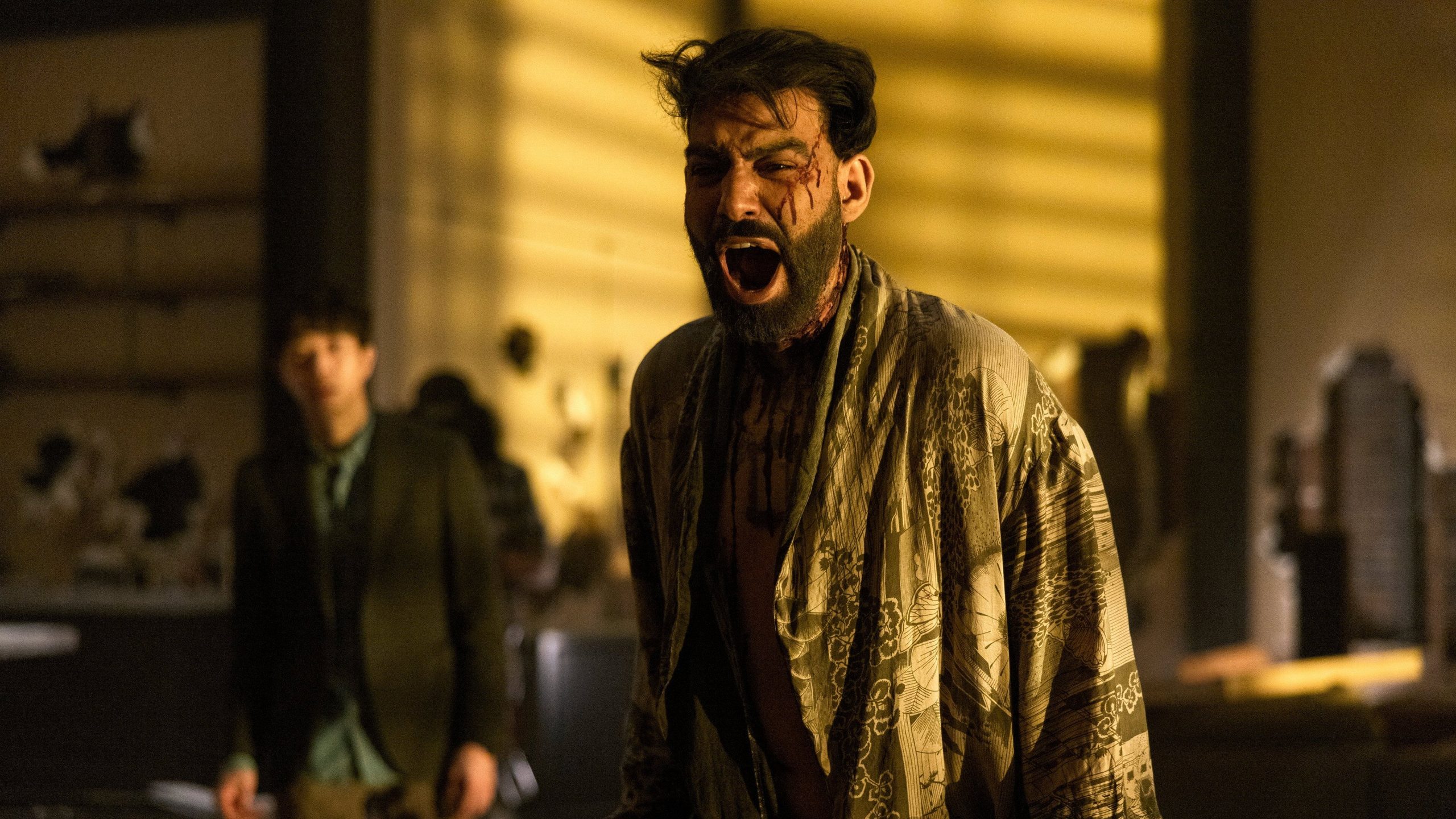
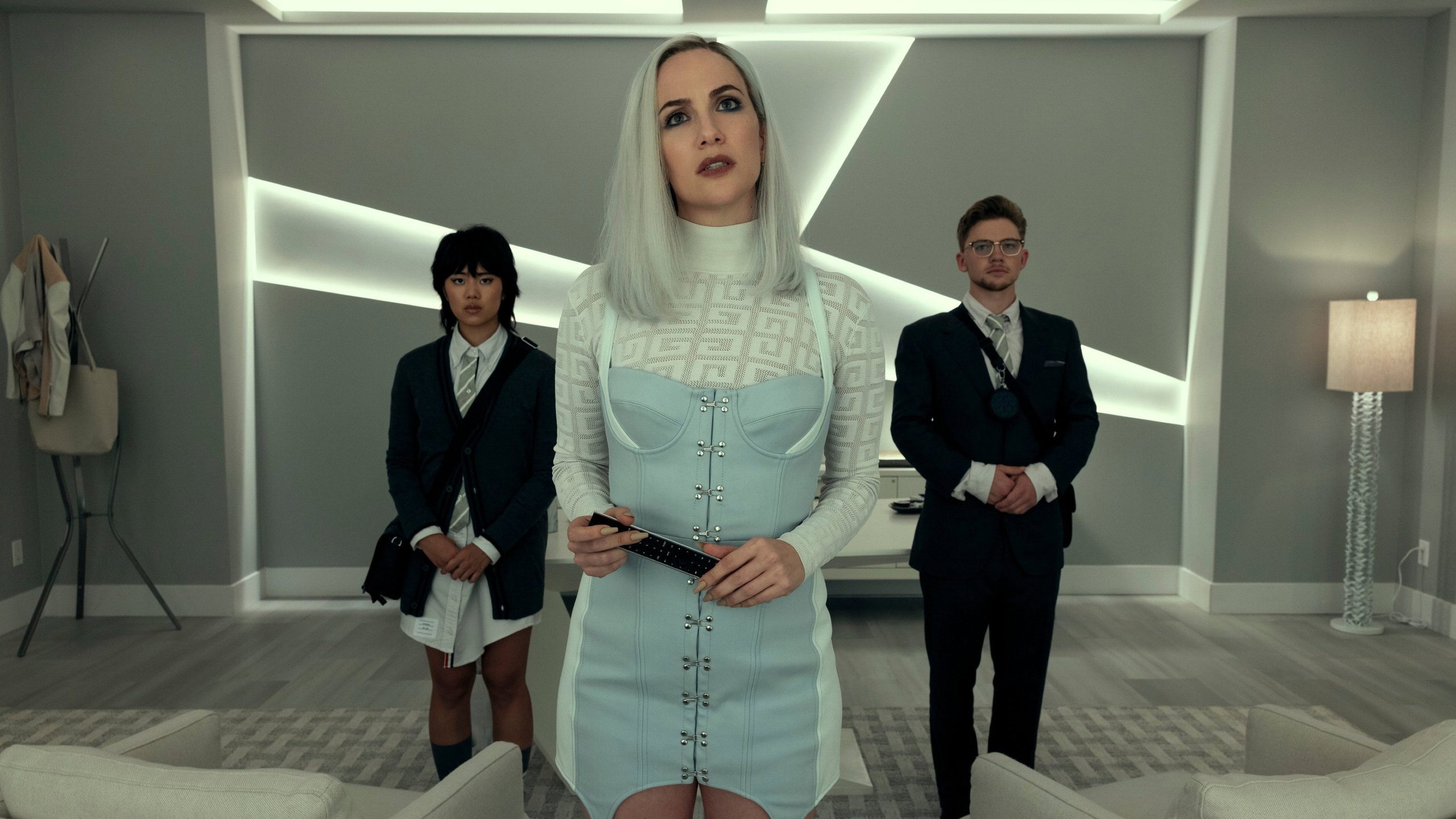
Michael Fimognari, who shoots the series and shares the directing with Flanagan, keeps the confession in near darkness, rain on the windows and one lamp between two men, and gives the children a world of glass, white walls and blue screens. Laurin Kelsey’s childhood house has damp climbing the wallpaper; the penthouses look as if nobody has ever sat down in them. Terry Anderson dresses each sibling in a colour of their own. Andrew Grush and Taylor Stewart’s score keeps out of the way of the talk and saves itself for the deaths, which are staged slow and brightly lit. Flanagan and Brett W. Bachman cut between confession and past so that a question asked in the present is answered decades earlier.

The trouble is that the Poe references are a game, and the game gets in the way. The children carry Poe names, Camille L’Espanaye, Tamerlane, and so does the boss the young twins work under, Rufus Griswold (Michael Trucco), and characters recite whole passages at one another. It is a quiz for people who did the reading, and it sits on top of the drama rather than inside it. Poe’s dread came from one mind in one room; it does not survive eight hours and a dozen people.

The anger thins too. The Ushers are plainly modelled on a real pharmaceutical family, and the series says so more than once. Having said it, it has nowhere to take it, so it says it again. By the fifth episode we knew the shape of an hour: an Usher does something vile, Verna appears, a title is paid off, and we go back to the rain. We were waiting rather than watching.

What got at us was smaller than any of the deaths. One of them made us gasp and laugh in the same second, then wonder whether Flanagan had wanted both or had not decided, and that wobble runs through the series. Catherine Parker’s Annabel Lee, the wife Roderick had before the money, is on screen for a few minutes an episode, and those minutes are the only tender ones in it. When Greenwood’s voice catches on her name, the series is about loss rather than comeuppance, and it is better for it.

Against Flanagan’s own work this is the loud one. The Haunting of Hill House (2018) kept one family in one house and let the fear build; Midnight Mass (2021) also ran on long speeches and earned them, because the people giving them were small and frightened. Here the people are rich and awful and the speeches tell us so. Zach Gilford and Willa Fitzgerald, as the young twins, carry the one strand we wanted more of.

It runs to eight episodes and carries an 18 certificate it has no trouble justifying. Watch it if you like your horror grand, your rich people punished and your poetry quoted at length. Poe brought the house down in a short story. Flanagan takes eight hours, and spends a fair few of them making sure we caught the reference.
Critical consensus AI synthesised

68
Positive
9
Mixed
2
Negative
2

Most critics enjoy this one, and enjoy it loudly. Nine of the thirteen reviews are positive, and the praise gathers around the same things: the relish with which Mike Flanagan dispatches a Sackler-like pharmaceutical family, the operatic staging of each death, and a cast that several reviews single out, with Bruce Greenwood and Carla Gugino named most often. The anger at the very rich is taken as a feature rather than a flaw, and a few critics call it among Flanagan’s best work.

The reservations are consistent even among admirers: middle episodes that drag, a plot that feels bloated, Poe references that sometimes sit awkwardly, and a sense that it is shallower than Midnight Mass or Hill House. /Film finds the tone uncommitted to either scares or comedy. The spread is wide, from near-raves at Paste and Consequence to outright dismissals from The Telegraph and The Independent, which call it overstuffed and muddled respectively. The dissent, notably, comes from the British papers.

Vulture
12 October 2023
85*

The critic highlights the series as a giddy, gory delight and an unexpected shift for Flanagan, praising its contempt for the wealthy, disgust with selfishness, and gleeful portrayal of the characters' increasingly gnarly demises in this Poe-inspired tale.

Read the full review →
Empire
25 September 2023 · Olly Richards
80*

The critic finds the series a bloody, OTT and highly entertaining take on Poe, with smartly woven stories and confident direction from Flanagan. It builds a towering, dark-hearted horror story that is horribly good fun, with strong performances especially from Greenwood.

Read the full review →
The AV Club
10 October 2023 · B · David Cote
77

The critic finds the series campy and acted with flair, with lush operatic death sequences (crediting director Michael Fimognari), but notes it is sparkly yet not deep and lacks the narrative momentum or emotional resonance of Flanagan's best prior work like Midnight Mass or The Haunting of Hill House.

Read the full review →
The Guardian
12 October 2023
70*

The series is a spooky, grisly, sumptuously gothic treat that ranks among Mike Flanagan’s finest works. It captures Poe’s magic and sense of dread effectively, though some CGI and thematic choices are flawed.

Read the full review →
Variety
11 October 2023 · Aramide Tinubu
70*

The series is a gruesome family drama that showcases the demise of a powerful family paying for their monstrosity, with strong use of Poe references and engrossing monologues. It has some dragging middle episodes and leans too heavily on opioid epidemic parallels, but offers a reminder that debts must be paid.

Read the full review →
The Hollywood Reporter
26 September 2023 · Daniel Fienberg
65*

Flanagan's series is a bluntly entertaining exercise in karmic catharsis and topical takedown of a pharma family, with palpable anger and Grand Guignol set pieces. The anger sometimes gets in the way of deeper thematic richness, leading to a satisfying but surface-level experience compared to the creator's best work.

Read the full review →

Cast

If you liked this, try…

Kind Hearts and Coronets poster91

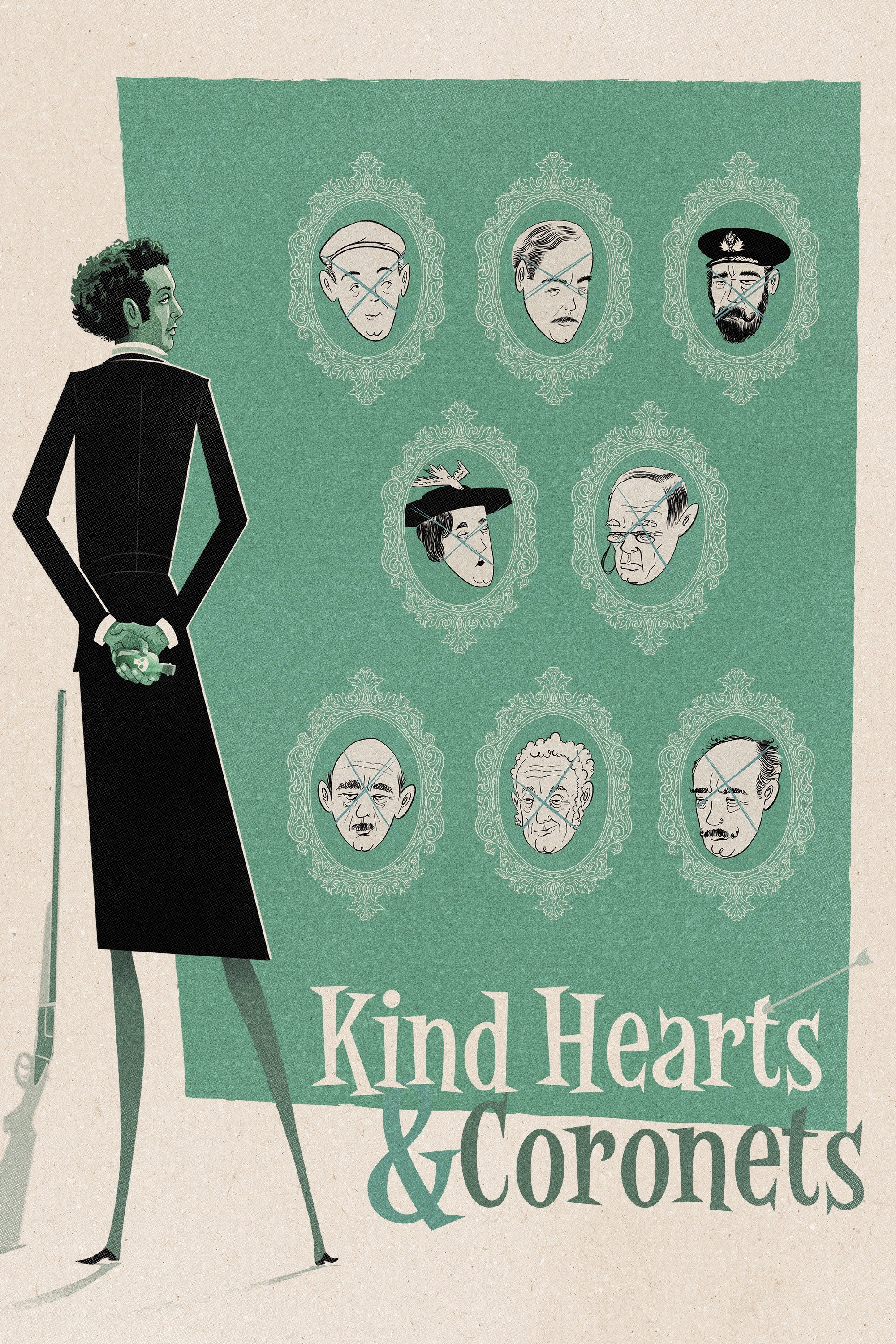
Kind Hearts and Coronets

1949 · A family picked off one by one, with far better manners and much drier wit.

The Masque of the Red Death poster

The Masque of the Red Death

1964 · Corman’s Poe, with Vincent Price presiding over a party lit in a single colour.

Midnight Mass poster

Midnight Mass

2021 · Flanagan’s speeches at their best, given by small frightened people rather than rich ones.

Succession poster88

Succession

2018 · The same awful family, minus the supernatural, and every bit as deserving.

Dopesick poster68

Dopesick

2021 · The pharma story told straight, with the anger the Ushers keep announcing.