Mike Flanagan’s seven-part island mystery is his most personal work and his most talkative. Hamish Linklater’s new priest is worth the whole run and the craft is patient and handsome, but there are more speeches here than seven hours can carry.
After The Haunting of Hill House (2018) and The Haunting of Bly Manor (2020), Mike Flanagan has made a series about a church. Midnight Mass puts a new priest on a dying island, fills the pews, and then asks, over seven episodes, what people are prepared to believe when they are frightened and what belief costs the people standing next to them. It is good, and it is worth your evening if slow, serious horror is your evening. It also talks more than any television we have sat through in some time, and we mean that as a fair warning.
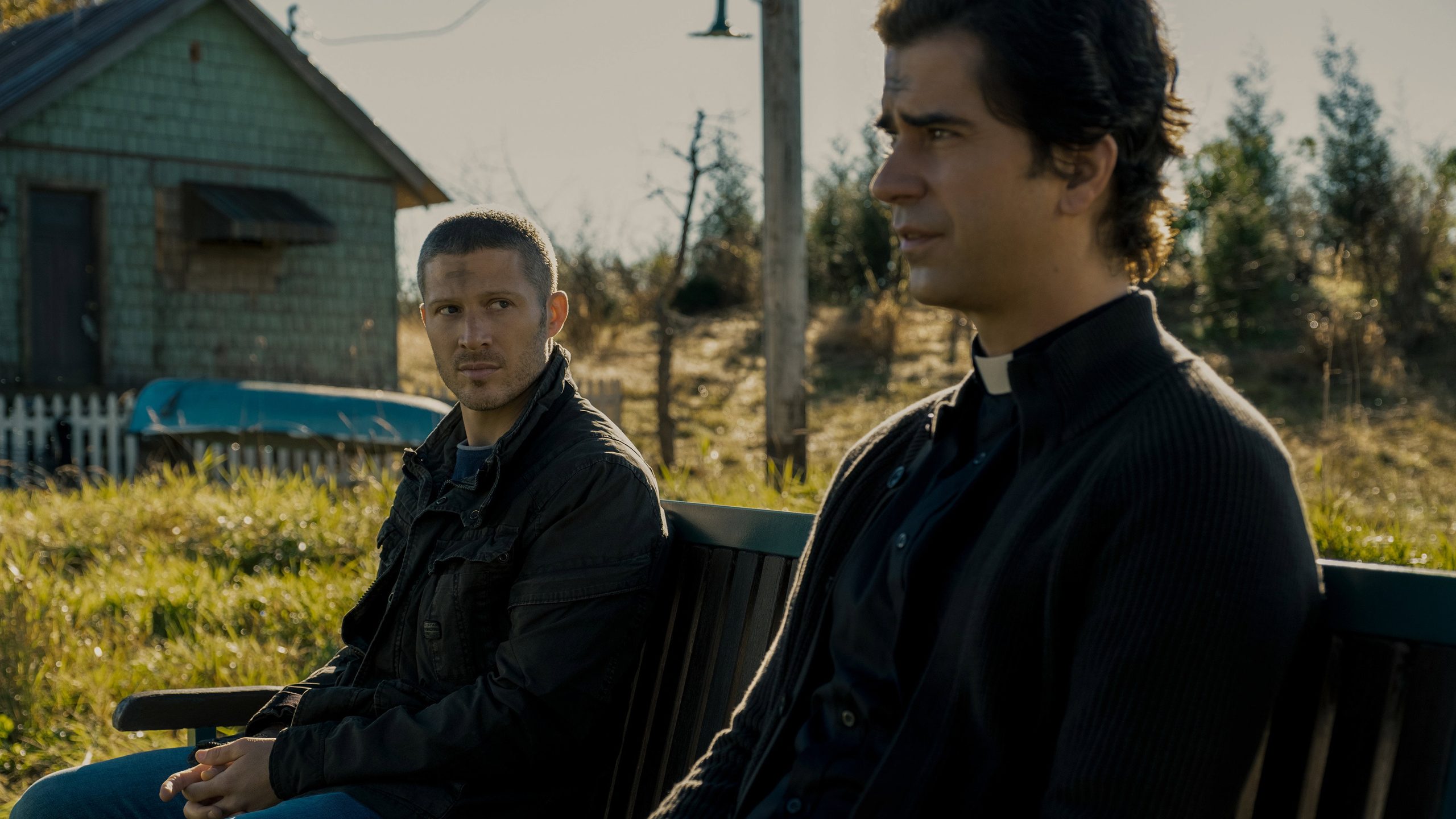
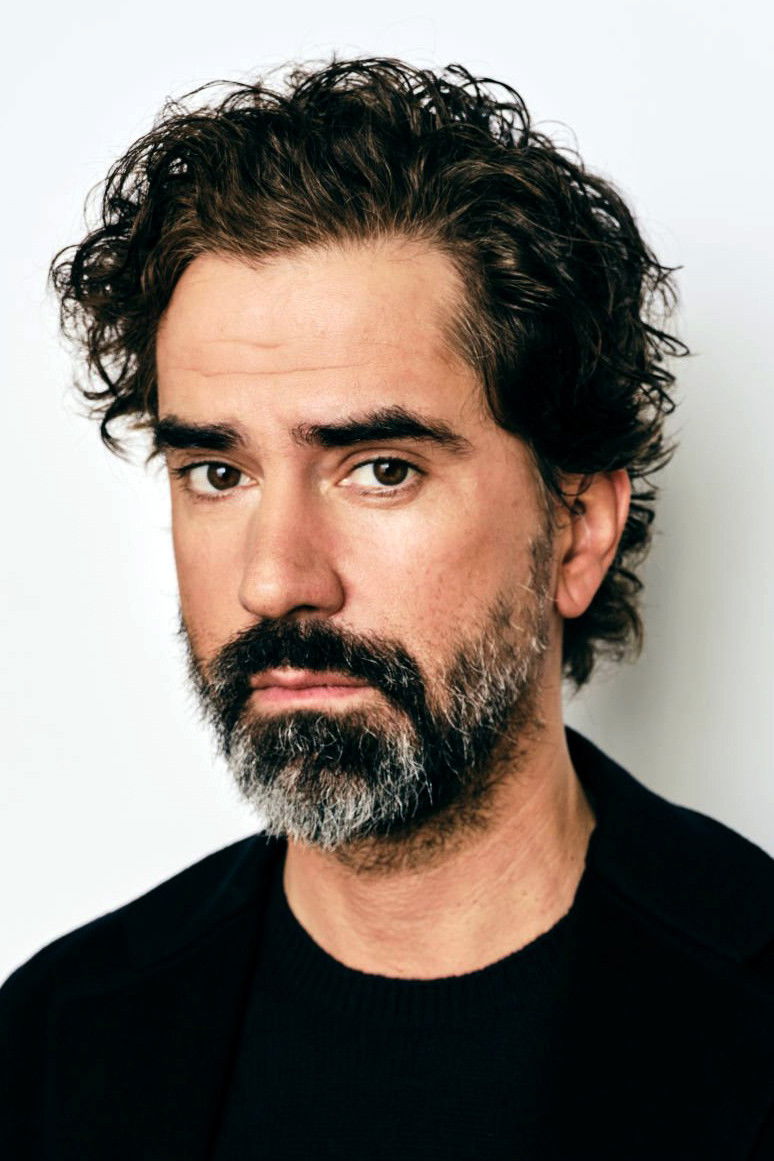
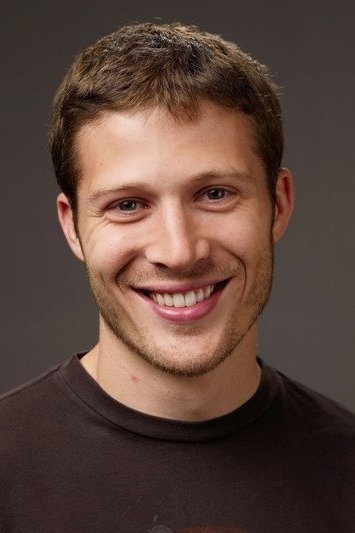
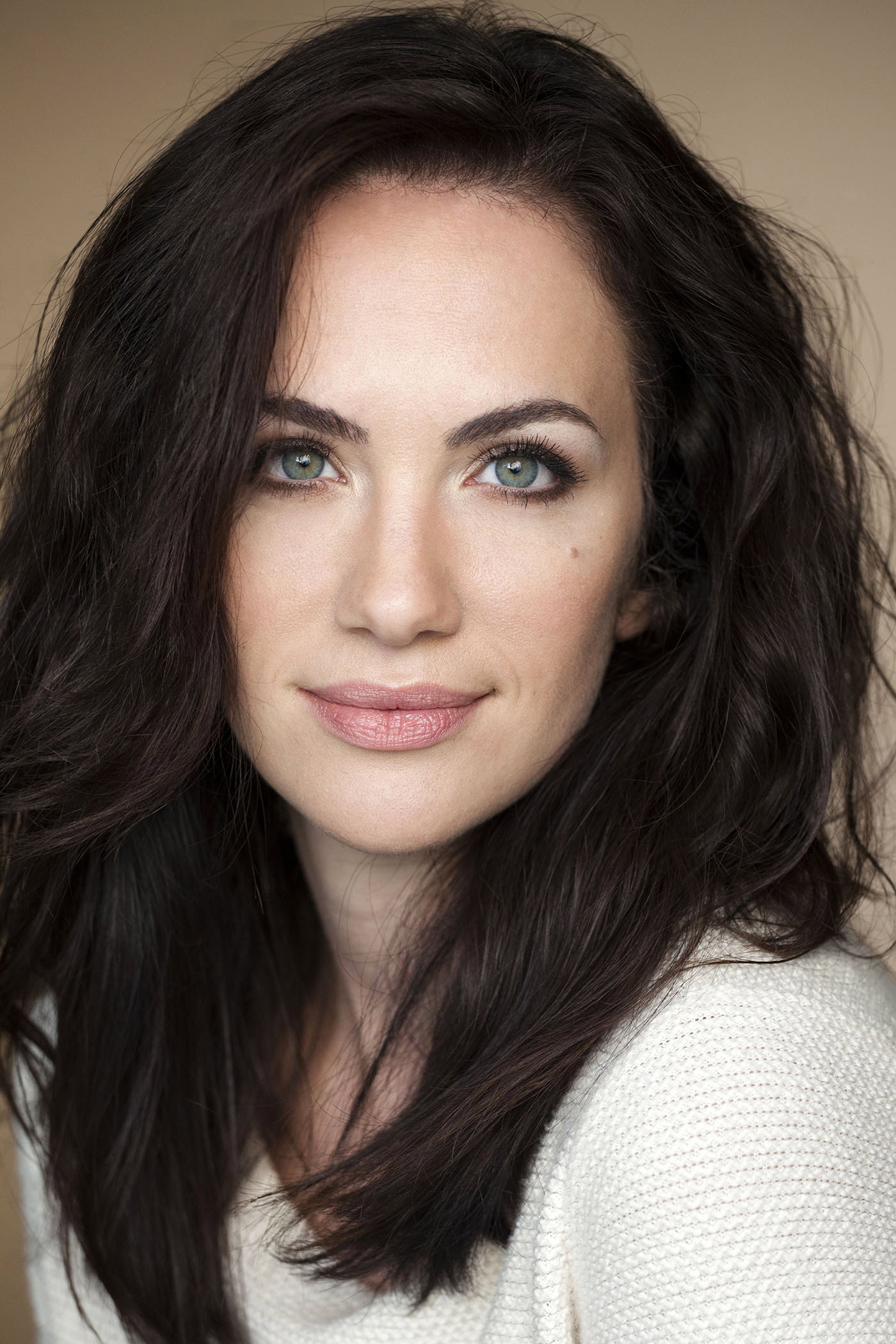
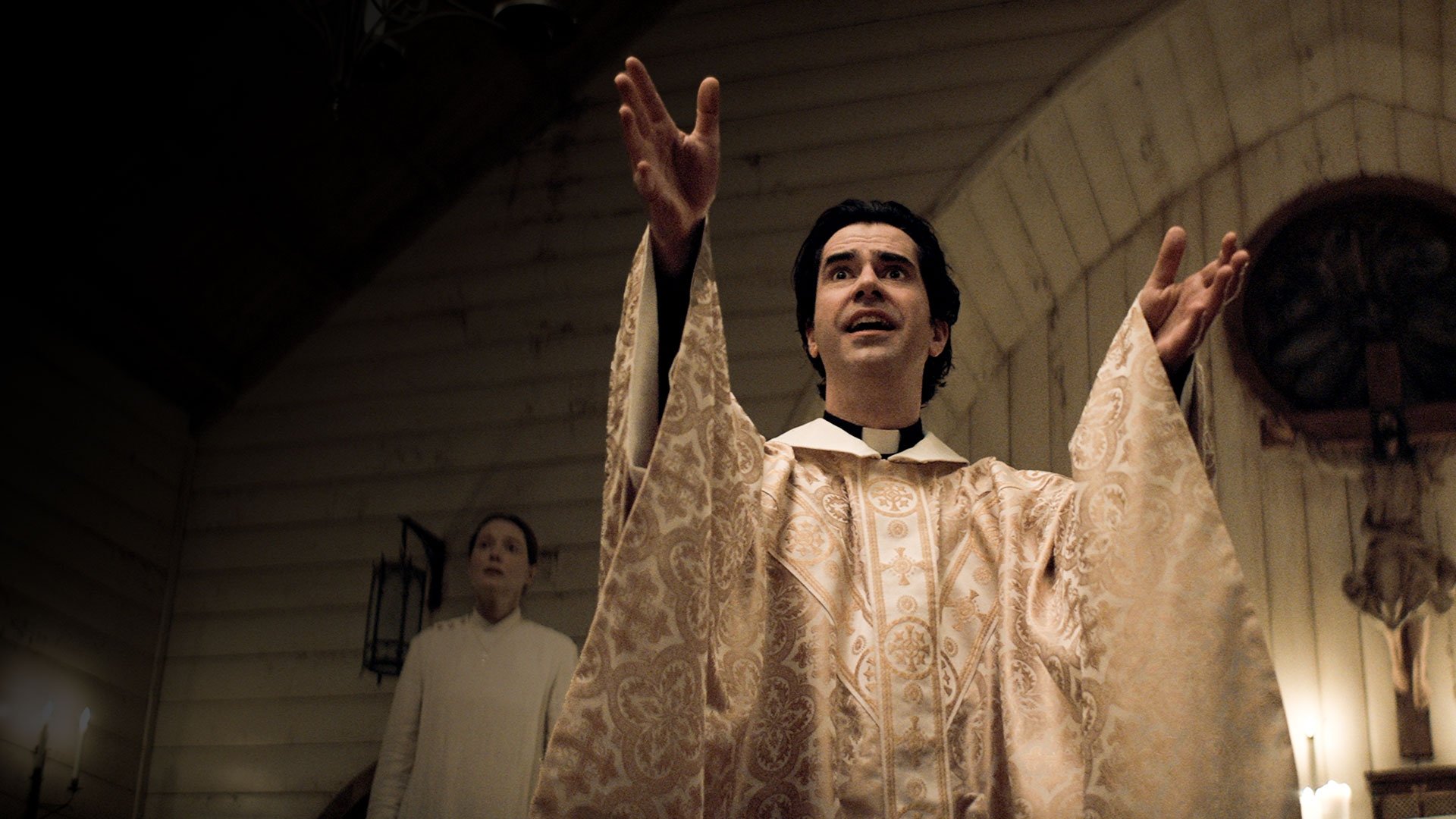
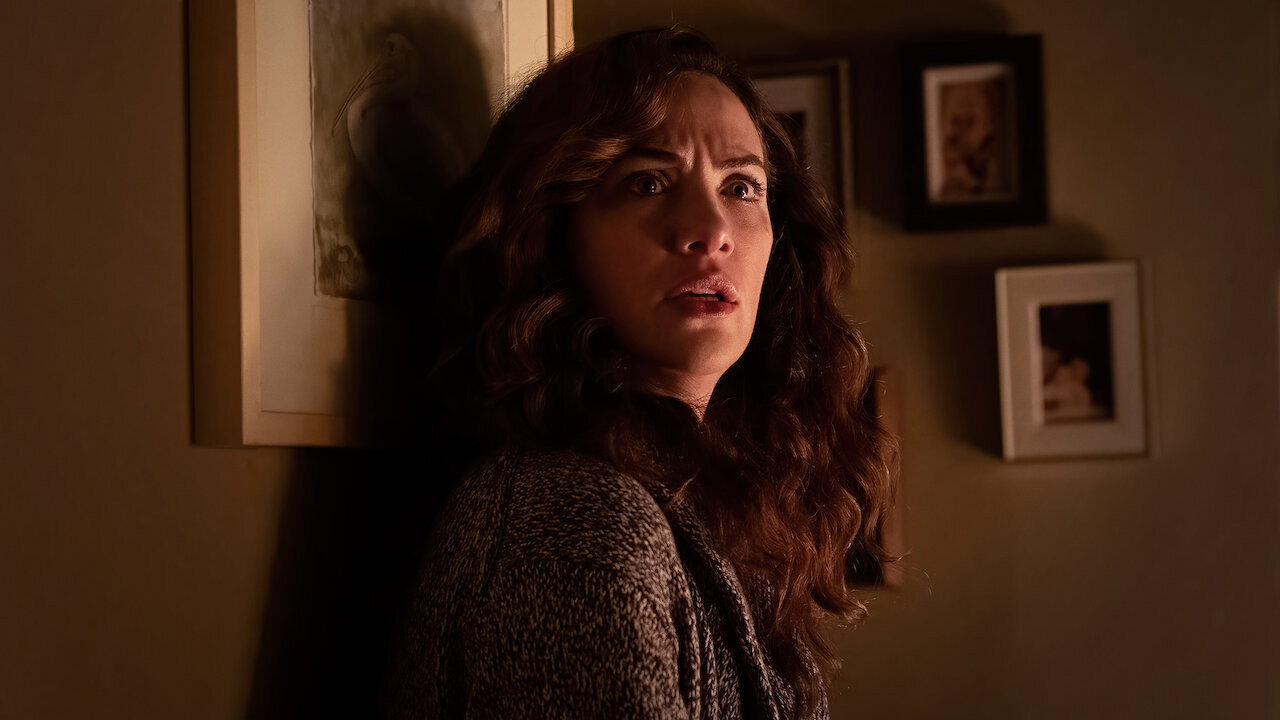
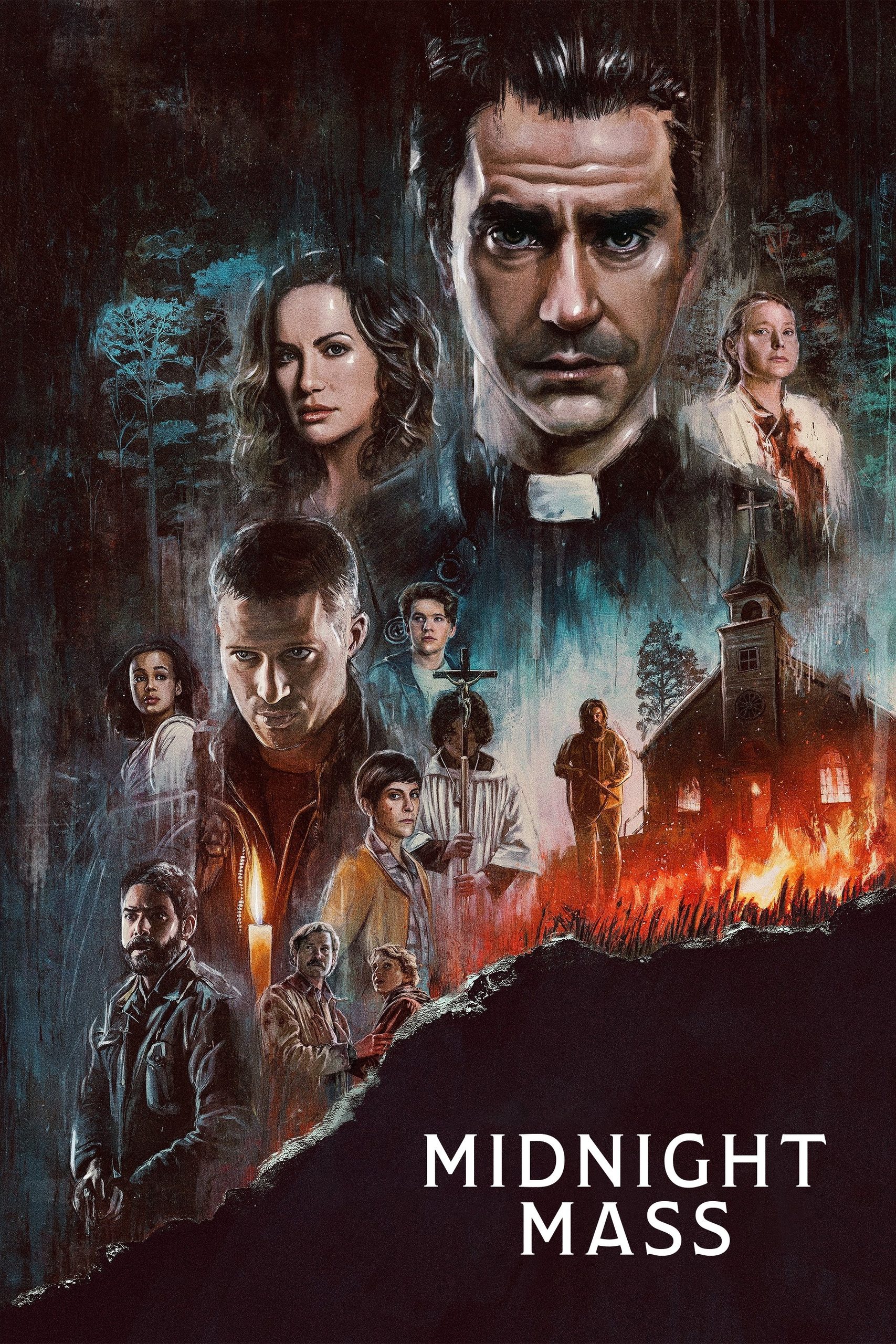
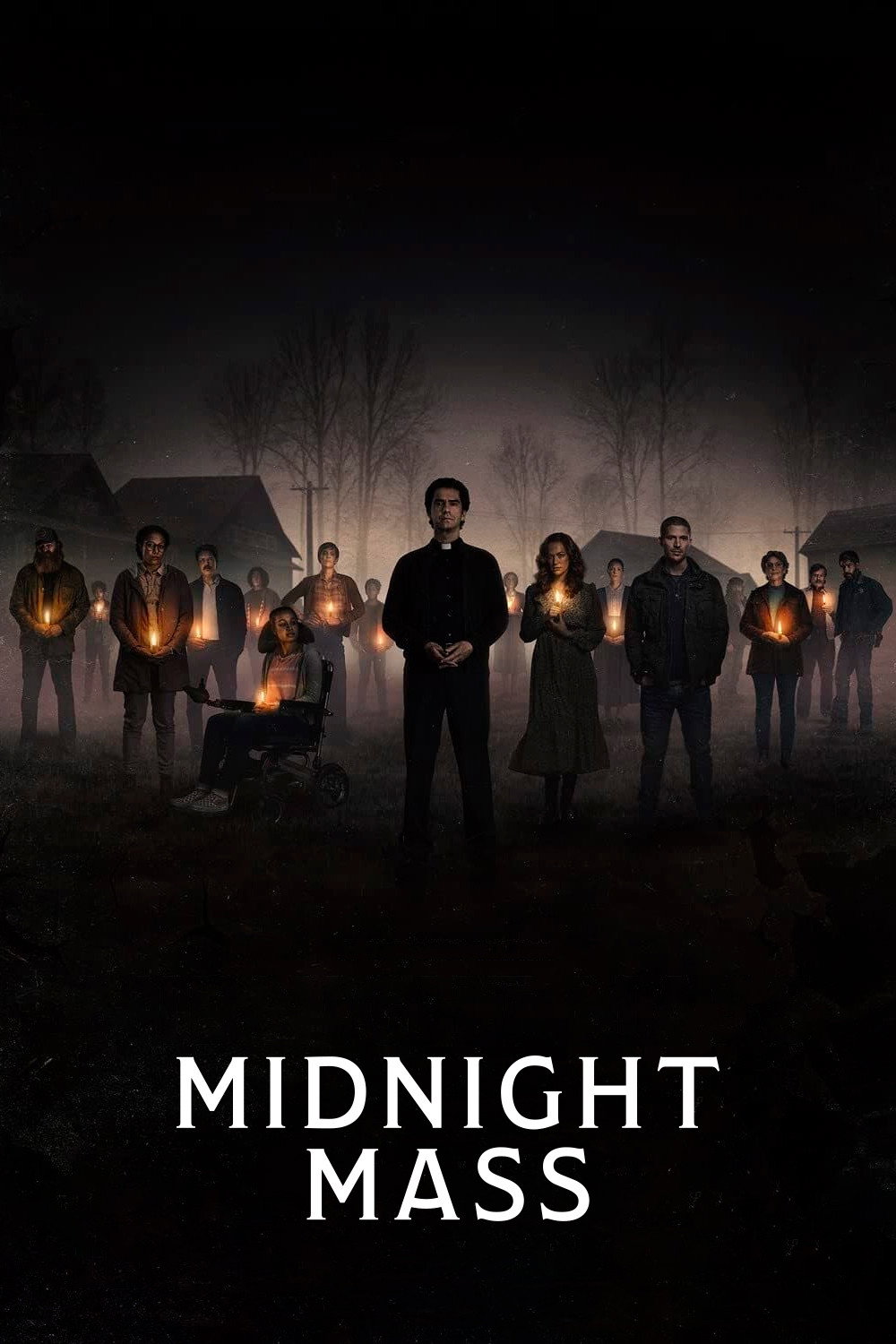
Hamish Linklater is the reason to start. His Father Paul arrives soft-spoken, slightly rumpled, delighted by everything, and his first Mass is a small marvel of a man who loves the words and wants you to love them too. The show pairs him with Zach Gilford’s Riley in a one-man Alcoholics Anonymous meeting held in the parish rec centre, two folding chairs under strip lights, and those scenes are the best writing in the piece: a priest who believes and a man who has stopped, neither trying to win. Gilford plays Riley as somebody holding very still so as not to break anything. Kate Siegel gives Erin a plain steadiness that makes her the one person on the island you would trust with a secret.
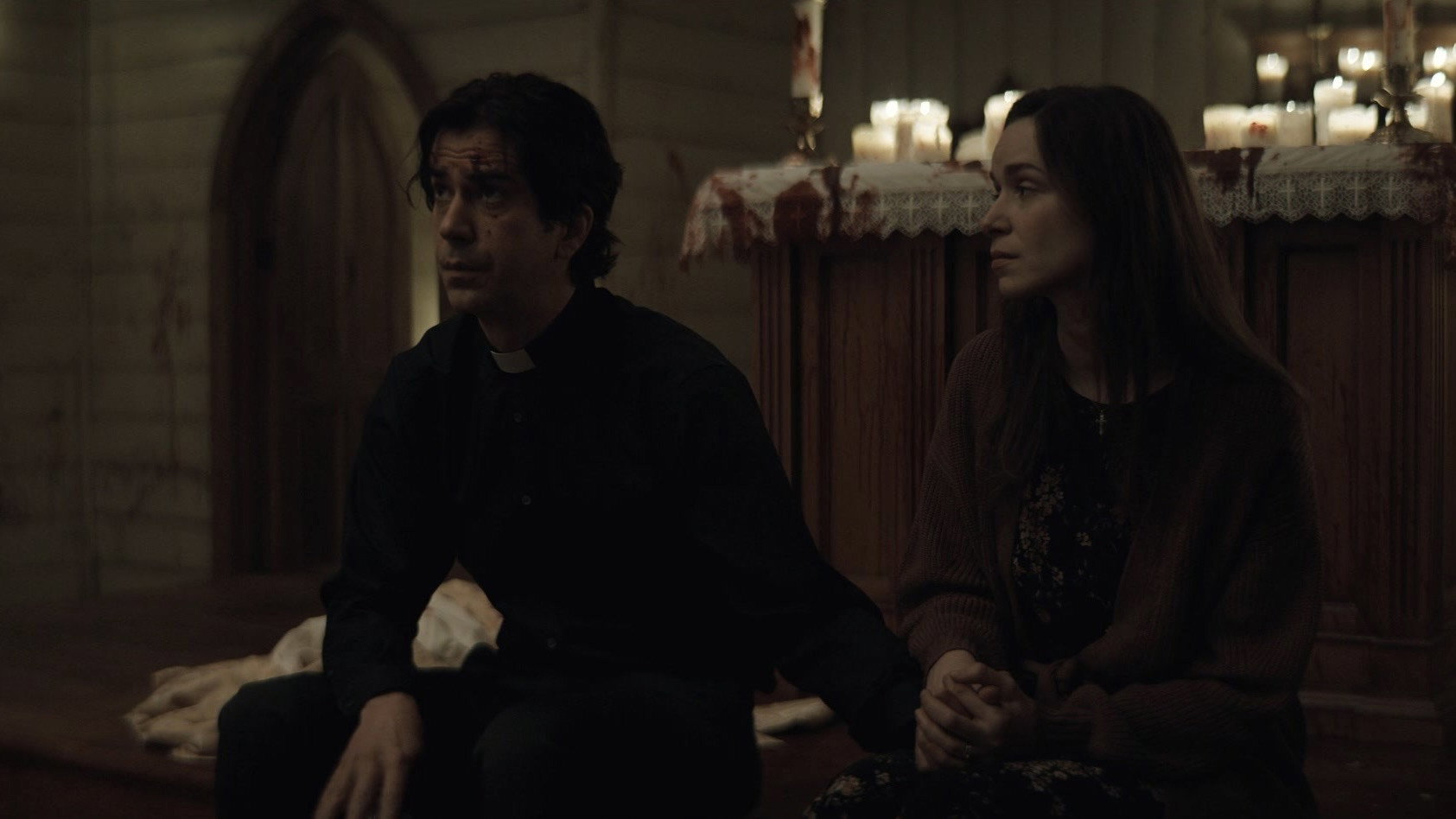
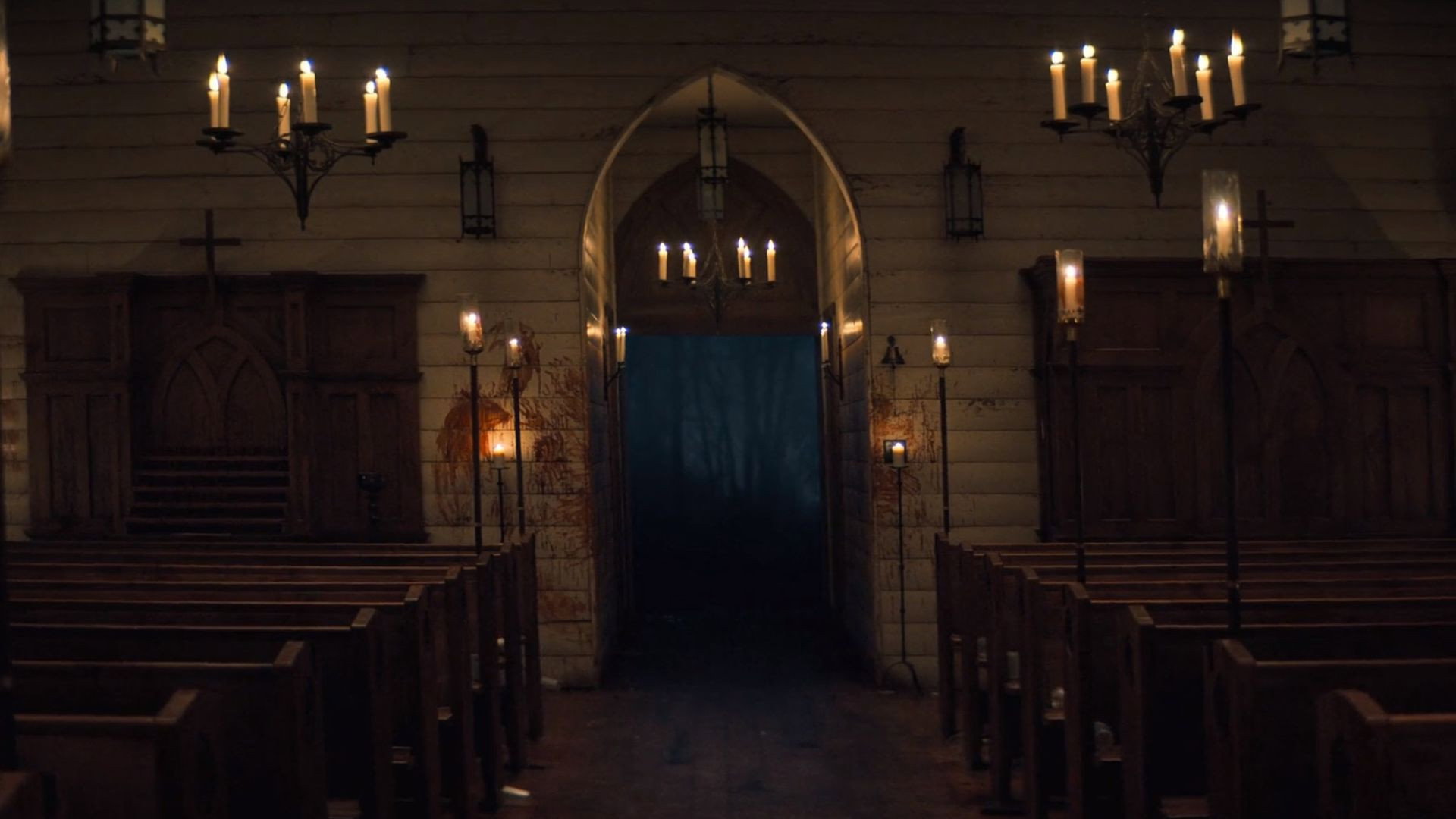
Michael Fimognari shoots the island in long, unhurried takes, often from far enough away that the houses look like something left out in the weather. Night scenes are lit by whatever is actually there, a porch bulb, candles, the glow from the church windows, so the dark between them is real dark. Steve Arnold builds St Patrick’s as a small clapboard box with water stains on the ceiling and a rec centre that smells, through the screen, of coffee and damp. Andrew Grush and Taylor Stewart keep the music low, mostly held notes under the sermons, and hand the hymns to the congregation, who sing them badly and beautifully.
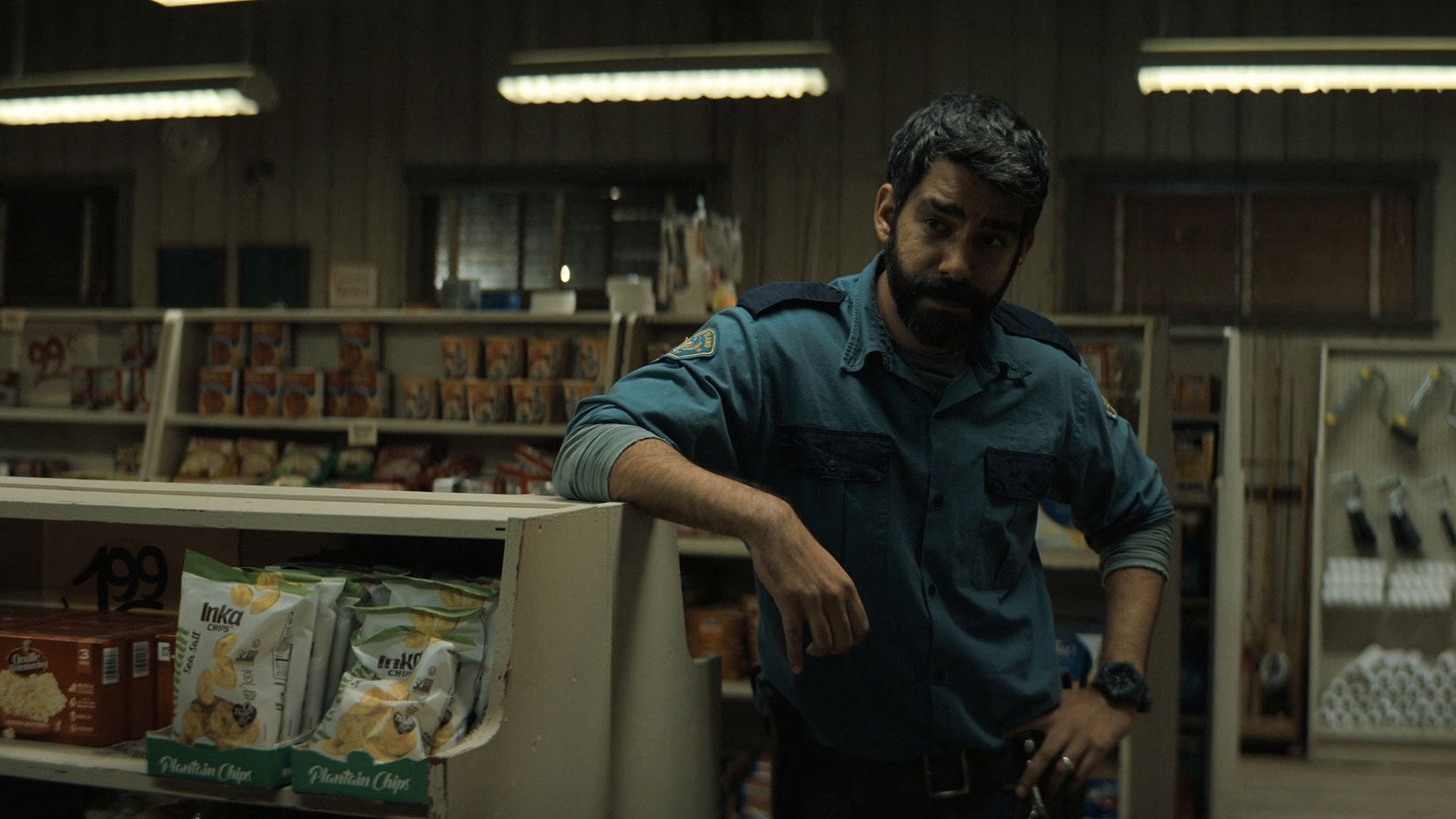
The supporting cast is uniformly strong. Samantha Sloyan’s Bev Keane is the parish bully, a woman who can quote scripture at you in a tone that suggests you have already lost, and Sloyan never once winks at us. Rahul Kohli’s Sheriff Hassan, the island’s outsider, does most of his work with a face that has learned to expect the worst and be polite about it. Annabeth Gish’s Dr Sarah Gunning carries the medical plot with tired good sense. Henry Thomas’s Ed Flynn, a fisherman who cannot forgive his son and cannot say so, gets the quietest performance and one of the two or three scenes we will remember.
Now the speeches. Five writers are credited, Flanagan among them, and between them they have given nearly every character a monologue about God, death or the universe, and several of them two. Some are wonderful. There is one, late on, in which two people sit and describe what they think happens when we die, and it moved us more than we had any right to expect, because it is written simply and played without a single tear. The next one, half an hour later, we agreed with entirely and found ourselves looking at the clock. By the fifth episode we had started to brace whenever anyone sat down.
What begins to happen in the church from the second episode on we will not describe. We will say that Flanagan is more patient with his reveal than most, that the last two episodes move faster than anything before them, and that the speed costs some of the people we had come to like. One critic found the whole thing absurd. We can see why, and we did not mind; a series this sincere about faith was always going to look ridiculous to anyone who arrived unwilling to kneel.
Hill House had the discipline. This has the heart, and it shows it to us at length, sometimes at the expense of the fear it is supposedly selling. Watch it with someone who will argue with you about God afterwards, and keep the remote to hand for any sermon you have already heard.