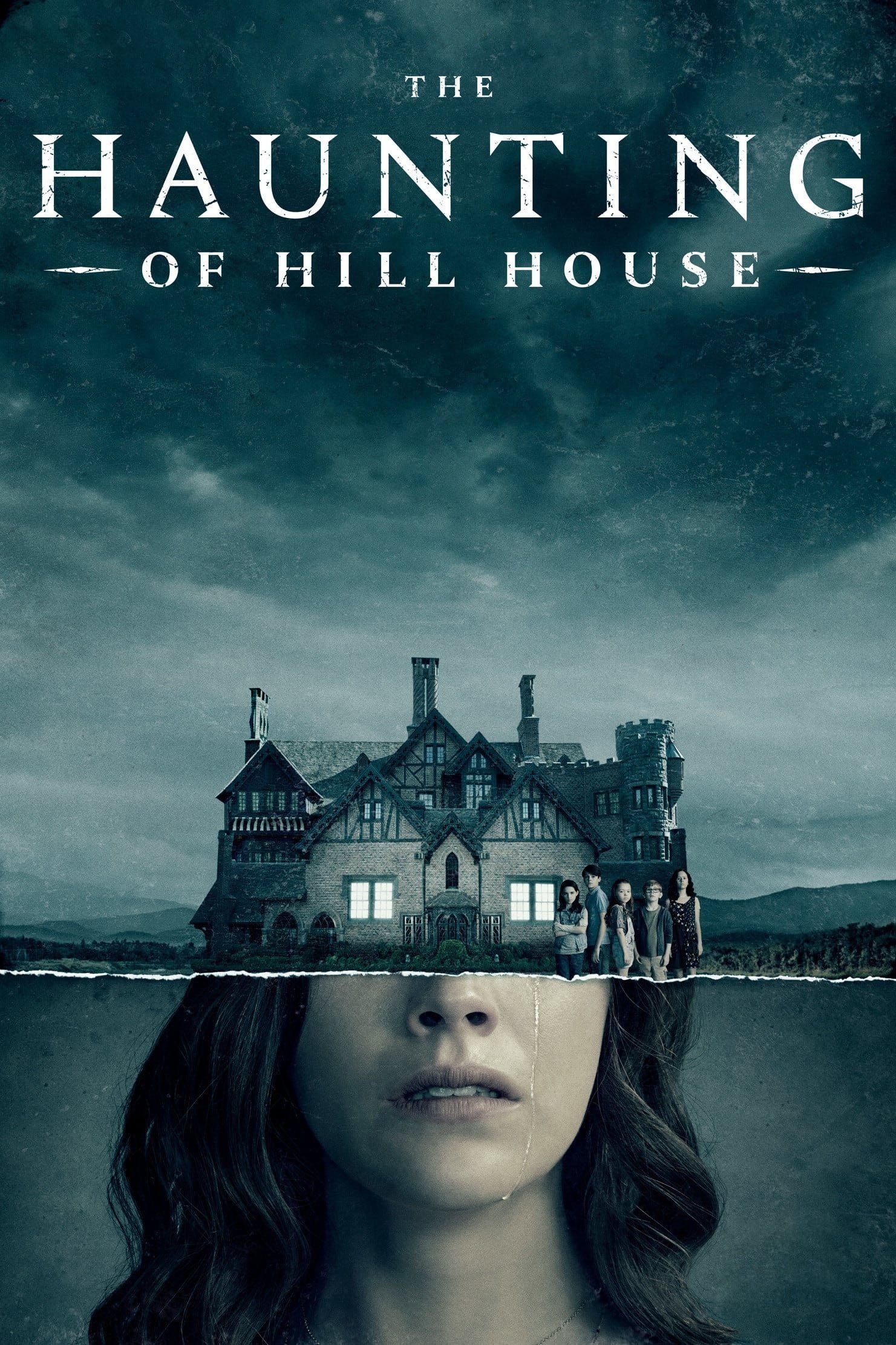
Flanagan’s take on Shirley Jackson’s novel is a family drama first and a ghost story second, and it frightens when it remembers the ghosts. It runs long and talks too much at the end, but the middle episodes are as good as television horror gets.
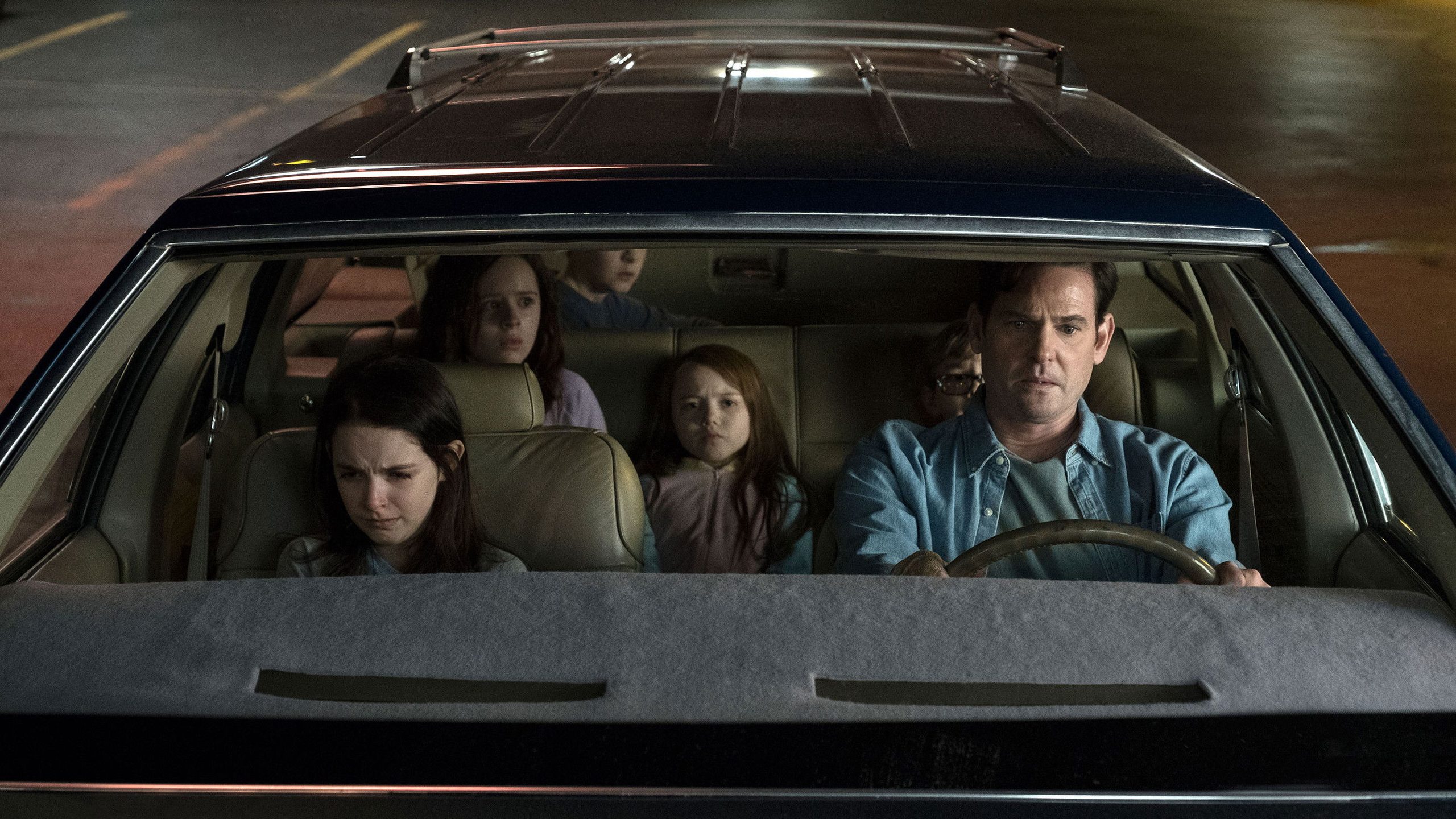
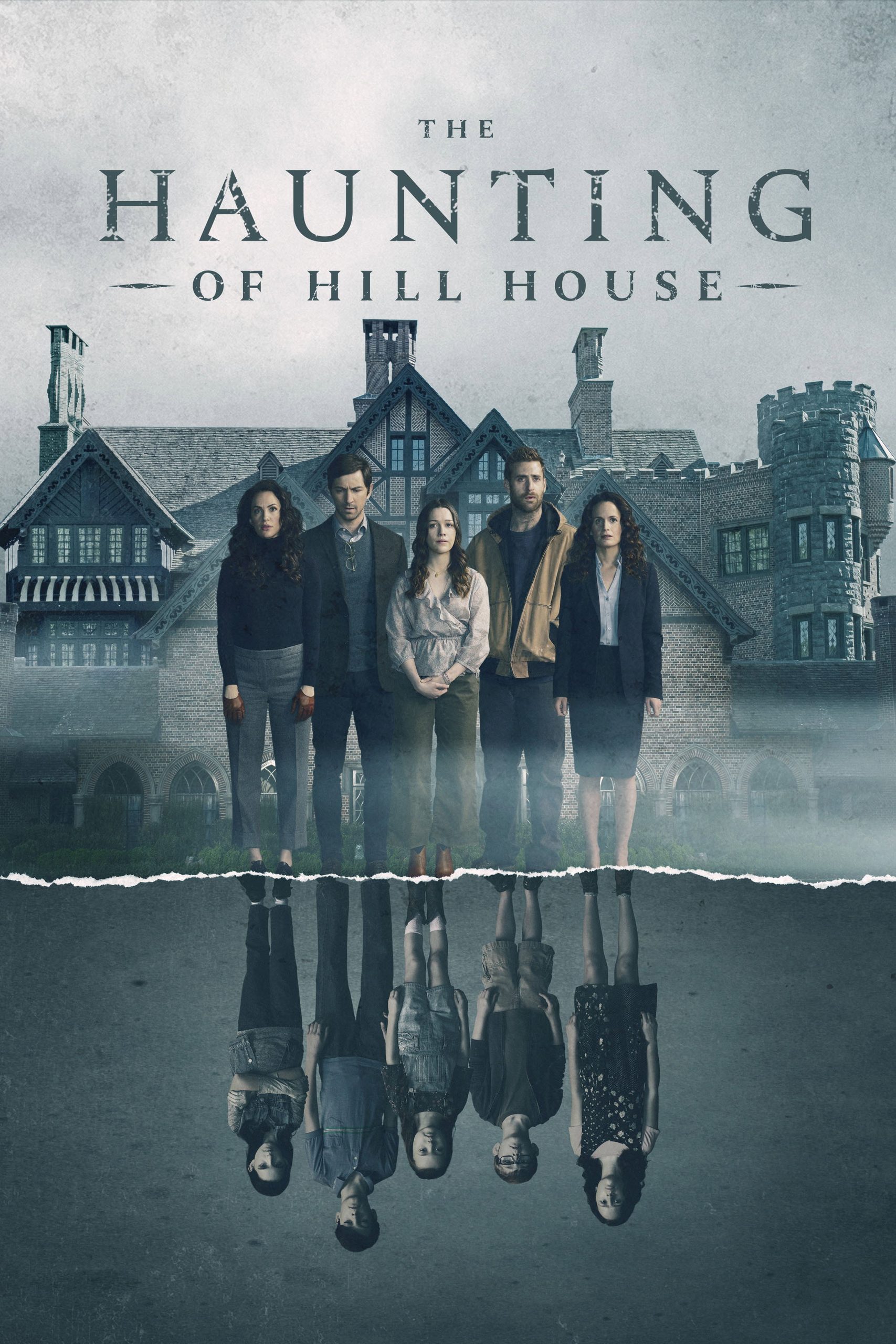
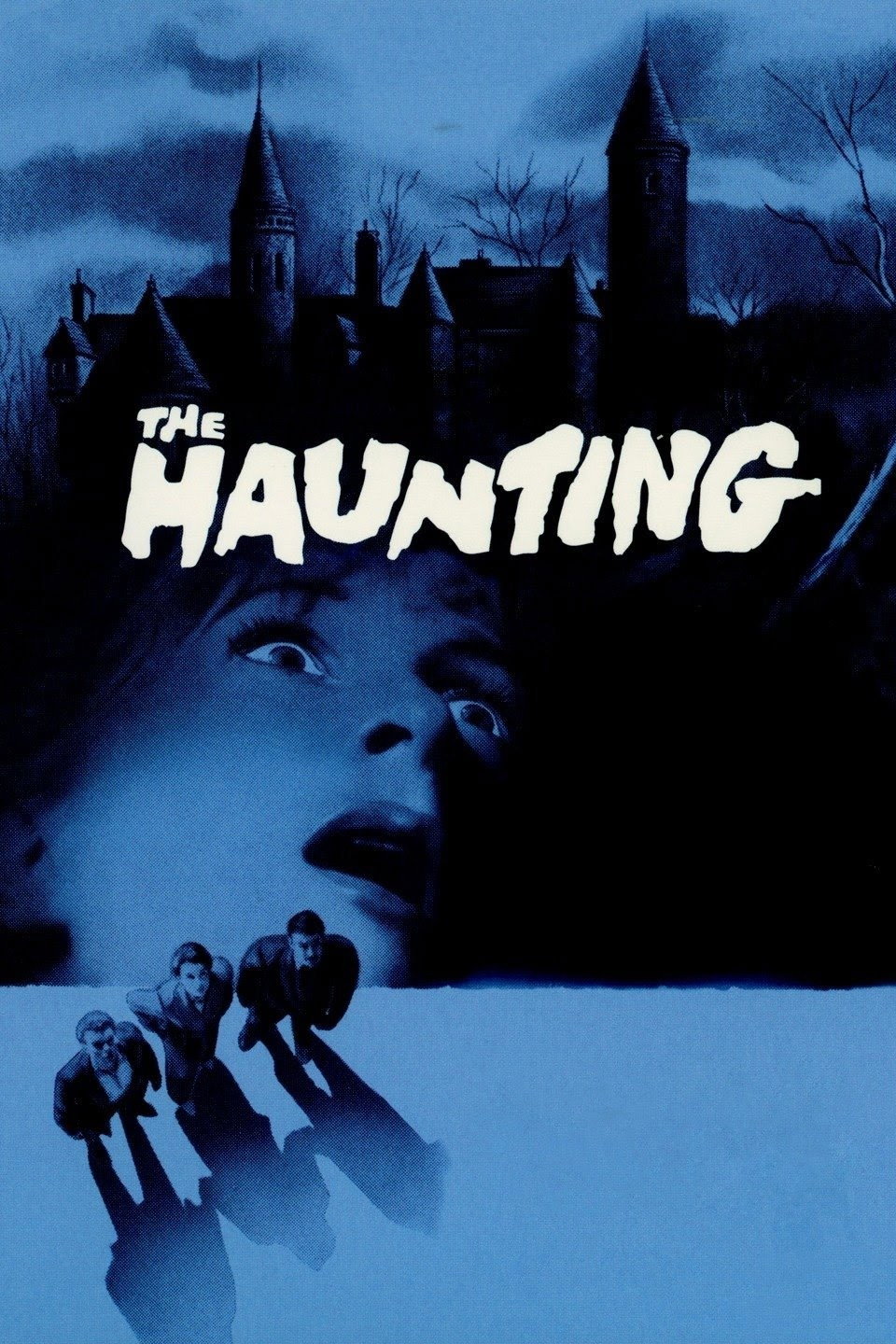
Shirley Jackson’s The Haunting of Hill House is a short novel about one lonely woman and a house that wants her, and it has been filmed twice before, well in 1963 and badly in 1999. Mike Flanagan’s ten-part series keeps the house, borrows a few names and throws nearly everything else away. It is not researchers who spend a few nights at Hill House here but a family who spend the summer of 1992 there, and the series is about what that summer did to them. It cuts between the children in the house and the adults decades later, who have barely spoken since.
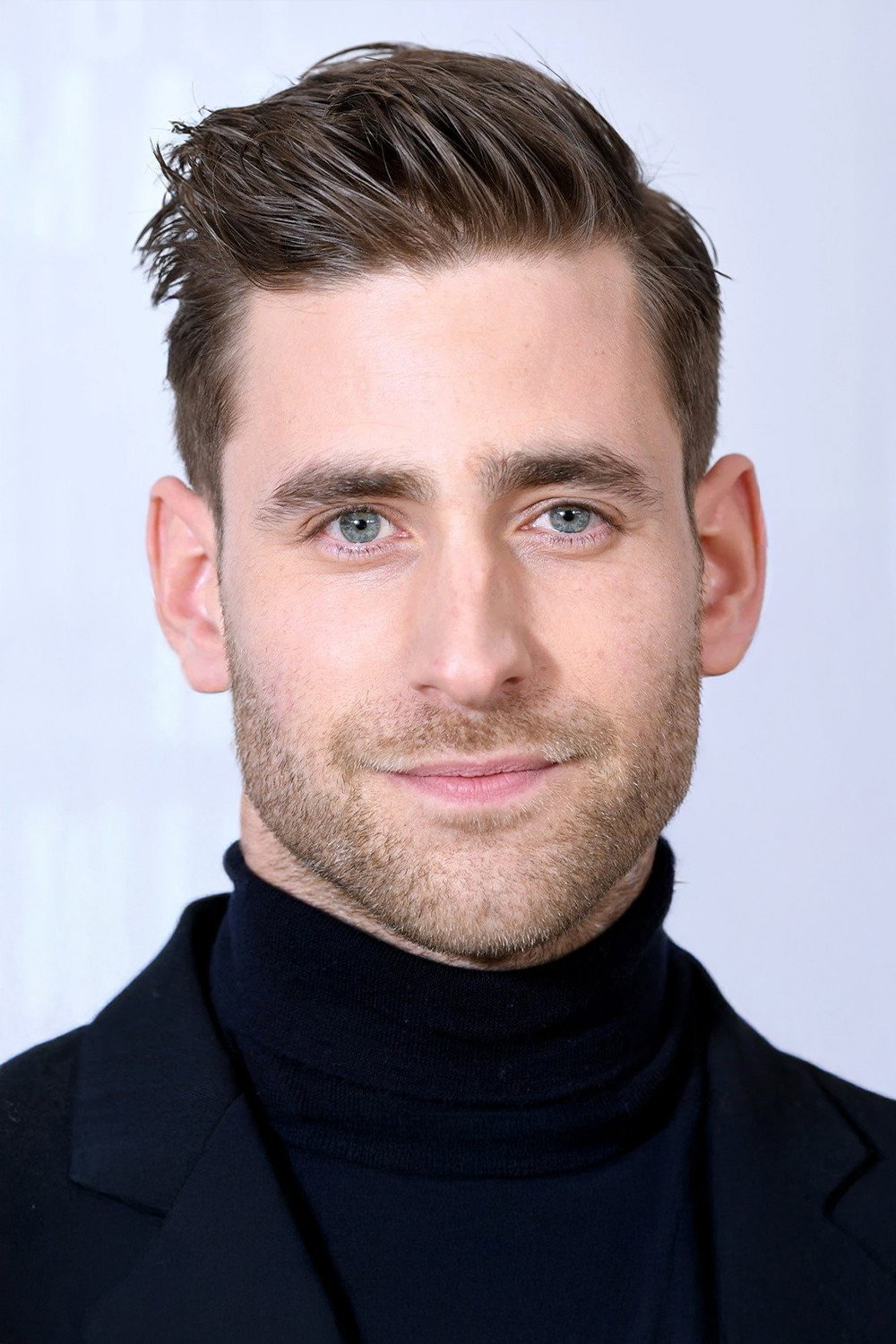
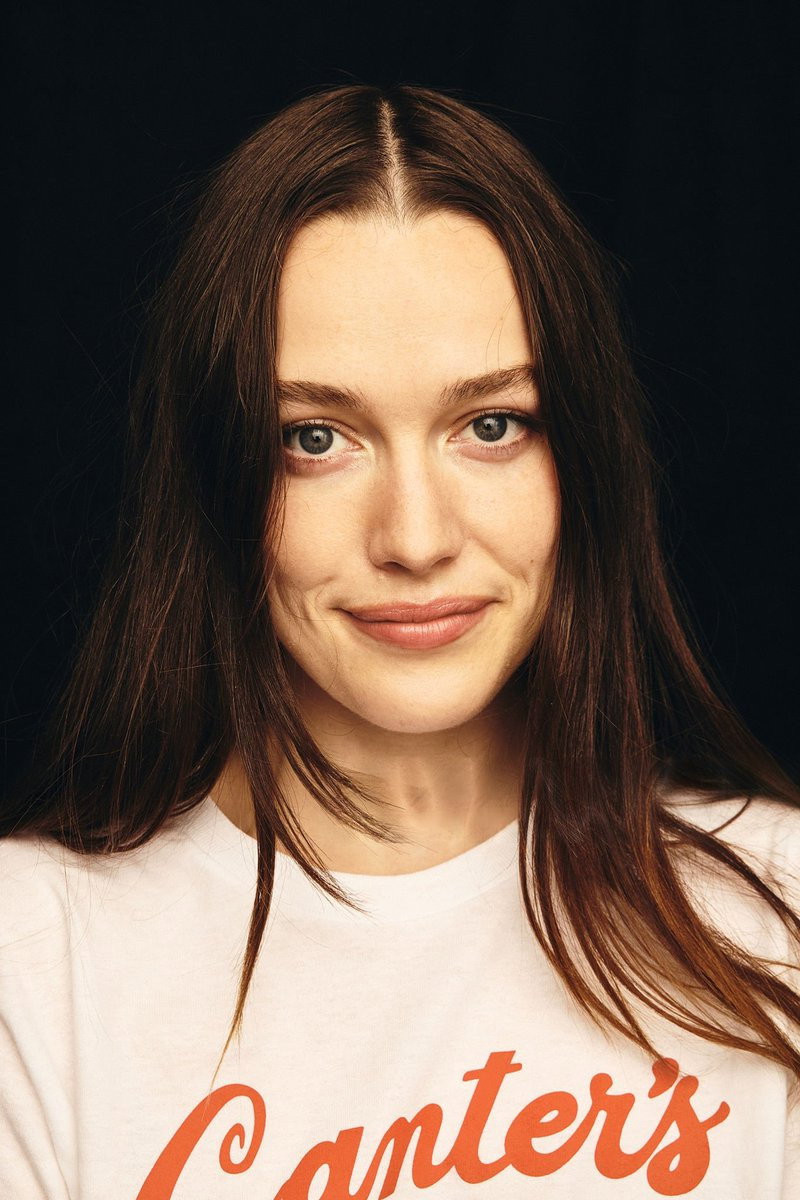
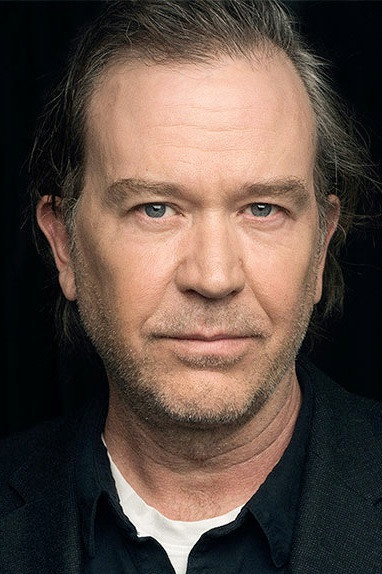
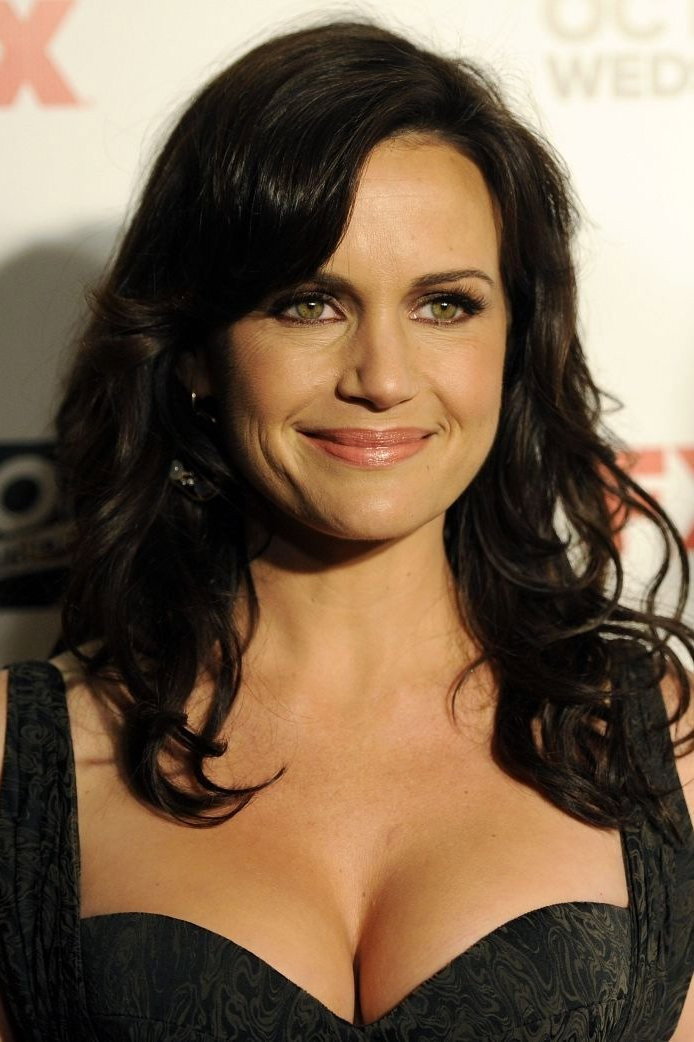
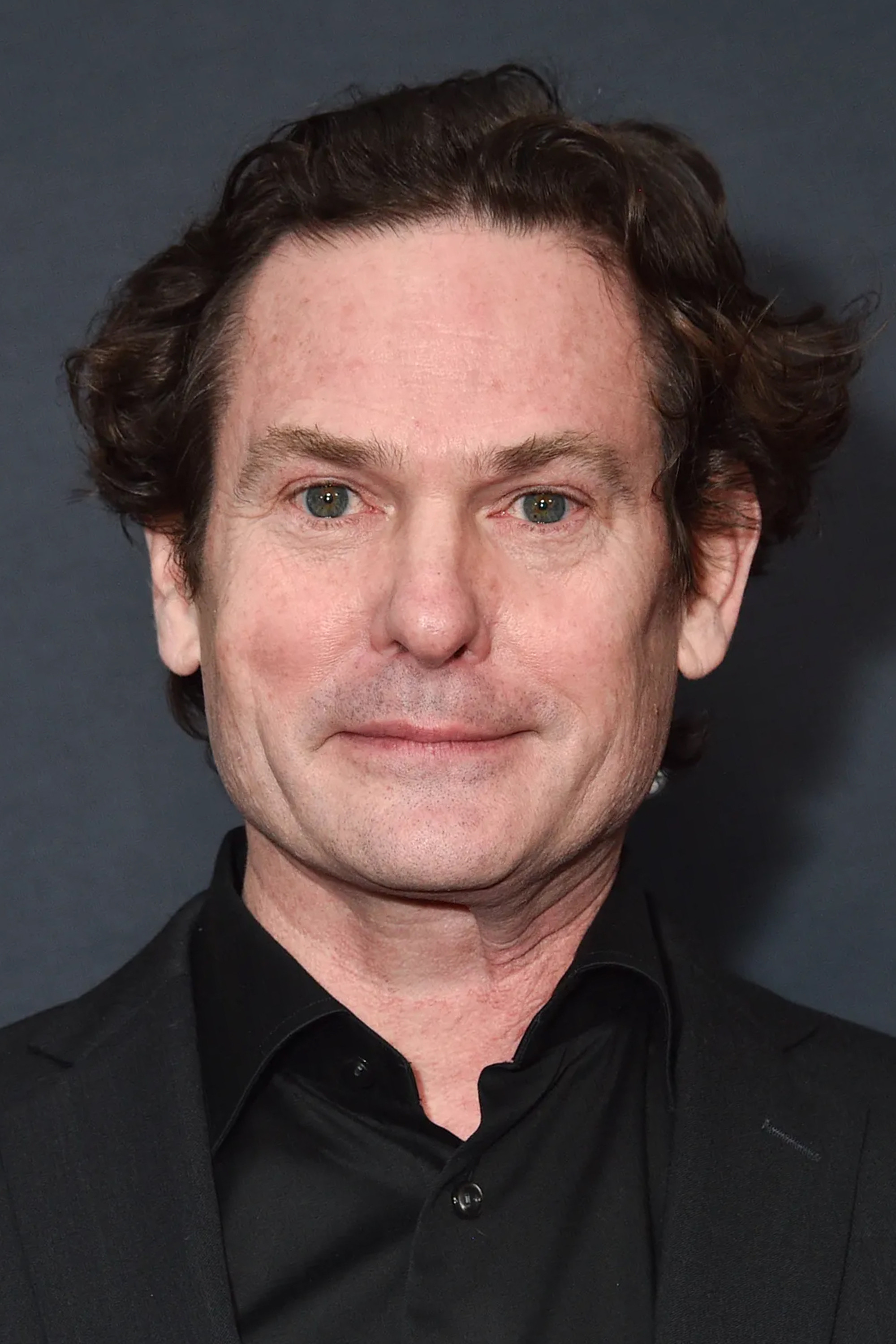
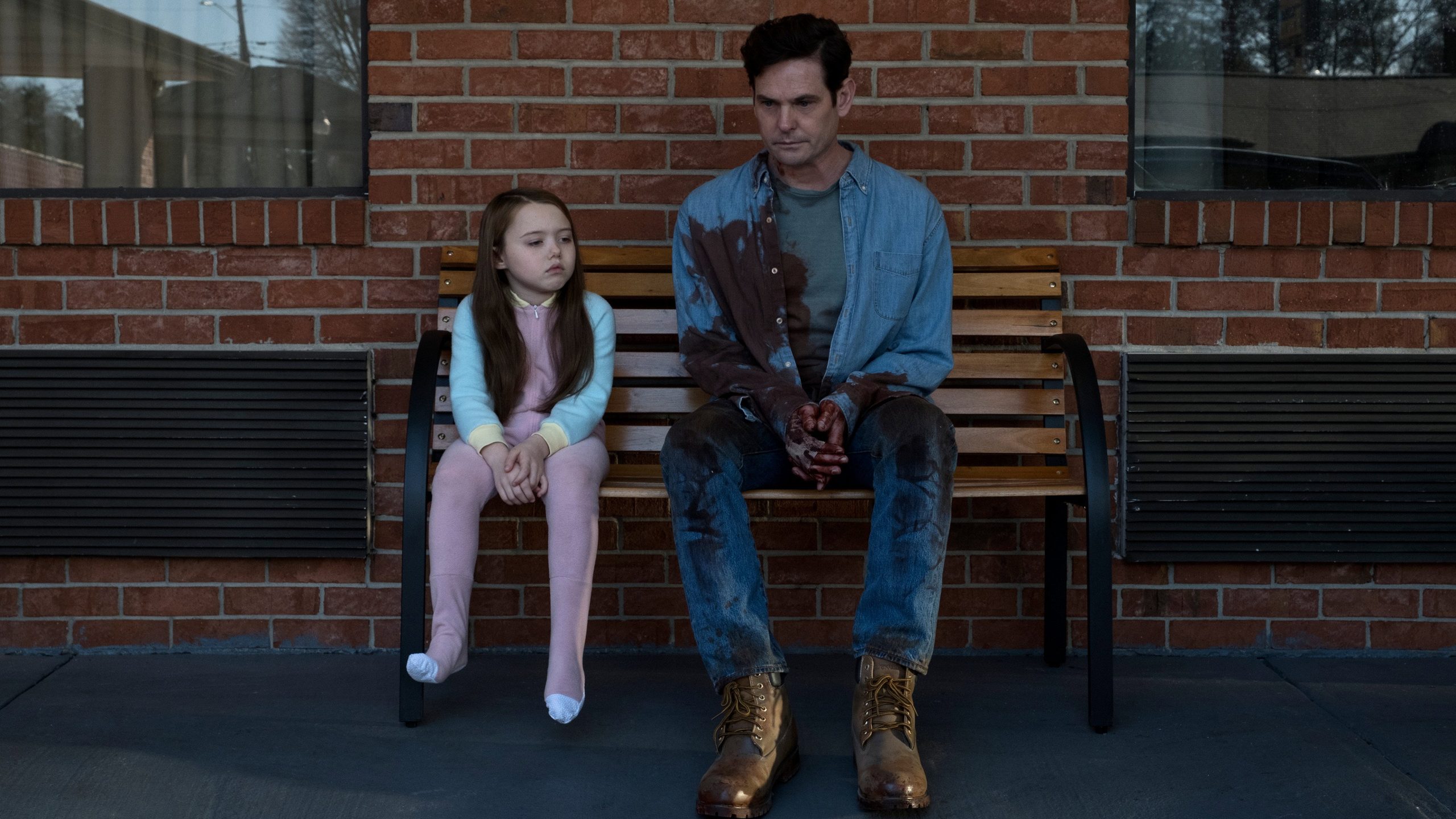
Flanagan’s first job is to make us care about the Crains before he frightens us on their behalf. The children are well cast, Julian Hilliard’s Luke and Mckenna Grace’s Theodora especially, and Henry Thomas and Carla Gugino, as the young Hugh and Olivia, play a marriage that is happy for just long enough to hurt. The adults are more mixed. Victoria Pedretti’s Nell is the find of the series, a woman who has been afraid since she was small and has learned to say so quietly. Kate Siegel’s Theo, gloved to the wrist and sharp with everyone, is nearly as good. Michiel Huisman’s Steven, a writer who has made money out of a haunting he says he never saw, gets the dullest material and does what he can with it.
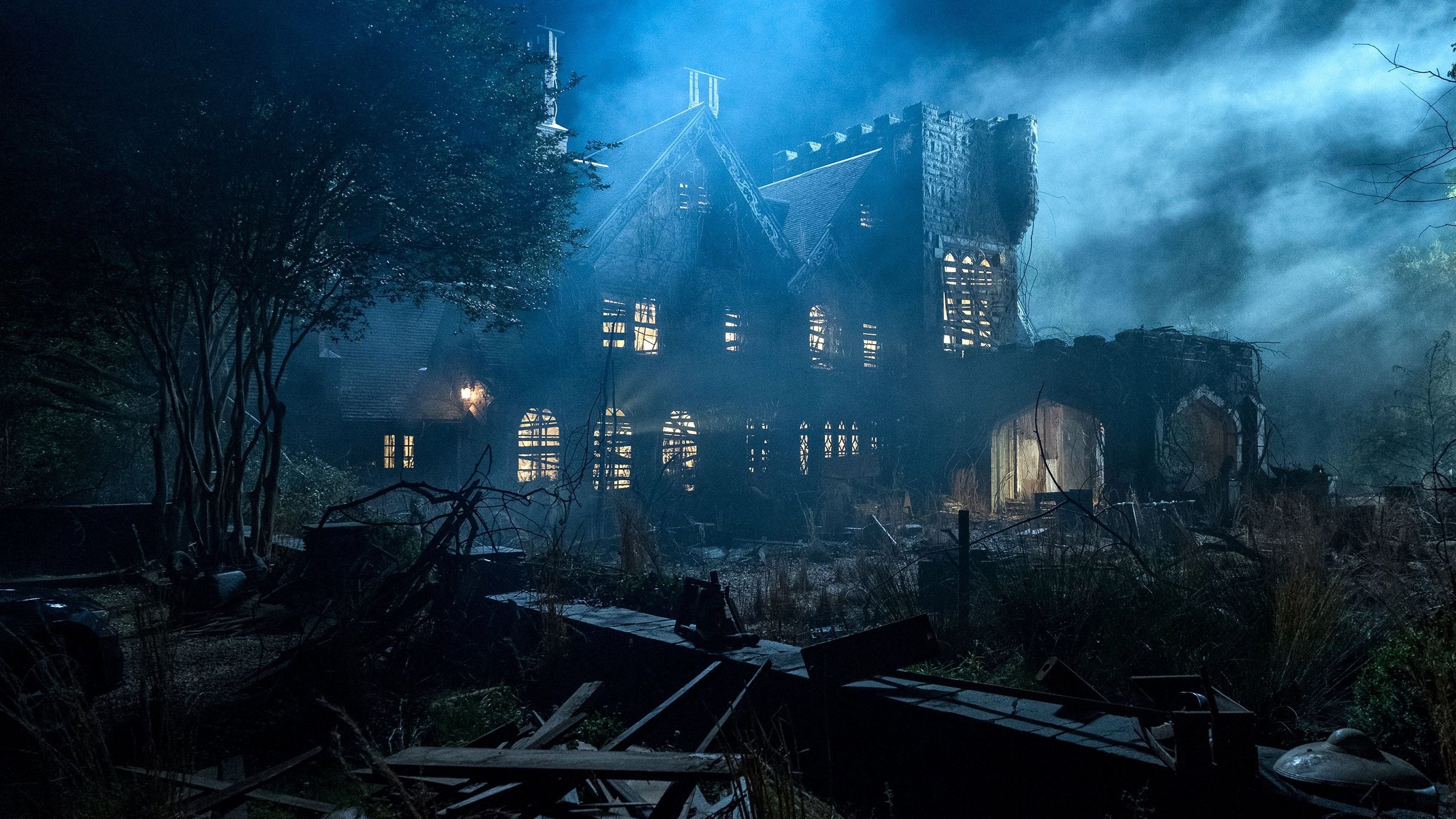
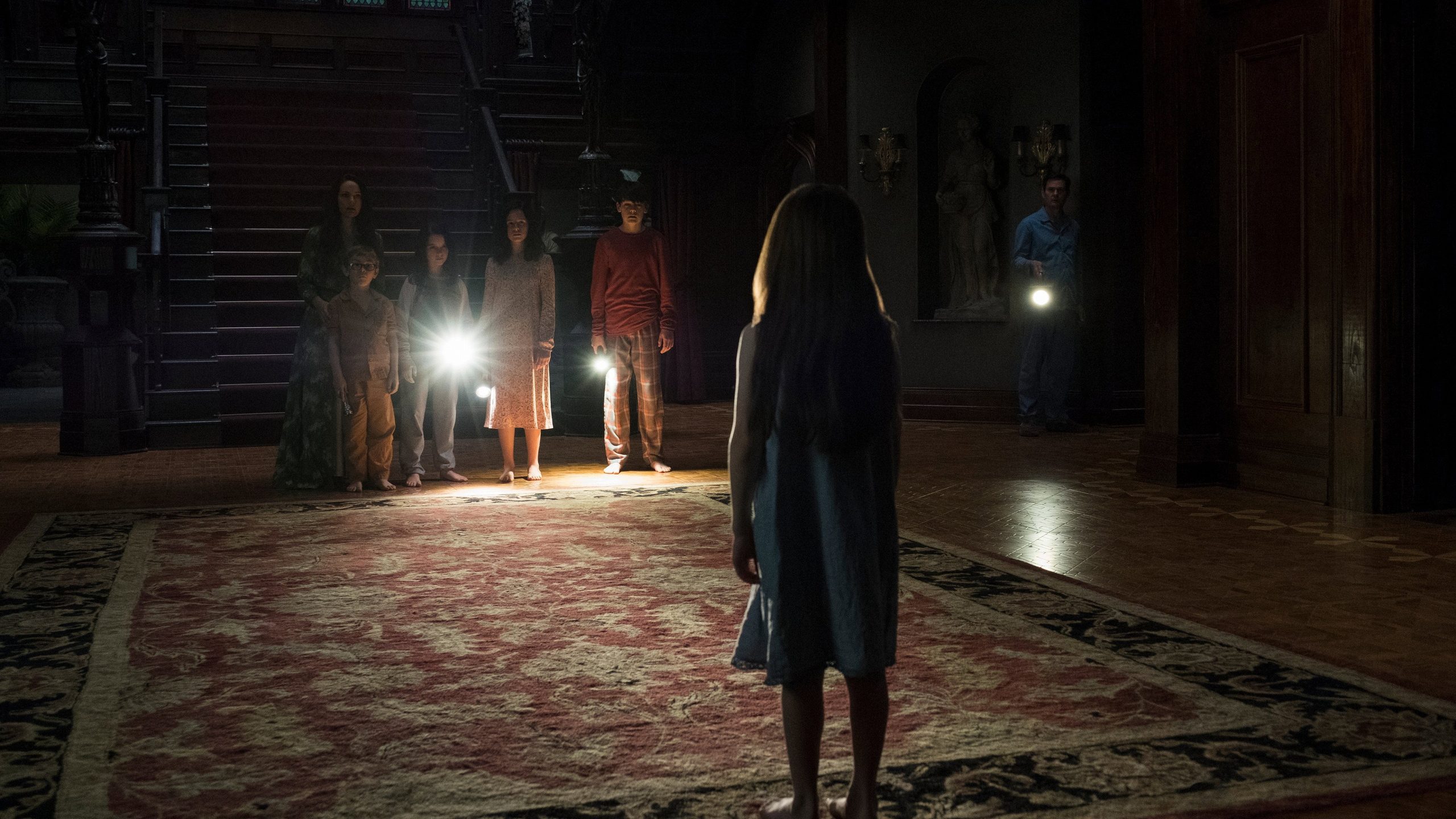
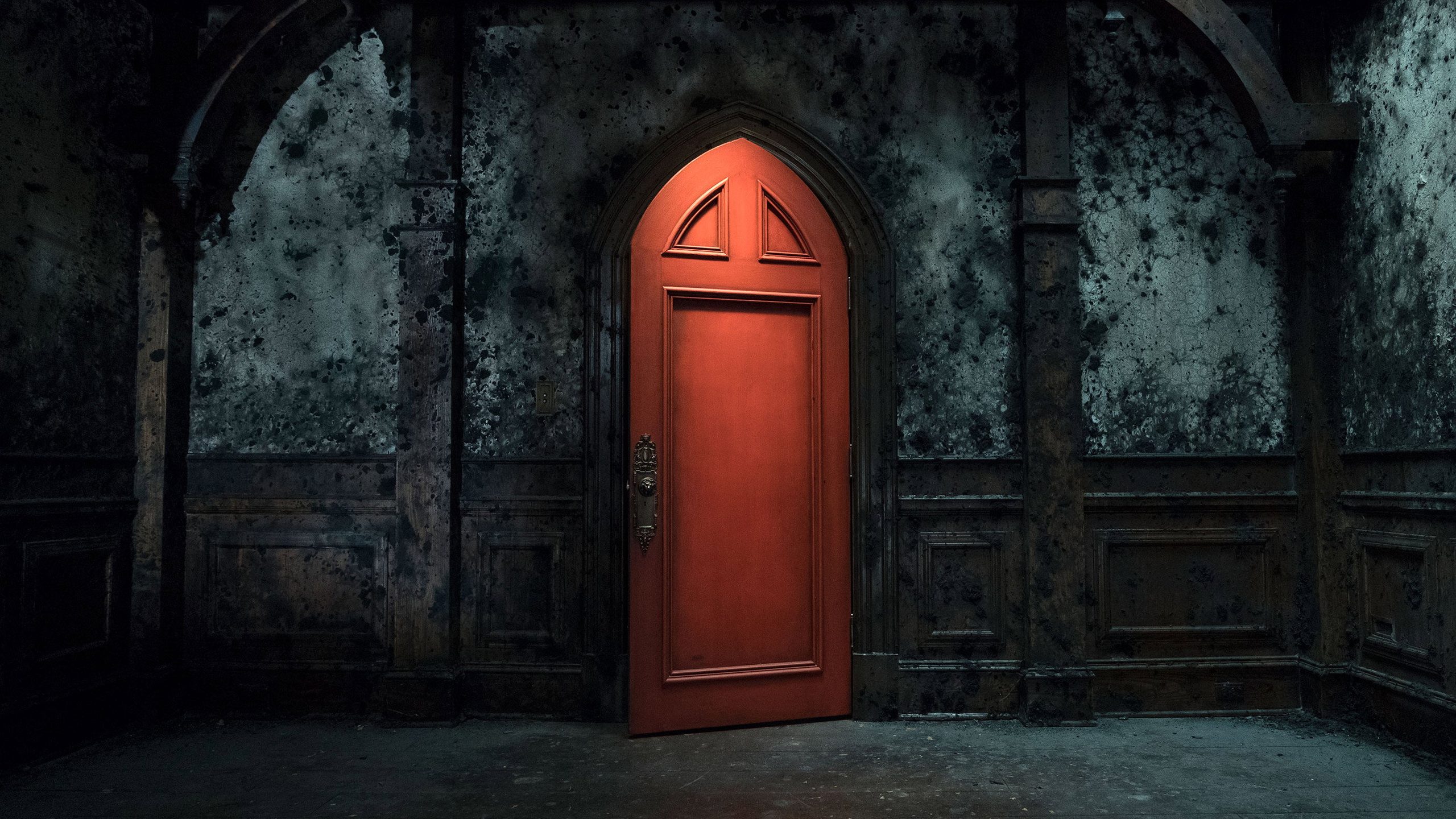
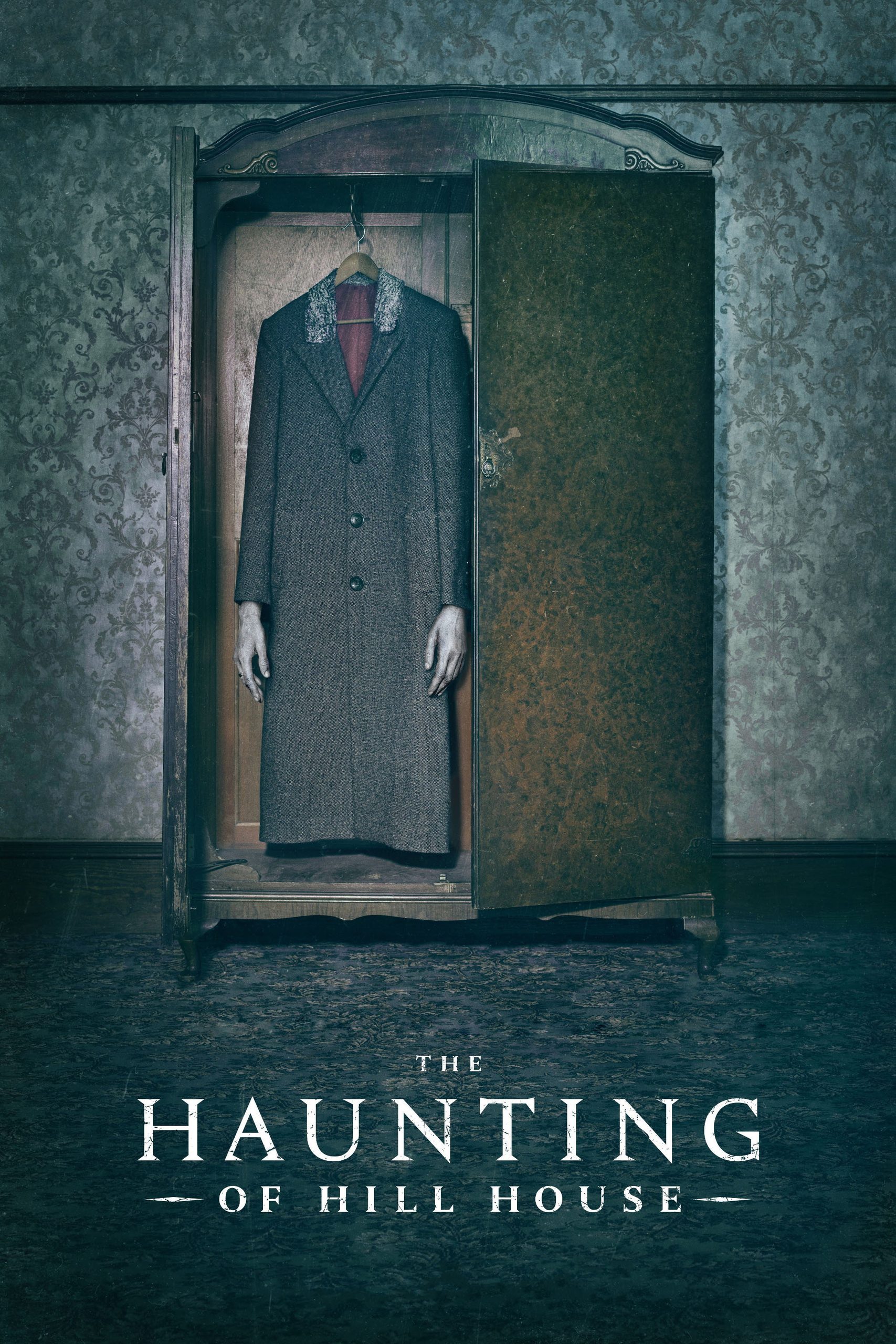
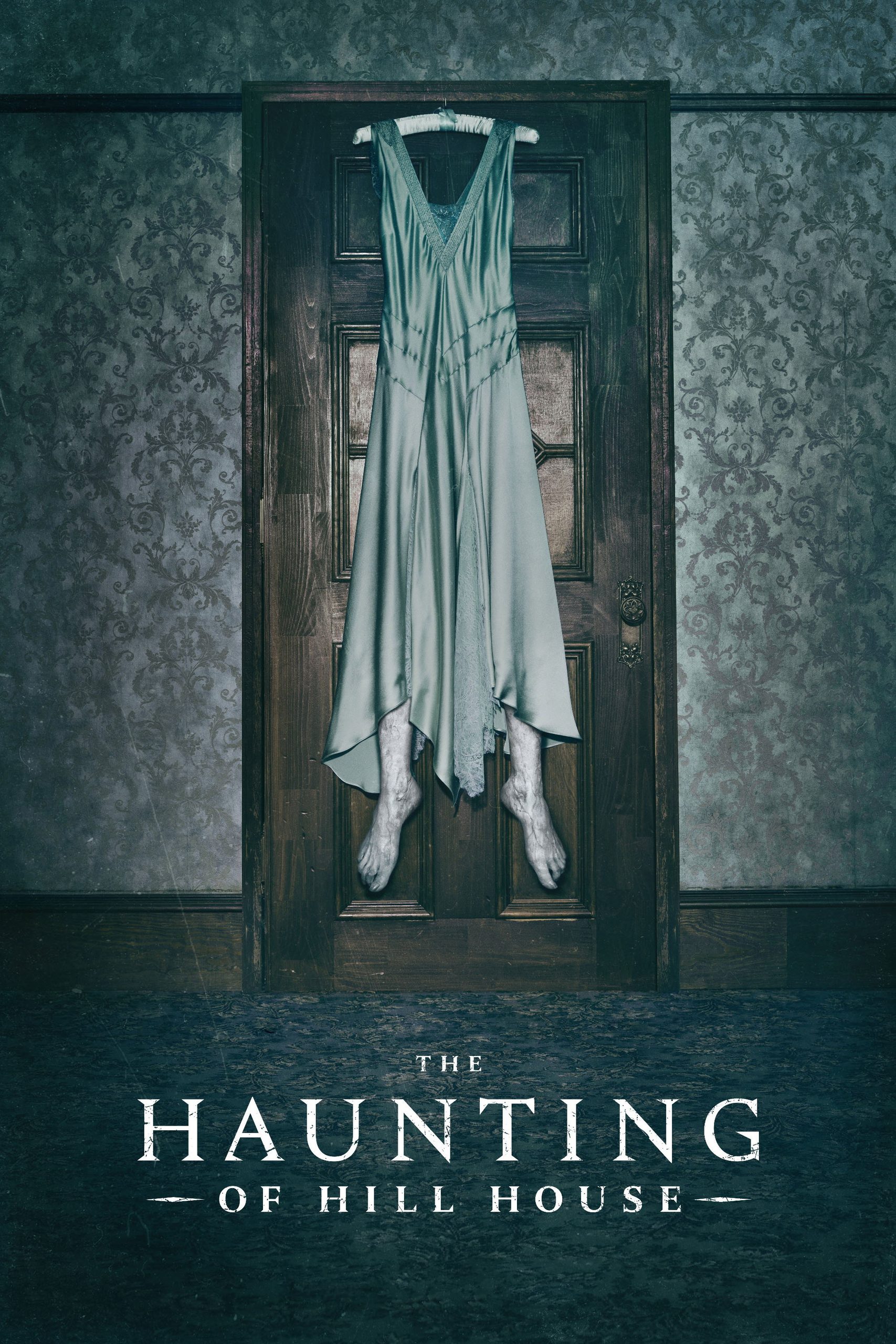
Then the frightening. Michael Fimognari shoots the house in browns and blacks, and the trick he and Flanagan play over and over is to put a figure at the back of the frame and not look at it. A shape on the stairs behind a talking child. A face in a doorway nobody uses. We caught one on a second viewing and did not sleep well. Twice we were properly frightened, and both times by things that moved slowly: a woman with her head at the wrong angle at the foot of Nell’s bed, and a tall figure in a hat who comes down a corridor without touching the floor. Nothing jumps. The camera waits, and so do we, and the waiting is what does it.
Episode six, ‘Two Storms’, is the reason most critics have been kind, and they are right. It puts the grown Crains in Shirley’s funeral home during a storm and plays out in a handful of unbroken takes, the camera drifting from one argument to the next, with the house in 1992 arriving inside the same movement. Ravi Subramanian, Brian Jeremiah Smith, Jim Flynn and Flanagan himself are credited as editors, and this is an hour in which they have almost nothing to do and Fimognari has everything. Andrew Grush and Taylor Stewart’s score stays on a few piano notes for most of it. Patricio M. Farrell’s house, dark panelling and a staircase built to be looked up, is a character in its own right.
The trouble is that there are ten hours of it and the story would fit in six. The adults talk about the house the way people talk about it in therapy, in whole paragraphs, and Elizabeth Reaser’s Shirley is given a strand about her own marriage that the series never quite needs. The last episode stops to say out loud what the house has meant, then says it again with the strings up, and we felt a hand between our shoulder blades pushing us towards a feeling we would have reached on our own. We will not describe the ending. It is softer than what comes before it, and Jackson would not have written it.
Set against Flanagan’s own films, Oculus, Hush and Gerald’s Game, this is bigger and warmer, and it forgives its people more than his films usually do. Set against Robert Wise’s 1963 film it is a different animal: that was about one mind coming apart in a few nights, this is about a family failing to come together over a generation, and the two share little but an address. It is a 15 certificate. Watch it a couple of episodes a night rather than at a sitting; the scares want the dark, and the speeches want a night’s rest between them.