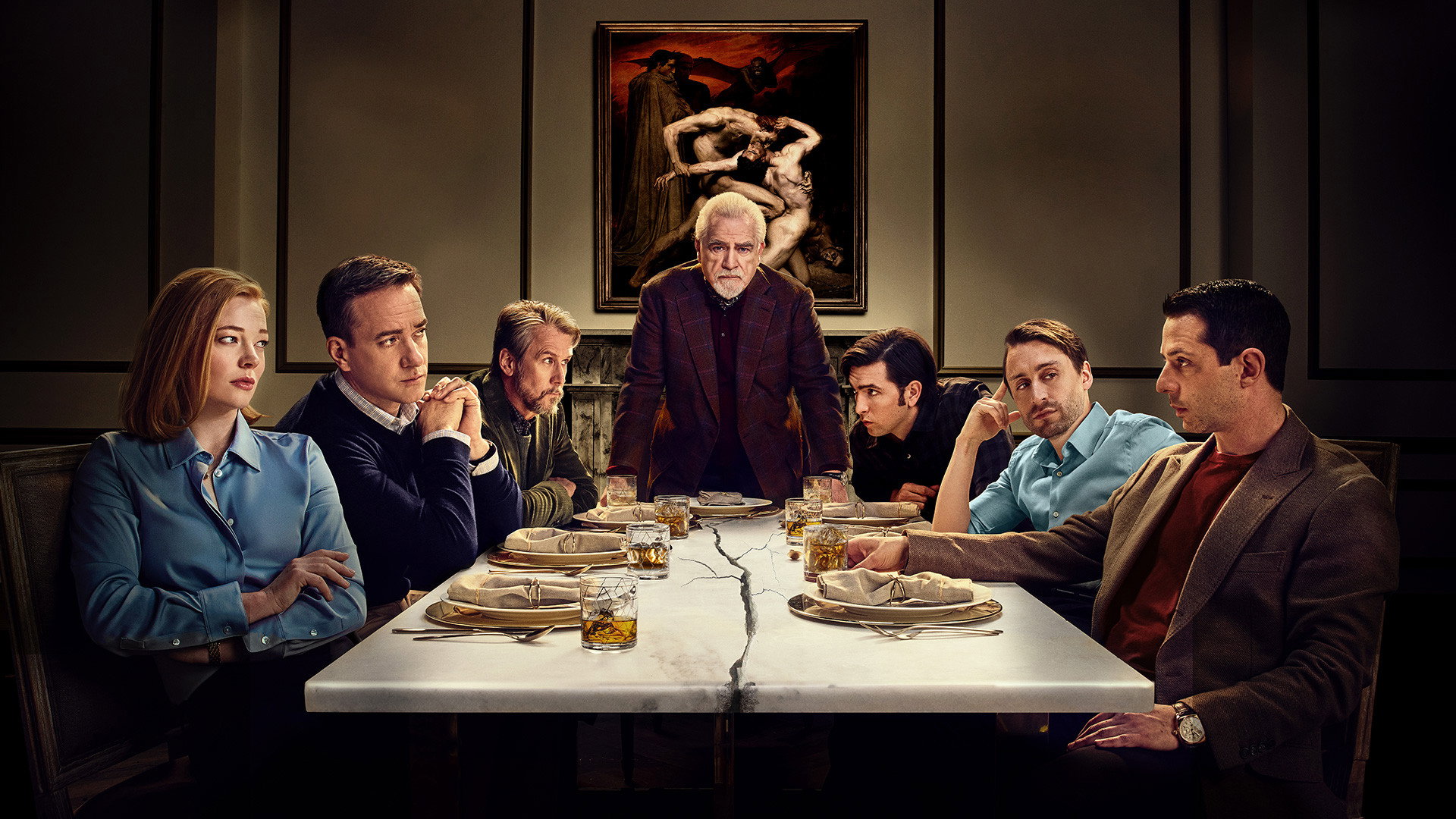
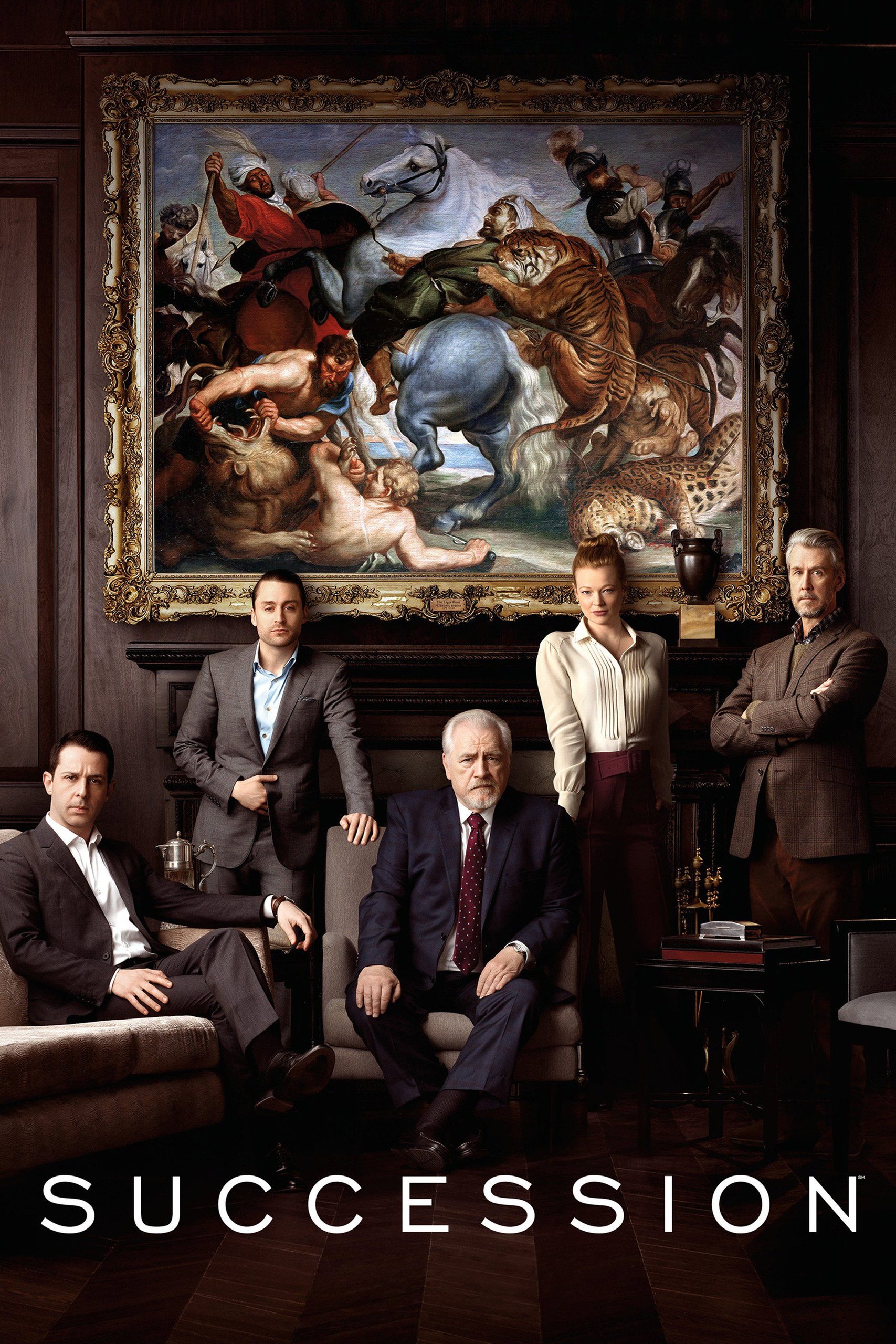
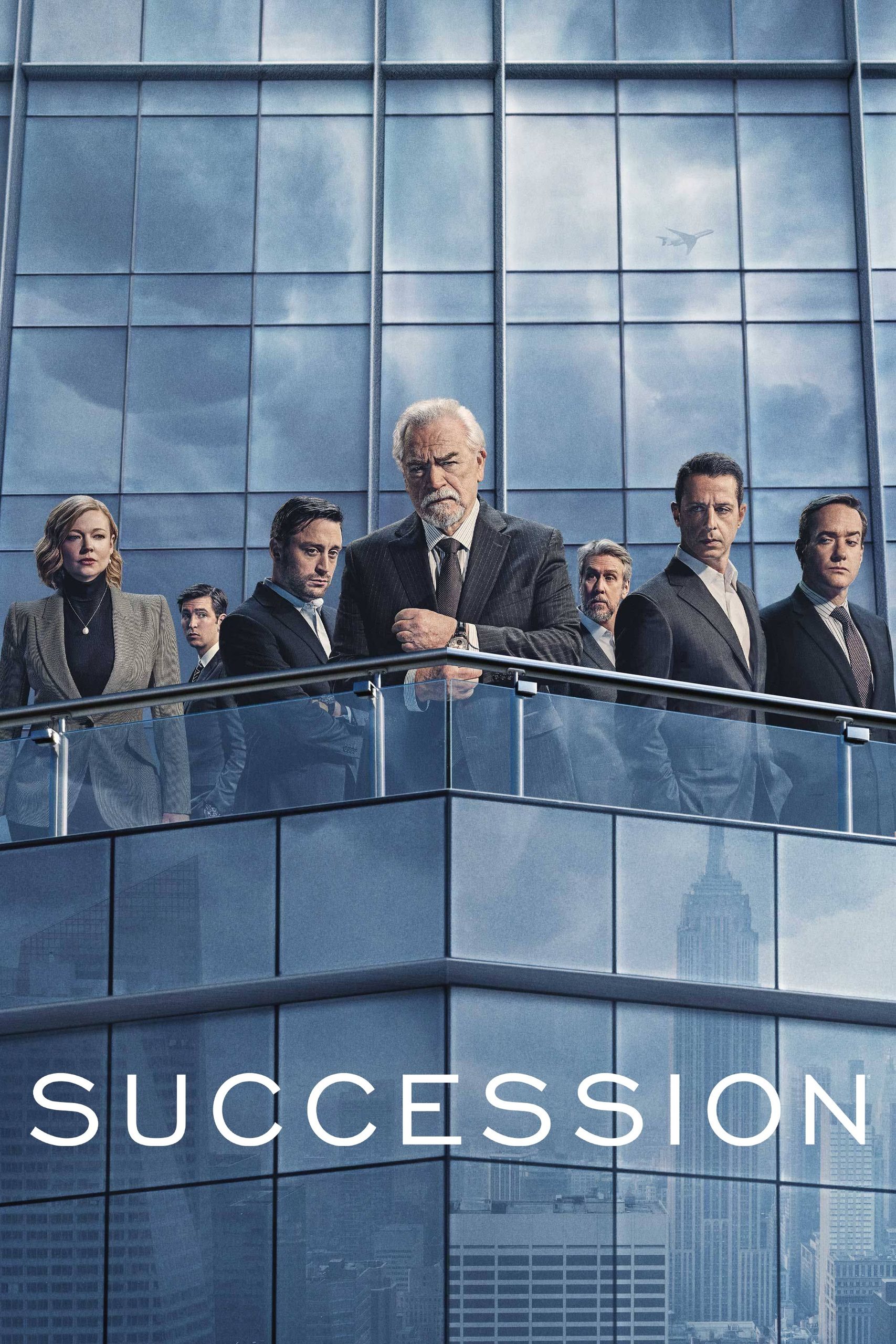
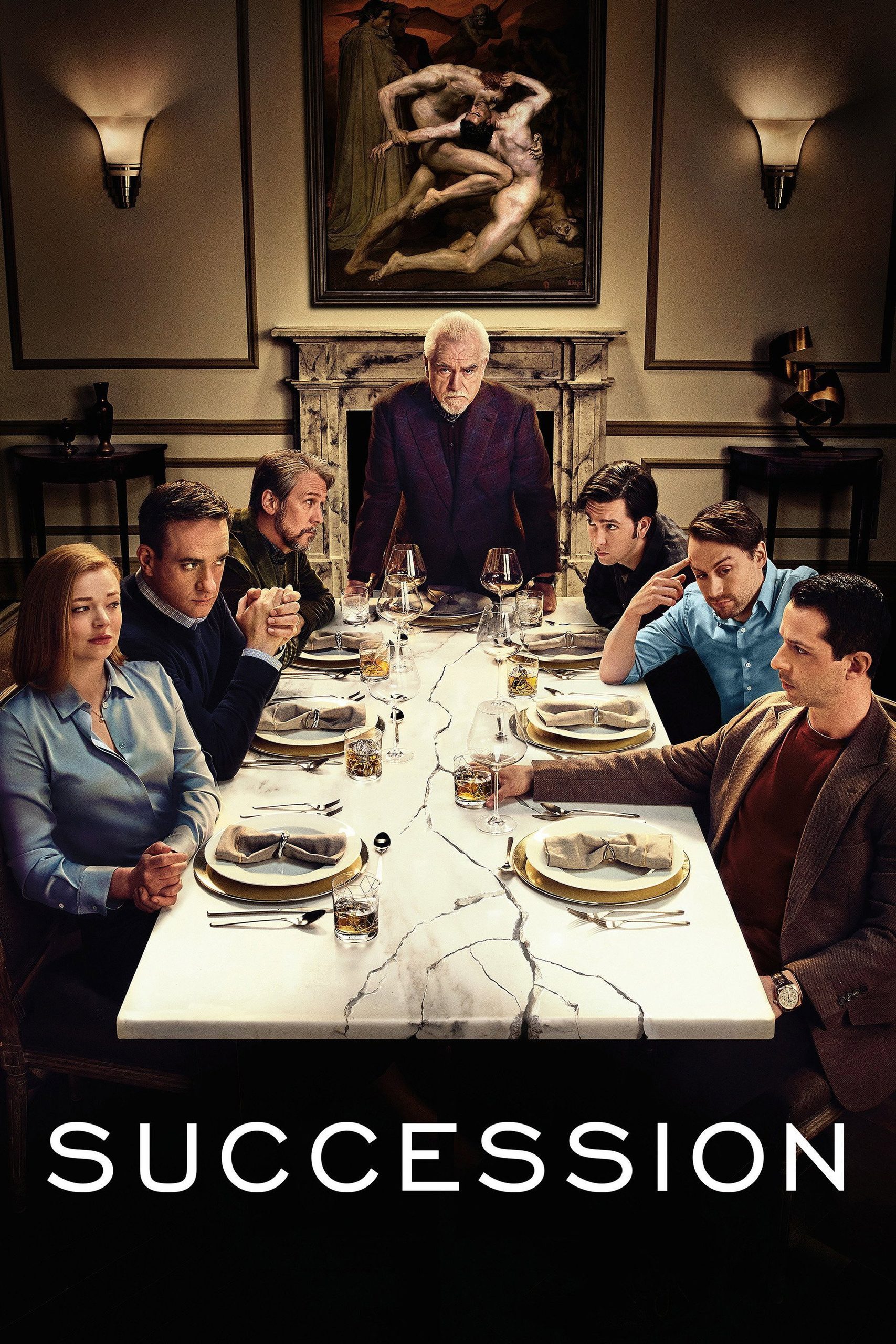
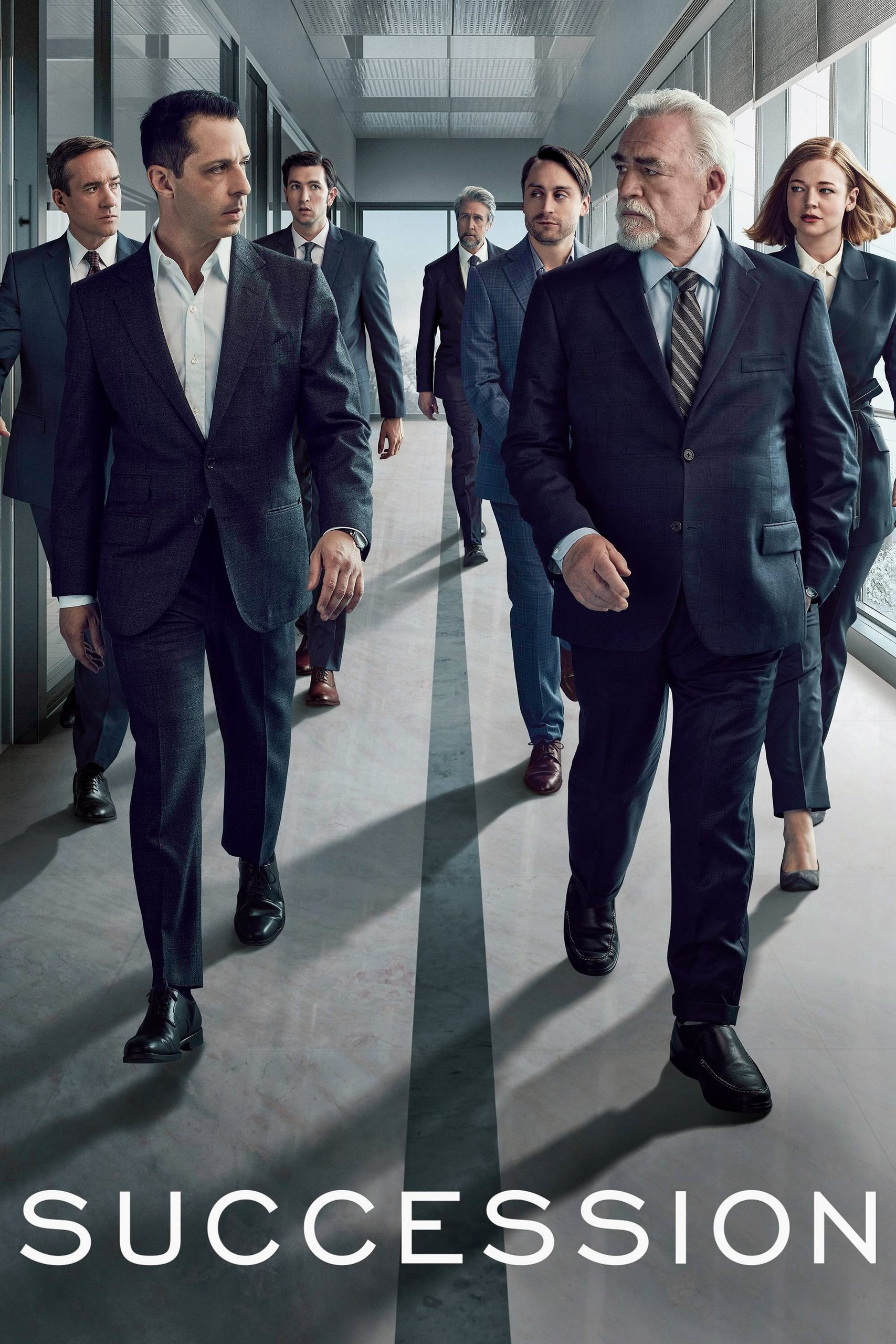
Jesse Armstrong’s four-season comedy about a media dynasty fighting over the chair is as well written and acted as any drama we have seen. It is slow to trust you, it repeats itself, and it never asks you to like anyone. We recommend it anyway.
Logan Roy has built a company that owns news channels and theme parks, and he has four children, none of whom he thinks can run it. That is the whole of Succession, and Jesse Armstrong spends four seasons and 39 episodes on it without running out of ways for the Roys to hurt each other. It is a comedy in the way Peep Show, which Armstrong co-wrote, is a comedy: the jokes are what people say to avoid admitting what they want. We recommend it as strongly as we recommend anything made for television.
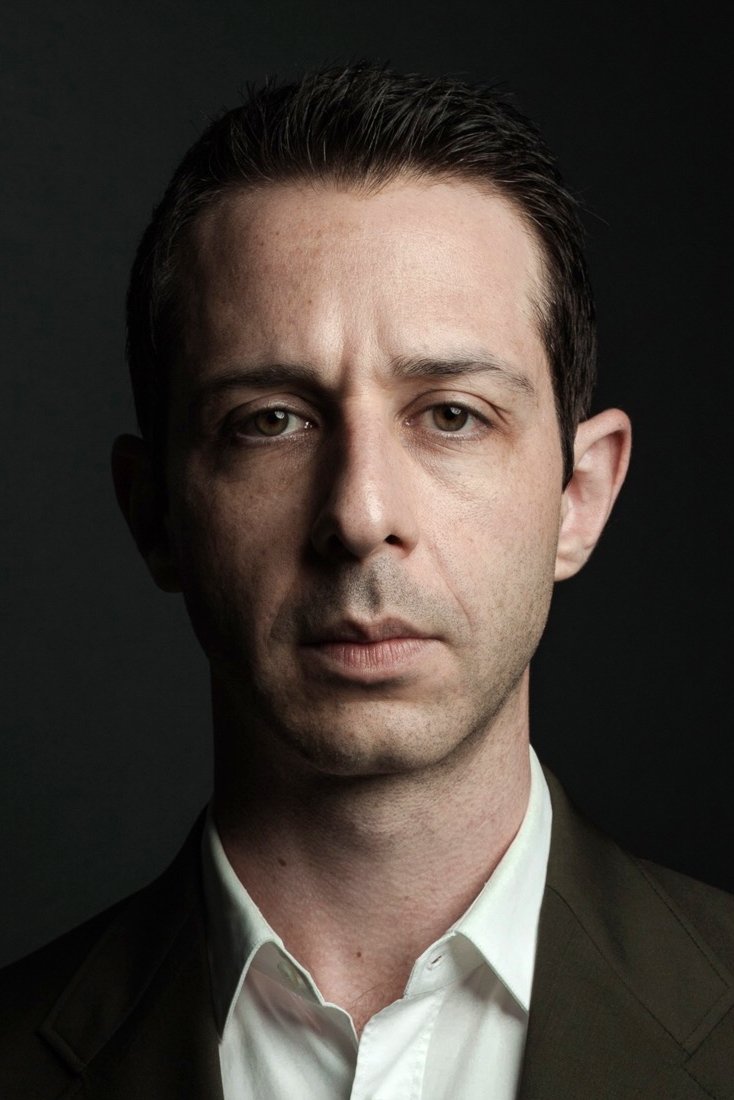
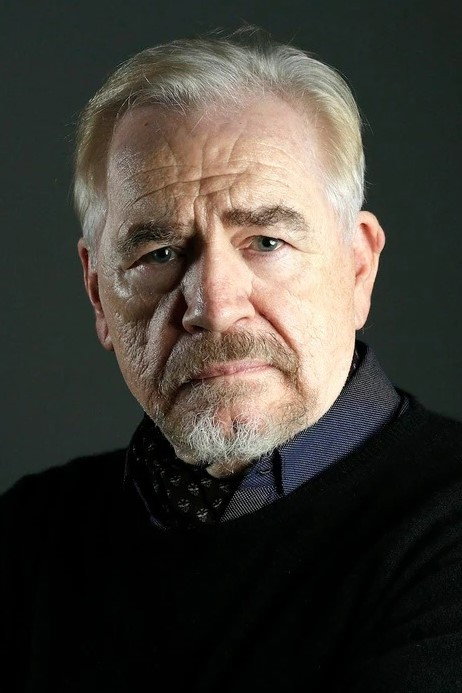
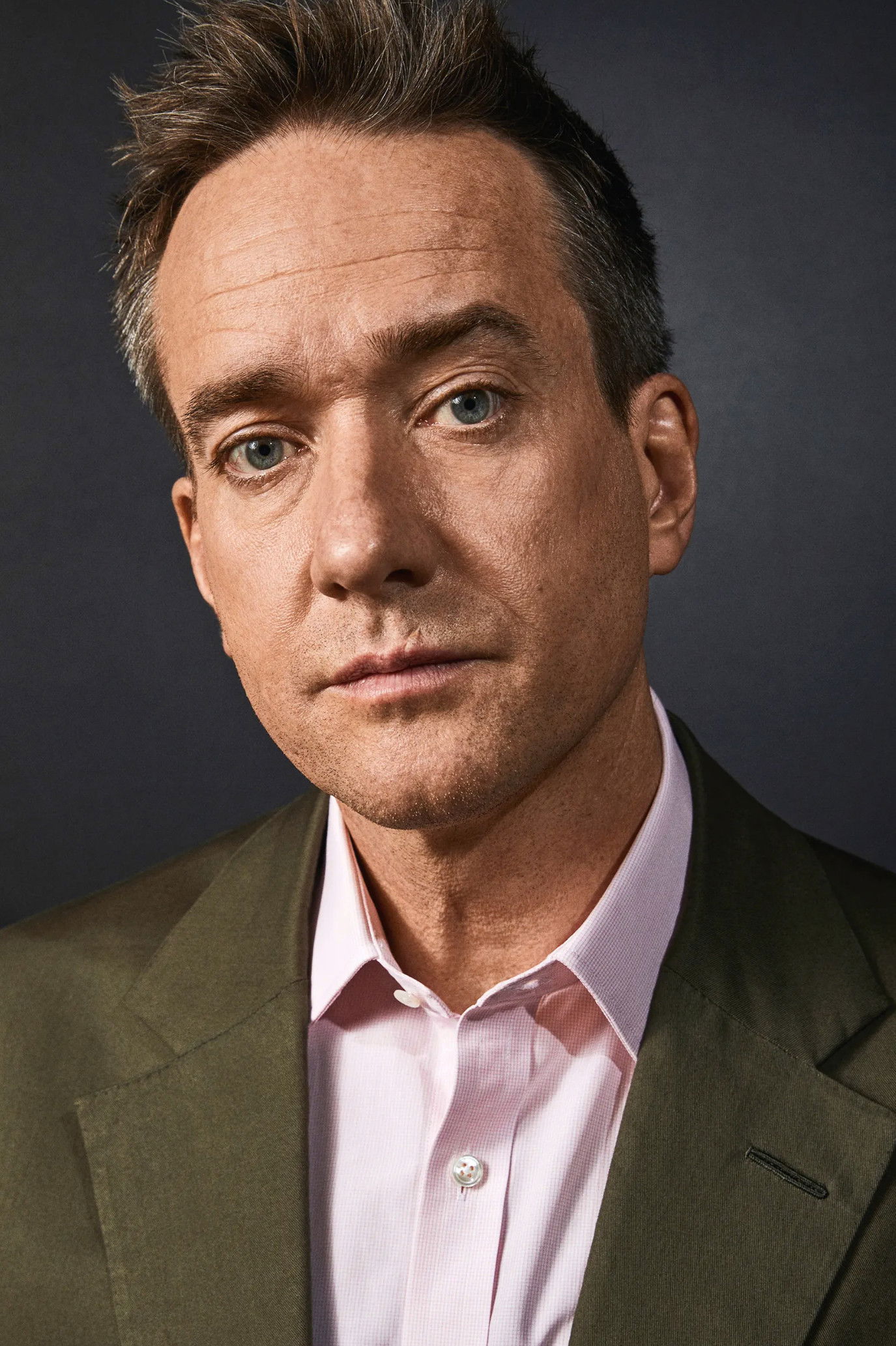
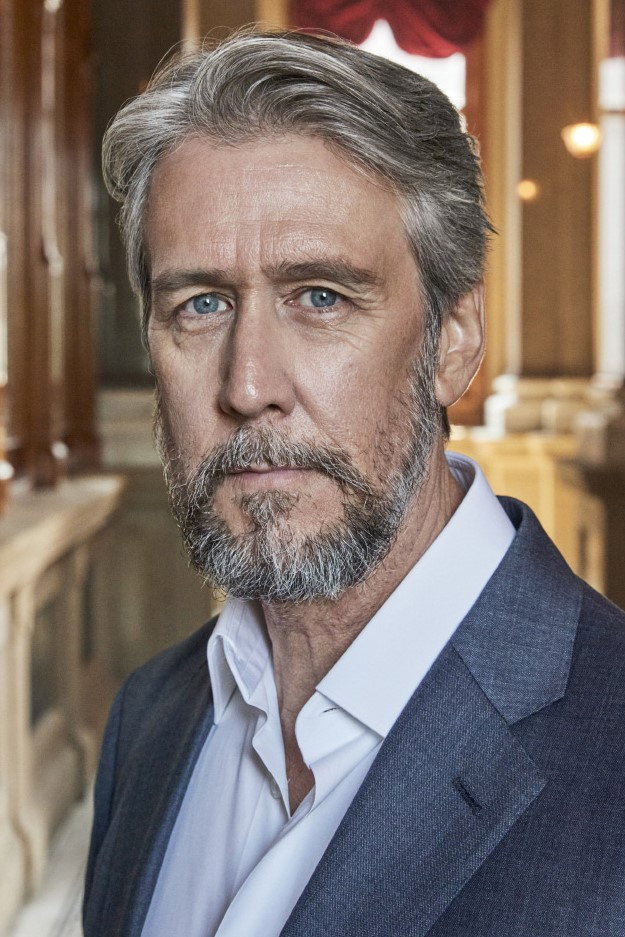
The cast is the reason to start. Brian Cox plays Logan as a man who barely speaks and terrifies everyone by looking at them a beat too long. Jeremy Strong’s Kendall wants the job and wants his father’s approval and has been told all his life that they are the same thing. Kieran Culkin’s Roman talks constantly so that nobody notices he has said nothing. Sarah Snook’s Shiv believes she is the one who got out, and Alan Ruck’s Connor knows he was never in. Matthew Macfadyen’s Tom is polite to everyone above him and appalling to everyone below, which means Nicholas Braun’s Greg, and their scenes together are the funniest and, later, the most frightening thing in the show.
Andrij Parekh, Patrick Capone, Christopher Norr and Katelin Arizmendi shoot it handheld, and the camera pushes in on a face half a second after the person has finished speaking, as though it has caught them checking whether the lie landed. Stephen H. Carter and Kevin Thompson’s production design puts the Roys in rooms nobody chose: hotel suites, glass offices, the back seat of a car, a yacht. Michelle Matland, Catherine George and Laura Popovic dress the men in suits so plain you would need to be rich to know what they cost, and keep Greg in a jacket that does not fit for longer than a kinder show would.
Nicholas Britell’s theme sets a formal piano and strings over a drum beat that drags slightly behind them, and the effect is of money that is not quite well. The ten credited editors, Ken Eluto and William Henry among them, cut to the person who has just lost an exchange rather than the one who won it, so a scene about margins plays as a run of small humiliations. Mark Mylod directs a good deal of it; Adam McKay directed the first episode, and the writers Armstrong gathered include Lucy Prebble, Tony Roche, Georgia Pritchett and Jon Brown.
The scene that decided it for us comes in that first episode, at a family softball game. Roman offers the groundskeeper’s son a million dollars if he can hit a home run, and the whole family stops to watch. We laughed at the offer. The boy runs, falls short, and Roman tears up the cheque in front of him, and we stopped laughing, because Culkin plays it as a man puzzled that anyone could be upset. Nobody in the family says a word. The joke and the cruelty are the same event.
Now the caveats. It is slow to come round. The first three or four episodes are chilly and pleased with themselves, and the show has not yet worked out that Tom and Greg are the way in for anyone who does not care about boardrooms. Then the plot repeats. A child makes a move, Logan crushes it, a season ends; a child makes a move. Last, the show is comfortable in these rooms. It despises the Roys and loves their helicopters, and it rarely cuts to anyone their decisions land on for more than a scene. Some critics found the mix of satire and family drama uneasy; we think the unease is deliberate, and it is why the consensus sits lower than we do.
It is a 15, almost entirely for the language, which is inventive enough that we would not want it any other way. Watch it two episodes at a time and no more. Any longer and you start to talk like them, which is funnier in the evening than the next morning.