Danny Strong’s eight-part account of how OxyContin took a Virginia mining town has, in Michael Keaton and Kaitlyn Dever, two performances that could carry it alone. It insists on carrying everything else too, and the weight of lawyers and timelines drags it down.
Danny Strong’s eight-part series, written with Beth Macy, whose book it comes from, tells the story of OxyContin from four directions at once. There is the Connecticut boardroom where Richard Sackler (Michael Stuhlbarg) wants Purdue Pharma to have a painkiller that will make his family richer than it already is. There is the Virginia mining town where the pills arrive in 1996. There is the sales force that carries them there, and, years later, the two federal prosecutors and the drug enforcement agent trying to prove what everyone by then already knows. When the series stays in the mining town it is close to excellent. The rest is there to make sure we have understood, and we had.
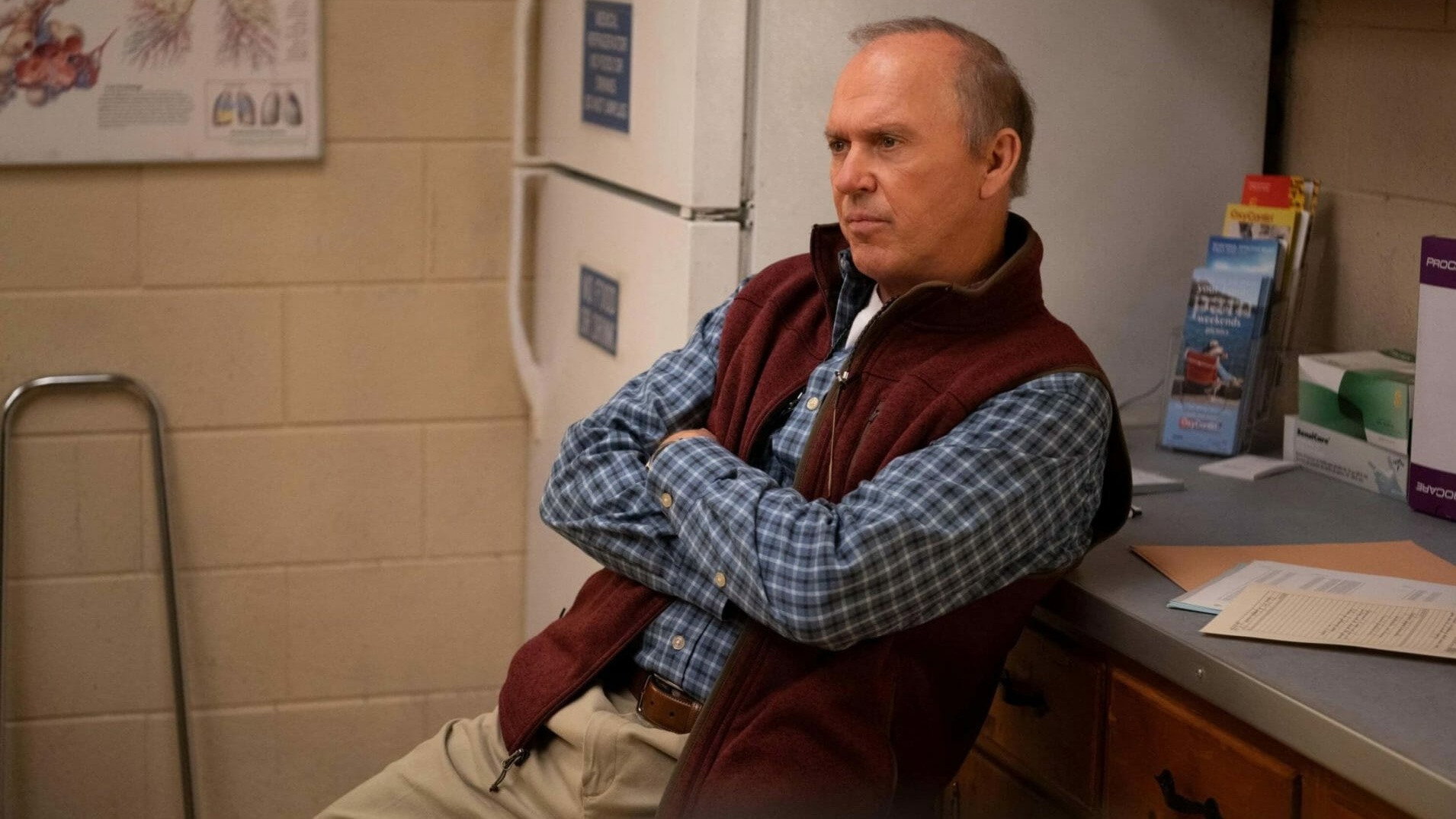
Michael Keaton plays Samuel Finnix, the town’s only doctor, a widower who knows every patient’s mother and believes a young man in a suit when he says the new pill is barely addictive. Keaton does almost nothing, which is the point: he listens, he frowns at a leaflet, he writes the prescription because his patient is in pain and the leaflet says it is fine. Kaitlyn Dever plays Betsy Mallum, who hurts her back underground and is handed the pill so she can go back down the mine. There is a scene early on where she tells Finnix the tablet wears off after eight hours, not the twelve on the box, and he goes back to the leaflet and reads it again, and Keaton’s face makes the whole of the series’ case in about four seconds. We watched Dever count out pills at a kitchen table and realised we had gone quiet on the sofa; it is the smallest scene in the eight hours and the one we thought about afterwards.
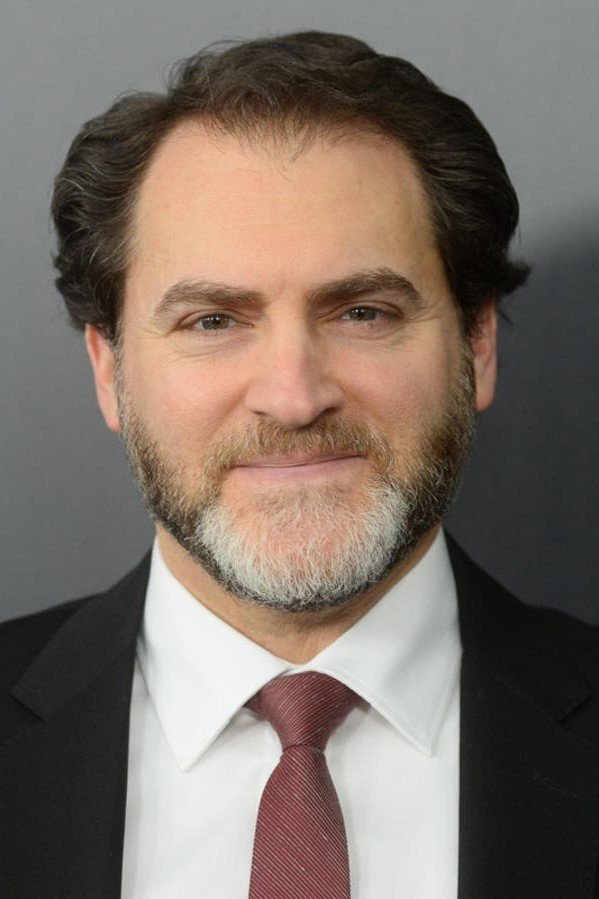
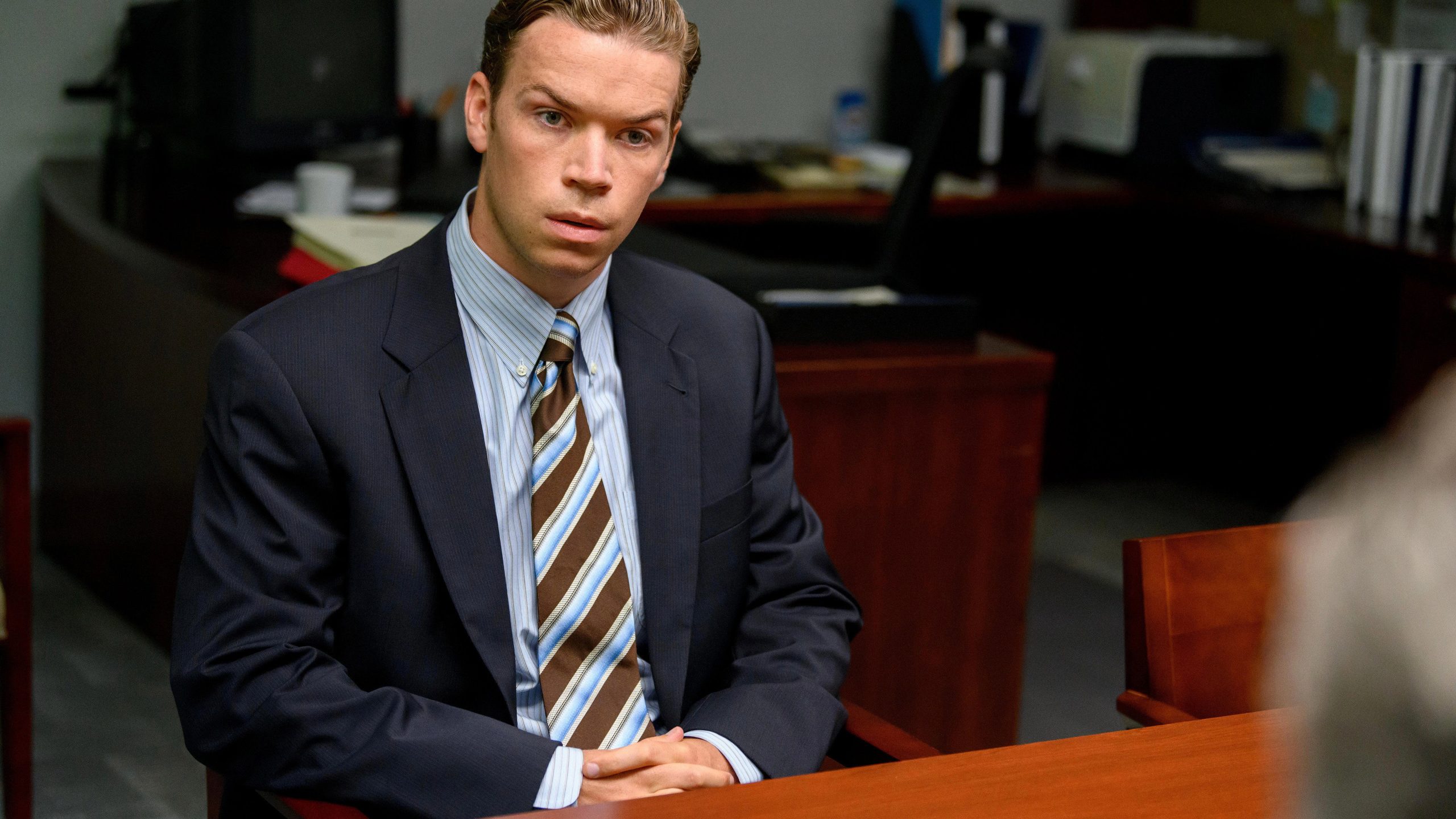
Around them the writing is broader. Stuhlbarg gives Sackler a soft voice and a stillness that is properly unsettling, a man who talks about a painkiller the way other men talk about salvation, and he is good enough to survive lines that occasionally make him sound like the villain in a boardroom thriller. Will Poulter’s Billy Cutler, the rep who works Finnix’s surgery, is the series’ best idea: a decent, ambitious young man who wants to be good at his job and is taught, at conferences Neil Spisak dresses in banners and buffet tables, to say “less than one per cent” without asking where the figure came from. Michele Michel puts the reps in sharp suits and the town in flannel and work boots, so you can tell at a glance who is selling and who is buying.
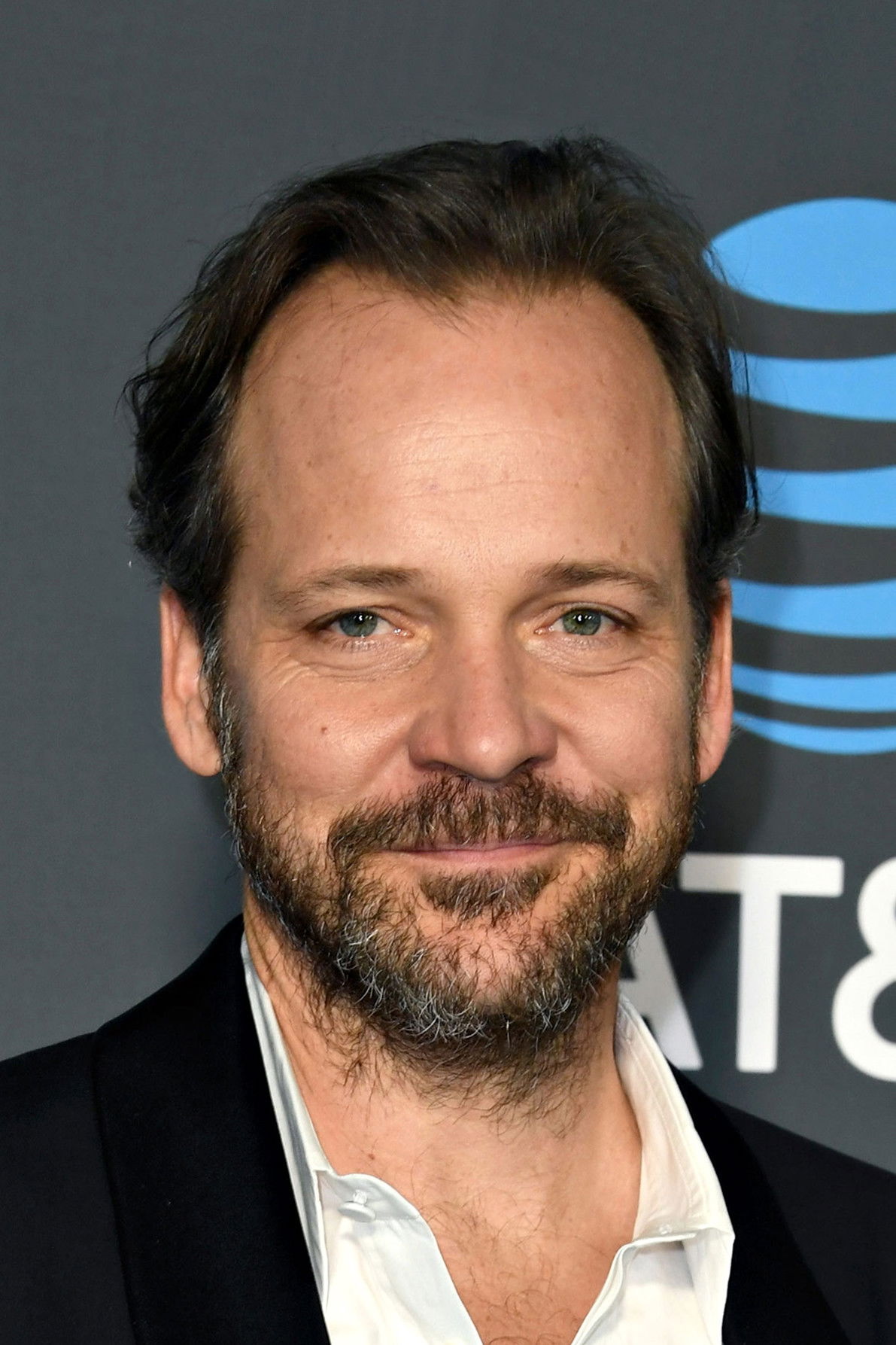
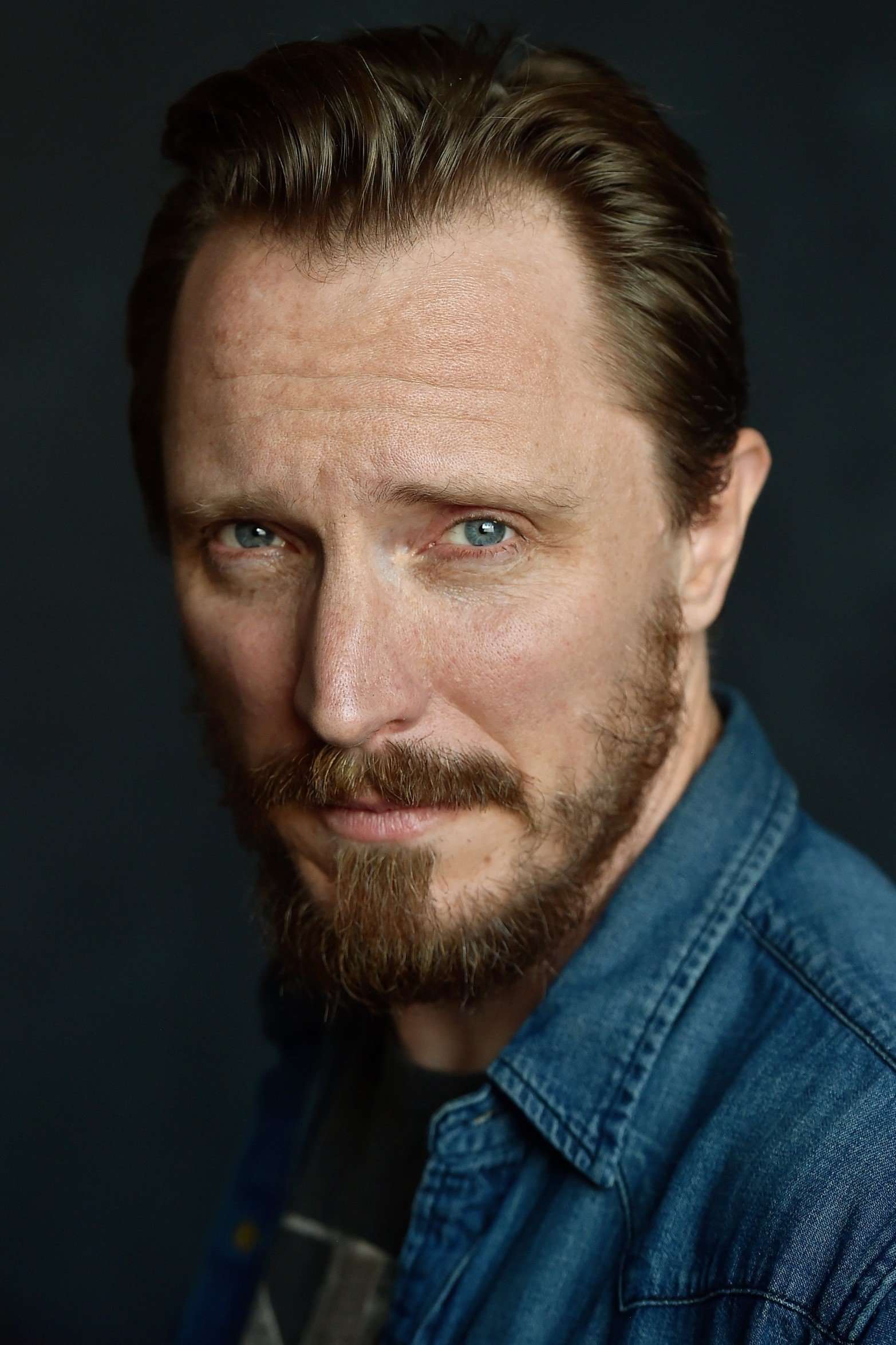
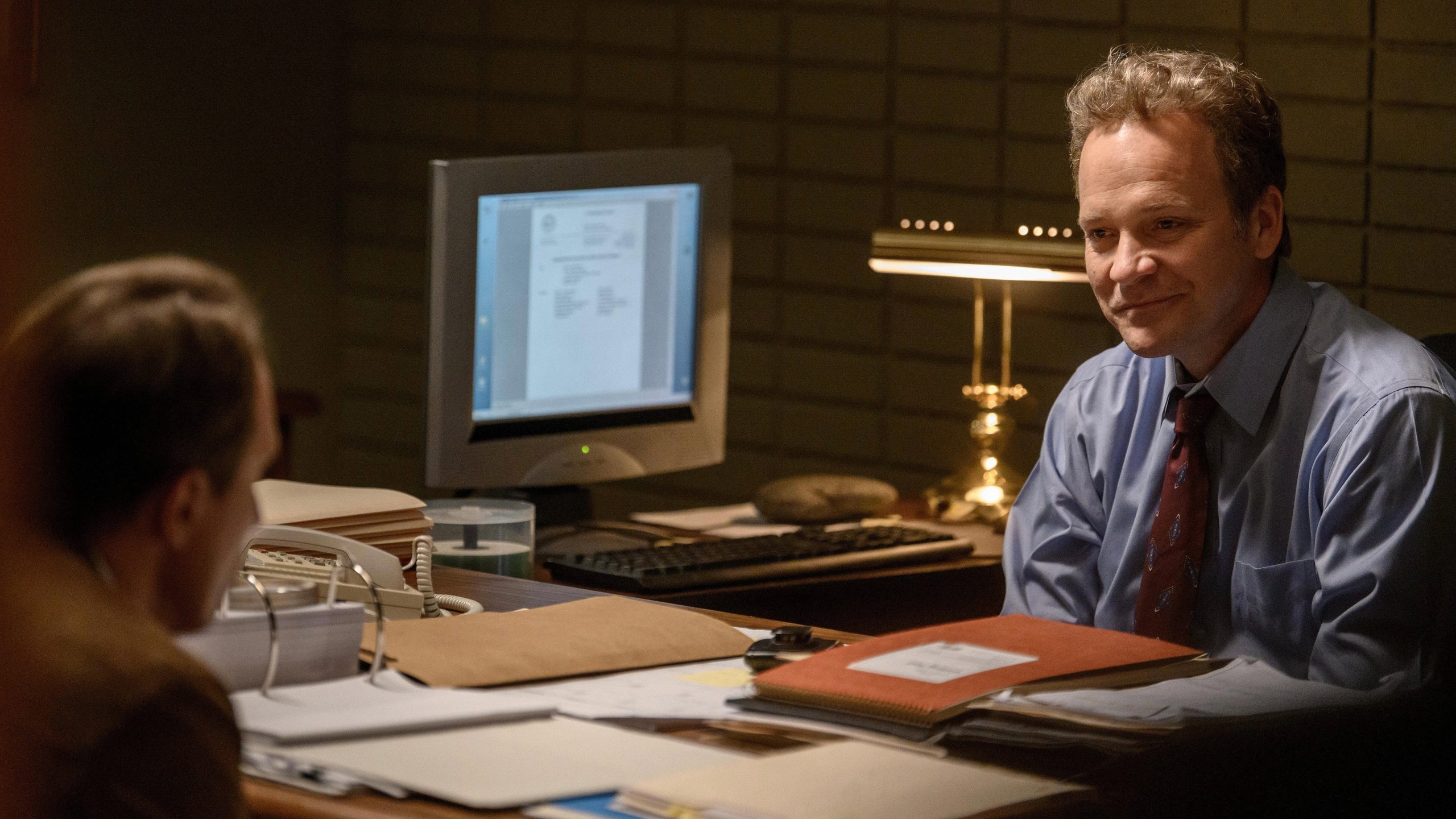
Then there are the lawyers. Peter Sarsgaard and John Hoogenakker play Rick Mountcastle and Randy Ramseyer, prosecutors in a small federal office in western Virginia, and Rosario Dawson plays Bridget Meyer, the drug enforcement agent fighting the regulator as hard as the company. All three are perfectly good. Their scenes, though, are mostly people reading documents aloud to one another and looking appalled, and there are a great many of them, because the series has decided that every fact in Macy’s book needs a scene.
The structure makes this worse. A caption says 1996, then 2002, then 2005, then 1999, sometimes within the same ten minutes, and for the first two episodes it works as a frame: we see the harm and then the sale that caused it. By the fourth we were counting captions instead of watching faces. The four directors, Barry Levinson, Michael Cuesta, Patricia Riggen and Strong himself, keep a consistent look, with Checco Varese shooting the town under flat grey skies against green hills and Purdue in cold glass and polished wood. Lorne Balfe’s score is low strings, held under nearly everything and pushed up whenever a point is being made. A point is often being made.
Against the standard Chernobyl (2019) set for this kind of series, one disaster told plainly and in order, Dopesick looks nervous. It does not trust that Finnix and Betsy would be enough, and they would have been. Watch it for them, and for Poulter, and let the prosecutors wash over you. You will come away angry about the twelve-hour claim and the one per cent line, and you will have been told about each of them roughly three times. It carries a 15 certificate, and the second half takes turns in the town that we will not describe.