Film review

Winter's Bone

2010 · Directed by Debra Granik · 1h 41m · MPA R

In a sentenceJennifer Lawrence looks as though solving a mystery is just one more job nobody else will do

DramaMystery

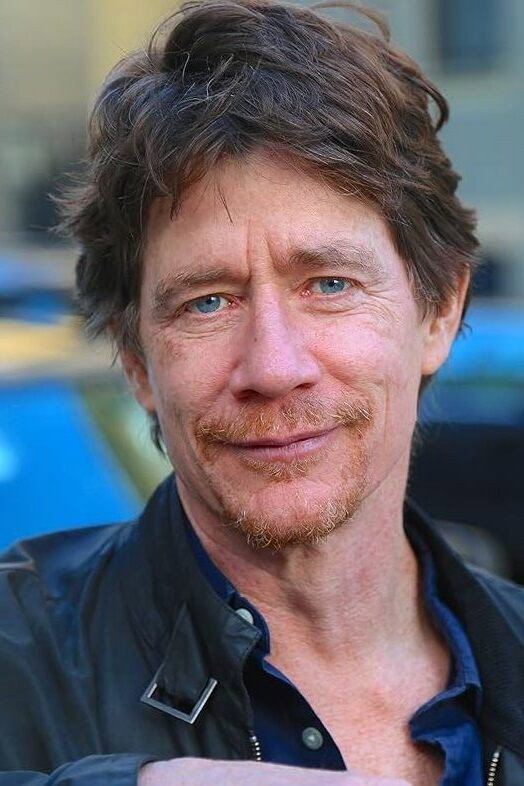
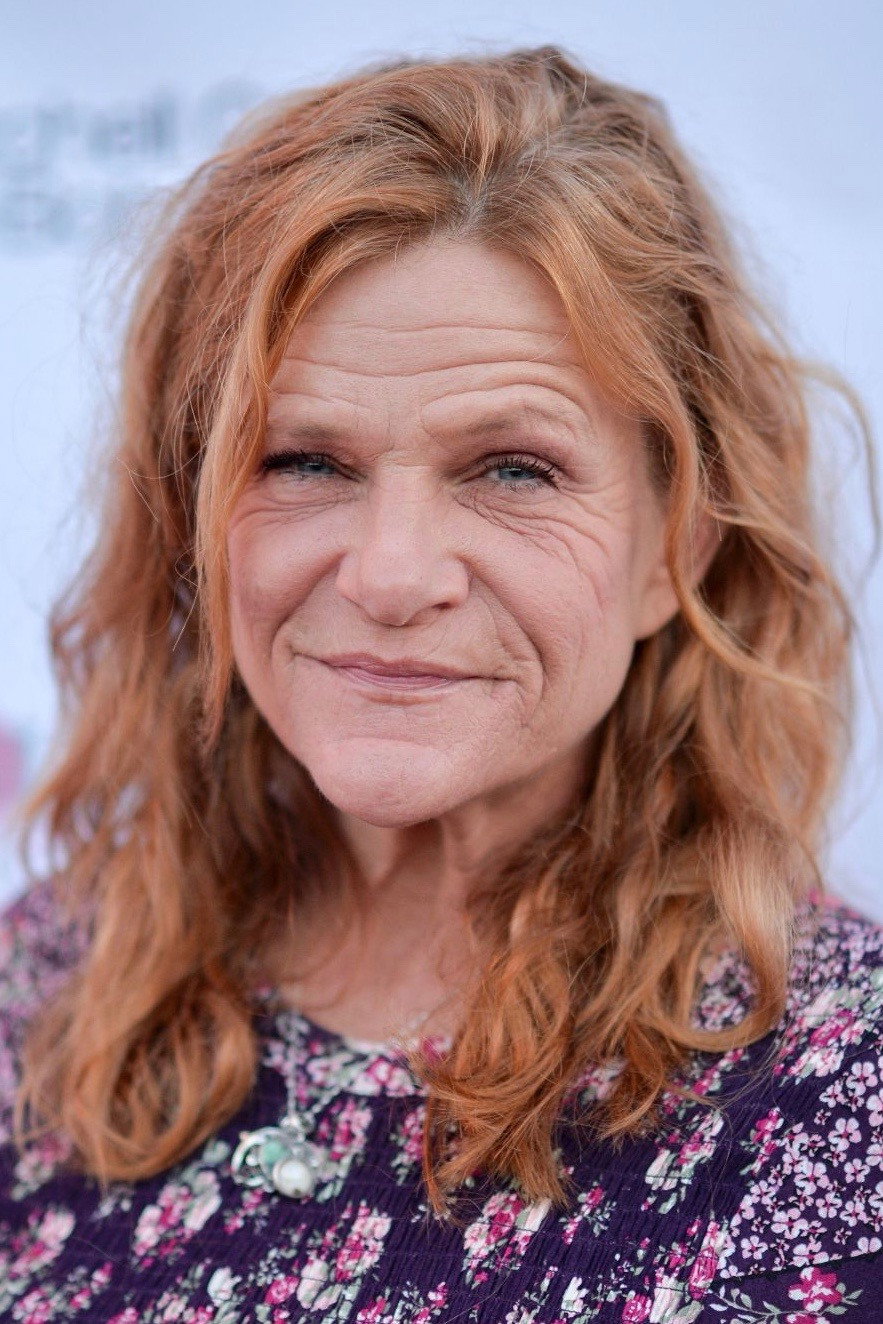
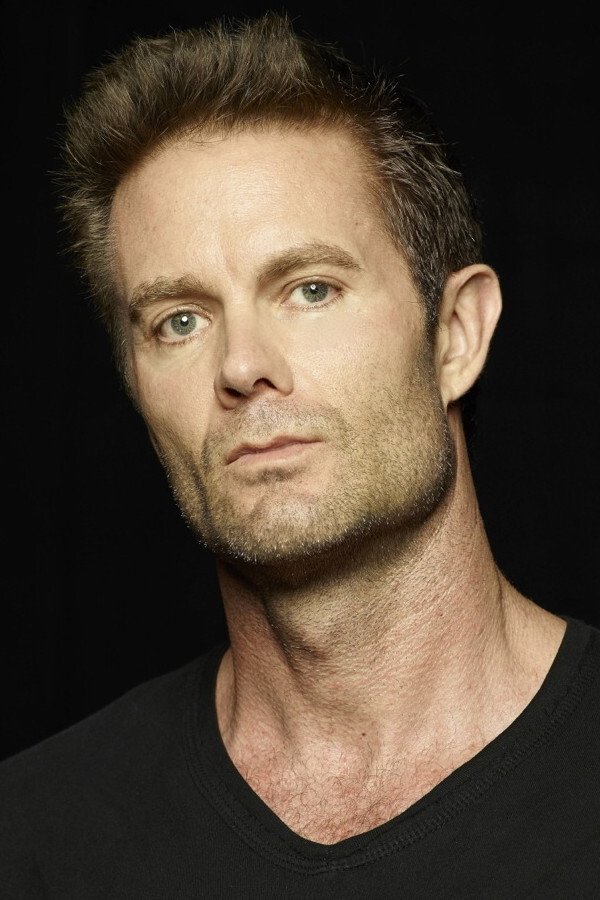
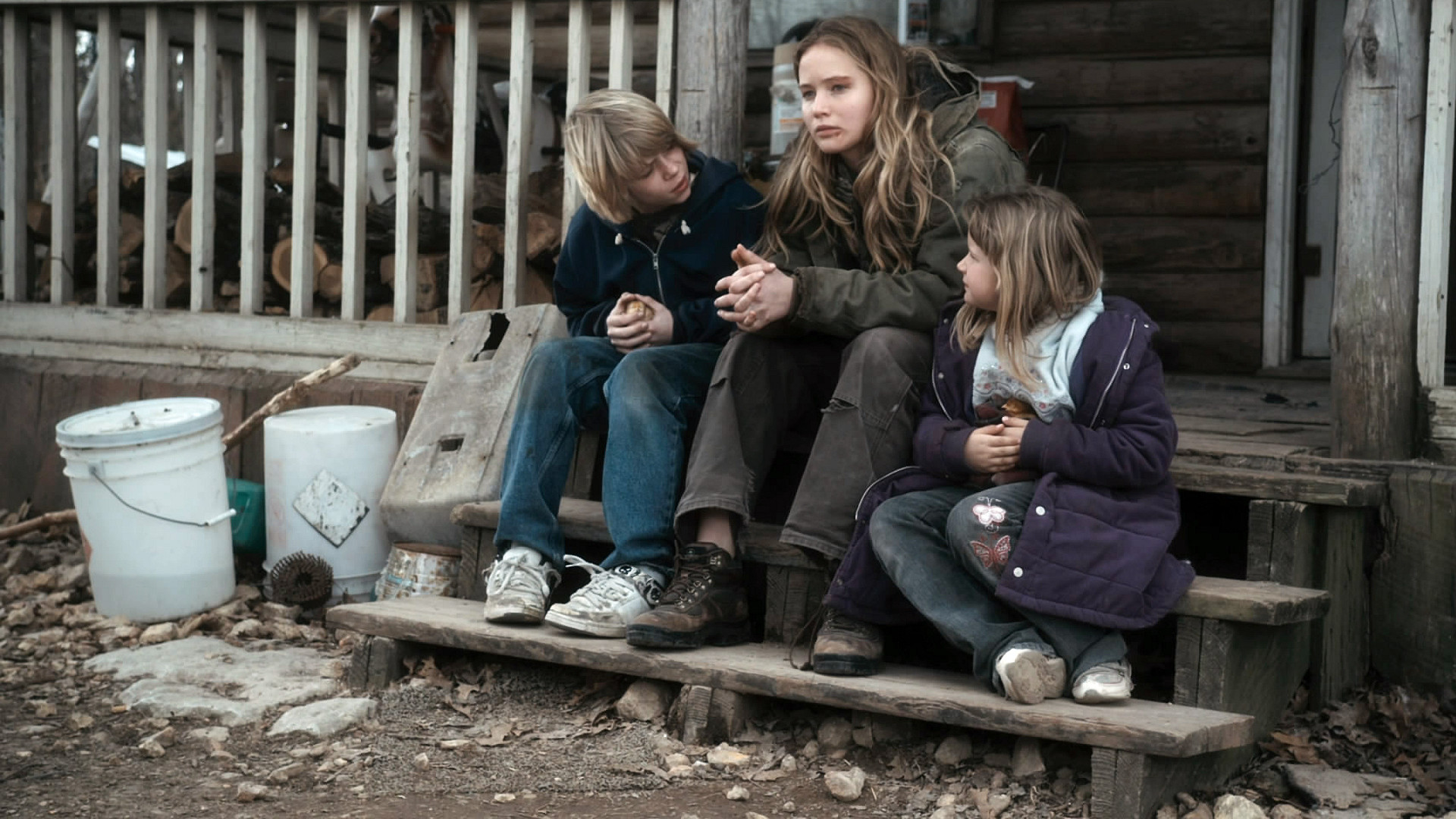
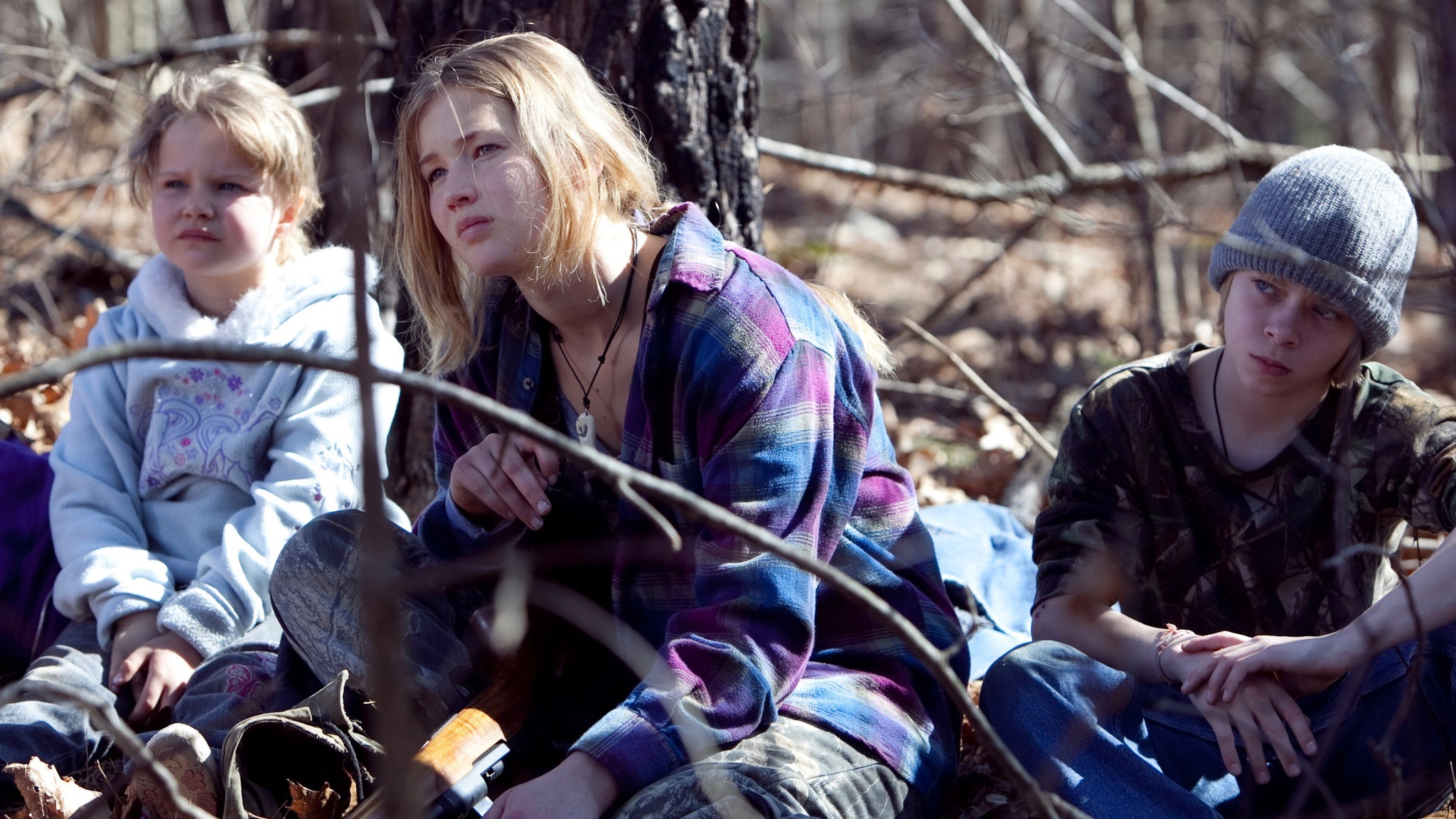
Ree Dolly (Jennifer Lawrence) is a teenager searching for her missing father in the Ozarks. Around her, poverty and family loyalty shape a community where asking questions brings her up against customs she is expected to obey. Her uncle Teardrop (John Hawkes) belongs to that world, and Ree presses for answers without knowing whom she can trust. Debra Granik directs this adaptation of Daniel Woodrell’s novel, with Dale Dickey as Merab and Garret Dillahunt as Sheriff Baskin. The search tests Ree’s determination to discover what has happened to her father.

Plays from YouTube when you press play; nothing loads from them until then.

Fi1m review

Debra Granik’s Ozarks mystery is tense, closely observed and anchored by Jennifer Lawrence. Ree can seem too consistently admirable, but the performances and patient attention to place make this a film we recommend warmly.

Debra Granik’s Winter’s Bone is a tense, persuasive mystery that deserves attention even from those usually put off by such unrelieved hardship. Ree Dolly’s search for her missing father takes her through an impoverished Ozarks community where family loyalty makes asking questions dangerous. Granik and co-writer Anne Rosellini adapt Daniel Woodrell’s novel with a useful sense of proportion: the search matters, but so does the business of living among these people. The danger feels convincing because we have time to consider what speaking freely might cost them.

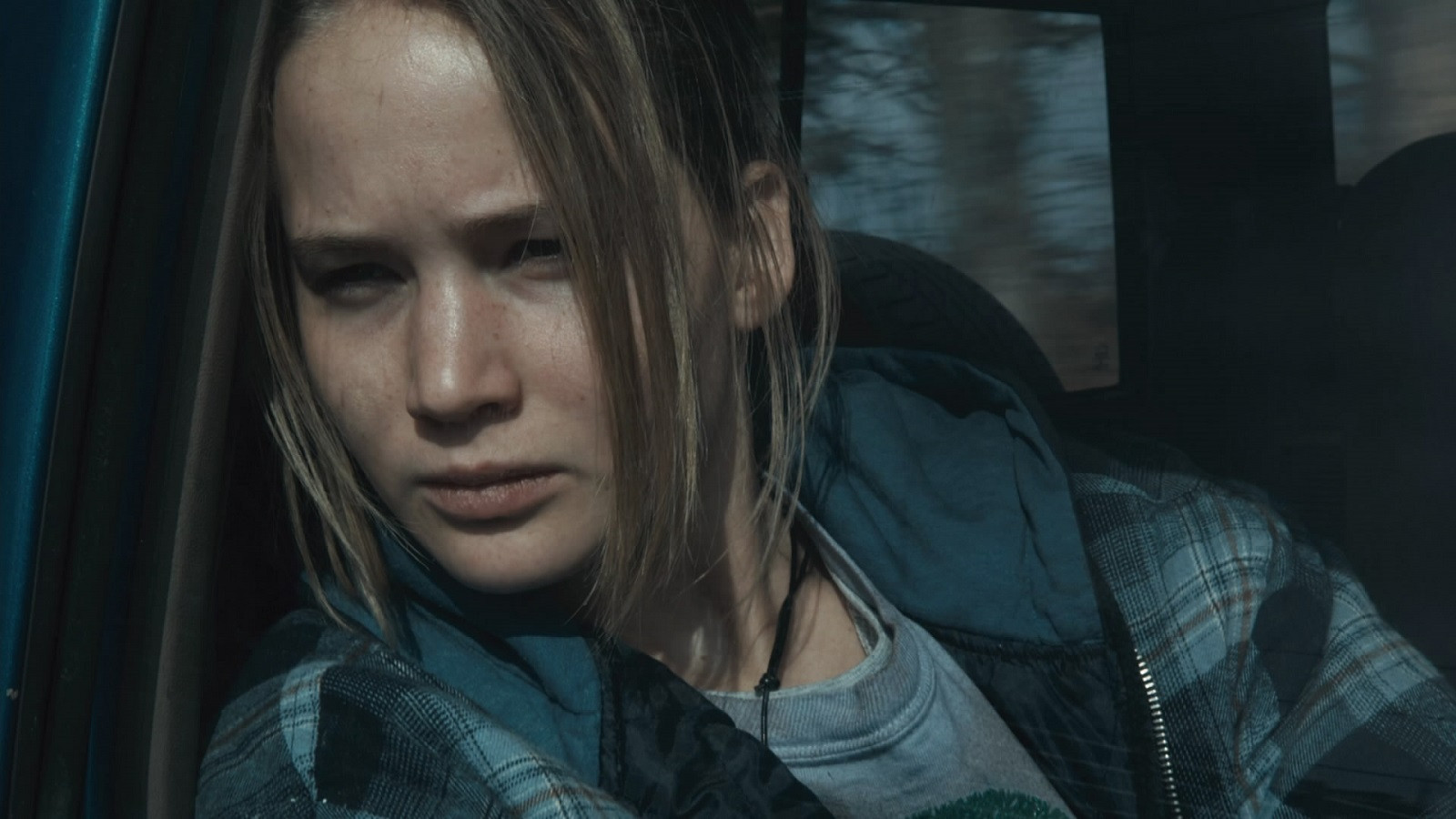
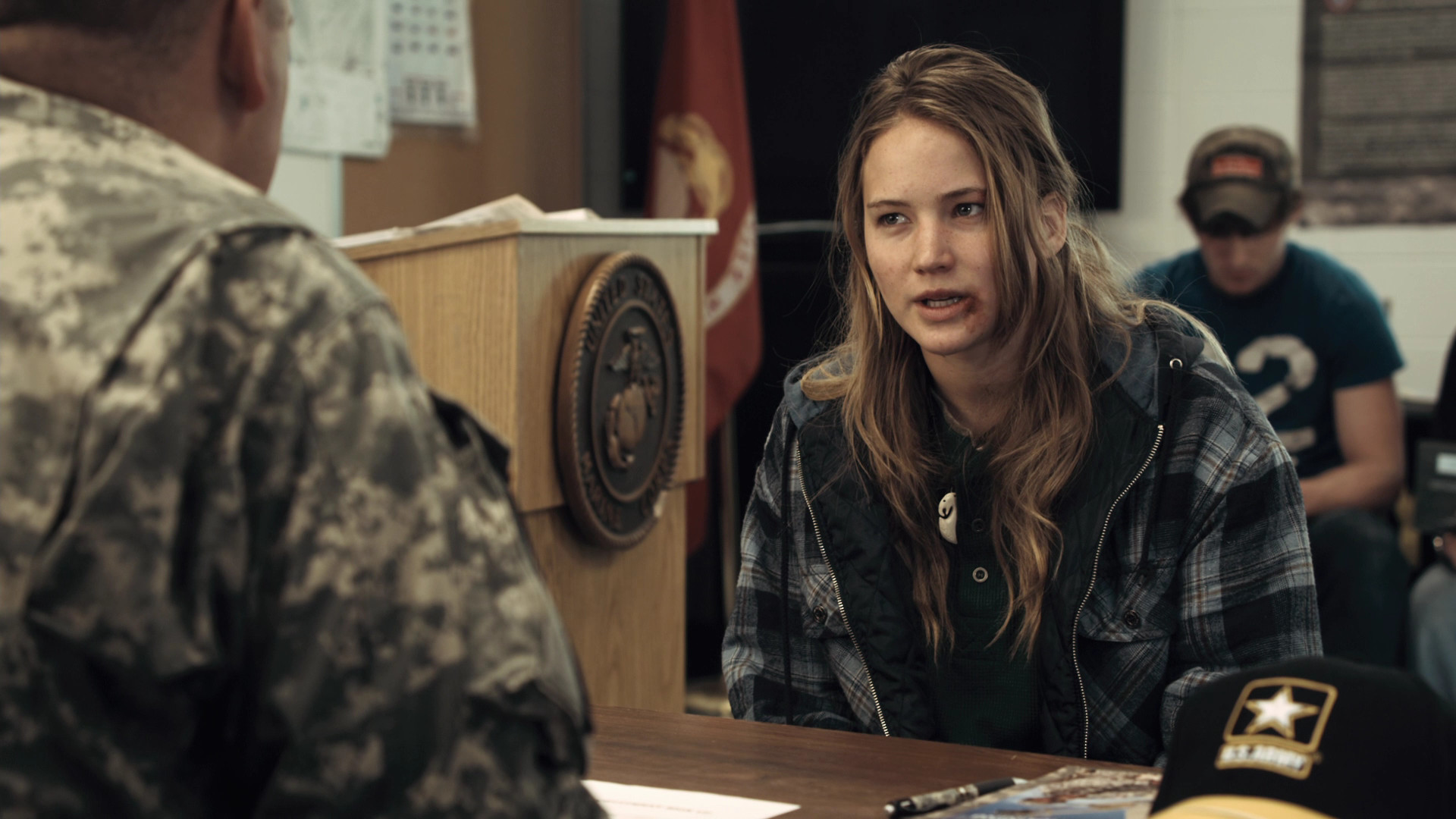
Jennifer Lawrence makes Ree’s determination believable without making it look easy. Her performance is alert and controlled, with little sense that she is asking for applause. We felt anxious simply watching her listen. The concentration in her face suggests someone who cannot afford to misunderstand what another person means. Lawrence lets us see the effort involved in staying composed, even when the writing gives Ree too few opportunities to be anything other than resourceful.

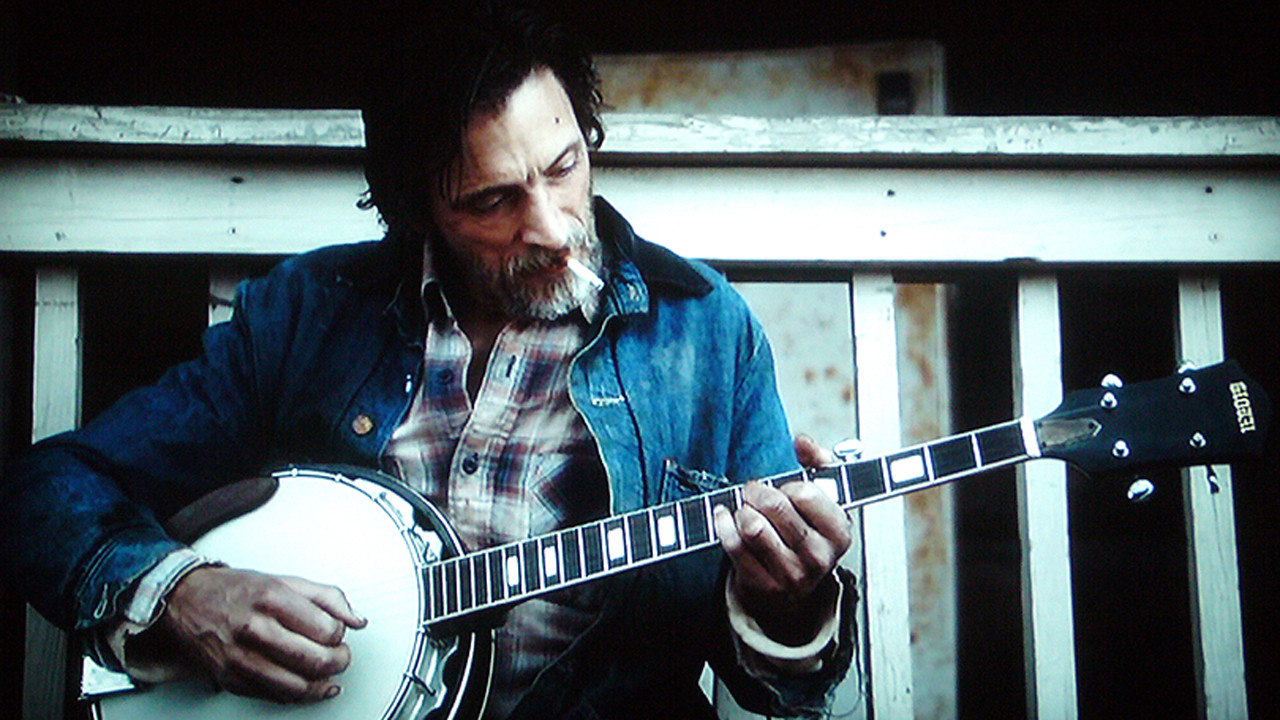
John Hawkes gives her someone difficult to read as Teardrop, Ree’s uncle. He makes a frightening figure without allowing the threat to explain everything about the man, and Lawrence has to remain attentive around him. Their scenes together loosen the film’s tendency to place Ree’s resolve at the centre of every exchange. The supporting performances help make the community feel inhabited by people with their own reasons for being wary, each with concerns that extend beyond the heroine’s search.

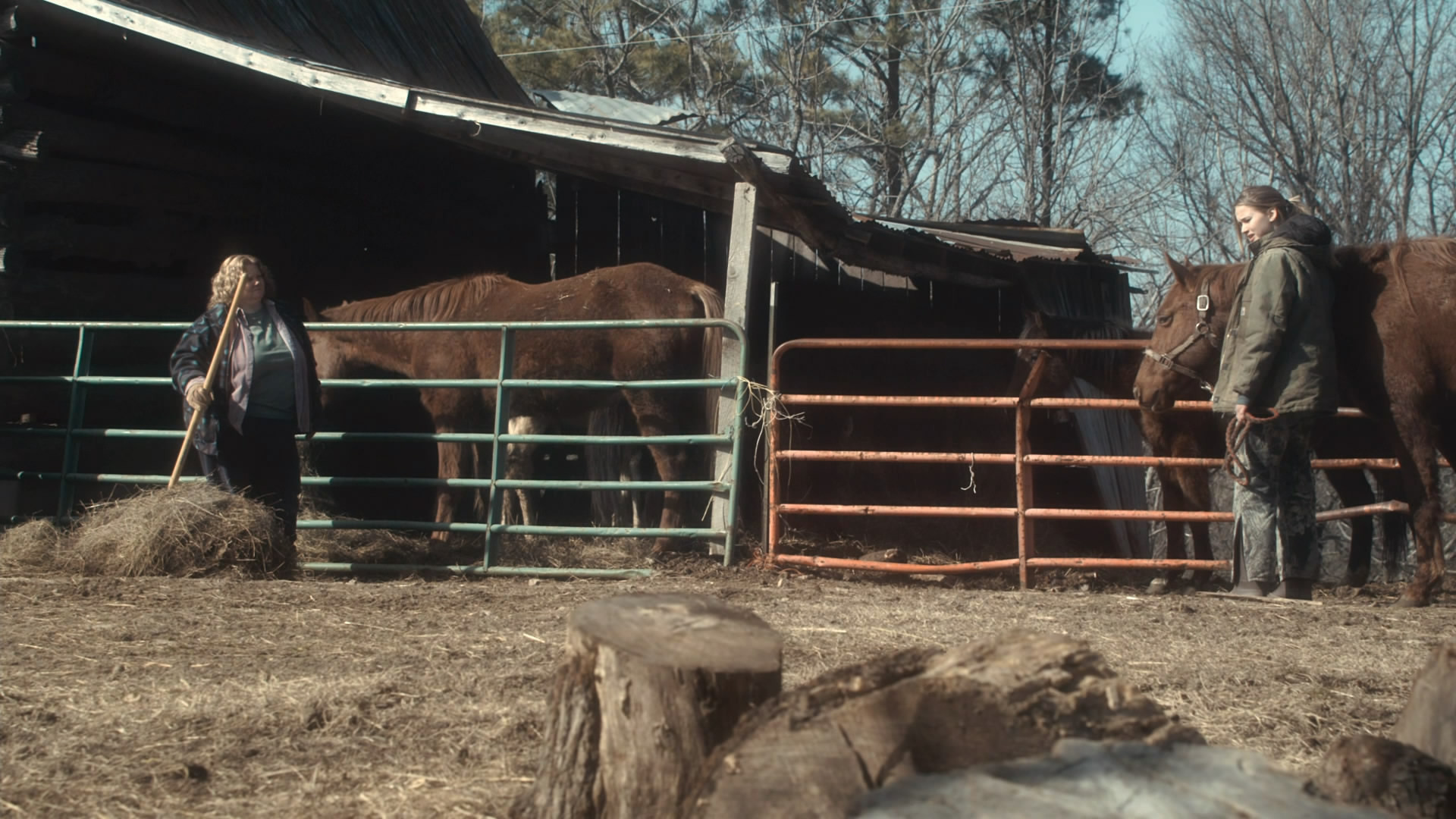
Michael McDonough’s photography gives us the worn buildings and harsh rural surroundings without making them picturesque. Mark White’s production design takes a similarly practical approach: the dilapidation registers without making every glimpse of a building an invitation to inspect the damage. These are places in which people have to live, and the film keeps that fact in view. The attention paid to local language helps, too; people sound as though they are speaking to each other without needing to explain their community to us.

Affonso Gonçalves’s editing keeps the search comprehensible while leaving time to register the caution in an exchange. Dickon Hinchliffe’s score is effective without softening the film’s account of hardship, while the mountain music gives the place a life beyond the investigation. The music is welcome in a film where so much human contact is strained. Granik’s restraint around violence is especially valuable: the threat remains close, but she does not keep displaying suffering to prove how harsh these lives are.

The difficulty is that Granik and Rosellini sometimes make Ree’s decency too dependable. Her determination remains impressive, but there are stretches when another test tells us little we have not already learned about her. The repetition matters because the film offers so little lightness elsewhere, and the grimness can begin to feel dutiful. Lawrence prevents Ree from becoming merely exemplary, though we wanted the screenplay to allow her the untidiness it grants the people around her.

As a rural thriller, it understands how much fear can come from needing an answer that nobody wants to give. Its attention to speech and daily habits keeps that fear close to ordinary life, even as the mystery grows more pressing. The 101-minute running time is well judged, despite the stretches in which Ree’s persistence has already made its point. Give it an evening when nobody is going to talk over the quiet exchanges.

Critical consensus AI synthesised

74
Positive
5
Mixed
2
Negative
0

Most critics respond warmly to Winter’s Bone, with praise centred on Jennifer Lawrence’s determined, watchful performance and Debra Granik’s close attention to the Ozarks setting. The reviews repeatedly credit the local speech, daily habits and harsh surroundings with making the community feel convincing. Many also admire the economical storytelling: the search at its centre sustains tension while leaving space for the pressures of poverty and family loyalty.

The reservations concern how much bleakness the film can sustain, and how convincingly it draws its heroine. Screen Daily finds the rural atmosphere persuasive but the succession of hardships short on relief. The Evening Standard admires the supporting performances and mountain music while finding Ree too saintly. These are qualified responses rather than outright dismissals; the broader divide is between critics who find the austerity compelling and those who find it limits the film’s appeal.

The Independent
16 September 2010
85*

The critic praises the film's authentic portrayal of a remote, lawless Ozark community and its tense, economical storytelling. Jennifer Lawrence's resourceful lead performance and the committed sense of place are singled out as highlights.

Read the full review →
Empire
13 September 2010 · Philip Wilding
80*

The critic highlights the film's vivid adaptation of the novel, its unflinching depiction of the harsh Ozarks setting, and Jennifer Lawrence's standout, determined performance as Ree. Granik's attention to detail and the cast's gritty work are praised.

Read the full review →
Little White Lies
17 September 2010 · 4/4/4 · Georgie Hobbs
80

The critic delivers a positive verdict on this edge-of-the-seat backwoods thriller with its star-making turn from Jennifer Lawrence. They single out Granik’s nuanced attention to detail, local language and scenery for praise.

Read the full review →
Radio Times
★★★★ · Damon Wise
80

The critic gives a positive verdict on this excellent award-winning thriller set in the dilapidated shanty towns of the Ozarks. They single out Jennifer Lawrence’s superb, mature and inspiring performance for particular praise.

Read the full review →
Evening Standard
10 April 2012
60*

The review finds the film powerful with strong supporting turns and effective use of mountain music, but criticizes the central character as an overly saintly archetype. Director Debra Granik's economical visuals are noted positively.

Read the full review →
Screen Daily
31 January 2010 · festival review
55*

The critic offers a mixed-to-positive verdict on this austere and grimly realistic film, noting it gets the hardened look and foreboding feel of its rural setting just right. They single out the unrelieved march through squalor and lack of lightness as drawbacks that may limit its appeal beyond the festival circuit.

Read the full review →

Cast

Stills

Awards

Academy Awards, 2011

Nominated
Best Actress
Nominated
Best Picture
Nominated
Best Supporting Actor
Nominated
Best Writing, Adapted Screenplay

Sundance Film Festival U.S. Dramatic Grand Jury Prize Award, 2010

Won
Sundance Film Festival U.S. Dramatic Grand Jury Prize Award

The Waldo Salt Screenwriting Award, 2010

Won
The Waldo Salt Screenwriting Award

If you liked this, try…

Rosetta poster

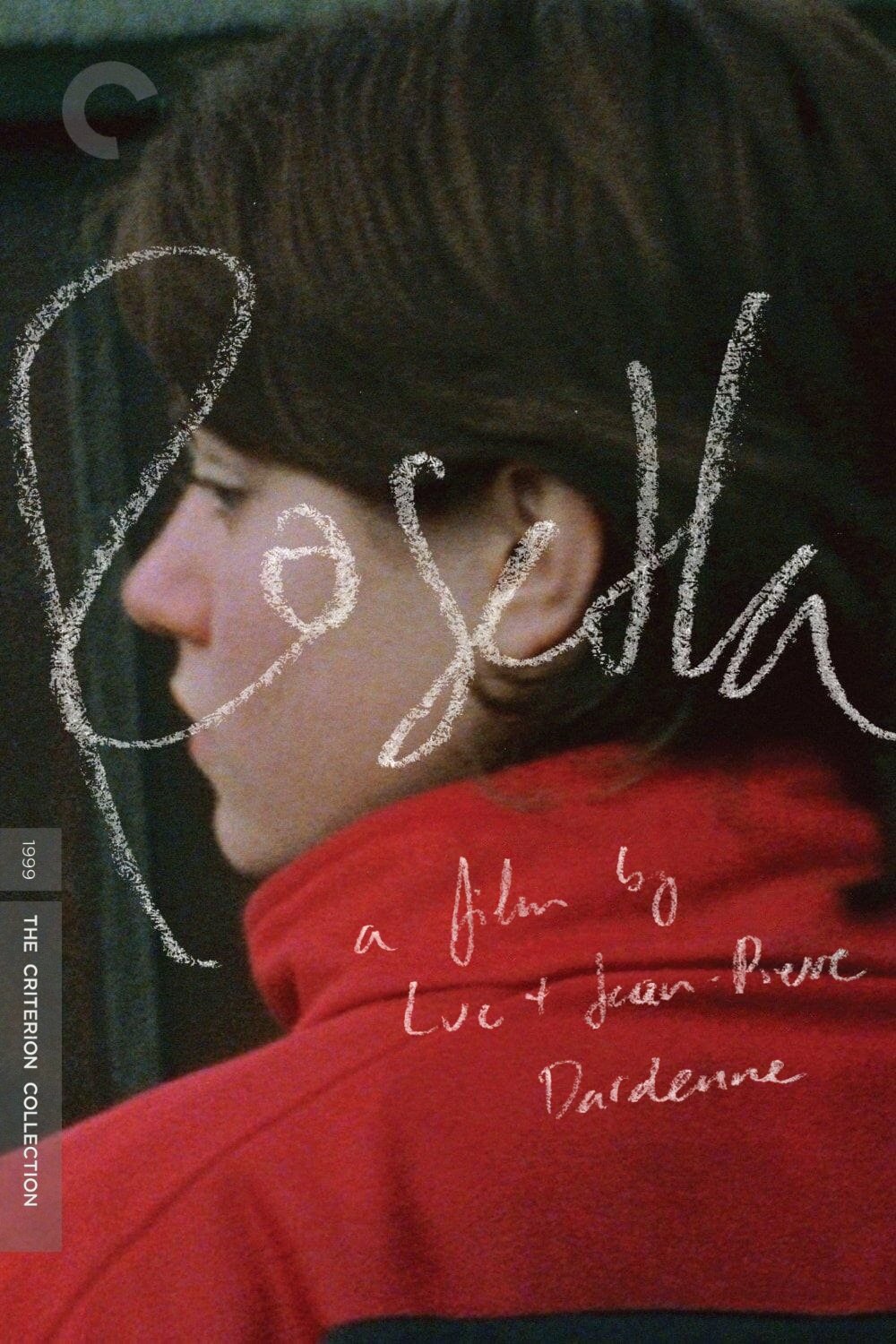
Rosetta

1999 · Another determined young woman whose daily survival makes for difficult, absorbing drama.

The Night of the Hunter poster

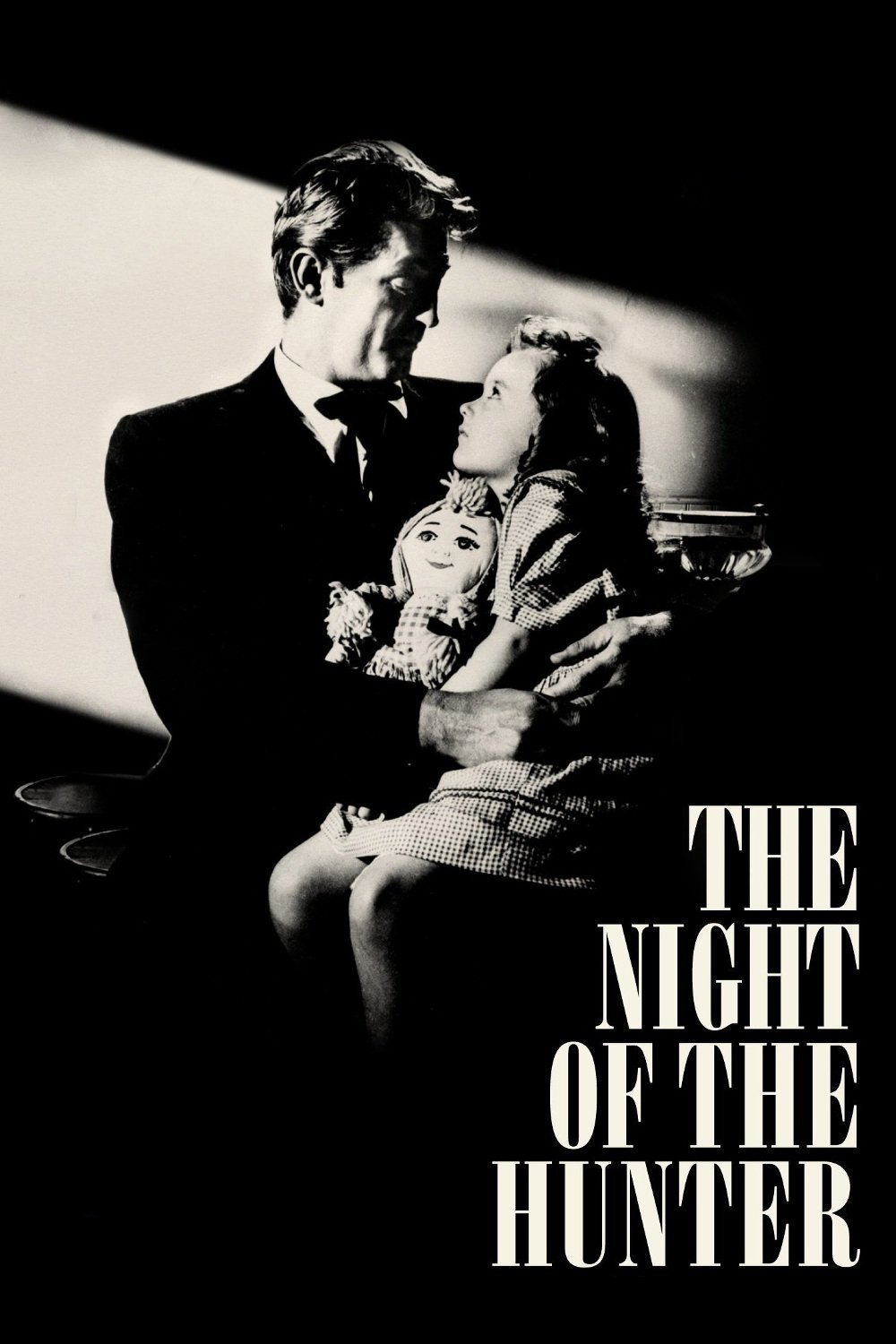
The Night of the Hunter

1955 · Rural menace and endangered children, with considerably more room for nightmare.

Frozen River poster

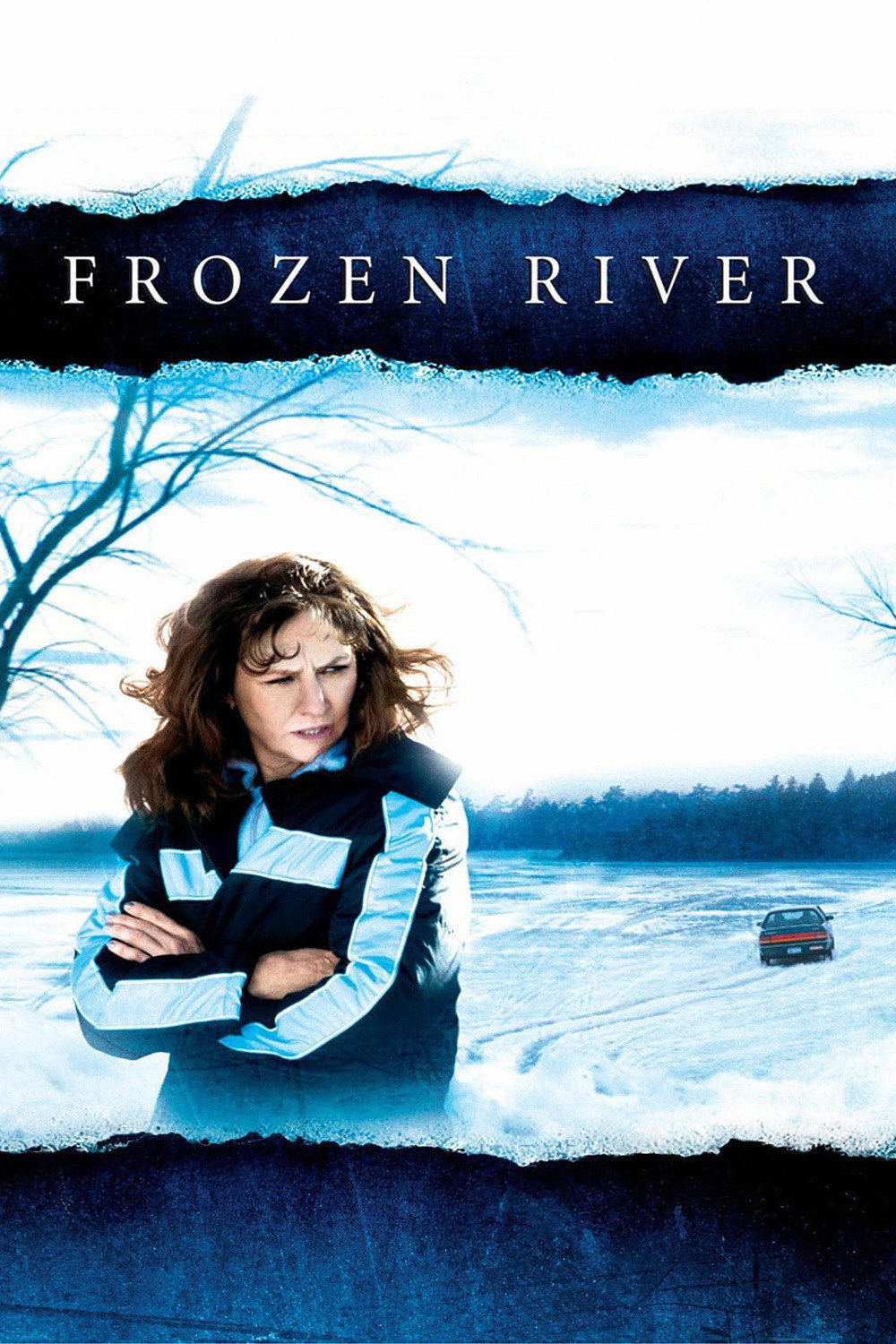
Frozen River

2008 · Economic desperation drives a crime story that pays attention to women’s work.

The Selfish Giant poster

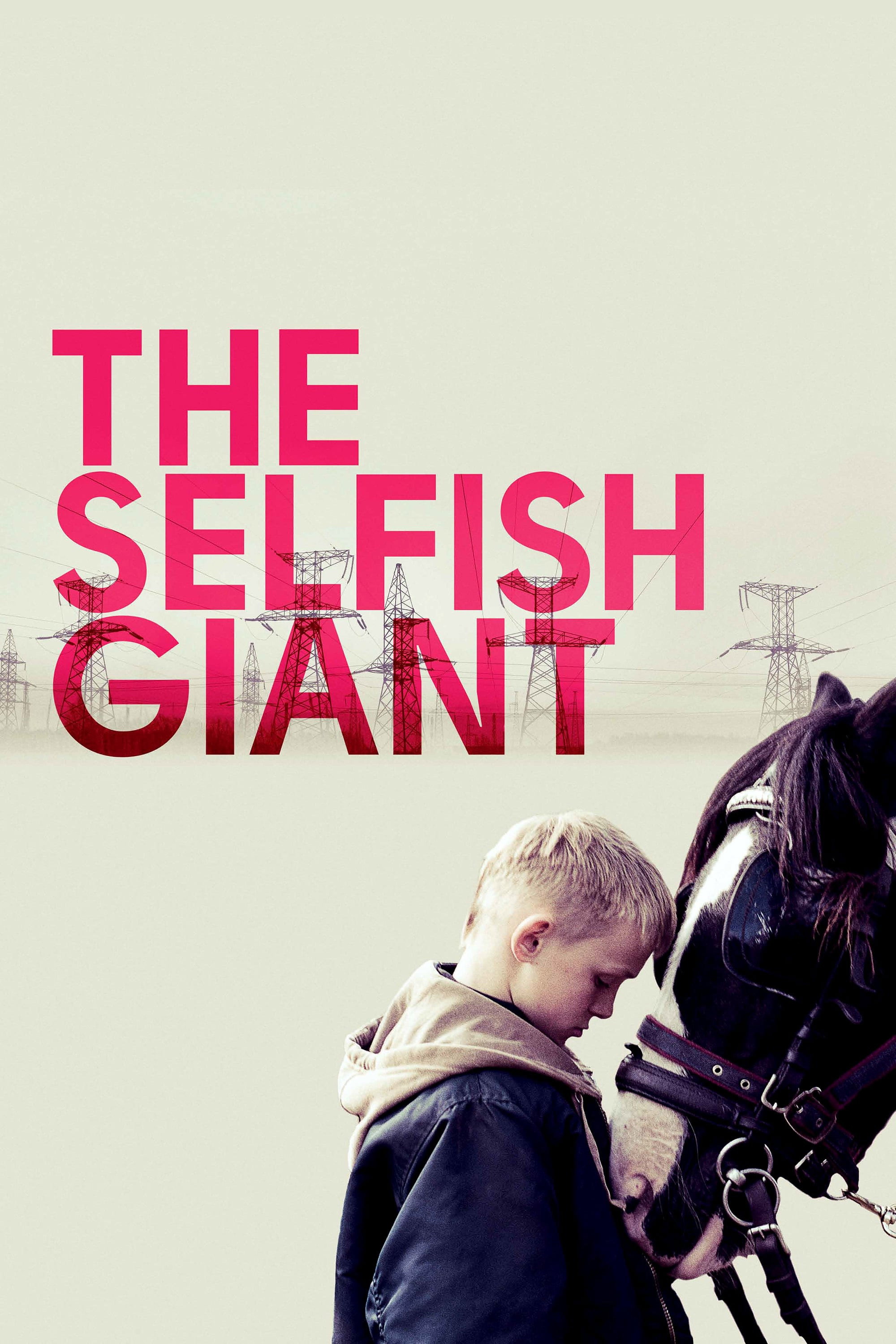
The Selfish Giant

2013 · Clio Barnard gives working-class children difficult choices without reducing them to examples.

The Quiet Girl poster

The Quiet Girl

2022 · A gentler rural childhood drama, equally attentive to what people leave unsaid.