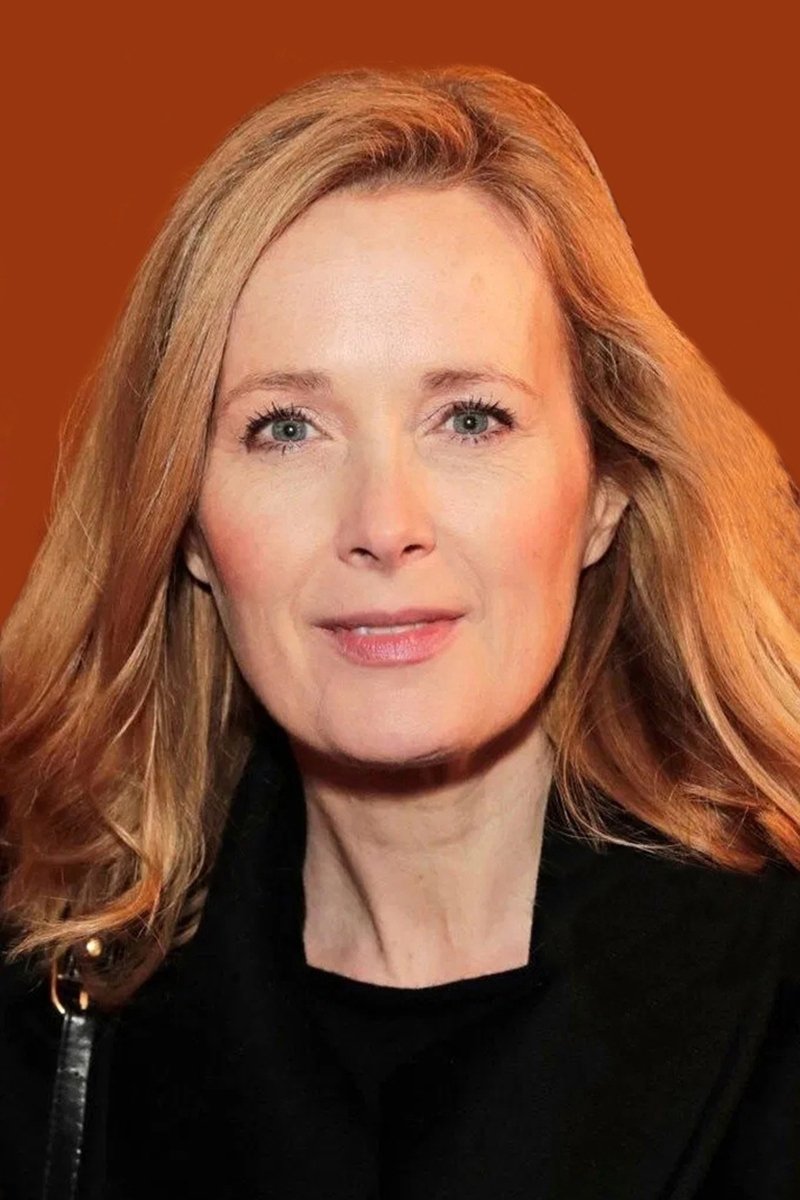
Natasha Little makes self-interest seem reasonable without asking us to approve of it. Her Becky Sharp in Vanity Fair is the clearest reason to seek her out, though the adaptation gives its other characters too little time.
Fi1m perspective
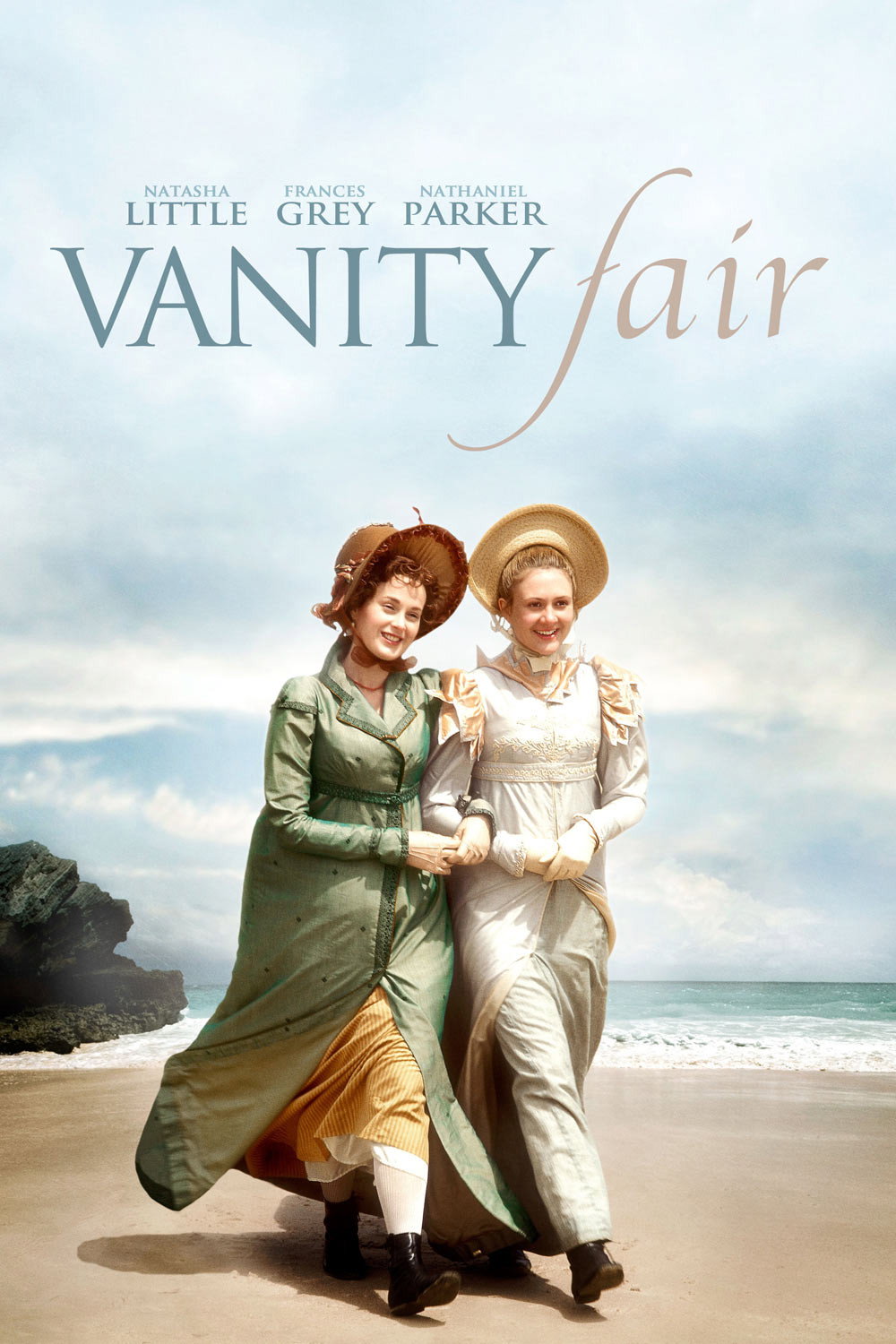
In Vanity Fair (1998), Natasha Little makes Becky Sharp's ambition seem reasonable for longer than we might care to admit. We warmed to her more than we expected, because she makes self-interest engaging without pretending it is harmless. She gives us enough charm to stay interested and enough cause to reserve judgement. It is a persuasive leading performance in good, uneven television, and the strongest reason to spend six episodes with this adaptation.
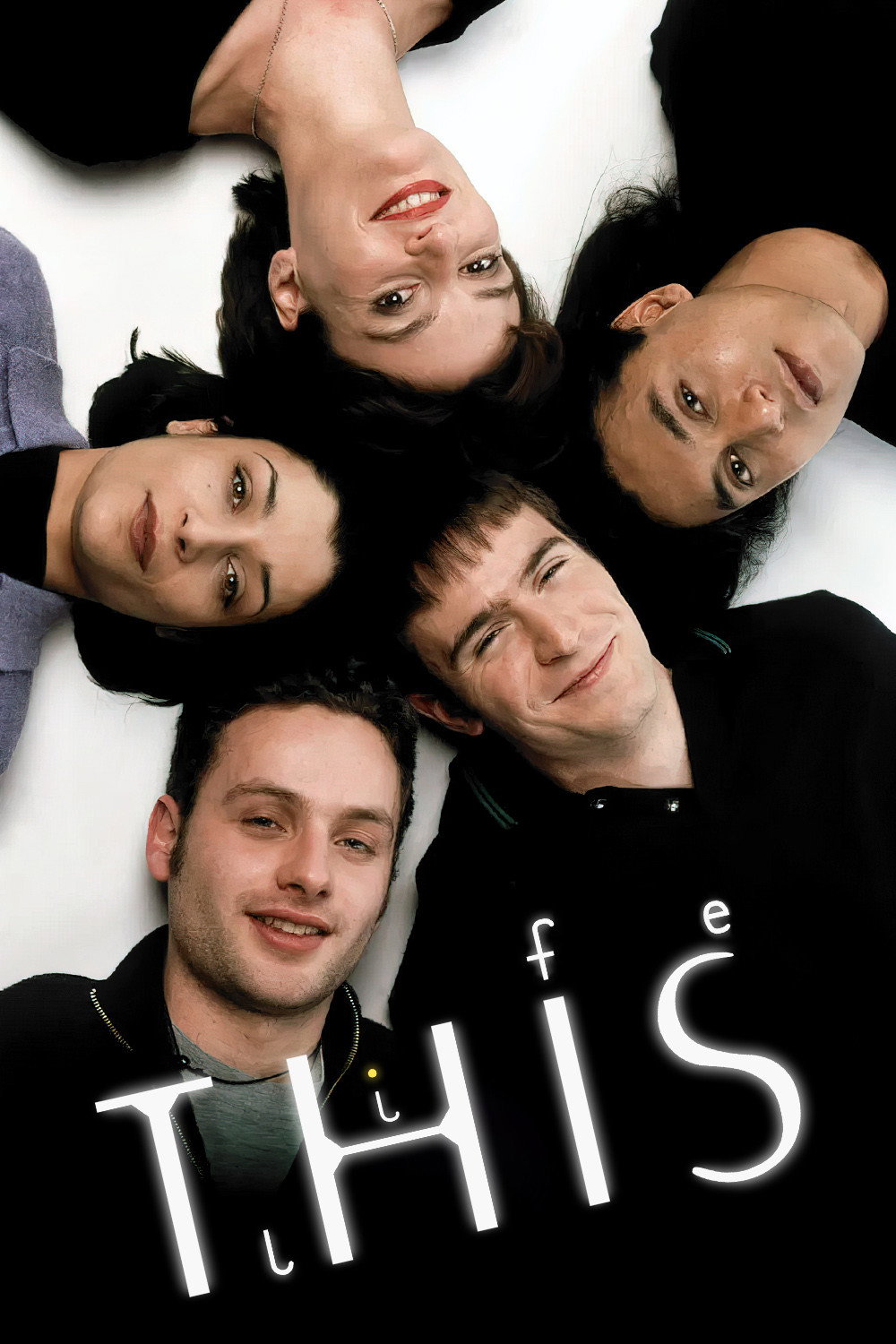
Her breakthrough had come as Rachel in This Life (1996), within a strong ensemble. That programme is the more satisfying of the two, funny and affecting about the muddle of early professional life, though its opening interviews and therapy sessions make the introductions a little too convenient. Its success is collective; we would not recast it as a Little vehicle. Moving from Rachel to Becky gave her a leading role suited to her ability to keep motives uncertain. She can make calculation interesting without explaining away the person doing it.
Vanity Fair also shows how much that kind of acting needs from the people making the programme. Marc Munden directs Andrew Davies's adaptation without treating the period setting as somewhere restful, which suits Little's unsettling charm. William Diver's editing keeps events moving, but the pace sometimes denies relationships the time they need. Frances Grey's Amelia Sedley and Philip Glenister's William Dobbin remain persuasive even when the writing hurries them along. We need longer with them if their feelings are to matter as much as Becky's ambitions.
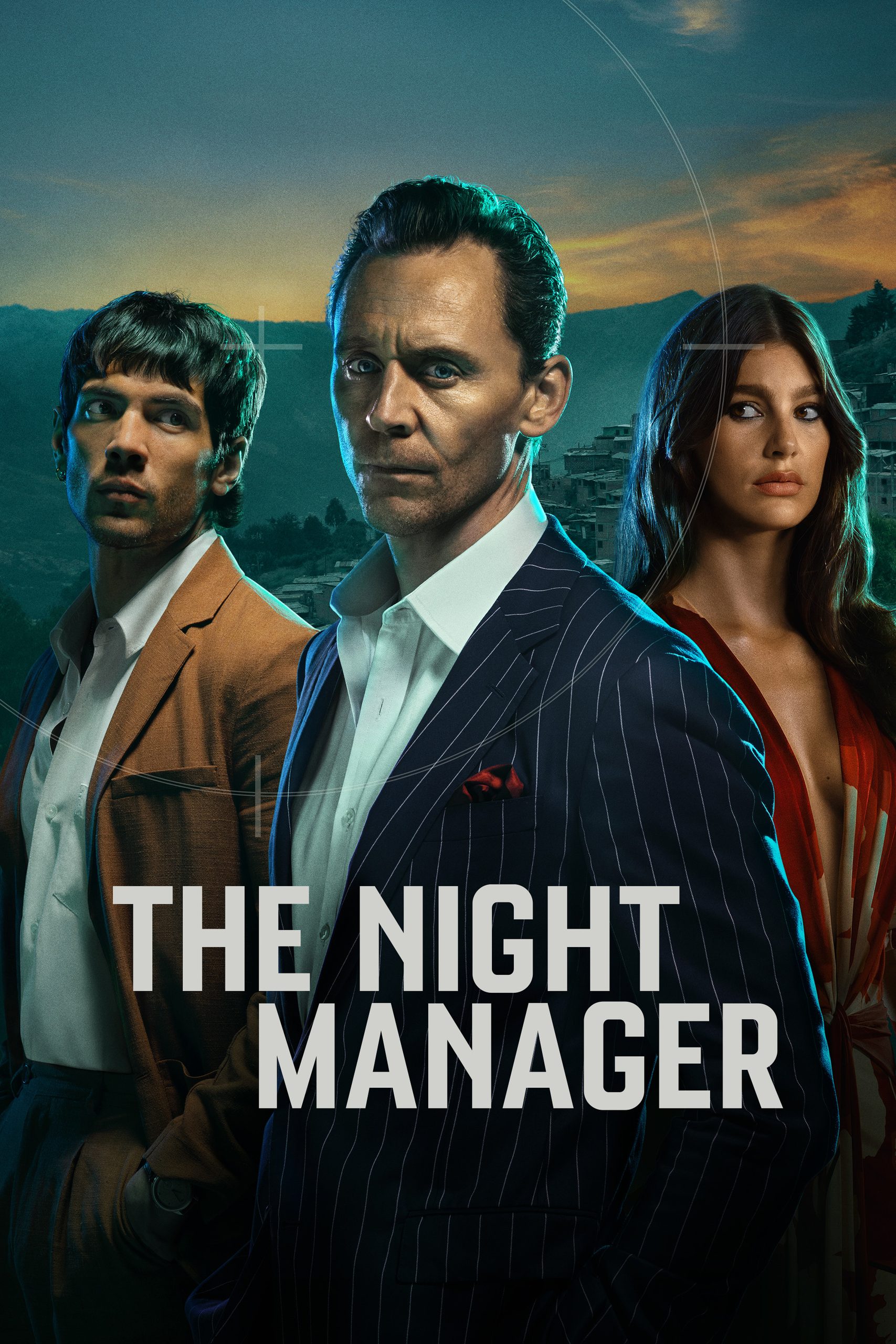
The career after Becky has chiefly been in television, with occasional film work including Edith Thompson in Another Life (2001). Later television parts include Caro Langbourne in The Night Manager (2016) and Sarah Gresham in War of the Worlds (2019), alongside a continuing pattern of supporting and recurring work. She is often cast as scheming or passive-aggressive women whose motives remain unclear. Becky is more interesting than that description suggests, because Little makes the wish to get ahead so easy to understand. Start with Vanity Fair if that mixture of charm and discomfort appeals; allow for an adaptation in rather more of a hurry than its actors.
Biography
Natasha Little is an English actress. She was born on 2 October 1969 in Liverpool and trained at the Guildhall School of Music and Drama, graduating in 1994. Her early television work included a recurring role in London's Burning (1995–1996). She gained wider recognition playing Rachel in the BBC series This Life (1996–1997).
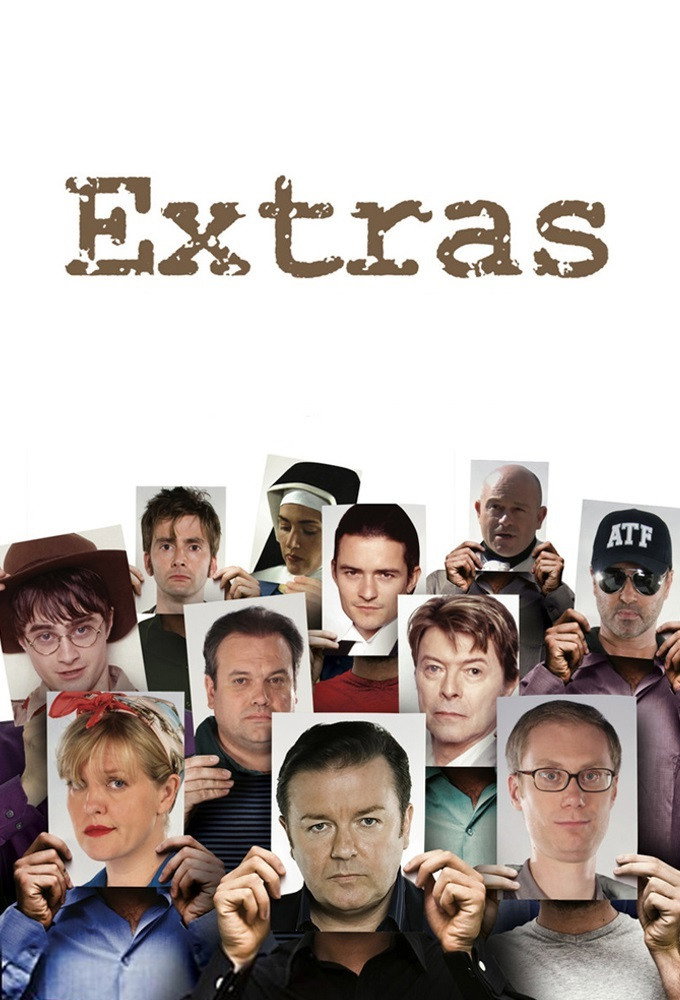
In 1998 she portrayed Becky Sharp in the BBC adaptation of Vanity Fair. Subsequent credits include roles in Spooks (2003), Extras (2005), The Night Manager (2016), Black Mirror (2016), Absentia (2017–2019) and War of the Worlds (2019–2021). Film appearances include Another Life (2001) and Mr. Nobody (2009).