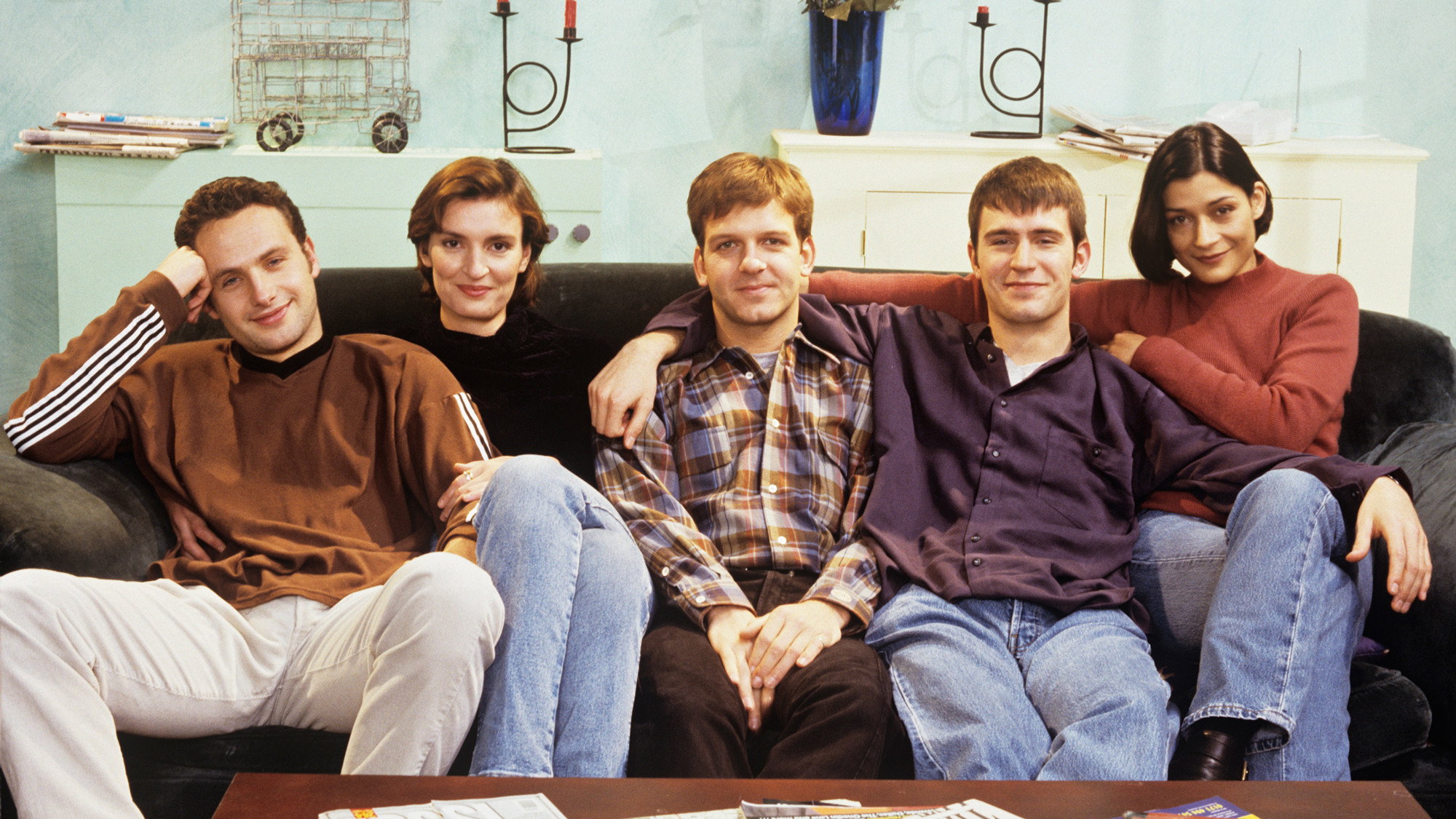
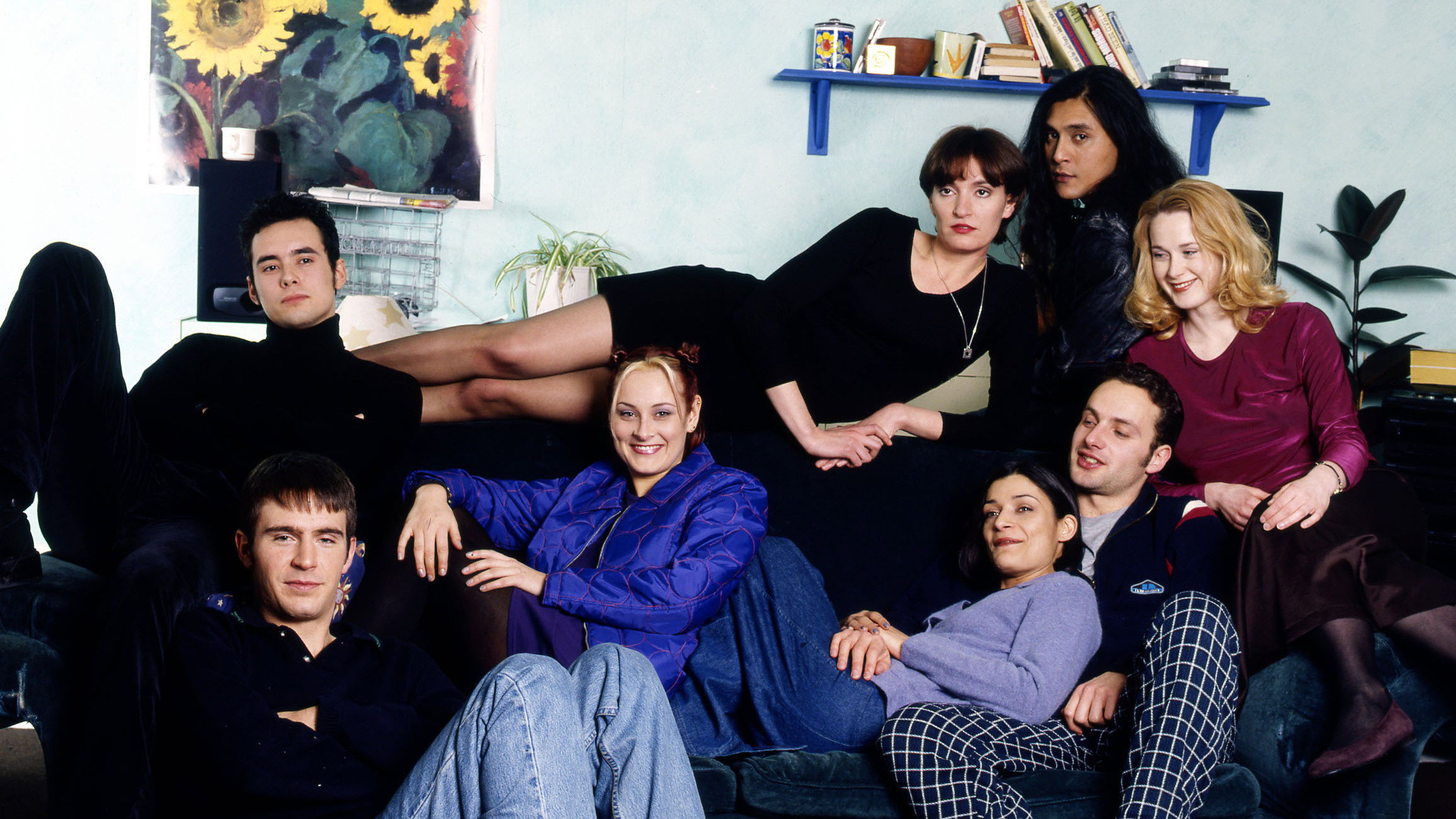
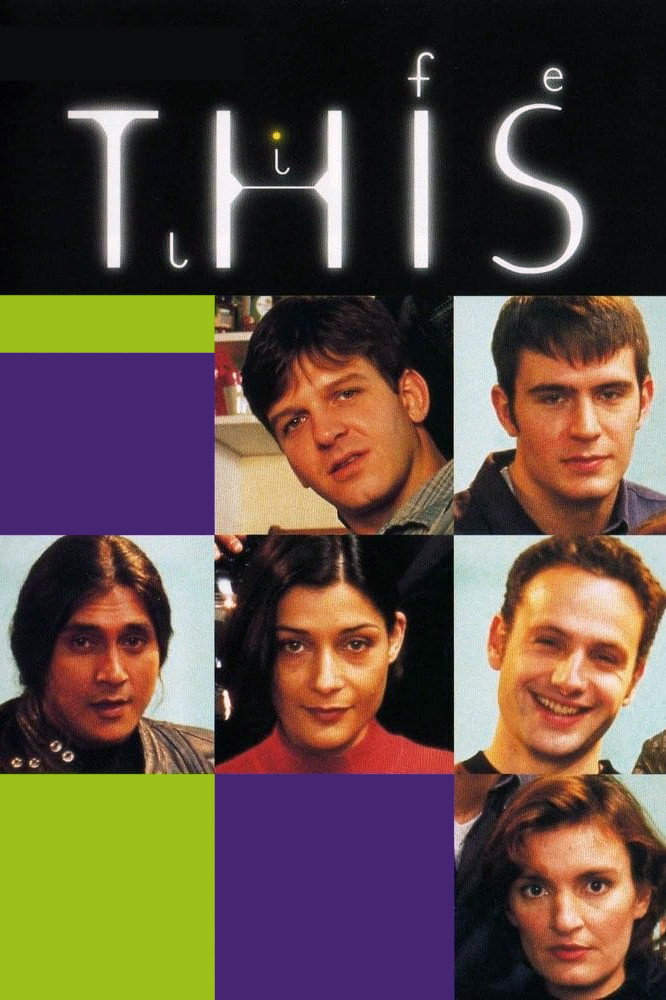
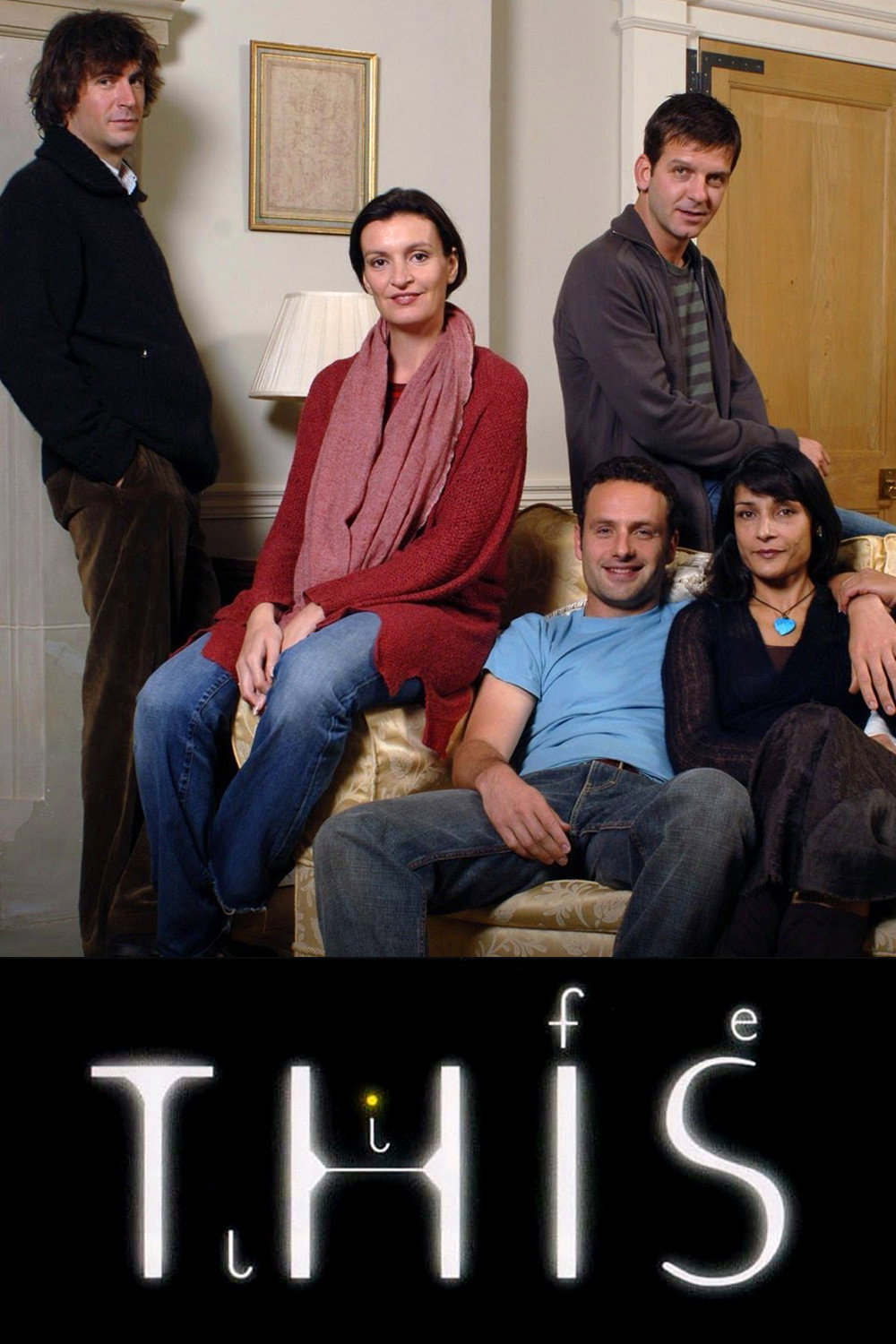
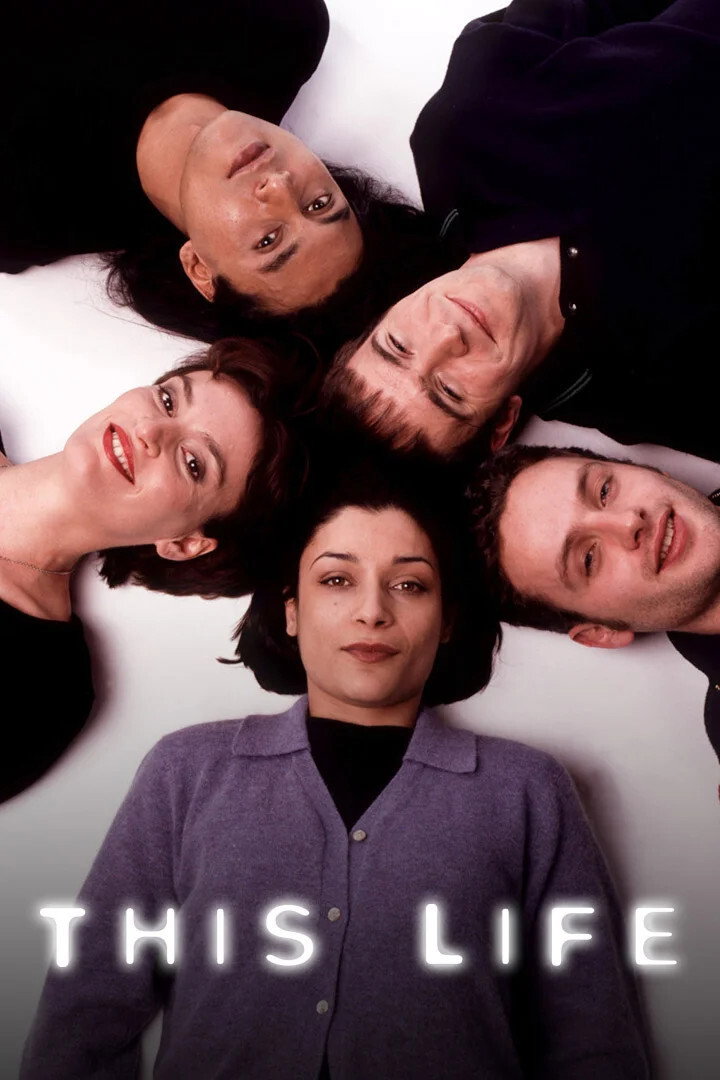
This Life makes the muddle of early professional life funny and affecting, with an ensemble worth spending time among. The opening is a little over-arranged, but Daniela Nardini and Jack Davenport make that seem a minor complaint.
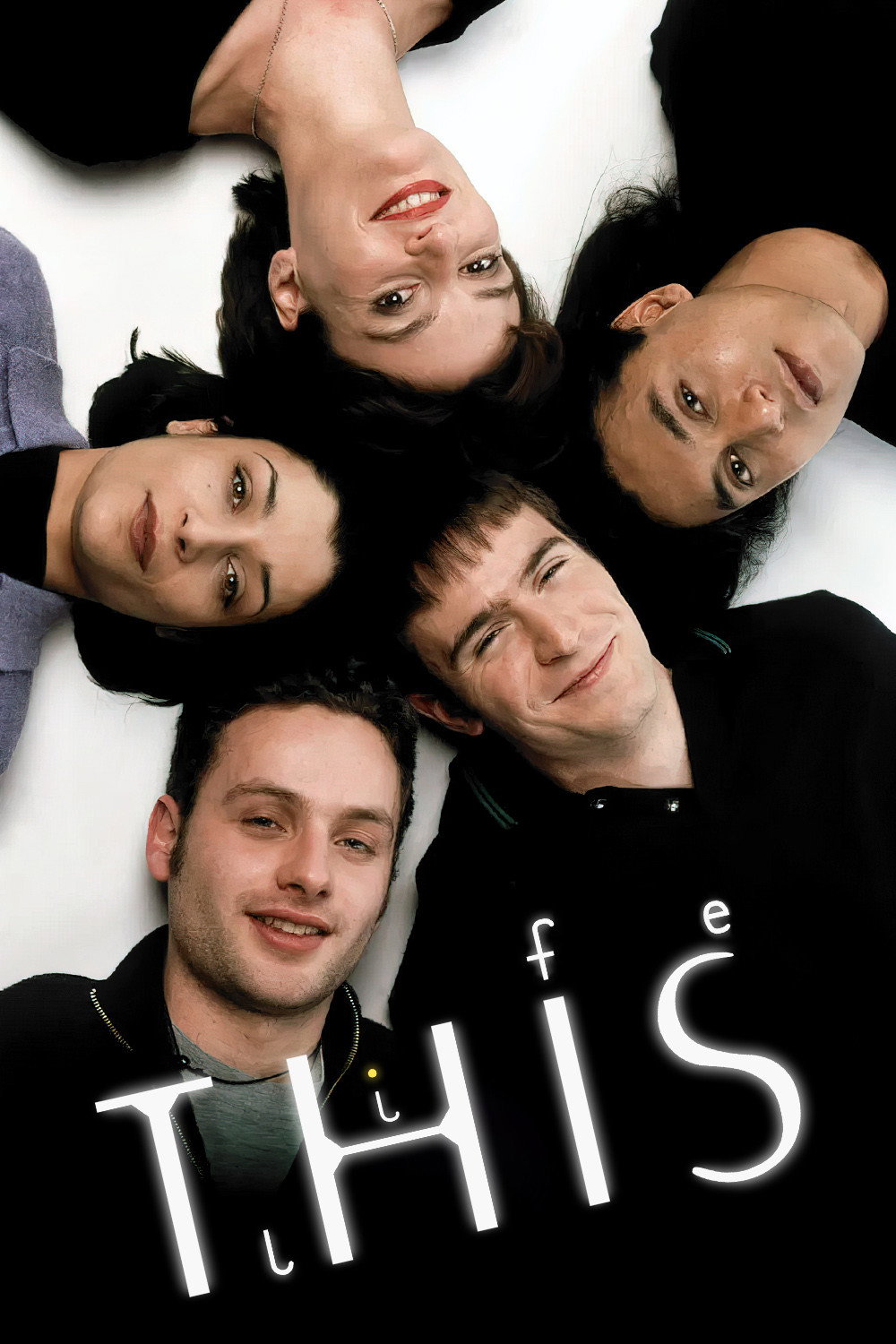
Amy Jenkins’s This Life is a funny, perceptive ensemble drama that we recommend with a small reservation about how neatly it introduces its people. Its young professionals are trying to make a start at work while getting tangled up in friendships and relationships. The series takes those concerns seriously, without requiring us to treat every personal difficulty as a catastrophe. It is good company even when its characters are making poor company for one another.
The opening uses job interviews and therapy sessions to let us meet them. We felt an uncomfortable flicker of recognition in the interviews: having to explain yourself before you have worked yourself out is a familiar ordeal. Putting therapy alongside that process is clever, because both situations demand answers to questions people might prefer to avoid. It also gives the opening a little too much assistance; there are moments when we would rather discover someone through a less obliging conversation.
Daniela Nardini’s Anna and Jack Davenport’s Miles supply the strongest reason to stay. Their chemistry gives the attraction an awkwardness that mere good looks would not manage: wanting someone becomes another problem to deal with. We are interested in how these two respond to each other, and do not need a declaration to tell us that it matters. Both actors make room for the less flattering feelings around desire, which keeps their scenes from becoming an advertisement for the couple.
Jason Hughes as Warren, Andrew Lincoln as Egg and Amita Dhiri as Milly help make the friendships equally absorbing. The ensemble’s intimacy matters because the dialogue asks to be believed as conversation, even when it is doing several jobs at once. These performances make the writing sound comfortably spoken, with no need to announce each sharp observation. We want to keep listening to the group, which is a considerable advantage in a drama built around people discussing their lives.
The observational style is a sensible choice for material involving casual sex, drinking and the uncertainty of starting a career. It lets those things belong to ordinary life, without turning each one into a subject for special consideration. Amy Jenkins, also among the writers, deserves credit for making this material funny without making the people disposable. We can laugh at these young professionals without deciding their troubles are too small to count, and the series is more affecting for that.
As a drama about early adult life, it is refreshingly willing to let friendship matter alongside sexual attraction. That widens our interest beyond the question of which people might get together, although Anna and Miles can make it difficult to look elsewhere. The careful introductions are the one point where the programme seems less relaxed than its cast. Give it time to get beyond the interviews; the people are worth knowing, including the ones we would not want to live with.