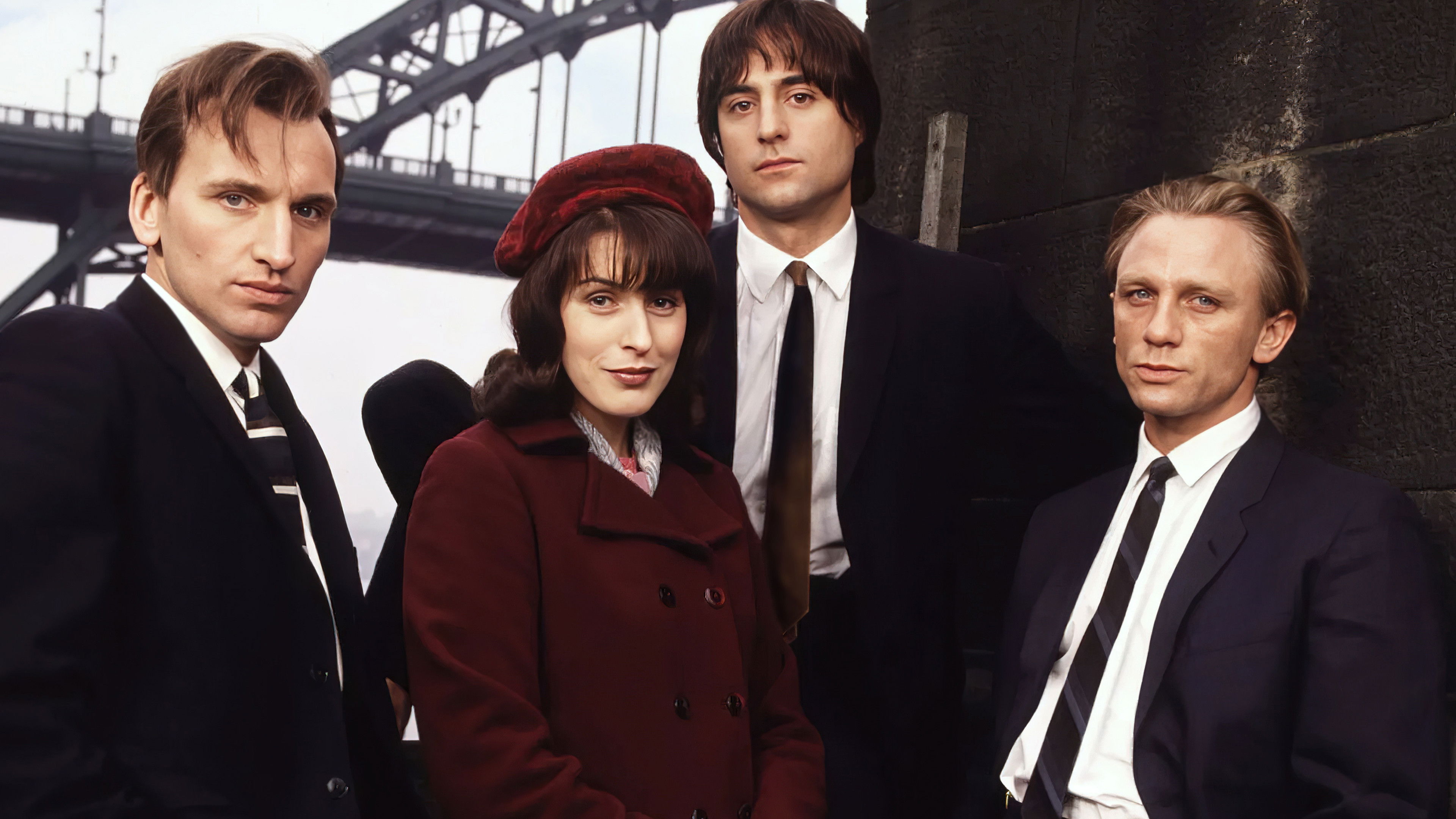
Our Friends in the North earns its length through performances that make political disappointment painfully personal. Peter Flannery sometimes rushes the public history, but the domestic scenes have the patience, warmth and difficult silences that keep us watching.
Our Friends in the North is a political drama worth the long acquaintance it asks us to make. Across nine episodes, writer Peter Flannery gives four friends room to change over three decades, with real events pressing on their private lives. The pleasure is in discovering how much weight a conversation can carry once we have spent enough time with the people having it. The history is sometimes hurried, but the series is good enough at embarrassment, affection and disappointment to make its scale feel necessary.
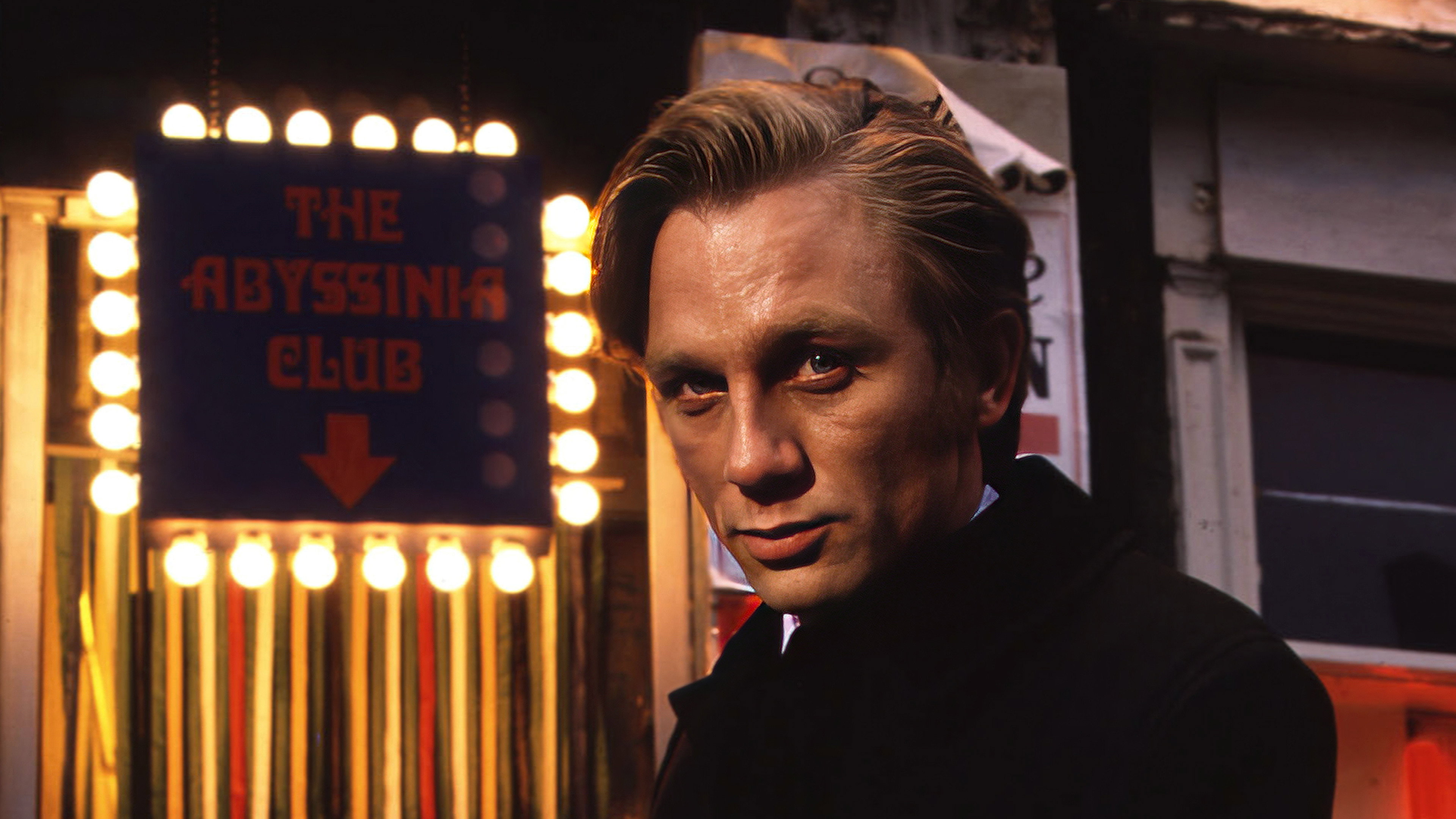
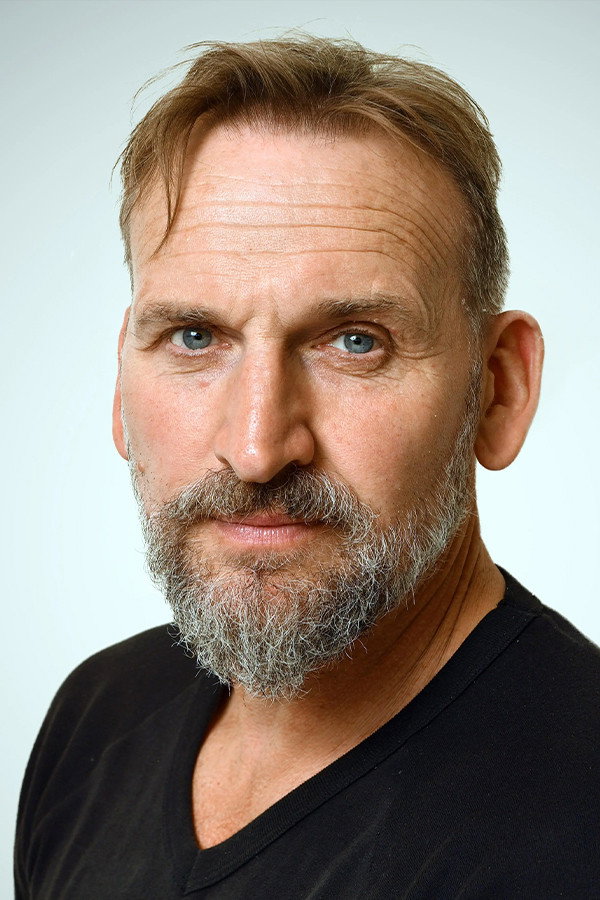
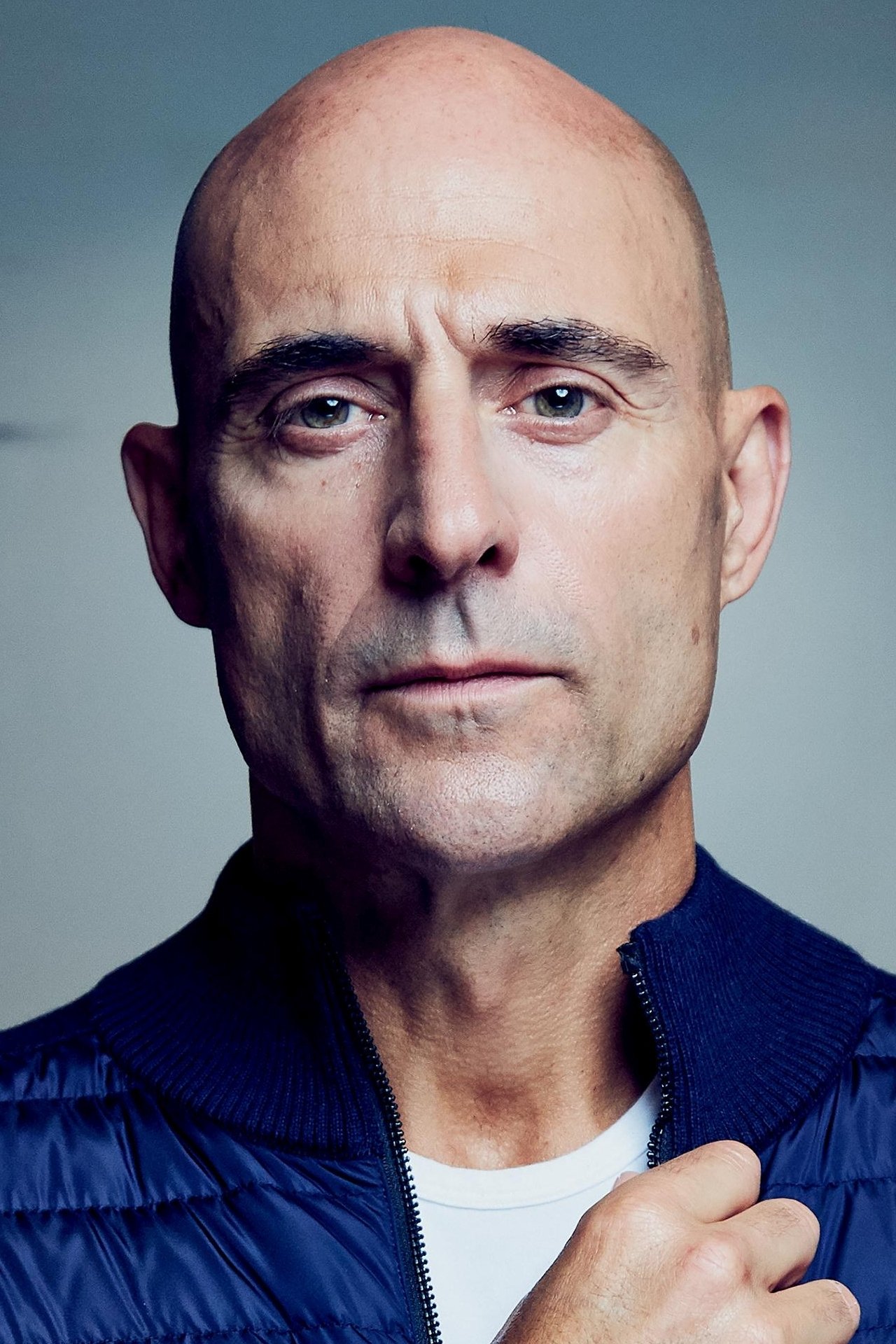
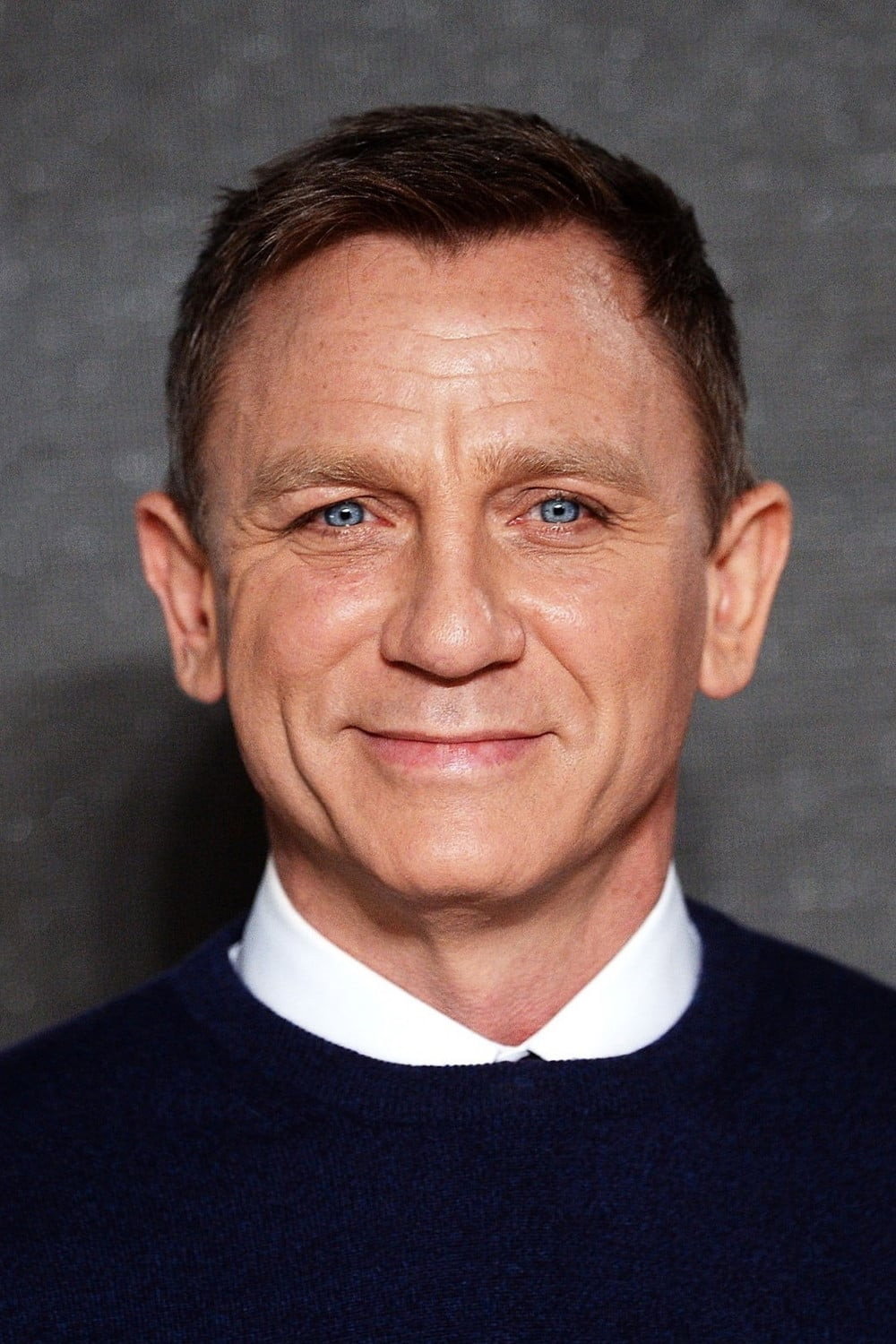
Christopher Eccleston’s Nicky Hutchinson gives the drama much of its urgency: even stillness seems to require effort from him. Mark Strong, as Terry ‘Tosker’ Cox, is a useful counterweight, with a directness that stops scenes becoming solemn discussions of what everyone represents. Daniel Craig’s Geordie holds our attention without making every feeling easy to read. There is pleasure in the difference between these performances, and Flannery allows the actors to sound distinct even when they are dealing with shared concerns.
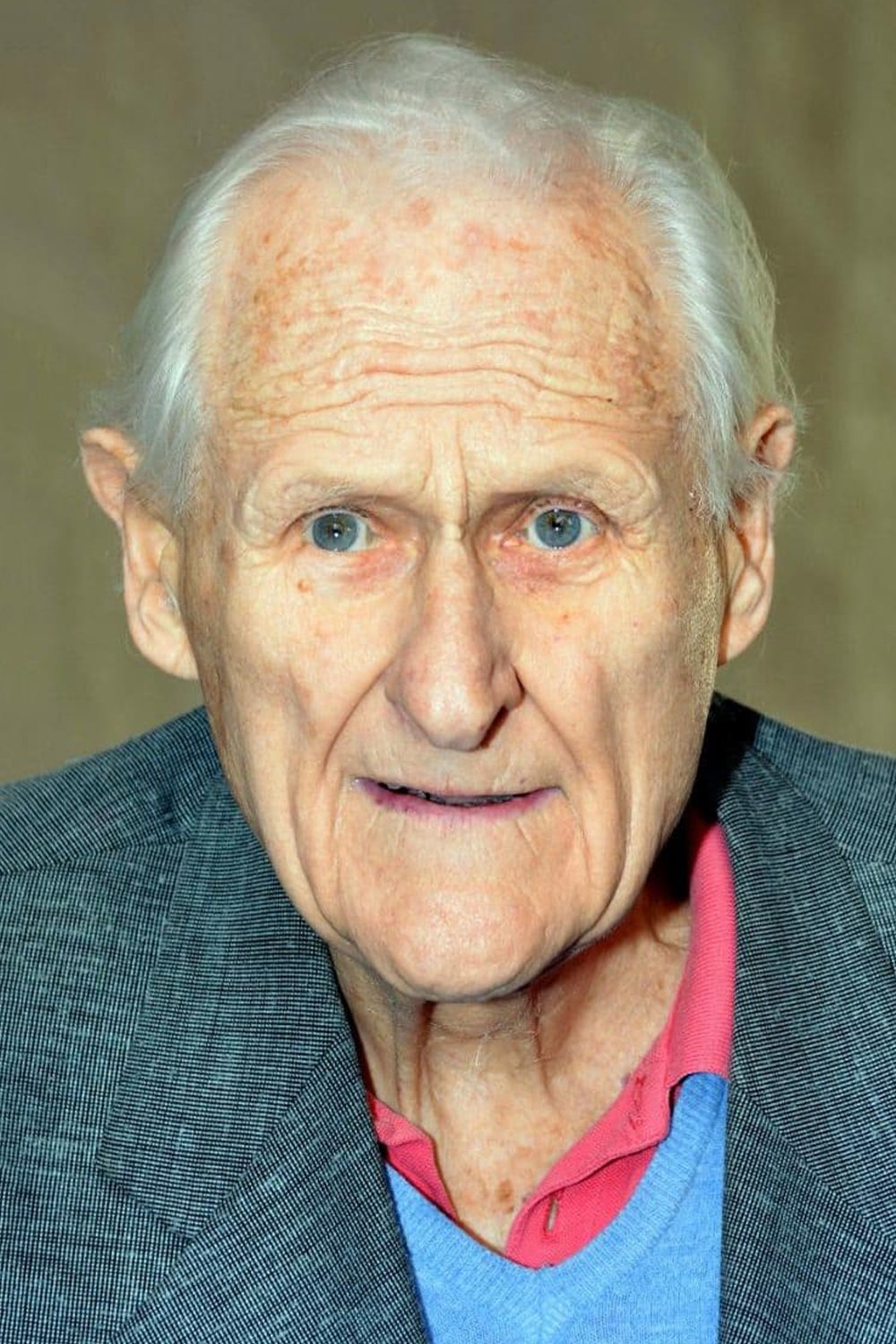
We were moved by Peter Vaughan’s Felix Hutchinson; his hesitations make an ordinary conversation feel like something he may not get through. Flannery is particularly good at conversations in which people come close to saying what they mean and then fail. These passages have a patience the political material sometimes lacks, allowing awkwardness to remain awkward without a quick line to tidy it away. They are also where the programme’s warmth becomes most apparent, because it stays interested in people even when they are making themselves difficult to like.
The direction, credited to Pedr James, Simon Cellan Jones and Stuart Urban, is strongest when it gives an exchange time to settle. Rob Hinds’s production design gives the rooms enough everyday familiarity for the performances to remain the centre of attention. James Keast’s costumes help the passage of time register without making each change of appearance a distraction. Colin Towns’s music supplies emotional emphasis that the faces seldom need, though its quieter contributions work well. The actors are already giving us plenty to notice.
The trouble comes when Flannery has to get the wider political story through the available space. Developments that need the patient attention given to private disappointments can feel reduced to the next piece of information, and the shift in pace is noticeable. The left-wing viewpoint is clear enough, but the series sometimes seems to assume that sharing its sympathies means needing less explanation. We wanted more time to understand how decisions acquire force, especially when the domestic scenes have shown such care over why one person says something to another.
By the standards of ensemble television, this is unusually good at making a return to familiar people feel worthwhile. The performances let us change our minds about a character, sometimes within a single conversation, without insisting that we settle on a final judgement. An awkward exchange carries the weight of earlier scenes, and Flannery seldom needs to explain why it matters. Give these episodes your full attention, and leave some time between them if that is what it takes.