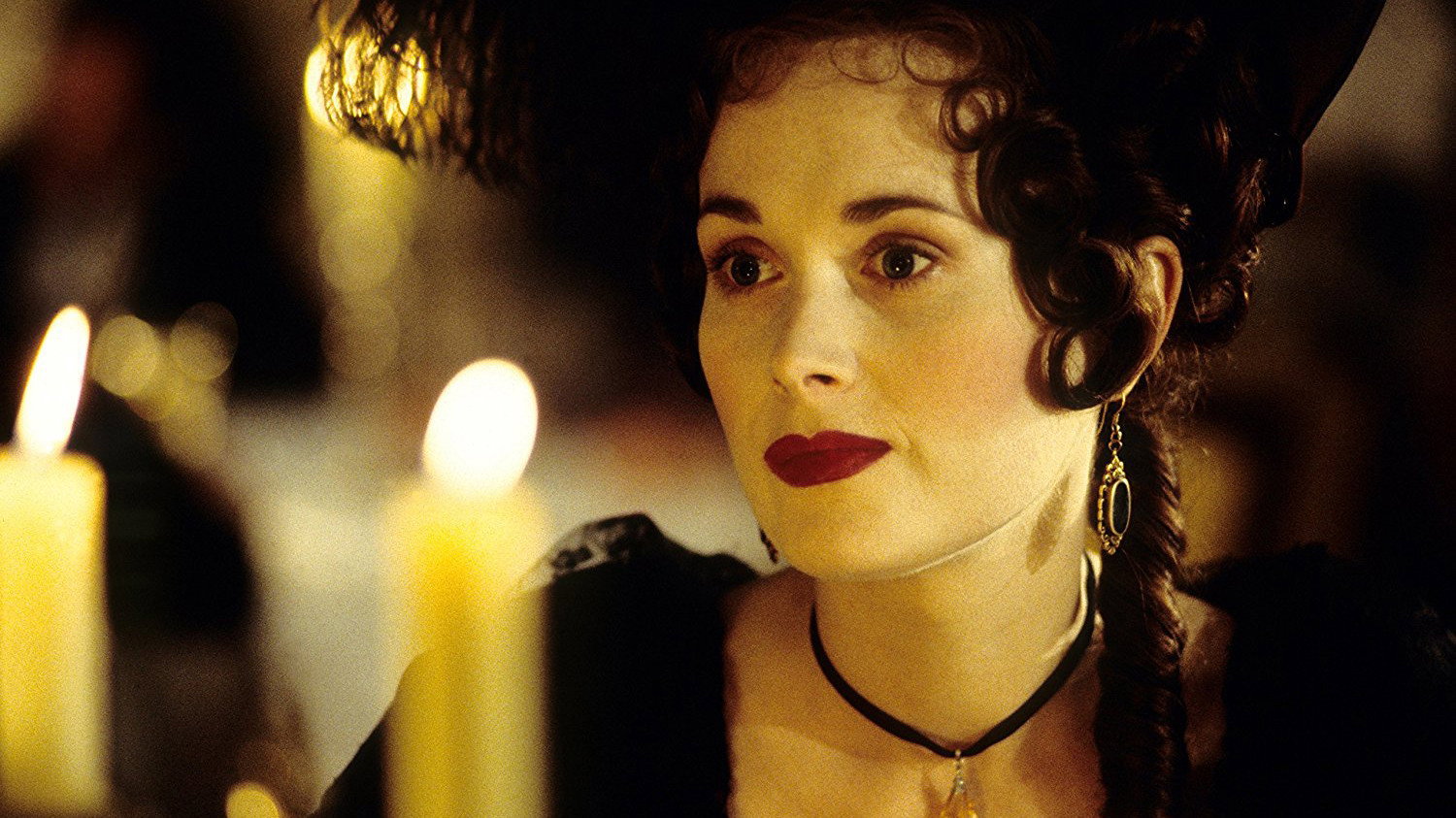
Natasha Little gives this gritty Vanity Fair a persuasive centre, and Marc Munden keeps the period drama from becoming polite display. The adaptation hurries its supporting characters, but its sharp view of ambition holds our attention.
Vanity Fair is good, uneven period television, worth the six episodes if an unsentimental treatment of ambition appeals. Marc Munden directs Andrew Davies’s adaptation of William Makepeace Thackeray’s novel with little interest in making the past a restful place. It works best when the performers have time to hold our attention. When the writing hurries them towards the next piece of the story, we start to notice how much has been compressed.
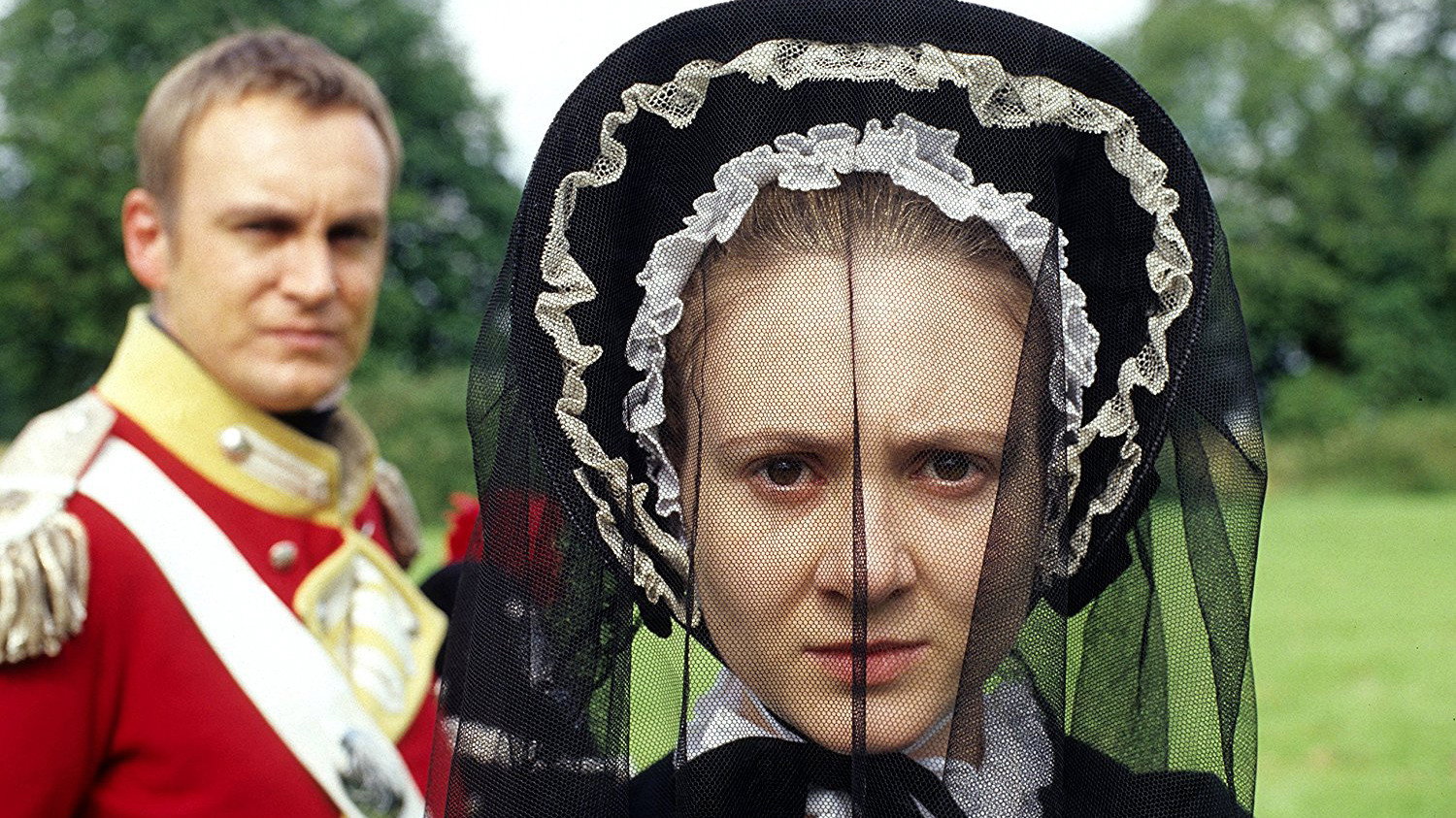
Natasha Little’s Becky Sharp gives the programme an unsettling charm: she makes ambition engaging without making it reassuring. We found ourselves warming to her more than we expected, because the performance makes self-interest seem reasonable long enough for us to consider it. There is no need to turn that response into a claim that Becky deserves our approval. Natasha Little is interesting enough to watch while we reserve judgement.
Frances Grey, playing Amelia Sedley, and Philip Glenister, playing William Dobbin, help prevent the series from becoming a one-performance attraction. Their work asks for a little more patience than the adaptation always supplies. We need time with these people if their feelings are to matter as much as Becky’s drive, and the writing sometimes moves on before that happens. The performances remain persuasive, even where the space given to them feels insufficient.
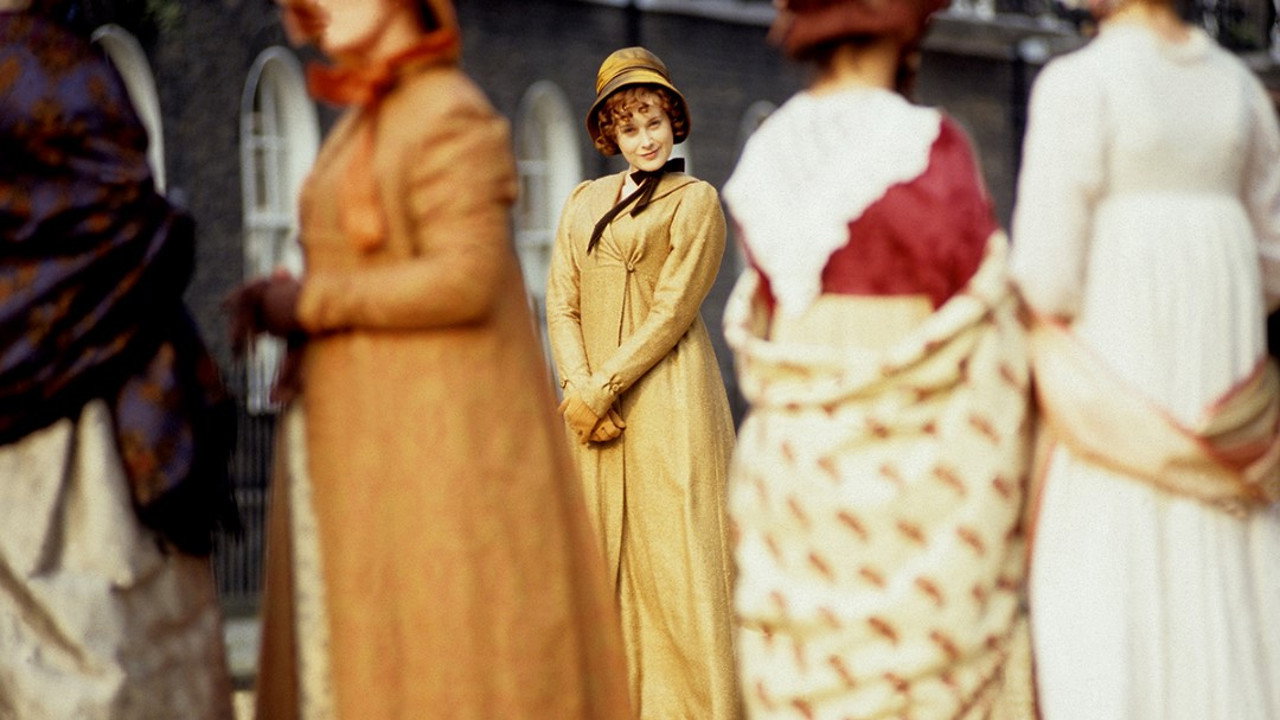
The gritty look is a sound choice for material that could easily become an excuse to admire period dress. Oliver Curtis’s cinematography and Malcolm Thornton’s production design keep the pictures from feeling too tidy or too protective of their inhabitants. Rosalind Ebbutt’s costumes contribute to that period setting without becoming the sole attraction. The clothes are worth noticing, but they do not distract from the less agreeable business of getting ahead.
Andrew Davies has made the novel manageable across six episodes, and that counts for something. William Diver’s editing maintains the forward movement, though the pace occasionally leaves too little time for a relationship to become convincing. There is no obligation to preserve every detail of a book on television. But the details retained must give the actors enough to work with, and this version sometimes seems more concerned with reaching the next event than staying with the people affected by it.
Murray Gold’s music supplies urgency, although it is less distinctive than the images. Marc Munden’s direction is more memorable for the discomfort it allows into the period setting, which stops the series becoming an agreeable procession of well-dressed people. Costume drama can be sharp about money and still make wealth look like an excellent arrangement. This production’s rougher appearance helps keep that temptation in check, even when the storytelling becomes hurried.
At its strongest, Vanity Fair makes watching ambitious people calculate their next move absorbing enough to excuse the unevenness elsewhere. Its weaker stretches make us notice how much story Andrew Davies is trying to fit into the available time. We would recommend it to those who enjoy unsentimental period drama, with the caveat that Becky gets more room to interest us than the people around her.