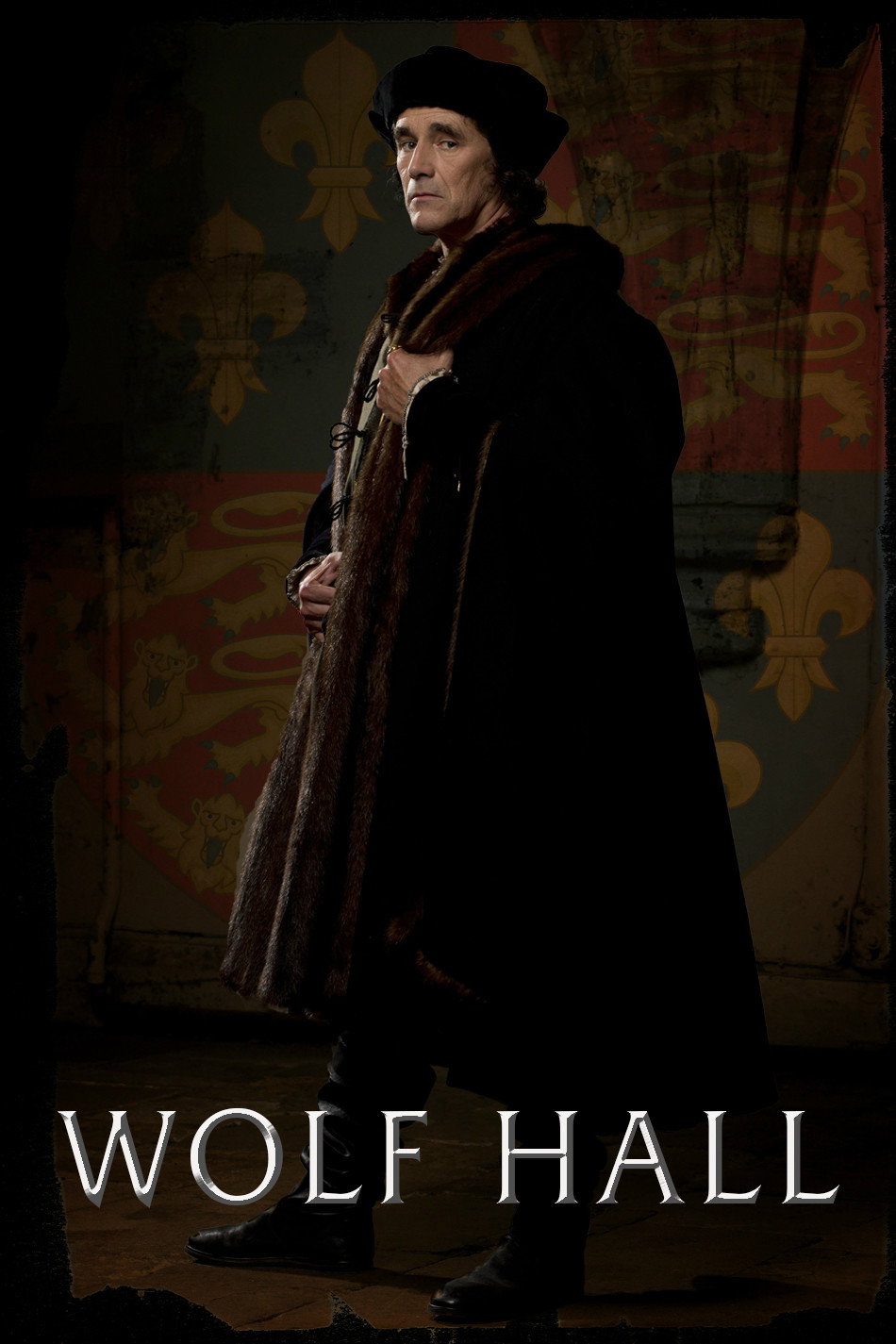
Peter Kosminsky’s six-part adaptation of Hilary Mantel’s Cromwell novels is dark, patient and acted with unusual care, and Mark Rylance’s Cromwell is the best thing in it. It asks for your full attention and mostly earns it, though the middle episodes stall.
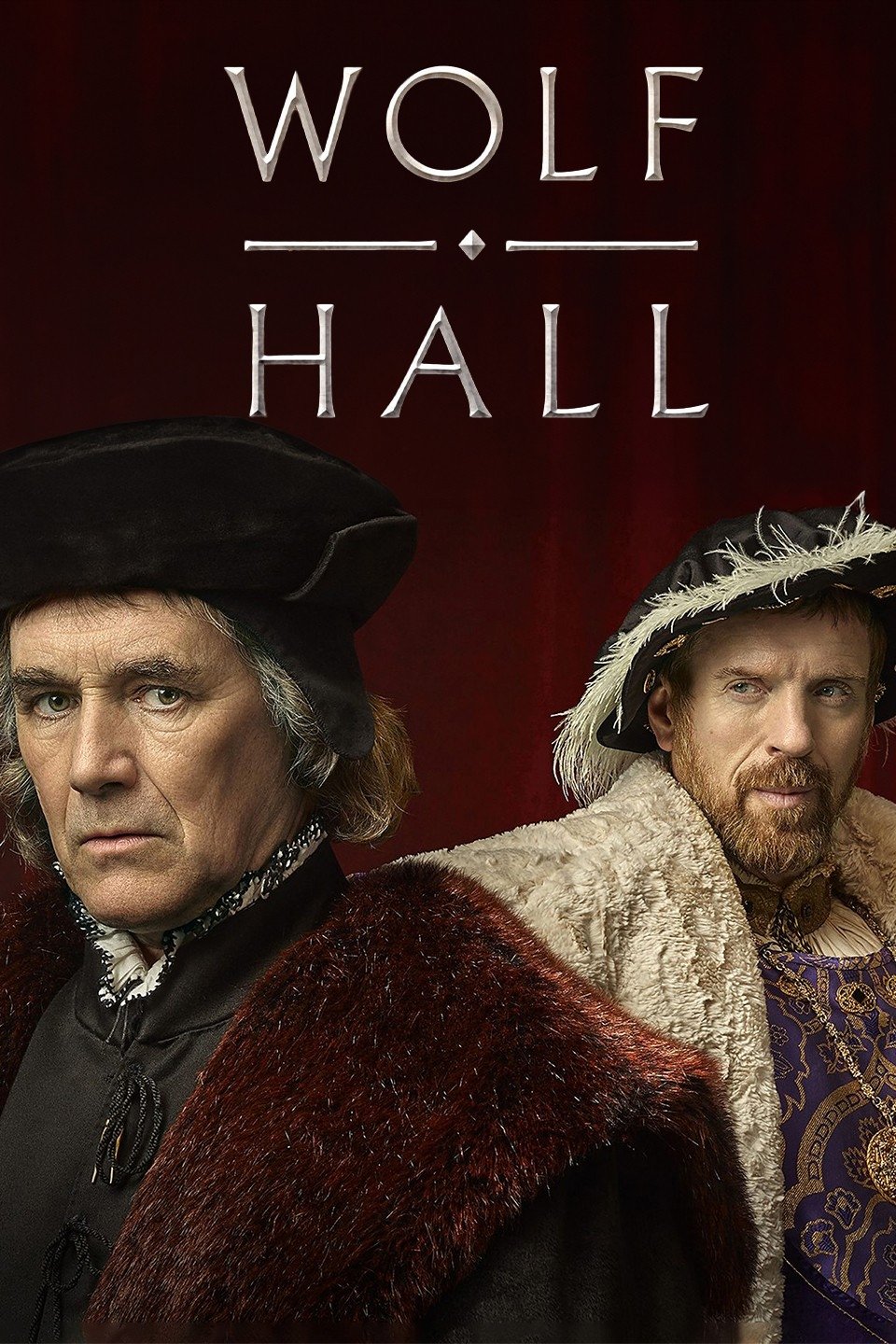
Hilary Mantel’s novels about Thomas Cromwell are long, and Peter Straughan has cut two of them, Wolf Hall and Bring Up the Bodies, down to six hours. Peter Kosminsky has directed all six as if nobody were in a hurry. The series follows Cromwell from the ruin of his master, Cardinal Wolsey, to the moment he becomes the man Henry VIII cannot do without, and it takes the view that the interesting person in any room is the one in the corner saying nothing. Our verdict: this is excellent television, patient to the point of stubbornness, and Mark Rylance’s Cromwell is a performance we would send a stranger to see. It is not without slack.
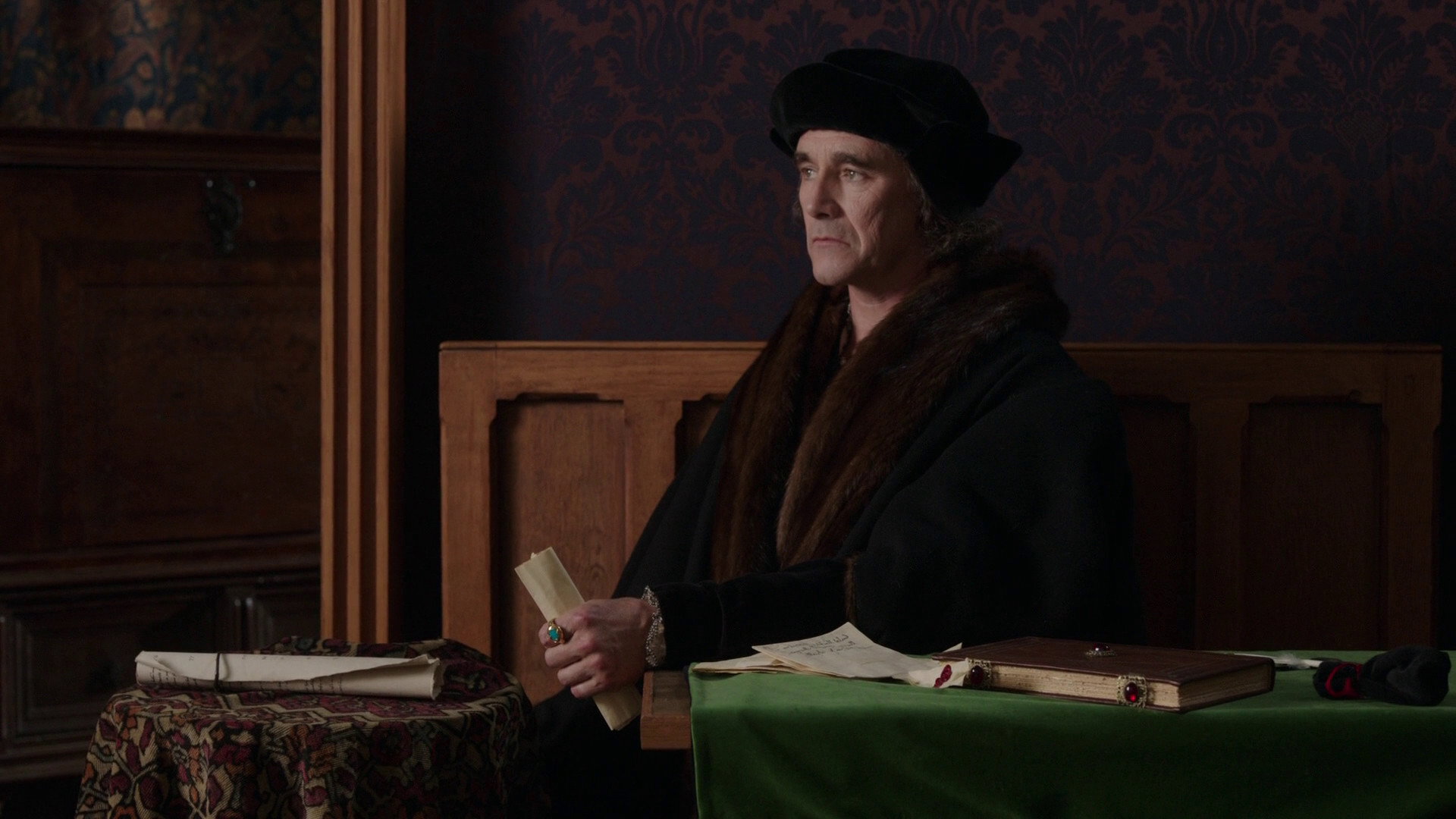
Rylance plays Cromwell almost entirely in reaction. He stands at the edge of rooms with his hands folded, and when he speaks it is quietly, in short sentences, usually to ask a question rather than answer one. The editors, Josh Cunliffe, David Blackmore and Philip Scaife, keep cutting back to his face while other people talk, and the face gives away nothing, which after a while is itself alarming. It makes everyone around him look as though they are acting too hard, even when they are not.
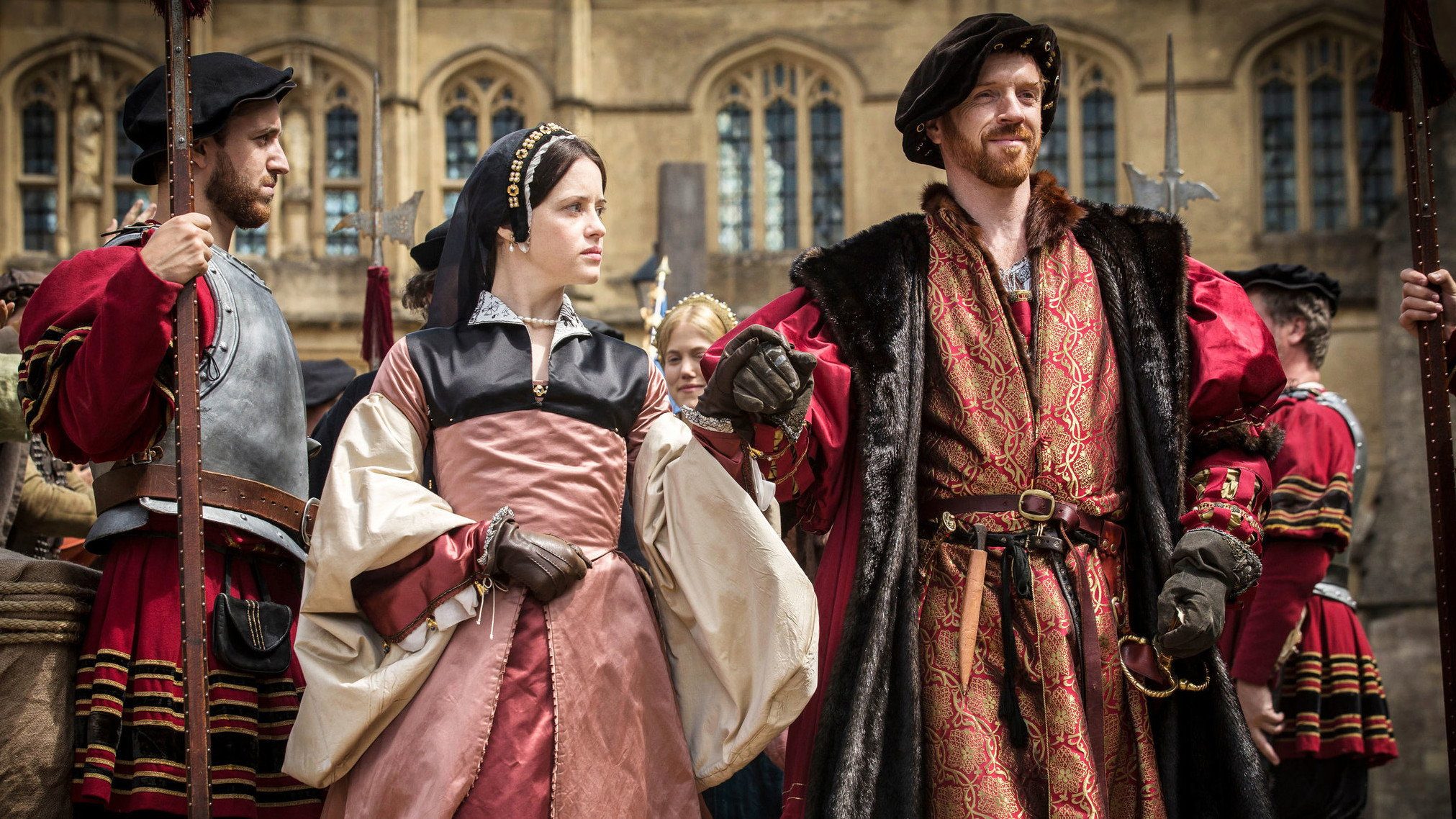
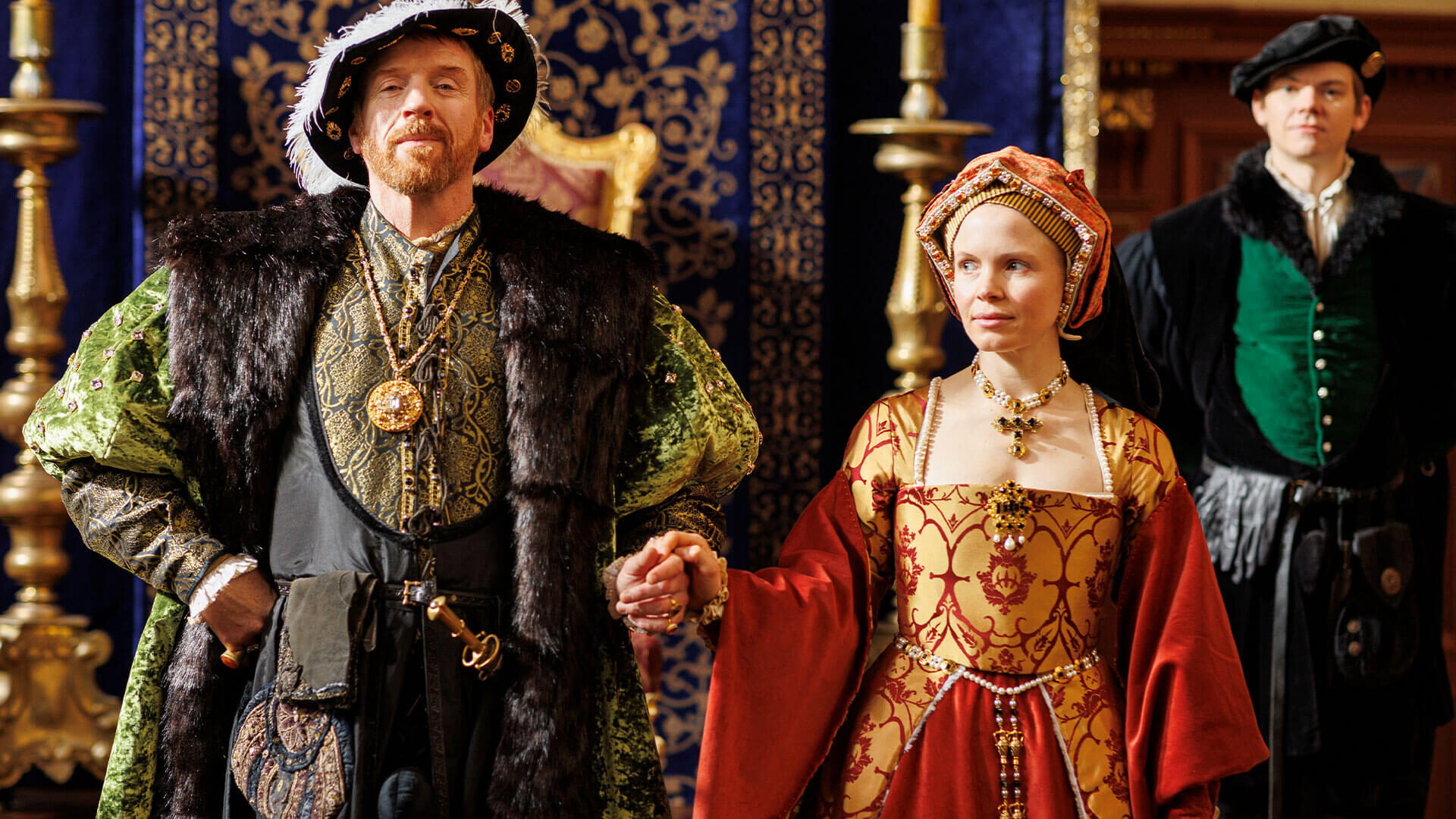
We had not expected to be upset about a cardinal. Jonathan Pryce plays Wolsey as a big, vain, funny man who goes on making jokes while his furniture is carried out of the house, and his fall in the first episode is what Cromwell spends the next five remembering. Damian Lewis is in it less than his billing suggests. His Henry is affable, athletic and easily bored, and you watch the people around him trying to work out how long the good mood will last. Claire Foy’s Anne is quick, rude and clever, and Foy lets her be disliked. Bernard Hill’s Norfolk swears at everyone and is the only person at court who appears to be enjoying himself.
It is funnier than its reputation. Straughan’s script gives Cromwell a dry remark for most occasions, and Rylance delivers them without changing his expression, so that half the jokes land a second late. Thomas Brodie-Sangster’s Rafe Sadler and Joss Porter’s Richard Cromwell, the young men of the household, get the warmest scenes, and the series is at its most human at Cromwell’s own table rather than the King’s.
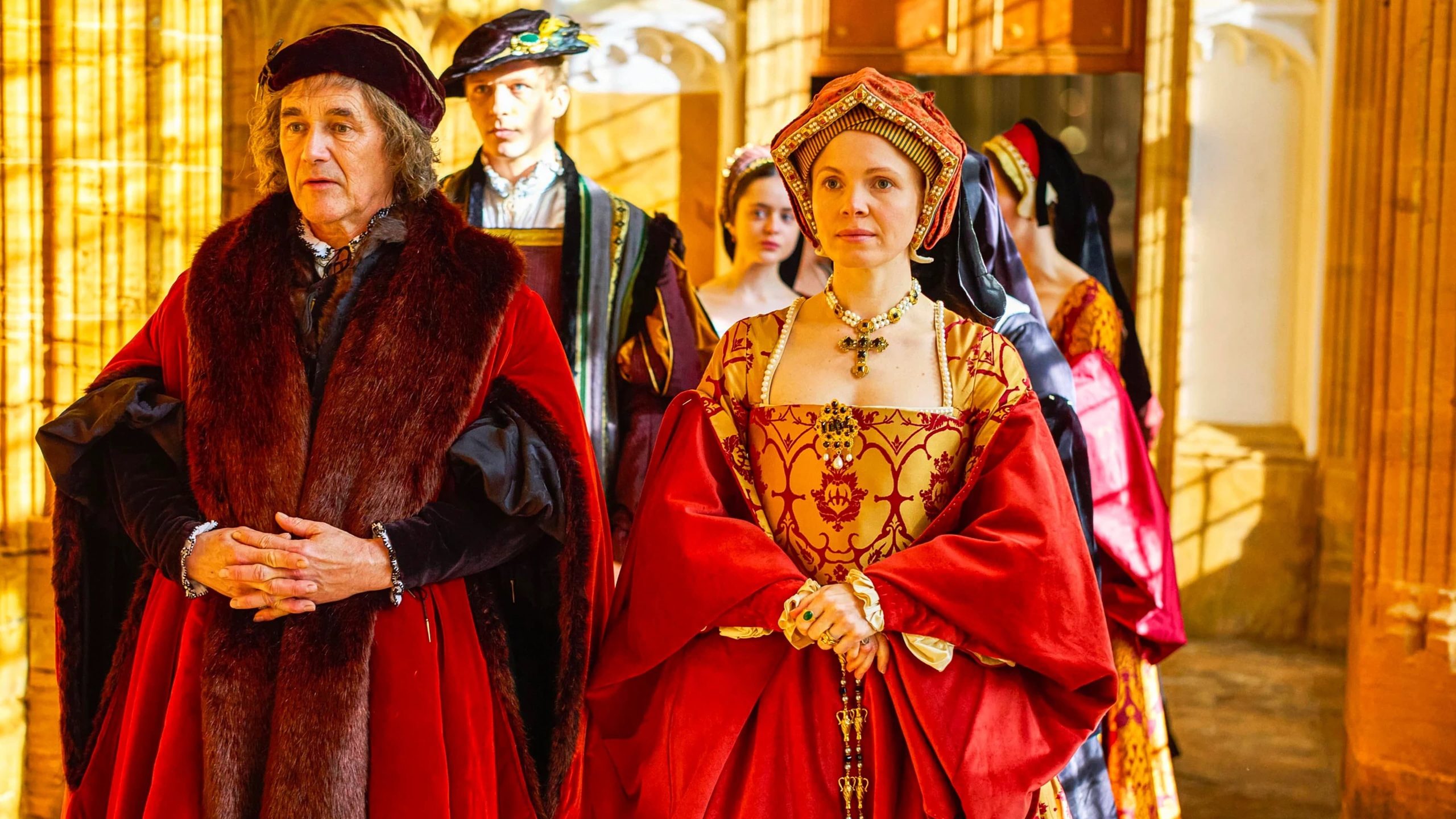
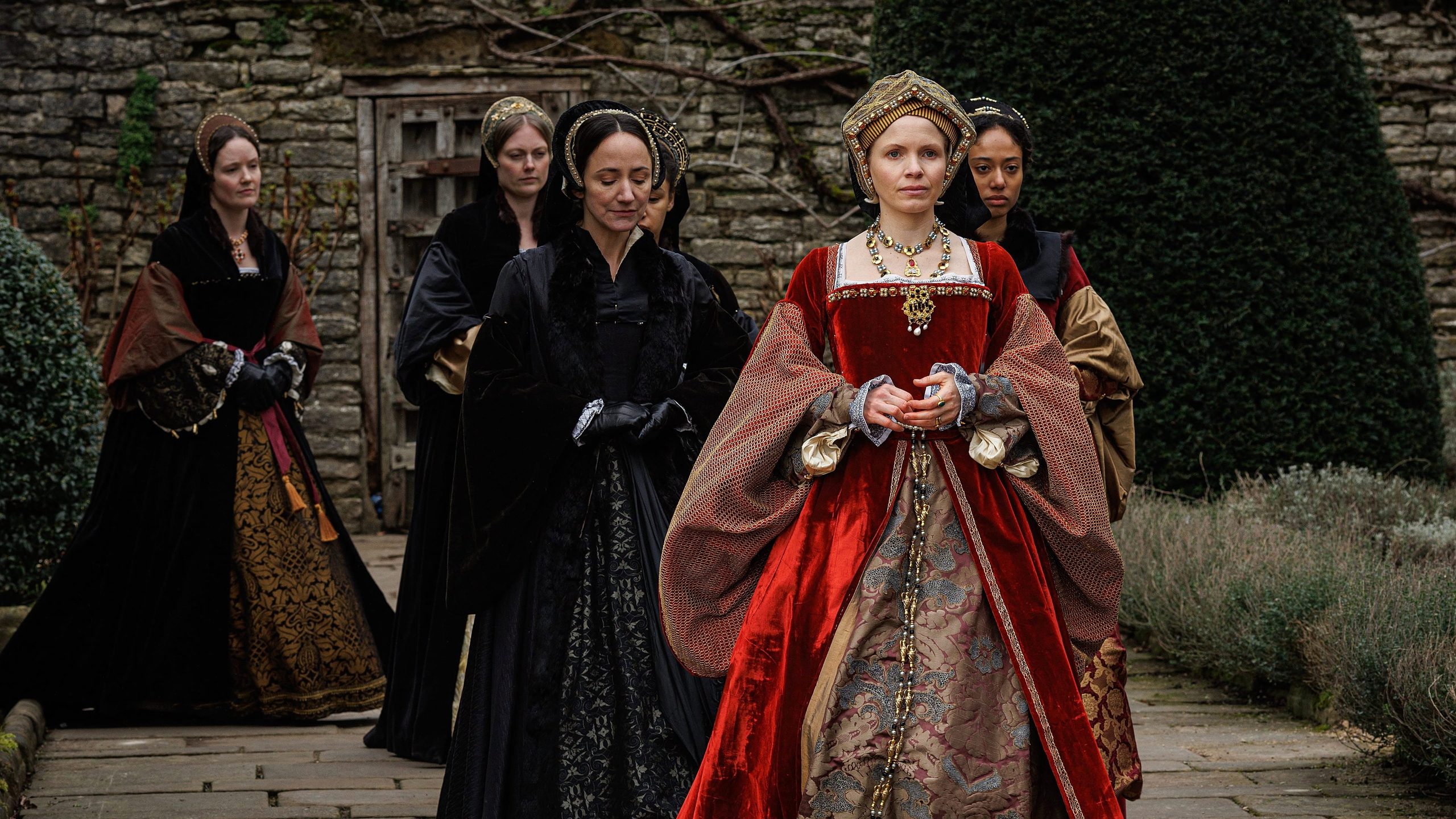
Gavin Finney lights the interiors by candle and by whatever comes through the windows, so faces float in the dark and the corners of rooms disappear. It is handsome, and there will be evenings when you want the brightness up. Pat Campbell’s production design puts the court in stone rooms with little furniture, so people move through them like guests who are not sure they are welcome. Joanna Eatwell dresses Cromwell in black wool and fur, gives Henry the gold and lets Anne have most of the colour. Debbie Wiseman’s score is mostly strings and a few plucked instruments, and it arrives seldom enough that you notice when it does.
The pace is a choice, and for stretches of the middle episodes it is the wrong one. Henry’s efforts to be rid of his first wife proceed at the speed of actual diplomacy, with letters sent and answered and men waiting in corridors, and we found the fourth hour slack in a way the first was not. Kosminsky’s camera hangs back and observes, which suits Rylance but leaves some scenes stiff, as if the actors had been told not to move until the shot was over. A viewer who does not already know how the Boleyns, Seymours and Howards stand to one another will be lost for an hour, and the series does little to help.
Set beside the usual run of Tudor television, this is austere to the point of severity. There is almost no sex, the 15 certificate is earned by a few hard moments rather than a habit, and the violence that matters happens off the edge of the frame or in a look. Mantel’s Cromwell, the villain of A Man for All Seasons recast as the one reasonable man in England, has been argued with by historians. The series does not argue back. It assumes he is right, which is its one lazy habit.
The six episodes stand on their own. Watch one a night, in the dark, with the subtitles on for the muttering, and give the opening episode your full attention. Everything after it assumes you did.