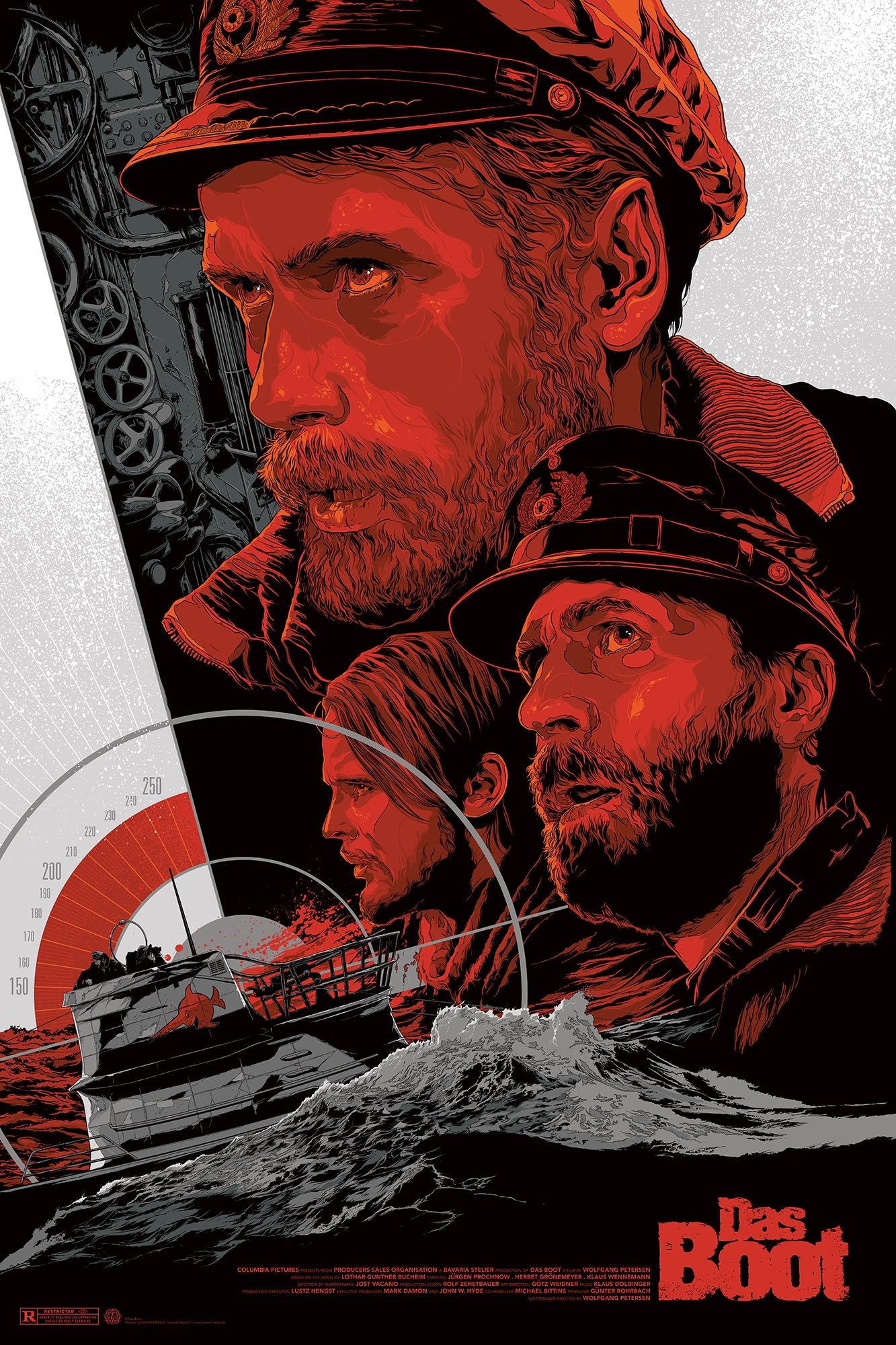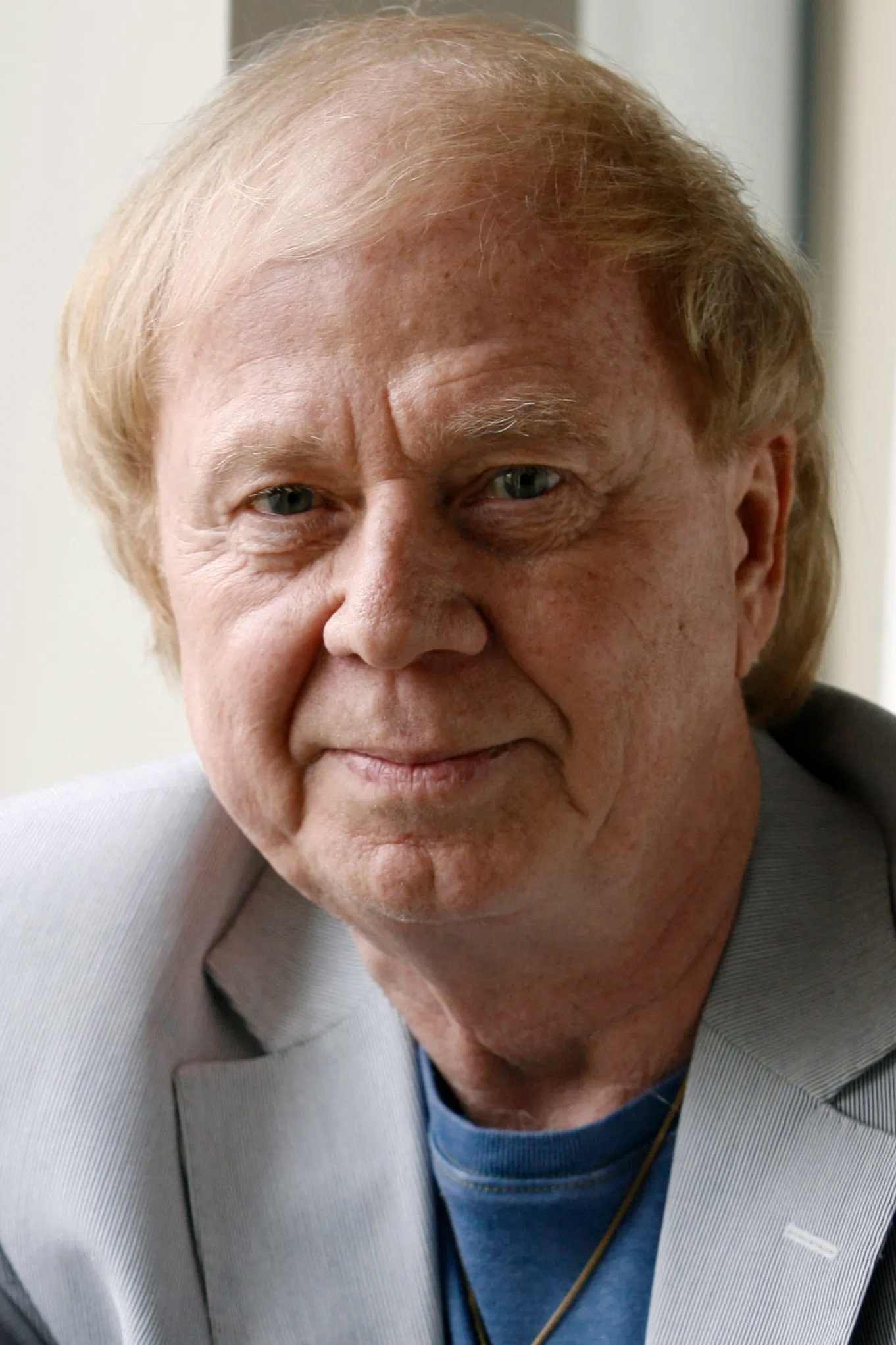
Wolfgang Petersen made danger frightening by showing how little room people had to deal with it. We rate him most highly when the machinery, the waiting and the work of staying calm matter more than the size of the spectacle.
Fi1m perspective
In Das Boot (1981), equipment takes up space the men could badly use, and the camera never grants them a larger submarine for our convenience. Wolfgang Petersen lets waiting and routine continue long enough for the confinement to become oppressive. We felt trapped during those stretches, because there is so little room to move and so much time to notice it. This is Petersen at his most persuasive: he makes the physical conditions of a job frightening before asking us to care about the people doing it.
Jost Vacano’s cinematography keeps the cramped interior legible, while Rolf Zehetbauer’s production design makes it a convincing place to work. Jürgen Prochnow’s captain supplies the human centre through concentration rather than speeches; the other men’s need for him to know what to do gives his restraint weight. Klaus Doldinger’s music is effective, although it sometimes urges on fear that the sounds outside the boat have already established. Petersen’s patience with the crew makes their distress matter, but several remain frightened faces, and sympathy does not quite make up for how little we learn about them.
The move from German television and small-scale features in the 1970s to Das Boot brought an international breakthrough. His first English-language film, the fantasy The NeverEnding Story (1984), came before his move to Hollywood in the mid-1980s. In the Line of Fire (1993) and Air Force One (1997) put his handling of suspense to work around Clint Eastwood and Harrison Ford respectively. With The Perfect Storm (2000), he kept human stories prominent within a large-scale disaster film. He could still keep the people in view when the action grew larger.
That skill could also serve conventional material too obediently, as in Troy (2004) and Poseidon (2006), where the spectacle lacks the earlier intensity. We would still start with Das Boot, accepting its thinly drawn supporting men for the sustained attention it gives their discomfort and fear. Petersen is worth watching when he trusts us to stay with people who are waiting, listening and trying to do their jobs. Do not choose it for a relaxing evening.
Biography
Wolfgang Petersen was a German film director, screenwriter and producer. Born in Emden in 1941, he trained at the Deutsche Film- und Fernsehakademie Berlin after beginning in theatre in Hamburg. His early work included television productions in West Germany, notably episodes of the series Tatort.
Petersen achieved international prominence with Das Boot (1981), which he directed and for which he wrote the screenplay. The film received six Academy Award nominations. He subsequently directed English-language features including The NeverEnding Story (1984), Enemy Mine (1985), In the Line of Fire (1993), Outbreak (1995), Air Force One (1997), The Perfect Storm (2000), Troy (2004) and Poseidon (2006). His final film was the German comedy Vier gegen die Bank (2016). Petersen died in Los Angeles in 2022.