A true 1977 hostage siege, two fine performances and a good question about what a reporter owes the gunman on the line, stretched across eight episodes that go slack around the fourth. Hamm and Ribisi make the early ones worth it.
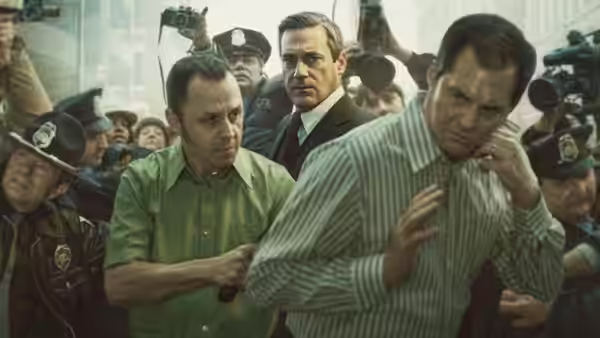
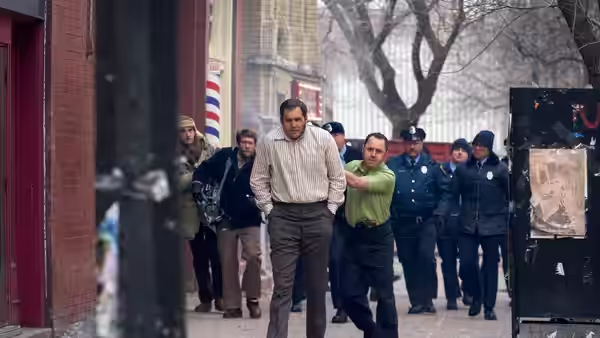
Shawn Ryan and Eileen Myers have taken a true story from 1977, a gunman, a shotgun wired to a mortgage broker’s neck and a radio reporter the gunman insisted on speaking to, and given it eight episodes. The question the series wants to ask is a good one: what does a newsman owe a man who has made him part of the story? For three episodes it asks that question with real tension. Then it keeps asking, in the same rooms, and the tension goes.
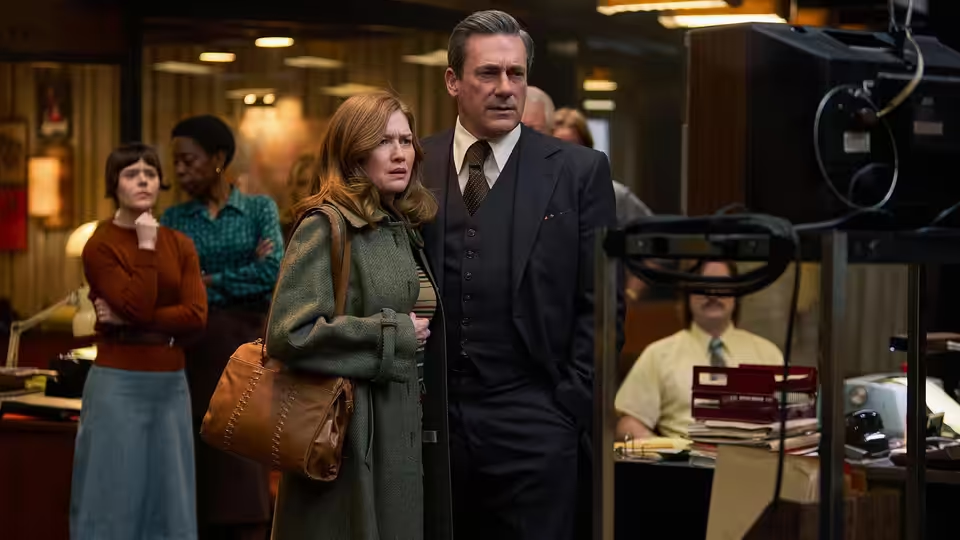
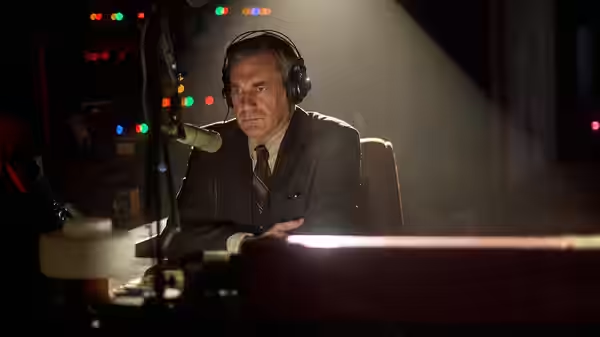
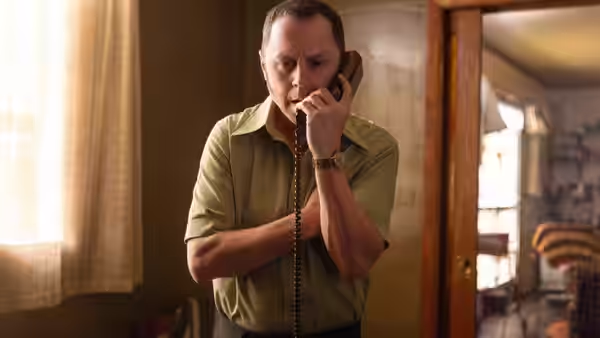
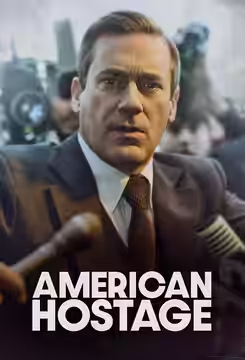
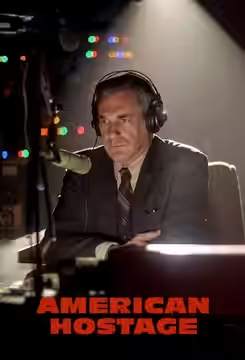
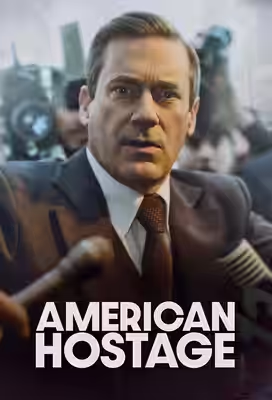
Jon Hamm plays Fred Heckman as a man who has spent a career learning to keep his voice level and now finds that the level voice is the only thing between a frightened man and a dead one. It is careful, unshowy work. He hardly raises his voice across the series, and the effort of not raising it is where the performance lives. Adam Arkin, directing, mostly leaves him alone in the frame with a telephone, and that is the right decision.
Giovanni Ribisi’s Kiritsis is the opposite: wet-eyed, aggrieved, talking as if every sentence were a complaint he has rehearsed in the car. He is frightening because he is pitiable, and he knows it, and he uses it. The calls between the two men, Kiritsis ranting and Heckman waiting for the gap, are the best thing here. The first episode’s long one had us leaning forward and forgetting the flares and the sideburns. We were afraid for a man we knew almost nothing about, which is the whole trick, and early on the series manages it more than once.
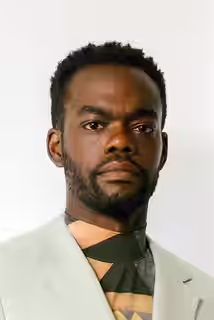
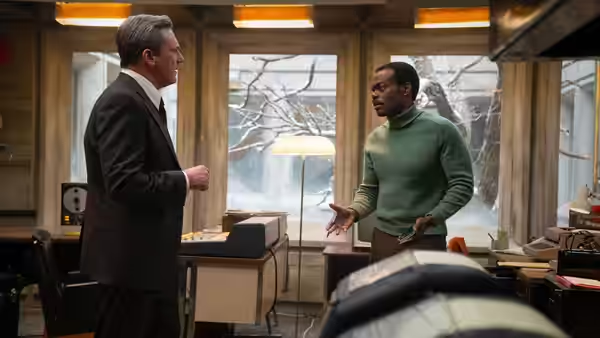
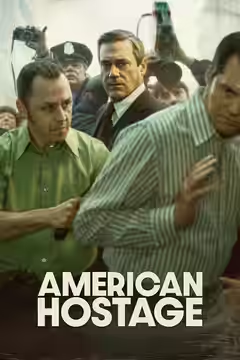
Kristoffer Polaha’s Dick Hall spends most of the series with a gun at his neck and does the hard thing well: he is not a symbol, he is a tired man in a bad suit trying not to cry. Mireille Enos, as Barbara Heckman, is handed the wife who watches from the kitchen, and Enos is too good an actor to be left with so little; she gets more out of a look across a table than the script gives her in words. William Jackson Harper, as Ben Hairston, carries the series’ interest in what else was going on in an American city in 1977, and his scenes are the ones that most feel as if they belong to a different, possibly better programme.
The editing is the flashiest element, cutting in archive-style footage, split screens and flashbacks into Kiritsis’s past, and for a while it gives the thing a nervy, pulpy energy the rooms themselves lack. The flashbacks are also where the writing is weakest: they explain a man who was more frightening unexplained. By the fifth episode the series has run out of hostage and started building subplots, station politics, a marriage under strain, a city on edge, and it finishes none of them. We found ourselves counting the episodes left, and then resenting a series for making us count when the story it is telling is one we already cared about.
Ryan made The Shield (2002), which rarely let a scene run past its point. American Hostage lets its point run past the scene and then past the episode. The real siege lasted days; a two-hour film, or four tight episodes, would have held it. Eight is a commissioning decision, not a dramatic one.
Watch the first three for Hamm and Ribisi on the phone, which is as tense a two-hander as we have sat through in a while. After that you may find, as we did, that the story has ended and the series has not.