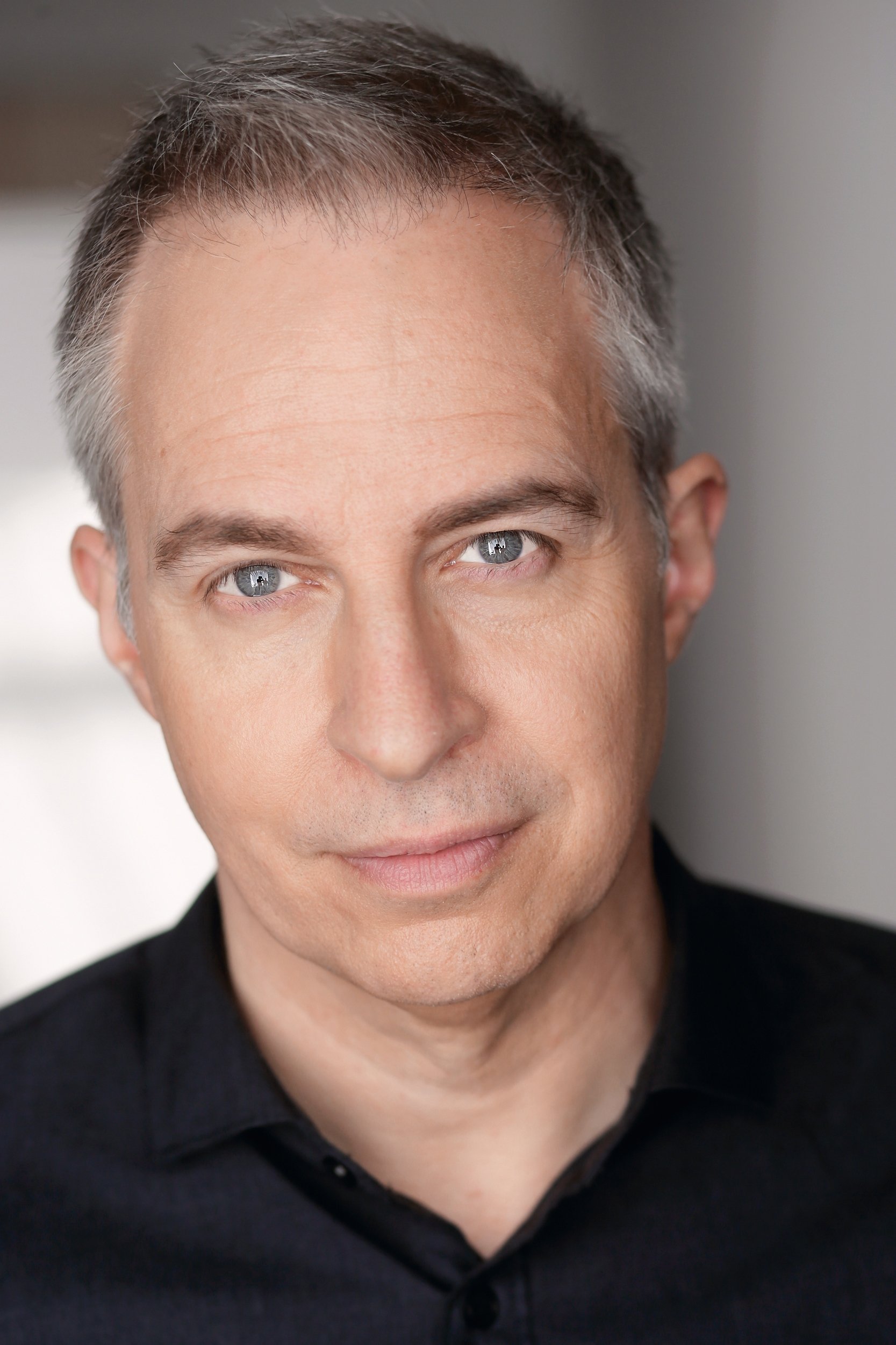
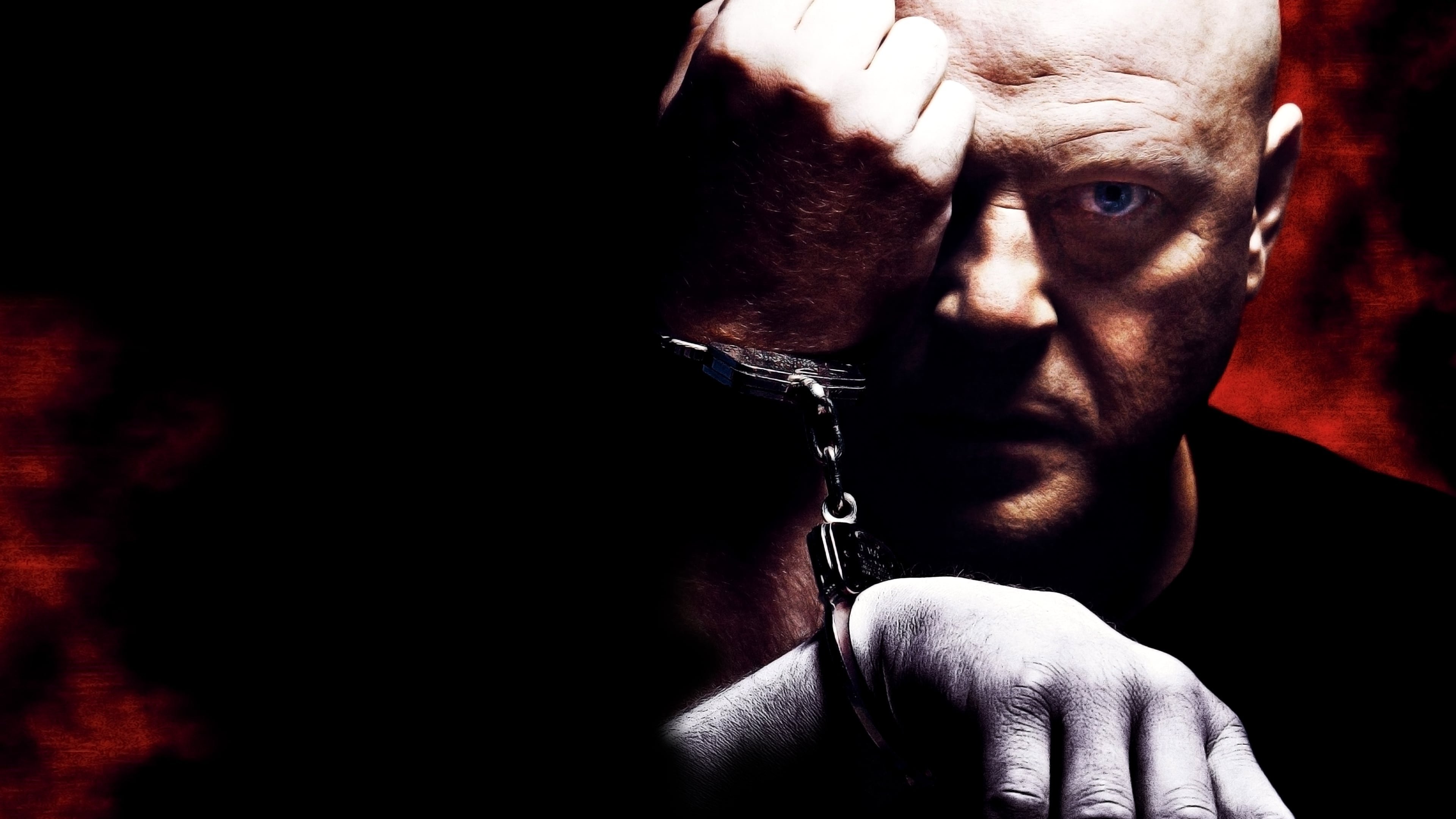
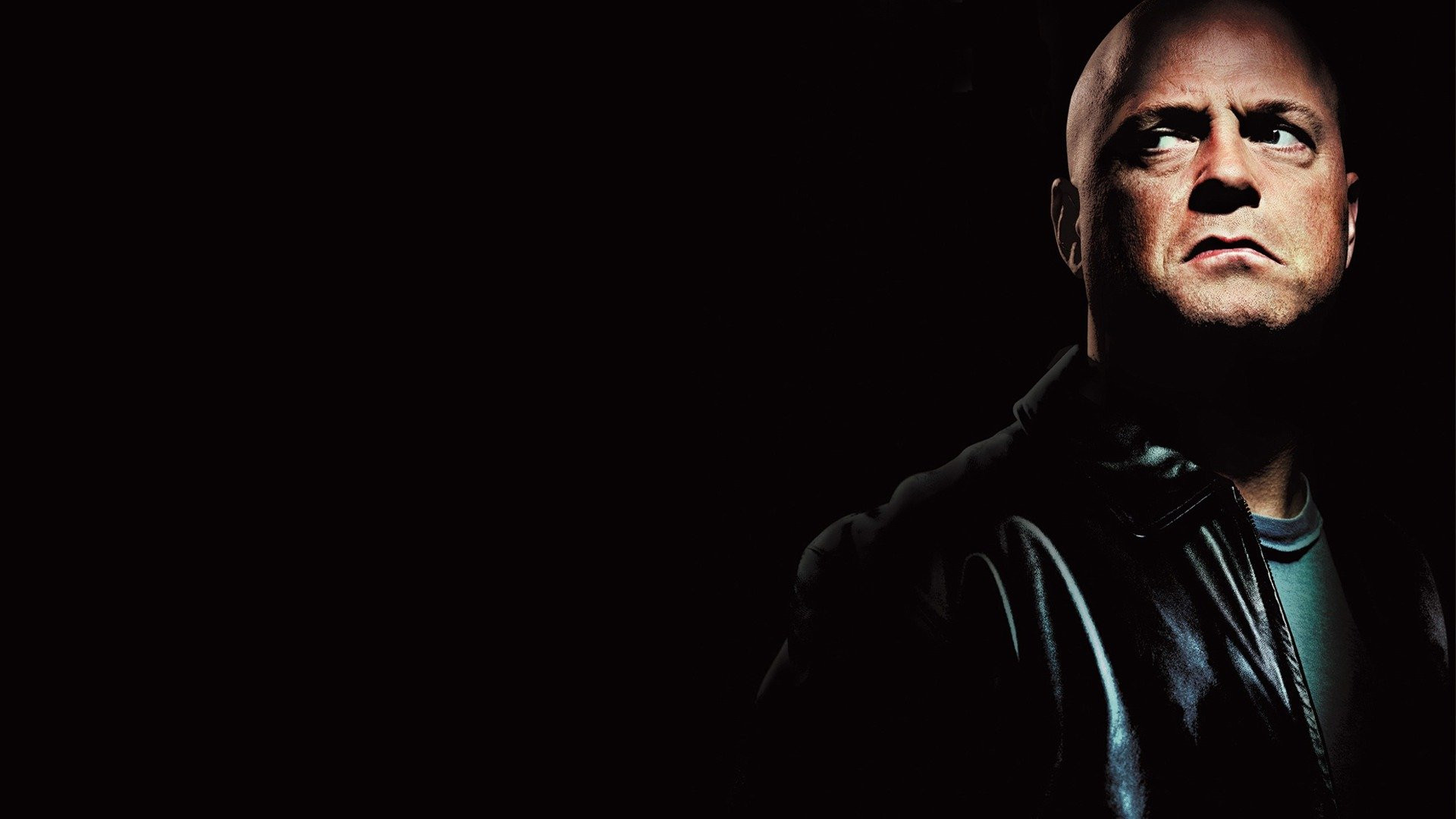
Shawn Ryan’s police drama is tense, sharply acted and occasionally too insistent on its roughness. Michael Chiklis gives it a compelling centre, while a strong ensemble rewards the commitment beyond the lead performance.
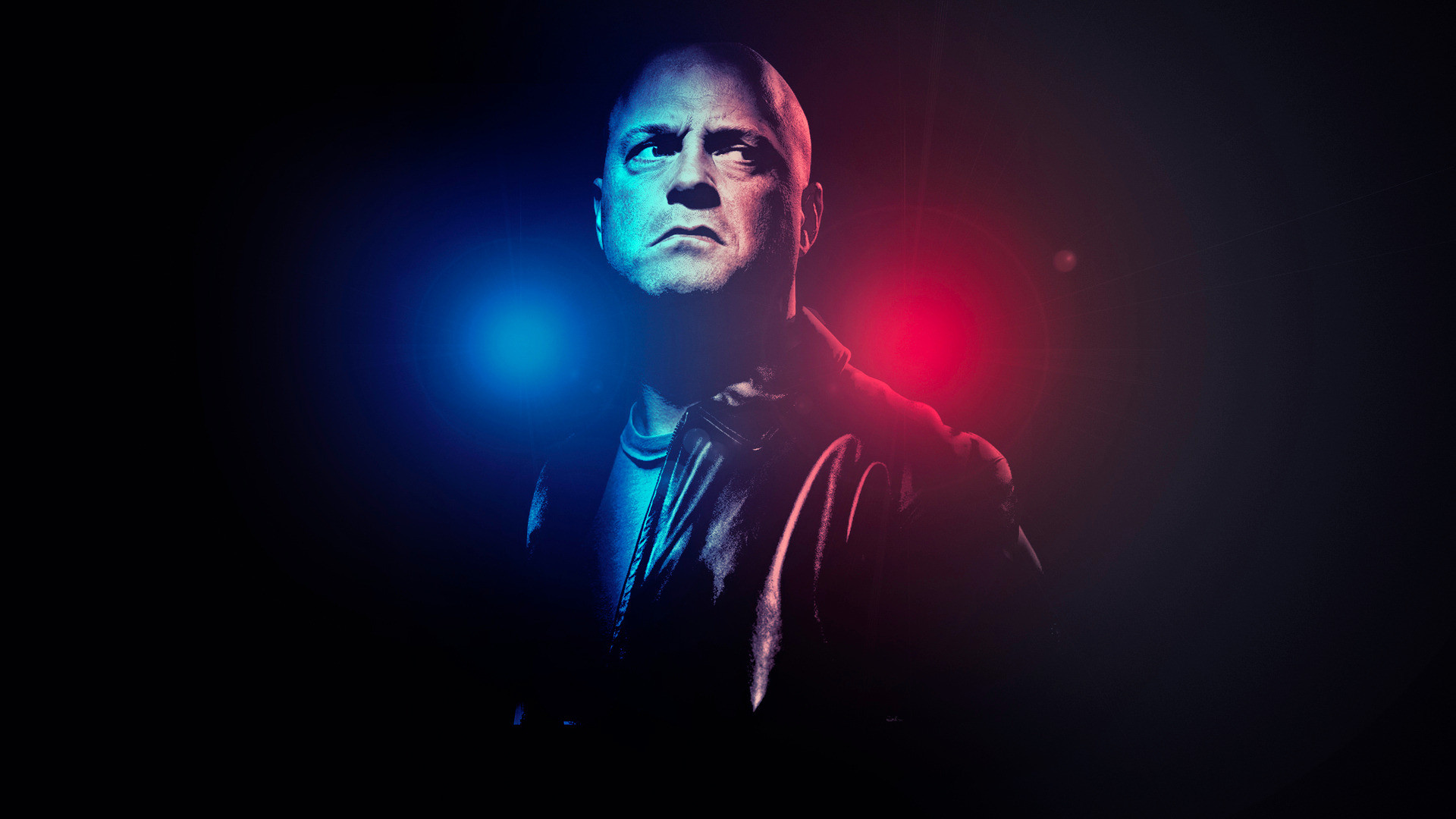
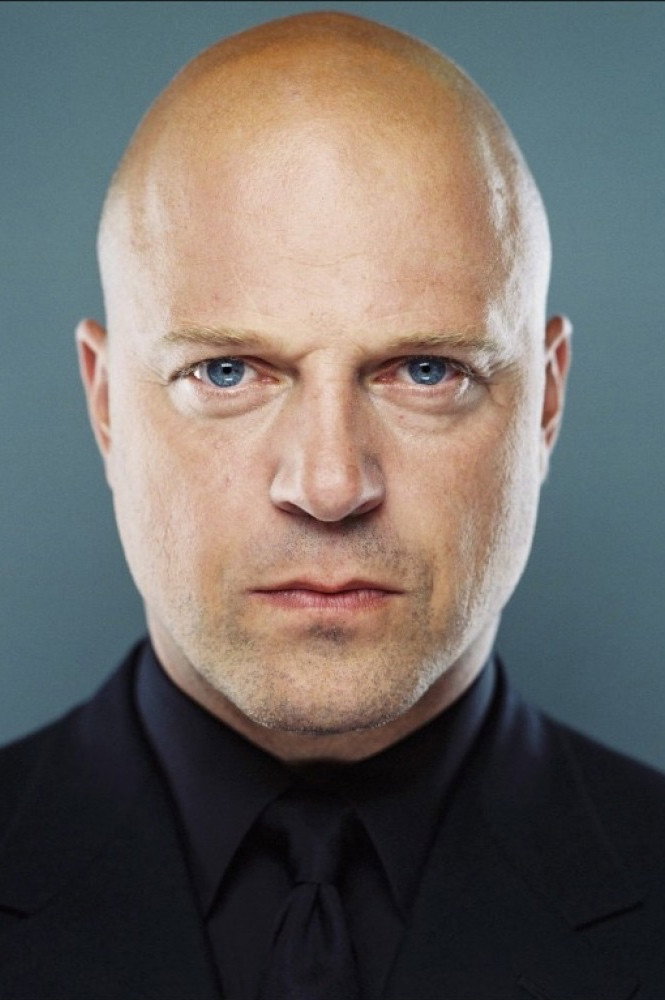
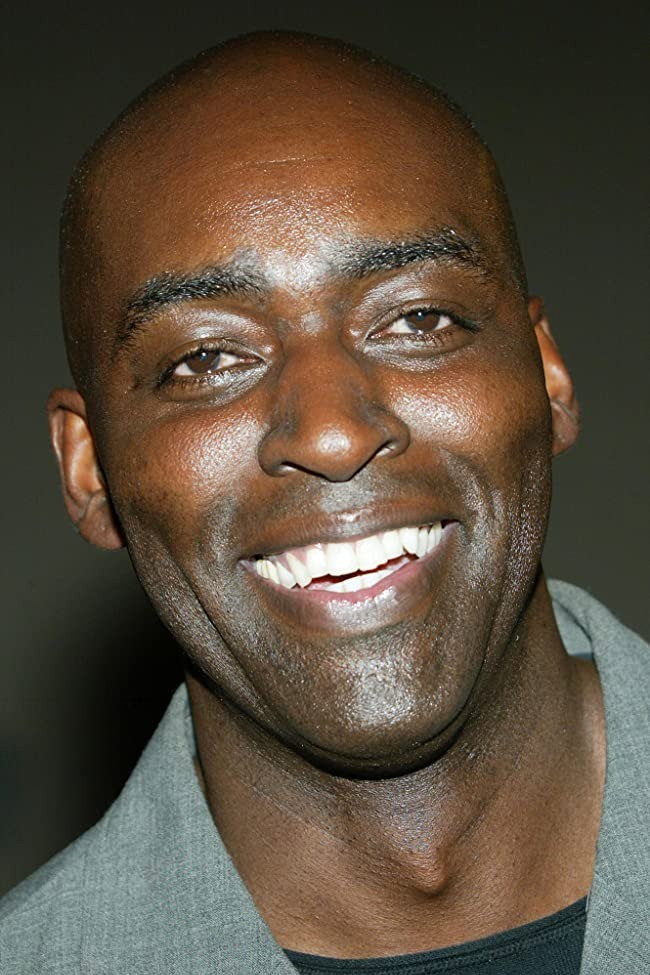
Shawn Ryan’s The Shield is a forceful police drama whose lead performance makes its rough manners worth enduring. Michael Chiklis, as Vic Mackey, gives the series a centre strong enough to hold an ambitious ensemble together. We recommend it, though its sustained aggression can wear us down. It wants the speech to sound frank and the images to feel urgent, and generally gets both. The reservation is that it sometimes presses harder after it already has our attention.
Chiklis makes the blunt dialogue persuasive enough to be uncomfortable. We were unsettled by how readily the certainty in his delivery held us, even when the words were abrasive. There is pleasure in watching an actor exert this much control, and the series knows it. His performance gives the rough style a human focus, keeping our attention on the person speaking through all that urgency. When the writing allows Chiklis to carry a scene without further emphasis, the programme is at its strongest.
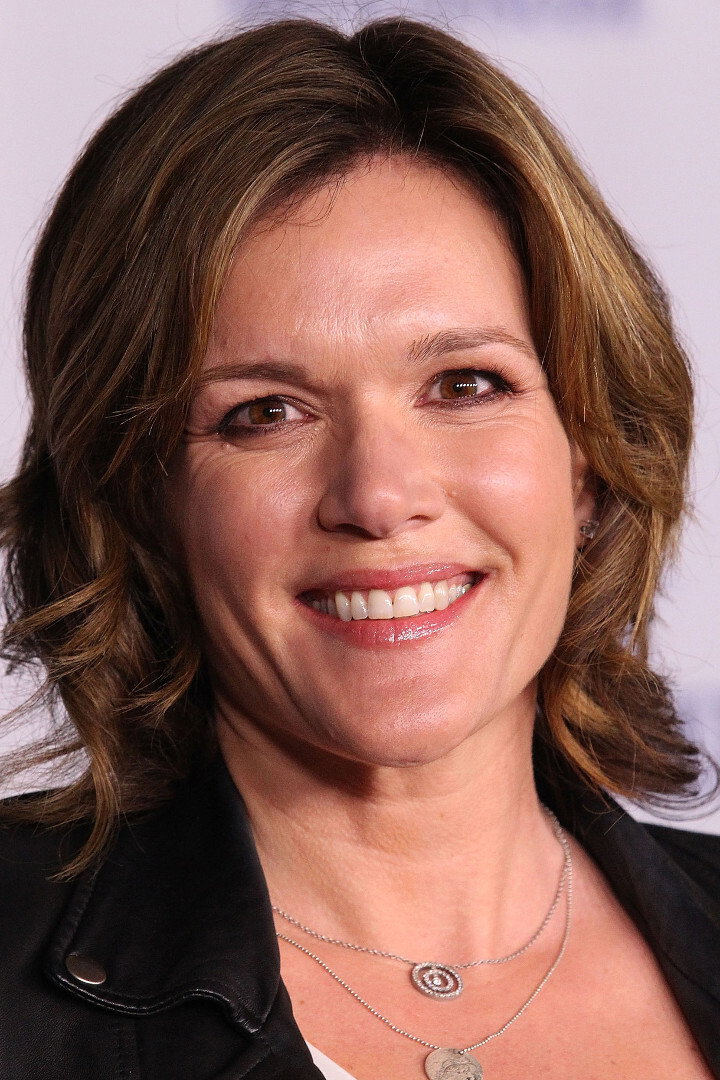
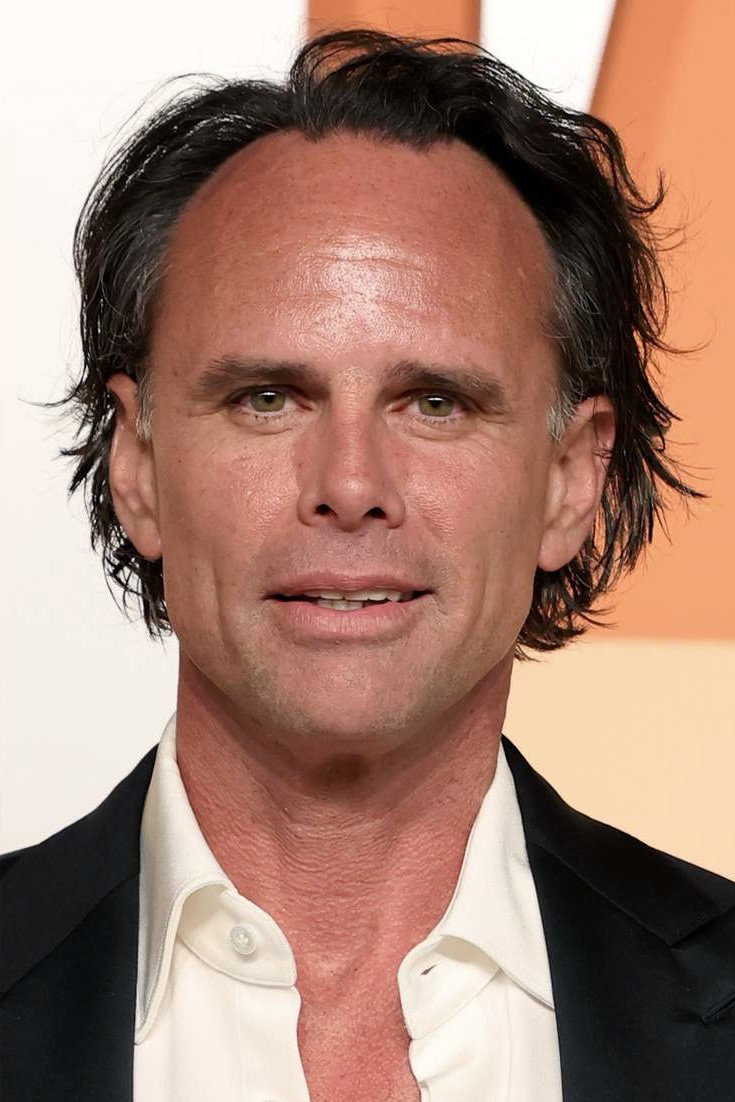
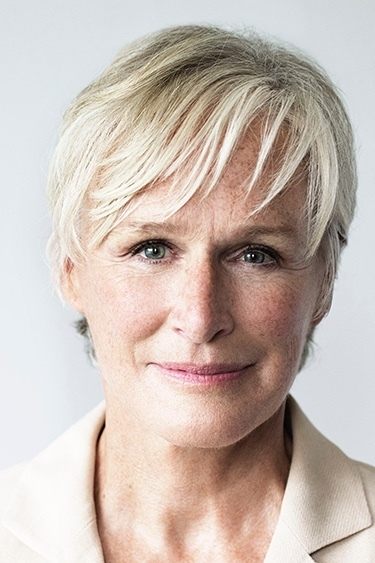
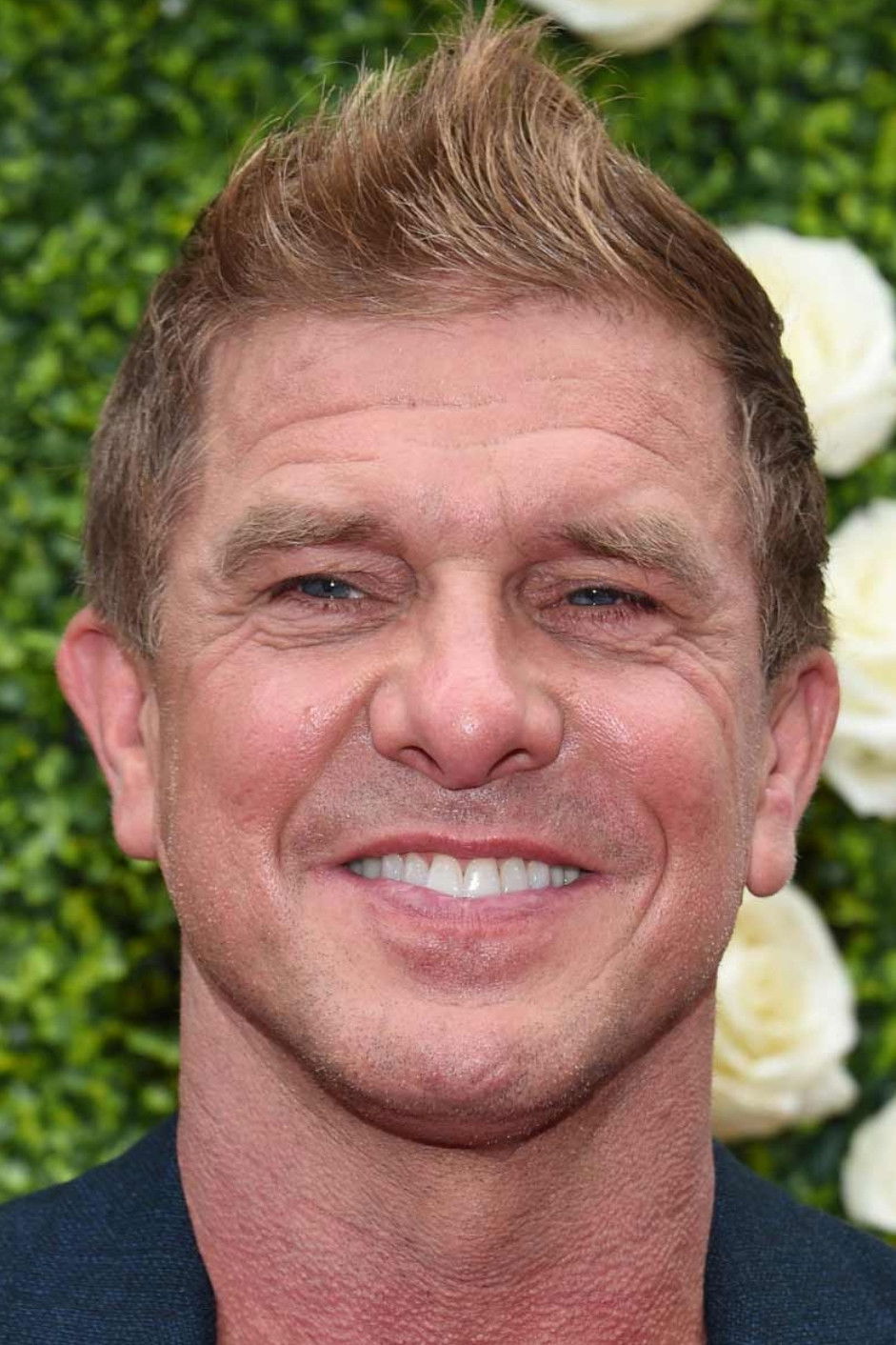
Walton Goggins’s Shane Vendrell, CCH Pounder’s Claudette Wyms and Jay Karnes’s Holland ‘Dutch’ Wagenbach ensure that attention is not restricted to the lead. The ensemble is strong enough that we want to hear from these people without impatiently waiting for Mackey. Catherine Dent, as Danielle ‘Danny’ Sofer, and Benito Martinez, as David Aceveda, help give the programme that breadth. This matters in a police series, where supporting actors can easily be reduced to asking the central character questions. Here, the cast makes those other conversations worth following.
Rohn Schmidt’s cinematography gives the images a rough urgency that suits the performances, although the insistence on looking raw occasionally becomes distracting. There is little invitation to sit back and admire the picture, which suits the confrontational dialogue. The editors include Padraic McKinley and Angela M. Catanzaro, and the editing maintains a firm pace across the ensemble. It keeps the pressure up without making time spent away from the lead feel like an interruption. The craft is most effective when it keeps our attention on the actors.
Ryan’s fellow writers include Glen Mazzara, Kurt Sutter and Adam Fierro, and the frankness of the dialogue is a substantial part of the appeal. The speech is direct enough to keep an exchange moving and gives the cast plenty to work with. Our reservation comes when abrasiveness starts to sound compulsory. Too many hard lines together lose their individual force, and a scene can feel driven by the need to sound tough, regardless of what anyone has to say. Some quieter writing would have made the harsh passages count for more.
The familiar pleasures of police drama remain, particularly the chance to spend time with a large, capable cast. The demands are greater than the 45-minute episodes suggest, especially across seven seasons. We would give the harsher passages room to settle instead of immediately starting another episode. Begin with one and pay attention to Chiklis’s delivery. If that holds you, stay for the people around him.