Series review

Betty

2020 · Created by Crystal Moselle, Lesley Arfin · Series · 30m · MPA TV-MA

In a sentenceFive girls, five boards, one Manhattan summer and almost nothing you could call a plot; we did not miss it

ComedyDrama

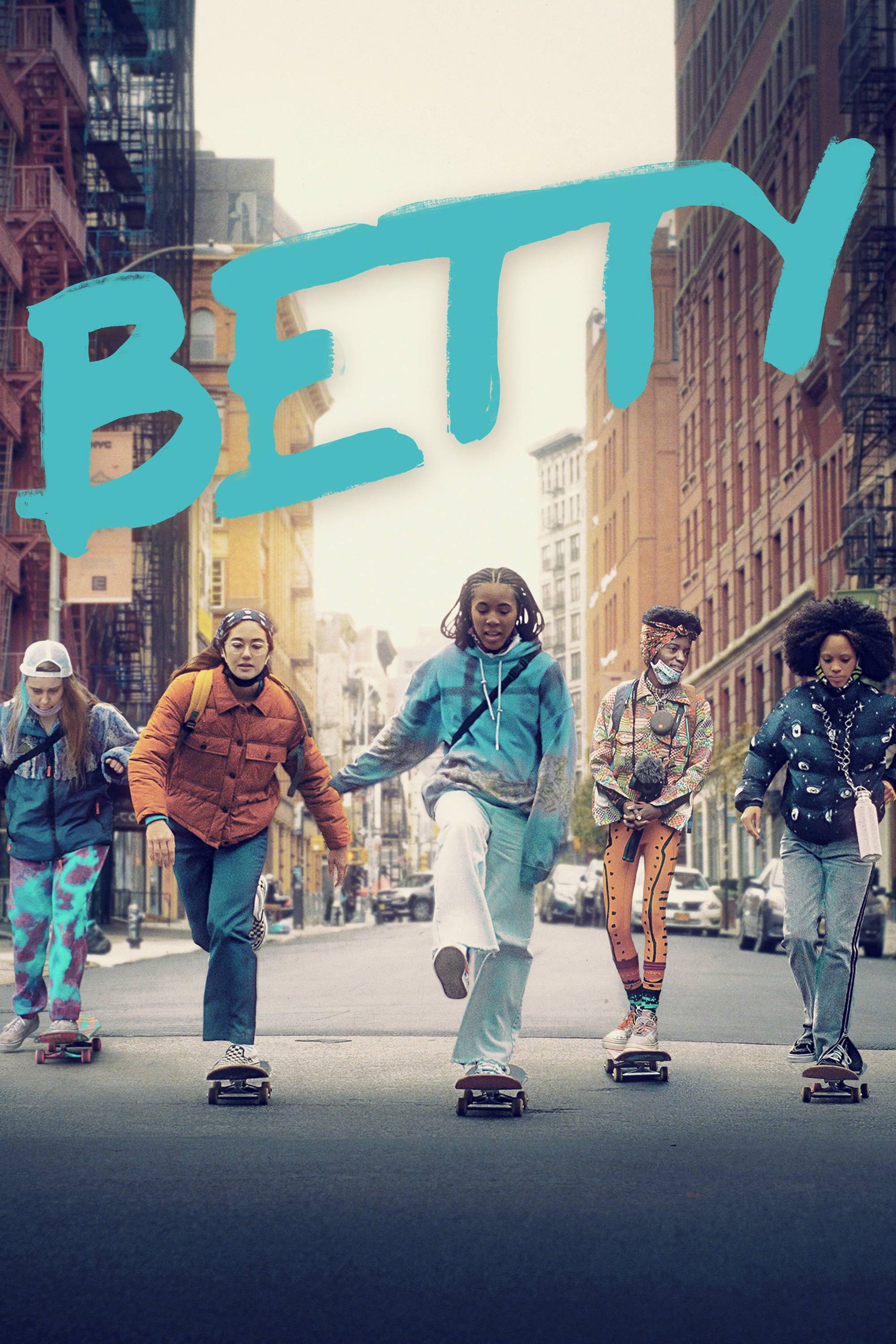
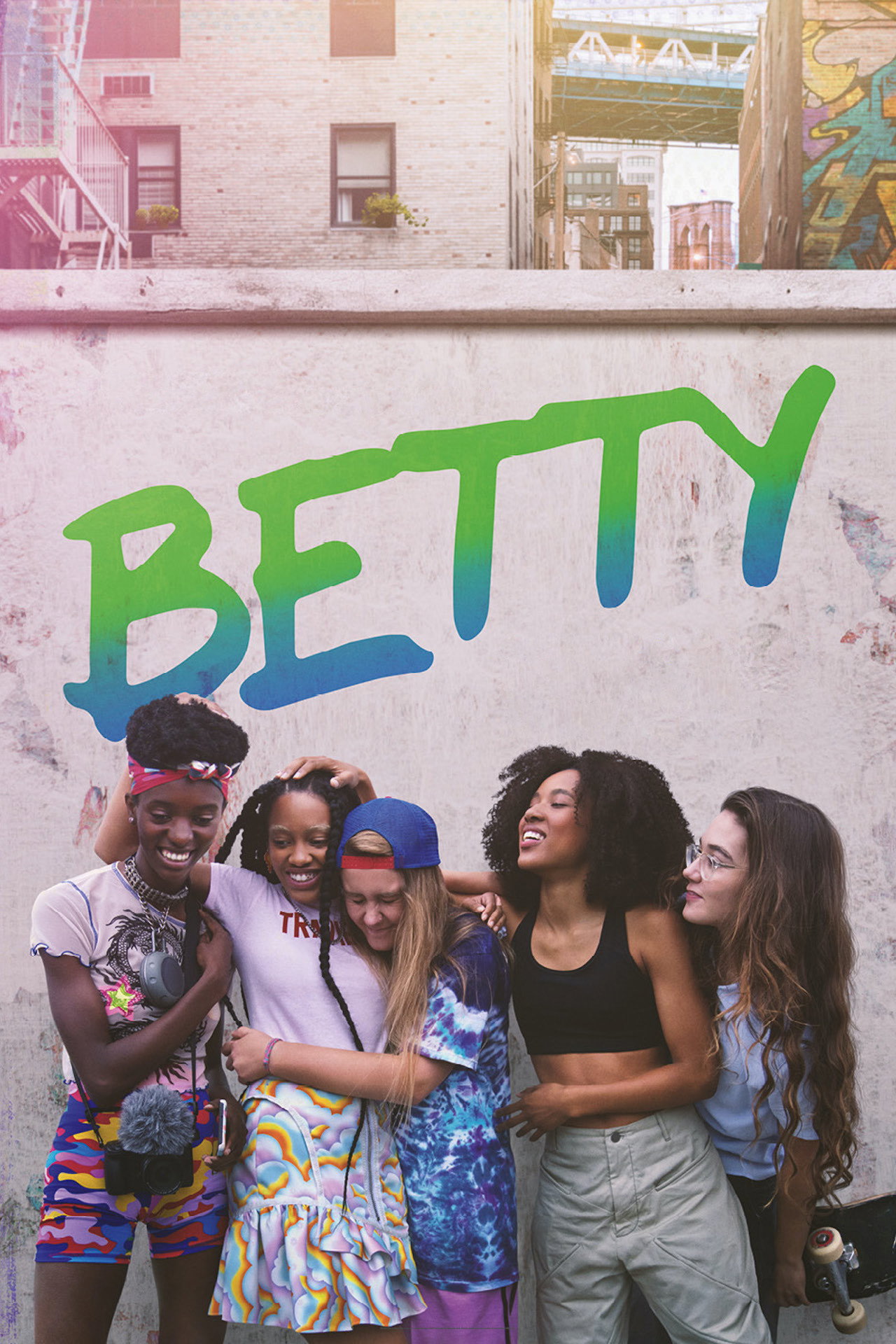
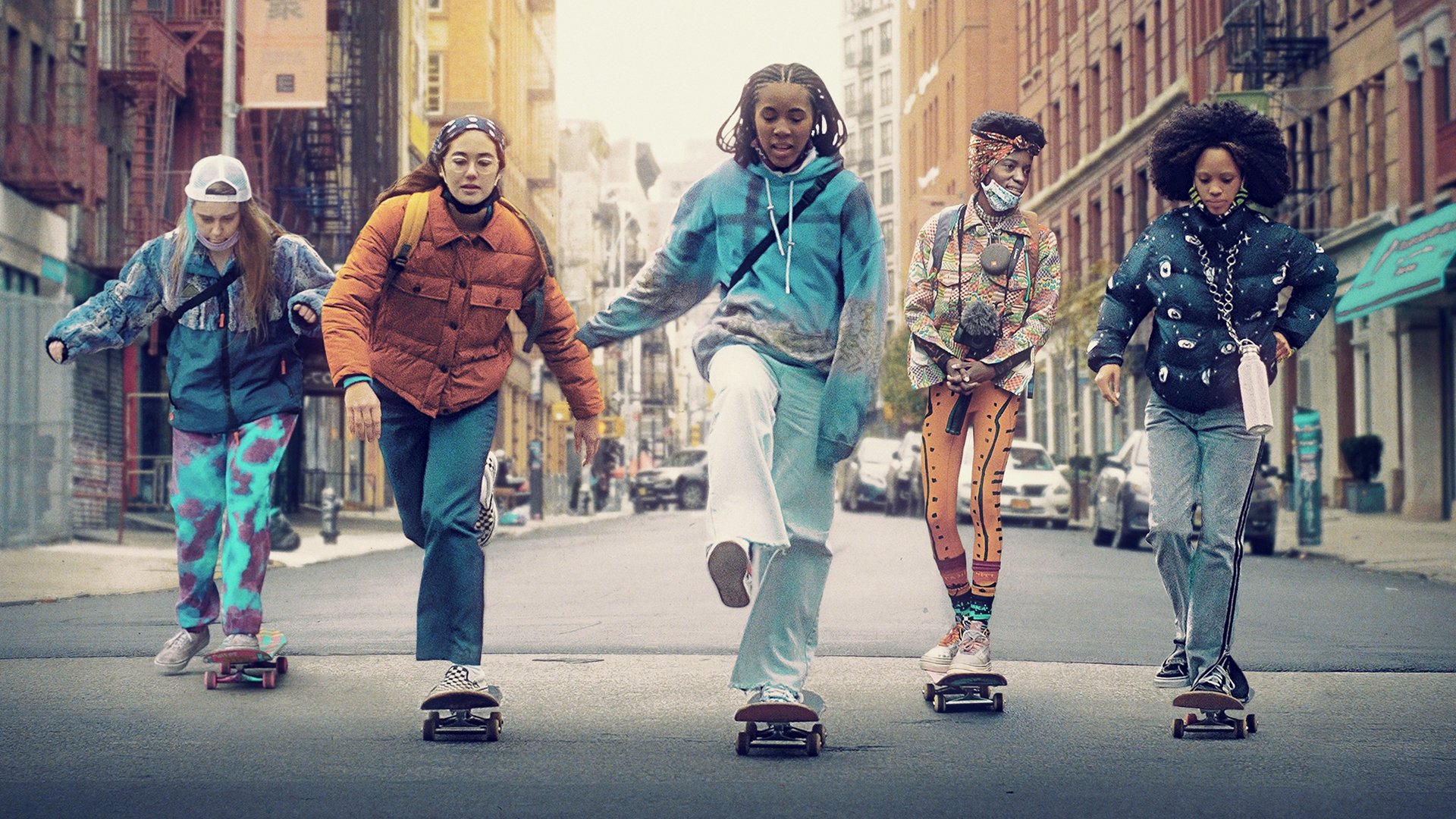
New York City, in summer. Janay (Dede Lovelace) and Kirt (Nina Moran), best friends who skate together, put up flyers for an all-girls session at the park and wait for a crowd that does not come. The only arrival is Honeybear (Kabrina Adams), who says little and films everything on the camera she carries. Over the first episode they fall in with Indigo (Ajani Russell), poised, well dressed and selling weed on the side, and Camille (Rachelle Vinberg), who skates with the boys and would rather they approved of her than that the girls did. Nobody has a plan. A missing bag sends the five of them across Manhattan together before any of them has decided to be friends.

Plays from YouTube when you press play; nothing loads from them until then.

Fi1m review

Crystal Moselle takes the skaters of Skate Kitchen and gives them twelve half-hours to roll around New York in. Little happens and it is a pleasure; the series is warmest when it stops trying to have plots.

Crystal Moselle made Skate Kitchen in 2018 with a group of young women she had found skateboarding in New York, and Betty is her second go at the same people. Five of them come back: Janay (Dede Lovelace), Kirt (Nina Moran), Honeybear (Kabrina Adams), Indigo (Ajani Russell) and Camille (Rachelle Vinberg). Moselle and Lesley Arfin, who created the series with her, have built something that asks almost nothing of you. Each season is six half-hours. There is hardly any plot and a great deal of rolling through Manhattan while the light goes. It is good, small and slightly weightless, and we enjoyed it more than that description suggests.

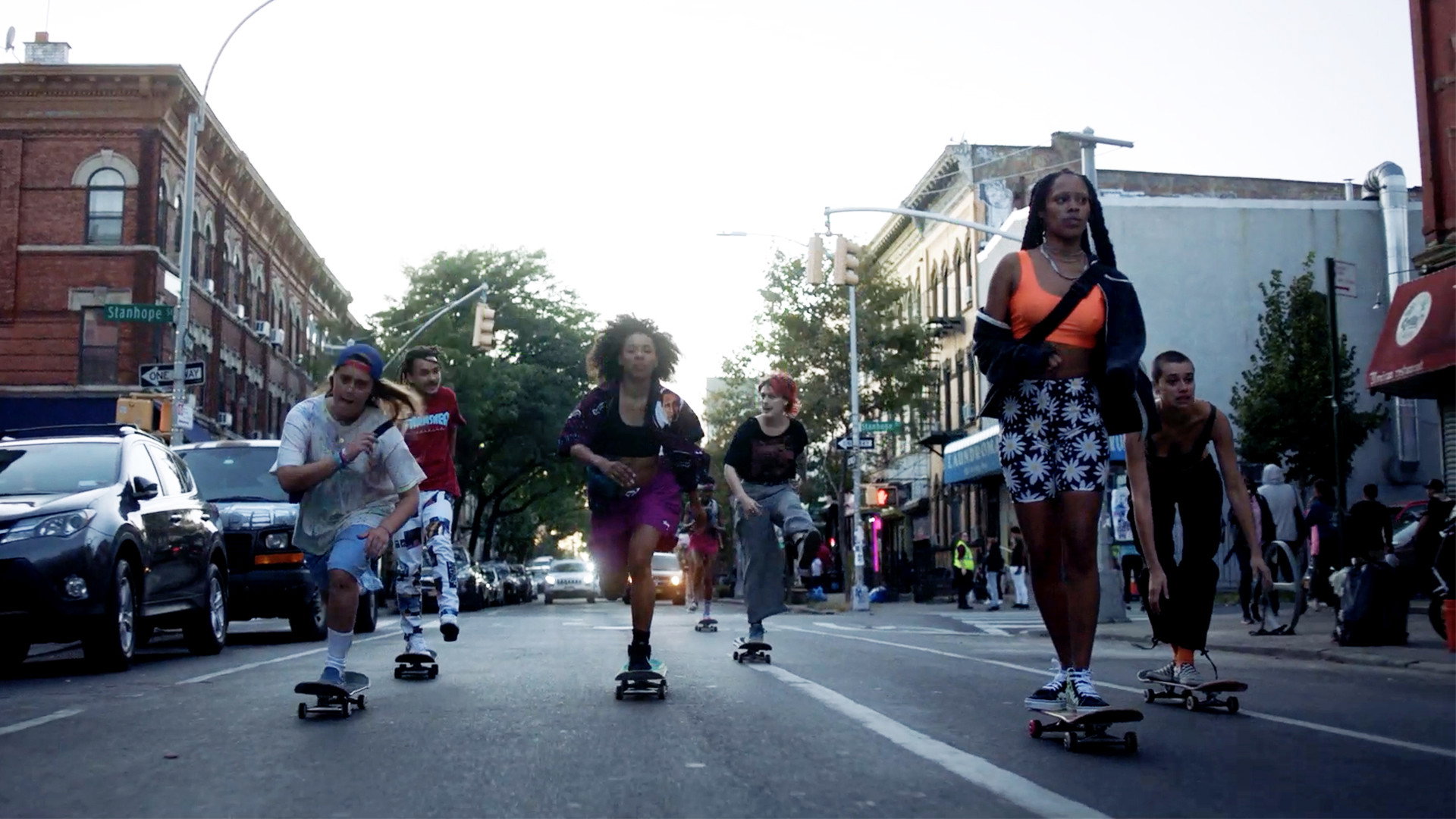
Nobody in it is a trained actor, and Moselle does not shoot them as if they were. The camera rides low, at hip height, and follows the boards for a block at a time without cutting: through traffic, across subway grates, down into the bowls of the skate parks. The light is mostly late afternoon and mostly real. Aska Matsumiya’s score is soft and electronic and comes up under the skating like a radio left on in the next room. The best passage in the first episode is five girls moving through the city together, and for about a minute we felt seventeen and unsupervised. Then we noticed how carefully the shots had been chosen and liked it no less.

Moran is the reason most people will keep watching. Kirt is loud, permanently stoned and full of theories, and Moran delivers them as if she has only just thought of them, because she probably has. Russell gives Indigo a stillness the others lack; she looks as though she has somewhere better to be and has decided, for now, not to go. Vinberg, who also writes on the series, plays Camille as a girl who would rather the boys respected her than that the girls liked her, and she lets you see what that costs. Adams says least and is watched most; the series is patient with Honeybear in a way television rarely is with quiet people. Lovelace’s Janay carries the heaviest material of the first season, in a storyline we will not describe, and carries it plainly and well.

The trouble comes whenever a half-hour needs a shape. Twelve writers are credited, and when they hand the girls a party, a missing bag or a boy to argue over, the joins show. Scenes end because the episode needs them to rather than because anything has happened. The boys, Philip (Raekwon Haynes) and Charlie (Alexander Cooper) among them, are furniture: there to be skated around or slept with and then forgotten. Some of the improvised talk lands nowhere, and Moselle keeps it anyway. We were, once or twice, mildly bored, and then a board would drop off a kerb into traffic and we forgave everything, which is roughly how the series expects to be treated.

The second season, made in the pandemic, puts masks on everyone and cold in the air, and it is the better of the two for it. The girls have less city to play in and more reason to want each other, and the friendships, which the first season took for granted, are tested by money and small betrayals. It is still a show in which little happens. It just happens to people we had come to mind about.

Moselle’s documentary The Wolfpack was about brothers who had grown up barely leaving a flat, and her gift is for watching people without seeming to. Skate Kitchen had a spine the series does not: a mother, a betrayal and ninety minutes to settle them in. Some critics have taken the loss of that spine as a loss of substance, and we see the case. We would put it differently. The film was about a girl finding a group. The series is about the group, and groups do not have plots. They have afternoons.

Watch it an episode at a time, in the evening, with the windows open. Six in a row and the skating starts to look like padding. One a night and it is the thing you tuned in for.

Critical consensus AI synthesised

76
Positive
7
Mixed
1
Negative
0

Most critics like Betty, and the praise is unusually consistent. The reviews describe an unhurried hangout series about a group of girl skateboarders in New York, and they value it for the same reasons: the friendships feel lived-in, the skating sequences have real momentum, and the young cast comes across as people rather than performers. Several reviews single out its handling of gender and queer self-acceptance, and one credits it with treating a storyline about sexual assault through the trust between the characters rather than through spectacle.

The reservations are few. IndieWire is the lone dissenter, finding the series flashy and entertaining but thinner than the film it grew from, style over substance. Elsewhere the complaints are minor; even Variety, at the lower end of the positive reviews, admires how the show captures the feeling of being a teenager. The spread is narrow, and the consensus is a warm one.

The Guardian
9 June 2020 · Lucy Mangan
90*

The critic praises the series as a laid-back, breezy charmer about female skateboarders in New York, noting its authentic, unhurried depiction of friendship and subculture. She singles out the show's smart handling of gender dynamics and its invigorating tribute to youth.

Read the full review →
The Hollywood Reporter
29 April 2020 · Robyn Bahr
80*

The critic praises the series as a soothing, emancipating celebration of young female friendship and queer self-acceptance among skaters in New York, highlighting its languid, joyful vibe and authentic cast.

Read the full review →
Vulture
10 June 2021
80*

The critic highlights the show's vivid, vérité-style depiction of pandemic-era New York and the enduring sense of freedom and motion embodied by the skateboarders, even amid real-world stresses and betrayals.

Read the full review →
The AV Club
20 April 2020 · B · Shannon Miller
77

The series successfully expands the Skate Kitchen world into an authentic dramedy about sisterhood and young adulthood. It delivers a spunky, infectious tale of community with strong performances.

Read the full review →
Variety
27 April 2020 · Critic's Pick · Caroline Framke
70*

The critic praises the series for capturing the visceral feeling of being a teenager through its dynamic skateboarding sequences and the authentic, immersive portrayal of the girls' friendships, misadventures, and personal growth.

Read the full review →
IndieWire
1 May 2020 · Jude Dry
50*

The critic finds the series flashy and entertaining but ultimately style over substance compared to the original film. The characters remain fun and vibrant to follow.

Read the full review →

Cast

If you liked this, try…

Skate Kitchen poster

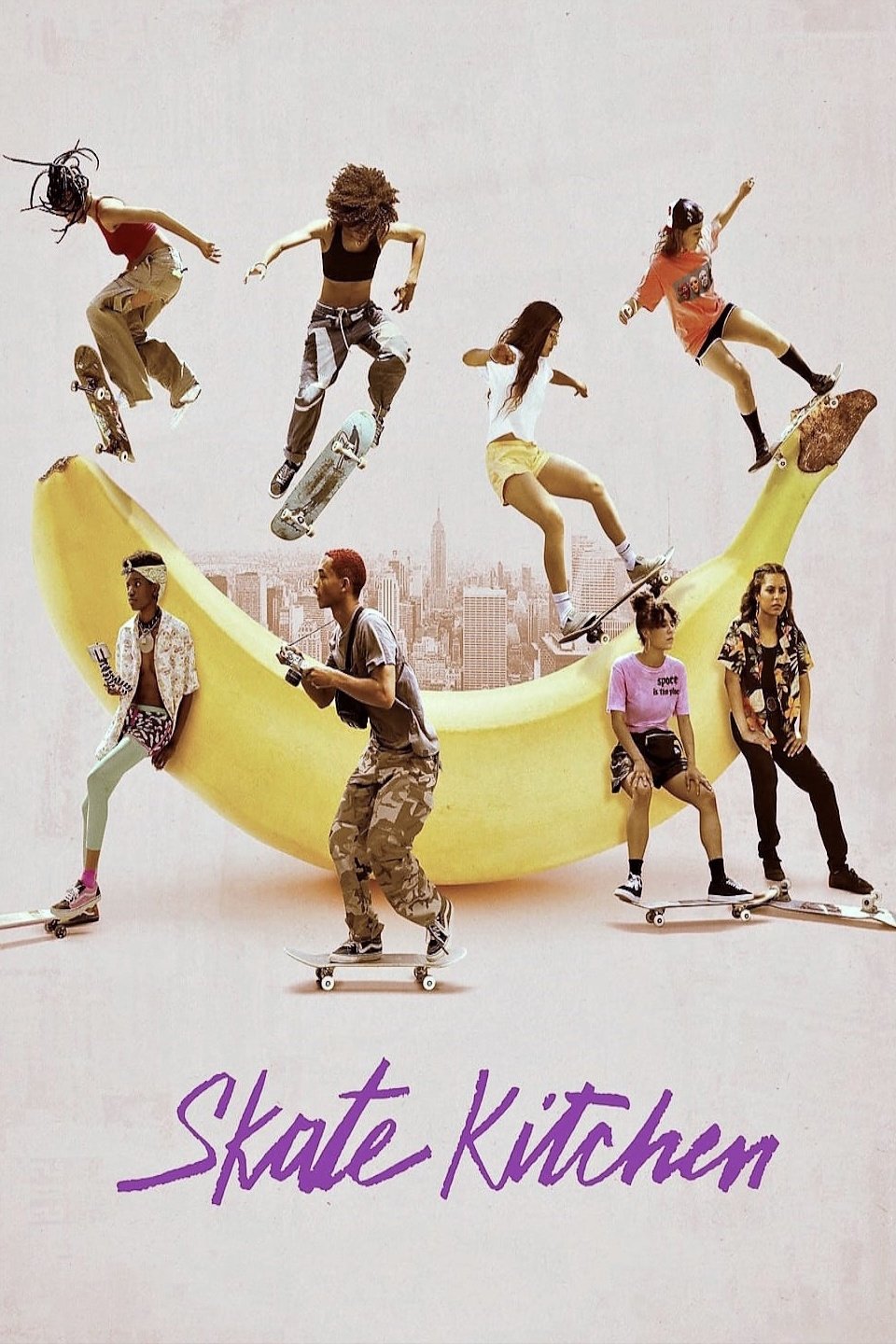
Skate Kitchen

2018 · The same girls, with a story to hold them; where Moselle started this.

Minding the Gap poster

Minding the Gap

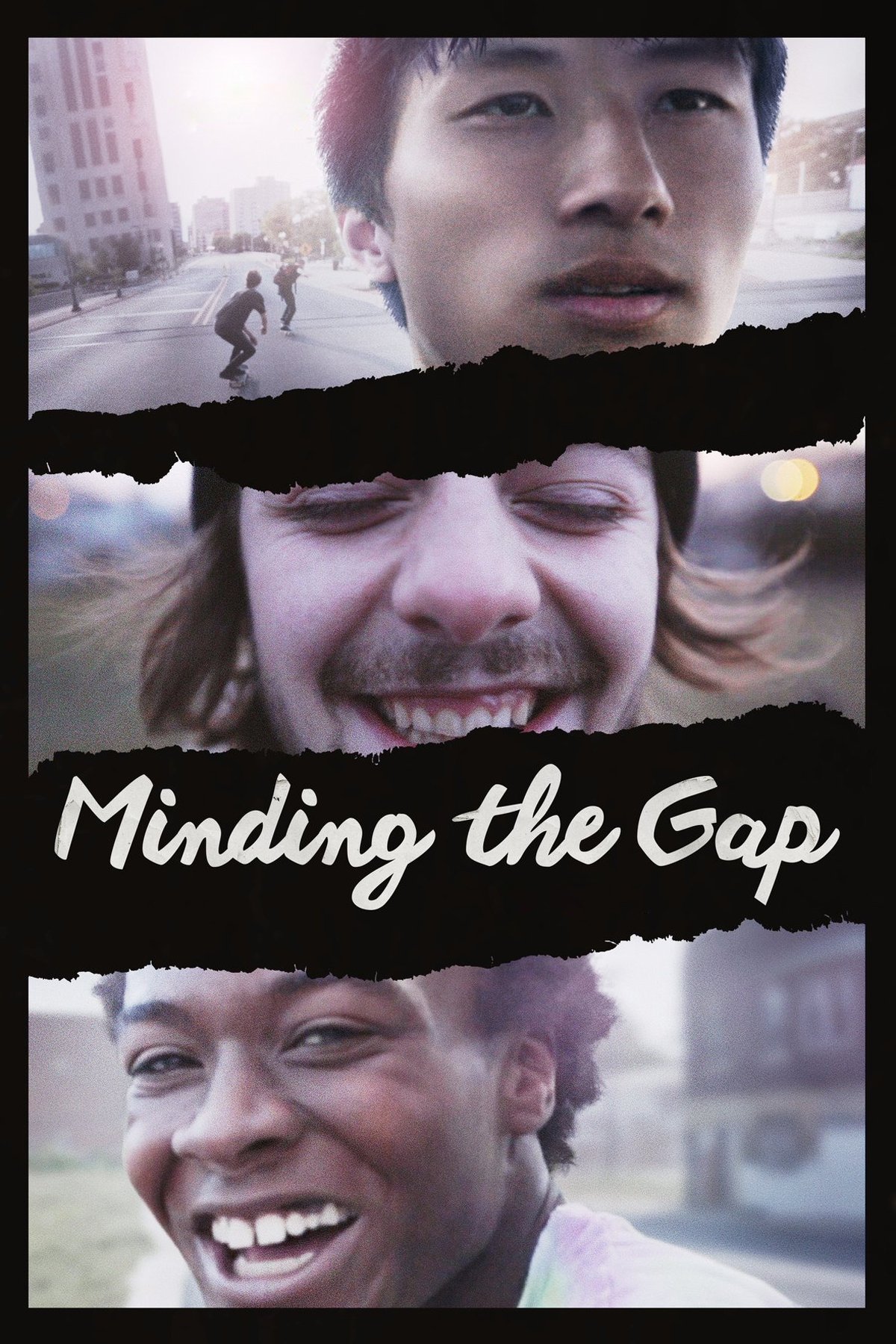
2018 · Skateboarding as the thing that keeps three boys from going under in Illinois.

Girlhood poster

Girlhood

2014 · A Paris girl gang, filmed with the same patience and a harder edge.

Wassup Rockers poster

Wassup Rockers

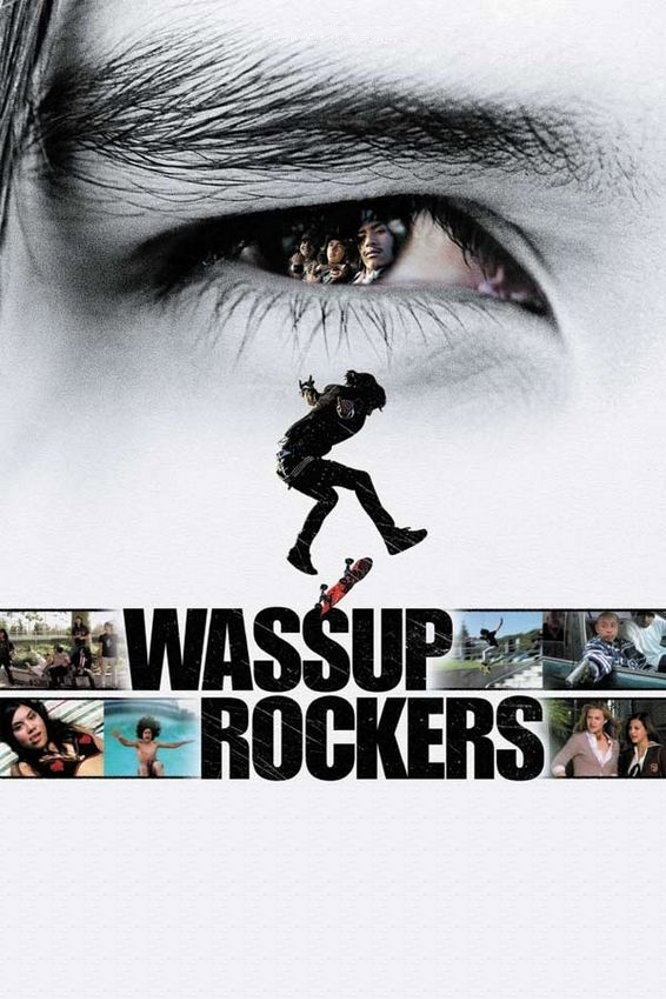
2005 · Larry Clark’s Salvadoran skaters cross Los Angeles and nobody wants them there.

Broad City poster

Broad City

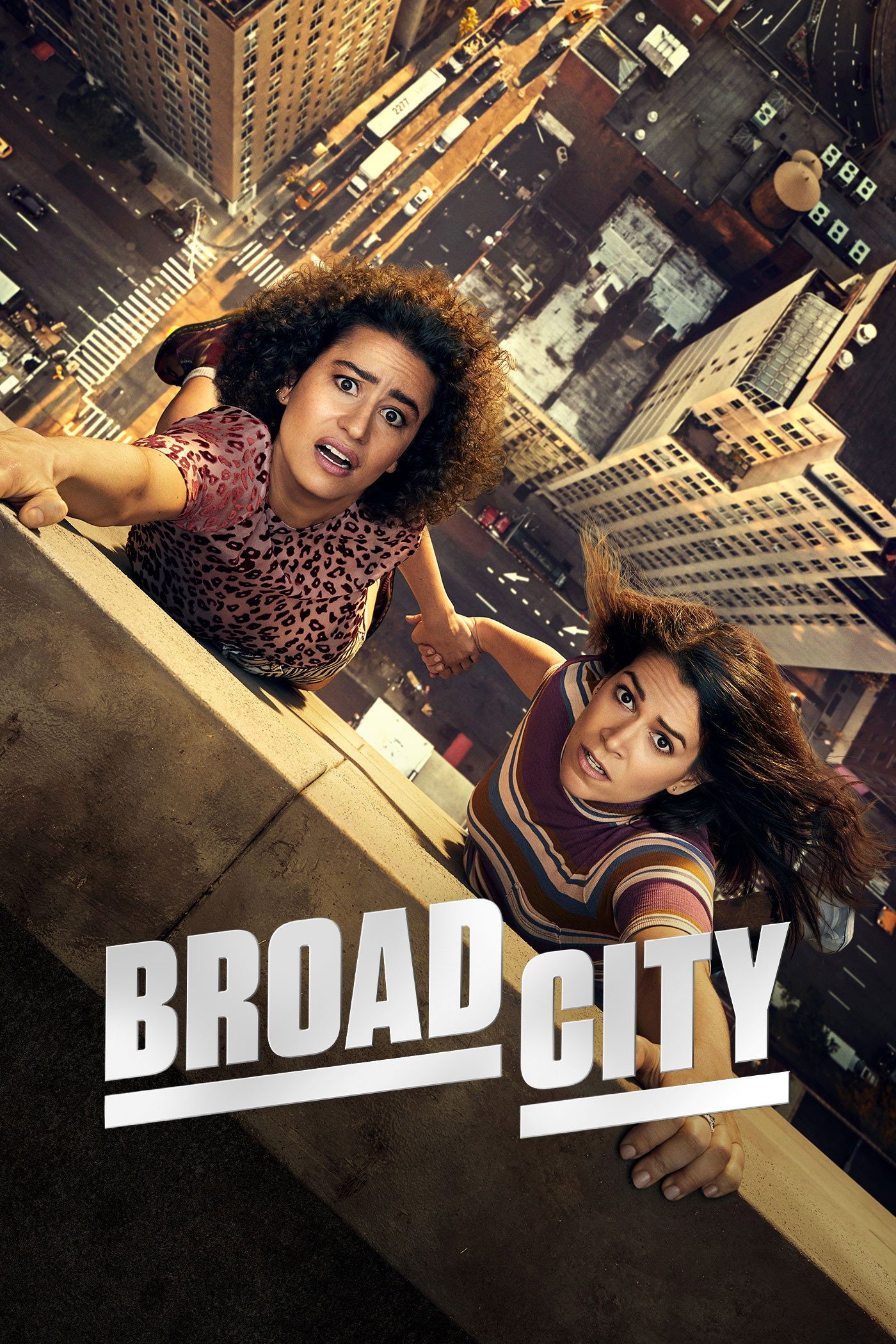
2014 · Two women, one New York, no plans; the comedy cousin of this show.